|
Weekend Plant Sales
Aransas Pass Veterans Market Days Saturday
10:00AM - 4:00PM
Location
Aransas Pass VFW Post 2932
620 W. Wheeler Ave.
Aransas Pass, TX
Subtropical Nursery
Free Mulch with purchase at nursery
Sunday - 9 AM till 4
161 N Rife St, Aransas Pass
| | |
Free wood chip mulch and
Dragon Fruit Plant with purchase
at Subtropical Nursery
Call for appointment
308-660-0410
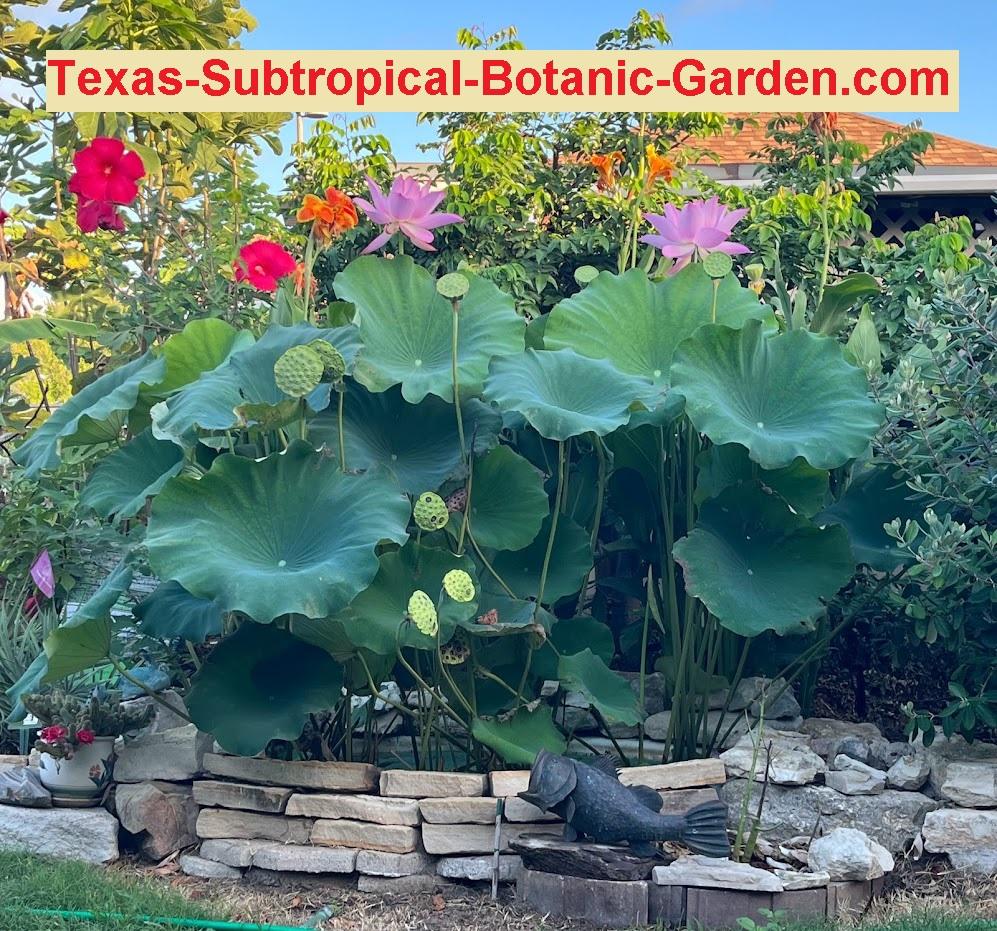
Bring the family for a Free tour of the Botanic Garden
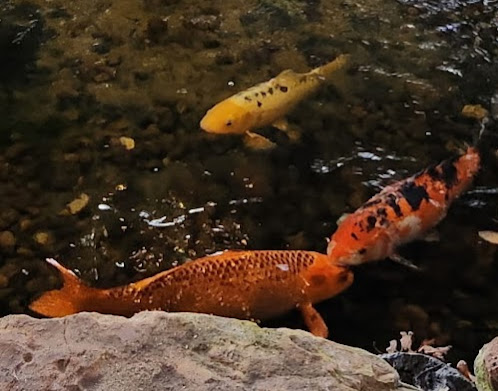
The kids will love seeing the Huge Koi Fish
| | |
Subtropical Nursery
We accept cash, cash app, Venmo, Credit cards
And Good Old American $100 Bills!
Low Chill Hour Fruit Trees & Berry Bushes
That produce fruit in our warm climate
Apples Mulberry Banana
Pears Pomegranate
Blackberry
Trees for Fall Color
Pollinator Plants to attract pollinating insects,
hummingbirds to your Fruit Trees & Berry Busshes
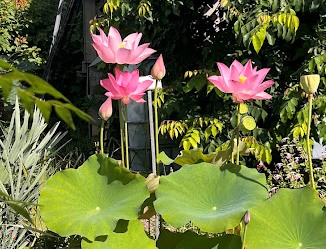
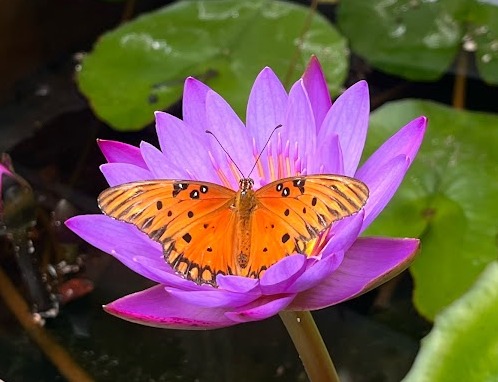
Tropical Water Lilies for your pond
Succulent & Cactus
Contact Tom for plants you are looking for
We will have more plants available this fall
Or you can make a special order
308-660-0410
| |
| |
Mosquito Control that has worked for me
Empty all standing water
They only breed in standing water
Mosquitoes can complete their life cycle in as little as 7-10 days
Mosquitoes breed in as little as 1/4 inch of standing water.
Consistent draining or Treating is essential
At least once a week, empty, turn over any item holding water. Check plant saucers, buckets, wheelbarrows, tires, pet dishes, toys, and clogged rain gutters.
A Biological Control that has worked for me
Is a biological larvicide B.t.i. (Bacillus thuringiensis subspecies israelensis). Using B.t.i., that can sabotage the growth cycle of the mosquito larvae.
When female mosquitoes lay their eggs in standing water treated with BTI, the mosquito larvae will hatch, begin to eat the B.t.i. and die. Utilizing the same mode of action for control of mosquito larvae, BTI can be sprinkled in marshy swampy areas for a shock to quickly annihilate the larval population.
It only kills Mosquito & Black Fly Larvae
Check your standing water ponds etc regularly for larvae
Here some products that contain BTI for Mosquito Control.
Click the links below for where to buy them
Summit BTI Mosquito Dunks & Bits
Bonide Mosquito Beater Products
Mosquito Beater Water Soluble Pouches
This fast-acting method delivers Bti to control mosquito larvae in standing water. Kills developing mosquitos before they hatch and become breeding, biting adults.
Mosquito Beater Flying Insect Fog
Fog Rx Propane Insect Fogger
Bonide Mosquito Beater Granules
About this item
· A fantastic option for minimizing mosquito activity around your garden and yard
· Features an all natural, field tested formula
· Effectively repels mosquitoes for up to 3 weeks
· Easy to use shaker applicator contains geranium oil, cedar oil, lemongrass oil, garlic and citronella oil
· Formula is non-toxic, biodegradable, pleasantly scented and treats 4,000 square feet
The "Bucket of Doom":
Create a dedicated trap by filling a 5-gallon bucket halfway with water, adding a handful of straw or grass clippings, and tossing in a mosquito bits or dunk. This acts as an irresistible breeding magnet, wiping out larvae safely.
| | |
Plants Available at the Nursery
| | |
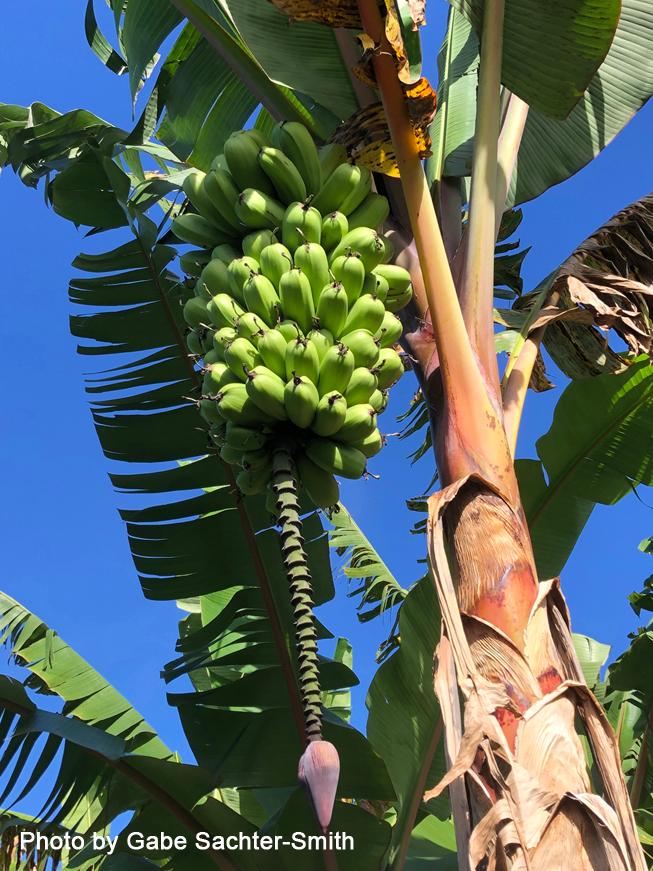
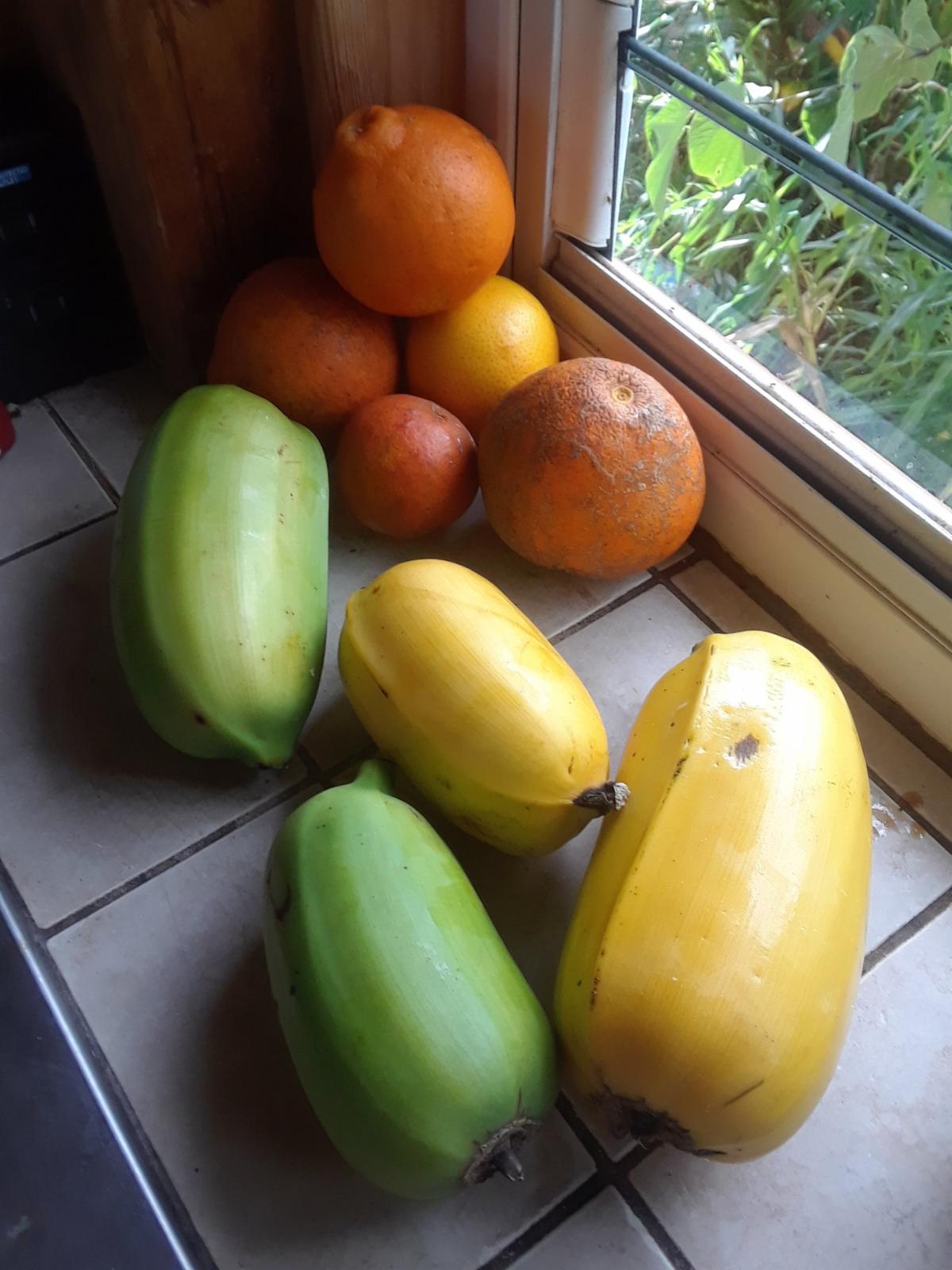
Popoulu, Red Trunk Banana
A rare, Pacific Island heirloom banana
Flavor and Texture: Unripe fruits are firm and starchy, making them perfect for savory dishes, stews, or frying into tostones. As they ripen, their flesh takes on a salmon-pink tint and develops a sweet, velvety flavor. [1, 2, 3, 4]
Appearance: The plant is famous for its striking deep red or scarlet trunk, making it a highly sought-after ornamental plant for tropical landscapes. [1, 2]
Growth: They typically grow to about 14 to 15 feet in height and thrive in warm, humid, frost-free climates (USDA Zones 8–10 or 9–11)
| | |
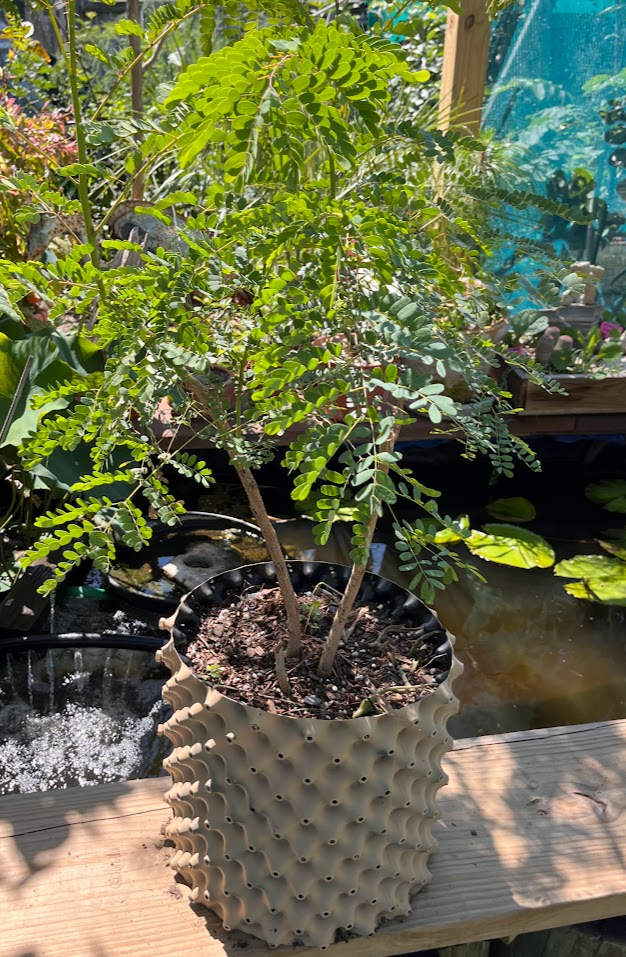
Pride of Barbados
A striking tropical shrub known for its fiery orange-red and yellow blooms
Pollinator Magnet: Its bright colors and late-summer nectar make it a favorite for hummingbirds, butterflies, and bees.
Generally grows 5 to 10 feet tall and wide
| | |
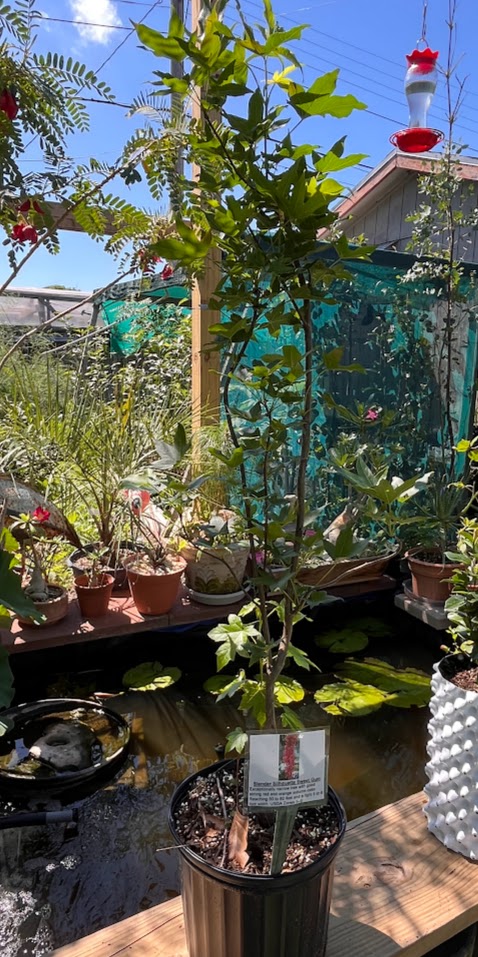
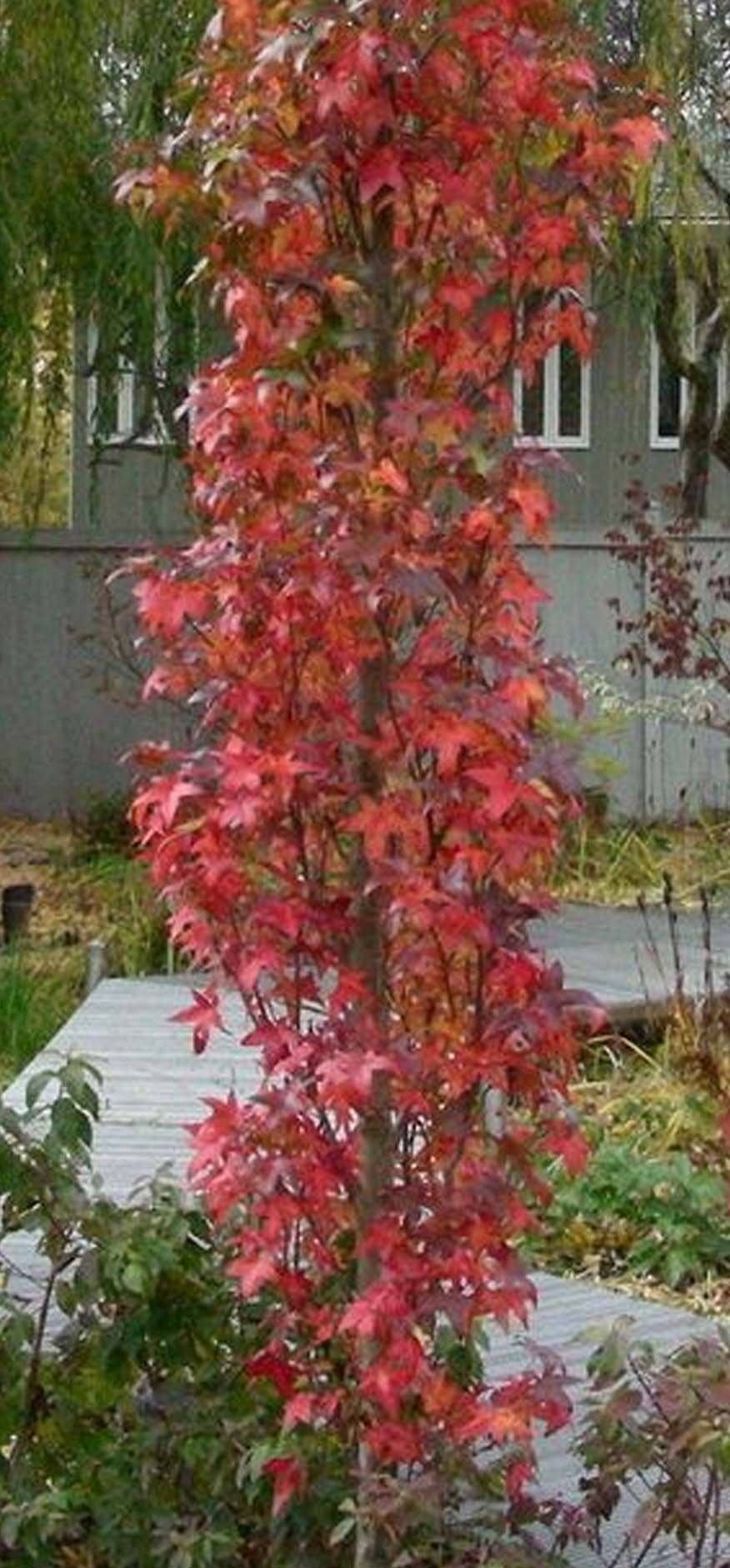
Slender Silhouette
Sweet Gum
Exceptionally narrow tree with good strong red and orange autumn color. Reaching 50 to 60 feet and a tight 5 to 6 foot width. USDA Zones 5–9
| | |
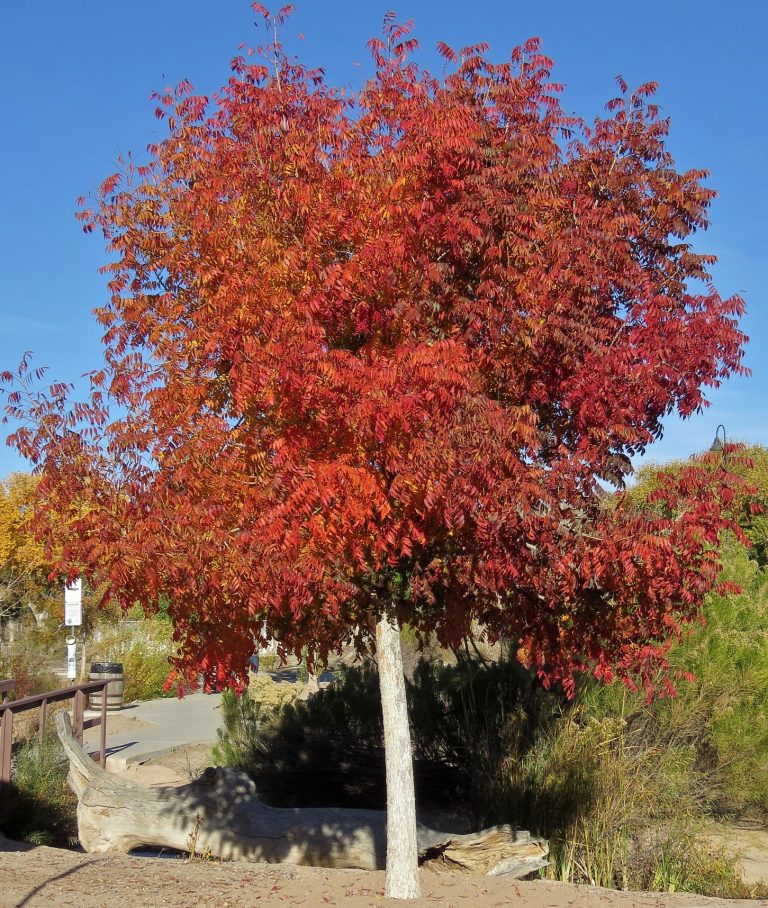
Chinese Pistache
Medium-sized shade tree highly regarded for its spectacular fall colors vibrant shades of orange, red & crimson 40–50 feet tall and 30 feet wide
At a moderate-to-rapid rate
| | |
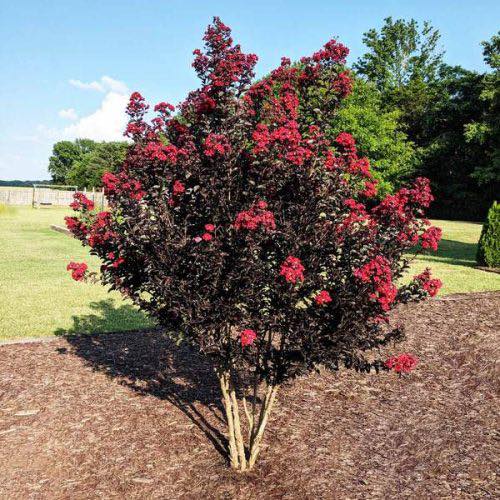
Dwarf Crepe Myrtle Trees
CRAPE MYRTLE, EBONY FIRE intense, deep purple foliage and vibrant, fiery red flowers that bloom. Growing 10–12 feet tall and 6–8 feet wide
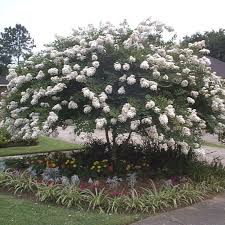
CRAPE MYRTLE, ACOMA
Fall Color vibrant purplish-red to dark red leaves. compact, weeping tree to 6 - 7' tall and wide with white flowers
| | |
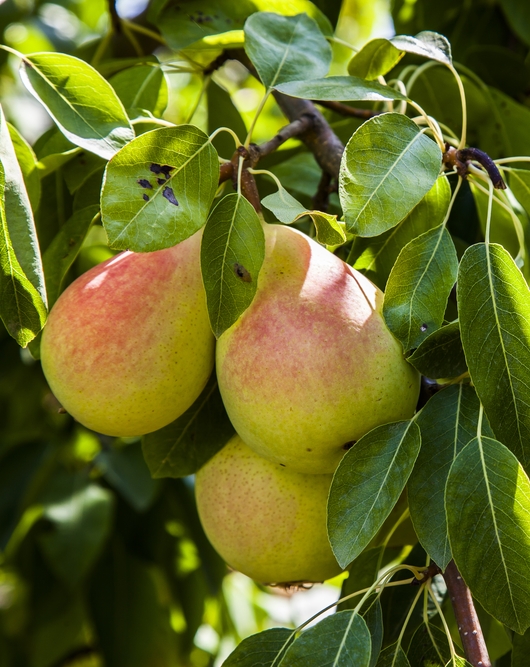
Southern King Pear
Asian Pear
| | |
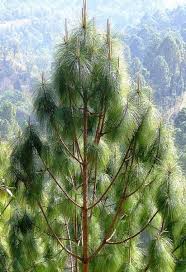
Chir Pine,
Himalayan Stone Pine
Medium to fast growth to 30-40'.
It forms a slender pyramid. The light green needles are 8-13" long.
Its cones produce edible pine nuts.
USDA Zones 8–11.
It thrives in warm temperate climates
| | |
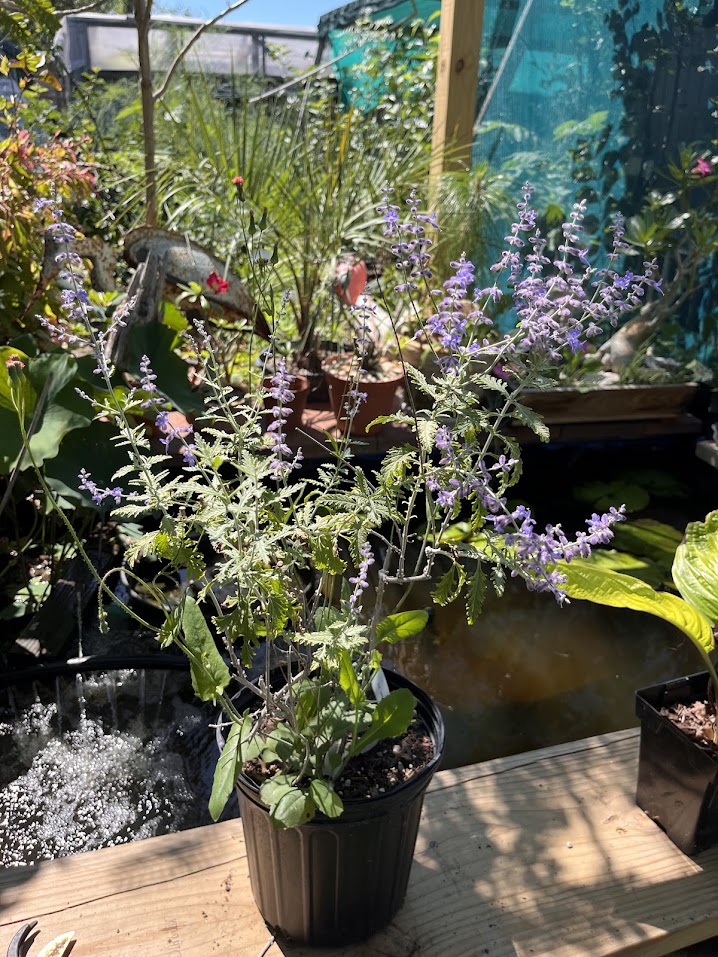
Russian Sage
A hardy, drought-tolerant perennial prized for its silvery-green foliage and spikes of lavender-blue flowers.
Reaching 2 to 4 foot tall. USDA Zones 5–9
| | |
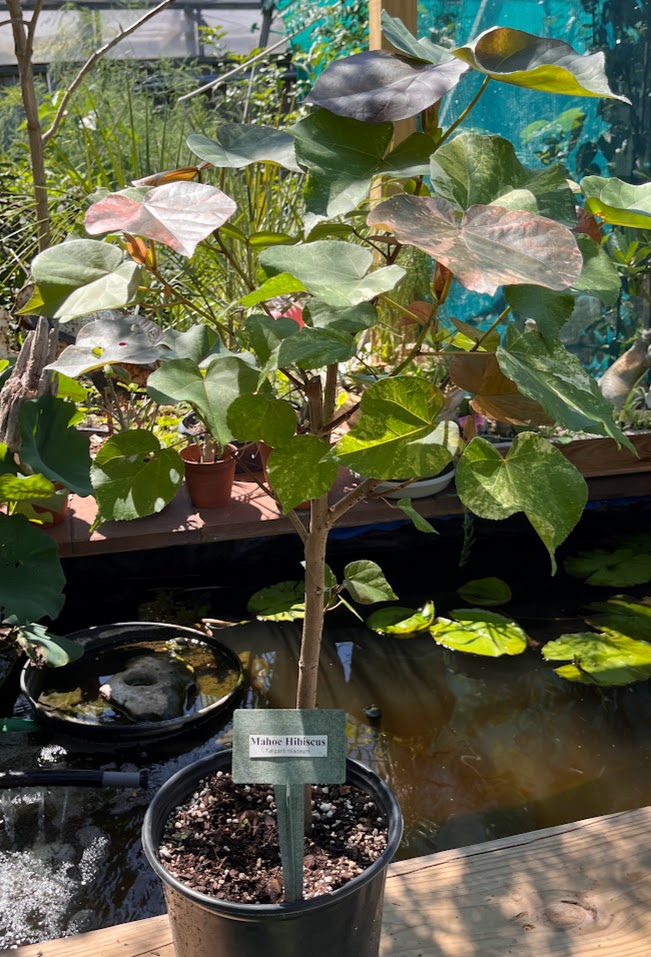
Mahoe Variegated
Sea Hibiscus
A fast-growing, evergreen shrub or small tree prized for its salt tolerance, features striking mixes of green, cream, and pinkish-red heart-shaped leaves, and color-changing flowers that bloom yellow and fade to orange-maroon Grows 12–25 feet. USDA Zones 10 (will grow back after a freeze)
| | |
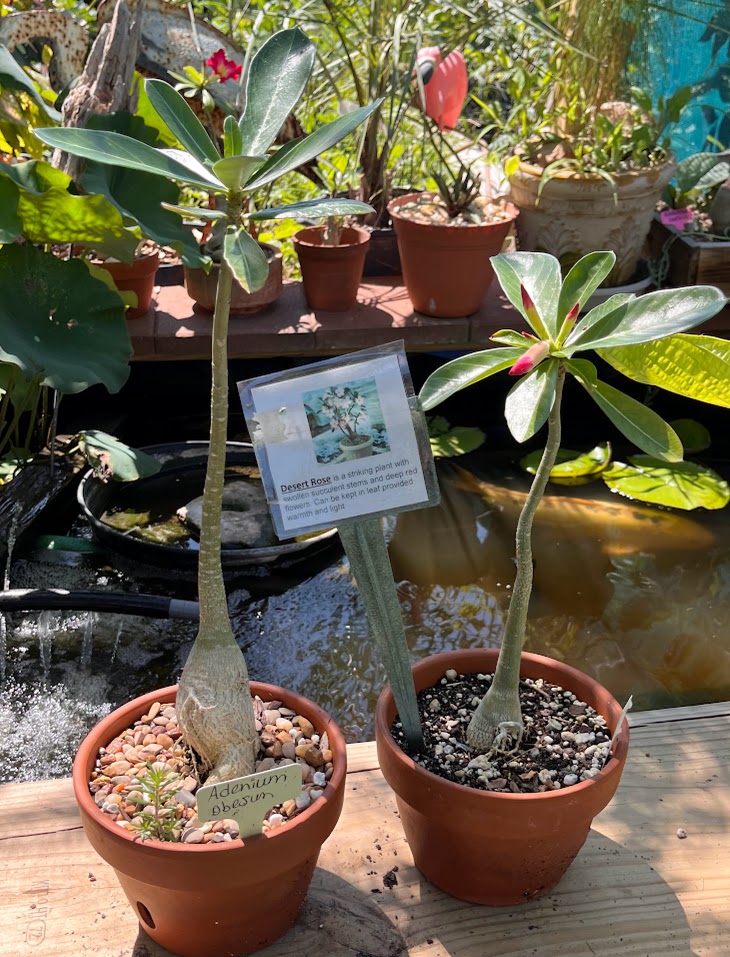
Desert Rose
Purple/red blooms in 6" orchid pots
| | |
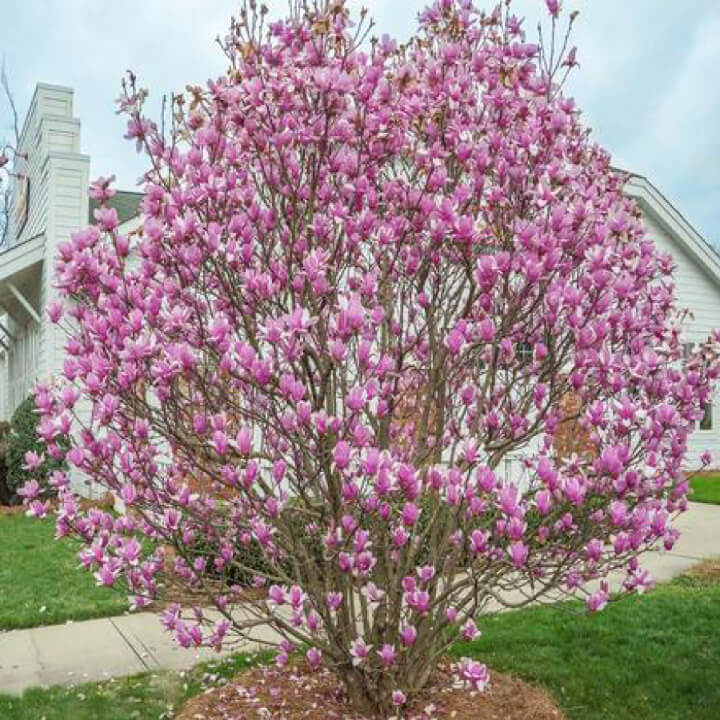
Jane Magnolia Tree
Stunning deep pink to purple blooms and alluring fragrance.
Perfect for a small garden.
Mature height of 10–15 feet.
| |
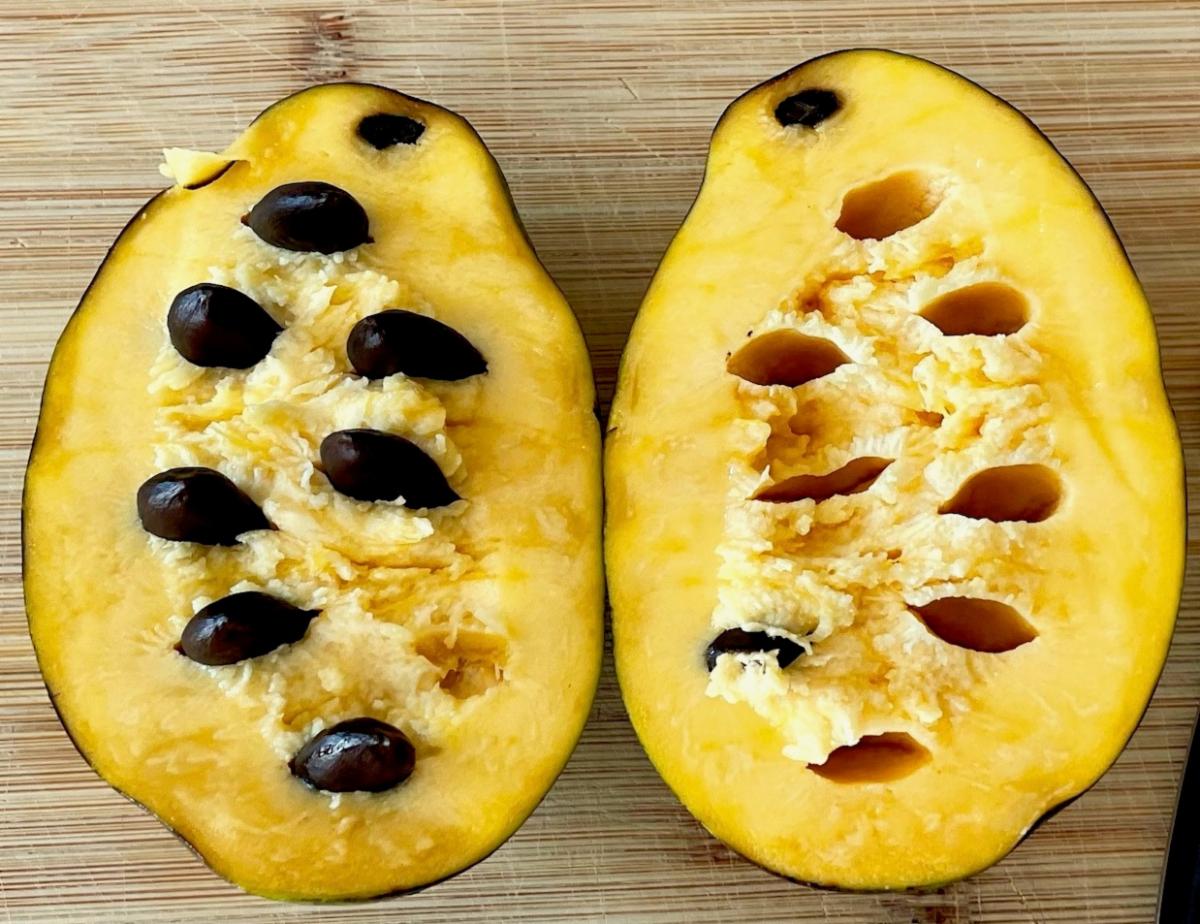
Pawpaw
The continent's largest edible native fruit, a "temperate tropical" plant, it is the only local member of the tropical custard-apple family
A small understory tree typically reaching 15 to 30 feet
| | |
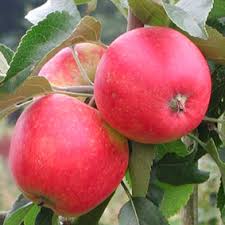
Pink Lady Apple
Well-suited for warmer climates
300 to 500 chill hours
Hardiness Zones 6 to 9
Requires cross-pollination. A late-season apple, typically ripening between late October and November
| | |
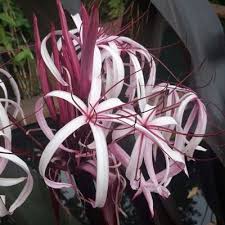
Purple & White Spider Lily
(Crinum menehune)
Bold and dramatic, the purple spider lily captivates with its ribbon-like petals and long, delicate stamens that burst outward like fireworks. Its vibrant purple-and-white blooms rise above deep burgundy foliage
This tropical beauty thrives in warm climates and loves full sun to partial shade, also a great bog plant for your pond. Once established, spider lilies are surprisingly low-maintenance and drought-tolerant, making them a standout choice for gardeners looking for color with resilience.
| | | |
20" Specimen Koi
For Sale
| | |
Planting Containerized Trees
Containerized Trees are trees that contain all of their roots in the container.
These can be planted successfully at any time of year if planted properly.
Handling Trees before Planting
Avoiding unnecessary damage and stress to trees prior to planting will ensure better success.
- Keep the rootball moist.
- Handle the tree by the container, not by the trunk.
Preparing the Hole and Planting the Tree
Preparing the planting area properly before planting is very important.
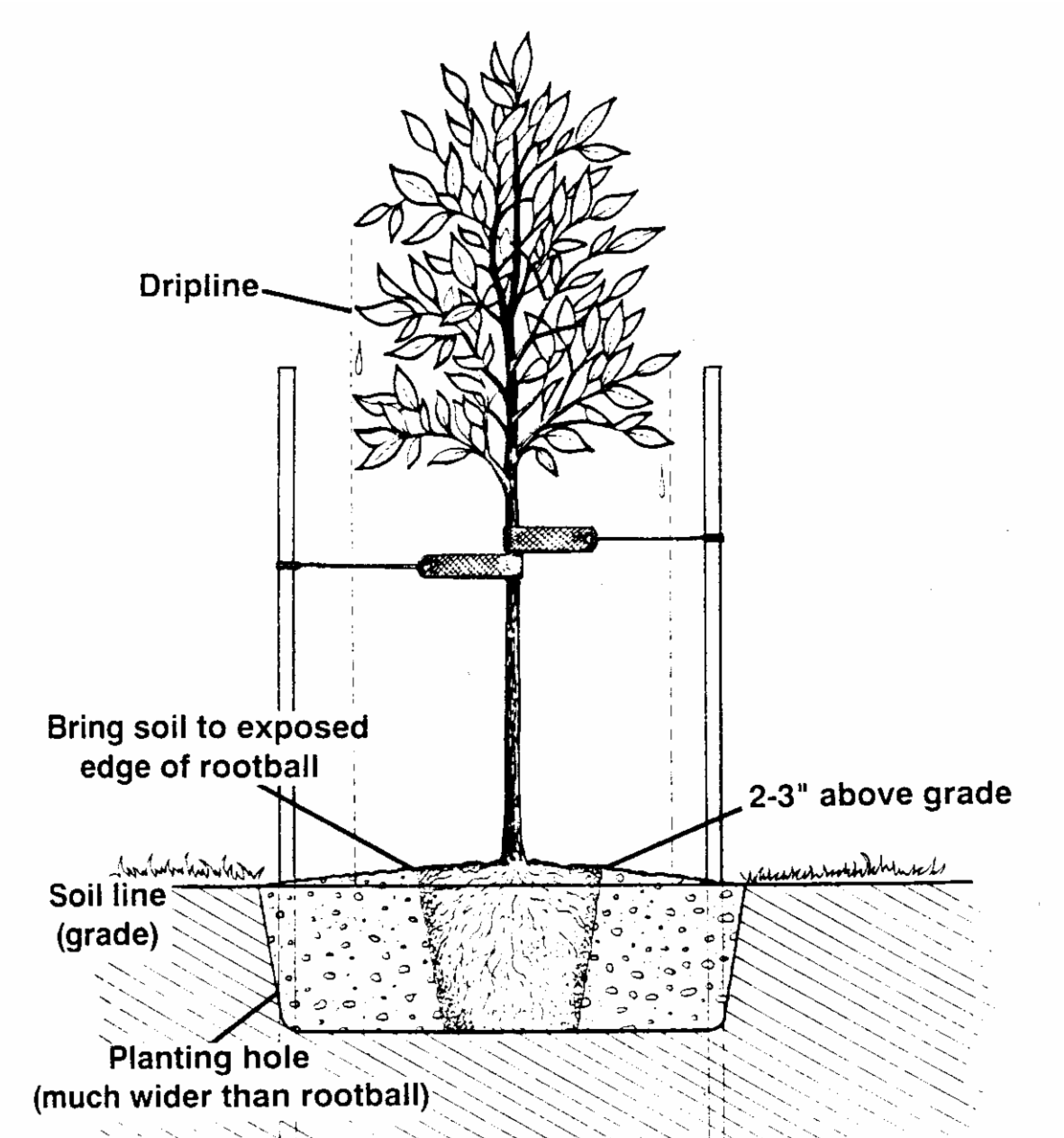
- Dig the planting hole two to three times the diameter of the tree’s rootball and no deeper than the rootball itself.
- For clay soil, plant trees one to three inches above grade. Plant trees at their original grade in sandy soil.
- Do not put crushed stone or gravel in the bottom of the hole!
- Carefully remove the container.
- If roots are excessive and circling the inner walls of the pot, score the outer edge of the rootball by slightly severing or scratching to loosen the root system. Do not cut deeply into the rootball.
Backfilling the Planting Hole
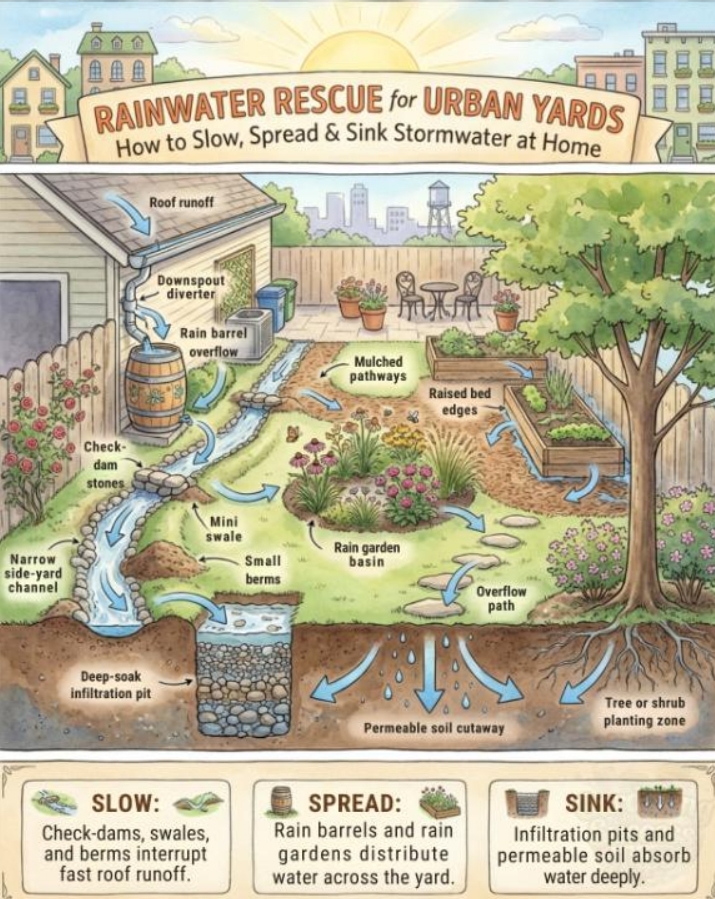
Fill in the planting hole (backfill) with native soil and mix in 1/3 compost to the backfill.
Compost mixed in with sandy soil will increase the ability of the soil to retain water and nutrients. In clay soil, organic material helps to add air pockets and gives space for the roots to find oxygen.
Fertilizing
A new tree should not be fertilized for the 1st year to encourage its roots to expand out into the native soil.
Future seasons it should be fertilized out at the dripline of the tree.
Watering the New Tree
Newly planted trees should be watered in well at the time of planting to ensure air pockets are removed from the backfill material.
Generally, young plantings need an equivalent of one inch of rain per week. Newly planted trees may need to be watered two or three times a week in extremely hot, dry, windy weather because their root systems cannot take up the amount of water needed to replenish the water lost through the leaves. Watch for signs of wilting as an indicator that the tree needs water. (wilting can also be a sign of overwatering especially in clay soil) Be cautious not to overwater or the amount of oxygen in the soil will be lowered to a level that will damage roots, especially in clay soil.
Dig under the mulch a couple of inches to check the soil moisture before watering and only water when it starts to dry out.
If you have several young trees and shrubs, a drip irrigation system would be wise.
Mulching the New Tree
The secret to a thriving orchard is mulch.
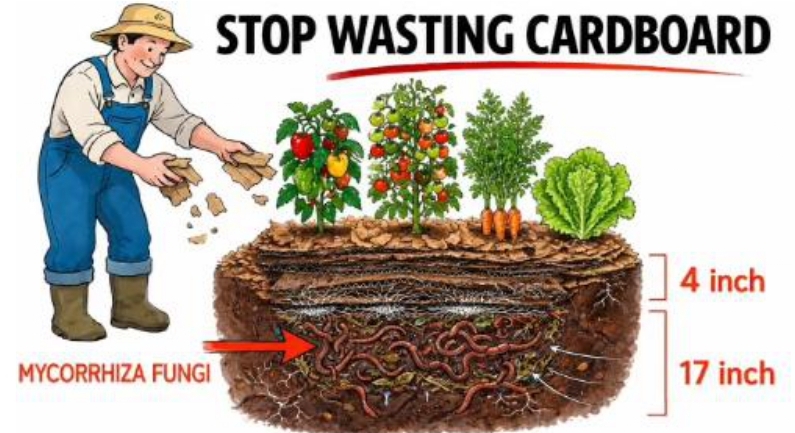
New trees should be mulched using organic mulch two to four inches deep and five to six feet in diameter; keep mulch at least two inches away from the trunk of the tree. Do not mound mulch up against the trunk of the tree. You can also put cardboard underneath the mulch to discourage weeds.
The benefits of mulching are:
- Create a weed and turf-free area.
- Reduced plant competition for water and nutrients.
- Regulate soil temperature and moisture.
- Add organic matter to the soil as the mulch decomposes.
Pruning a New Fruit Tree
To produce quality fruit, fruit trees need regular pruning in their first few years to develop healthy growth and well-spaced branches, and continuous minor pruning thereafter. There are many different ways to prune fruit trees that result in good-quality trees.
When you pick up your trees at the nursery I can help you prune your tree to get it to a good start.
Staking Trees
Stake young trees sparingly and briefly when possible.
Stake trees when top-heavy or planted in windswept areas. The material used to attach the tree to the stake should be broad, smooth and somewhat elastic. Do not stake the tree too rigidly. Always allow for sway.
Have your soil & water tested
Texas A & M Soil & Water Testing Lab
| | |
Be Careful when Choosing Fruit Trees
Make sure they will produce in our warm climate
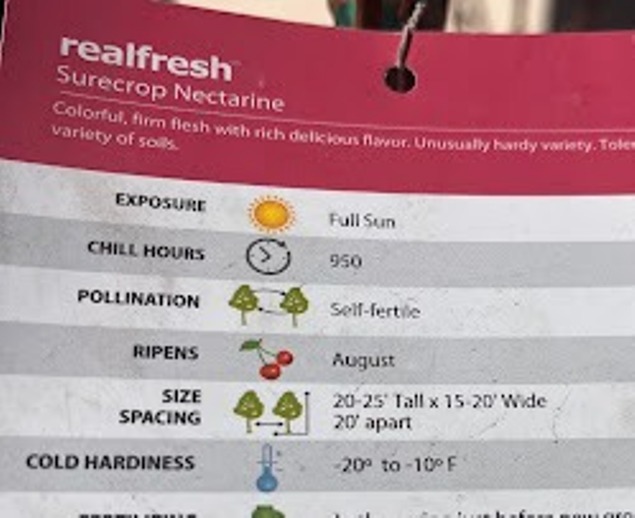
I see Fruit Trees in the Big Box Stores that homeowners recognize from the produce they buy that are grown in colder climates and will not fruit here as they require much longer periods of chill to set fruit buds that will produce fruit in our climate.
Below is an example I saw recently
It requires more than double the
Chill Hours that we receive in the Coastle Bend or S Texas
| | |
Selecting Fruit Trees for the Coastal Bend
Things to consider when choosing fruit trees
to fruit successfully in our climate.
Many temperate fruit tree varieties such as apples, pears, peaches, plums, etc. don’t do well In South Texas.
Why? We live in a semi-tropical environment with a very mild winter and not a true temperate climate with a consistently cold winter.
Fruit tree's chill hour requirements
Fruit trees, such as apples, peaches, pears, and plums, require a period of dormancy and the accumulation of chilling to produce flowers and fruit.
If a fruit tree is grown where winter cold is insufficient to satisfy the variety’s chilling requirement, blooming and foliation will be delayed and erratic; fruit set and fruit quality will be poor.
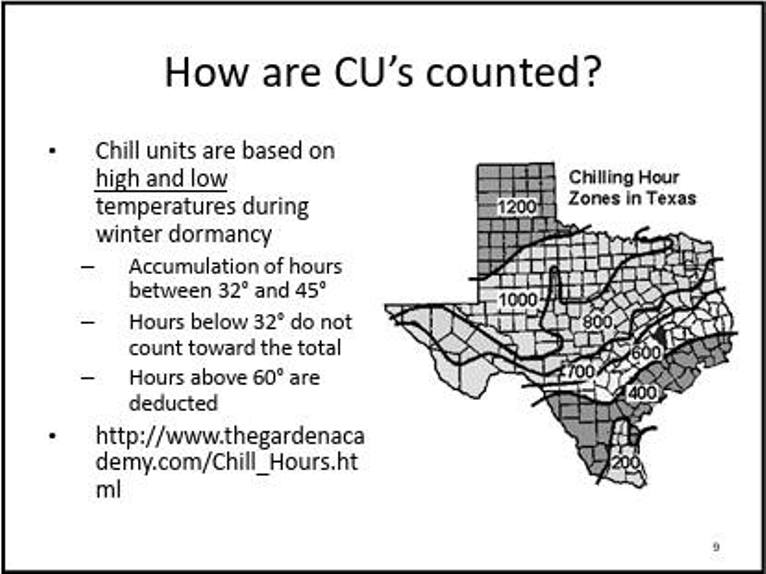
A chill hour is the amount of chilling received by a plant between 32 & 45 degrees F.
The Coastal Bend is in Hardiness Zone 9b
The minimum average temperature range is 25°F to 30°F.
The Coastal Bend on average receives 110-310 Chill hours
For plants to thrive in your geographical area, it requires matching ideal USDA Plant Hardiness Zone compatibility with the optimum amount of chill hours.
Pollination of Fruit Trees
Some types of fruit trees may be pollinated with their own pollen and are considered self-fruitful or self-pollinating. Other types of fruit trees require pollen from a different variety of the same type of fruit trees. The transfer of pollen from one variety to a different variety of the same type of tree is called cross-pollination. Cross-pollination is essential for apples, pears & most sweet cherries. Cross-pollination is not essential but does improve the number of fruit that form on other fruit trees.
Pollen is primarily transferred by honeybees.
Fruit Tree Chill Hour, Hardiness Zones & Pollination Requirements
- Apple – 200 to 1200 chill hours – Zones 5 – 9 – most require cross-pollination
- Avocado – Zones 5 – 9 – A & B types help with increased pollination, but are not required
- Banana – Zones 4 – 11 – self-pollinating
- Cherry – 300 to 1200 chill hours – Zones 5 – 7 – most require cross-pollination
- Cherry, Barbados & Surinam – Zones 9b – 11 – self-pollinating
- Citrus Trees – Zones 9 – 11 – self-pollinating
- Figs – 100 to 500 low number of chill hours – Zones 5 – 9 – self-pollinating
- Grapes – 100 to 500 chill hours – Zones 5 – 9 – most are self-pollinating
- Japanese Plum 250 chill hours Zones 5 - 9 self-pollinating
- Jujube 150 chill hours Zones 5 - 9 partially self-pollinating
- Loquat – Zones 8b – 11 – self-pollinating
- Nectarine 300 chill hours Zones 5 - 9 self-pollinating
- Olives – Zones 9 – 11 – most are self-pollinating
- Peaches – 150 to 1200 chill hours – some are self-pollinating
- Pears – 400 to 1500 chill hours – Zones 5 – 9 – some are self-pollinating
- Pecan – 200 to 1600 chill hours – Zones 5 – 9 – most require cross-pollination
- Persimmon – 100 to 500 chill hours – Zones 5 – 9 – some are self-pollinating
- Pomegranate – 100 to 200 chill hours – Zones 7 – 10 – self-pollinating
Growing Backyard Citrus presented by
Texas A&M AgriLife Extension Service
Galveston County Master Gardener
Youtube Presentation
Link to the Youtube Presentation
Link to download a PDF of Growing Backyard Citrus
Also a PDF of Extending Your Citrus Season
Caring For Container Grown Lime Trees
How To Grow Blood Oranges
Facebook Indoor Citrus Tree Growers Group
| | |
Bamboo Misconceptions
Bamboo scares some people because its nature is to grow…a lot. The running variety of bamboo is considered invasive with rhizomes that grow like crazy to often take over your yard and the ones next to it.
Some varieties are Clumping Non-invasive Bamboo that have non-invasive shorter rhizomes that don't stray far from their origin. And grow in dense clumps, making them ideal for hedging and screening, garden borders, and containers. These bamboos are not classified as invasive.
But – and there’s a big thing – bamboo is one of the most beautiful, hardy, drought-and-pest-tolerant plants a homeowner can add to his yard once established. Quick-growing, long-lived, and easy to maintain.
Bamboo is an attractive and versatile plant that can add a touch of elegance to any garden or interior plantscape.
You can create a beautiful, thriving bamboo landscape that adds an exotic touch to your garden.
Bamboo is one of the fastest-growing plants in the world, so it can quickly form a screen that provides visual, wind and noise buffering.
| | |
Bamboo is a Perennial Evergreen in the grass family. Bamboo is a versatile and visually appealing plant that can be used in many ways in a garden, including:
Ornamental Centerpieces, Focal Point
Many landscapers and home gardeners have found that clumping bamboo plants is the perfect choice for creating an ornamental centerpiece. Whether an urban yard or an Asian-inspired landscaping theme, the unique attributes offered by many varieties of bamboo make a perfect focal point, ornamental centerpiece, and conversation piece.
Have your soil & water tested
Texas A & M Soil & Water Testing Lab
| |
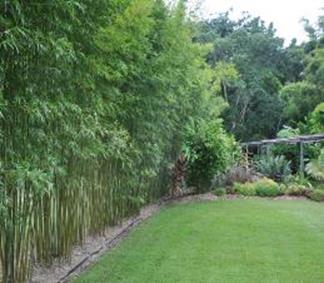
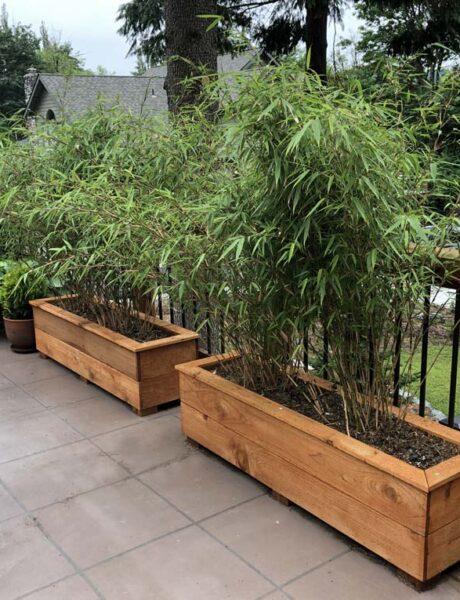
Used as a privacy screen or hedge
Wind Breaks are often constructed using bamboo in many other parts of the world. Because bamboo is a flexible plant that can bend and sway in the strongest of winds, its use as a wind break is common in typhoon-prone areas and tropical locales experiencing heavy winds.
| |
In planters or beds add screening to a patio area.
Some of the shorter bamboos can be successfully confined to pots
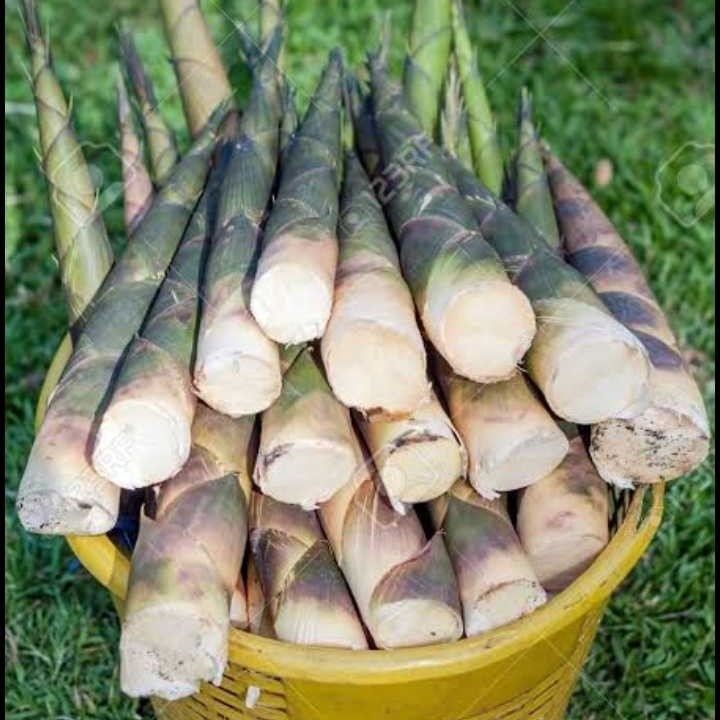
| Edible Bamboo for Bamboo Shoots are known for their health benefits. This includes weight loss, balanced cholesterol, and anti-inflammatory properties. Bamboo shoots also contain high amounts of vitamins and fiber. |
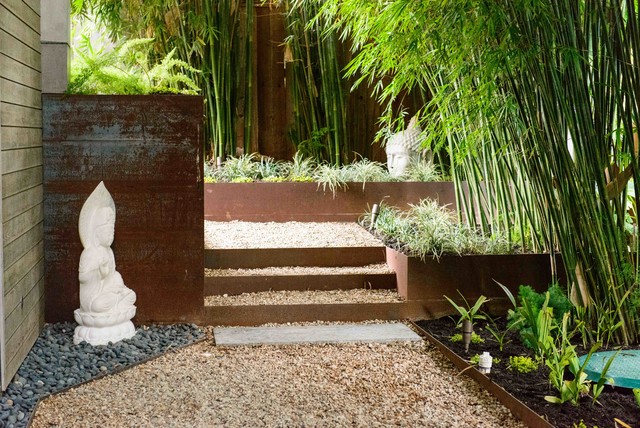
Tropical and Exotic Feel or Asian Ambience.
Bamboo is a versatile and beautiful plant that is perfect for creating a stunning landscape design in your backyard. Bamboo is known for its fast growth and elegant, upright stems, which provide a tropical and exotic feel to any garden
| |
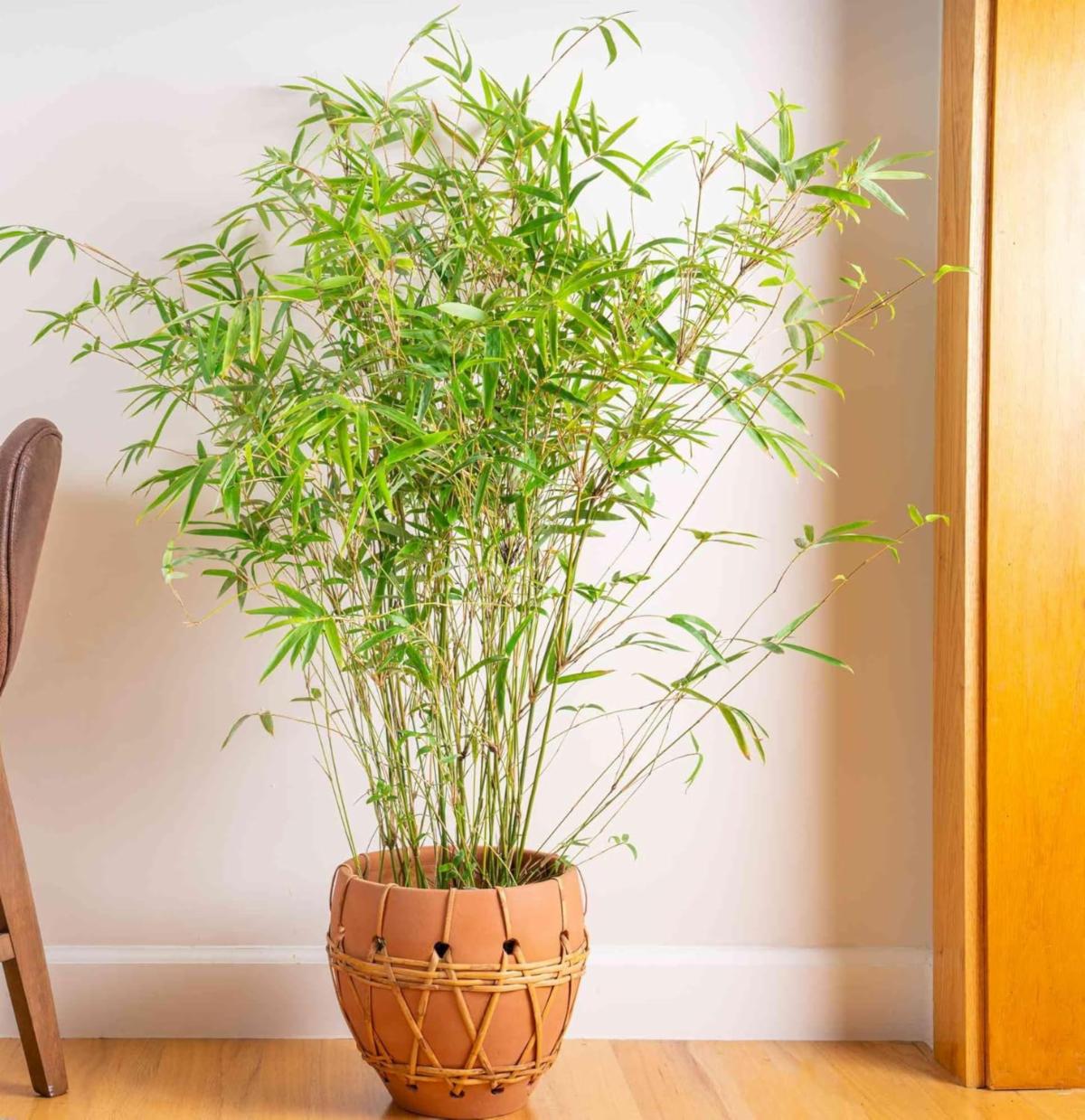
Bamboo for the Interior Plantscaping
A clumping bamboo is easier to grow as a houseplant. indoor bamboos need good drainage, regular watering, and fertilizing.
Bamboo loves humidity, which you can increase by misting it with a spray bottle several times a day. Placing a pebble tray with a little bit of water under the container also helps raise moisture levels. Or place a humidifier nearby. Provide your indoor bamboo with as much bright, indirect sunlight as possible for the best growth.
Keep a close eye on the soil's moisture to make sure your plant is properly hydrated but not soaking; overwatering can cause root rot. Allow the top 2-3 inches to dry out before watering again, and don't water as frequently during the winter. A
pply an organic, slow-release fertilizer twice a year for healthy growth.
| | Share this with your gardening Friends | | | | |