Library Building Programming: Another Dimension of the Scan
Grading space is only half the exercise. The designer needs to understand that space graded as "A" may still fail because it may be the wrong kind of space for the behavior required. We must accommodate all types of library users and needs.
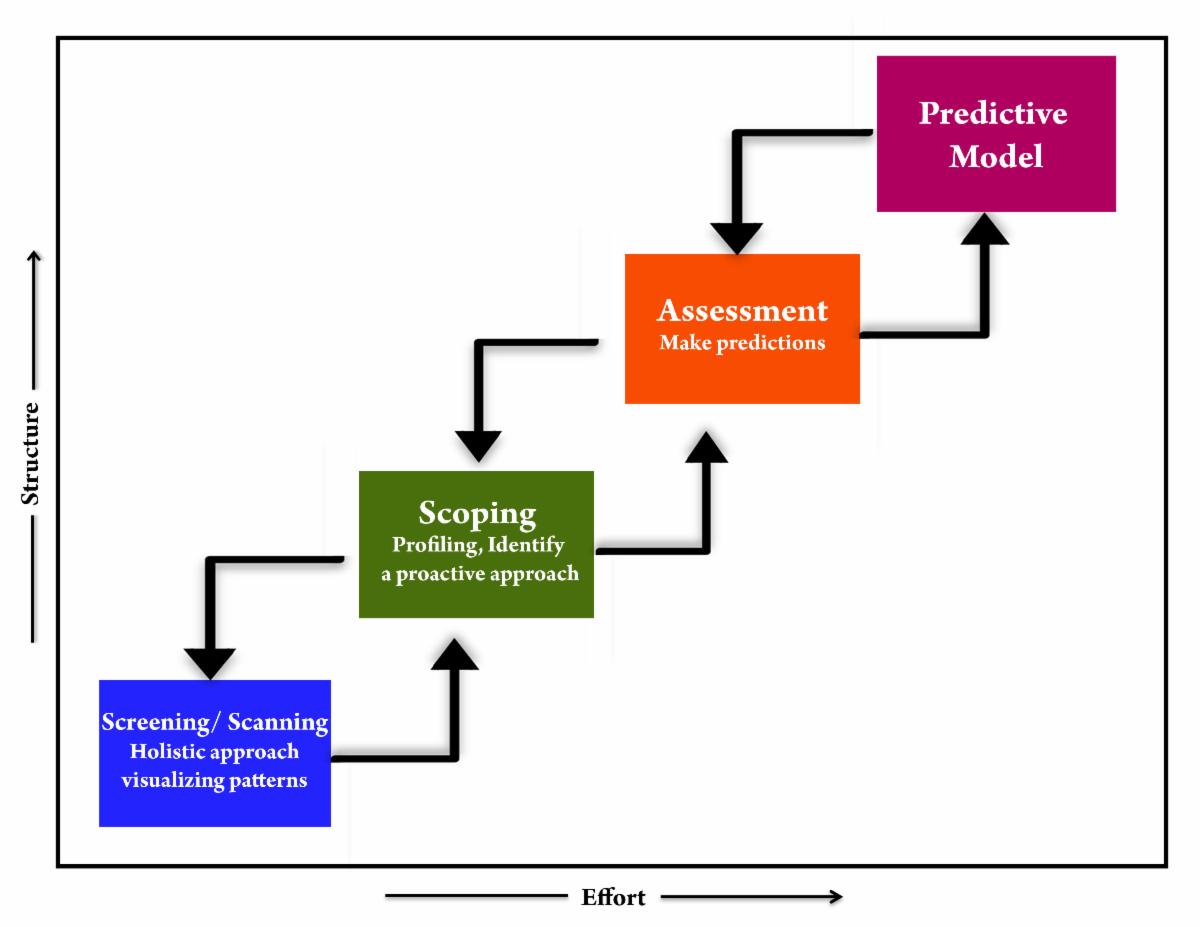
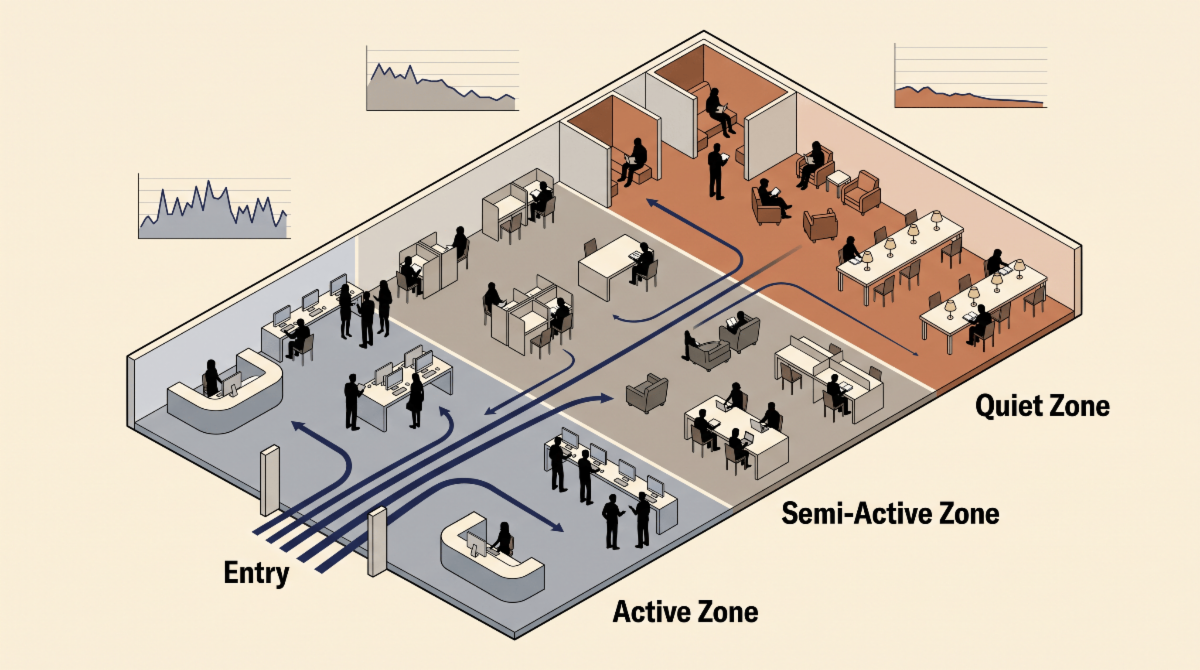
Aaron Cohen Associates, developed the Visual Scan as a user engagement exercise to develop the next generation library. It identifies four distinct worksphere types, as Aaron Cohen Associates programs and plans. Each with its own arrangement logic, physical elements, behavioral signature, and native environments.
Formal
The formal worksphere, according Aaron Cohen Associates, is the standard library seating layout: geometric, controlled, arranged in rigid patterns. It comprises open areas and instructional facilities equipped with chairs, tables, computers, microform equipment, and auditoriums with fixed seating.
Behavior here is quiet and serious. The defining characteristic is the behavior bubble — the privacy requirements of the individual user, including protection of the back and sides. This is why the corner seat and the carrel against a wall outperform the table in the middle of the floor. The user reads the room for exposure before sitting down.
Native environments: seating areas for study, research, and work; classrooms and labs.
Collaborative
The collaborative worksphere, according Aaron Cohen Associates exists so patrons can work together and talk with one another. Its arrangement is interactive, flexible, and mobile. It requires open areas and enclosed rooms fitted with chairs, large tables, and computer stations.
Behavior includes conversation and noise, study and work that may be serious or playful, and small behavioral bubbles — users in collaborative mode surrender personal space voluntarily. The design consequence is direct: collaborative zones must be acoustically separated from formal zones, or one will destroy the other.
Native environments: seating clusters within study, research, and work areas; group study rooms; labs.
Casual/Informal
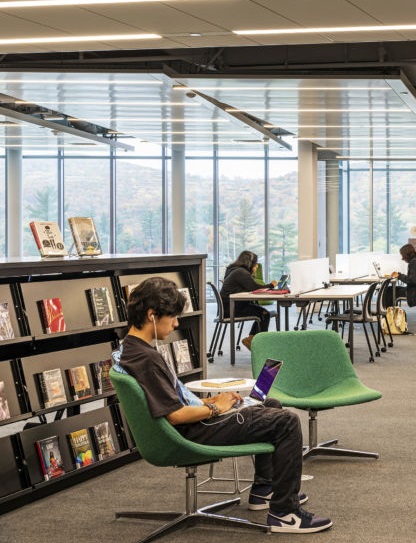
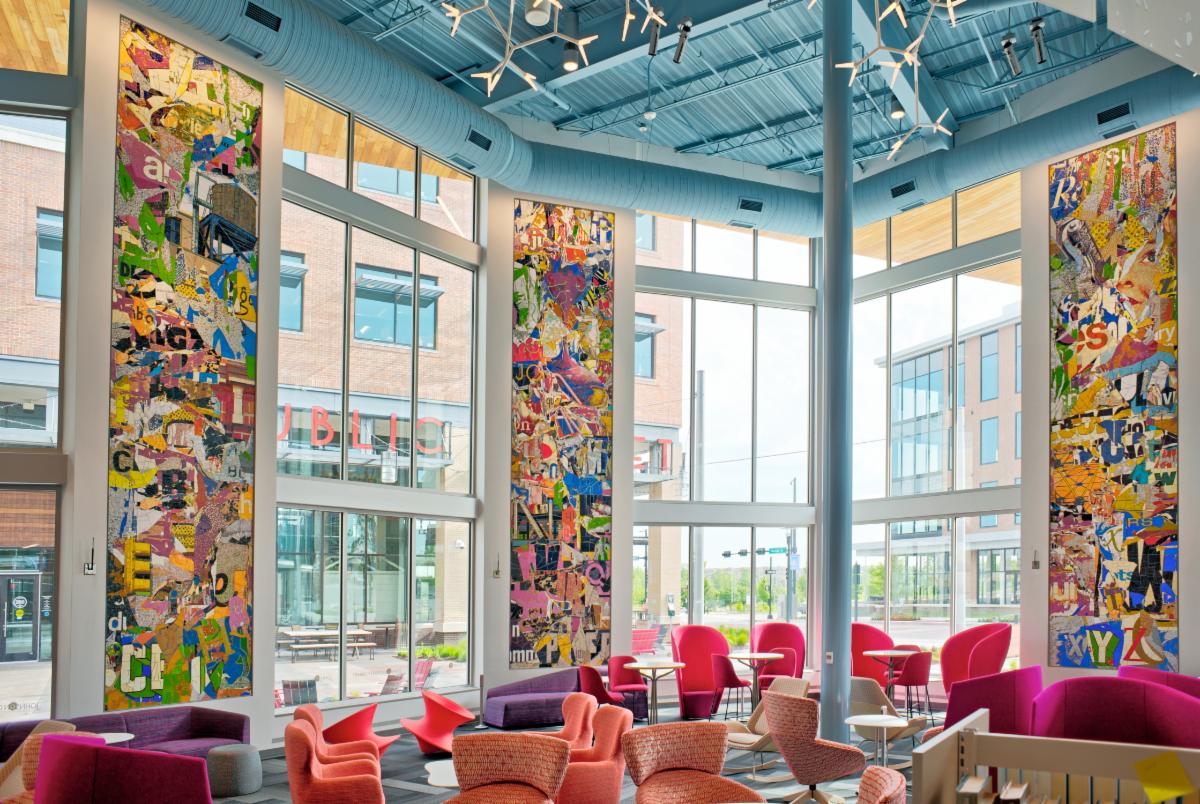
The casual worksphere, according Aaron Cohen Associates, accommodates browsing, reading, and coffee. Its arrangement is relaxed, changeable, and mobile. Its elements are couches, comfortable chairs, occasional tables, and cafeteria-style chairs and tables, distributed across open areas and enclosed rooms.
Behavior is quiet or noisy, serious or playful, with standard or small behavioral bubbles. This is the most tolerant of the worksphere types and the most frequently underbuilt.
Native environments: informal clusters, lounge areas, the cafe, the internet cafe.
Nomadic
The nomadic worksphere, according Aaron Cohen Associates, is the creative use of space and other physical resources by patrons. Its arrangement is unpredictable. Its elements are any element. Its environments are any environment.
Behavior is independent, rule-breaking, and strange. The nomadic user sits on the floor between the stacks, works at the end of a service desk, drags a chair to an outlet that was never meant to serve a chair. This behavior is not a discipline problem. It is user engagement data that is used to develop the modern library.
|