Aligning Space, Technology, and Student Success
An institution’s physical infrastructure reveals its strategic priorities. When educational organizations prioritize libraries, they design environments that respond directly to student needs, aspirations, and diverse abilities.
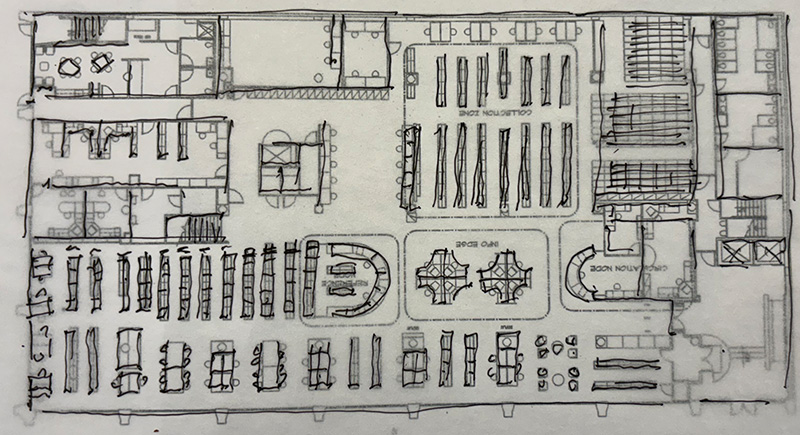
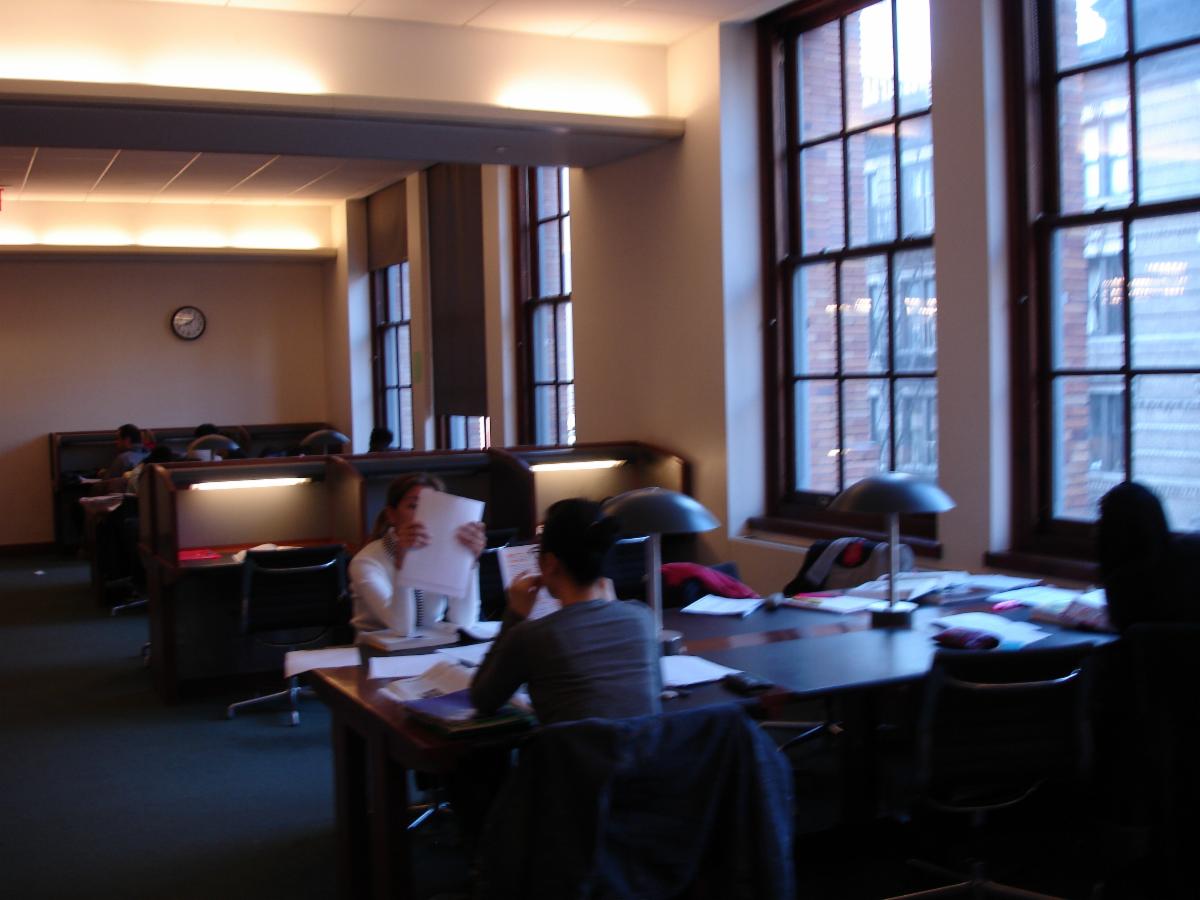
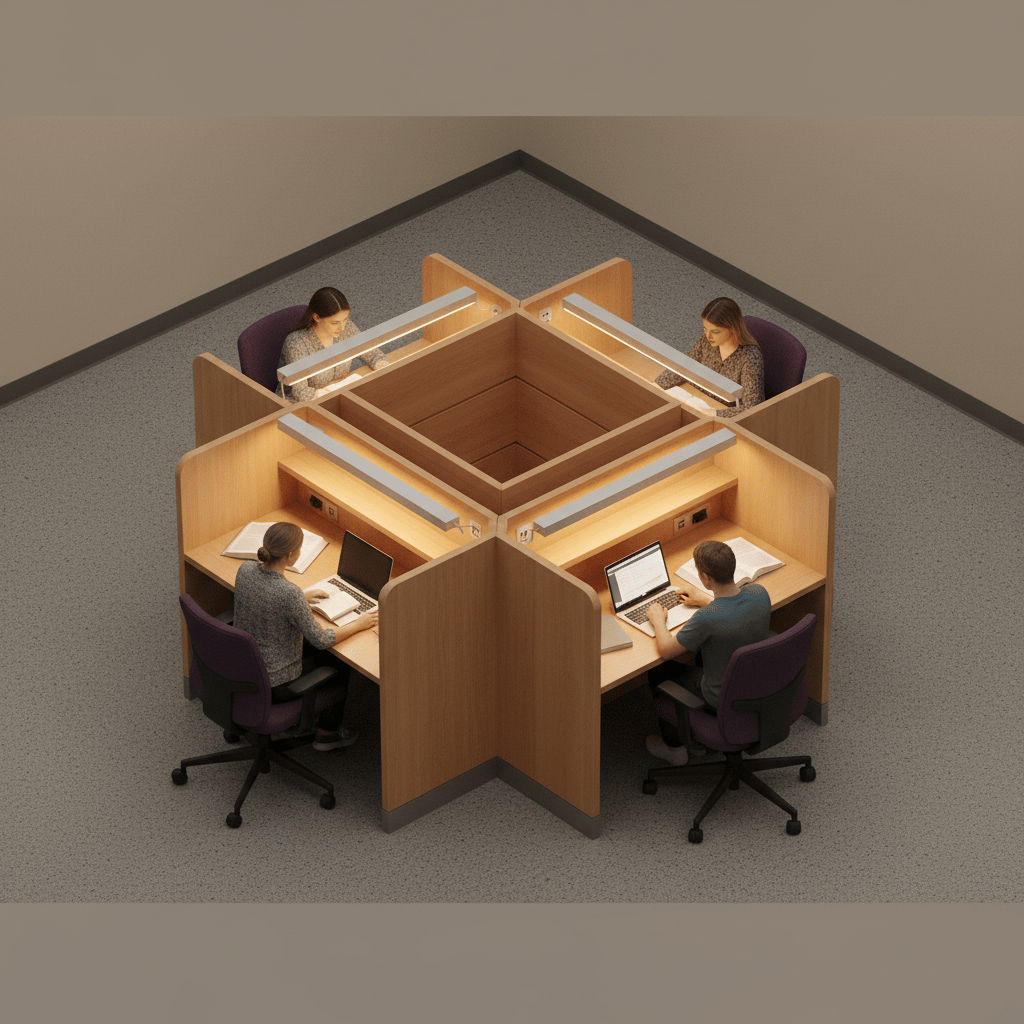
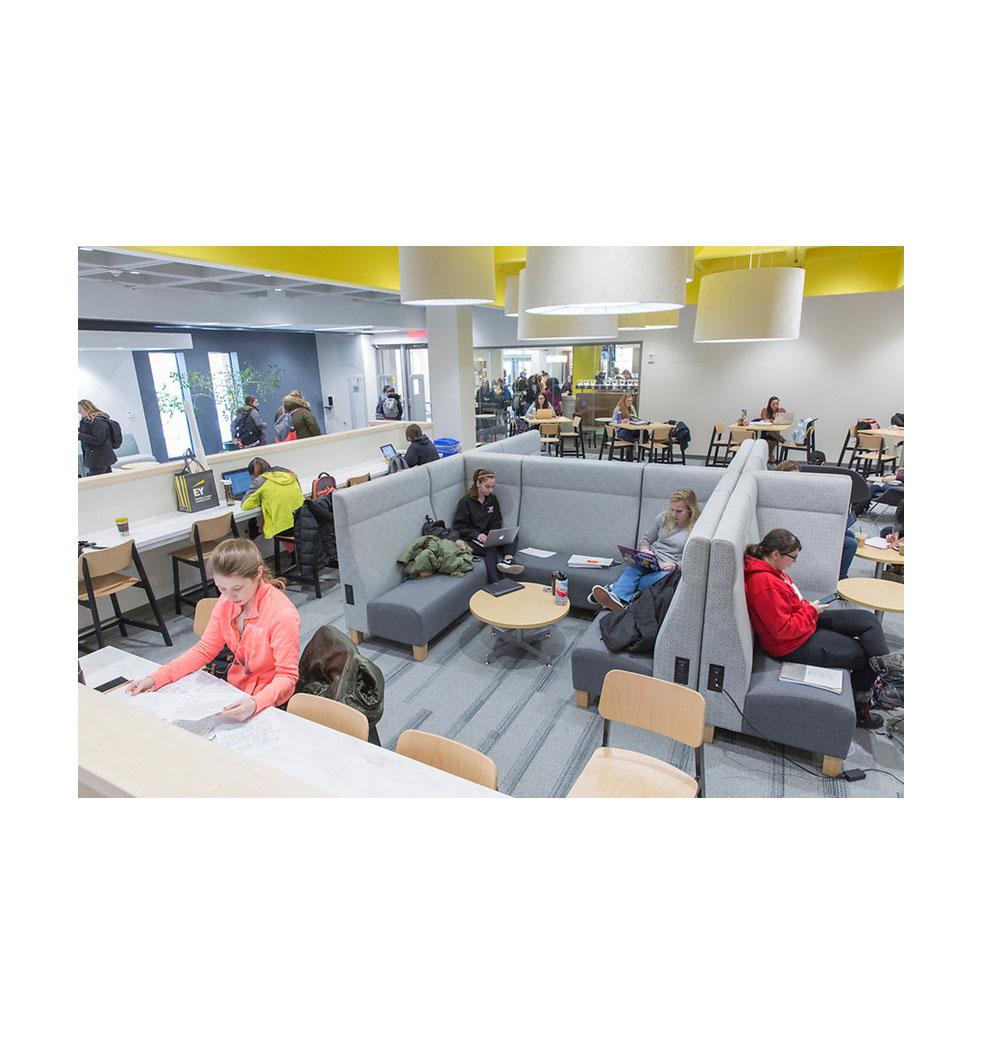
The library cannot remain a static repository. It functions as an adaptable place and space for independent learning. The Architecture of Independent Learning is about aligning physical space with technological capacity, and educational institutions need to create distinct value, equipping themselves to meet core educational goals.
The concept of adaptable architecture is not new. Early twentieth-century modernists included the pioneers of the Bauhaus, Le Corbusier, and Buckminster Fuller.
From our studies, understood that buildings must serve as functional places and spaces. They designed spaces meant to flex, adapt, and evolve alongside the people using them. This translated to the modern educational environment, and its our focus.
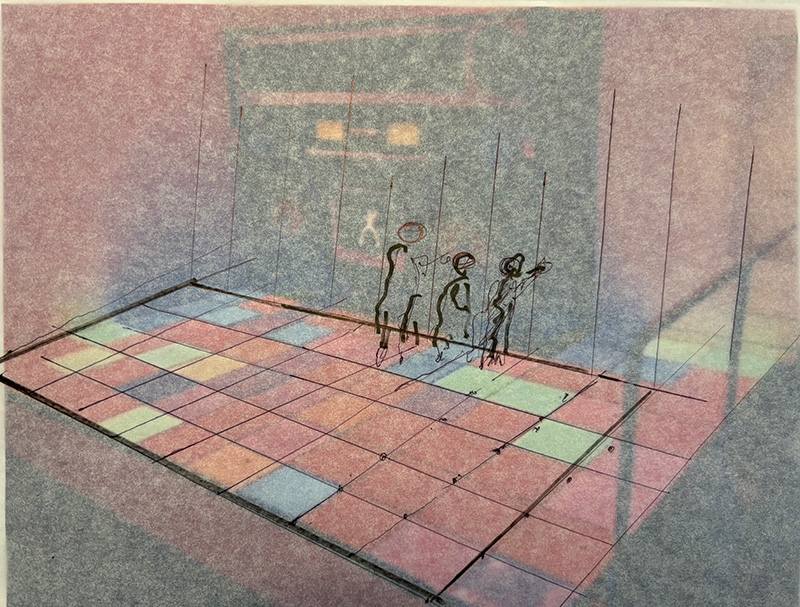
We know libraries can act as dynamic frameworks. With the right plan, they absorb technological advancements, and pedagogical shifts.
Institutions that succeed at this integration demonstrate a clear operational principle: the learning environment must leverage space to support individual passions.
Educational models at Makerversity in London, AltSchool in New York, the Minerva Schools, Blue School, and Cate School prove that physical environments define educational outcomes. These institutions utilize technology and spatial design to support independent learning, and accommodate diverse abilities. Their campuses are active platforms for discovery.
Translating this functional adaptability into institutional master planning requires expert knowledge of library space related infrastructure, collection management, and human use.
|