|
Think those hefty bonding and insurance requirements are protecting your agency? Think again. You may be paying a premium to keep qualified vendors out of the running.
Procurement professionals spend considerable time protecting their organizations from risk. Minimum qualifications, insurance limits, bonding requirements—each is intended to safeguard public resources and ensure contractors can deliver.
But here's the uncomfortable question: When does protecting the agency become protecting it from competition?
Just like overly restrictive minimum qualifications, excessive bonding and insurance requirements can eliminate capable vendors before they ever submit a proposal.
And that protection isn't free.
Those impressive insurance limits come with costs. Vendors factor premiums, bonding expenses, and compliance obligations into their proposals. Ultimately, agencies—and taxpayers—may be paying for coverage that exceeds the actual risk.
On November 19 at Noon CT, Ask the RFP Doctor® tackles "Bonds and Insurance: Are You Asking for Too Much?"
We're challenging some long-standing procurement assumptions:
-
More insurance means more protection. Or does it simply mean higher proposal prices?
-
Strict bonding requirements reduce risk. But are they also eliminating qualified competitors?
-
Our requirements are standard. Compared to whose standards? Survey data reveals what agencies actually require.
-
More coverage is always better. What happens when excessive protection limits competition without meaningfully reducing exposure?
The goal isn't to abandon safeguards. It's to establish requirements that reflect actual project risks, protect public resources, and preserve meaningful competition.
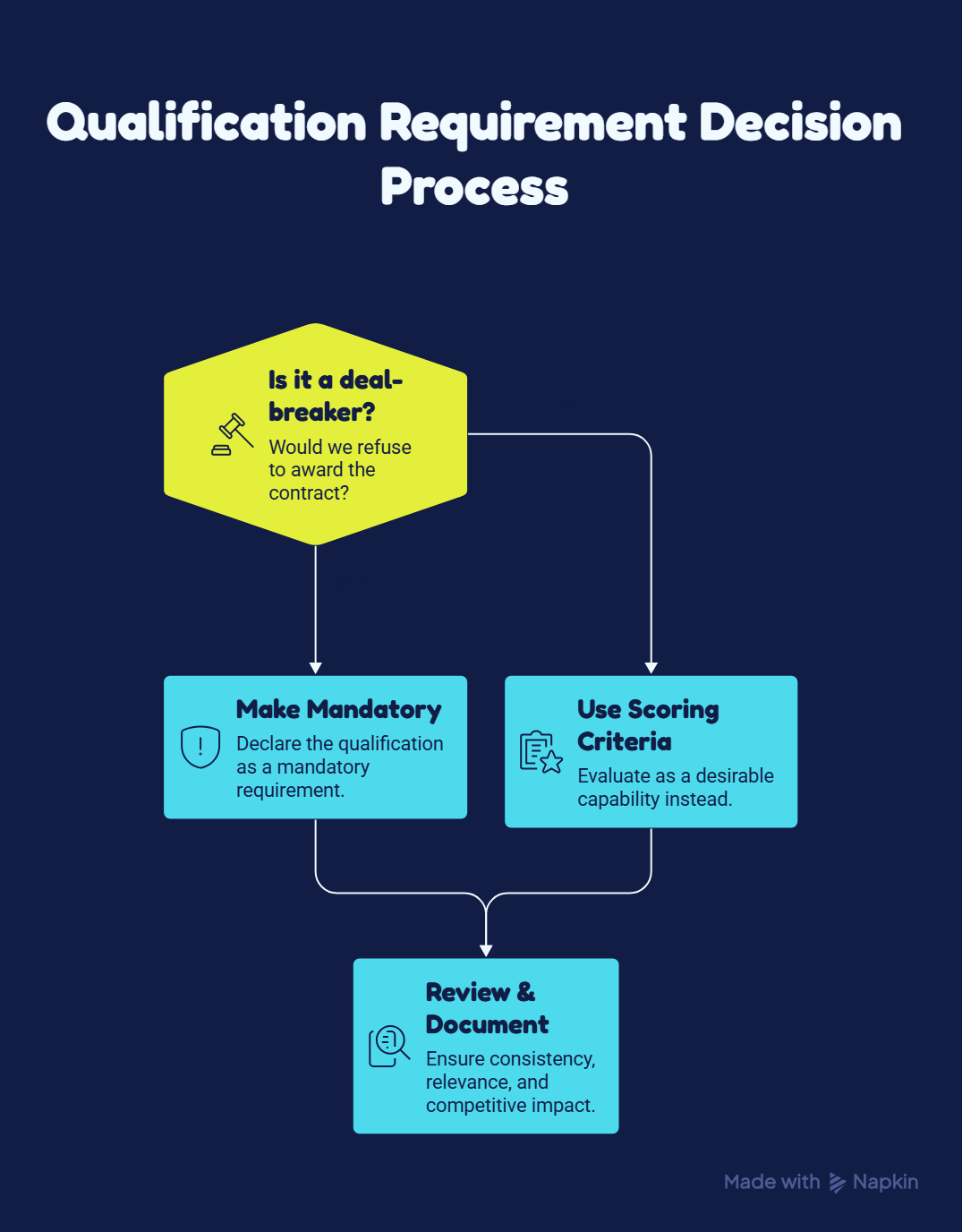
And just as with minimum qualifications, every mandatory requirement should have a defensible purpose.
If your bonding and insurance requirements haven't been examined in years, it might be time to question whether they're protecting your organization—or simply making procurement more expensive.
Join us November 19 at Noon CT. Grab your seat and find out whether your agency is buying protection it doesn't need.
|