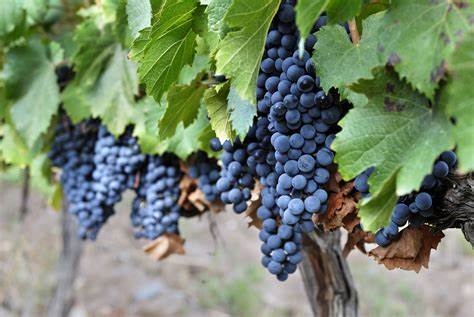
Malbec is an inky black-blue grape variety native to Cahors in South West France, now better known as the iconic wine grape of Argentina. Through its success in the vineyards of Mendoza in particular, in a few short decades Malbec has shot from relative obscurity to international fame. At the same time, it brought Argentina into the global spotlight as a wine-producing nation.
Though Malbec originates in France, its history in that country is a troubled one.
In France, Malbec is the flagship grape of Cahors in Southwest France. It must constitute a minimum of 70 percent of any AOC Cahors wine, accompanied by rich, round Merlot and rustic, tannic Tannat. Because of its color it earned the soubriquet "Black Wine".
The Great Frost of 1956 wiped out most of the vineyards in its homeland. On a positive note, in the wholesale replanting which followed Malbec became even more dominant.
The success with the grape in Argentina has had some influence in Malbec's original home. In marketing terms this led producers to begin to mention the variety on labels (at odds with typical French appellation regulations). Furthermore some riper or juicier styles began to appear alongside the tannic traditional expressions, aided in part by climate change.
Argentine Malbec
In the reliably sunny and warm conditions here, Malbec has really come into its own. At lower altitudes, the variety's skins tend to be thinner, and the fruit soft and supple – ideal for rosés and mass-produced reds (carbonic maceration is sometimes used to create an approachable, light red wine for summer).
Further up, on the lower slopes of the Andes Mountains, the variety develops a thicker skin and a deeper concentration of flavor. Wines from these altitudes (particularly above 1000m/3000ft) are more aromatic and have intense, vibrant coloring, and rank among the most respected of all South American wines.
Argentina's very highest vineyards, in the Salta province, reach altitudes of almost 3050m (10,000ft) above sea level, and are among the very highest in the world. These are typically planted with Malbec, along with the nation's iconic white-wine variety Torrontes.
Altitude also brings with it clean, dry air and so lower disease pressure. Furthermore phylloxera is not a threat; historically the high mountains and isolation have provided a natural barrier, and the biotype present is weak, and struggles in most soil types here.
The exact date of the first Malbec plantings here is not certain, but may be a site in Panquehua, north of Mendoza City in 1865. Most sources suggest the export came as a consequence of the appointment in 1853 of French viticulturalist Michel Aimé Pouget to run the Quinta Normal de Agricultura, the country's first agricultural school.
In contrast to its current strong position, Malbec's history in the country has been chequered, as in France. During Argentina's national vine-pull scheme in the late 1980s a vast number of Malbec vines (including some of the South America's oldest) were uprooted.
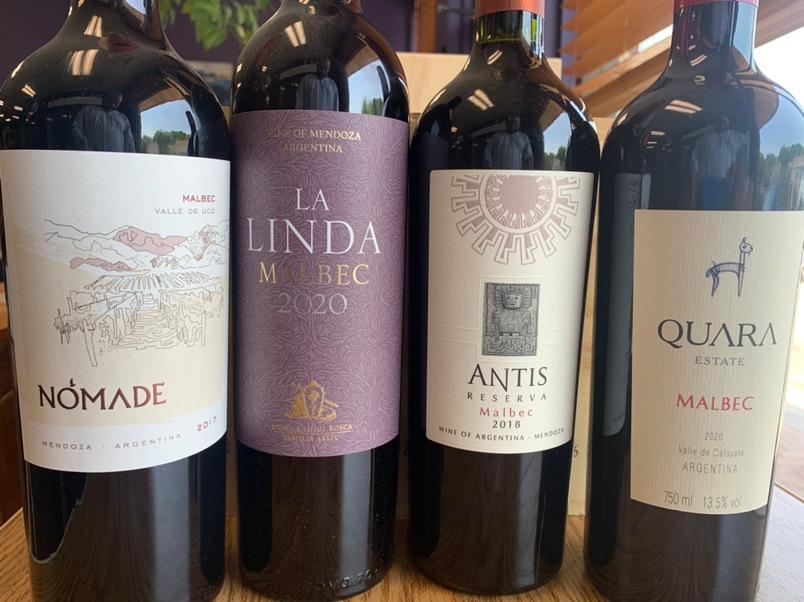
This week we are offering a set of four Argentinian Malbecs!
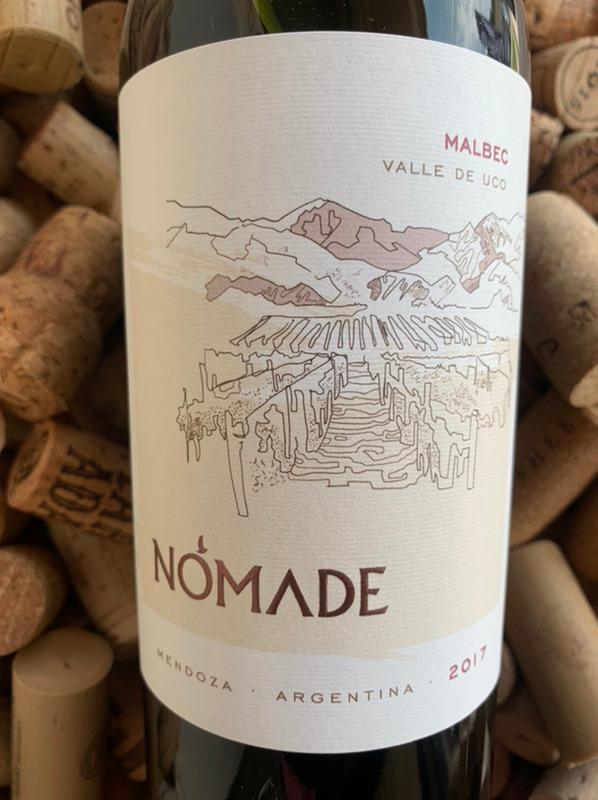
Nomade Malbec 2017
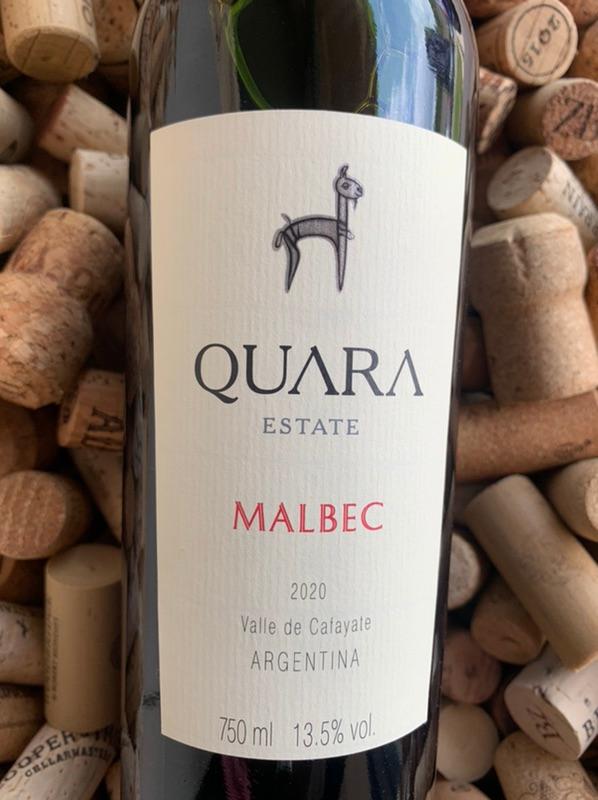
Quara Estate Malbec 2020
Antis Reserve Malbec 2018
Finca La Linda Malbec 2020
Normally $68.96 try all four featured wines for $55.99!
|
|
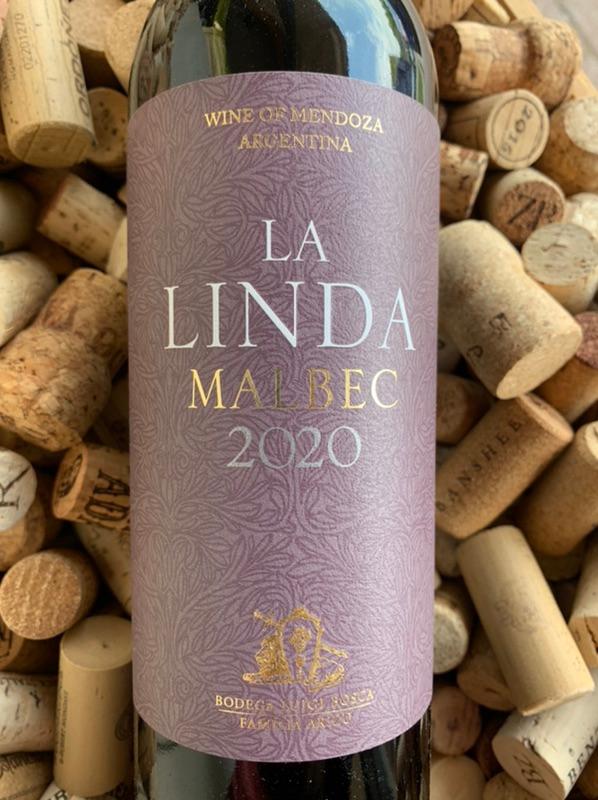
Finca La Linda Malbec 2020
Mendoza, Argentina
Varietals:100% Malbec
$16.99
Purplish red in color. Bright and young, with very expressive aromas reminiscent of fresh red fruit and spices. It is straightforward and fluid on the palate, with lively tannins. Intense, pleasant, and fresh in the mouth. Juicy with excellent structure, distinctive variety characteristics, and a very-well integrated herbal note finish.
~
ABOUT THE PRODUCER
"The Arizu family has a strong European legacy that dates back to the XVIII century, to the small village of Unzue in the Basque country.
In 1890, Leoncio Arizu arrived in Argentina searching for new opportunities, and in 1901 he founded the Winery in the province of Mendoza. Then he and the Boscas, another old and prosperous family that had emigrated from the Piamonte region in Italy, decided to join efforts and founded what is today Bodega Luigi Bosca – Arizu Family.
After 114 years, Leoncio Arizu’s legacy is still in the hands of his grandchildren and great-grandchildren who honor the tradition of producing great wines.
The Arizu Family has played a leading role in major changes in the local wine producing industry. In 1989, the firm had an active participation in the foundation of the first Argentine C.D.O., the “Lujan de Cuyo” Controlled Denomination of Origin (C.D.O.). the PDO.
Continuous innovation, an unwavering work spirit, and a perpetual quest to achieve the ultimate expression of Argentine wine, have always been the Arizu Family distinctive mark, and have also driven the Winery to gain recognition for making wines with a style and personality of their own, that are the best expression of the terroir and the region’s style, culture and people.
For many years, four generations of grape growers have worked, with absolute passion and devotion to the land, to understand the intention of the vineyard.
The major pillars on which Luigi Bosca has consolidated its credentials are a prestige based on the expertise gained and transferred over the years, the sustained and homogeneous quality of its wines, and a perpetual quest for excellence through innovation and state-of-the-art technology.
Located in Luján de Cuyo, Mendoza, the Winery’s architectural design is classic, and the building was built over an old mill originally located in the place.
The firm has always built upon the notion of continuously searching for the best terroir for each vine.
The terroir is a limited space where the physical and chemical conditions of the soil, the geographic location, and the climate, yield specific and differentiated products. In addition, the terroir is influenced by conditions such as altitude, plant orientation, slopes, rainfall distribution, the sunlight hours, etc.
With the intention of approaching the Terroir with utmost respect, Bodega Luigi Bosca has adopted some of the most beneficial standards inherent to the biodynamic planting system, based on a work philosophy that seeks to boost the plant to make it fit for self-defense.
The promotion of biodiversity is one of the biodynamic keys applied by Bodega Luigi Bosca: the vineyard has never been in isolation. We should make it feel part of a comprehensive system, and make it live with, and be enhanced by other species.
The firm owns seven vineyard estates located in privileged areas of Mendoza: Lujan de Cuyo, Maipú and Valle de Uco. The different vine varieties grown in these areas were brought from Europe towards the end of the XIX century, so today’s vineyards are the result of a selection of the best old family vineyards.
|
|
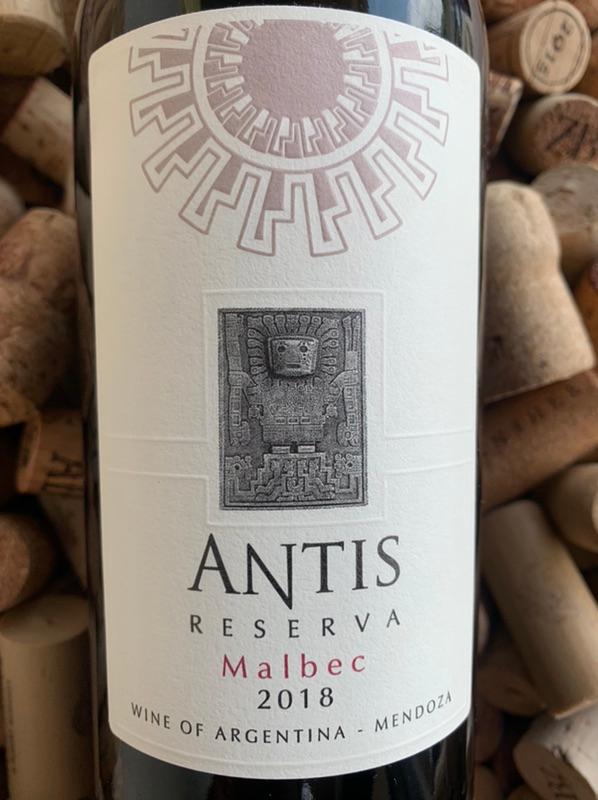
Antis Reserve Malbec 2018
Mendoza, Argentina
Varietals:100% Malbec
Ripe aromas of prune and raisin are almost overripe. This is jammy with a soft structure. Berry fruit, baking spices and herbal notes make up the flavors on this thick-bodied Malbec that's best when taken as a whole.
$18.99
~
ABOUT THE PRODUCER
ANTIS Malbec Reserve was crafted from grapes grown at an altitude of 2600 feet, on the rich mineral soil of the Eastern slope of the Andes mountains. The harvest was exceptional with excellent weather allowing optimum ripeness and a timely harvest by hand. The hand picked grapes are carefully sorted before vinification using native yeast. It is then kept for 12 months in small French oak barrels.
The name ANTIS, which means Andes in indigenous language, was purposely chosen to reflect in the wines identity the qualities of the land where it is crafted.
|
|
Quara Estate Malbec 2020
Mendoza, Argentina
Varietals:100% Malbec
$14.99
100% Malbec from Cafayate Valley, Salta, from vineyards that are 1,800 meters above sea level. Lightly oaked, intense ruby-red with violet hues, then very fruity with notes of plum, pepper and spices. Well balanced, harmonic with sweet and round tannins. Good acidity with a seductive and lingering persistence.
~
Towards the end of the 19th century, José Fortunato Lavaque arrived in Buenos Aires from Lebanon, and immediately set out on his quest for the place that would soon be his final destination. Lured by the Valleys’ unique landscape, José settled in Cafayate, the most prosperous town in the province of Salta at the time. Shortly after this, he began running his own winery, with a production of about 39,500 gallons (1,500 hectoliters) per year.
The family business continued running for all of the following century and, in the 1980s, Rodolfo Lavaque, from the fourth family generation, took over the management.
A few years later, the Lavaques acquired Finca El Recreo, a piece of land that was owned by Michel Torino and that had previously belonged to the Peñalva Frías family during the 17th and 18th centuries. It was in this location that Rodolfo Lavaque established Finca Quara. Driven by a relentless, powerful spirit, he became one of the main players in the reactivation of the wine industry in the North of Argentina during the 90s and the years to come.
Rodolfo’s descendants are currently pursuing his path of excellence in winemaking. Inspired by their father’s example, the fifth family generation is making wines worthy of national and international acclaim.
|
|
Nomade Malbec 2017
Mendoza, Argentina
Varietals:100% Malbec
Deep purple red with bluish tinges in color with an abundance of succulent red fruit, prunes and plums on the palate. Round, soft and elegant tannins.
$18.99
~
This wine was born in a 75-year-old vineyard at 3,400 feet / 1.030 meters above sea level
located at the foothill of the Andes in La Consulta, Uco Valley; Mendoza.
|
|
|
|
9891 Georgetown Pike
Great Falls, Virginia 22066
P. (703) 759-0430
|
|
|
|
|
|
|