Think about it!


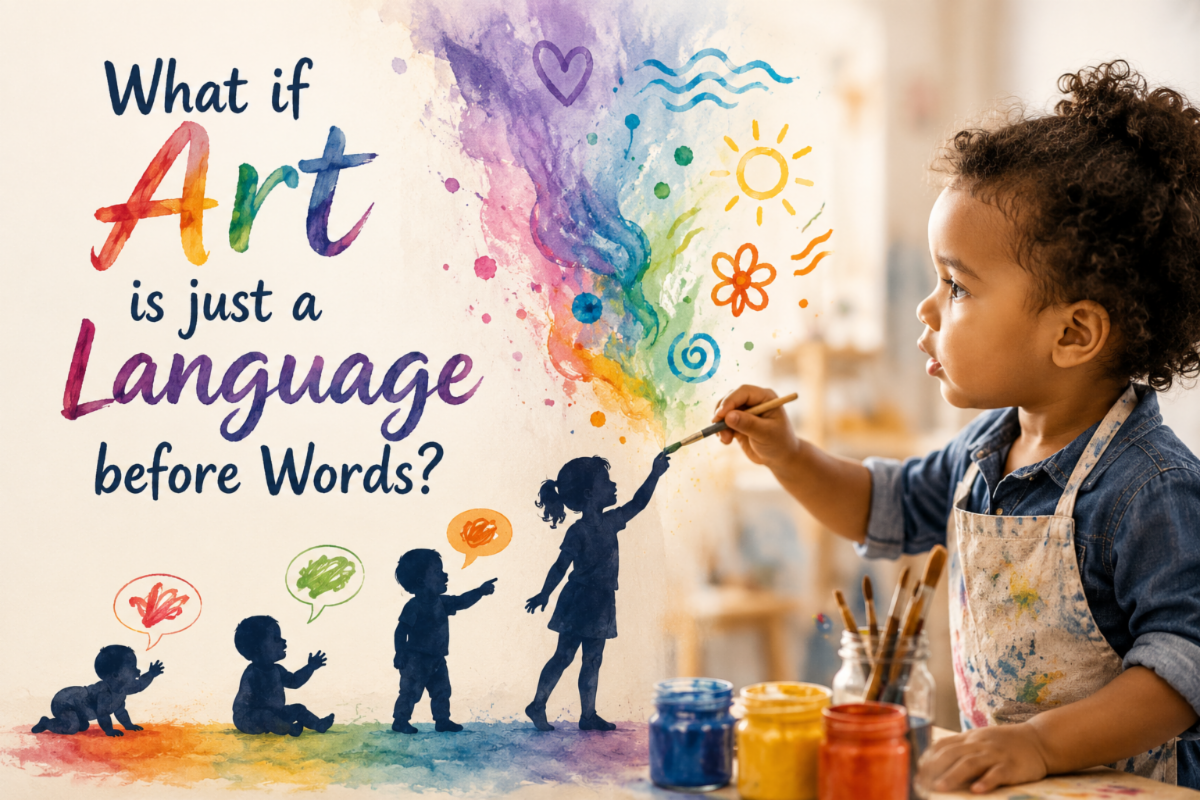
We know that young children are communicators long before they become fluent speakers.


For dual language learners, neurodivergent children, and children with speech or language delays, art can become an especially powerful form of communication.

A child who:


  • paints large, swirling circles may just be expressing excitement.
  • always chooses dark colors may be trying to share a feeling they do not yet have words to explain.


When we create opportunities for open-ended art experiences, we also create opportunities for children to:


  • tell stories
  • express emotions
  • build vocabulary
  • connect ideas
  • develop confidence in communication


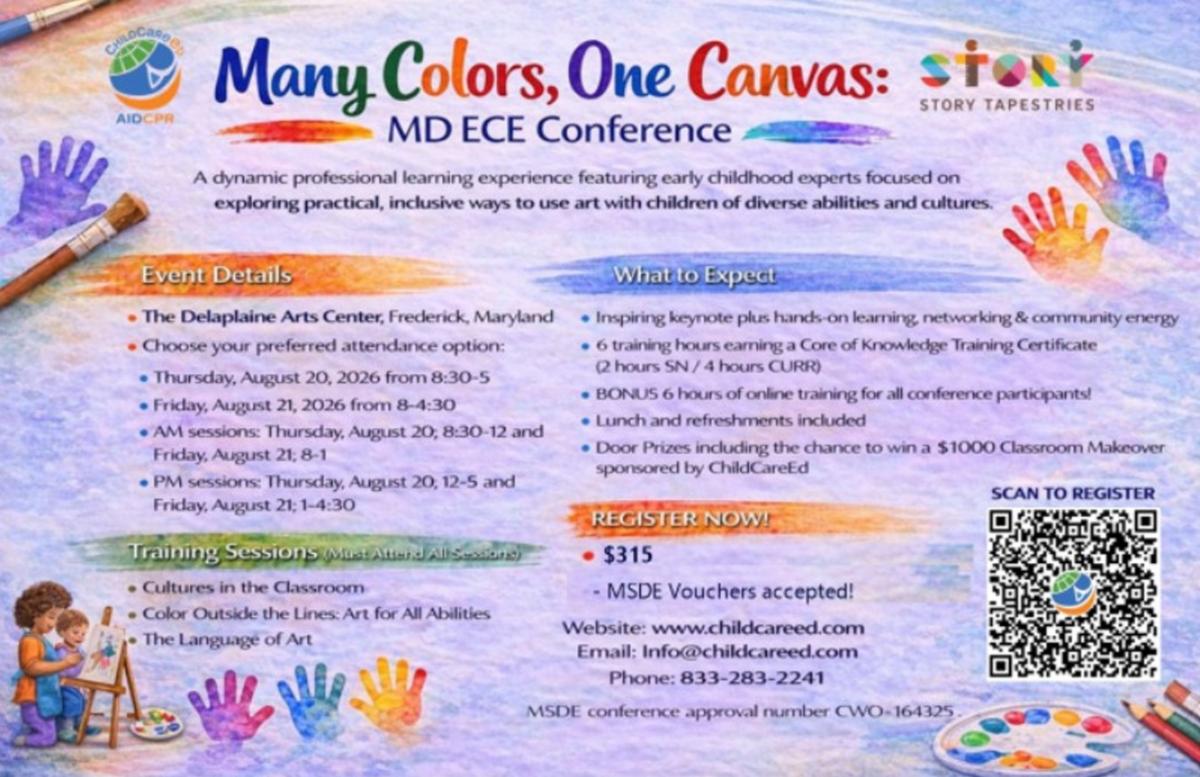
This connection between creativity and communication is one of the many themes we will explore at the Many Colors, One Canvas: MD ECE Conference, August 20 and 21 at the Delaplaine Arts Center in Frederick, MD.


Try this "Color & Conversation" activity:


Tape a large sheet of paper to the floor or table and offer chunky crayons, paint sticks, or finger paint. As children create, try this:


Instead of asking questions about what they are drawing, narrate what they are doing:


"You're making long red lines."

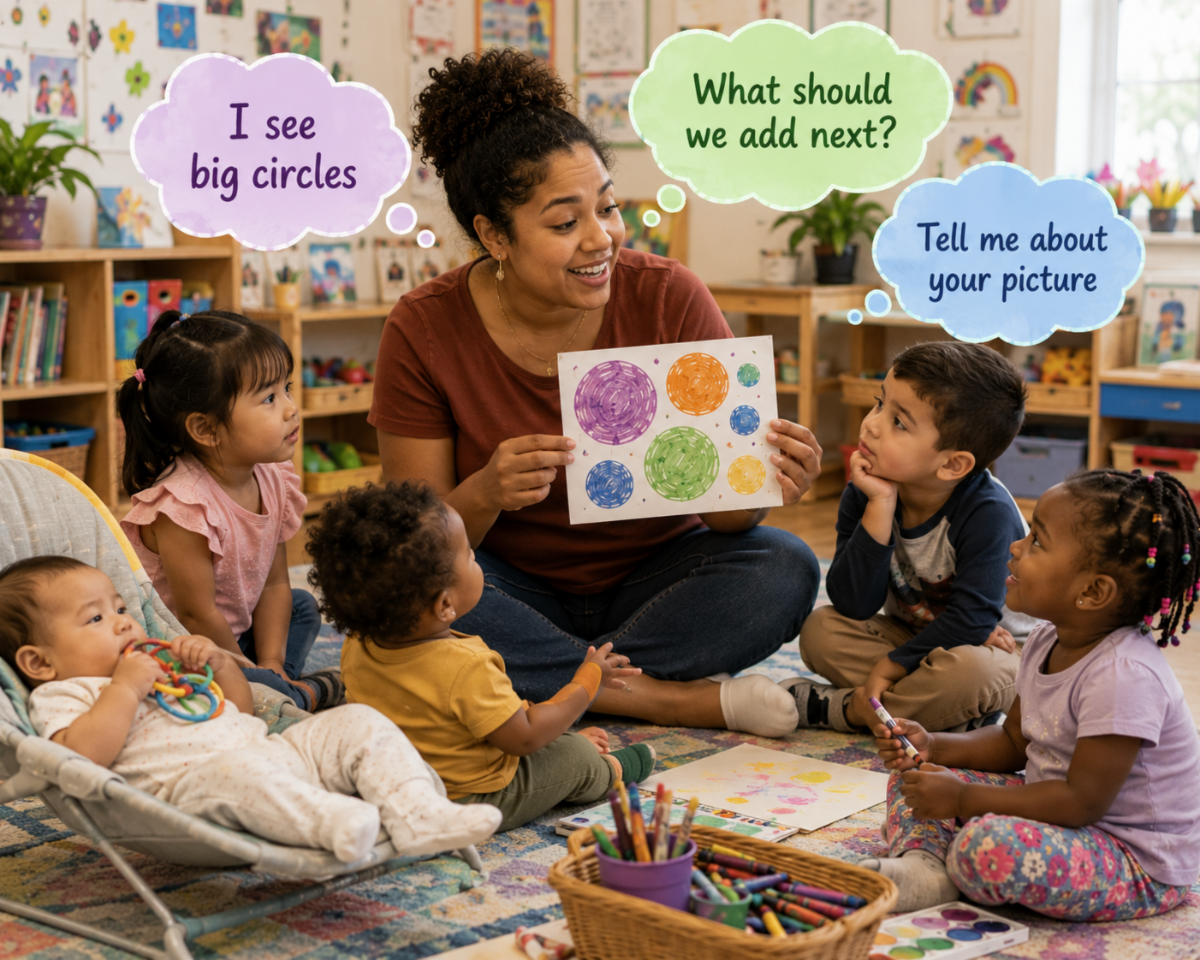
"I see big circles."

"That paint feels squishy."

"You chose a pretty blue color."

"Tap, tap, tap goes the sponge."


For infants and toddlers, these simple back-and-forth interactions will help build:


  • vocabulary
  • receptive language
  • social connection
  • sensory awareness
  • early communication skills


For older toddlers, you can begin adding simple open-ended prompts such as:


  • "What should we add next?"
  • "Tell me about these colors."
  • "How did you make that mark?"


For preschoolers, you can take it a step further and ask open-ended prompts such as:


  • "Tell me about your picture."
  • "What is happening here?"
  • "How were you feeling?"

This simple activity helps children feel heard! The goal is not to create a perfect picture - it's to build connection, communication, and confidence through shared creative experiences.


The simple shift from "what is it" to "tell me about it" may seem small, but it opens the door for richer conversation and deeper thinking.


Does this help you notice how they communicate through drawing, color, movement, and symbolic representation long before they can fully verbalize ideas? Do you spot any of the following:


  • "Scribbles" as early storytelling?
  • Emotions expressed visually before verbally?
  • Less pressure for children with speech delays?
  • Dual-language learners getting things across?


Discover even more practical ways to support communication through creativity in The Language of Art session at the Many Colors, One Canvas: MD ECE Conference, or in one of our online trainings you can register for with the bonus hours that are included in your conference registration!

 
What do you think about this activity?
Positive        Neutral        Negative
 
Facebook  X  Instagram