ASBURY FIRST MONDAY READER | FEBRUARY 17, 2025

CONTENTS: WHY PRAY? | BLACK UNITED METHODIST LEADERS PT. 2

WHY PRAY? - by Rev. Pat Dupont

Prayer can be a bit of a paradox.


We often pray for people in our lives who are struggling. People who are grieving, lost, facing challenges, and perhaps most common: sick or in need of healing. Our faith teaches us there is value in this practice and power in prayer…but interpreting these beliefs in certain ways can lead us into a

sticky place: sometimes people get better…and sometimes they don’t. Sometimes people’s lives and situations completely turn around…and sometimes the tragedy just continues. Is God the architect of these outcomes? Do our prayers and petitions make a difference?


Søren Kierkegaard said, “The function of prayer is not to influence God, but rather to change the nature of the one who prays.” Pope Francis said, “You pray for the hungry. Then you feed them. That's how prayer works.”


I pray for others and for our world, not necessarily to petition God to intervene somewhere else, but to invite God to work within me – to keep those struggling in the forefront of my heart and mind, to help me find the strength to give myself to my community. Following a regular pattern of prayer is an attempt to intentionally carve out space in our busy lives for bringing to mind both God’s call to love, and those people in need of that love…


…including us.


I am regularly finding myself off-kilter these days. Recent political action and anxiety are unsettling. Prayer is a time to find holy silence, calm, comfort and centering – not as an escape from the world, but as sustenance to continue to engage injustice without burning out or feeling completely overwhelmed and defeated. Lately my prayers are simple like, “Grant me peace,” “Let me feel Your love,” “Give me a glimpse of Your presence,” “Help.” Often it becomes more about listening than speaking.


All are invited to join us for a simple service of Morning Prayer every Thursday, 9:30 - 10 am in the Meditation Chapel beginning February 27th. Let us be reminded of the love, compassion, solidarity, and presence of God.

As we continue to honor the legacy of black United Methodist leaders, it is essential to remember that the struggle for justice and inclusion is ongoing. The stories of these leaders remind us that progress in the church and society requires courage, determination, and a willingness to challenge the status quo. Each of these individuals paved the way for future generations of Black clergy and laity, inspiring others to rise to leadership, to advocate for the marginalized, and to live out the love of Christ in action.

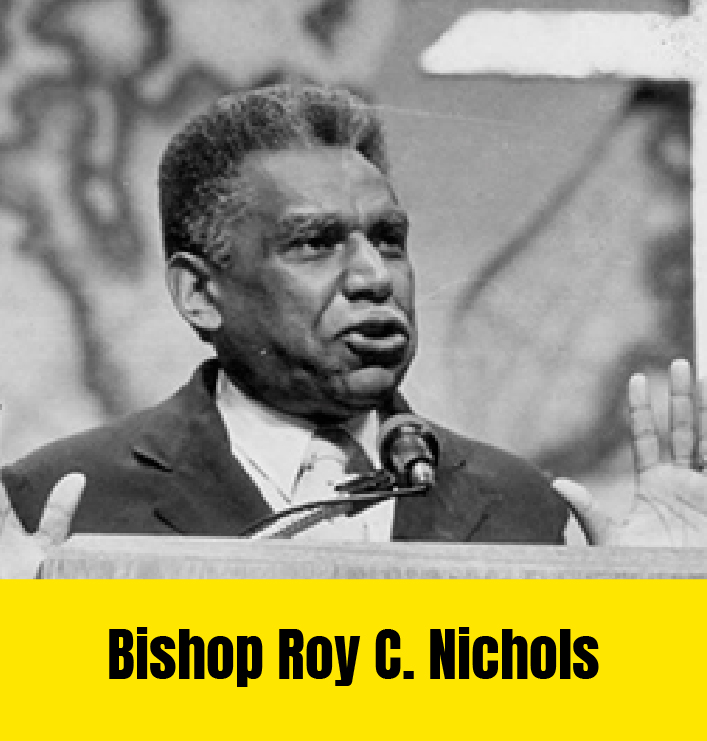
Bishop Roy C. Nichols


In 1968, Nichols became the first Black bishop elected in a jurisdictional conference of the newly formed United Methodist Church, guiding the church through a time of racial integration.


More about Bishop Roy C. Nichols

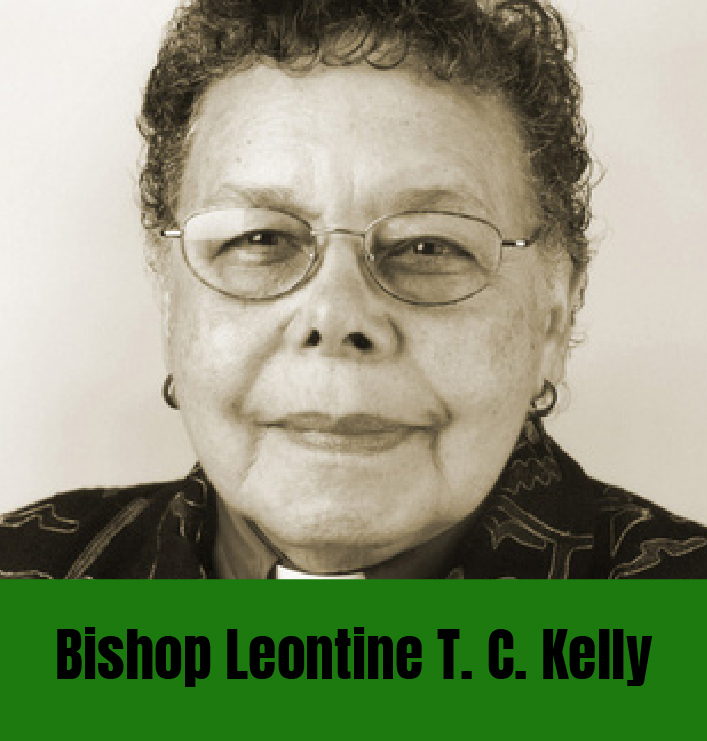
Bishop Leontine T. C. Kelly


In 1984, Kelly became the first African American woman elected as a bishop in The United Methodist Church and in any major Christian denomination. She was a tireless advocate for social justice.


More about Bishop Leontine T. C. Kelly

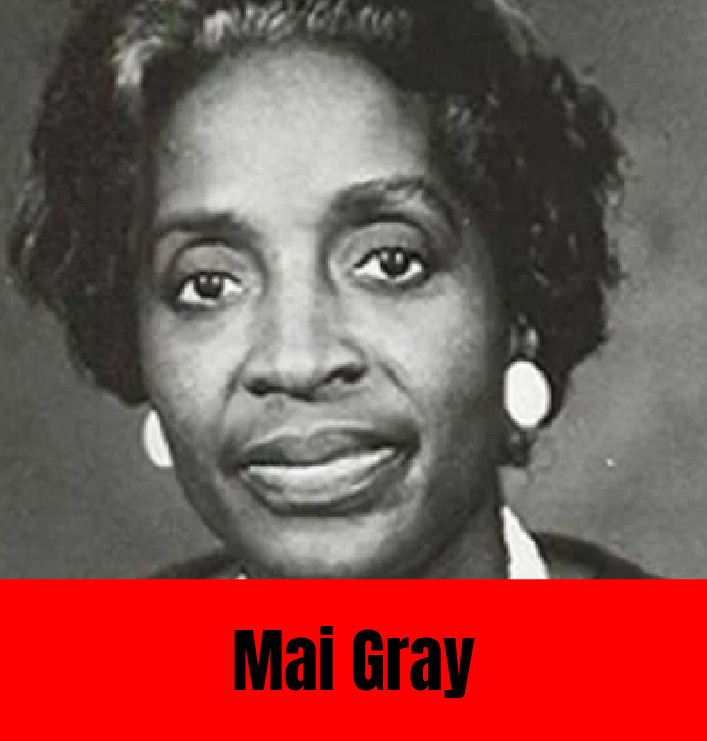
Mai Gray


In 1976, Gray became the first African American president of the Women's Division of the General Board of Global Ministries. Her leadership helped elevate the role of women in the church’s mission work.

More about Mai Gray

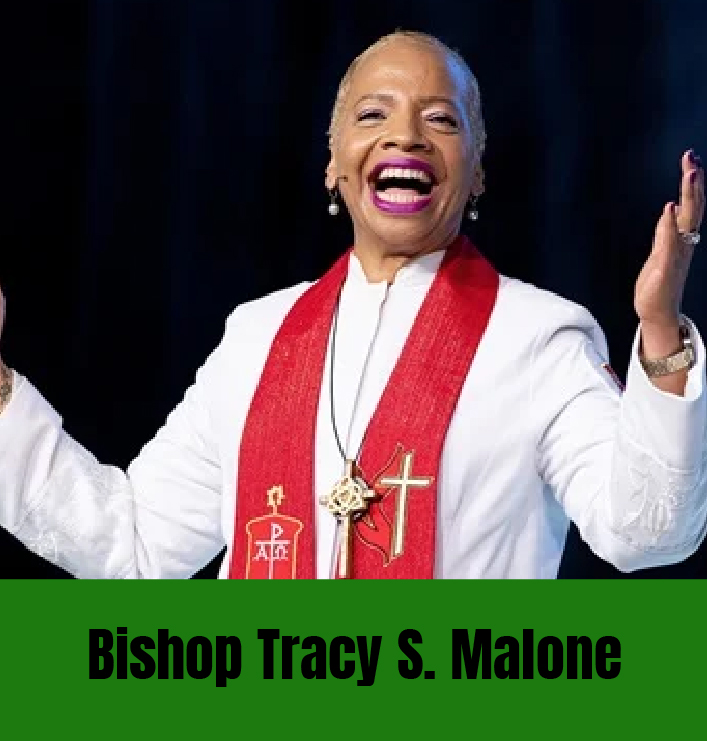
Bishop Tracy S. Malone (Current)


Elected in 2016 and currently serving as the President of the United Methodist Council of Bishops, Bishop Malone is the first Black woman to hold this position. She continues to lead with a commitment to inclusivity and spiritual growth.

More about Bishop Tracy S. Malone

Let us honor the legacy of these incredible leaders not only in this month but every day, by continuing their fight for justice, striving for equality, and standing in solidarity with those whose voices have been historically silenced. Their work continues to shape and inspire, pushing us to build a more inclusive, loving, and just church that reflects the fullness of God’s kingdom here on earth. For more information on Black history in the UMC, visit: United Methodist Church’s official website.

Asbury First United Methodist Church

1050 East Avenue, Rochester NY, 14607

(585) 271-1050

Facebook  Instagram  Youtube