In this week's newsletter, explore the results of the first in-depth analyses by scientists of the minerals and molecules in asteroid Bennu samples, which the OSIRIS-REx spacecraft delivered to Earth in 2023; explore the massive volcanic hot spot discovered in the southern hemisphere of Jupiter’s moon Io; and see how Artemis II astronauts will periodically fly the Orion spacecraft manually during their flight around the Moon and back. Plus, more stories you might have missed.

THE SOLAR SYSTEM

Asteroid Bennu Contains Mix of Life’s Ingredients

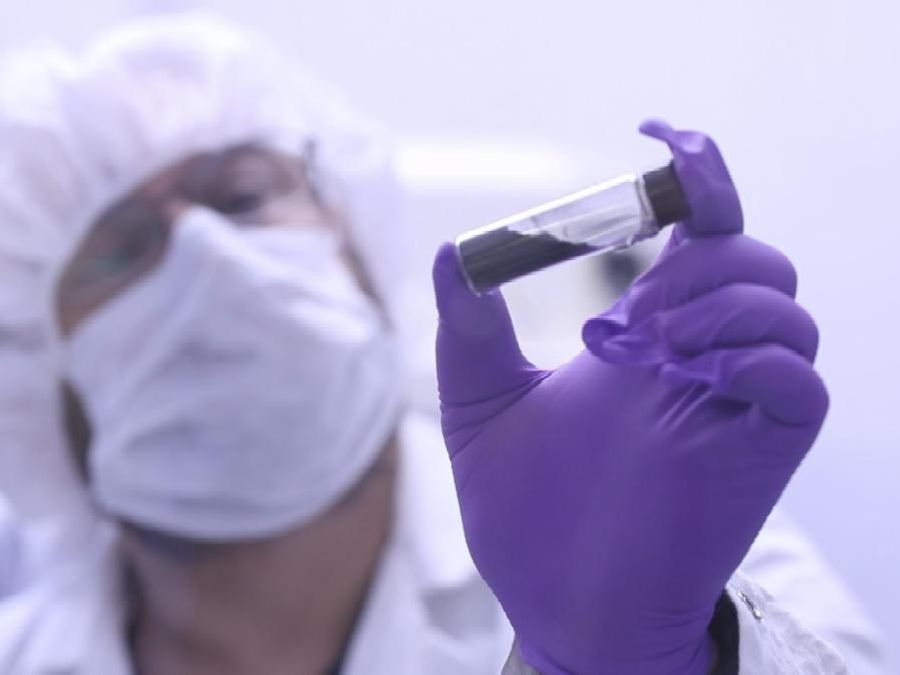
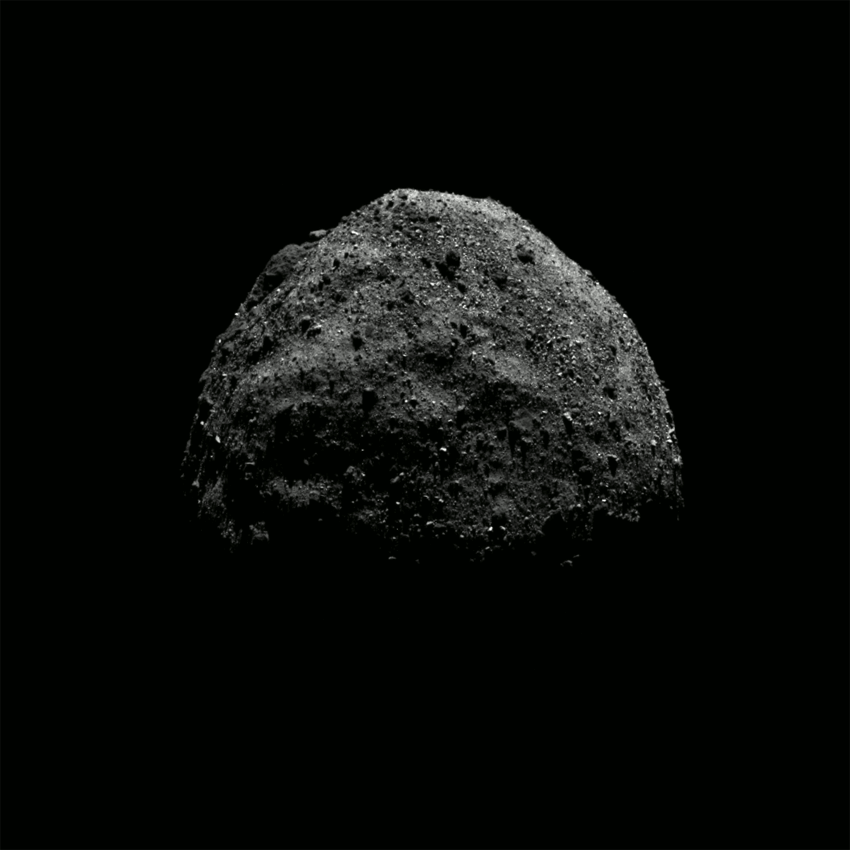
Studies of rock and dust from asteroid Bennu delivered to Earth by the OSIRIS-REx (Origins, Spectral Interpretation, Resource Identification and Security–Regolith Explorer) spacecraft have revealed molecules that, on our planet, are key to life.


The findings do not show evidence for life itself, but they do suggest the conditions necessary for the emergence of life were widespread across the early solar system, increasing the odds life could have formed on other planets and moons.


UNDERSTANDING THE SOLAR SYSTEM

PODCAST

NASA’s Curious Universe


How did life begin? It’s one of science’s biggest questions, but it’s impossible to answer on Earth, where ancient clues have been buried by the planet’s shifting surface. Instead, scientists are looking beyond our planet to asteroids like Bennu, a distant fragment of a lost world.


FINDING INGREDIENTS FOR LIFE

HUMANS IN SPACE

How to Fly Orion


On NASA’s Artemis II test flight, the first crewed mission under the agency’s Artemis campaign, astronauts will take the controls of the Orion spacecraft and periodically fly it manually during the flight around the Moon and back. The mission provides the first opportunity to ensure the spacecraft operates as designed with humans aboard.


PROXIMITY OPERATIONS DEMONSTRATION

THE SOLAR SYSTEM

Io Brings the Heat


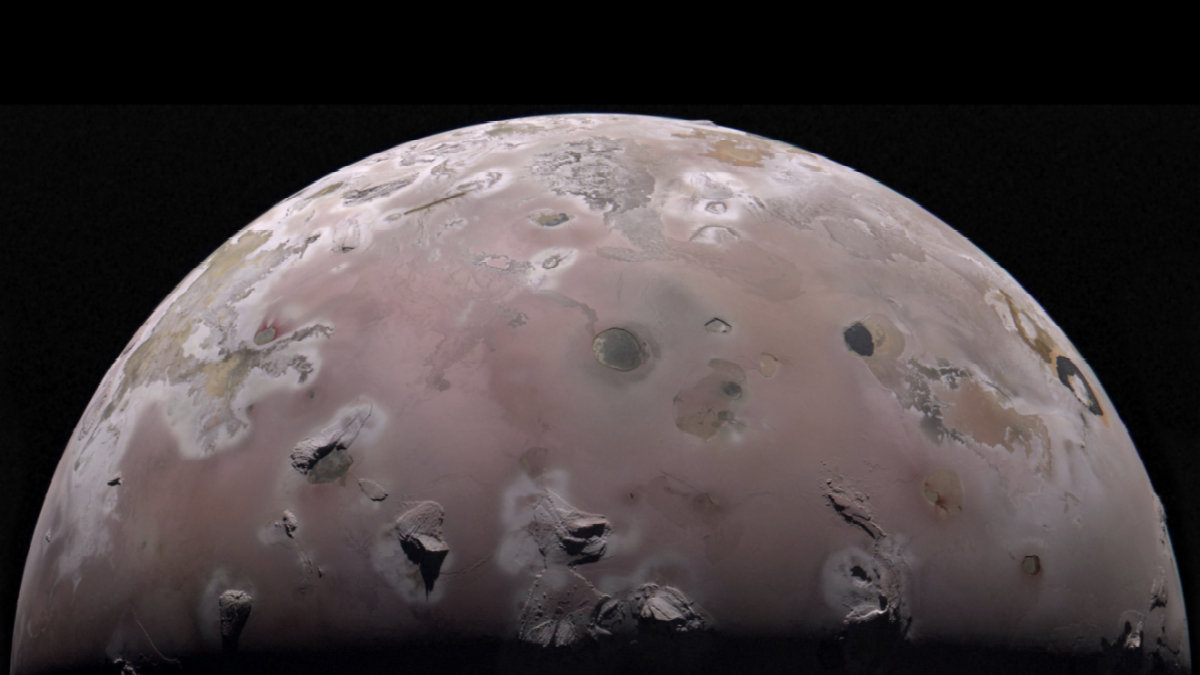
Even by the standards of Io, the most volcanic celestial body in the solar system, recent events observed on the Jovian moon are extreme. Juno mission scientists have discovered a volcanic hot spot that is not only larger than Earth’s Lake Superior, but it also belches out eruptions six times the total energy of all the world’s power plants.


LEARN MORE

THE UNIVERSE

Let Them Cook


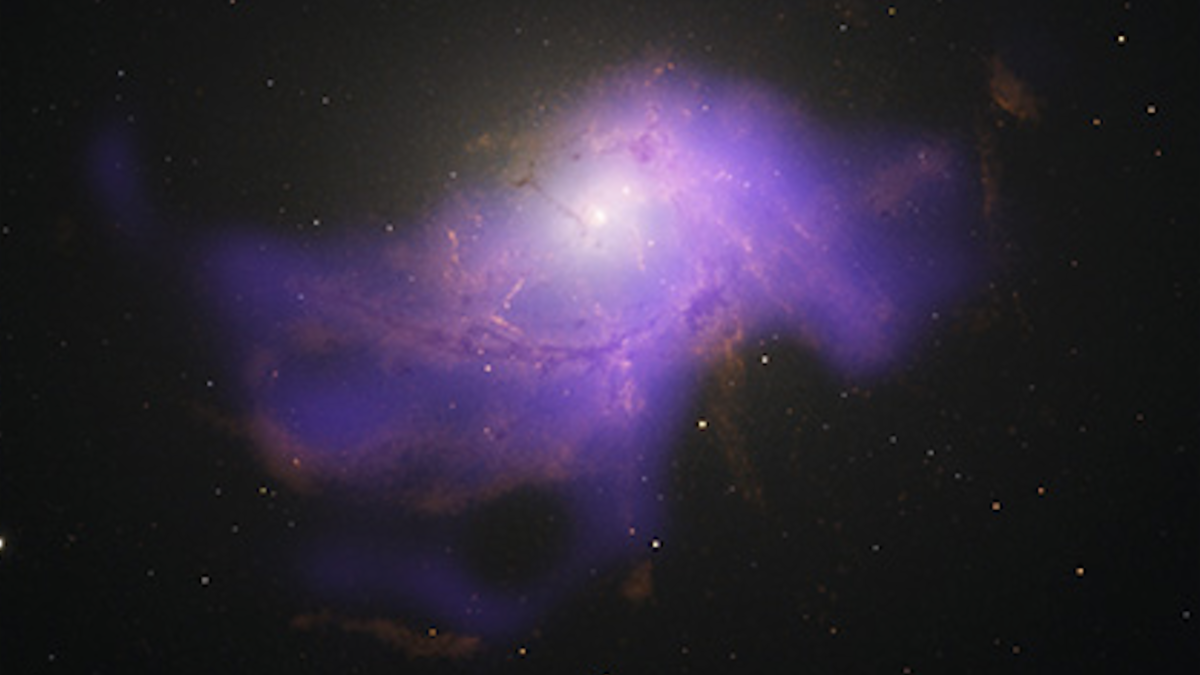
Astronomers have taken a crucial step in showing that the most massive black holes in the universe can create their own meals. Data from the Chandra X-ray Observatory and European Southern Observatory's Very Large Telescope provide new evidence that outbursts from black holes can help cool down gas to feed themselves.


LEARN MORE

More NASA News

NASA and its international partners have approved the crew for Axiom Space’s fourth private astronaut mission to the International Space Station, launching from the agency’s Kennedy Space Center in Florida no earlier than spring 2025.

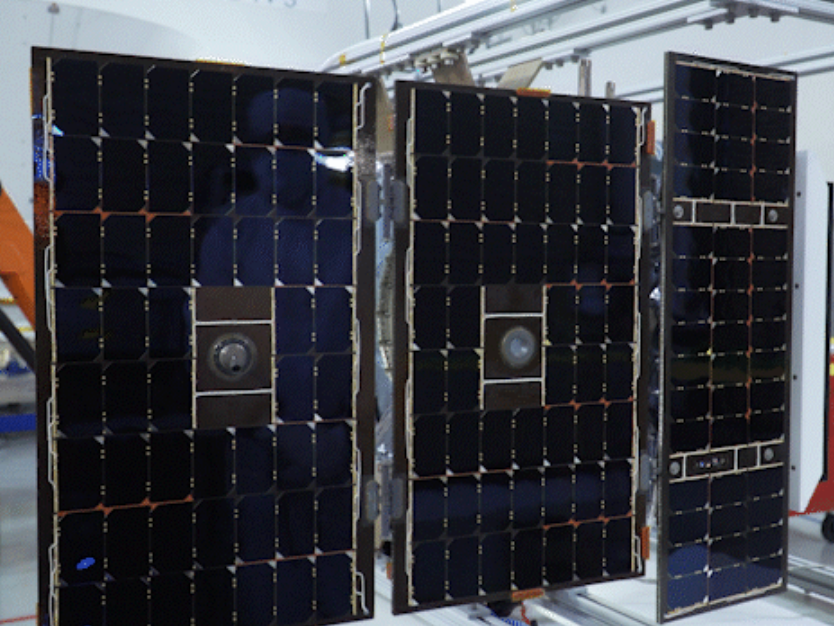
Technicians supporting NASA’s PUNCH (Polarimeter to Unify the Corona and Heliosphere) mission have deployed and tested the spacecraft’s solar arrays ahead of its launch next month. The arrays, essential for powering instruments and systems, mark another milestone in preparing PUNCH for its mission to study the Sun’s outer atmosphere as it transitions into the solar wind.

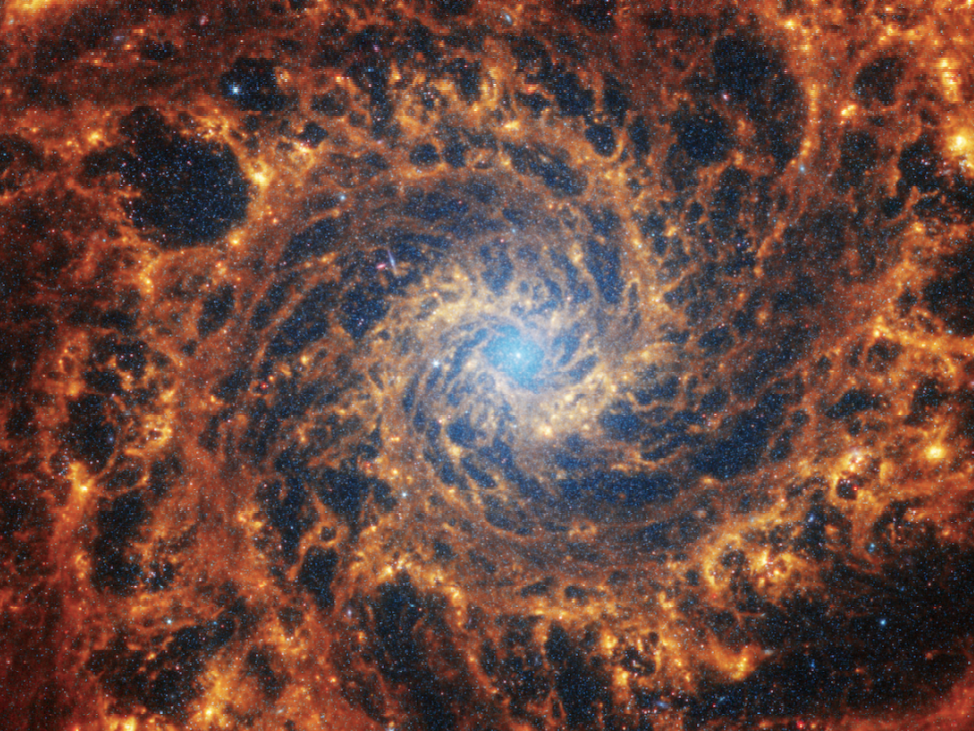
The U.S. Postal Service has issued two new stamps featuring iconic images from the James Webb Space Telescope. The stamps highlight a galaxy and a star cluster captured by Webb’s powerful infrared view of the universe.

Do You Know?

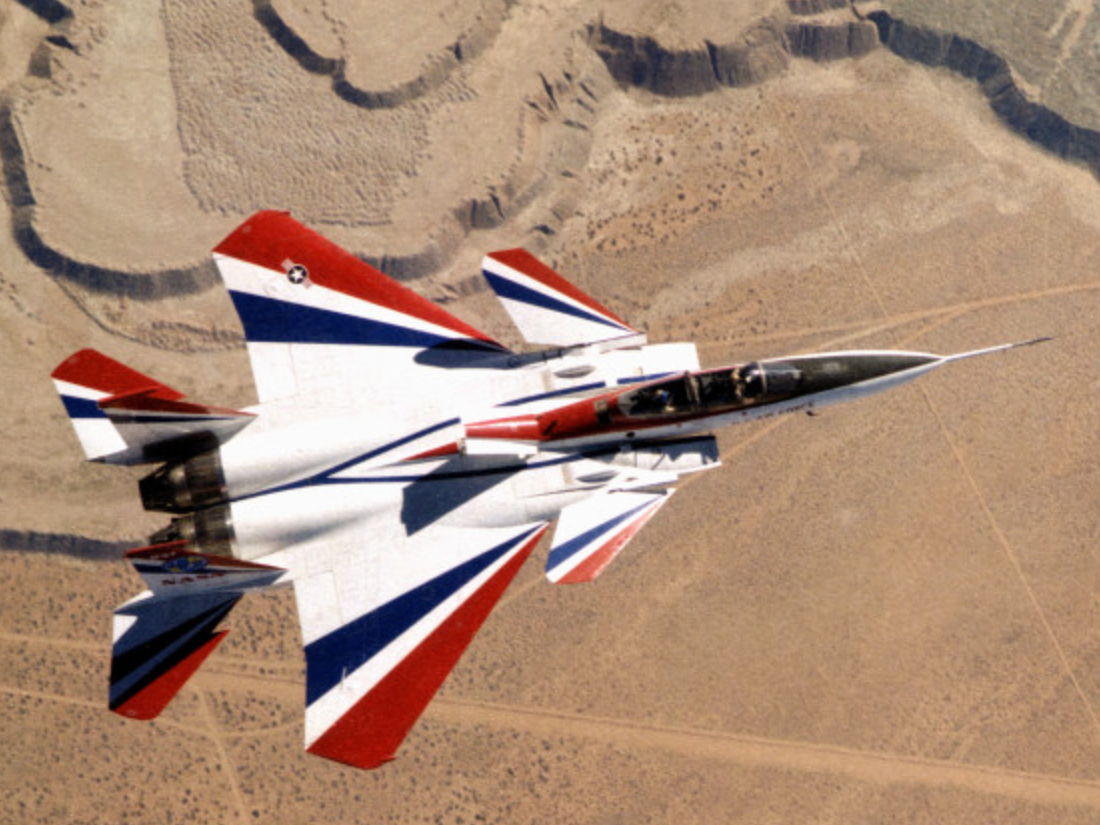
From 1993 through early 2009, NASA's highly modified F-15B #837 flew on 251 missions and was part of numerous groundbreaking flight research projects at what is now known as Armstrong Flight Research Center. One of the modifications made was the addition of two smaller wings in front of the aircraft’s main wings, which helped improve its performance and maneuverability.

What are these small wings called?
A. Poulets
B. Lamelles
C. Gills
D. Canards

Find out the answer in next week's edition of the NASA newsletter 🤓

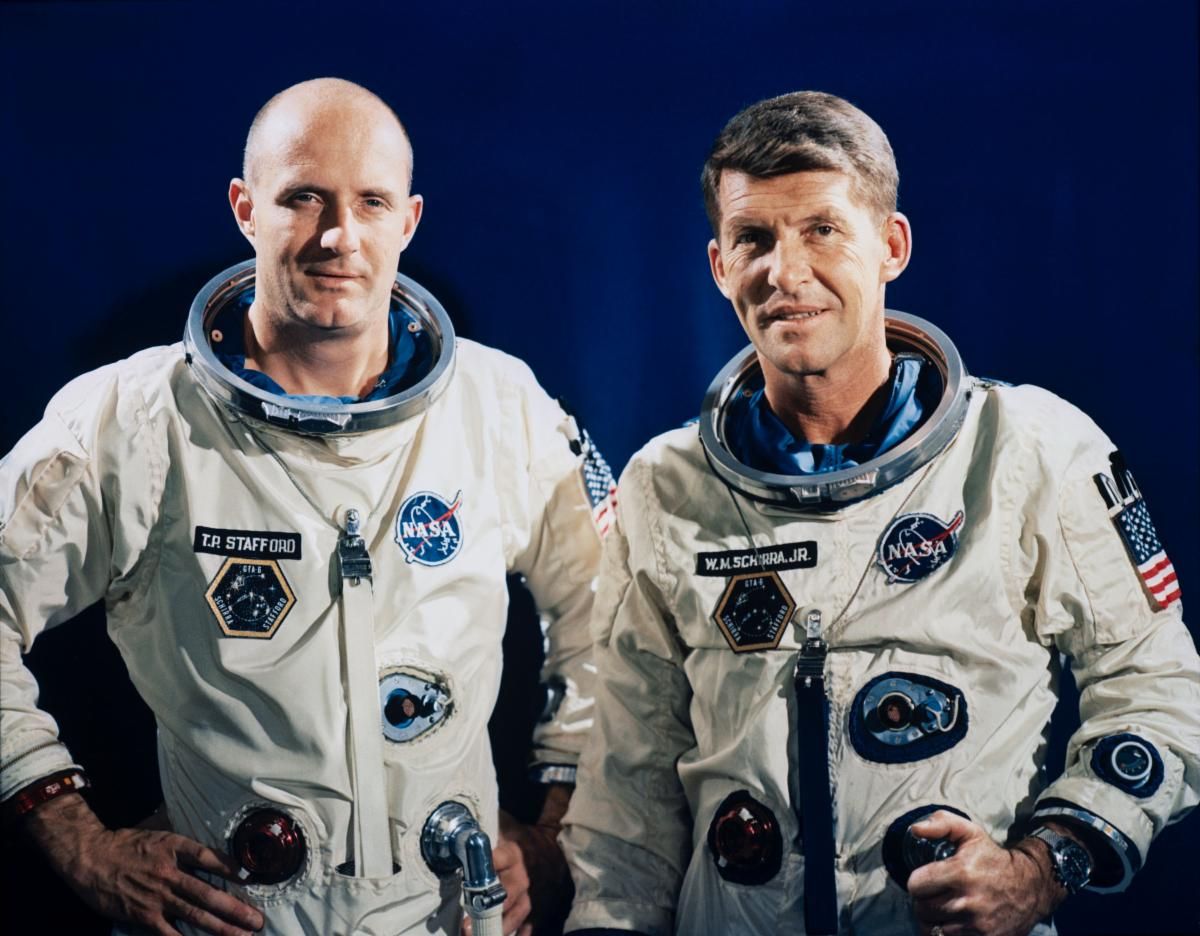
Last week, we asked who served as the backup crew for the Gemini III mission. The answer? Walter M. Schirra and Thomas P. Stafford! Gemini III was the first crewed Earth-orbiting spacecraft of the Gemini series. It was piloted by astronauts Virgil "Gus" Grissom and John Young, with the primary objective of demonstrating the crewed qualifications of the Gemini spacecraft.

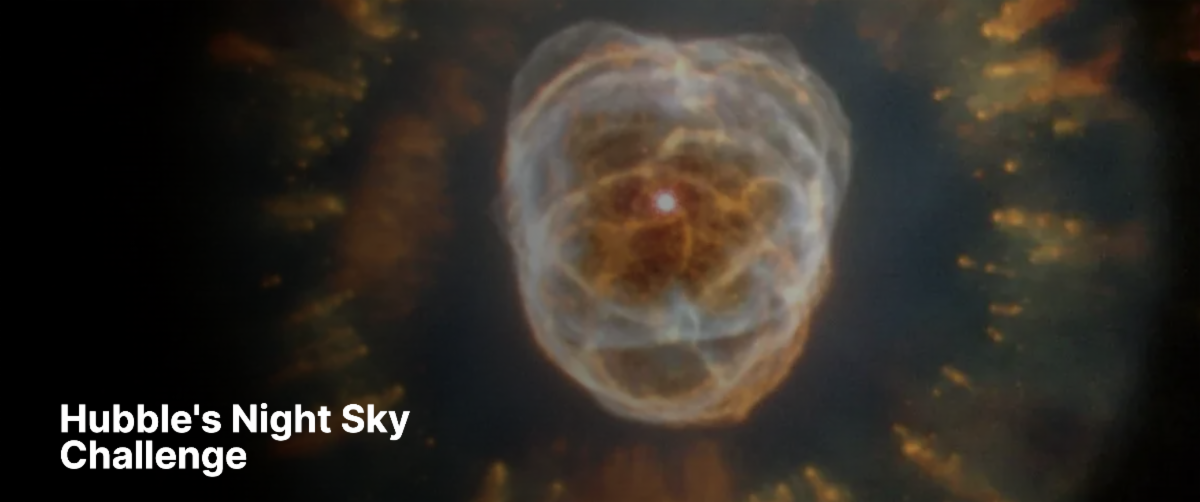
Do you have a telescope? Would you like to see some of the same night sky objects from the ground that Hubble has from space? We invite you to commemorate the Hubble Space Telescope’s 35th anniversary by accepting our yearlong stargazing challenge! New challenge objects will be featured weekly.


This week's object is Caldwell 39. Discovered in 1787 by astronomer William Herschel, Caldwell 39 is about 5,000 light-years away in the constellation Gemini. The nebula’s intricate patterns began forming about 10,000 years ago, when the star at its heart exhausted its nuclear fuel and became unstable, shedding its outer layers of gas into space.


JOIN THE CELEBRATION

National Aeronautics and Space Administration


NASA explores the unknown in air and space, innovates for the benefit of humanity, and inspires the world through discovery.


Visit nasa.gov

Follow NASA

Facebook  Instagram  LinkedIn  X  YouTube