Founder's Corner

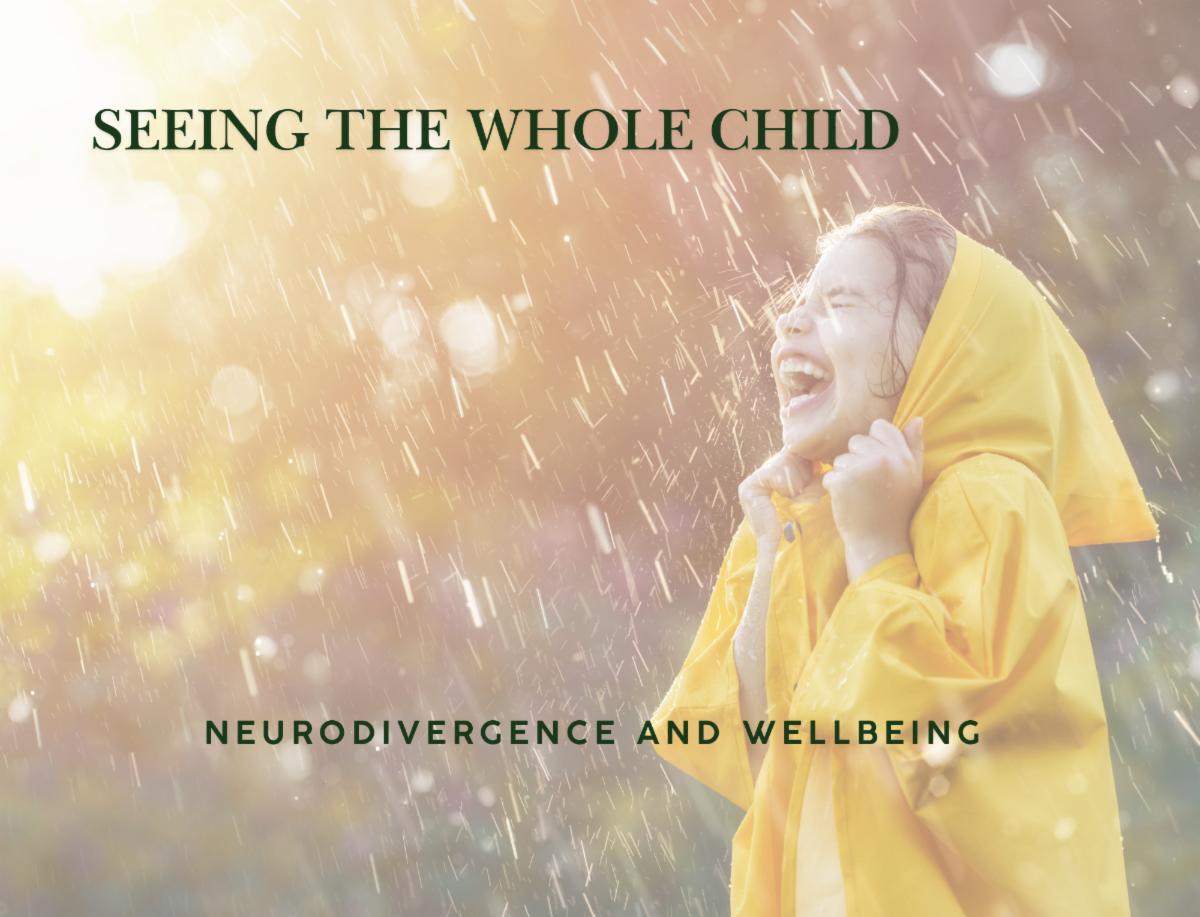
In recent months, one pattern has become increasingly clear in my practice. More adult women are reaching out with a quiet, persistent question: “Is it possible this was missed?” They are often thoughtful, insightful, and self-aware. Many have spent years, sometimes decades, navigating anxiety, burnout, or a sense of feeling different without a clear explanation. Some have received prior diagnoses, while others have simply learned to adapt. Underneath it all is a growing curiosity about whether autism may have been overlooked. When these women and girls show up in my practice, they are ready to not only understand themselves, but are ready to be kinder to who they intuitively are.


April is Autism Awareness Month, and it feels important to pause here, not only to raise awareness, but to reconsider who we have been aware of. For a long time, autism has been understood through a relatively narrow lens, one shaped largely by how it presents in boys. This has influenced early research, diagnostic criteria, and clinical training, contributing to a gender gap in identification (Loomes et al., 2017; Hull et al., 2020). As a result, many girls and women have gone unrecognized.

April is World Autism Awareness Month, and this year’s theme "Regulation Over Reaction" invites us to pause before we respond. That pause matters not just in how we handle difficult moments, but in how we talk about autism altogether.


For a long time, conversations about autism centered almost entirely on what autistic individuals struggle with. While those challenges are real and deserve support, research is now showing that this deficit-focused framing can quietly do harm. A 2024 scoping review in Autism & Developmental Disorders found that approaches focused on “fixing” autistic traits — rather than supporting the whole person — are linked to increased alienation, loneliness, and poorer mental health

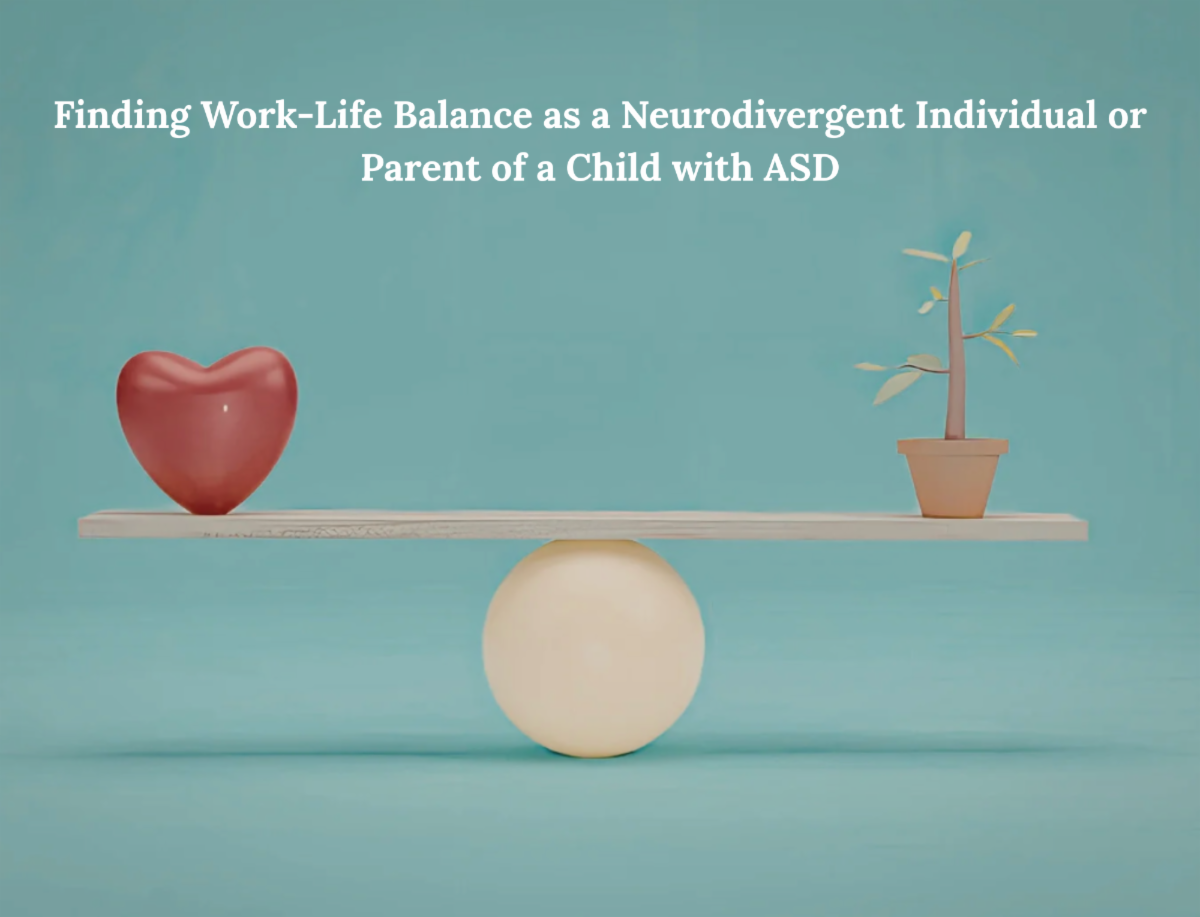
For many people, achieving work-life balance can be challenging. But for neurodivergent individuals or parents raising a child with Autism Spectrum Disorder (ASD), that balance can feel especially complex. Daily life often includes navigating sensory needs, emotional regulation, therapy appointments, school coordination, and unexpected transitions—on top of work and household responsibilities. Research shows that parents of children with ASD often experience significantly higher levels of stress compared to other parents (Hayes & Watson, 2013).


Upcoming Events


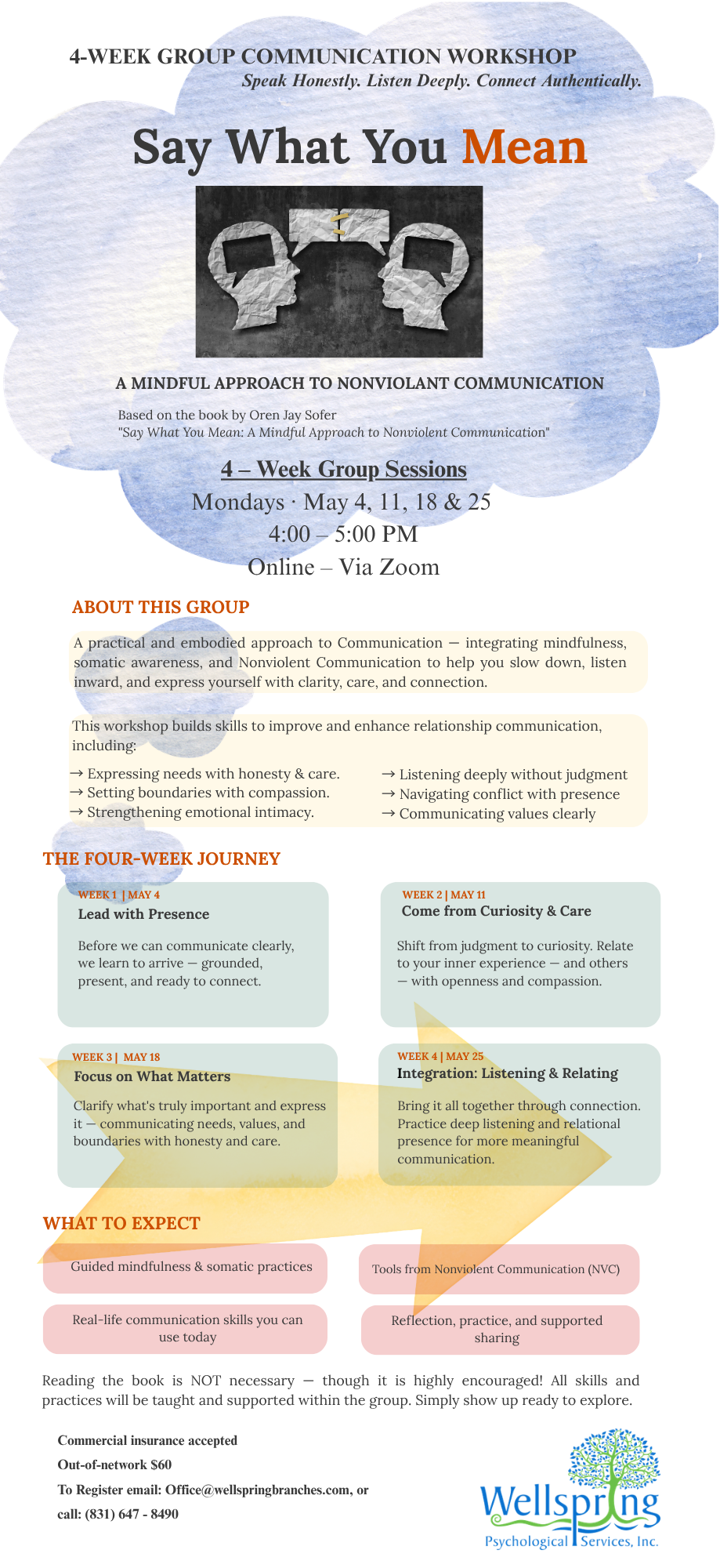
4-Week Group Sessions Focusing on Communication and Building Healthier Relationships


Mondays at 4:00-5:00 PM

Dates: May 4, 11, 18, 25

Where: Online Via Zoom


What if the conversations you've been avoiding could actually bring you closer? This workshop gently guides you to communicate with more presence, honesty, and compassion — transforming not just how you speak, but how you connect.


Interested? Speak With Your Care Team to Register