The Wyoming Health Council works to ensure that all people can access equitable, inclusive, high-quality, and affordable reproductive and sexual health care. | | |
Senate Appropriations Committee Bill Markup Keeps Title X Funding Stagnant
WASHINGTON, DC – The National Family Planning & Reproductive Health Association (NFPRHA) issued the following statement from Clare Coleman, NFPRHA’s President & CEO, in response to the Senate Appropriations Committee markup of the Labor-HHS Subcommittee fiscal year (FY) 2026 funding proposal that passed (26-3) out of committee today:
“On behalf of the network of publicly funded family planning providers and administrators across the country, we appreciate the Senate Appropriations Committee’s decision to reject the President’s proposed elimination of the Title X family planning program. This is a crucial step in protecting access to essential health care. However, flat-funding Title X would once again fall short of what’s needed to meet rising demand and sustain the network of family planning providers serving communities across the country. Title X has not seen a meaningful funding increase in more than a decade. Meanwhile, politically motivated attacks during the first Trump Administration, the COVID-19 pandemic, and targeted attacks on providers in 2025 have left Title X in dire straits. Federal data clearly show that many years of underfunding have forced providers to see fewer patients, reduce health center hours, and cut services and staff.
“The Title X family planning program has provided critical preventive health care for millions for more than half a century. This health care access includes contraception, cancer screenings, STD testing and treatment, and other preventive services, with priority given to people with low incomes or no other options for care. The federal program is one of the most effective investments we can make in improving public health.
“We urge Congress to invest in Title X to support underserved and low-income people’s ability to make personal choices about their reproductive lives. Family planning care is vital health care.”
| | |
Understanding Sexual Health in College
- Students should inform themselves so they can have positive sexual experiences.
- Open communication and safer sex are the best ways to promote sexual health.
- Understanding reproductive health is key to preventing unplanned pregnancies.
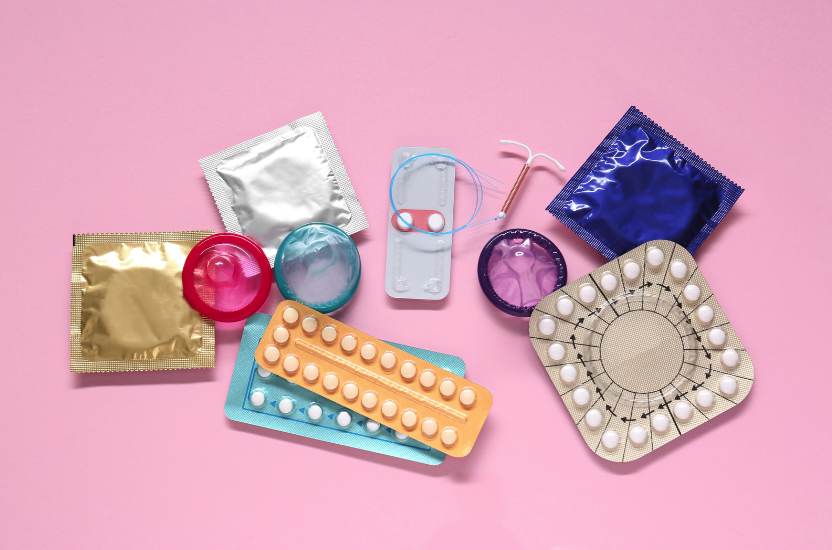
For many, sex can be an uncomfortable topic. However, it’s essential that college students learn about sexual health so they can have positive sexual experiences. What’s more, gaining a deeper understanding of sexual health can lead to a safer, more fun, and more fulfilling sex life.
In this guide, we explain the meanings behind sexual and reproductive health, and the benefits of practicing safer sex.
| |  | |
How to Talk to Teens About Safe Sex and Consent
“The talk” about sex and bodies isn’t a one-and-done conversation. In fact, it can start in bits and pieces at almost any age. As kids get older, it’s important to go beyond the basics of the birds and the bees.
When your kids are old enough that they already have some sex ed knowledge, and they may be interested in dating or intimacy in the near future, you’ll want to be sure to cover topics like safe sex, consent, and why people have sex.
There’s a lot to cover, and you or your teen may find the topics to be tough or embarrassing to discuss. Here are some realistic tips for having those ongoing talks with teens about sex:
- Look for moments when these topics come up naturally, like after a trip through the family planning aisle of the drug store, or after watching a movie together.
- Try starting conversations when you’re doing something else like driving or doing chores together, so it seems less uncomfortable for your teen.
- Think about how your own shame or upbringing factor into how (or how often) you discuss tricky topics like sex.
Find some suggested talking points in our Scripts for Parents video series and in the scripts below!
| | | |
Preventative Antibiotics May Help Curb the STI Epidemic, Experts Say
New research finds that taking an antibiotic after sex, or even taking a smaller dose daily, substantially reduces the risk of sexually transmitted infections.
Instead of simply treating sexually transmitted infections with antibiotics, a new public-health movement seeks to use one such medication to prevent STIs in the first place. Promising research into variations on this method has raised hopes, but also concerns about whether this method might also contribute to another public health crisis: drug-resistant infections.
One thing is clear: The nation is in dire need of game changers to battle the STI epidemic, as gonorrhea, chlamydia and syphilis have largely soared during the past decade.
Enter doxycycline: a common, well-tolerated antibiotic long used for multiple purposes, including treating acne.
| | | |
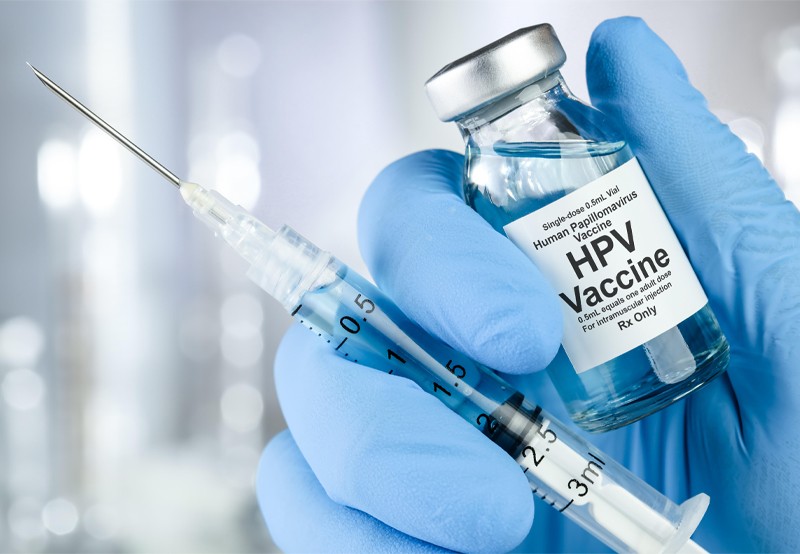
An Urgent Argument For The HPV Vaccine
HPV is a virus that can live and replicate in certain cells on the surface of the skin and mucous membranes, including the inner lining of the mouth, throat and genitals. While over 200 types of the virus exist, only a few can lead to cancer, usually many years or decades after exposure.
Nearly everyone who isn't vaccinated against HPV will be infected at some point, though 9 out of 10 infections resolve within two years.
Passed from person to person through skin-to-skin contact, usually during sexual activity, HPV is best known for causing cervical cancer, which kills about 4,000 people in the United States every year. But the virus can also lead to warts and other malignancies, including cancer of the throat, anus and genitalia — it's linked to six types of cancers in total.
A safe and well-tolerated vaccine can prevent about 90% of such cancers. But in the U.S., HPV vaccines continue to be among the most underutilized recommended vaccines
| | | |
Ensuring Adolescents’ Ability to Confidential Family Planning Services in Title X
Since its inception in 1970, the Title X national family planning program has guaranteed confidentiality for all patients receiving its services—including adolescents. Such protections are well grounded in medical and ethical standards and reflect research demonstrating that without access to confidential care, many adolescents would not seek needed health services. Still, socially conservative policymakers and advocates have long sought to undermine the ability of minors to obtain confidential sexual and reproductive health care, based on the premise that the very availability of confidential services promotes sexual activity among young people, undermines parental authority and interferes with parent-child relationships.
For nearly 50 years, the Title X program has provided affordable and confidential contraceptive, STI and related family planning care to people regardless of age. The Title X statute recognizes the important role that parents and guardians play in many young people’s lives, calling on providers to encourage familial involvement in patients’ decision making "to the extent practicable," but stopping short of requiring minors to notify or obtain consent from their parents or guardians. Moreover, long-standing program regulations require that Title X‒supported providers guarantee confidentiality for all clients, including minors. This was most recently affirmed in a 2014 program policy notice stating that Title X providers "may not require written consent of parents or guardians for the provision of services to minors. Nor can Title X project staff notify a parent or guardian before or after a minor has requested and/or received Title X family planning services."
| | | |
70% of Parents Wants Better Sex Education For Their Kids
In an exclusive Parents survey of 1,500 caregivers, two in three parents said they think sex education should be mandatory in schools. Here's why they're right.
Seventy percent of parents surveyed believe that “comprehensive sex education is important for the well-being of children,” and in fact, 3 out of 4 parents think sex education is important or very important.
This is in line with a recent report published in the journal of the American Academy of Pediatrics (AAP), which states that “[d]eveloping a healthy sexuality is a key developmental milestone for all children and adolescents that depends on acquiring information and forming attitudes, beliefs, and values about consent, sexual orientation, gender identity, relationships, and intimacy.”
Not learning skills about healthy relationships and sexual decision making can have grave consequences, as Professors Jennifer S. Hirsch and Shamus Khan found in their study on campus sexual assault, published in the book Sexual Citizens. Their research found a link between the continuously high numbers of sexual assaults on college campuses every year (where one in five college women experiences sexual assault) and lack of comprehensive sex education in the U.S.
Hirsch and Khan argue that, in order to combat sexual assault and harassment, sexual education at home and in schools must go beyond providing basic information about biology, abstinence, and consent to tackle the complexities of intimate relationships.
| | |
Opinion: Contraception Gives Young Women Control of Their Bodies-So Why Are So Many Girls Afraid To Use It?
One-third of young women who don't take birth control say they fear its side effects. Misinformation plays a role, a health expert says.
As long as contraception has been widely available, misconceptions about its safety—from weight gain fears to claims you need a birth control “cleanse” every few years—have scared some young women away from using it. Today, this kind of misinformation is no longer solely circulated in locker rooms or sleepovers. In the modern digital world, active misinformation and disinformation campaigns that deter people from using contraception circulate on social media—reaching millions.
The origin of this issue varies. Sometimes, rumors about birth control are intentionally created and promoted for political purposes; this is disinformation. Sometimes, false claims are unintentionally spread by people who believe their statements are true. Other times, one person misrepresents their real, lived experience as a universal truth.
The results are astonishing: A 2022 KFF study found that roughly one-third of reproductive-age women who are not on birth control cite fears of side effects as a reason for avoiding contraception.
| | | |
National Underwear Day
August 5
| | |
8 Underwear Rules to Live by for a Healthy Vagina
Choosing underwear made of breathable, natural materials like cotton can support your vaginal health, as can other practices like proper cleaning and knowing when to replace your panties.
Your pantie guidebook to cleaning, wearing, and living.
Did you know that certain fabrics are healthier for you, that at certain times, going commando is better, or that underwear (sort of) has an expiration date?
These unspoken underwear rules can affect your vaginal health.
So we did a lot of research, dug through several underwear hygiene studies, and talked to an OB-GYN to collect eight underwear rules to live by.
| | | |
Benefits and Precautions of Not Wearing Underwear
“Going commando” is a way of saying that you’re not wearing any underwear.
The term refers to elite soldiers trained to be ready to fight at a moment’s notice. So when you’re not wearing any underwear, you’re, well, ready to go at any moment — without pesky undies in the way.
Linguistic jokes aside, going commando may actually have some demonstrable benefits. Let’s explore some of the reasons you may want to give an underwear-free lifestyle a shot.
| | |
International Female Orgasm Day
August 8
| |
Everything You Need To Know About Female Orgasms
The female orgasm (female climax) is an intense physical and psychological experience that happens during sexual stimulation. During the female orgasm, muscles in the pelvis contract; some areas of the brain slow down, while others have greater activity.
Unlike the male orgasm, female orgasm isn’t necessary for pregnancy or procreation. It’s an important part of most people’s sex lives, so it’s often important to figure out how to have one.
| |
She Wears Bright Pink and Fights For Women's Pleasure. Now The Medical World is Listening
Cindy Eckert first learned about hypoactive sexual desire disorder (HSDD)—the most common type of sexual dysfunction in women—while attending a conference as a cofounder of Slate Pharmaceuticals, a male-hormone company. (At the time, Slate’s main drug was a testosterone treatment.)
Aself-proclaimed science nerd, Cindy was drawn to the field of sexual health because it was a relatively new concept, ripe for discovery. Despite the “taboo” nature of her work, she loved that the findings made a real difference in people’s lives. “From the moment I stepped into the male sexual health space, my fascination was: This matters in someone’s overall life experience,” she says. “Sex is an integral part of the human experience, and when you can improve that for somebody, it’s the highest reward.” But seeing those images at the conference—and realizing that no one else seemed to care—spurred Cindy to ask the “obvious,” she says: How can we have as many as 26 FDA-approved medications for men to lead a more satisfying sex life and not a single one for women? “I knew, based on the data, more women than men actually struggle” with sexual dysfunction.
| | |
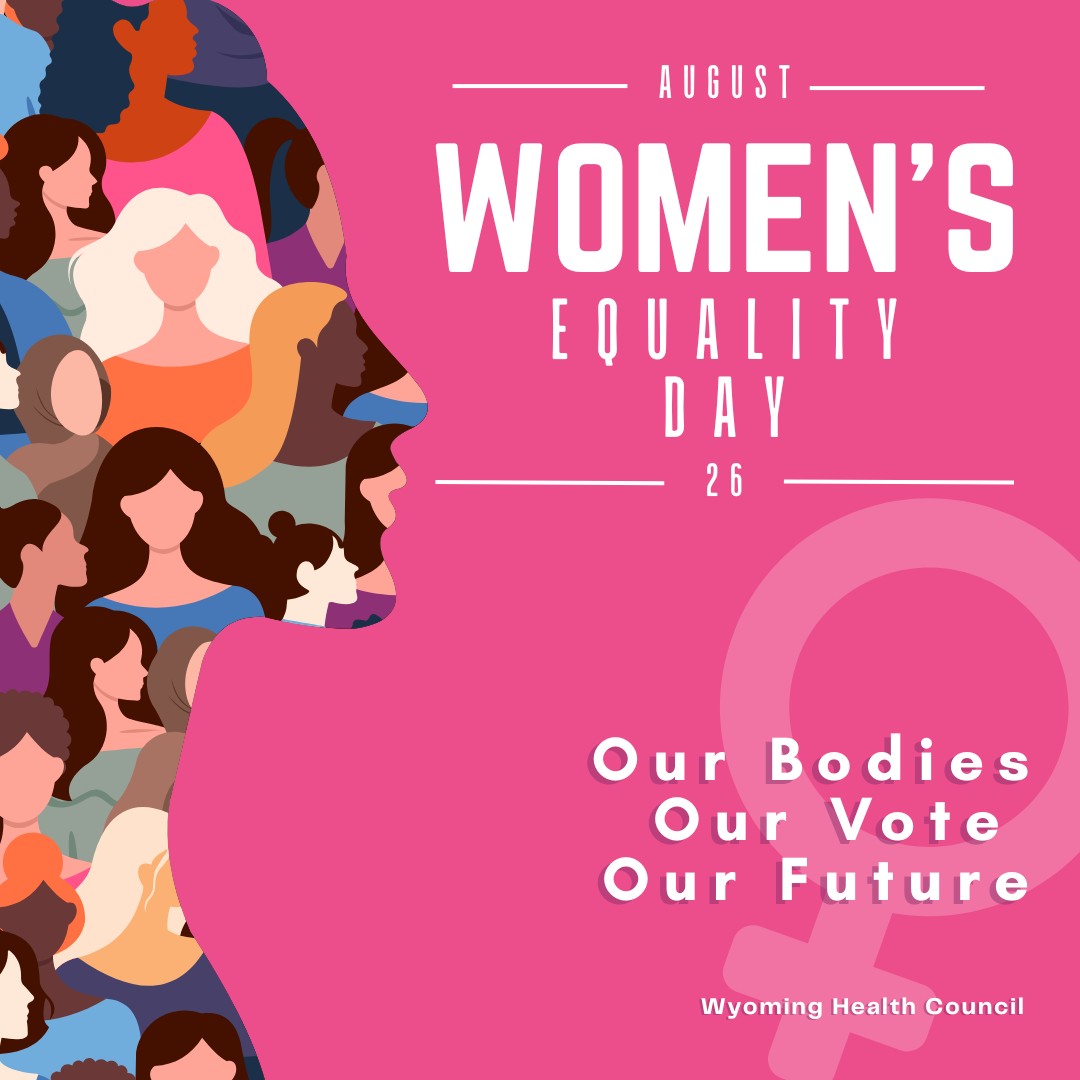
Women's Equality Day, observed on August 26th, marks the anniversary of the 19th Amendment, which granted many women the right to vote in the United States.
This milestone reminds us that access to the ballot box is deeply tied to the ability to advocate for policies that support gender equity—including the right to comprehensive reproductive and sexual health care. Ensuring equitable access to these services empowers individuals to make informed decisions about their bodies and futures, reinforcing the broader fight for equality that Women's Equality Day commemorates.
| | | |
Please consider supporting reproductive and sexual health care in Wyoming!
You can donate directly to us—100% of your contribution goes toward supporting health care access in our state.
| | | |
This newsletter was developed (in part) with federal funds from the Office of Population Affairs. For more information on the rules and regulations that apply to our programs, please visit
https://opa.hhs.gov/grant-programs/title-x-service-grants
This project is supported by the Office of Population Affairs (OPA) and the Office of the Assistant Secretary of Health (OASH) of the U.X. Department of Health and Human Services (HHS) as part of a financial assistance award 1 FPHPA 006541-0-00 totaling $978,380 with 100 percent funded by OPA/OASH/HHS. The contents are those of the author and do not necessarily represent the official views of, nor an endorsement, by OPA/OASH/HHS or the U.X. Government.
| |
WYOMING HEALTH COUNCIL
111 S. Durbin, Suite 200
Casper, WY 82601
Call Us: (307) 439-2033
| | | | | |