|
Greetings!
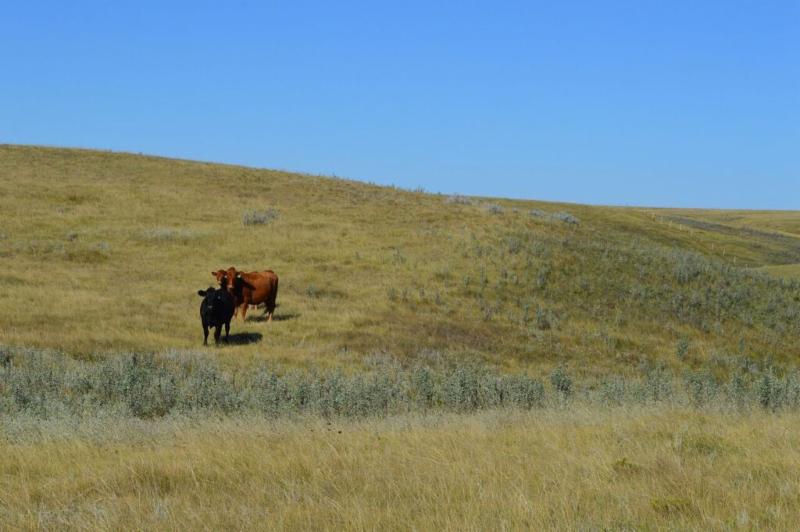
Wow, it's already August! I know it's been a weird summer for everyone, having to stay close to home for work or holidays. Regardless, the summer is going by way too fast as usual. We managed to make it out on a family camping trip last weekend, it was nice to get out of the city and see some different scenery and wildlife!
If you missed our Native Prairie Speaker Series webinar last month, a recording is available on our YouTube Channel. We had Melanie Toppi discuss how to identify the main weed species in the prairies.
We don't have a webinar lined up for August yet, due to the pandemic. We are hopefully that we can find a speaker by the end of the month so make sure to check our Native Prairie Speaker Series webpage in the next few weeks for updates. If we don't find a suitable speaker for August, we will just have an extra webinar in the fall!
We have an exciting announcement for the 8th Native Prairie Restoration/Reclamation Workshop, so make sure to check the newsletter next month!
It's nice to see events in the upcoming events section of the newsletter again, after months of cancelled or postponed events. There are virtual as well as in-person events, so make sure to check them out!
And finally, we would like to thank our sponsors for their generous support : Camp Wolf Willow, EcoFriendly Sask, K+S Potash, Pembina Pipelines, Ranchers Stewardship Alliance, Saskatchewan Cattlemen's Association, SaskEnergy, SaskTel, SaskWater, Wildlife Habitat Canada and Environment and Climate Change Canada, as well as the continuous support of all the PCAP's Partners.
I hope you enjoy the last bit of summer! Stay safe and healthy!
Carolyn Gaudet, SK PCAP Manager
Ph. 306 352 0472
pcap@sasktel.net
|
Guides to Managing for Optimal Habitat Attributes for Species At Risk
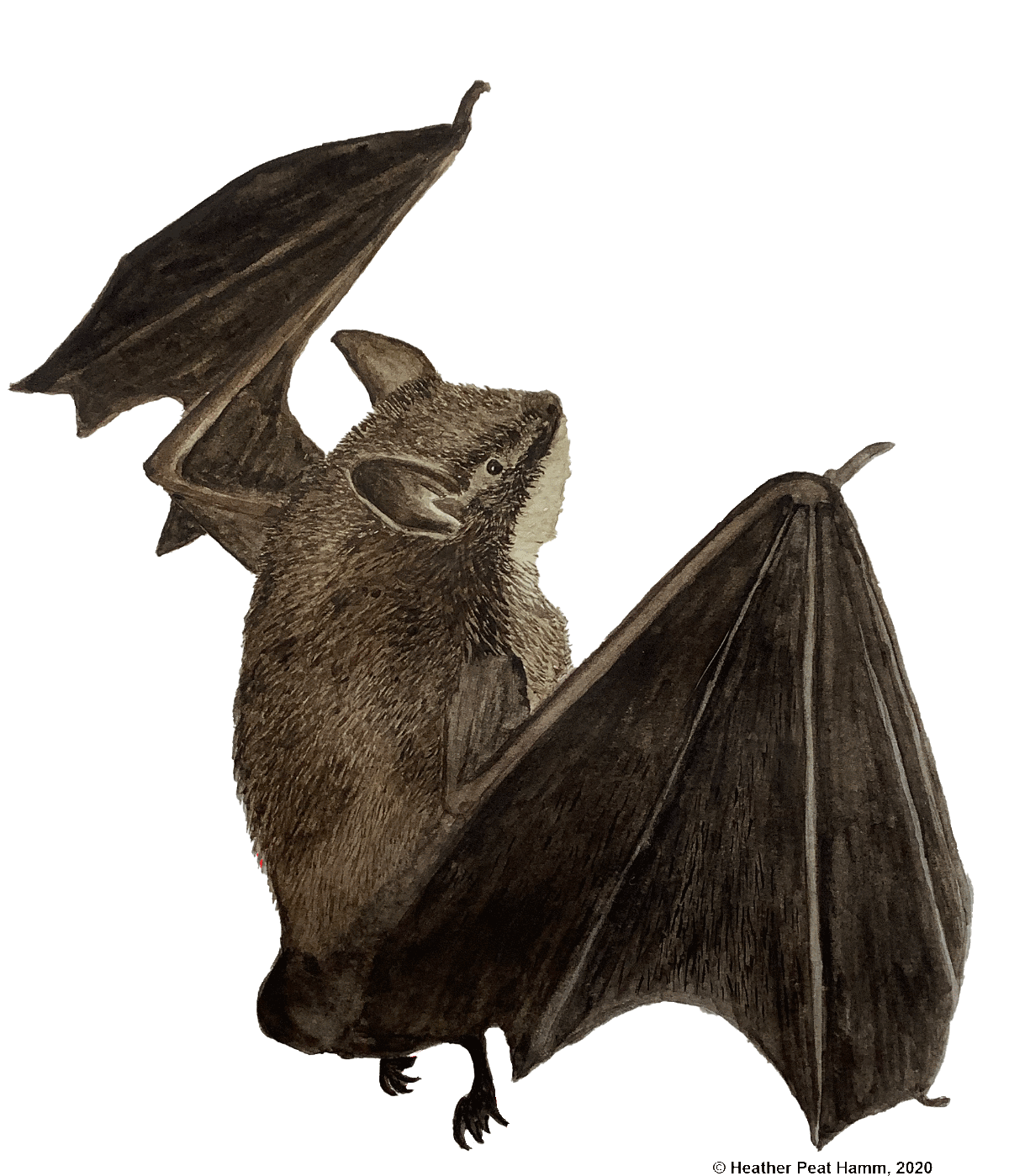
We developed 3 new habitat attribute guides for landowners. These guides describe local and landscape-scale habitat features that are optimal for species at risk at different life stages, as well as important non-habitat related beneficial management practices.
We would like to thank the contractors (Sue Michasky, Heather Peat Hamm and Ashley Cole-Wick) for their hard work in developing these guides and the many individuals who participated in the workshops or reviewed the draft versions.
The project was financially supported by the Department of the Environment of the Government of Canada (Environment and Climate Change Canada), through the Nature Canada Program funding granted to the Saskatchewan Prairie Conservation Action Plan.
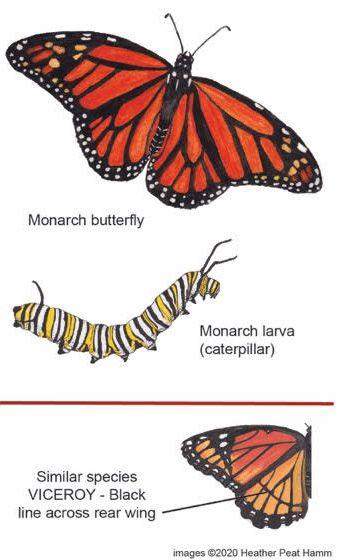
Click on the species for a link to the respective habitat guide.
You can find the habitat attribute guides for the other 5 species on our Resources webpage. Check back in the coming weeks for the Swift Fox guide.
Copyrights of species images belong to Heather Peat Hamm and were used with permission.
|
|
Conservation in the News!
There's some neat butterfly work coming out of Manitoba:
We like hearing about partnerships to conserve or restore native prairie:
Here's a story about conserving grasslands in AB, including some familiar faces from past NPRRW events
|
|
PCAP Partner Spotlight...
Ducks Unlimited Canada
Based on/adapted from an article by Penny McKinlay published in EcoFriendly Sask.
.
DUC in Saskatchewan: Adaptive Resource Management and Partnership in Action
Ducks Unlimited Canada (DUC) originated in 1938 out of an effort to address plummeting populations of North American waterfowl during the drought years of the Dirty Thirties. The initial goal was to drought-proof the Prairies by working with farmers and ranchers to reclaim and enhance large marshlands with dams and other water control structures through partnerships. The first Saskatchewan project was the 4,100 acre Waterhen Marsh near Kinistino and DUC maintains the site to this day.
These were large-scale engineering projects, many of which lasted for 30 years or more with DUC working in partnership with landowners, municipalities, NGO's, and the provincial government. Work began on conserving provincially significant wetlands in 1981, when DUC and the Saskatchewan Ministries of Agriculture and the Environment, along with support from the Saskatchewan Wildlife Federation, Nature Conservancy of Canada, Wildlife Habitat Canada, and the Saskatchewan Natural History Society, all partnered to create the Heritage Marsh Program.
In the 1980s, waterfowl populations dropped again and new research revealed how small potholes and upland nesting habitat were critical. Wetland drainage and cultivation were limiting the amount of cover, leading to increased predation and the loss of both hens and eggs.
This was one of the first adaptive shifts in DUC's efforts, resulting in a move away from large marsh projects, and toward research into ways to enhance or restore nesting habitat on agricultural lands. With the creation of the North American Waterfowl Management Plan in 1984, DUC opened offices across Saskatchewan and began delivering agricultural conservation programs. The first trial projects were in Redvers and the Quill Lakes where DUC helped ranchers manage pastures and seed hay, promoted zero till, and purchased and leased land to convert to perennial cover. Winter wheat, developed by Dr. Fowler at the University of Saskatchewan, with support from DUC, played an important role in providing nesting habitat in cropland; it is one of the few crops seeded in fall and has already growing when ducks begin nesting in spring. A research arm, the Institute for Wetland and Waterfowl Research, was established by DUC to support their work. By continually asking the questions What's working? What isn't? DUC has been able to adjust programs and approaches based on new and better science.
Technology ushered in the next step in DUC's evolution: satellite imagery and GIS coupled with waterfowl breeding surveys allowed nesting habitat programs to be targeted to areas where they were most needed. DUC turned its attention to Saskatchewan's pothole country where there are exceptionally high numbers of breeding birds and the land is more suited to hay and pasture than to agricultural crops. DUC also pioneered re-establishing native grasslands and studied the effects of haying and grazing on nesting success. DUC manages nesting cover by contracts with the neighbours to harvest the hay or graze the land on a regular basis.
Recognizing that wetland loss rates have been accelerating waterfowl face new challenges and so DUC's activities continue to evolve. DUC's research in to carbon sequestration, flood mitigation, and nutrient management have all demonstrated the benefits that wetland retention provides. This recently evolved into a partnership with the University of Saskatchewan, the Endowed Chair in Wetland and Waterfowl Conservation was created, the first of its kind in Canada. DUC also works with industry partners to mitigate for their development when wetland loss occurs. If you've driven on the Lewvan Interchange along the Trans-Canada Highway in south Regina you've witnessed DUC's partnership in action.
It takes a collaborative approach to conserve critical habitats, and DUC's work builds on the spirit of community embodied by the people of Saskatchewan. DUC works alongside agricultural producers, industry groups, governments, and the public, to ensure wetland values are appreciated and accounted for, and works toward a sustainable balance between conservation and development for the benefit of the environment and the people.
|
|
|
|
|
|
|
SK PCAP Native Prairie Speaker Series
We are still working on lining up our August Native Prairie Speaker Series webinar!
|
|
Upcoming Events!
August 11-13, 2020
August 11-14, 2020
Rotary Park, Saskatoon, SK
August 30, 2020
PHJV Webinar series
Dr. Howie Harshaw from the University of Alberta
September 9, 2020
Last Mountain Bird Observatory
September 19-20, 2020
Basic Wildlife Rehabilitation Course
October 3-4, 2020
Saskatoon, SK
|
|
Online resources -incase you still need them :)
Explore.org - bison cam at Grasslands National Park
|
2020 Speaker Series
Supporting Sponsors
Camp Wolf Willow
Ranchers Stewardship Alliance Inc.
|
2020 Education Programs:
Presenting Sponsors:
2020 Education Programs
Supporting Sponsors:
|
|
Carolyn Gaudet, Editor, Saskatchewan Prairie Conservation Action Plan Newsletter
306-352-0472 |
|
|
SK PCAP gratefully acknowledges financial support in 2020-2021 from:
Camp Wolf Willow, Ducks Unlimited Canada, EcoFriendlySask.ca, K+S Potash, Parks Canada - Grasslands National Park of Canada, Pembina Pipelines, Ranchers Stewardship Alliance Inc., Saskatchewan Cattlemen's Association, Saskatchewan Ministry of Agriculture, Saskatchewan Ministry of Environment - Fish and Wildlife Development Fund, SaskEnergy, SaskPower, SaskTel, SaskWater, University of Saskatchewan - College of Agriculture and Bioresources, Water Security Agency and Wildlife Habitat Canada.
SK PCAP gratefully acknowledges in-kind support for 2020-21 from:
Agriculture and Agri-Food Canada - Science and Technology Branch, Canadian Parks and Wilderness Association, Canadian Western Agribition, Environment Canada - Canadian Wildlife Service, Friends of the Royal Saskatchewan Museum, Friends of Wascana Marsh, Meewasin Valley Authority, Native Plant Society of Saskatchewan, Nature Conservancy Canada, Nature Saskatchewan, Parks Canada - Grasslands National Park, Prairie Wind & Silver Sage, Ranchers Stewardship Alliance Inc., Redberry Lake Biosphere Reserve, Saskatchewan Association of Rural Municipalities, Saskatchewan Association of Watersheds, Saskatchewan Bison Association, Saskatchewan Burrowing Owl Interpretive Centre, Saskatchewan Cattlemen's Association, Saskatchewan Environmental Society, Saskatchewan Forage Council, Saskatchewan Forage Industry Network, Saskatchewan Ministry of Agriculture, Saskatchewan Ministry of Environment, Saskatchewan Ministry of Energy and Resources, Saskatchewan Science Centre, Saskatchewan Stock Growers Association, Saskatchewan Wildlife Federation, Saskatoon Nature Society, SaskEnergy, SaskOutdoors, SaskPower, Society for Range Management - Prairie Parkland Chapter, South of the Divide Conservation Action Program Inc., University of Regina, University of Saskatchewan - College of Agriculture and Bioresources, Wild About Saskatoon-Nature City Festival.
|
|
|
|