|
|
AgriSafe in Action:
August 2021
|
|
The AgriSafe Health Hub is here! |
|
AgriSafe Network is excited to announce the launch of the AgriSafe Health Hub (AHH)! The AHH provides Farmers and Ranchers with trusted health information for the variety of occupational risks they face daily. Built around AgriSafe’s Total Farmer Health framework, each of the 20+ topics in the AHH contains content curated by AgriSafe staff, both from AgriSafe’s library of resources and from our trusted partners. In addition to the AHH, AgriSafe has launched a new website with enhanced search capabilities, making the AHH content more accessible than ever! To check out the AgriSafe Health Hub (AHH), click here.
|
|
Staff Member Linda Emanuel Promoted to Community Health Director |
|
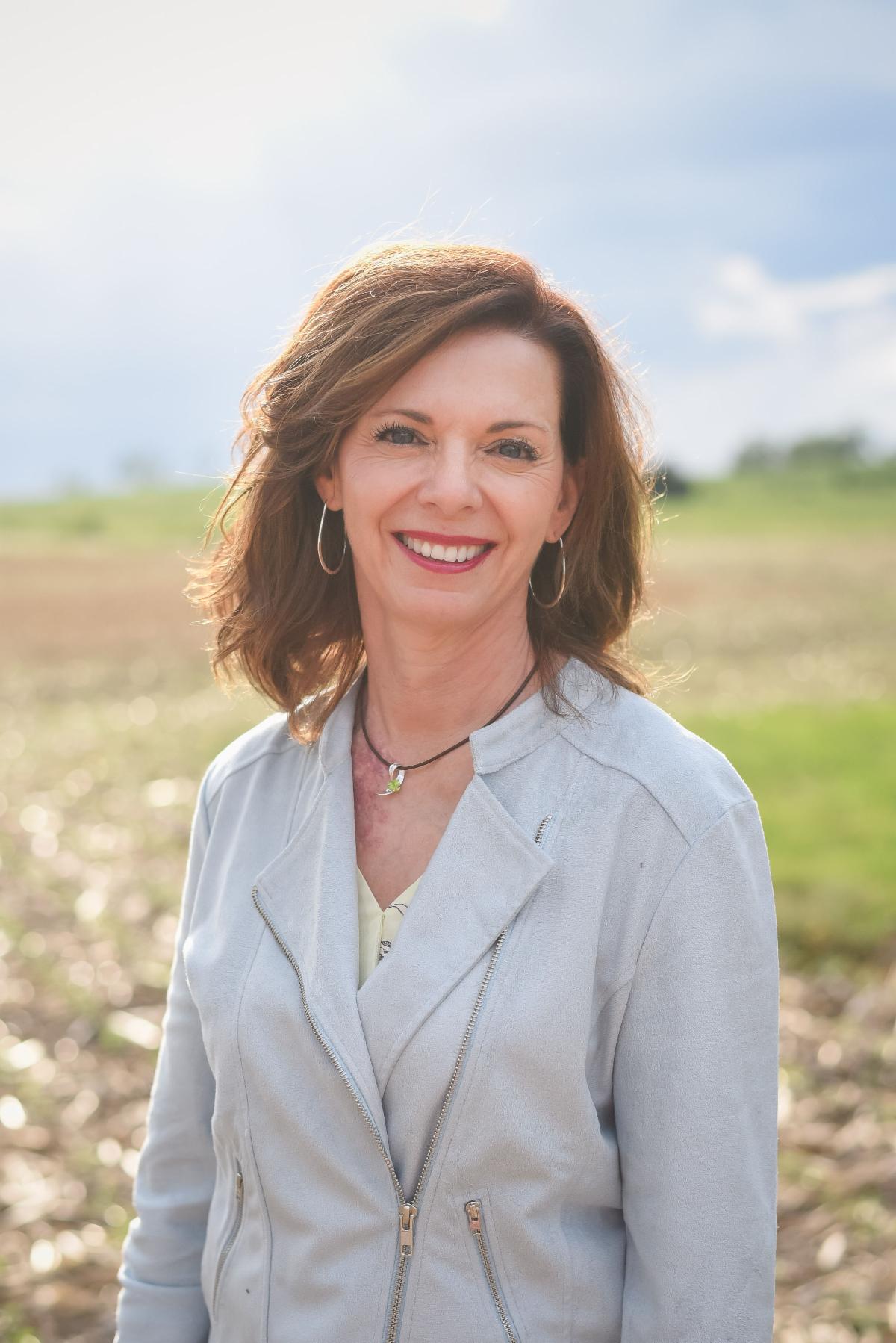
Linda Emanuel (R.N. and Ag producer) has been promoted to the position of Community Health Director for AgriSafe Network. Her work to lead Total Farmer Health Nurse Coaches in the five-state Midwest region will advance initiatives within the AgriSafe Total Farmer Health model. Linda is responsible for work under the Central States Center for Agriculture and Health outreach grant to serve Veteran Farmers and Women’s health initiatives, and she also is a trainer for the AgriSafe Invest in Your Health program. Linda is also a graduate of the AgriSafe Nurse Scholar Program and has been a trainer for the program for the past two years.
“Closing the gap to educate and advocate for behaviors to cultivate a healthy mind and healthy body is part of my passion and commitment to those working hard to provide food on our tables, fiber on our back, and fuel in our vehicles. It is my honor to journey alongside producers, community influencers, and healthcare providers to look at the issues and discover solutions.“- Linda Emanuel
|
|
Rooted in Diversity: Did you know? |
|
AgriSafe is excited to add the "Rooted in Diversity" section to our monthly newsletter. Each month the AgriSafe team holds a Diversity, Equity, and Inclusion meeting, where the team focuses on a specific minority population. During this meeting, the team examines health disparities and barriers unique to this population and how AgriSafe can better serve these populations. Each month we will highlight a contribution made to America's agriculture from the hard work and dedication of that month's special population. This month, our special population is Asian farmers. Below is just a small snapshot of the immense impact Asian immigrant farmers have had on America's agricultural industry! |
|
The story of the Bing cherry...
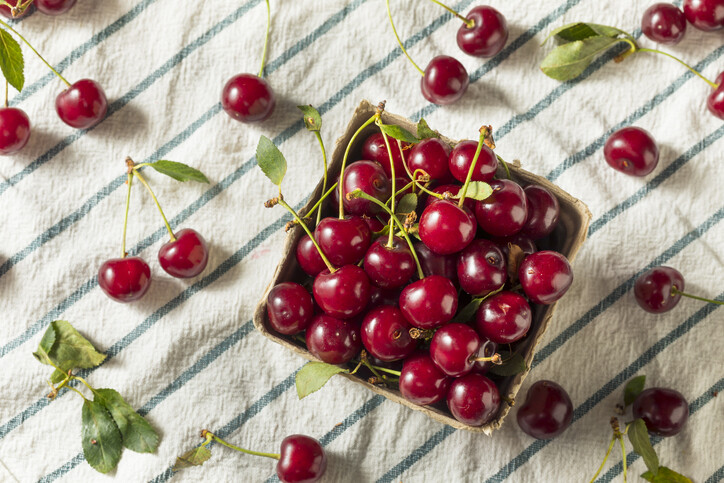
Around 1855, a Manchurian Chinese man named Ah Bing immigrated to the United States and went to work in the orchards owned by the Lewelling family in Milwaukie, Oregon. Bing supervised up to 30 other Chinese workers and was in charge of several rows of trees in a nursery. It was in this nursery that Bing perfected the art of creating new varieties of fruit. The Bing cherry was created in this orchard and it was named after Ah Bing because he cared for the plants that first produced it. During the anti-Chinese hysteria of 1886, Bing and the other Chinese workers lived in the Lewelling home for safety. Bing sent money regularly to his family that remained in China. After working for nearly 35 years for the Lewelling's, Bing returned to China for a visit around 1889. Because of the anti-Chinese Exclusion Act of 1882, which was renewed in 1892, Bing was never able to return to America. (source)
|
|
Check out this video above, highlighting the process of getting ready for a day at the farmers market. |
|
Hmong Farmers...
Since Hmong refugees began resettling from Laos and Thailand to Minnesota in the 1970s as political refugees after the Vietnam War, many families have relied on their agricultural heritage to make a living, by growing produce and flowers to sell at the local farmers' markets. By the late 1980s, Hmong farmers revitalized Saint Paul and Minneapolis Farmers' Markets, transforming them into some of the most vibrant markets in the country, while also changing Minnesota’s taste buds for Thai chili peppers and Chinese bok choy. (source)
|
|
Check out the book "Orphan Boy the Farmer," which illustrates hazards, behaviors, consequences, and control strategies related to farm work typical of Hmong farming in Minnesota and Wisconsin (created by the University of Minnesota). Follow this link for an article about "Orphan Boy the Farmer" in the Journal of Agromedicine. The book is also available for purchase here on Amazon.
|
|
Power Take-Off (PTO) Shields |
|
|
|
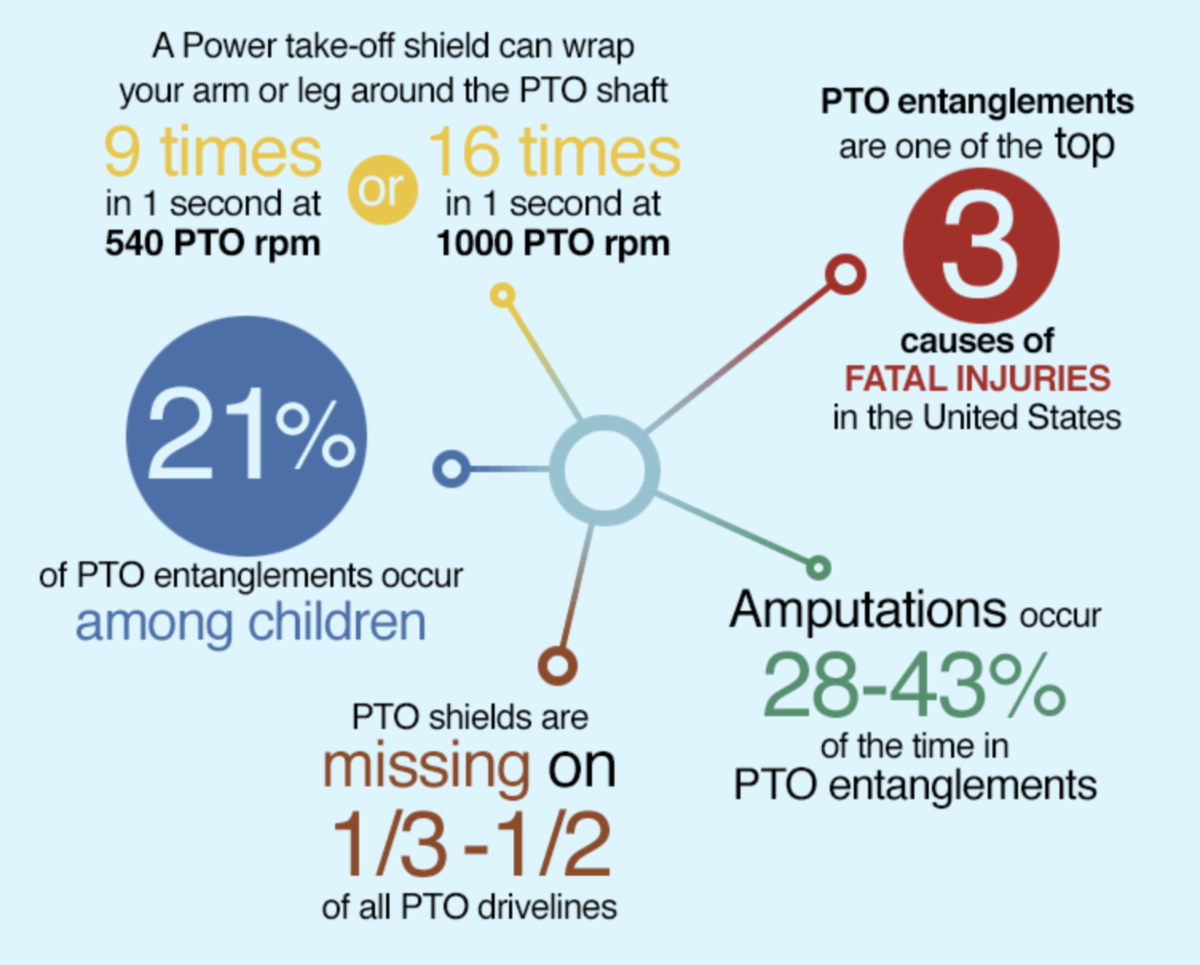
A power take-off (PTO) shield can wrap your arm or leg around the PTO shaft nine times in one second at 540 PTO rpm, or nearly 16 times in one second at 1000 PTO rpm. PTO entanglements are one of the top three causes of fatal injuries on United States farms. The BARE-Co universal fit PTO shield is easy to use with its patented BARE-Co lever release that allows for easy access to the driveline for maintenance. |
|
Compassion Fatigue & Job Burnout:
Mental “Un” Wellness Dynamics for the Ag Industry
|
|
There is a growing concern regarding the increasing number of professionals at risk of burnout in the delivery of their services. Agricultural producers and workers operate emotionally and physically demanding jobs, increasing their risk of burnout and compassion fatigue. Physical or emotional exhaustion characterizes burnout, along with perceived identity and accomplishment loss. Burnout, while not a medical diagnosis, can be a contributing factor in depression (Mayo Clinic). Compassion fatigue, a related experience, is the resultant feeling of psychological distress and anxiety after working with those experiencing trauma, such as a family suicide or disaster.
When Ag professionals and farmers work with individuals who have emotional stress, they are at greater risk to experience helplessness and numbness. Unlike burnout which is a gradual process of physical and emotional exhaustion, compassion fatigue is often sudden. If we acknowledge the impact burnout and compassion fatigue plays in our own professional and personal lives, we save space for the communities we serve, giving them a greater voice than without us. Find out what you can do when your job affects your health by clicking here.
|
|
August Health Spotlight:
National Immunizations Month
|
|
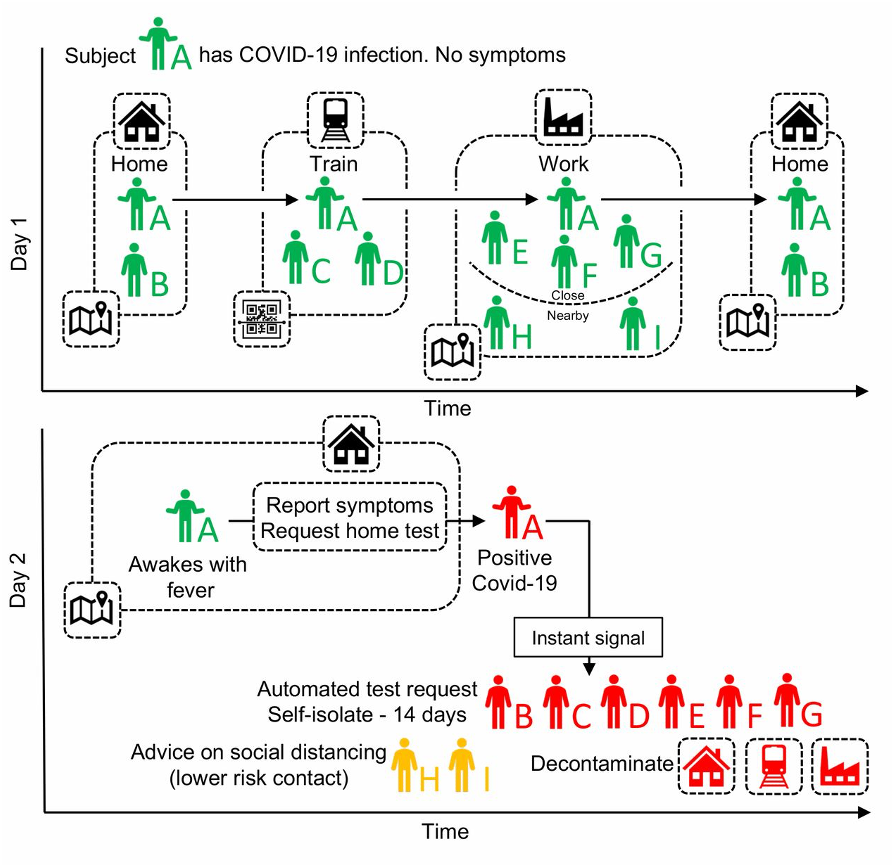
To vaccinate, or not to vaccinate? The Covid-19 vaccine is our most effective measure to combat the Covid pandemic. If you are a health or safety professional your understanding of the facts surrounding the vaccine can be a critical factor in vaccine confidence. AgriSafe is collaborating with national and international organizations to keep rural healthcare providers informed and as up-to-date as this ever-changing scenario unfolds.
Even with an abundance of evidence-based information, rumors and myths can often make it difficult for people to differentiate the facts from myths. There are multiple myths undermining confidence in the vaccine and increasing hesitancy to be vaccinated. Public health experts have been able to refute these inaccuracies with science-based facts.
Misinformation and myths include:
-
"Getting the vaccine will result in a positive COVID-19 test." FACT: None of the authorized COVID vaccines can cause a positive COVID viral test. The viral protein is not the virus, so it cannot impact a test.
-
"The vaccine has not been sufficiently tested and was developed in a hurry." FACT: The development of vaccines to protect against viral infections, including SARS COV-2, has been underway for several years. Production was fast-tracked after initial testing with a large field of participants; clinical trials included approximately 10,000 more participants than usual clinical trials.
-
"The COVID vaccine will make me sick with COVID-19." FACT: The virus is not in the vaccines. There is one protein of the virus present, but you cannot contract COVID-19 from a single protein. So, you cannot contract COVID-19 from the vaccination. The vaccine has been proven to be very successful in keeping vaccinated people out of the hospital and intensive care units, if they are exposed to COVID-19 after being vaccinated.
-
"The vaccine will alter DNA." FACT: The vaccine does not interact with DNA. It functions like any other vaccine that adults and children receive.
Check out the below resources for more information:
|
|
AgriSafe in Action - Nebraska |
|
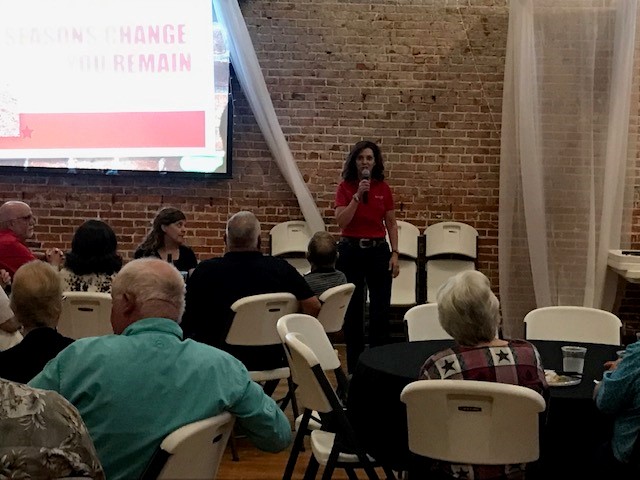
In Nebraska, AgriSafe made an appearance at the Soybean Growers Association's summer meeting in Saunders County. Eighty soybean producers, spouses, and friends gathered to discuss national policy, network, and learn during a summer dinner and organizational meeting in Weston, Nebraska. The evening’s presentation featured Dr. Tara Haskins, Total Farmer Health Director, and Linda Emanuel, R.N., Ag. Producer, and Community Health Director. The subject line was “Seasons Change You Remain – let’s talk about stress." Recognizing the myriad of stress factors that agricultural producers face daily, Tara and Linda shared strategies and resources to effectively deal with the burden of short- and long-term stress in farm and ranch country. |
|
|
|
Protecting Your Ag Employees from Infectious Disease Including New COVID-19 Delta Variant
Wednesday, August 18, 2021
12:00 PM - 1:30 PM CDT
|
|
Save the Date:
National Farm Safety &
Health Week 2021
Webinar registration information will be available very soon, so stay tuned for more information!
Daily Topics of Focus:
- Monday, September 20, 2021 - Tractor Safety & Rural Roadway Safety
- Tuesday, September 21, 2021 - Overall Farmer Health
- Wednesday, September 22, 2021 - Safety & Health for Youth in Agriculture
- Thursday, September 23, 2021 - Agricultural Fertilizer & Chemical Safety
- Friday, September 24, 2021 - Safety & Health for Women in Agriculture
|
|
National Alliance on Mental Illness (NAMI) - Minnesota
Upcoming CALM Training
Counseling on Access to Lethal Means (CALM) classes for healthcare providers who work with service members, veterans, and their families. This free online course focuses on how to reduce access to the methods people use to kill themselves. It covers how to: identify people who could benefit from lethal means counseling, ask about their access to lethal methods, and work with them—and their families—to reduce access. CALM is a 3-and-a-half hour training with a 15-minute break. This evidence-based, best practice training is designed for crisis responders as well as health and mental health professionals.
Registration is now open for the below sessions:
|
|
The National Conference on Health Communication, Marketing & Media brings together individuals representing academia, public health researchers, and practitioners from federal and state governments and the industry, and provides a forum for collegiate dialogue within and across these groups. This year, for the second time, the conference is featured as a virtual event and is FREE for all participants. This is an excellent opportunity to connect with colleagues and shape the future of health communication, marketing, and media practice. |
|
|
|
|
|
|