August 2024

From the Station Director

The end of summer and start of autumn are a wonderful time at the NH Agricultural Experiment Station research farms, and each year we are excited to welcome our stakeholder communities to visit our farms and learn about the locally inspired research, discoveries and people that move our state and region forward through science. This year is no different!


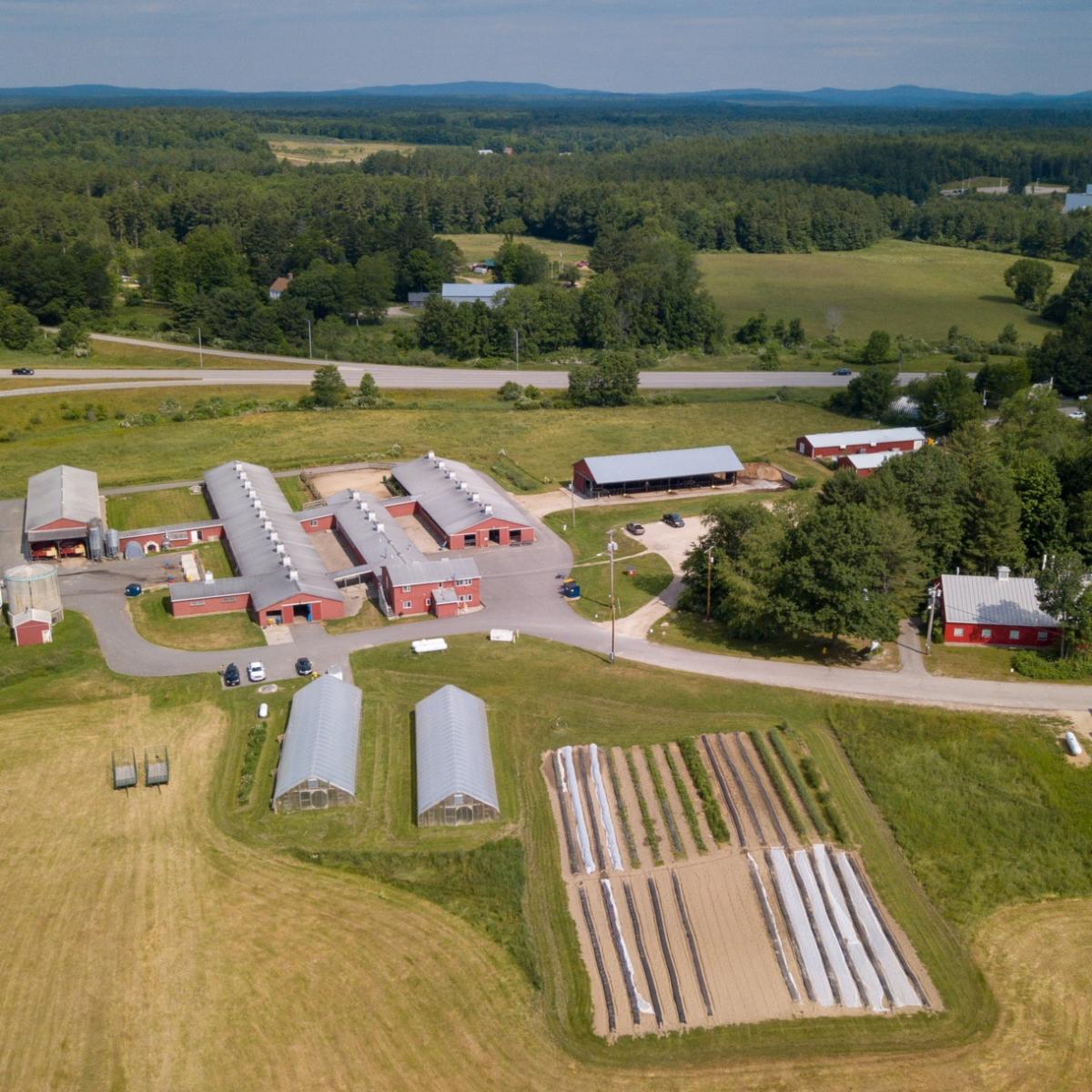
Our August 17 event is organized with our partners, the Durham and Lee Agricultural Commissions and Granite State Dairy Promotion. At 10 a.m. to noon at the UNH Kingman Research Farm, visitors of all ages will have an opportunity to learn about the research happening at the facility, and even sit in one the different types of tractors and equipment used to support NHAES agricultural and forestry research across the many UNH research farms and woodlands.

UNH Fairchild Dairy Research and Teaching Center and the UNH Teaching High Tunnels

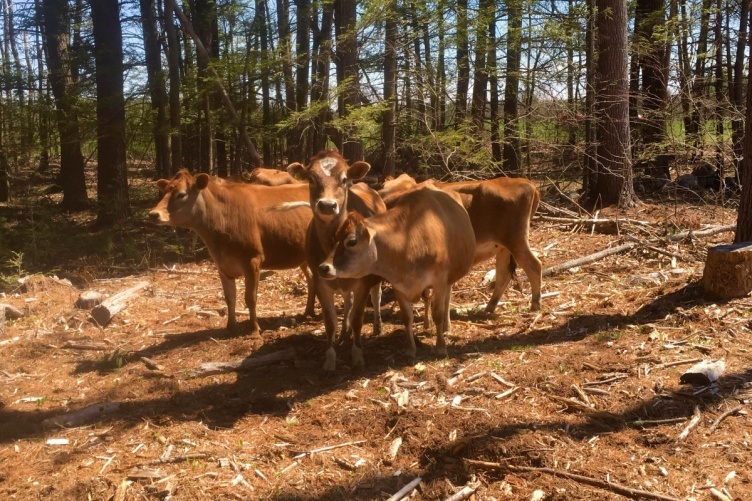
From 10 a.m.–4 p.m., you can visit the UNH Fairchild Dairy Research and Teaching Farm, where the NHAES is co-hosting with the Granite State Dairy Promotion the annual UNH Open Barn day. This is an opportunity to meet the scientists and cows that team up to develop innovative advances for New Hampshire’s dairy industry, learn about Granite State dairy farms and enjoy local milk (original and chocolate) and ice cream. As part of Farm Day, there will be a 2 p.m. guided tour of the research dairy.


Lastly, at 1 p.m., there will be a guided tour of the UNH Teaching High Tunnels, which support the UNH Farm to You program—a year-long hands-on course during which students are able to learn the many facets of horticultural food production in northern New England. The tour will also include a stop at the inaugural COLSA Community Gardens, where students from across the world can grow a diversity of crops. The UNH Teaching High Tunnels are located next to the UNH Fairchild Dairy Research and Teaching Farm.


Hope to see you on the farm and thank you for your continued support of locally inspired research, discovery and innovation that supports New Hampshire’s lives, livelihoods and landscapes!


Anton Bekkerman

Director, NH Agricultural Experiment Station

Latest NHAES Research and News

New Agroforestry Project Studies Integration of Farming and Forests


How can New England, one of the nation’s most forested regions, produce more local, sustainable food while maintaining those forests’ many benefits? That's the question that Station scientist Heidi Asbjornsen will answer in a new project studying integrating crop and animal farming in forested areas for enhanced food production, carbon sequestration and climate resilience. The project, called Promoting Climate-Smart Sustainable Agriculture in New England through Regionally Adapted Agroforestry Systems (ADAPT), is funded with a $10 million grant from the United States Department of Agriculture. Learn about the different research components of this five-year project.

Optimizing Lumpfish Rearing


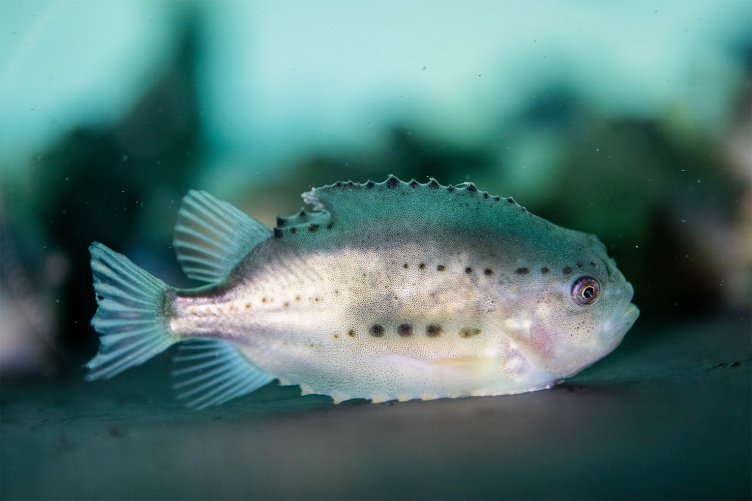
Salmon farms have been an important part of the northeast U.S. aquaculture industry for over 50 years, but the parasitic crustacean sea lice have been a million-dollar problem for salmon farmers who may not be able to sell infected fish. Integrating lumpfish—a cleaner fish that naturally feeds on sea lice off salmon—into aquaculture farms can provide a sustainable mitigation strategy, but this species can be aggressive toward other, younger lumpfish, which can reduce the strategy’s effectiveness. Research led by NHAES scientist Elizabeth Fairchild found that lumpfish hatcheries can reduce such behavior by altering light conditions and fish densities inside tanks. Read about other findings from the team's study into lumpfish rearing practices.

Using Duckweed as a Green Manure


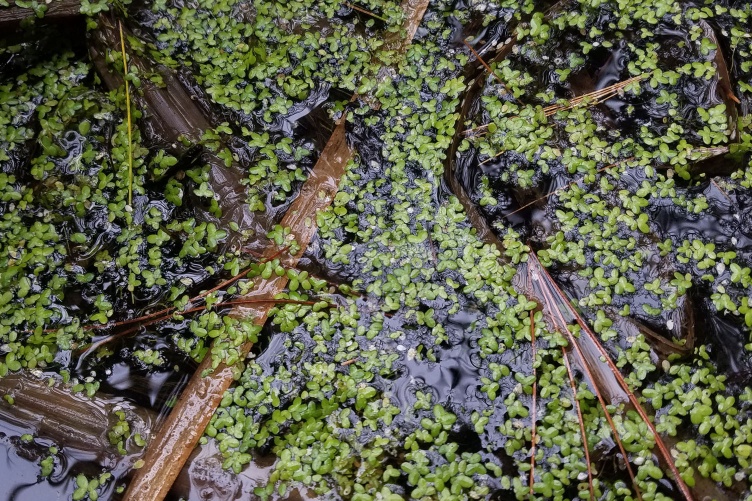
Duckweed, a common aquatic plant in New Hampshire's lakes, ponds and streams could help filter excess nutrients contaminating water, and then be used as a green manure – i.e., living plants that are incorporated or plowed into the soil – in agricultural systems. Research helmed by NHAES scientist Anna O'Brien seeks to understand how effectively growing duckweed in different bodies of water can capture excess nutrients, and then how to safely use the resulting harvested living duckweed as fertilizer on farms. Read about the unique bioremediation capabilities of duckweed.

Grandy Named Fellow of Soil Science Society of America


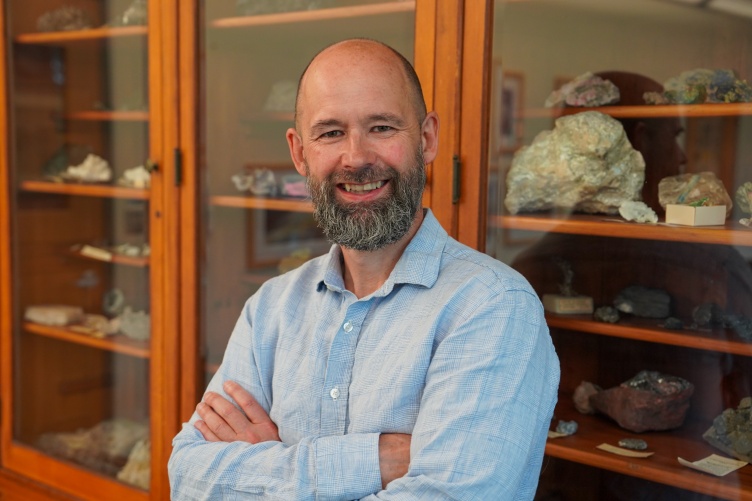
NHAES scientist Stuart Grandy, professor of soil biogeochemistry and fertility and co-director of the UNH Center of Soil Biogeochemistry and Microbial Ecology (Soil BioME), was recently named a fellow of the Soil Science Society of America (SSSA). The annual awards, which are the highest recognition given by the SSSA, are presented for outstanding contributions to soil science through education, national and international service, and research. Read more about this achievement online.

The INSPIRED Water Quality & Management Research Report is Here!


Download the digital version today!


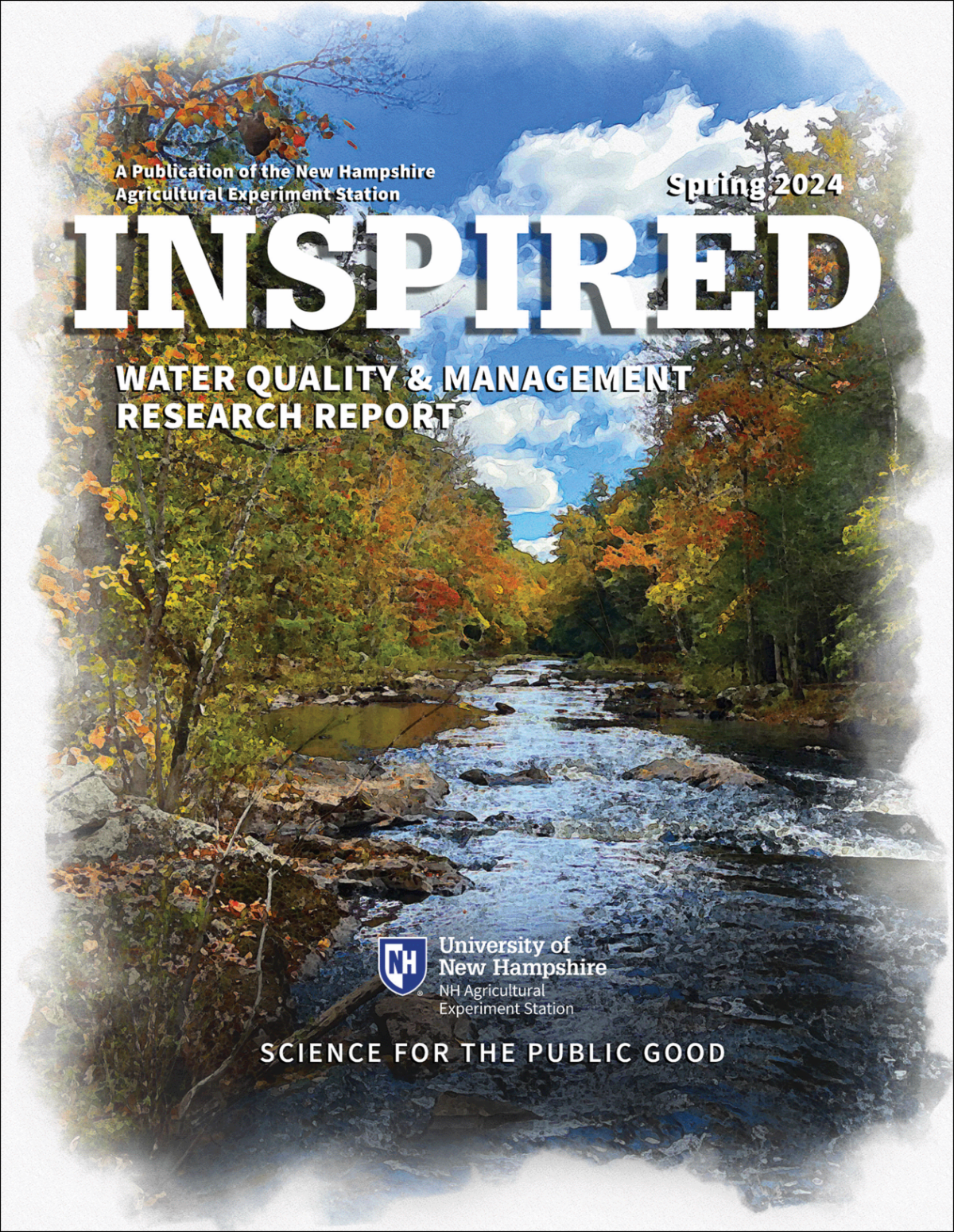
New Hampshire’s freshwater bodies play a vital role in supporting the state’s hydroelectric power, ecosystems, tourism, and recreation, contributing over $200 million from recreational fishing alone. As climate change and urbanization impact these natural water systems, NHAES researchers are pioneering methods to assess water quality and develop sustainable management solutions. By leveraging new technologies and extensive data, their discoveries aim to keep New Hampshire’s waters resilient. Read more about these advancements in the 2024 Water Quality & Management Report.

Elsewhere in COLSA Research

Unraveling the Blueberry Gall Midge Complex


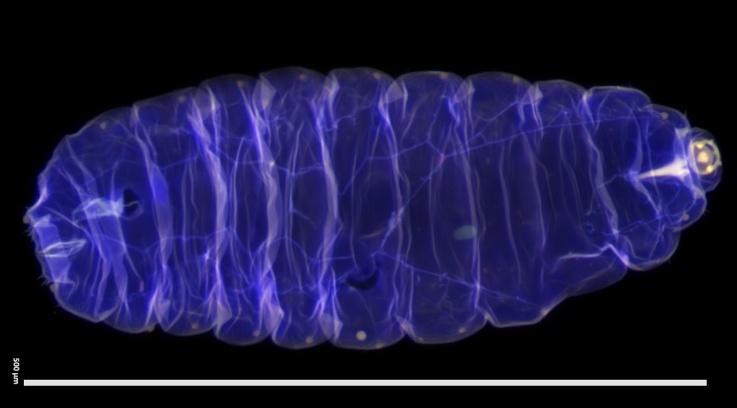
One of the latest discoveries out of the UNH Collection of Insects and Other Arthropods has been the novel identification of species within the Blueberry Gall Midge Complex (BGMC) – a group of closely related species of fly (known as gall midges) that feeds on and damages blueberry crops. Identified by COLSA research technician Monique Raymond, the finding – and others like it made by natural history collections – underscores the critical role of taxonomy in both scientific and practical domains. Read how parasitoid wasps can be used to manage this newly found species.

Sustainable Shrimp Farming: Reducing Nitrogen Using Seaweed and Oysters


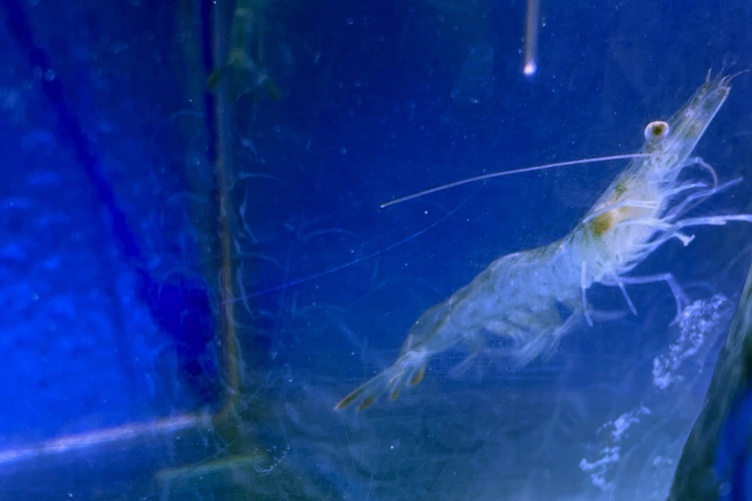
Scientists with COLSA and UNH's School of Marine Science and Ocean Engineering are studying how integrated multi-trophic aquaculture (IMTA) – systems in which two or more organisms are farmed together – could make shrimp farming more sustainable, as well as potentially support the growth of this industry in the U.S. The research was led by a graduate student from COLSA's marine biology program. Learn why sustainable shrimp farming solutions are necessary for the industry to establish in the U.S.

Global Experts Convene at UNH to Discuss Illegal Fishing


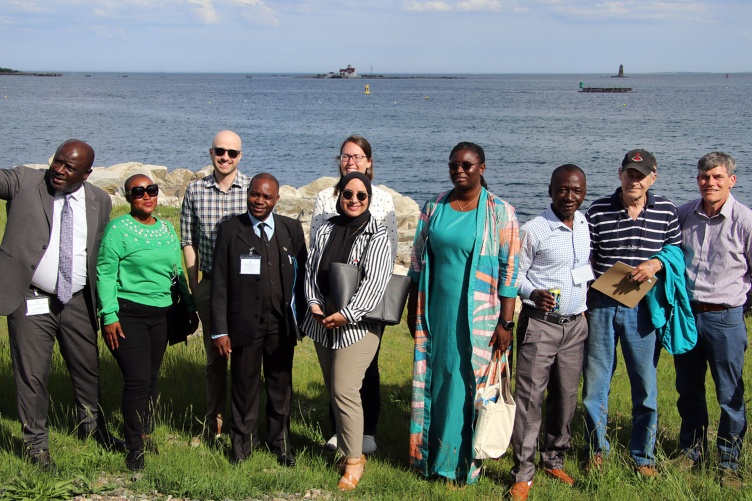
UNH recently hosted a discussion on combating illegal, unreported, and unregulated (IUU) fishing with a group of African nation delegates. Part of a U.S. State department symposium, the event provided an opportunity for UNH researchers and experts to share how illegal fishing operations are addressed locally and regionally with delegates from 6 African countries. Read what UNH experts have to say on IUU fishing

NHAES & COLSA Research In the News

More Station News & Notes

Support the NHAES and Subscribe to Our News Channels


Please consider supporting future agricultural, food and natural resources research and innovation at the NH Agricultural Experiment Station with a charitable gift.


Want more news and information from the NHAES? Sign up for our NHAES News – and get notified each time we publish new articles highlighting our research (approximately twice a month). Know someone who might be interested in signing up to receive Station Science? Send them our newsletter sign-up webpage.

Visit our Website
Read and Be INSPIRED!
Meet our Researchers
Follow NHAES on social media:
Facebook  Twitter  Instagram  
Share this newsletter:
LinkedIn Share This Email