|
This month, we’re acknowledging National Immunization Awareness Month.
Please read on to learn about our latest resources and news, as well as other resources and news from around the field.
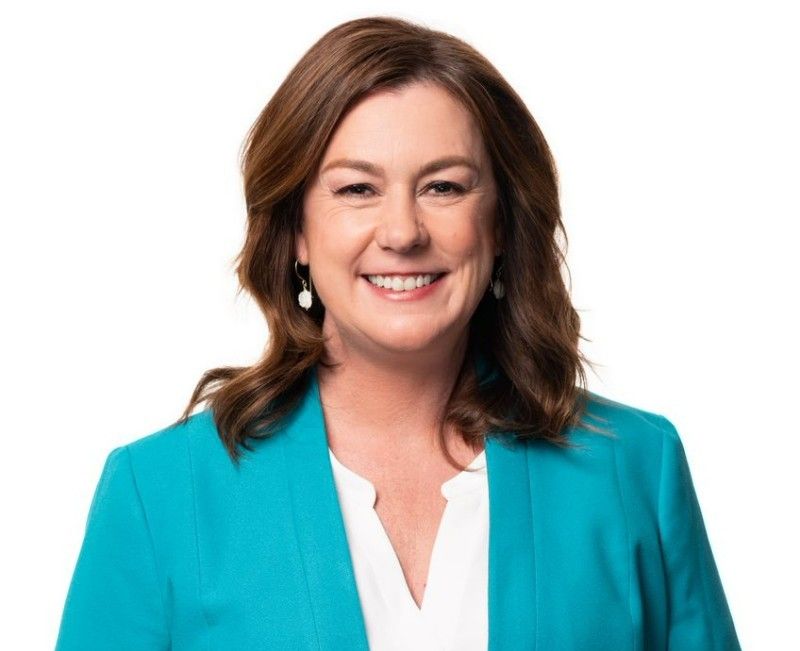
| | Generations United Names New Executive Director | | The Board of Directors of Generations United, the parent organization of the Network, has appointed Kristen M. Kiefer as the organization’s new executive director. She formally assumed her position on Monday, August 11, 2025. The Network team at Generations United is pleased to welcome Kristen aboard! To learn more about her, please see the Generations United press release. | | | Join Us for Our Upcoming Webinars! | | |
Improving Food Security in Kinship/Grandfamilies
2:00 p.m. – 3:30 p.m. ET
| | Led by our subject matter experts at the Food Research & Action Center, this webinar will discuss the array of federal nutrition programs that are available to help kinship/grandfamilies get the nutrition they need. It will equip attendees with practical information and resources about these programs. | | |
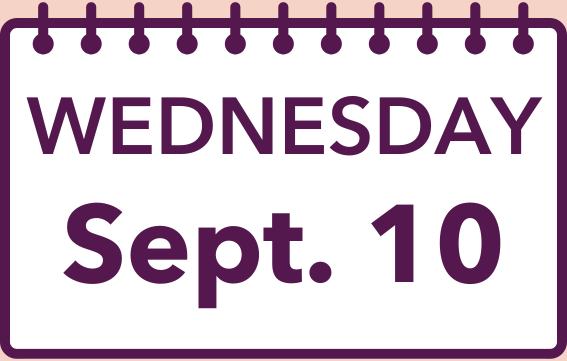
Serving Relative Caregivers Together: How to Strengthen Tribal-State Relationships to Maximize Resources for Families
2:30 p.m. – 3:30 p.m. ET
| | |
Presented in partnership with the National Indian Child Welfare Association (NICWA), this webinar will explore how states and Tribes can work together to best support relative caregivers and families. Our panelists are from the Stockbridge-Munsee Band of Mohican Indians, the Wisconsin Department of Children and Families, and Kinship Connections of Wyoming.
| | |
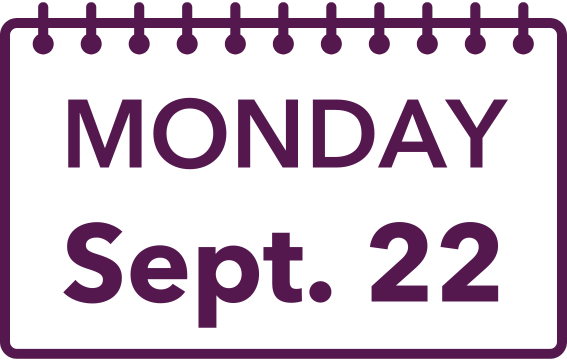
Data-Driven Insights on Kin Placements & Kin Stability
2:00 p.m. – 3:30 p.m. ET
| | During their work in multiple states, the Foster Insights team at the University of Chicago has observed notable trends in kin placement rates and the stability of kin placements. Led by Marina Nitze, one of the Network's subject matter experts, this webinar with University of Chicago presenters will share these observed trends and discuss their implications for stakeholders across the child welfare space. Join us for a discussion on what we can learn about kinship families using placement data, and how these data-driven insights can help further the case for a kin-first culture. | | | | Since we launched our LinkedIn page in September 2023, we’ve been using it to share the latest news, data, and replicable practices and tools to support your work with kinship families. Follow us to keep up with our latest news between monthly issues of this newsletter. | | What's New From the Network? | |
Coming Soon!
National Kinship Care Month Toolkit
September is National Kinship Care Month, and we are creating a digital media toolkit to help you celebrate and raise awareness about kinship families all month long!
| | Look for a separate e-blast and check our website in early September for everything you need to celebrate National Kinship Care Month! | |
Update – Kinship/Grandfamilies: Strengths and Challenges
This fact sheet, which can be shared with anyone who is new to kinship/grandfamilies, has been updated to align with the newly released data from the federal Adoption and Foster Care Analysis and Reporting System (AFCARS). It is available in English and Spanish.
| | |
Since it’s back-to-school season, we’re highlighting our recent LinkedIn post on our toolkit for K-12 school professionals and kinship service providers. Check it out and let us know what you think! | | Individual Assistance Spotlight | | | | The Network is responding free of charge to individual technical assistance (TA) requests from professionals who work in systems and organizations that serve kinship/grandfamilies. To request assistance on the array of issues impacting kinship/grandfamilies, please complete our request assistance form. | | |
We answer questions and respond to requests of all sizes. Some questions focus on a very specific topic and/or location, while others are much broader. Below, we share an example of a TA request and response.
Request
We want to create or utilize a needs assessment tool for kin caregivers who are new to our services. Can you share examples of good assessments?
Response
Here are a few caregiver assessment examples:
You can also learn more about kin caregiver assessments in this recorded webinar, Assessing Kin Caregiver Needs to Provide Responsive Services and Support.
To make an individual request, please complete this form and we will get in touch.
| | |
“For years, I had been part of a statewide task force on kinship care in Virginia. After it dissolved, a colleague and I felt the gap and wanted to bring it back,” Dr. Kathy L. Dial, founder of Kids, Kin ‘n Caregivers Inc. shared. “That’s when I turned to the Grandfamilies & Kinship Support Network, which helped us take our ideas and turn them into action.” What began as a desire to restart Virginia’s kinship care convenings grew into a robust and sustainable collaboration—grounded in best practices and strengthened by shared learning across states.
The Network provided technical assistance that proved critical to launching and growing the Virginia Kinship Convening Group, a monthly forum that brings together public agencies and community-based organizations to share updates, surface challenges, and align on emerging policy and program opportunities.
“The Network team helped us connect to other states doing similar work. They even created a grid that showed how different convening groups were structured and funded—it became the foundation we used to build our own group,” said Dr. Dial.
The Convening Group now includes 30 organizations, with 12–15 regularly participating each month, and it has already influenced state policy: a representative from the Virginia Department for Aging and Rehabilitative Services (DARS) who regularly attended meetings was inspired to revise a respite care policy, making kin caregivers newly eligible for critical supports.
|
| Upcoming Presentations by the Network | | | | On Wednesday, September 3, from 1:00 – 2:00 p.m. ET, Network Director Ana Beltran will present a live webinar to the American School Counselor Association, alongside Generations United GRAND Voice Victoria Gray and Angela Tobin of Kinship Caregivers Connect in Ohio. | | What's New Around the Network? | |
Webinar – Supporting America’s Children and Families Act: Supporting Full Implementation of Tribal Provisions and Taking Action
Thursday, September 4, 2025 at 1 p.m. ET
National Indian Child Welfare Association and California Tribal Families Coalition
| | | This one-hour webinar will unpack provisions of this new law and explore how attendees can take action to support effective implementation. By the end of the webinar, participants will (1) understand the key provisions in the Supporting America’s Children and Families Act (P.L. 118-258) that benefit Tribal Nations and Native children and families and upcoming Tribal consultations, (2) gain insight into strategies for responding to the Administration for Children and Families request for public comment on Providing Technical Assistance Related to the Indian Child Welfare Act, and (3) access a sample letter to inform and shape their own submission of public comments by the September 22, 2025, deadline. | | | | New Online Hub and Upcoming Virtual Events with Network Partner USAging | | |
Network partner organization USAging has a new Caregiver Services and Supports Innovation Hub and two upcoming virtual summits.
Annual National Summit to Increase Social Connections
Tuesday, September 9 at 1 p.m. ET and Wednesday, September 10 at 1 p.m. ET
The Commit to Connect Annual National Summit to Increase Social Connections brings together local, state, and national leaders from across sectors to address social isolation. Sessions highlight innovative programs, resources, and leaders to build the capacity of the aging and disability networks to promote social connections and increase the availability and awareness of programs, services, and interventions that increase social connections.
Caregiver Services and Supports Innovations Hub
The Hub is designed to facilitate the replication of innovative caregiver services and supports. It features programs and ideas that you can adapt to support caregivers across various areas, including kinship care. Click here to learn about applying to have your program featured. Programs, services, and interventions do not have to be in the Aging Network to be included in the Hub.
2025 Innovations in Caregiver Services and Supports Virtual Summit
Thursday, September 18 at 1 p.m. ET
Join leaders, innovators, and advocates from across the aging and caregiving fields at this half-day event. It will highlight promising practices, emerging research, and real-world solutions that are reshaping how to serve family caregivers, including kin caregivers. Speakers include Network Assistant Director Melissa Devlin; Network Technical Assistance Specialist Kylee Kern; Network Subject Matter Expert Jill Kagan, of ARCH National Respite Network; and Alyssa Craven, who directs the GRANDfamilies Kinship Care program at Children’s Service Society of Utah, which earned the Network’s Exemplary designation.
| |
Engaging Kin and Grandfamily Caregivers Course
University of California, San Francisco (UCSF)
| |
| Caregivers As Partners in Care Teams, a program of UCSF, has launched a new, self-paced, online training designed to help health care teams engage kin/grandfamily caregivers. The free, 30-minute training offers practical strategies to help health care professionals provide more informed, family-oriented care. Free continuing education credits are available upon the completion of the course module and evaluation. We at the Network were pleased to give input on early drafts of the training, along with the final product. | | |
|
Financing Strategies for Lifespan Respite Programs, State Respite Coalitions, and Provider Agencies
ARCH National Respite Network and Resource Center
| | The ARCH National Respite Network and Resource Center is a Network subject matter expert organization. This tool, available as an interactive webpage and a PDF, provides overarching strategies and proven practical approaches, paired with real-world state and local examples that have been successfully implemented to sustain respite and support services for all caregivers, including kin caregivers. | |
Using Structured Case Reviews to Strengthen Kin Placement Stability
Harvard Kennedy School Government Performance Lab
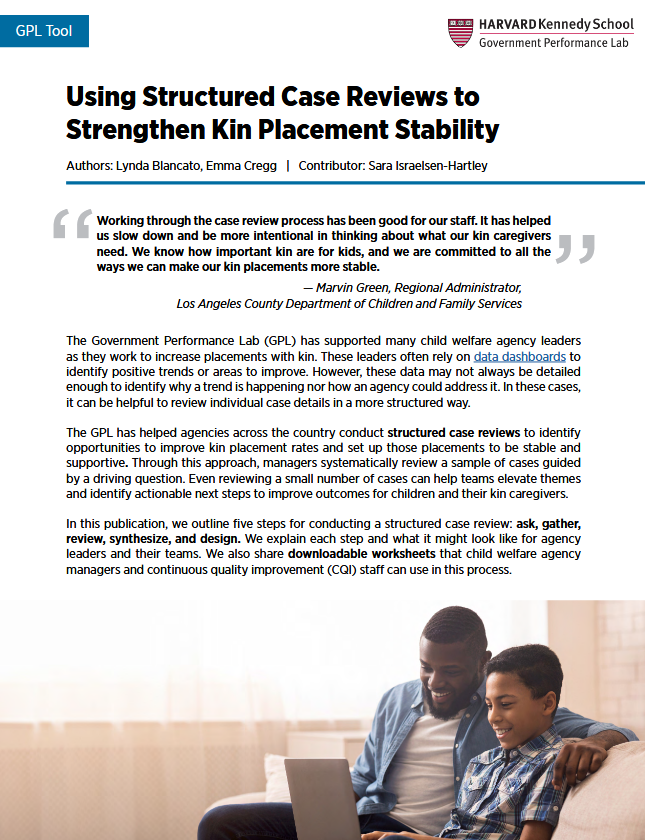
| This publication outlines five steps for conducting a structured case review: ask, gather, review, synthesize, and design. It explains each step and what it might look like for agency leaders and their teams. It also offers downloadable resources that child welfare agency managers and continuous quality improvement (CQI) staff can use in this process. | |
|
School-Based Mobile Healthcare Toolkit
School-Based Health Alliance
| The School-Based Health Alliance (SBHA), funded by the Leon Lowenstein Foundation, developed this toolkit to enhance the capacity of healthcare organizations to integrate high-quality, sustainable, mobile healthcare services with school-based healthcare. Mobile healthcare in this toolkit refers to the use of vehicles equipped to provide healthcare services on the go, outfitted with medical equipment, staffed by healthcare professionals, and designed to deliver an array of healthcare services to school-age children at schools. | |
1 Issue Brief, 1 Fact Sheet, and 1 Infographic
ADvancing States
| |
| |
|
To Share with Caregivers - Free Webinars for Parents, Caregivers, and Those Who Support Kids & Teens
Operation Parent
| |
Notable Funding Opportunities
(listed in order of application deadline)
| | |
World of Children is offering two 2025 grant opportunities: the Crisis Award and Grant and the Sholl-Freede Family Education Award and Grant. The Crisis Award and Grant will recognize organizations within the United States making extraordinary contributions to children so that they can live a life free from fear, abuse, and exploitation—including trafficking, slavery, and sexual imposition. The Sholl-Freede Family Education Award and Grant will recognize organizations in California and New York that are making extraordinary contributions to educate children through anti-hate and anti-bullying programming. Applications are due by Friday, August 22, 2025.
The Korean American Community Foundation Community Grants program invites applications from nonprofit organizations helping Korean Americans with low-incomes —either as a primary focus or as part of the broader populations they serve — increase their economic security. The deadline to submit proposals is Friday, August 29, 2025.
The American Bar Endowment’s Opportunity Grant Program supports new, boots-on-the-ground, innovative programs and projects that serve the immediate and critical legal needs of the public and are of importance to the legal profession and its concerns for access to justice. Mandatory letters of Inquiry are due Monday, September 1, 2025. Applications (by invitation only) are due Monday, October 6, 2025.
SpartanNash Foundation has three focus areas: hunger, heroes, and hope. Nonprofit organizations located within a 30-mile radius of any SpartanNash corporate offices, distribution centers, or retail stores are eligible to apply for support. The next application deadline is Friday, September 12, 2025.
The William T. Grant Foundation is accepting applications to its Institutional Challenge Grant, which supports university-based research institutes, schools, and centers in building sustained research-practice partnerships with public agencies or nonprofit organizations in order to reduce inequality in youth outcomes. Applications are due by 3:00 p.m. ET on Monday, September 15, 2025.
The Food Lion Feeds Charitable Foundation provides grants that can only be used for the purchase of food in support of an organization’s hunger-relief efforts. Organizations must be located within a 20-mile radius of a Food Lion store, in one of the 10 states in which Food Lion Operates. The next application deadline is Thursday, September 18, 2025.
The American Psychiatric Association Foundation’s MOORE Equity in Mental Health Community Grants Program supports community organizations that have undertaken innovative awareness programs and/or have provided services to improve the mental health of young people of color. Applications are due by Tuesday, September 30, 2025.
Perdue Corporate Giving by The Franklin P. and Arthur W. Perdue Foundation focuses its efforts on agriculture and the environment, education, hunger and poverty, health and social services, public safety, and the heritages and cultures of its communities. Organizations must be located in specific states to be considered for funding, and the foundation has a preference for programs in communities near Perdue’s major facilities. They review requests under $1,000 on a monthly basis, and the deadline for submission of those requests is the first of each month. They review requests over $1,000 on a quarterly basis, and the next deadline is Tuesday, September 30, 2025.
PENN Entertainment Foundation, Inc. awards grants related to community development, education, human services, cultural affairs, health, and veteran and military support. Applicants should be located near a PENN Entertainment property. The next application deadline is Wednesday, October 1, 2025.
| | |
|
Family Justice Journal, Summer 2025 edition
This peer-reviewed study, which starts on page 12 of the journal issue linked above, was commissioned by the National Family Support Network (a subject matter expert organization for the Network) and conducted by Omni Institute and Casey Family Programs. It found that a rural Family Resource Center delivered a 292% return on investment to its local child welfare system and led to a 62.84% reduction in substantiated child maltreatment cases in one year.
USA Today, August 10, 2025
This opinion piece provides a firsthand account of the impact of the opioid crisis on a grandfamily and advocates for the use of opioid settlement funds to support grandfamilies around the country. It also mentions our parent organization, Generations United.
Children’s Bureau, August 13, 2025
Kinship navigator programs help kin caregivers learn about and access programs and services to meet their own needs and the needs of the children they are raising. Title IV-E agencies approved to operate a program found to be evidence-based by the Title IV-E Prevention Services Clearinghouse may claim 50% federal reimbursement for allowable program costs. As of August 2025, 11 title IV-E agencies have been approved: Colorado, Ohio, Iowa, Minnesota, Nebraska, Nevada, Puerto Rico, South Carolina, Utah, Virginia, and Washington. (Delaware’s plan is being reviewed.) For additional information, see the Network's resource, Kinship Navigator Programs Around the United States.
Child Welfare Information Gateway Bulletin, August 4, 2025
Beginning in tax year 2025, the Adoption Tax Credit will be partially refundable, with the refundable portion amounting to up to $5,000. Additionally, Indian tribal government determinations of whether a child has special needs as required by section 23(c) of the IRS code will be allowable for the purposes of the Adoption Tax Credit beginning in tax year 2025.
Brookings Institution, July 17, 2025
This research highlights three areas where policymakers could strengthen support for families in which grandparents are raising their grandchildren. It focuses on Social Security and other safety net programs, the National Family Caregiver Support Program, and data collection. Network Director Ana Beltran was pleased to review an initial draft and provide information that helped to inform the report.
The Hill, July 12, 2025
Paper payments from the federal government are set to end on September 30, 2025. This includes U.S. Social Security payments and benefits from the U.S. Department of Veterans Affairs. People who do not currently receive their payments electronically should set up electronic payments before that date.
| | |
Please follow the Grandfamilies & Kinship Support Network on LinkedIn here! |
|  |
All of our previous newsletters are linked on our website, so you can access them anytime. |
| Did you receive this newsletter as a forwarded email? You can sign up to get it in your inbox every month! | | |
The Grandfamilies & Kinship Support Network is the only national technical assistance center for those who serve grandfamilies and kinship families. It was created to help guide lasting, systemic reforms. The Network is a new way to collaborate, to work across jurisdictional and systemic boundaries, to eliminate silos, and to help one another and be helped in return. Thank you for being part of it.
We'd love to hear from you! Please send any feedback on this newsletter to mweiss@gu.org.
| | |
The Network is supported by the Administration for Community Living (ACL), U.S. Department of Health and Human Services (HHS) as part of a financial assistance award totaling $9,950,000 with 95 percentage funded by ACL/HHS and $523,684 and 5 percentage funded by non-government sources. The contents are those of the authors and do not necessarily represent the official views of, nor an endorsement, by ACL/HHS, or the U.S. Government.
|
| | | |