MEMBERS PROJECT
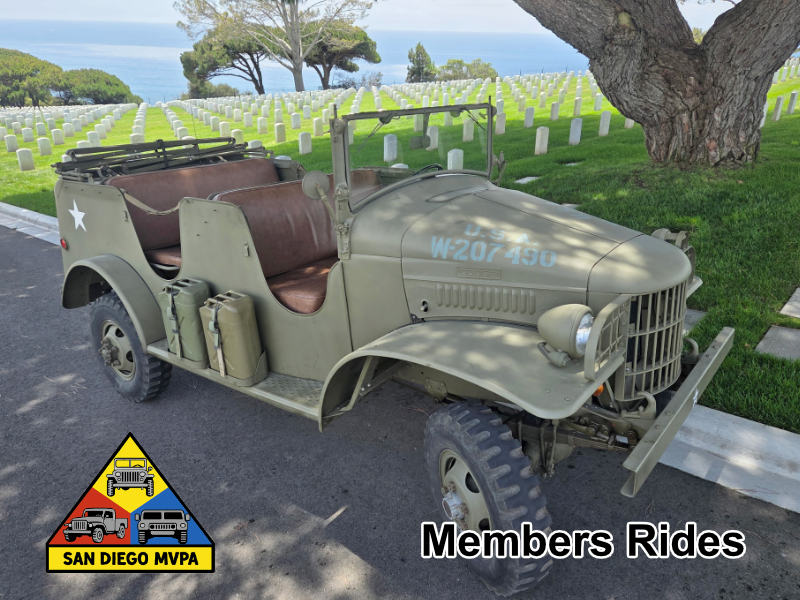
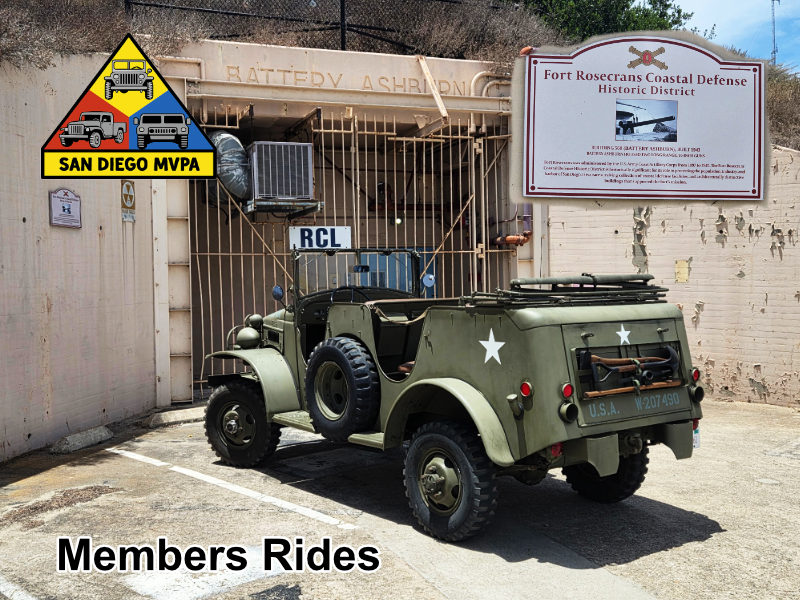
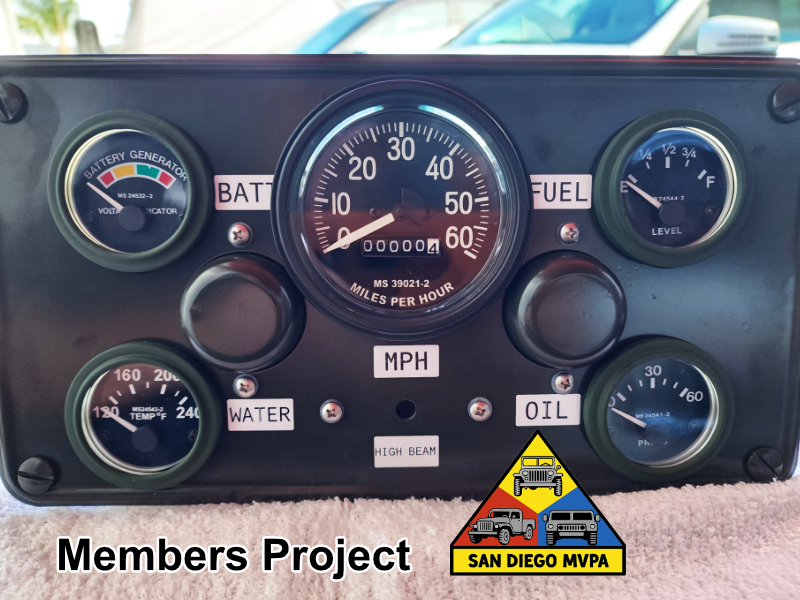
While restoring my 1952 M37, I decided to remove everything from the dashboard so I could repaint it in semi-gloss 24052 USMC Forest Green.
Once the dash was stripped down and repainted, I turned my attention to the wiring behind and underneath the dashboard. The original wiring that fed the gauges and dash lights had become old, brittle, and cluttered. Every time I wanted to remove the gauge panel, I had to disconnect what amounted to a virtual rat's nest of wires. It was obvious there had to be a better solution.
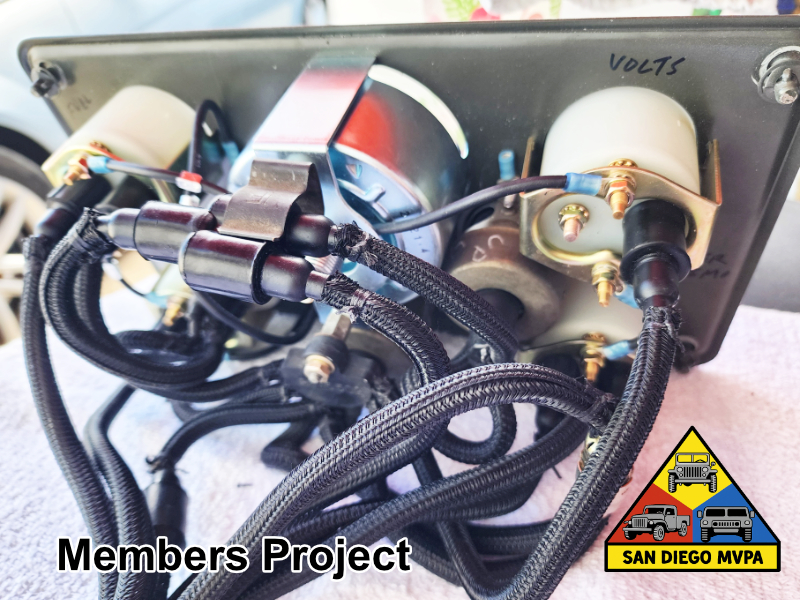
Since the gauges themselves were just as old and crusty as the wiring, I replaced them all with new units. I also daisy-chained a common ground to each gauge and dash light, replacing the individual ground wires with a cleaner, more organized system.
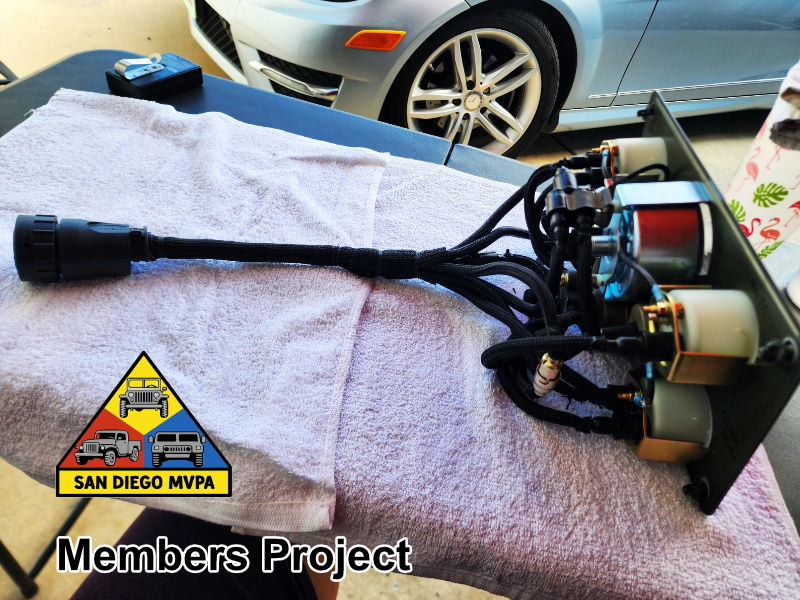
Next, I replaced the individual feed wires to each gauge and built a custom wiring harness for the entire gauge panel. The harness terminates in a commercial-grade bayonet-style connector. I'm now building a matching harness under the dashboard that will connect all of the vehicle's gauge and lighting circuits to a mating bayonet connector.
When everything is complete, reinstalling the freshly painted gauge panel will be simple. The panel will mount using the four Dzus fasteners, and all I'll need to do is reconnect the speedometer cable and plug the two bayonet connectors together behind the dash.
The biggest advantage is future serviceability. If I ever need to access the wiring, replace a gauge, or work behind the panel, I can simply disconnect the speedometer cable, separate the bayonet connectors, loosen the four Dzus fasteners, and remove the entire gauge panel as a single assembly. What used to be a time-consuming job of tracing and disconnecting dozens of individual wires will now take just a few minutes.
Patric Vargas
1952 Dodge M37
SN 80030594
Production Date: June 1952
|