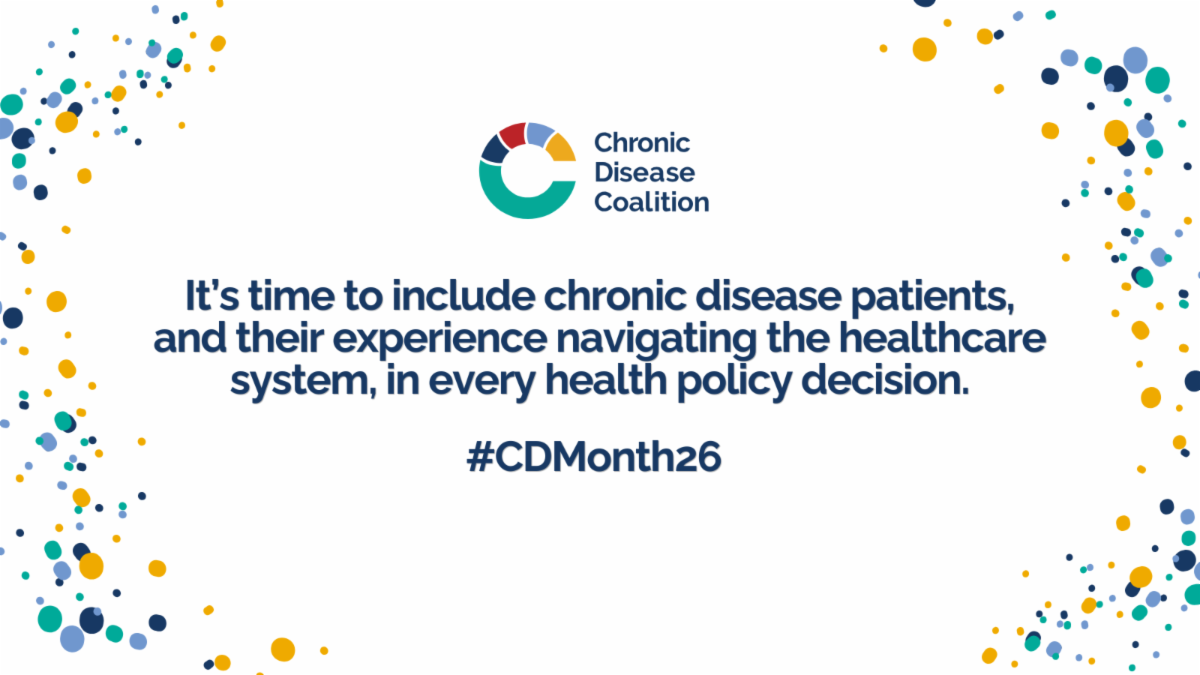
August is Chronic Disease Awareness Month

Chronic Disease Month highlights the experiences of chronic disease patients and demonstrates the many ways we can improve the healthcare system for everyone.


76% of U.S. adults — 194 million people — are living with at least one chronic disease. Half of all American adults are managing two or more. Chronic disease is no longer a minority experience; it is the defining feature of public health in the United States.


A new national survey of people living with chronic disease, commissioned by the Chronic Disease Coalition, reveals the depth of this challenge:


  • 67% of chronic disease patients say healthcare is very much a top voting issue — either their primary concern or a leading factor at the ballot box.
  • 56% say managing the stress of their chronic disease and protecting their mental health is difficult or very difficult.
  • 41% say predicting the cost of their care — including medication and treatment — is difficult, leaving patients unable to plan for basic expenses.
  • 35% report sometimes having to choose between filling their prescriptions and paying for basic necessities like food or rent.
  • 59% say their condition has impacted their ability to work.


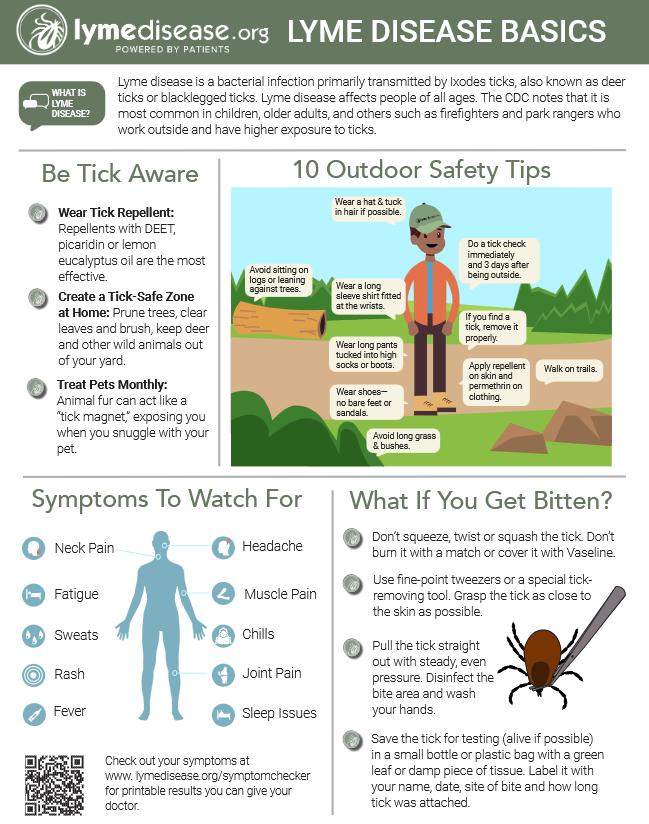
Lyme Disease Safety Tips

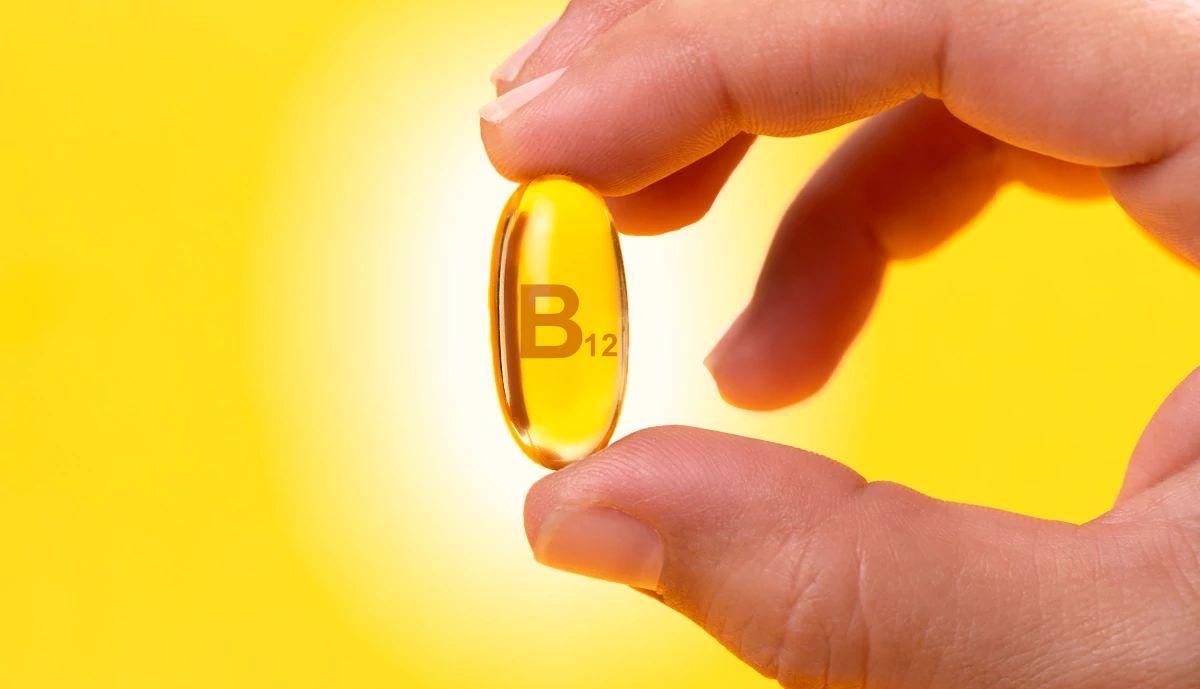
Do You Need a B12 Supplement?

Older adults are more prone to this vitamin deficiency, which can cause memory problems, fatigue, mood changes and more.


It can support everything from brain health to how your nerves function. Some studies suggest it may even help prevent cognitive decline.


Most older adults get enough vitamin B12 from their diet, as long as it includes a reasonable amount of lean meat, Zimmerman says. Multivitamins also typically contain the average daily recommended amount of B12, which is 2.4 micrograms for adults.


Then again, things can change as we age. AARP spoke with four geriatric specialists with expertise in vitamin B12 to learn about its importance and the steps to take if you’re worried you may not be getting enough.

How to Prepare for a Natural Disaster:

Ultimate Survival Guide

From building the perfect 72-hour go-kit to navigating threat-specific emergencies, learn how to protect your family from extreme weather and geological hazards with this expert-backed guide.


According to the World Meteorological Organization, over the past 50 years, a disaster related to weather, climate or water hazard has occurred somewhere in the world every single day, causing $202 million in daily losses. While advancements in early warning systems have driven down mortality rates, natural disasters are not distant risks, but active threats to communities.


This comprehensive guide breaks down expert-approved emergency protocols, essential supply lists and localized risk factors to safeguard your household before, during and after a crisis.

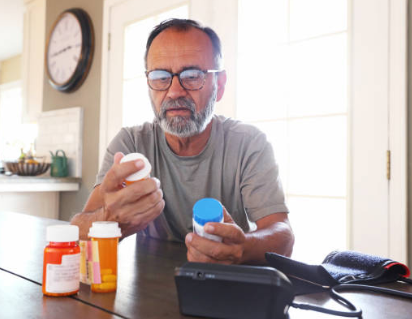
5 Medication Safety Tips for Older Adults

Prescription and over-the-counter (OTC) medications play vital roles in treating health conditions for older adults, helping ease symptoms and supporting overall well-being.


To ensure the intended effects of your medications, learn about five medication safety tips.


  • Know your medications
  • Maintain a schedule
  • Ask questions
  • Discuss your medications
  • Request labels

We're Hiring!


Let's Stay Connected!

To learn more about Visiting Nurses of the Lower Valley, click here.

 Questions? Call Us! 860-767-0186

Facebook