August 2026

Habitat Stewardship Project, Monterey Bay


Our mission is to bring nature closer to people, and people closer to nature through hands-on experiences in community based habitat restoration and environmental education.

August

Here we are again in the long dry days of August. Some of our summer blooming natives have reached their peak bloom and will continue to dry and drop seeds. The yarrow, goldenrods and CA fuchsias have been looking glorious for the last few weeks. We will be scouting local patches to collect some seed before it falls. Here at the greenhouse the milkweeds have just started blooming so seeds are still a few weeks off. Birds and butterflies are abundant this time of year with the promise of so many seeds!

Last Month's Highlights

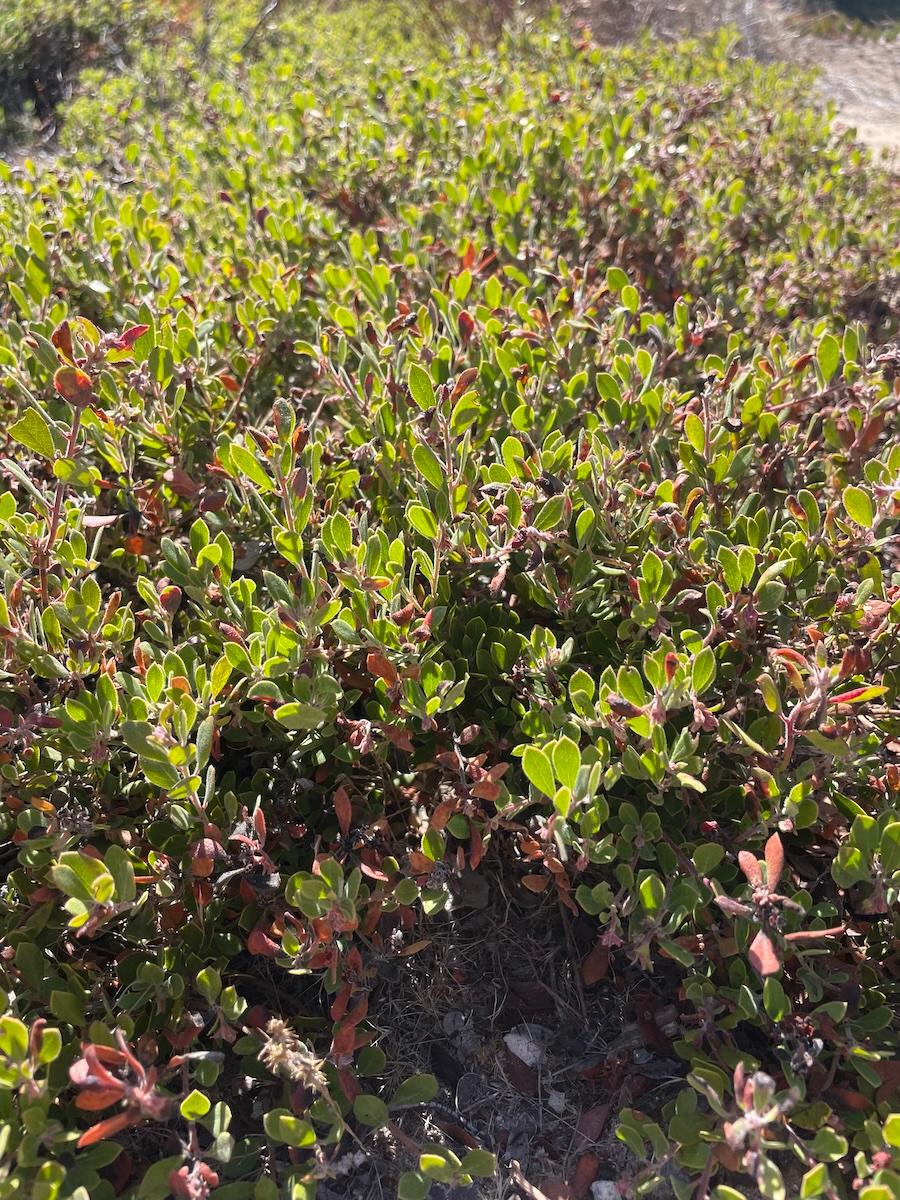
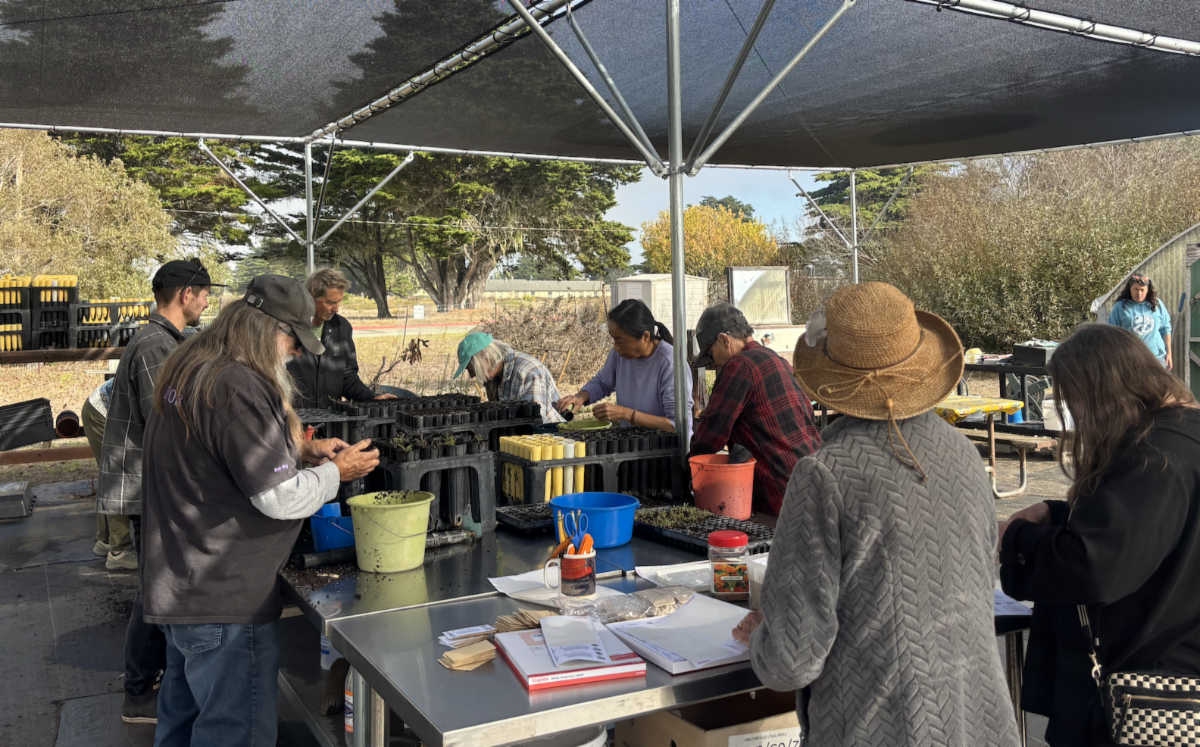
July was productive at the greenhouse, lots of seed sowing of native dune plants. DONS Volunteers helped to salvage a large sandmat manzanita from a local development. We were able to make a lot of cuttings and plant some rooted sections. Only time will tell how successful our rescue efforts were. Manzanitas are notoriously hard to propagate and even harder to salvage. We are lucky that this particular species, Arctostaphylos pumila, is one of the more forgiving! Fingers crossed! The "DONS" meet at the greenhouse every Tuesday, see below for more info.

Upcoming Community Events

Everyone is welcome to our family-friendly FREE community events.


We provide snacks, gloves, tools, and supplies.

Sun protection, reusable water bottle, and closed-toe shoes are recommended.


Keep checking our "Community Events Calendar" for updates or join us at DONS which runs year long.


EVERY TUESDAY

| Email Christina McKnew at cmcknew@csumb.edu

10:30AM-12:30 PM

DONS (Docents of Native Species), native plant volunteer group

Location: Greenhouses near the CSUMB Watershed Institute-

4100 B St, Seaside, CA 93955


Click the Community Events button to learn more and sign up for an event!

The Power of Volunteers.

By Samuel Anaya-Alvarez, Education Program Coordinator

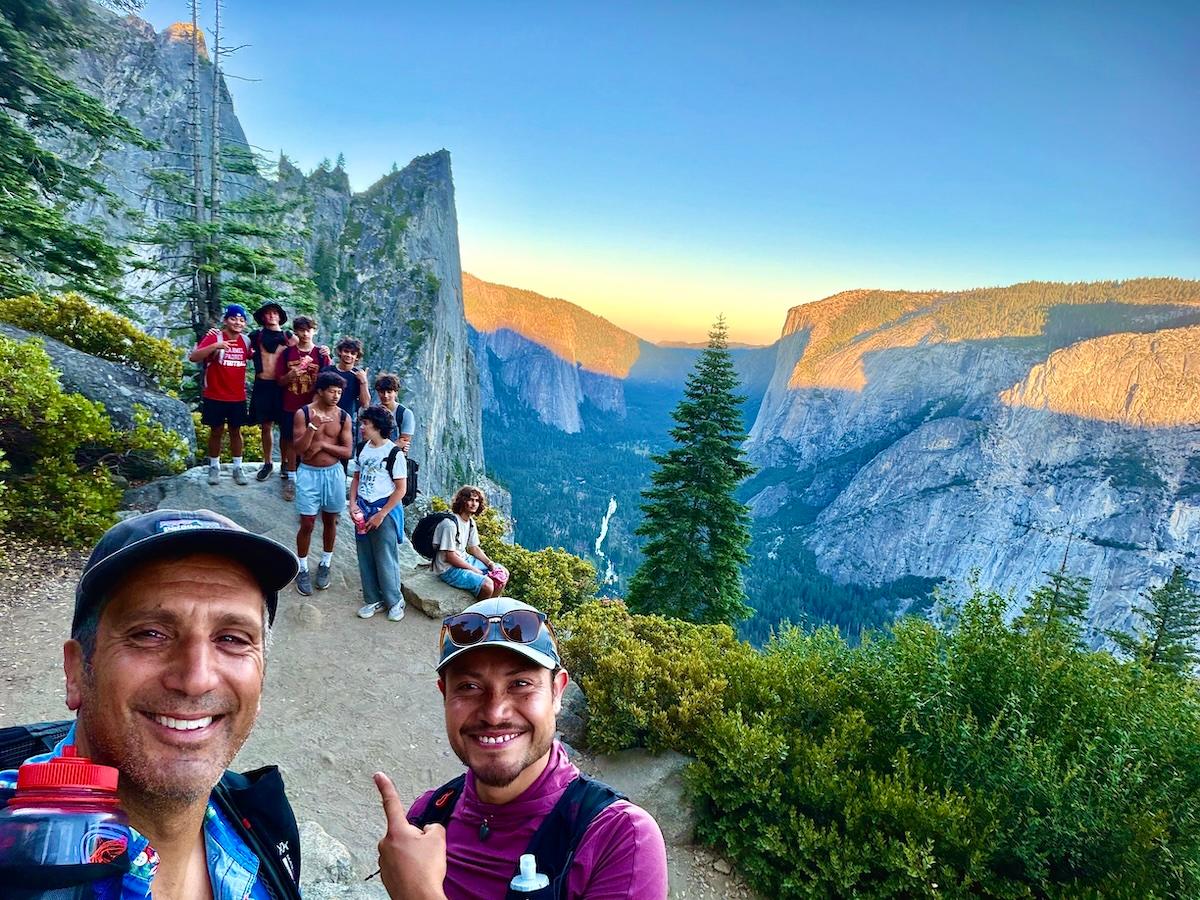
For the past three years, I have had the privilege of volunteering with Yosemite National Park’s Weed Warriors program and bringing students to participate in this important work. The program conducts invasive-plant removal in areas including Yosemite Valley and its meadows, the Ackerson Meadow Restoration Area, and other protected locations such as Mariposa Grove.


Volunteers help remove non-native invasive plants that can crowd out native vegetation and harm wildlife habitat. Species addressed through Yosemite’s invasive plant efforts include bull thistle, yellow star-thistle, Himalayan blackberry, Italian thistle, common velvet grass, among others.


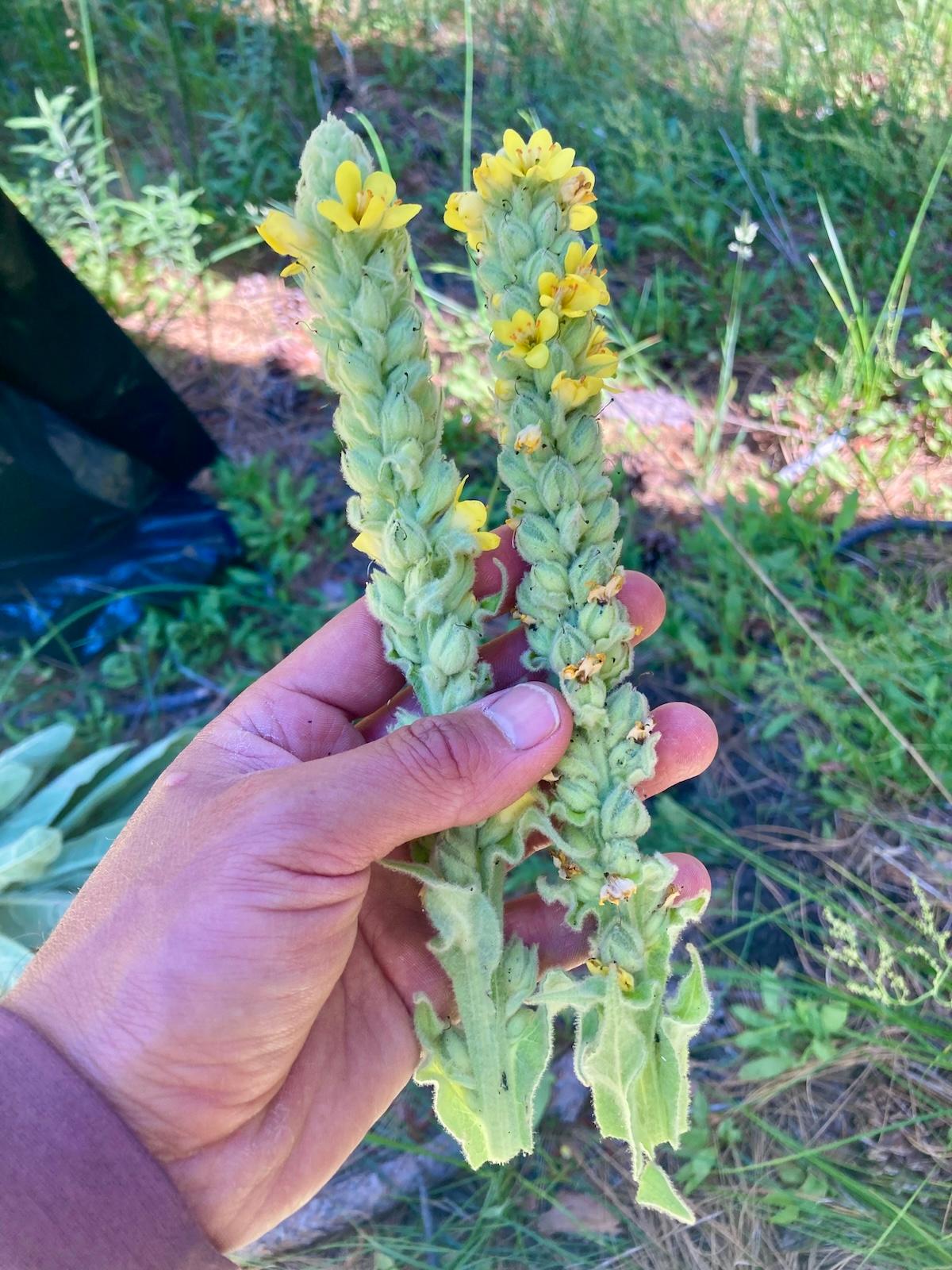
This work is urgent because one plant can begin an infestation. A single bull thistle can produce up to 5,000 wind-dispersed seeds. Common mullein, also known as woolly mullein, can produce 100,000 or more seeds; one well developed plant was recorded producing 223,200. Removing these plants before they set seed helps protect native vegetation, wildlife habitat, and biodiversity. 


Bringing students to volunteer has been a rewarding experience. They gain practical environmental knowledge, develop teamwork skills, and see how their actions can make a direct difference. Volunteers are essential because their time, energy, and dedication allow conservation programs to protect larger areas and continue this work year after year.


We gratefully acknowledge the National Park Service and Yosemite National Park for providing information about the Weed Warriors program, its project locations, and the invasive plants being managed. We sincerely thank Yosemite’s staff, program leaders, teachers and volunteers for making this valuable conservation work possible.


At HSP, we also deeply appreciate every volunteer who supports our programs and strengthens our community.

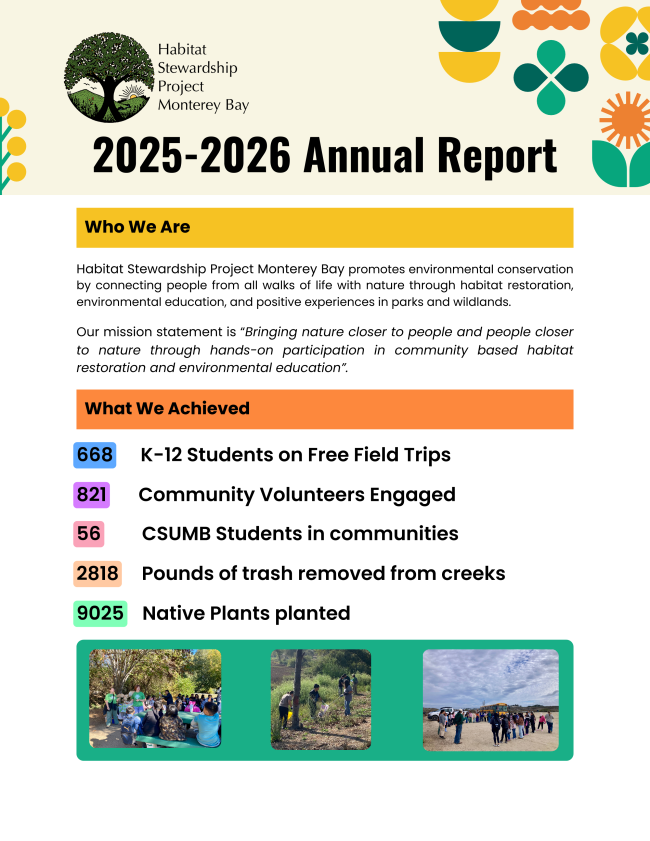
HSP Annual Report!

By Laura Lee Lienk and Christina McKnew

Check out our annual report! Click the image to see the full report on our website.

Summer solarizing

Christina McKnew, Greenhouse Manager


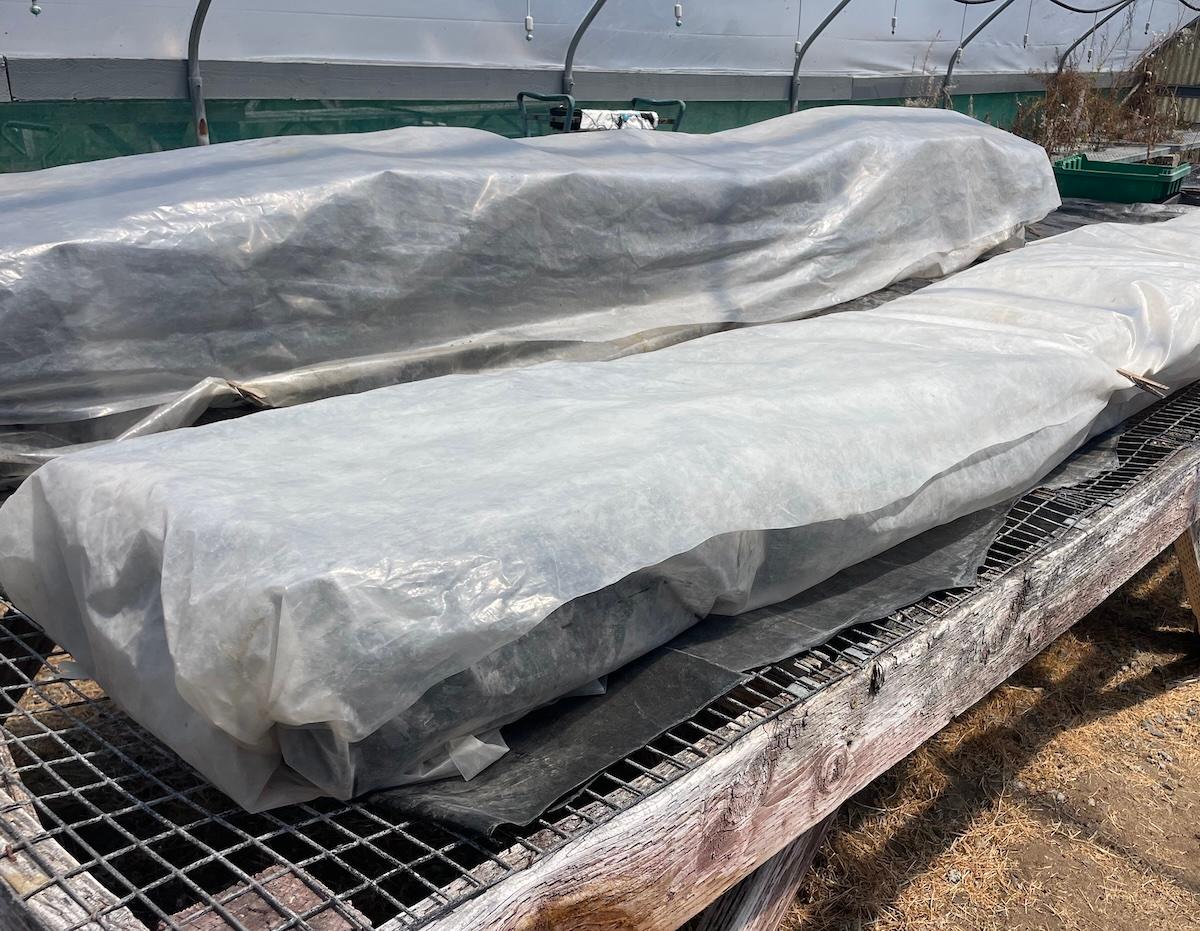
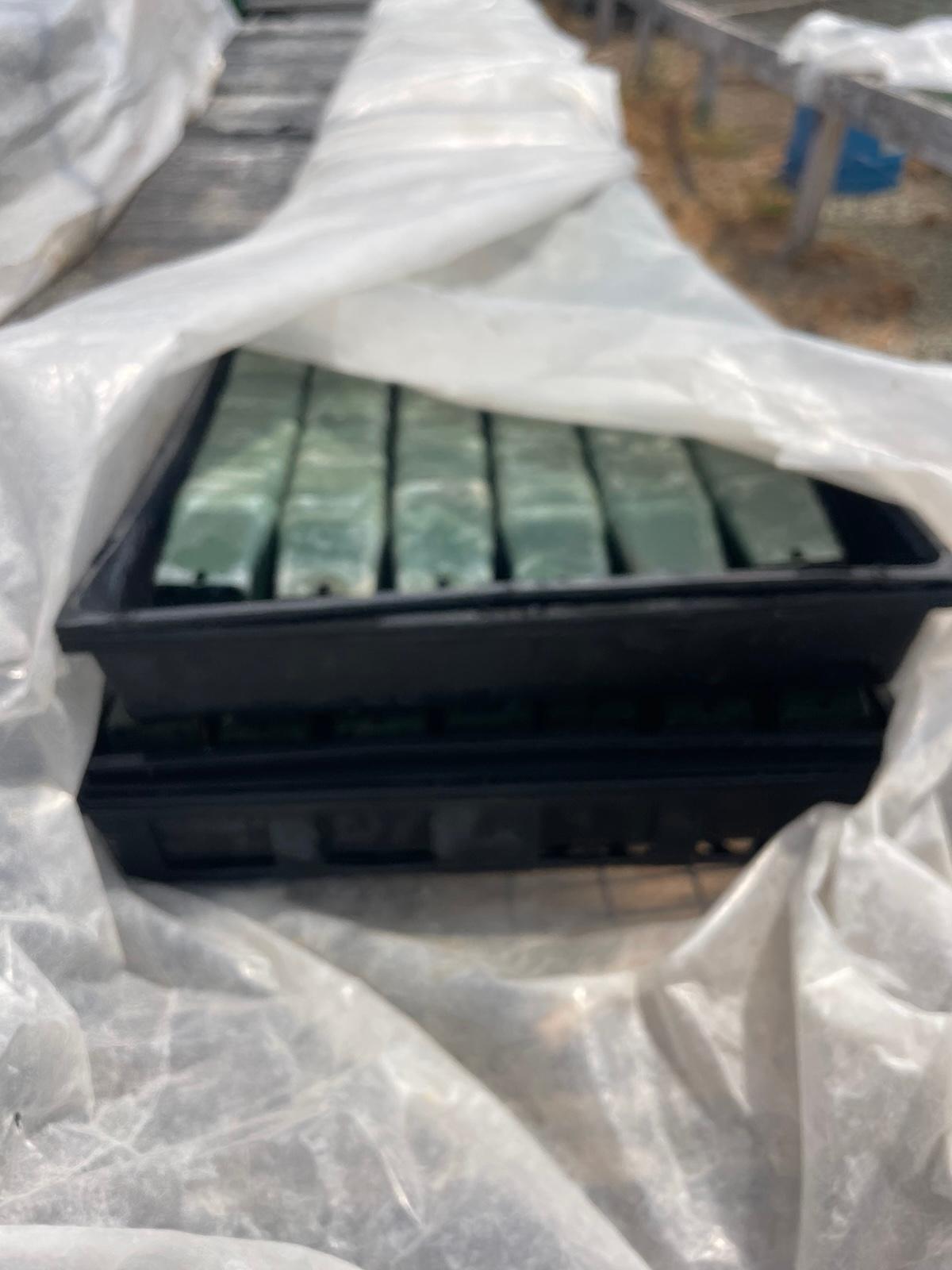
Plants, like people, are susceptible to infections. Many pathogens can lurk around greenhouses, in soil, water, and on surfaces. As part of our hygiene practices at the HSP greenhouse, we wash all of our pots and plant trays before reusing them. As you can imagine, washing pots can be quite time consuming! Luckily, over the summer we can harness the heat from the sun and use a process called solarization to "pasteurize" our pots. For this process we first grab trays full of the pots we want to solarize and give them a quick rinse. The trays are then wrapped in clear plastic and placed on a bench in an empty greenhouse, like a big burrito! Before we wrap the pots all the way, we insert a small data logger into the burrito with the pots. This data logger is about the size of a thumb drive and takes a temperature every 15 minutes. After a day or two of warm weather we will remove the data logger, plug it into a laptop and review the temperature logs. If the pots have reached a temperature of 140F for a an hour straight, we know that they have reached hot enough temperatures to have killed harmful plant diseases. This method reduces the amount of people hours we need to spend on "pot washing" and instead harnesses the abundant heat from the sun. For more info on pot solarization check out this paper by Kathy Kosta and Karen Suslow, "Solarization of reused pots is an inexpensive and efficient method to eliminate Phytophthora cactorum and other serious soilborne Phytophthora spp. found in production nurseries."


Top photo: pots wrapped in clear plastic.

Bottom photo: rosepot trays double stacked in plastic wrapping.

Learn about Restoration in Monterey County

Check out our social media sites!


Learn more on native plants and invasive species, future events, and see past event photos on our social media accounts: @hspmontereybay

Facebook  Instagram