Latest Updates on Children's Care | | | Global Campaign on Children’s Care Reform Update | | | |
Global Children's Care Reform Campaign Newsletter
The Global Children’s Care Reform Campaign recently released its first newsletter, featuring updates on new Charter signatories, country commitments, technical assistance, the Children and Young People's Taskforce, and progress on the Campaign Roadmap. Importantly, it showcases that 38 countries and 137 organisations from around the world have joined the Campaign by signing or endorsing it, and 11 signatory countries have made a total of 57 national reform commitments. It also includes a reminder for partner governments to submit their commitments during the current commitment-making window, which closes on 30 September.
The aim is for future editions to feature news and updates from a wide range of Campaign partners. Partners are encouraged to share contributions or sign up to the mailing list by contacting ChildrensCareReformCampaign@fcdo.gov.uk.
| | | | |
Updated Events Page on the BCN Website
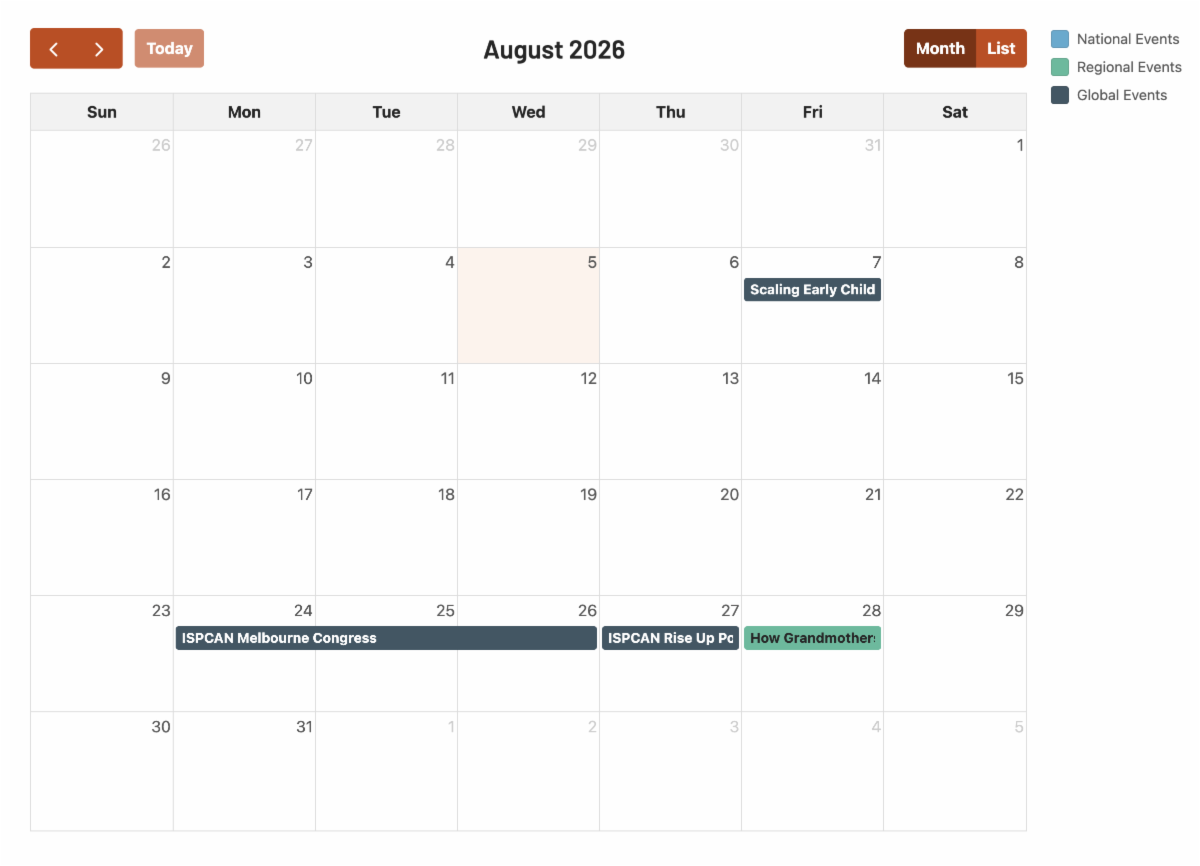
We recently refreshed our Events page to make it easier to find upcoming webinars, conferences, and other events. You can now browse events in both calendar and list views, with a clearer, more user-friendly layout that makes it easier to find the information you need. To submit an event for inclusion in our calendar, please email us at: contact@bettercarenetwork.org.
| | Resources on Ukraine Response | | | This section includes resources, news and other key documents related to children's care in the context of the current humanitarian crisis affecting Ukraine. For more resources, visit the growing collection of documents in the BCN Ukraine Response Repository. | | | | |
New Resources Aligned with Better Care for Every Child (Better Care) Programme
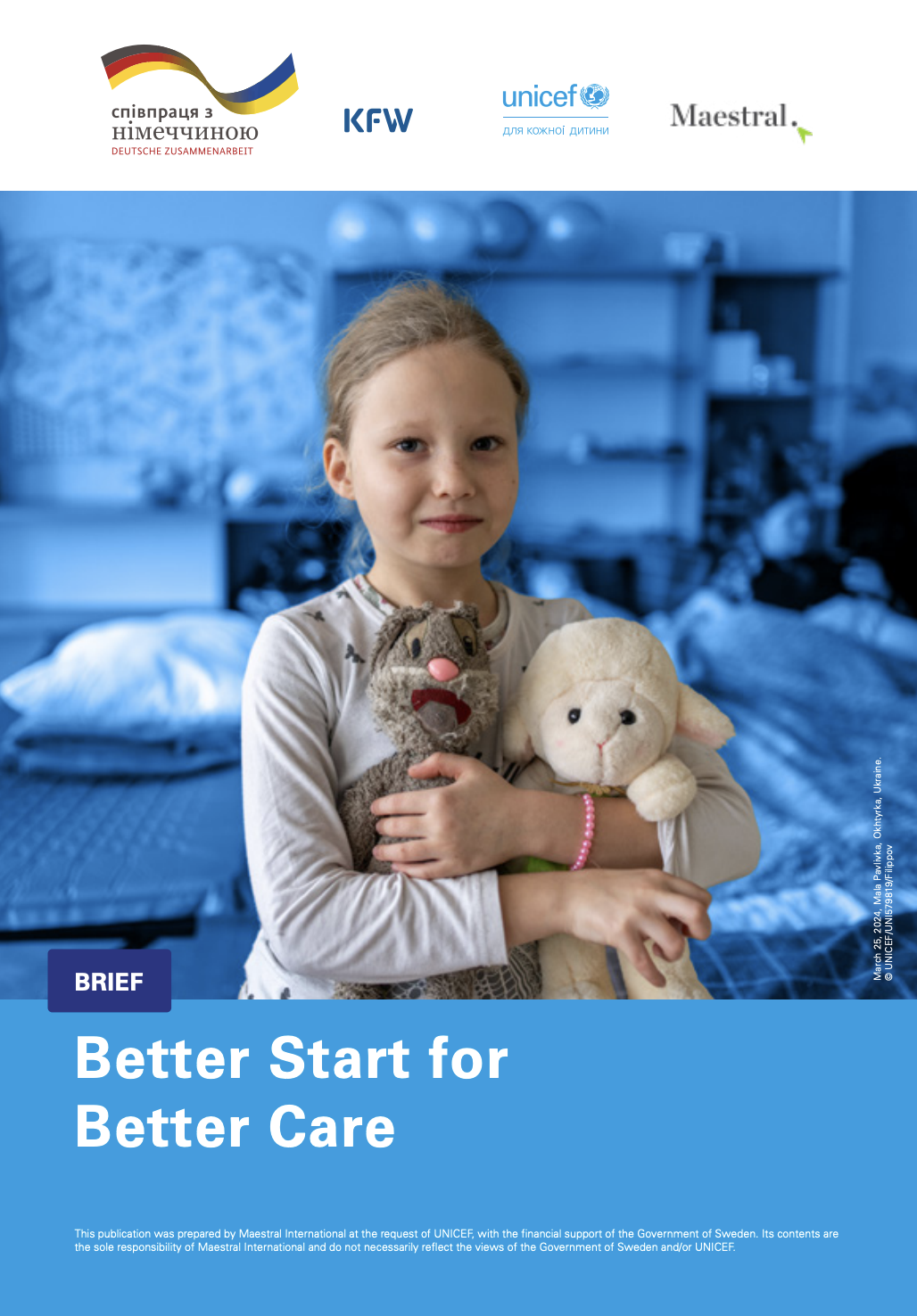
The Better Care for Every Child (Better Care) programme aims to ensure that all children grow up in safe, nurturing family environments rather than in institutional care. The initiative supports the Government of Ukraine in reforming the child protection system by strengthening family-based care and preventing unnecessary separation of children from their families. Below are some new resources developed as part of the programme. To view all resources developed under the programme, click here.
See:
| | | | |
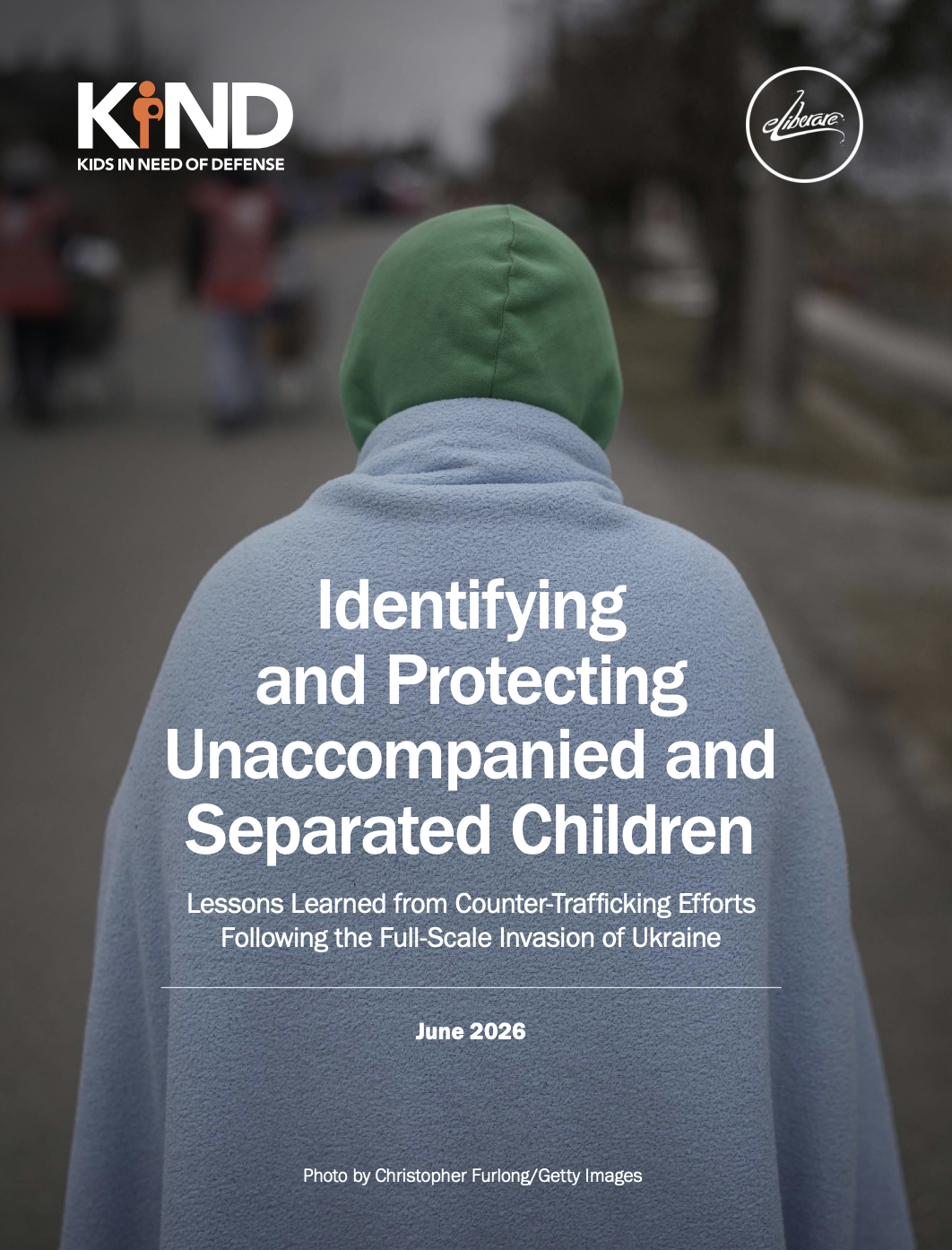
Identifying and Protecting Unaccompanied and Separated Children
This study by KIND examines the protection of unaccompanied and separated children displaced by the full-scale invasion of Ukraine, focusing on their vulnerability to trafficking and exploitation across European host countries. Using a mixed-methods approach, it assesses the effectiveness of existing protection systems, identifies key intersectional risks, and highlights emerging good practices, with the aim of informing improved responses to current and future large-scale child displacement crises.
| | | | |
Children in War
This book examines how armed conflict affects children’s development and family life, drawing on attachment theory and insights from the war in Ukraine. It highlights both the harms of war and the resilience of families, emphasizing the need for targeted support to help caregivers and professionals provide safe, stable care for children during and after conflict.
| | Understanding the Situation | | | | |
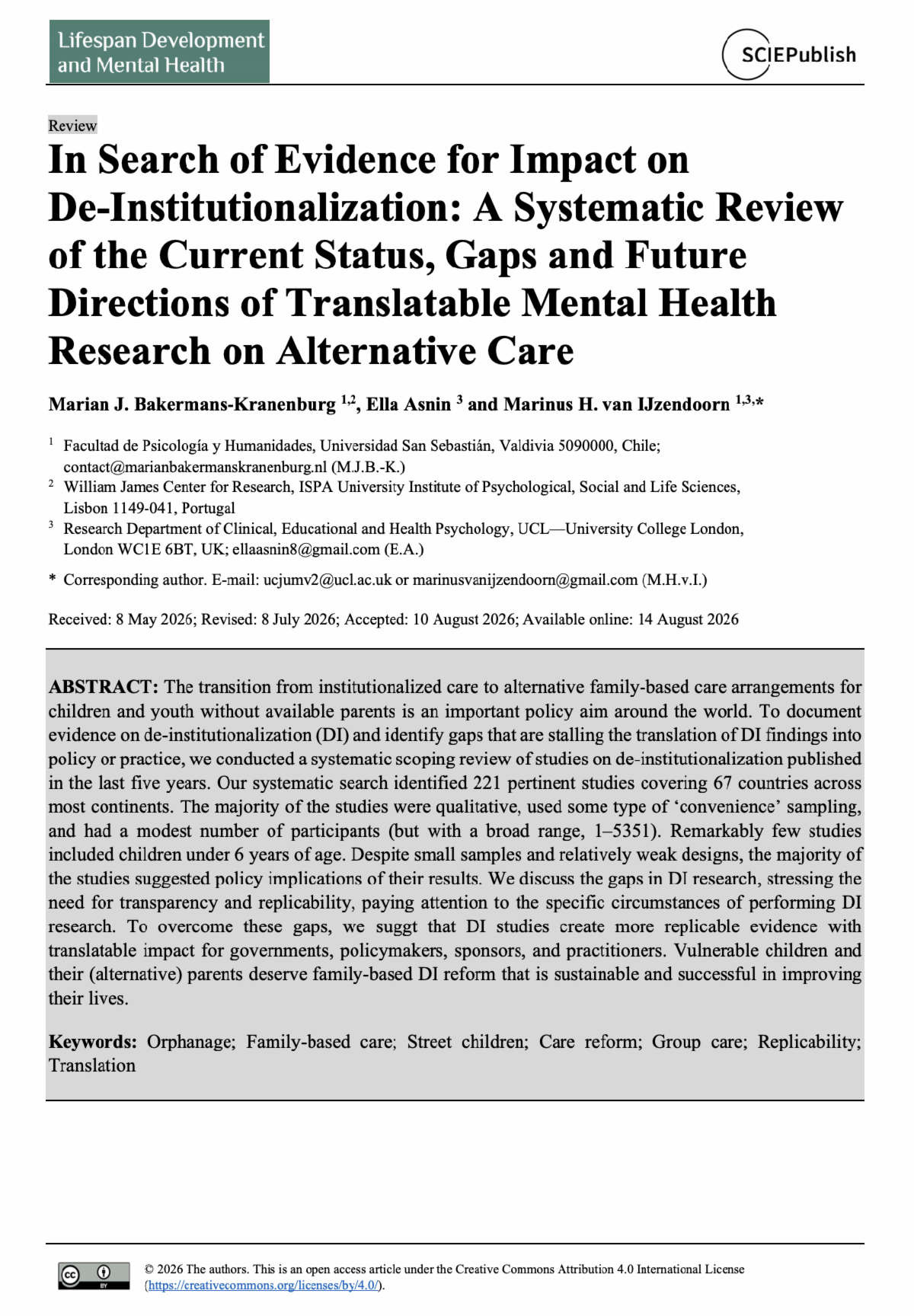
In Search of Evidence for Impact on De-Institutionalization: A Systematic Review of the Current Status, Gaps and Future Directions of Translatable Mental Health Research on Alternative Care
The transition from institutionalized care to alternative family-based care arrangements for children and youth without available parents is an important policy aim around the world. To document evidence on de-institutionalization (DI) and identify gaps that are stalling the translation of DI findings into policy or practice, this study conducted a systematic scoping review of studies on de-institutionalization published in the last five years.
| | | | |
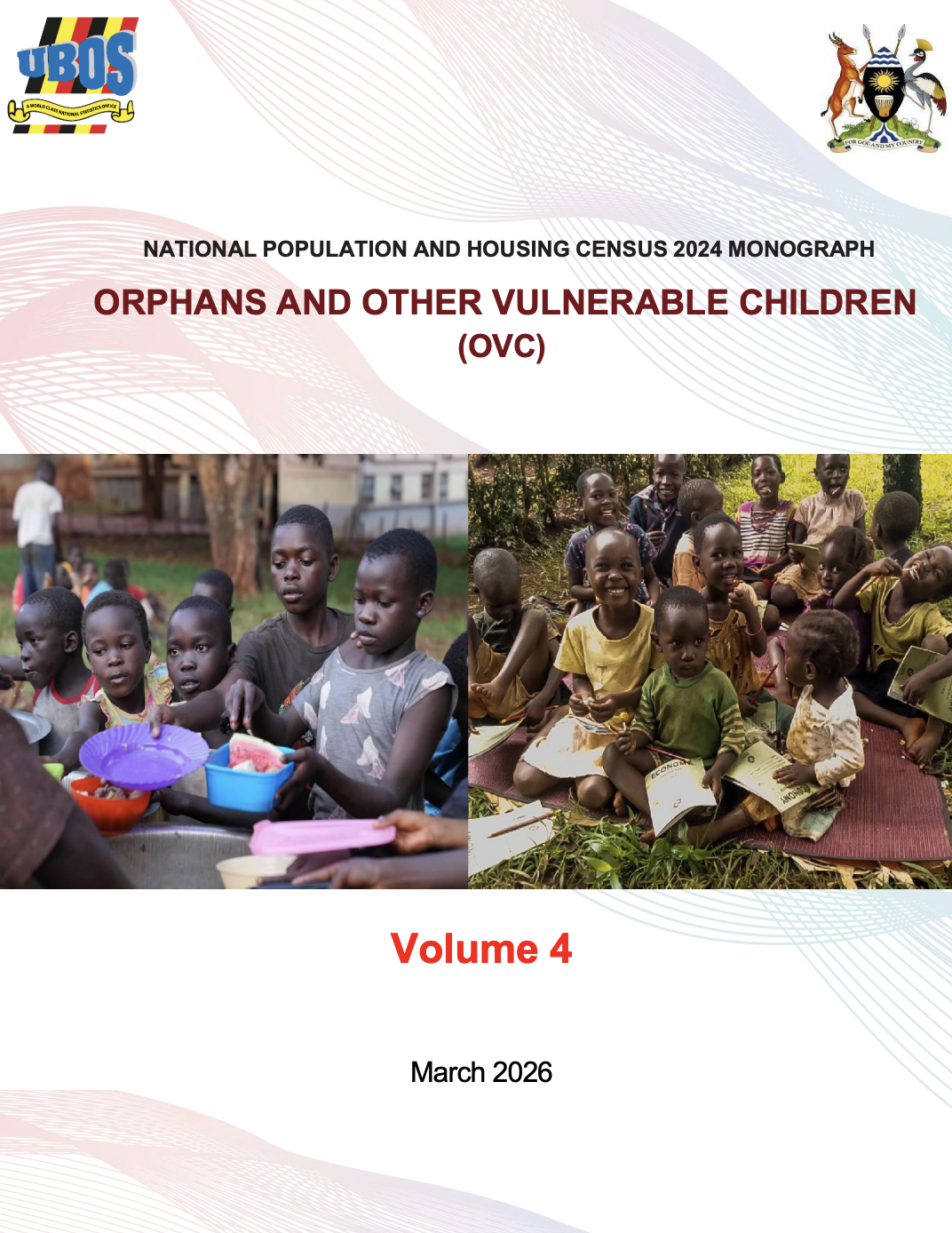
Uganda National Population and Housing Census 2024: Orphans and other Vulnerable Children
The OVC monograph presents the status of Orphans and other Vulnerable Children in Uganda based on the 2024 National Population and Housing Census while observing trends through a re-analysis of the 2002 and 2014 Census datasets.
| | | | |
Child Adoption
Through a brief history of both domestic and intercountry adoption practice, as well as case studies of intercountry adoption abuses in Guatemala, Cambodia, Uganda, and Kenya, this article demonstrates the problems that have resulted from intercountry adoption and the challenges they have posed for the social work profession.
| | | | |
Foster Parents on Raising Roma Children
This article examines how foster parents perceive the upbringing of Roma children, highlighting that while many report treating Roma and non-Roma children similarly, their views are often shaped by underlying social prejudices and limited cultural understanding. Drawing on interviews with foster parents, the study reveals gaps in knowledge about Roma family backgrounds and customs, underscoring the need for greater cultural awareness in foster care.
| | | | |
Kinship Care in the Portuguese Law: Meanings and Challenges
This article examines kinship care in Portugal, where placements with extended family—designated as “Support from Another Family Member” (SAFM)—are not formally recognized as out-of-home care, limiting visibility, oversight, and support. It finds that while children often show improved well-being, caregivers face significant socioeconomic challenges and lack adequate training, highlighting the need for formal recognition, stronger supervision, and expanded support.
| | | | |
Rethinking Kinship Care in Thailand: A Dual Imperative for Protection and Reform
This article examines the role of kinship care in Thailand, exploring its scale, drivers, and implications within the broader context of family-based care reform and deinstitutionalisation. It highlights the need to strengthen formal kinship care systems while addressing socioeconomic factors that contribute to unsupported informal care arrangements.
| | | | |
Time to Permanency Among Children Involved in Transitions Into and Out of Kinship and Non-kinship Foster Care
Kinship placements are associated with achieving permanency but “progress moves” into kinship settings may disrupt stable placements, which are also beneficial. This study used event history models to compare rates of permanency among children transitioning between kinship and non-kinship foster placements immediately after being taken into care in the United States.
| | | | |
Special Guardianship Families in Wales: Summary Report
This report examines the characteristics, circumstances, and support needs of children and families involved in Special Guardianship Orders (SGOs) project in Wales. It aims to strengthen understanding of factors that influence children’s long-term outcomes and inform more effective support services for kinship care families.
| | | | |
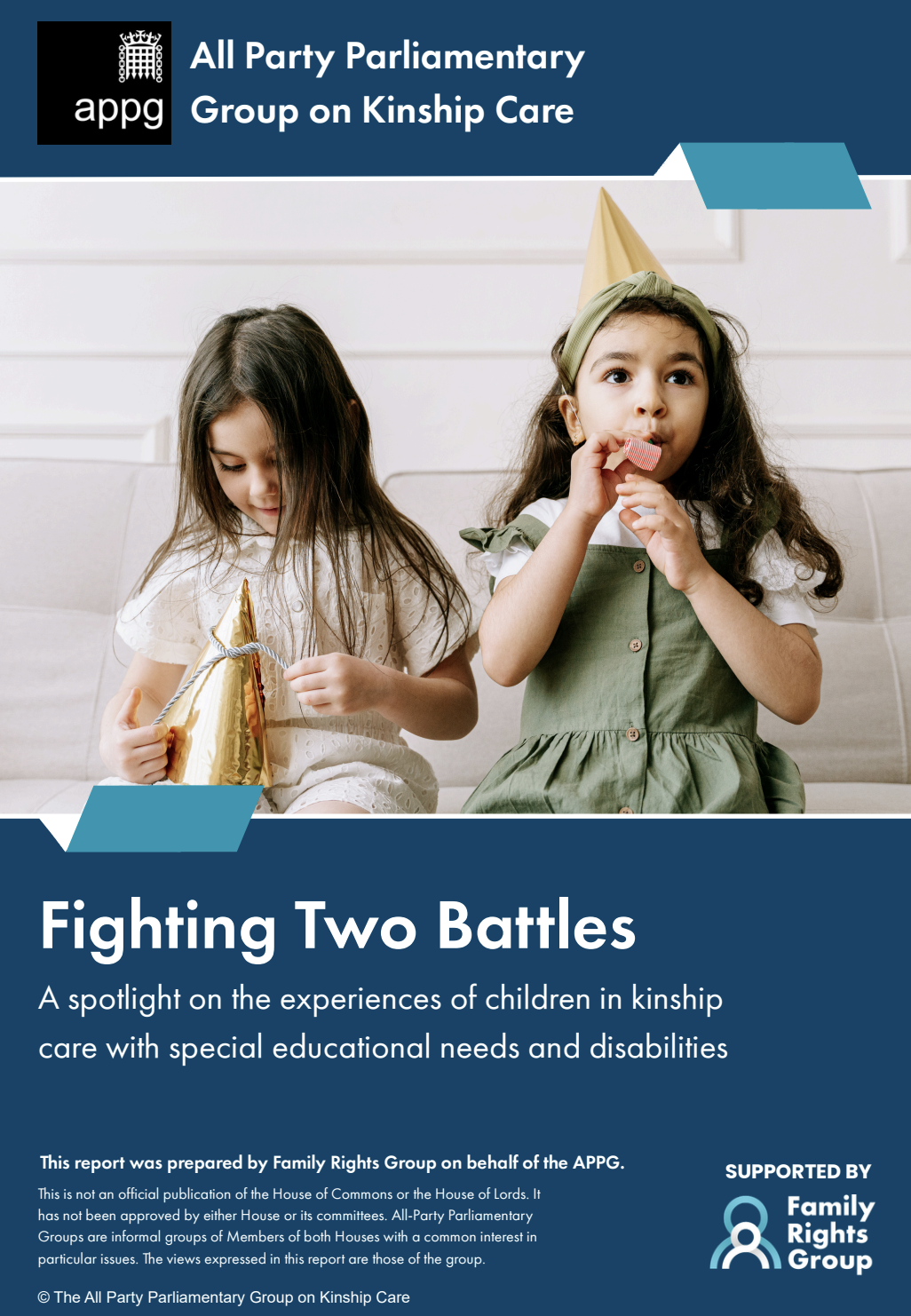
Fighting Two Battles: A Spotlight on the Experiences of Children in Kinship Care with Special Educational Needs and Disabilities
This report, from the UK All Party Parliamentary Group (APPG) on Kinship Care, shines a spotlight on the experiences of children with special educational needs and disabilities (SEND) who are raised by kinship carers. The report reveals that both the child welfare system and the SEND system were not designed with kinship families in mind.
| | | | |
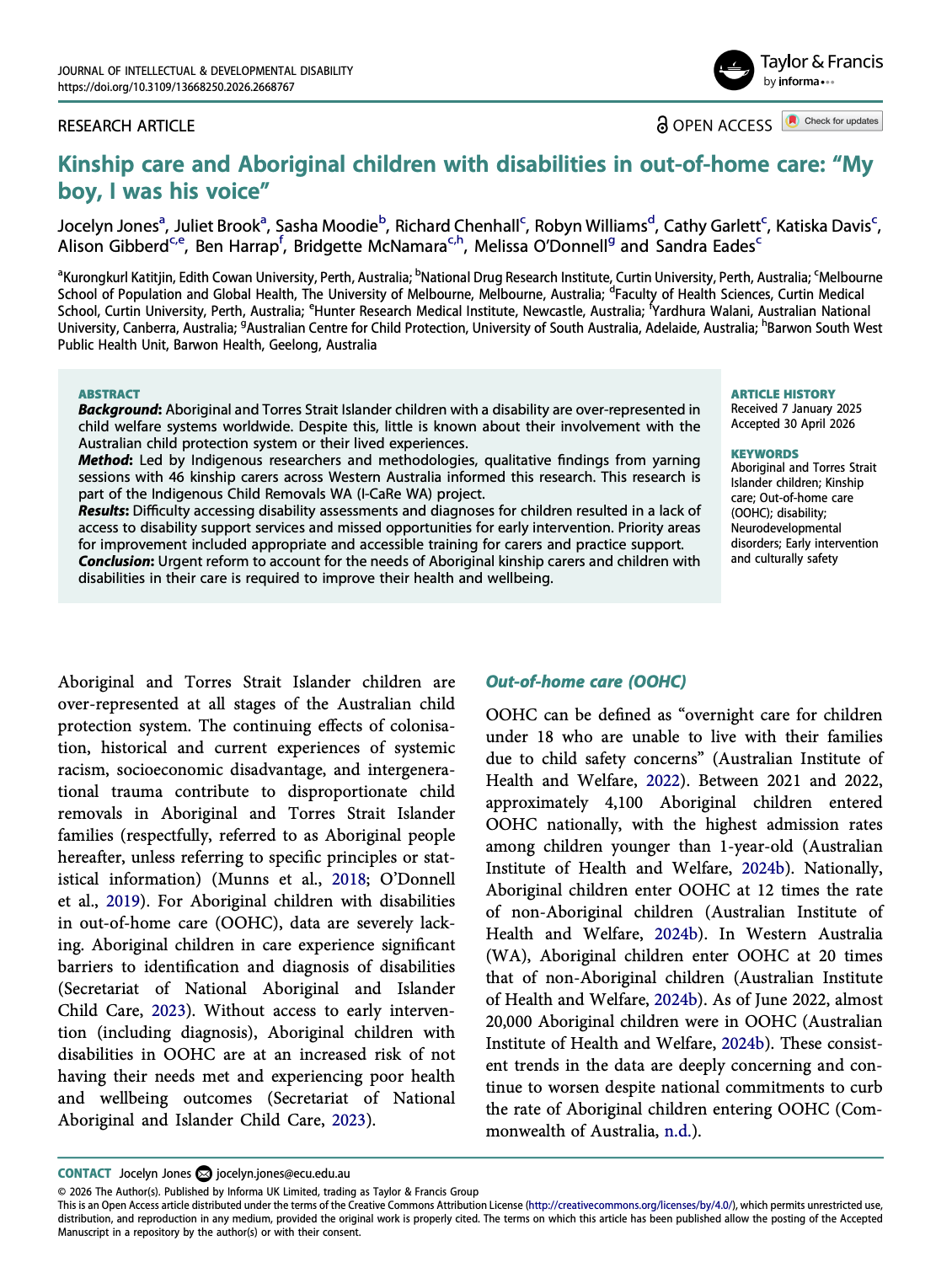
Kinship Care and Aboriginal Children with Disabilities in Out-of-Home Care: “My boy, I was his voice”
Aboriginal and Torres Strait Islander children with disabilities are overrepresented in child welfare systems, yet little is known about their experiences; this study draws on yarning sessions with 46 kinship carers in Western Australia as part of the I-CaRe WA project. Findings highlight barriers to disability assessments and services, underscoring the urgent need for reforms, improved training, and better support to enhance outcomes for both carers and children.
| | | | |
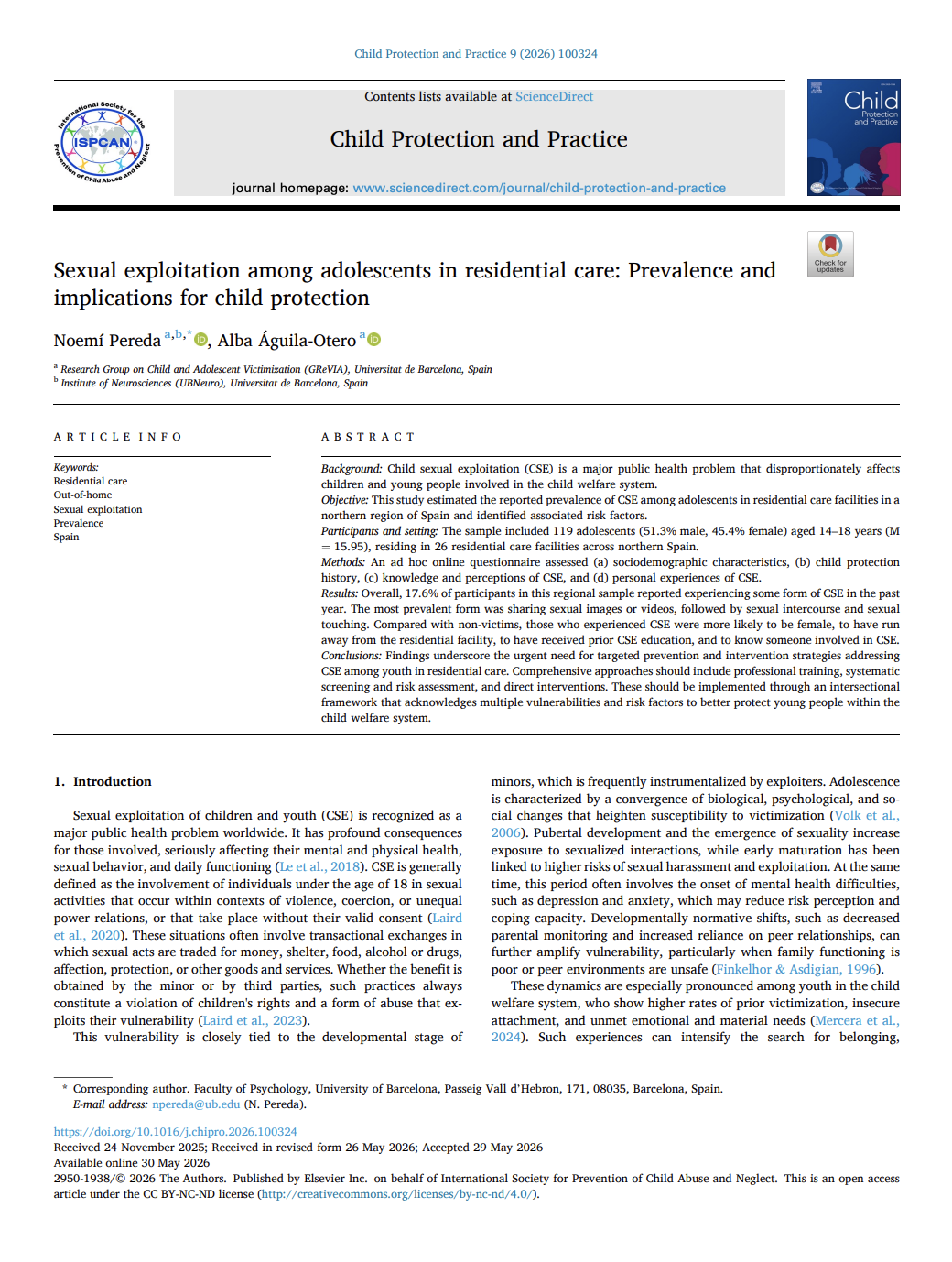
Sexual Exploitation Among Adolescents in Residential Care: Prevalence and Implications for Child Protection
This study estimated the reported prevalence of child sexual exploitation among adolescents in residential care facilities in a northern region of Spain and identified associated risk factors. Findings underscore the urgent need for targeted prevention and intervention strategies addressing child sexual exploitation among youth in residential care.
| | | | |
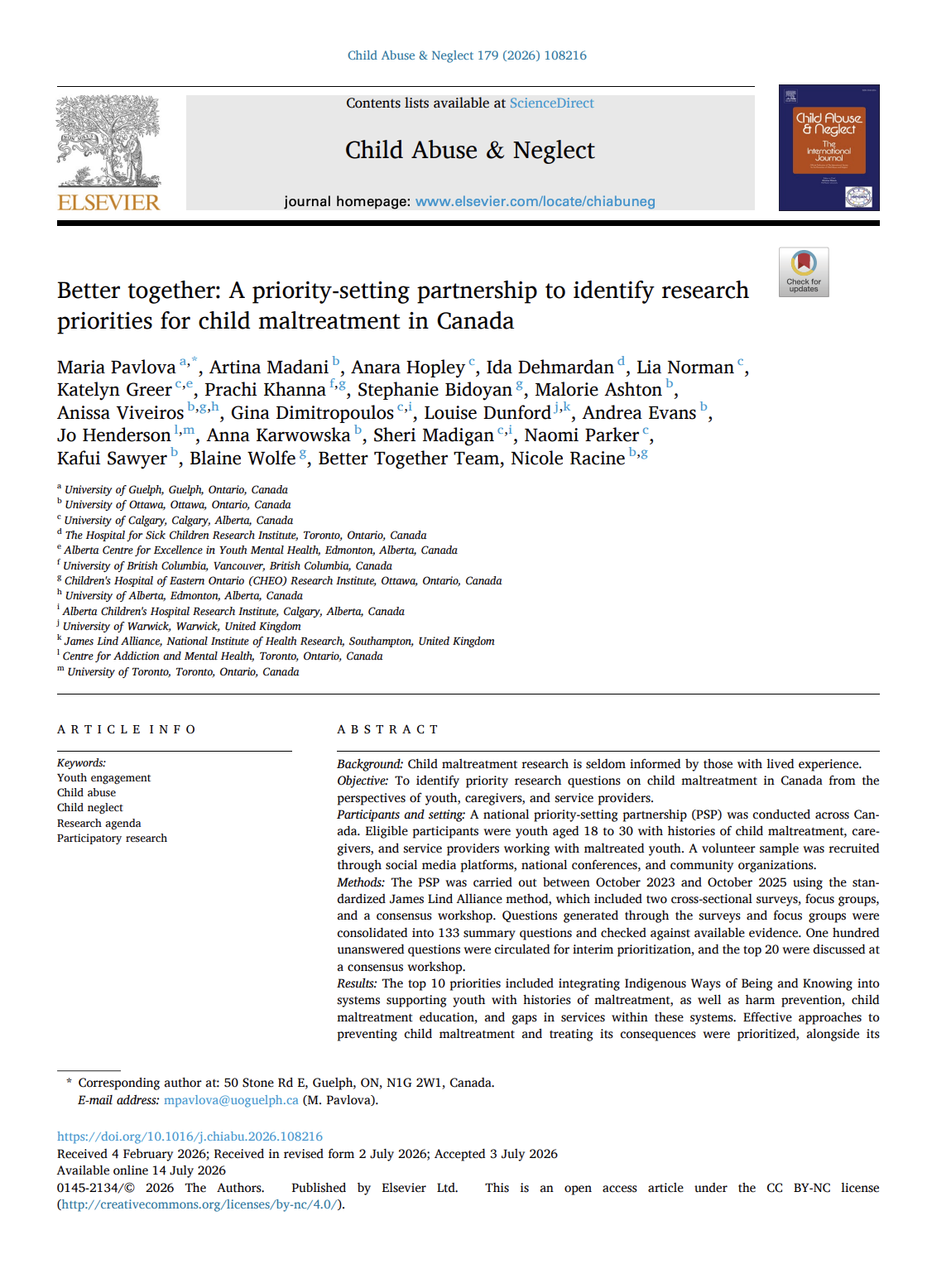
Better Together: A Priority-setting Partnership to Identify Research Priorities for Child Maltreatment in Canada
This Canadian study engaged youth with lived experience, caregivers, and service providers to identify top research priorities on child maltreatment using a national priority-setting process. The resulting priorities emphasize prevention, improved services, culturally responsive approaches—including Indigenous perspectives—and addressing systemic and intergenerational factors to better inform research, policy, and practice.
| | | | |
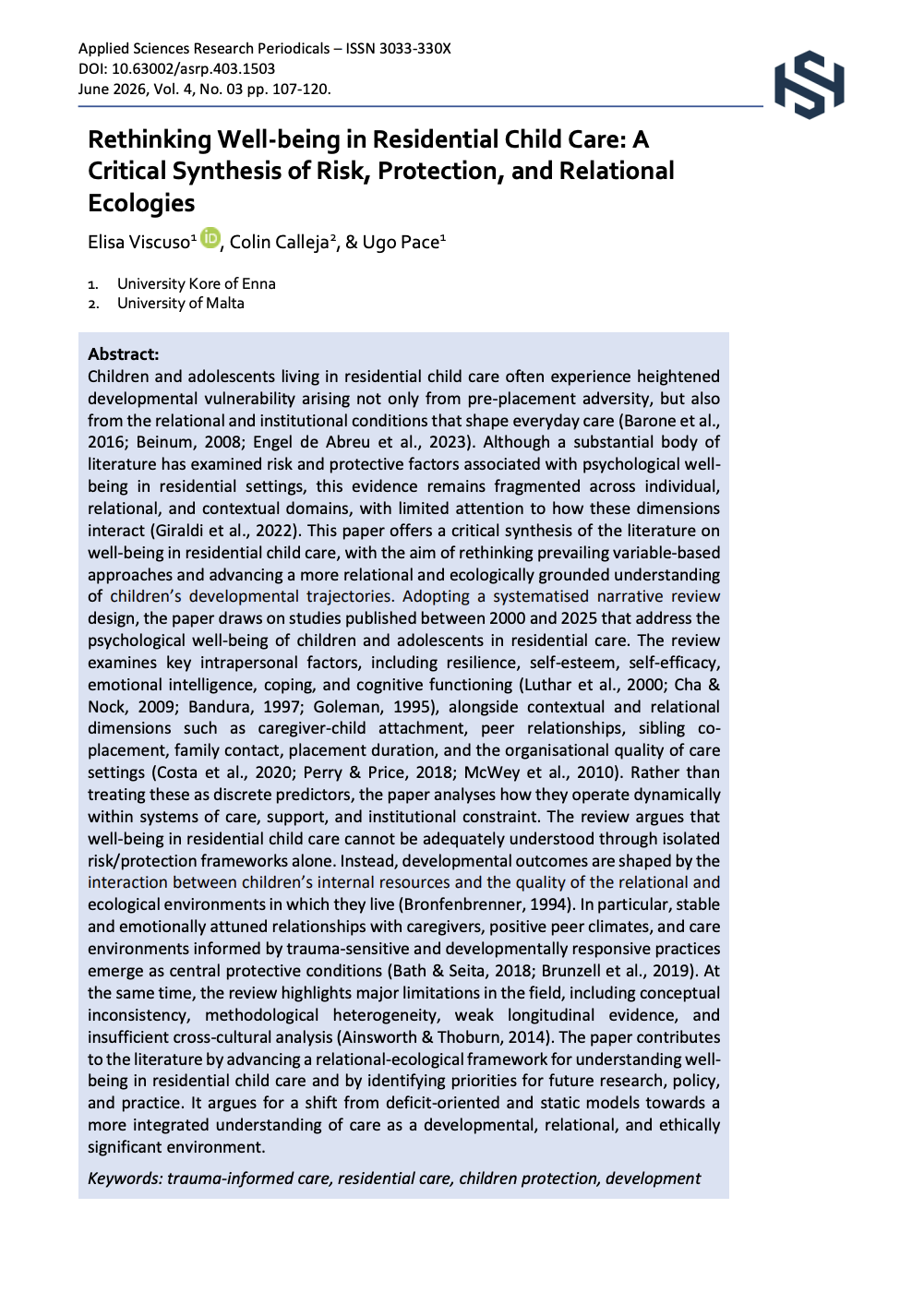
Rethinking Well-being in Residential Child Care: A Critical Synthesis of Risk, Protection, and Relational Ecologies
This article reviews global research on the psychological well-being of children and adolescents in residential care, examining how individual strengths, relationships, and care environments interact to influence developmental outcomes. It argues for a shift away from isolated risk-and-protection models toward a relational and ecological approach that recognizes stable caregiving relationships, supportive environments, and trauma-informed practices as essential to children’s well-being.
| | | | |
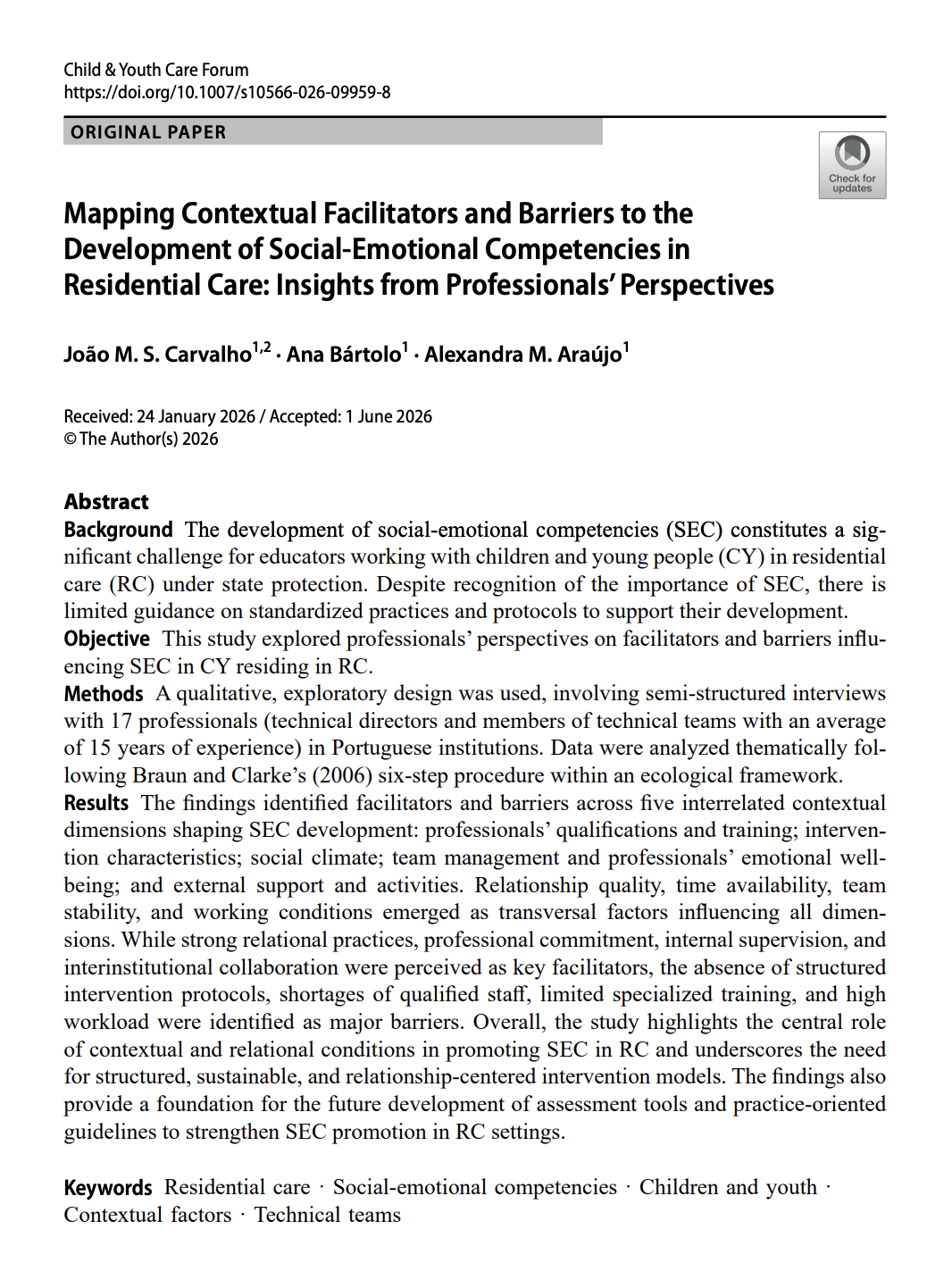
Mapping Contextual Facilitators and Barriers to the Development of Social-Emotional Competencies in Residential Care: Insights from Professionals’ Perspectives
This article explores how professionals in Portuguese residential care settings perceive the factors that support or hinder the development of children’s social-emotional competencies, emphasizing the importance of relationships, staff stability, and supportive working conditions. It finds that while strong relational practices and collaboration facilitate progress, gaps such as limited training, high workloads, and the absence of structured protocols remain key barriers, pointing to the need for more consistent and sustainable approaches.
| | | | |
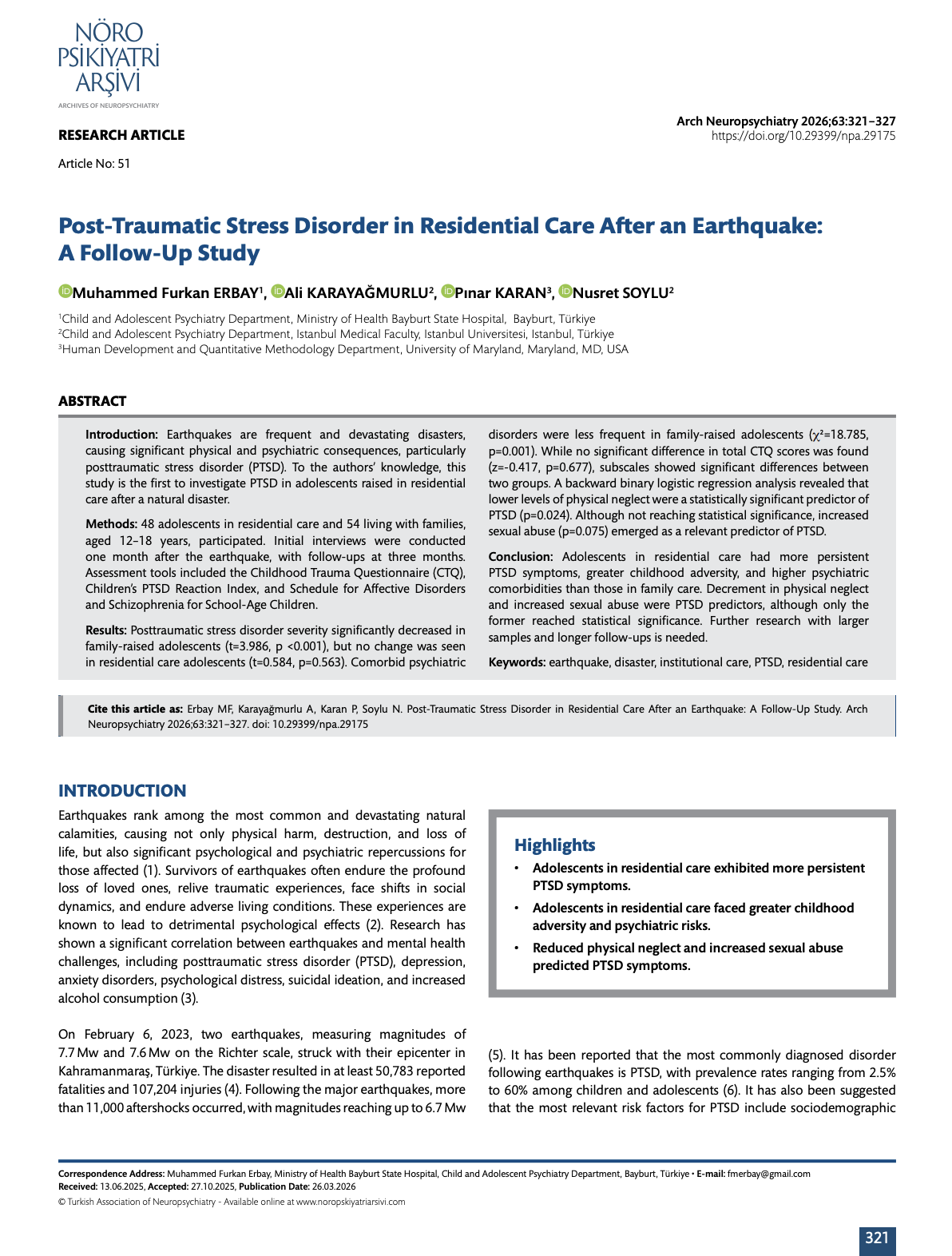
Post-Traumatic Stress Disorder in Residential Care After an Earthquake: A Follow-Up Study
This study compares posttraumatic stress disorder (PTSD) outcomes among adolescents affected by an earthquake, finding that those in residential care experienced more persistent symptoms and higher psychiatric comorbidities than peers living with families. It highlights the role of prior adversity—particularly physical neglect—as a key predictor of PTSD and underscores the need for further research to better support vulnerable children in care after disasters.
| | | | |
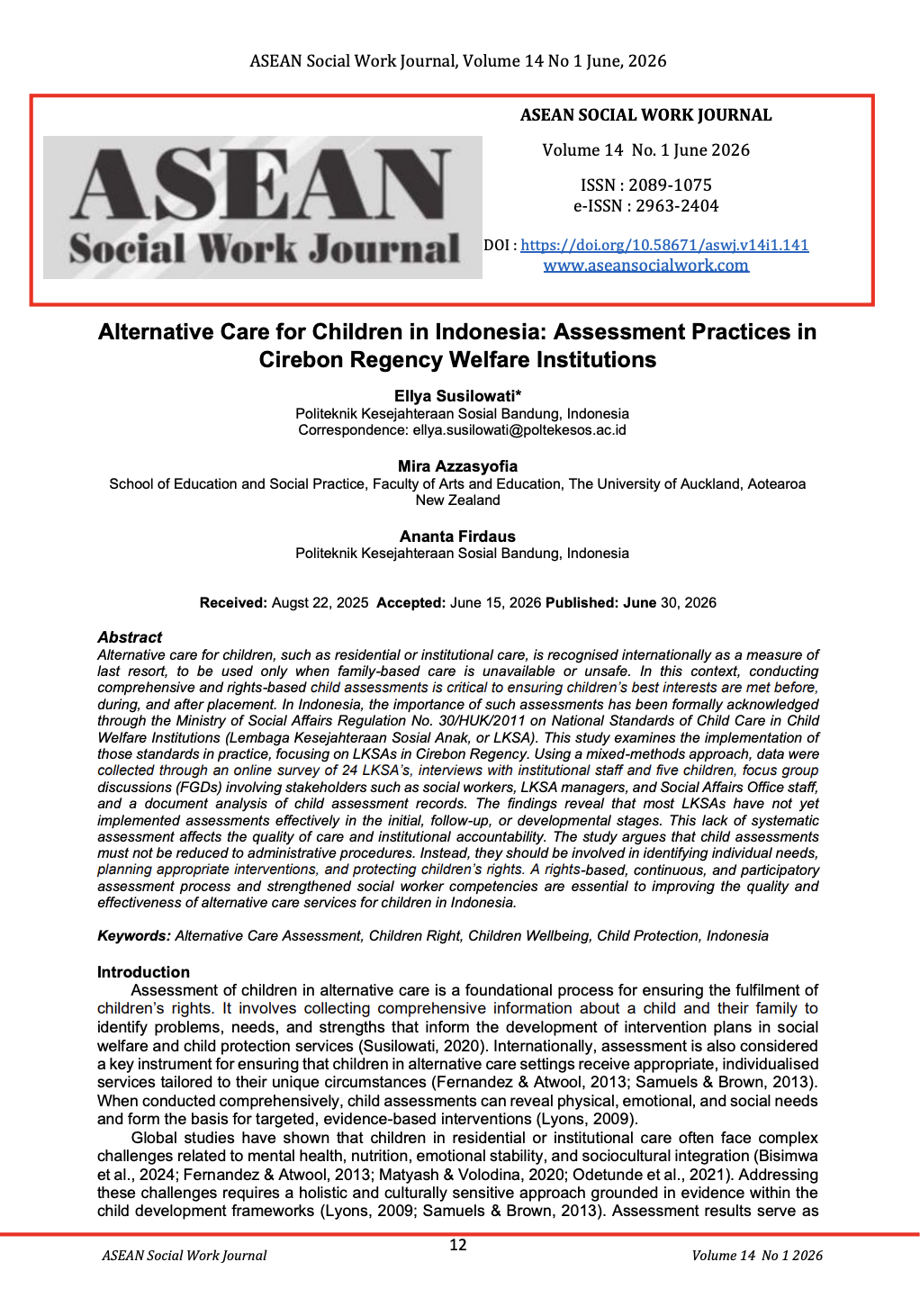
Alternative Care for Children in Indonesia: Assessment Practices in Cirebon Regency Welfare Institutions
This study examines the implementation of child assessment standards in alternative care institutions (LKSAs) in Indonesia. Using a mixed-methods approach, it explores how assessment practices support children’s rights, care planning, and the quality of institutional care.
| | | | |
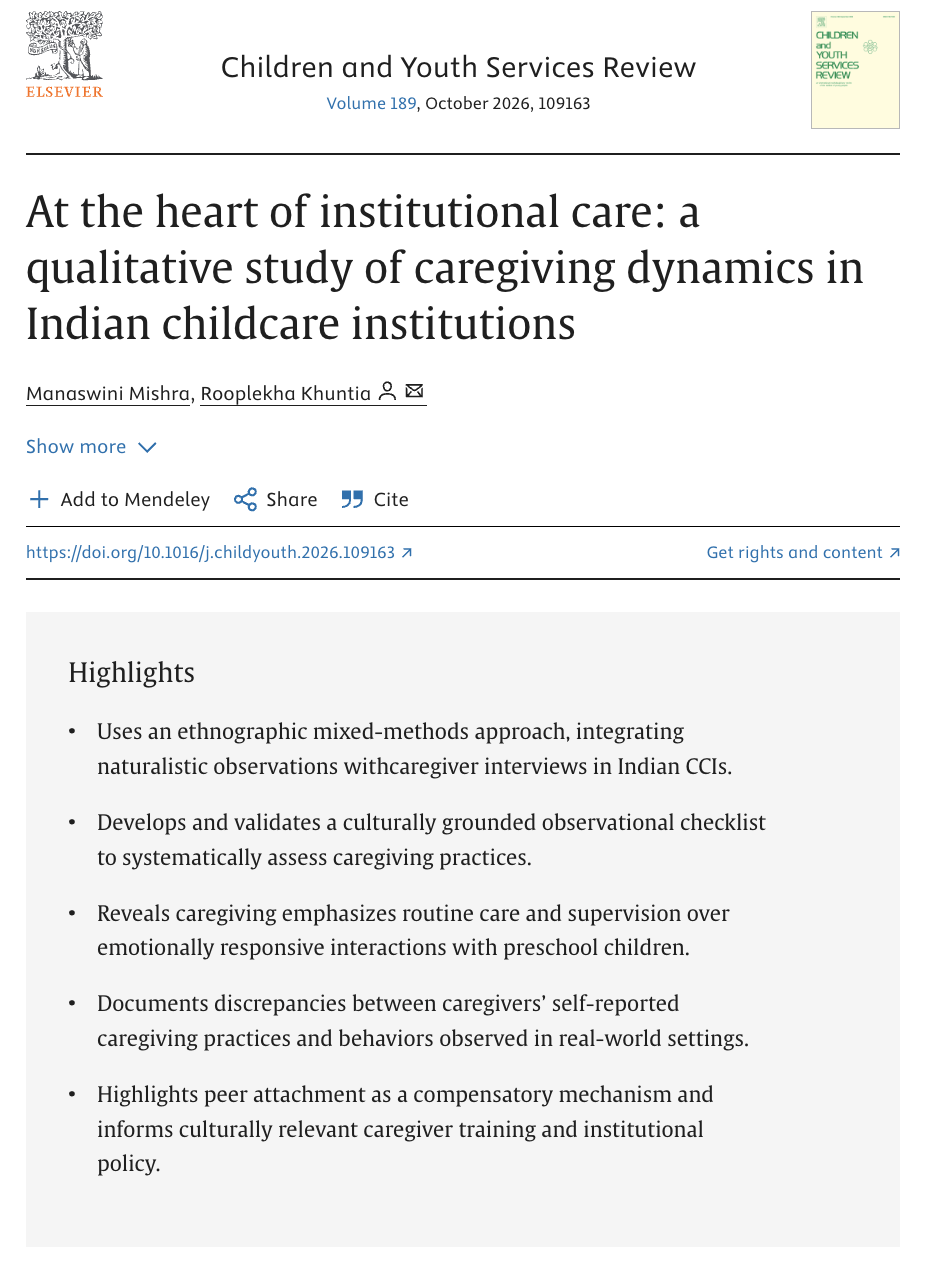
At the Heart of Institutional Care: A Qualitative Study of Caregiving Dynamics in Indian Childcare Institutions
This ethnographic study examines caregiving practices in Indian Child Care Institutions, focusing on caregiver–child interactions, emotional responsiveness, and institutional influences. It draws on observations and interviews to provide a contextually grounded understanding of caregiving dynamics.
| | | | |
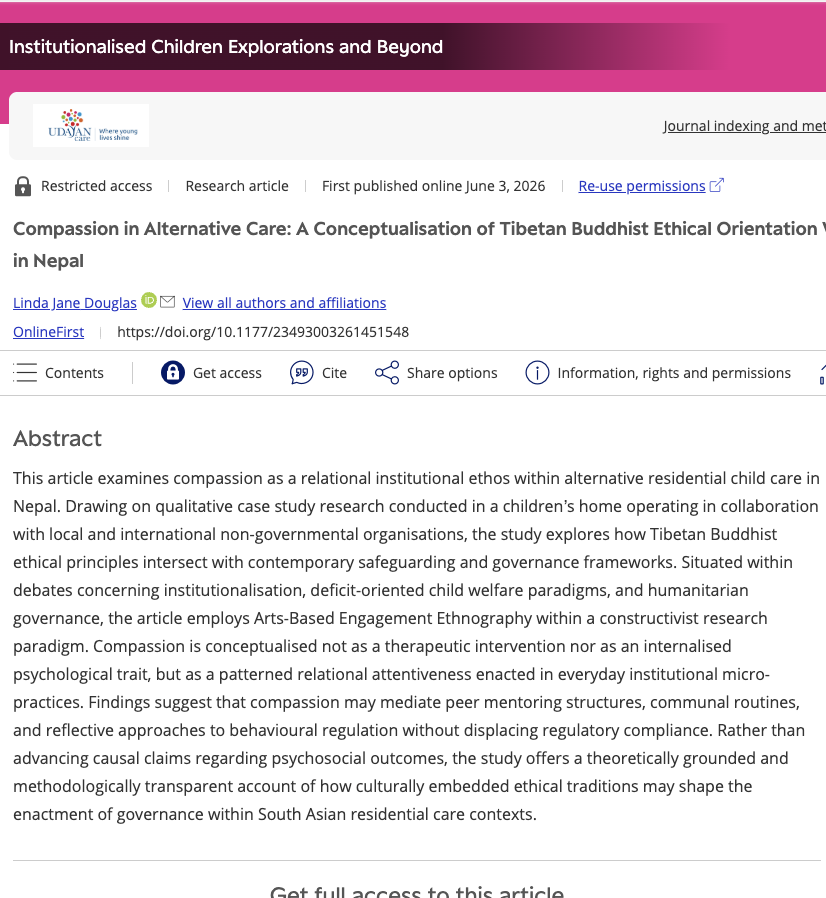
Compassion in Alternative Care: A Conceptualisation of Tibetan Buddhist Ethical Orientation Within Institutional Child Welfare in Nepal
This article examines compassion as a relational institutional ethos within alternative residential child care in Nepal. Drawing on qualitative case study research conducted in a children’s home operating in collaboration with local and international non-governmental organisations, the study explores how Tibetan Buddhist ethical principles intersect with contemporary safeguarding and governance frameworks.
| | | | |
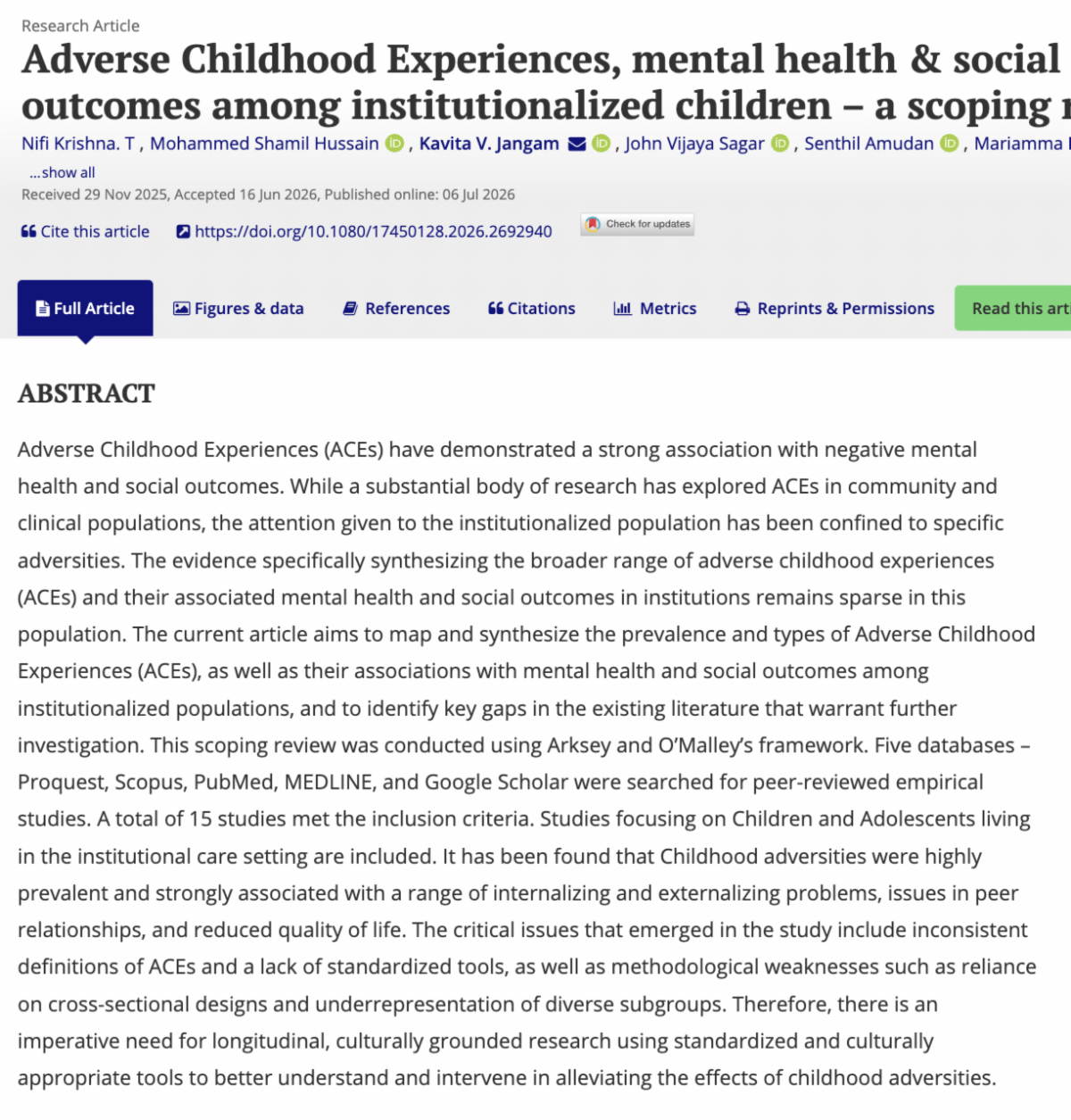
Adverse Childhood Experiences, Mental Health & Social Outcomes Among Institutionalized Children – A Scoping Review
This scoping review examines the prevalence and impact of Adverse Childhood Experiences (ACEs) among children and adolescents living in institutional care, finding that childhood adversities are widespread and strongly linked to mental health challenges, social difficulties, and reduced quality of life. It highlights significant gaps in the research, including inconsistent definitions, limited standardized measurement tools, and the need for more longitudinal and culturally responsive studies to inform effective interventions.
| | | | |
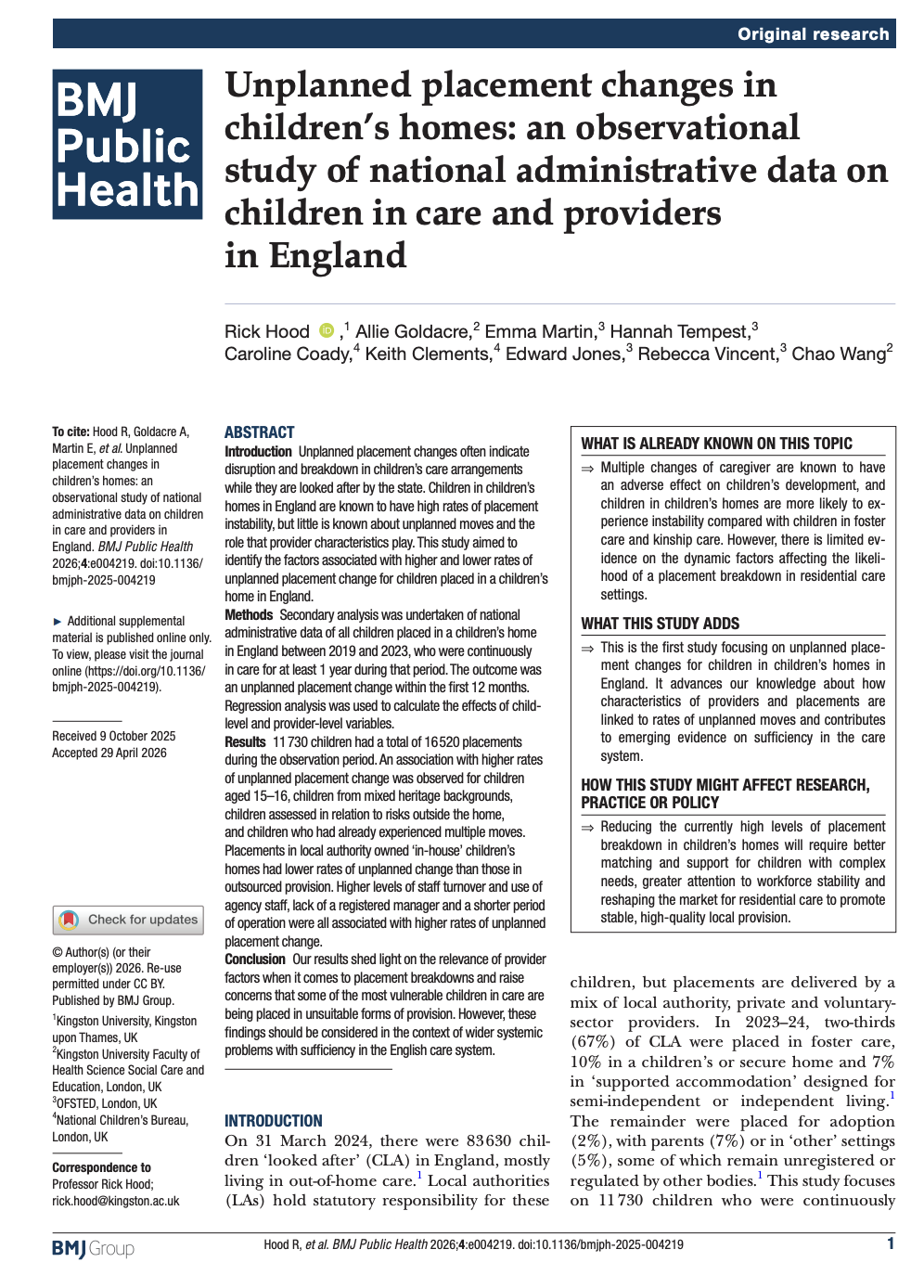
Unplanned Placement Changes in Children’s Homes: An Observational Study of National Administrative Data on Children in Care and Providers in England
This study examines factors associated with unplanned placement changes among children living in children’s homes in England. Using national administrative data, it explores how child characteristics and provider-level factors influence placement stability and breakdown.
| | | | |
Client Violence in Residential Child Protection Services: A Qualitative Study in Chile
This article examines how child protection workers in Chile interpret and respond to violence from children in residential care, finding that such violence is often normalized and attributed primarily to children’s trauma rather than to systemic or organizational factors. It highlights how this framing obscures the role of structural issues—such as inadequate training and staffing—and calls for more comprehensive prevention strategies that address both individual and institutional conditions.
| | | | |
Lived Experiences of Houseparents in a Residential Care Facility: A Phenomenological Study
This phenomenological study explores the lived experiences of five houseparents in a residential care facility in Bukidnon, Philippines, highlighting their critical role in providing emotional support and stability while navigating significant emotional labor and institutional challenges. The findings underscore the need for stronger institutional support, training, and culturally responsive interventions to improve both caregiver well-being and quality of care for children.
| | | | |
Multi-method, Longitudinal Study on Behavioral, Emotional, and Developmental Factors of Children in Residential Care in Lower Austria: A Study Protocol
This article presents a research protocol for the first comprehensive, multi-method study examining the quality, experiences, and outcomes of residential out-of-home care for children and young people in Austria. It aims to identify factors influencing children’s well-being and development while generating evidence to improve child welfare practice, quality assurance, and policy.
| | | | |
Supporting Cultural Identity and Connection for Children from Culturally Diverse Backgrounds in Care: A Multi-Case Study of Stakeholder Perspectives
This article examines how children’s rights to participation, family connections, and cultural identity are supported in statutory out-of-home care through four case studies involving culturally diverse children and their families in Australia. It highlights the importance of intentional, collaborative approaches that center children’s voices and agency while supporting meaningful relationships with carers, birth families, and cultural communities.
| | | | |
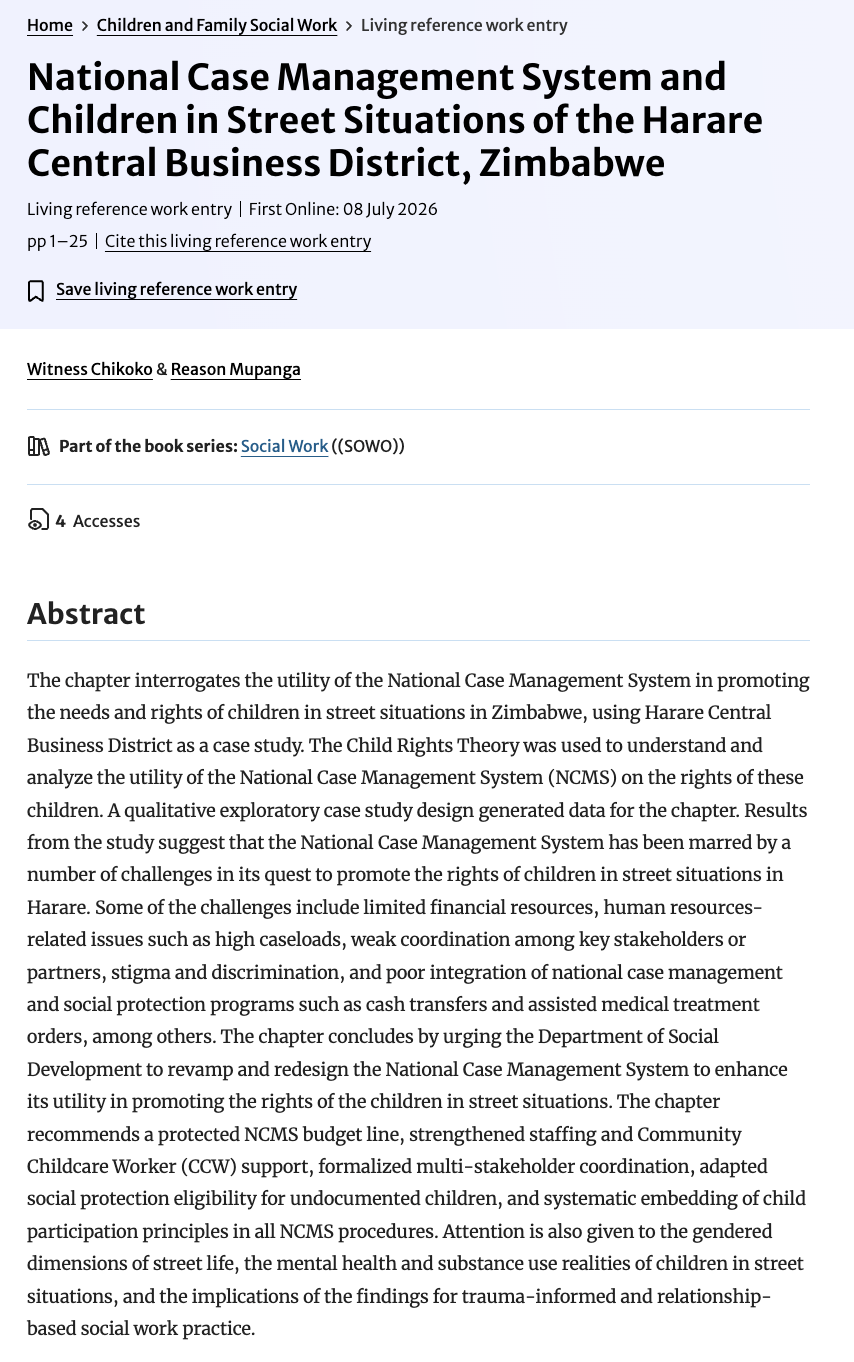
National Case Management System and Children in Street Situations of the Harare Central Business District, Zimbabwe
This chapter examines the effectiveness of Zimbabwe’s National Case Management System in protecting the rights and meeting the needs of children in street situations in Harare. It identifies key challenges—including limited resources, weak coordination, stigma, and gaps in social protection integration—and calls for reforms to strengthen child participation, staffing, funding, and trauma-informed, rights-based support.
| | | | |
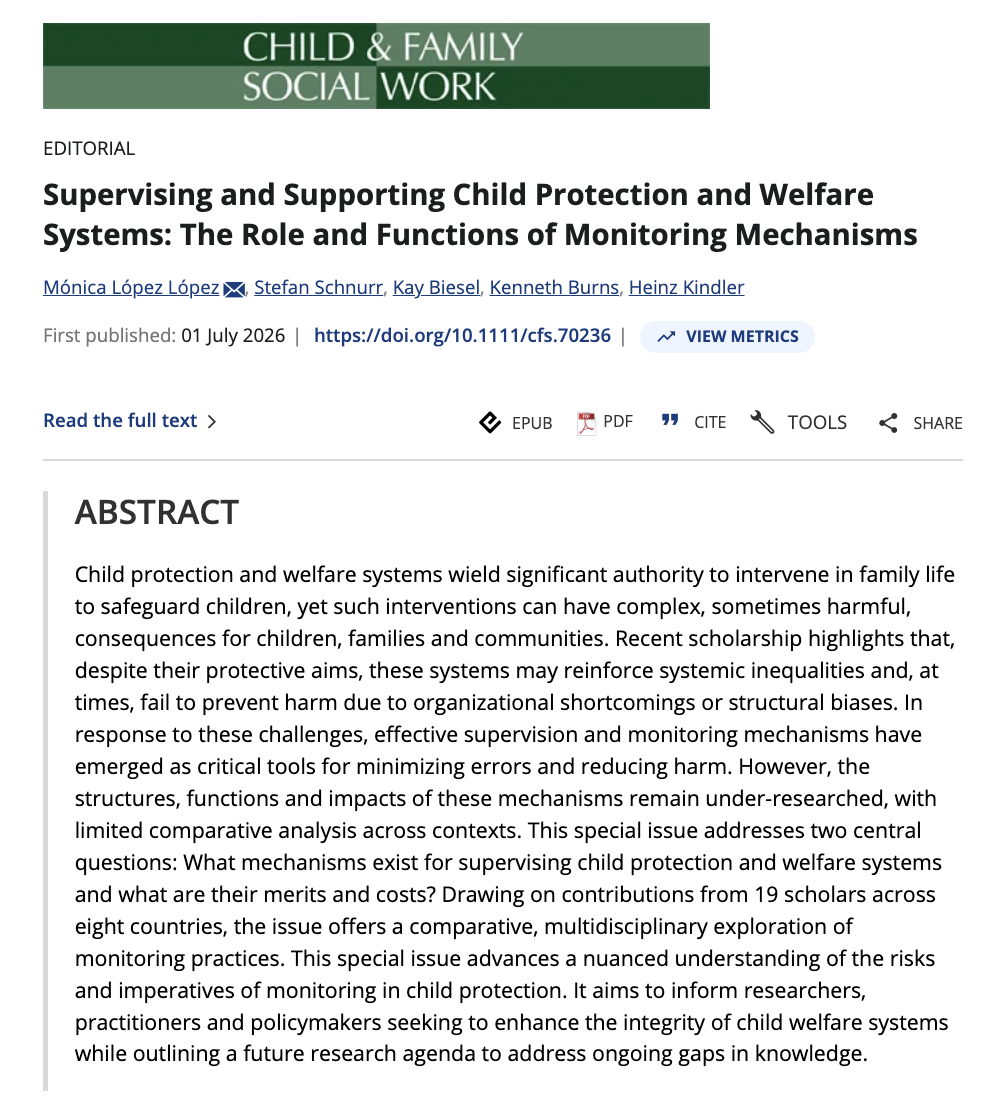
Supervising and Supporting Child Protection and Welfare Systems: The Role and Functions of Monitoring Mechanisms
This article examines how child protection and welfare systems, while intended to safeguard children, can produce unintended harms and reinforce inequalities, highlighting the critical role of supervision and monitoring in reducing these risks. Drawing on contributions from multiple countries, it explores existing oversight mechanisms, assesses their strengths and limitations, and identifies key gaps to guide future research and improve system accountability.
| | | | |
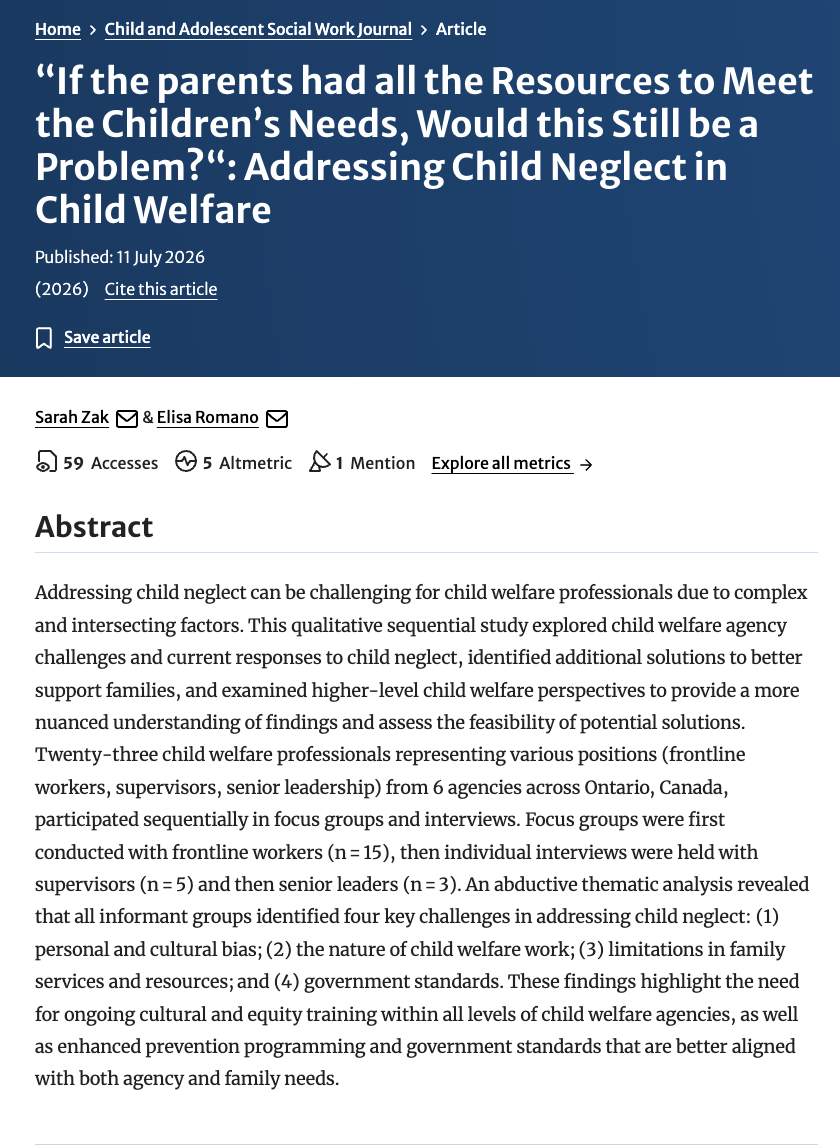
“If the parents had all the Resources to Meet the Children’s Needs, Would this Still be a Problem?“: Addressing Child Neglect in Child Welfare
This study explores the challenges child welfare professionals face in addressing child neglect in Ontario, Canada, identifying barriers related to bias, the nature of child welfare practice, limited family resources, and government standards. It highlights the need for stronger prevention services, culturally responsive training, and policies that better align child welfare systems with the needs of children, families, and practitioners.
| | | | |
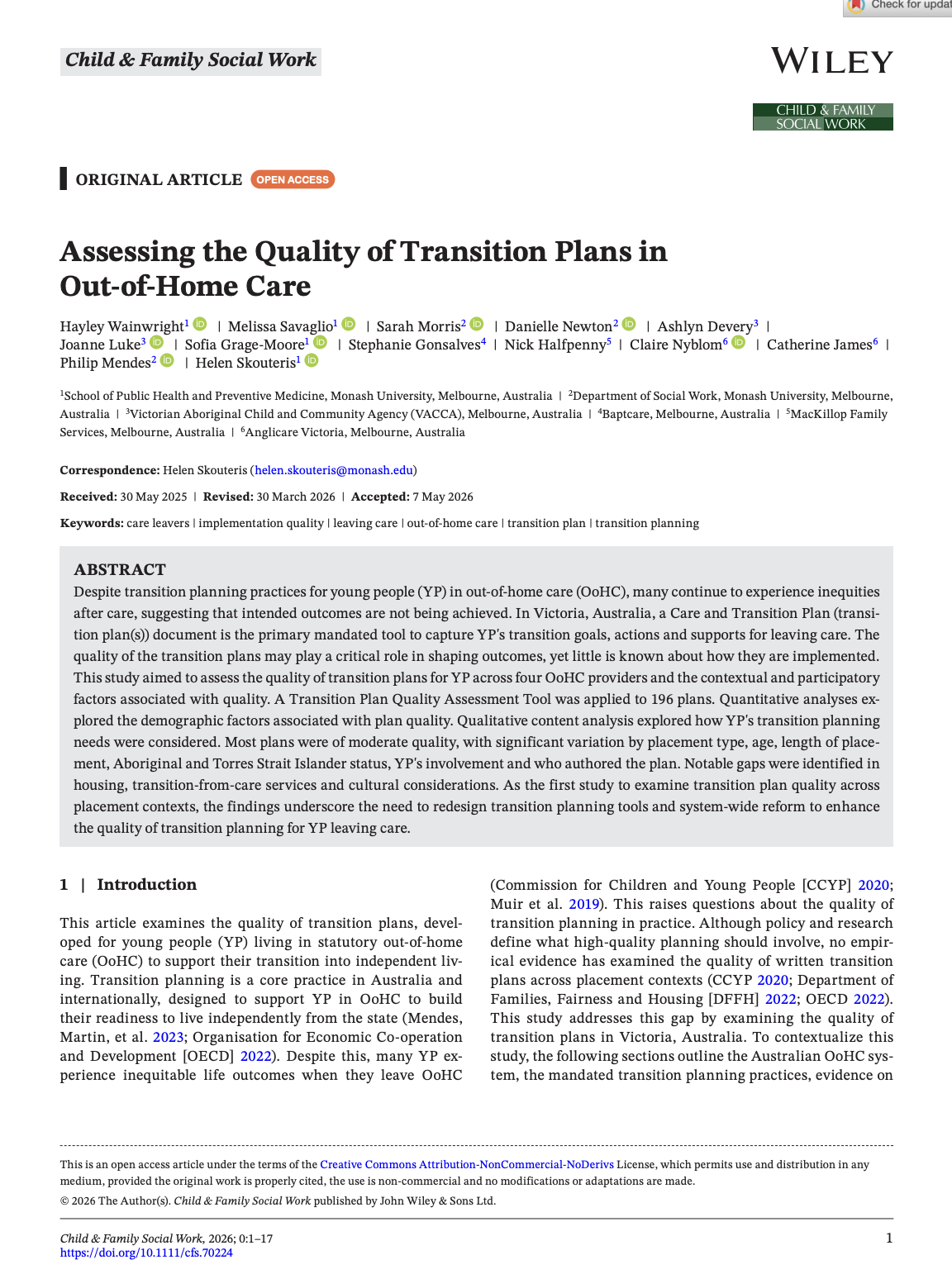
Assessing the Quality of Transition Plans in Out-of-Home Care
This study evaluates the quality of Care and Transition Plans for young people leaving out-of-home care in Victoria, Australia, finding most plans are of only moderate quality with significant variation based on factors such as placement type, age, and level of youth involvement. It identifies key gaps—particularly in housing, transition services, and cultural considerations—and calls for improved planning tools and system-wide reforms to better support young people transitioning from care.
| | | | |
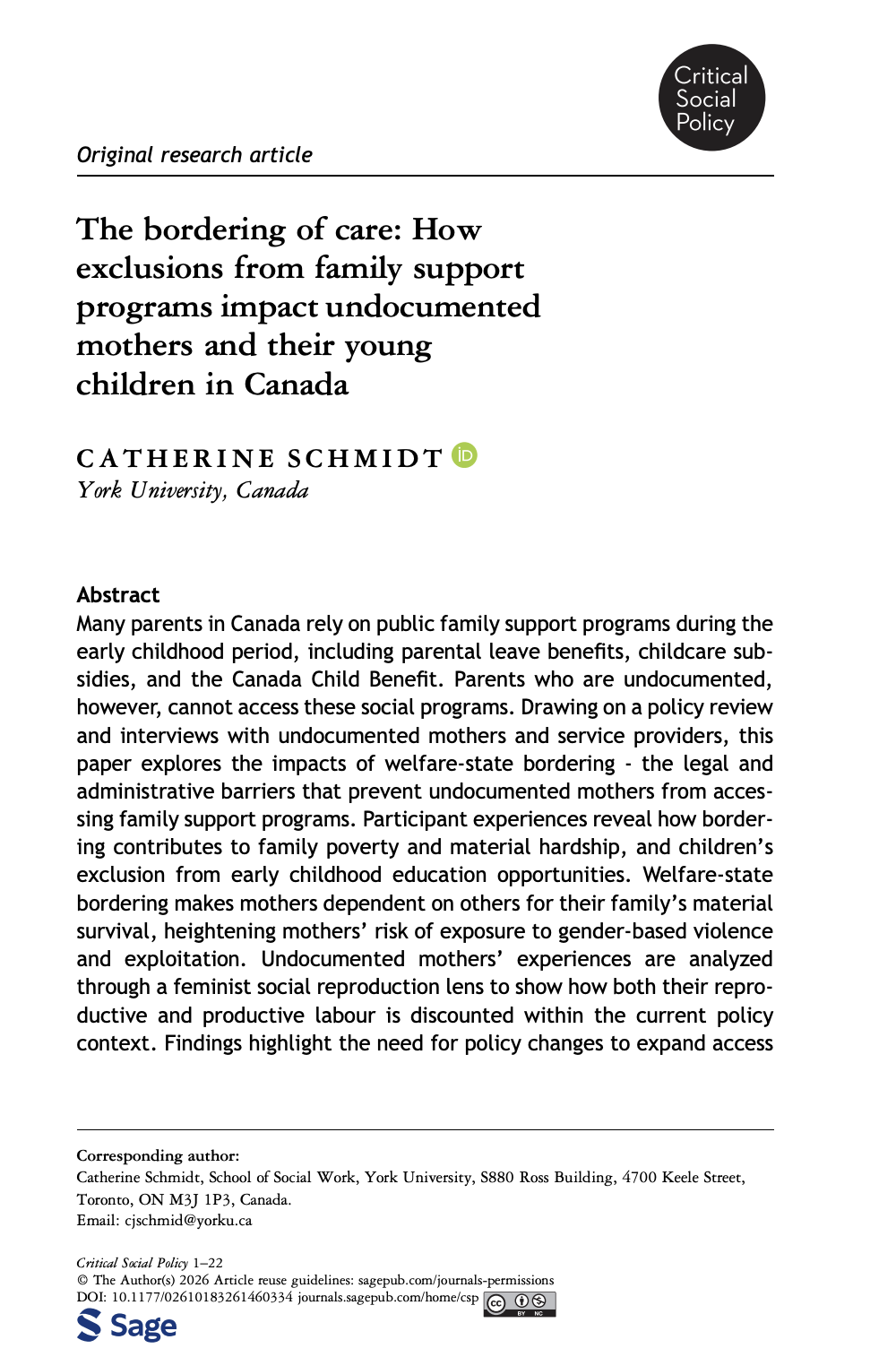
The Bordering of Care: How Exclusions from Family Support Programs Impact Undocumented Mothers and their Young Children in Canada
This article explores how undocumented mothers in Canada are excluded from key family support programs, showing how legal and administrative barriers deepen poverty, limit children’s access to early education, and increase mothers’ vulnerability to dependence, exploitation, and gender-based violence. Using a feminist social reproduction lens, it highlights how these policies undervalue mothers’ labour and calls for reforms to expand access to benefits and uphold the rights of undocumented families.
| | | | |
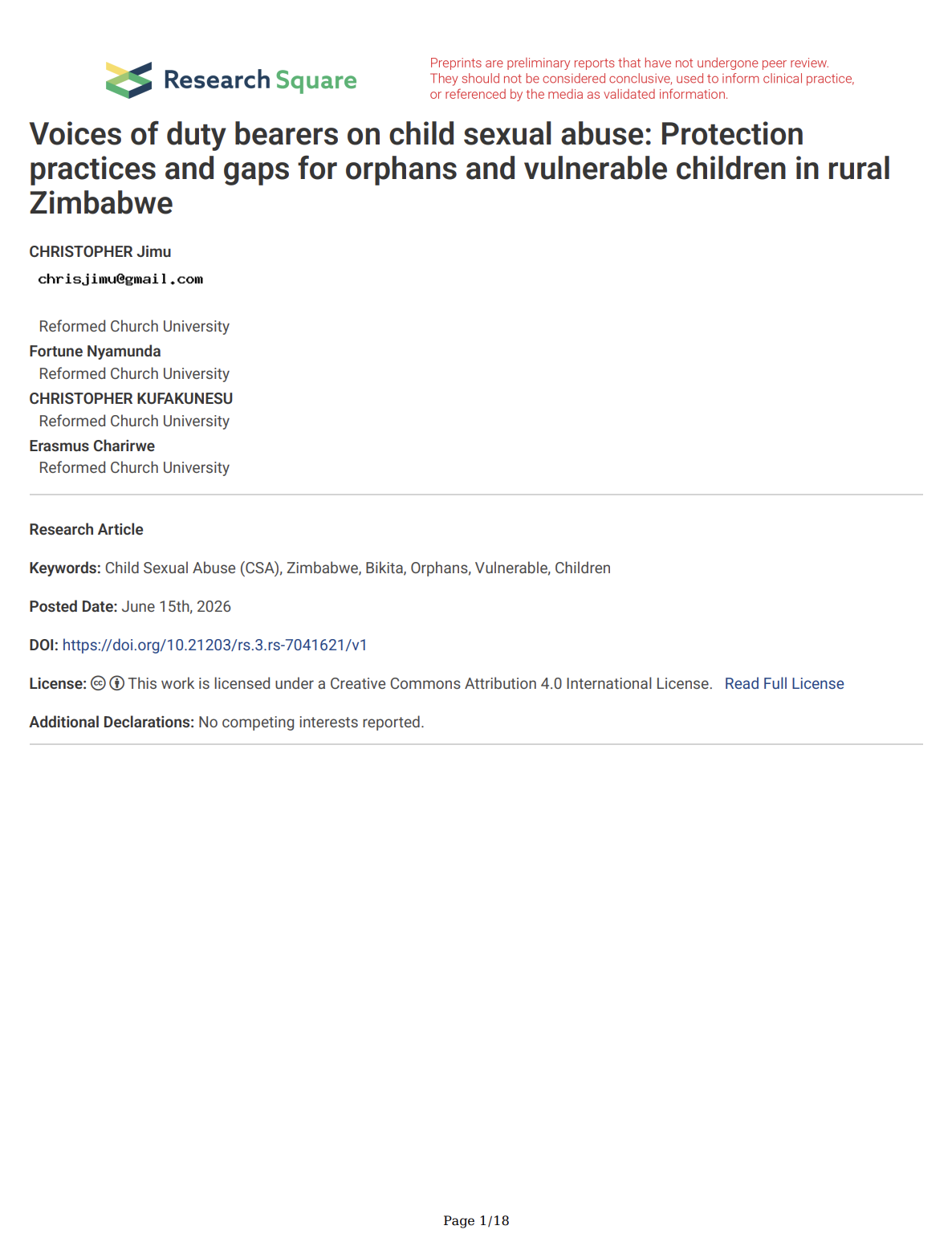
Voices of Duty Bearers on Child Sexual Abuse: Protection Practices and Gaps for Orphans and Vulnerable Children in Rural Zimbabwe
This qualitative study examines the perspectives of community duty bearers on protecting orphans and vulnerable children from sexual abuse in Bikita District, Zimbabwe. It explores perceived drivers of abuse, existing protection strategies, and the role of collective community responsibility in safeguarding children.
| | | | |
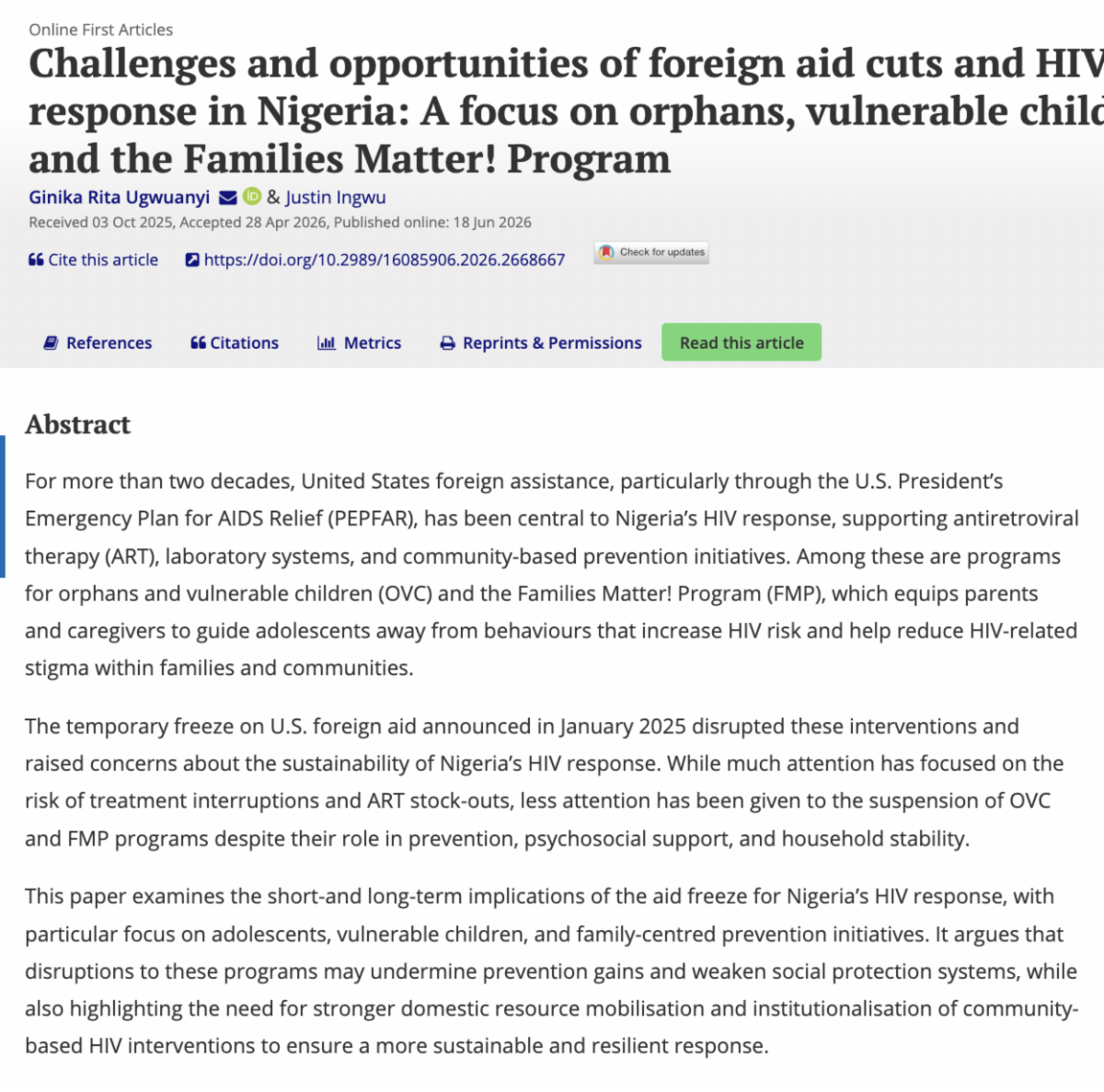
Challenges and Opportunities of Foreign Aid Cuts and HIV/AIDS Response in Nigeria: A Focus on Orphans, Vulnerable Children, and the Families Matter! Program
This article examines the impact of the 2025 U.S. foreign aid freeze on Nigeria’s HIV response, with a focus on programs supporting orphans and vulnerable children, adolescents, and family-based prevention. It highlights how disruptions to psychosocial support and community interventions may affect HIV prevention efforts and underscores the need for sustainable, locally led systems.
| | | | |
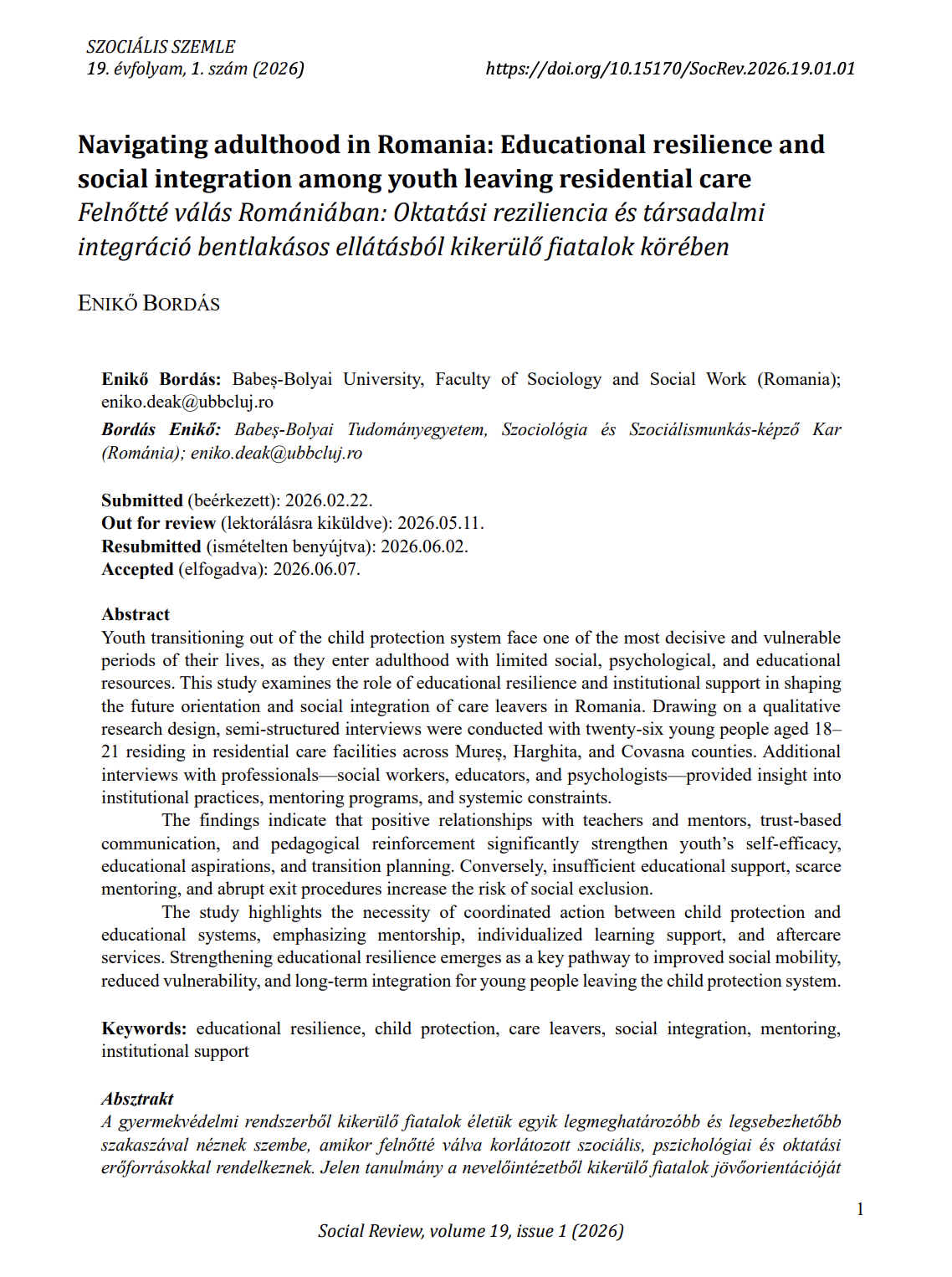
Navigating Adulthood in Romania: Educational Resilience and Social Integration Among Youth Leaving Residential Care
This qualitative study explores how educational resilience and institutional support shape the transition experiences of young people leaving residential care in Romania. Through interviews with care leavers and professionals, it examines the role of relationships, mentorship, education, and aftercare in supporting social integration.
| | | | |
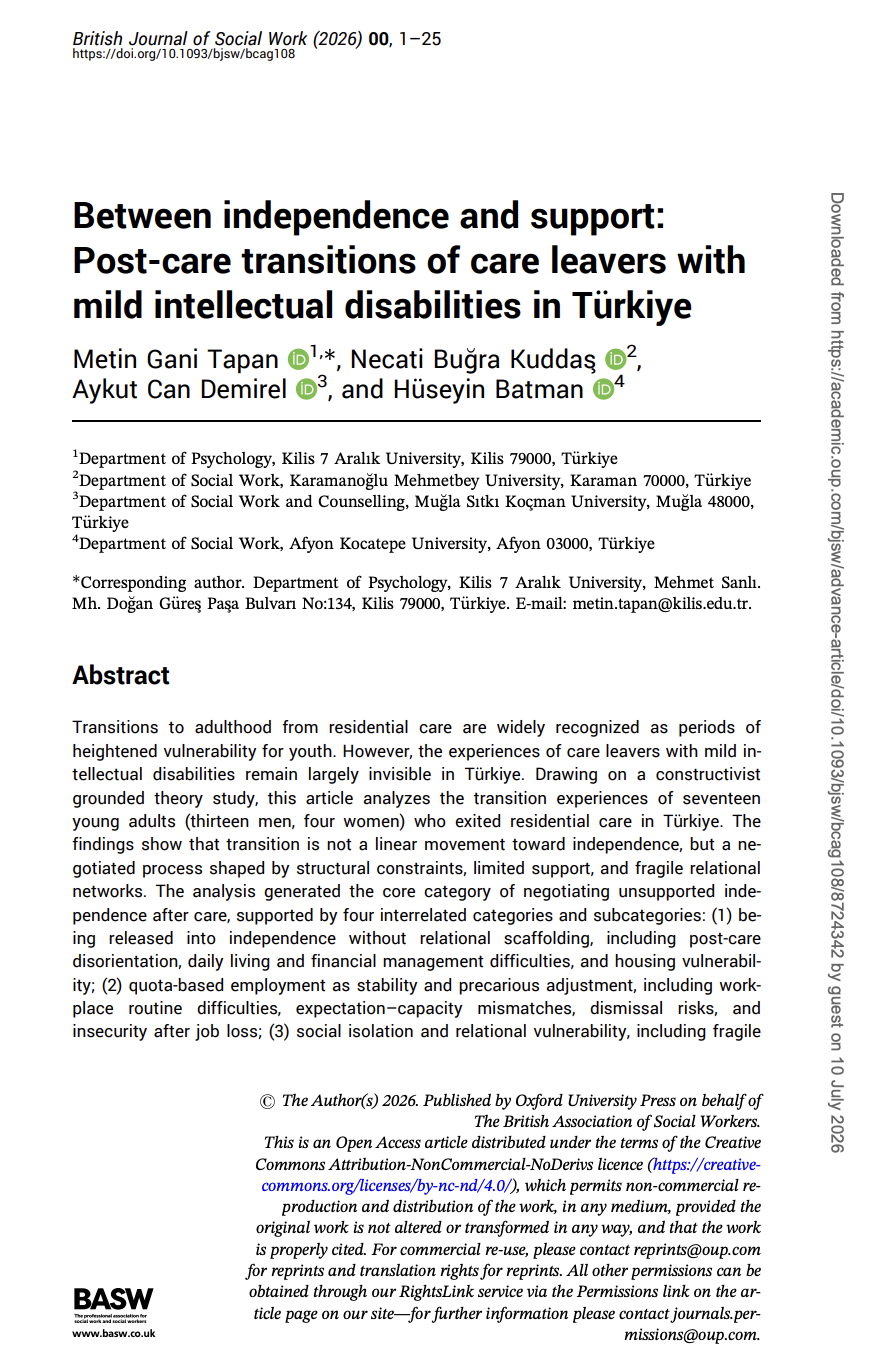
Between Independence and Support: Post-care Transitions of Care Leavers with Mild Intellectual Disabilities in Türkiye
This study explores the transition experiences of young adults with mild intellectual disabilities leaving residential care in Türkiye. Using a constructivist grounded theory approach, it examines how care leavers navigate independence, relationships, employment, and access to support after leaving care.
| | | | |
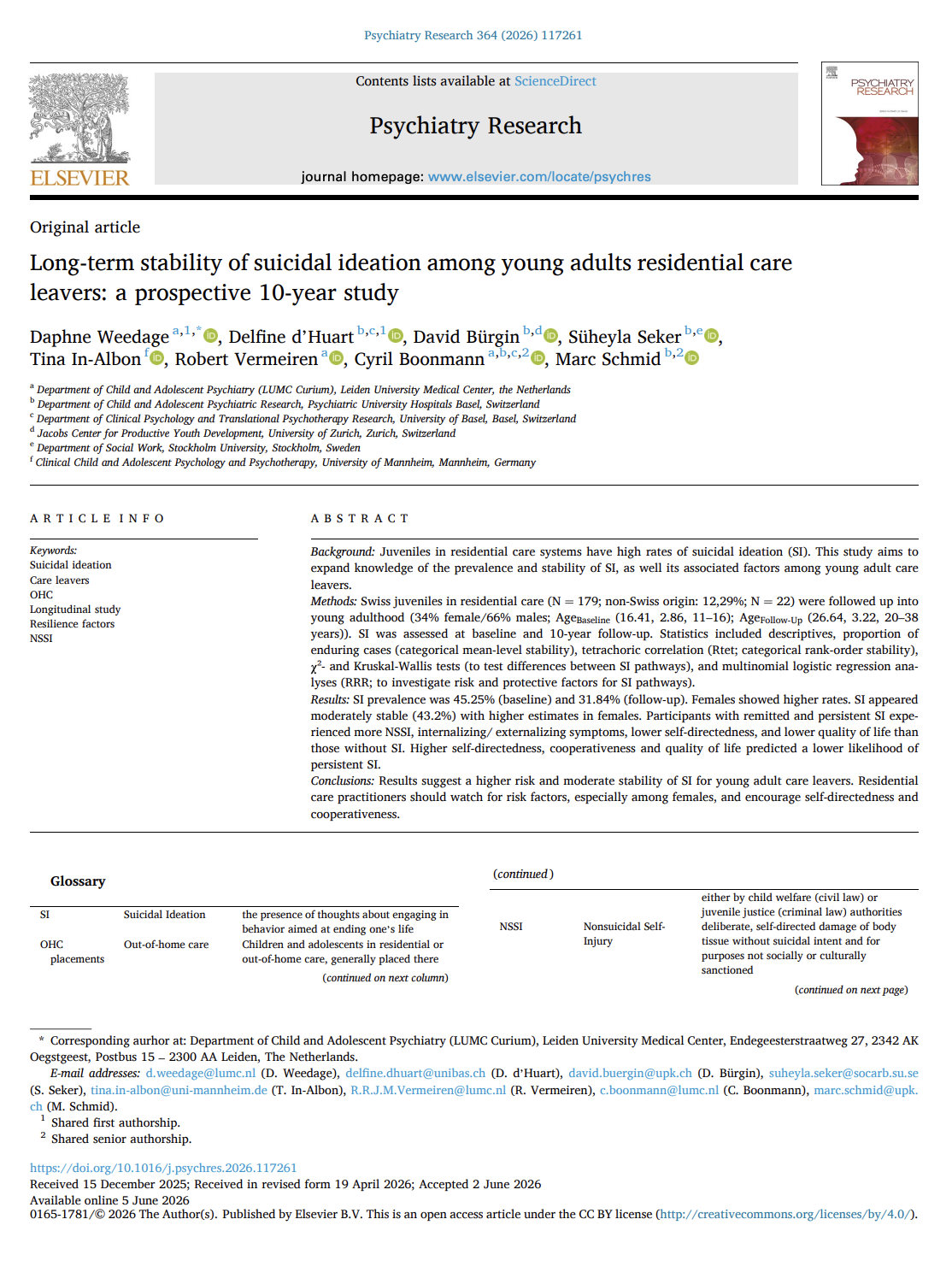
Long-term Stability of Suicidal Ideation Among Young Adults Residential Care Leavers: A Prospective 10-year Study
Juveniles in residential care systems have high rates of suicidal ideation (SI). This study aims to expand knowledge of the prevalence and stability of SI, as well its associated factors among young adult care leavers in Switzerland. Results suggest a higher risk and moderate stability of SI for young adult care leavers.
| | | | |
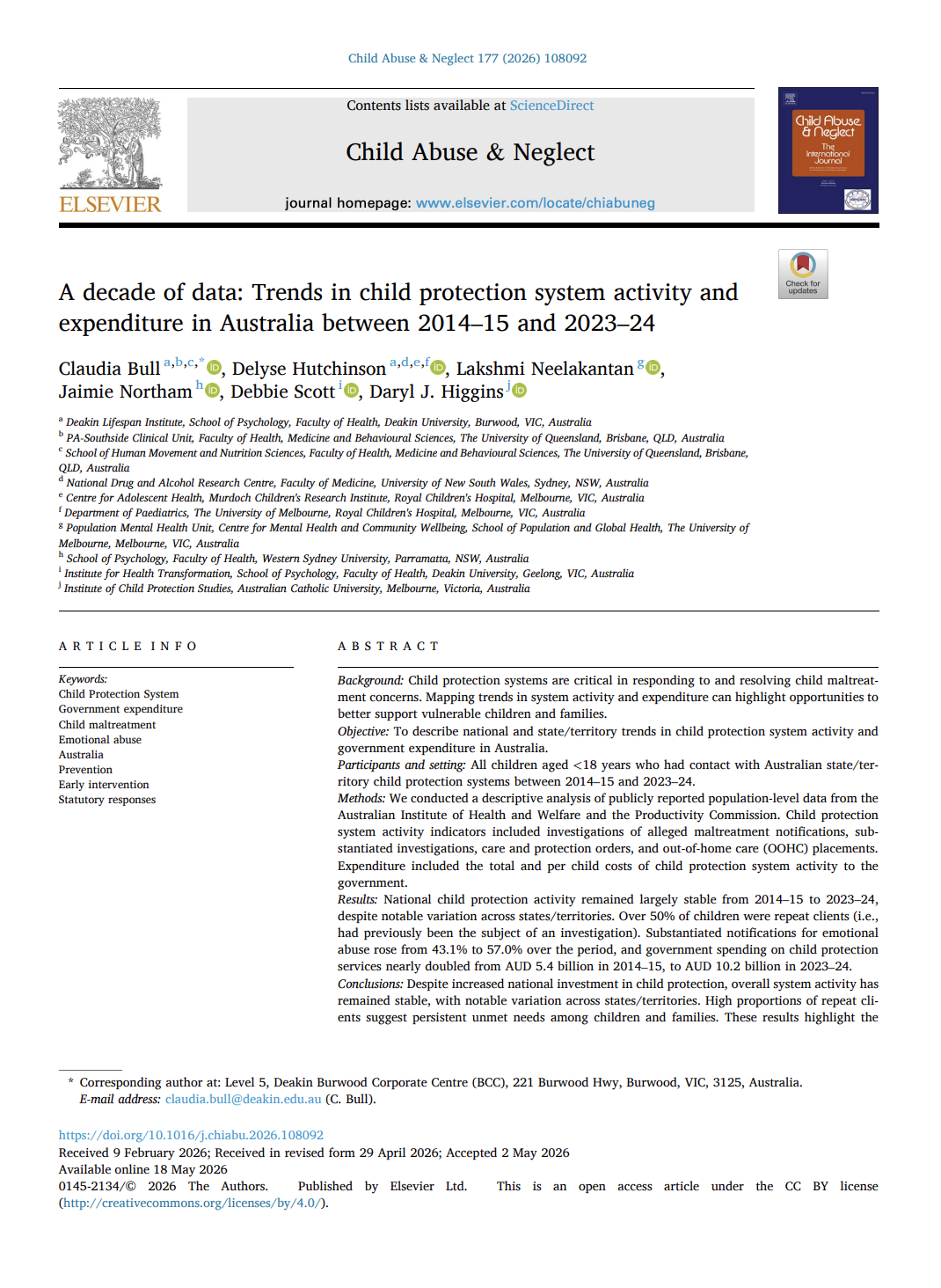
A Decade of Data: Trends in Child Protection System Activity and Expenditure in Australia Between 2014–15 and 2023–24
This article describes how child protection system activity in Australia remained largely stable between 2014–15 and 2023–24 despite significant increases in government spending and variation across states and territories. High rates of repeat involvement and rising substantiated emotional abuse cases indicate persistent unmet needs, underscoring the importance of earlier, preventive support for children and families.
| | Policies, Standards, and Guidance | | | | |
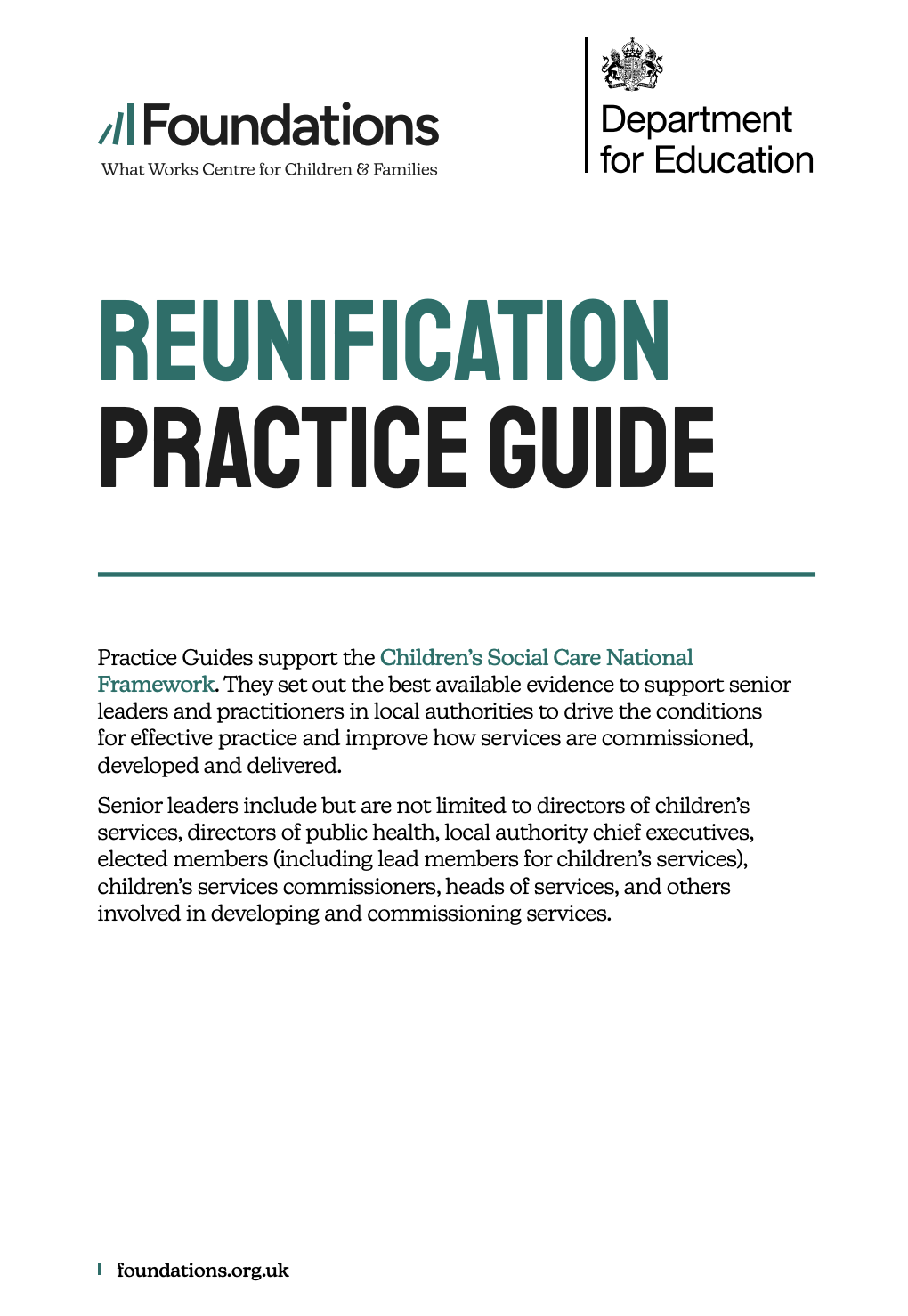
Reunification Practice Guide
This Practice Guide provides recommendations for supporting the safe and sustainable reunification of children with their families, aligned with England’s Children’s Social Care National Framework. It emphasizes reunification as an ongoing process requiring careful assessment, planning, shared decision-making, and sustained support to strengthen families, address underlying challenges, and reduce the risk of children re-entering care.
| | | | |
Engaging Men in Nurturing Care A Roadmap for Systemic Change
This Roadmap from the International Step by Step Association provides a practical, evidence-informed framework for strengthening men’s and fathers’ involvement in early childhood care and development. It highlights the critical role of engaged fatherhood in improving child development outcomes, supporting family well-being, and advancing gender equality across societies.
| | | | |
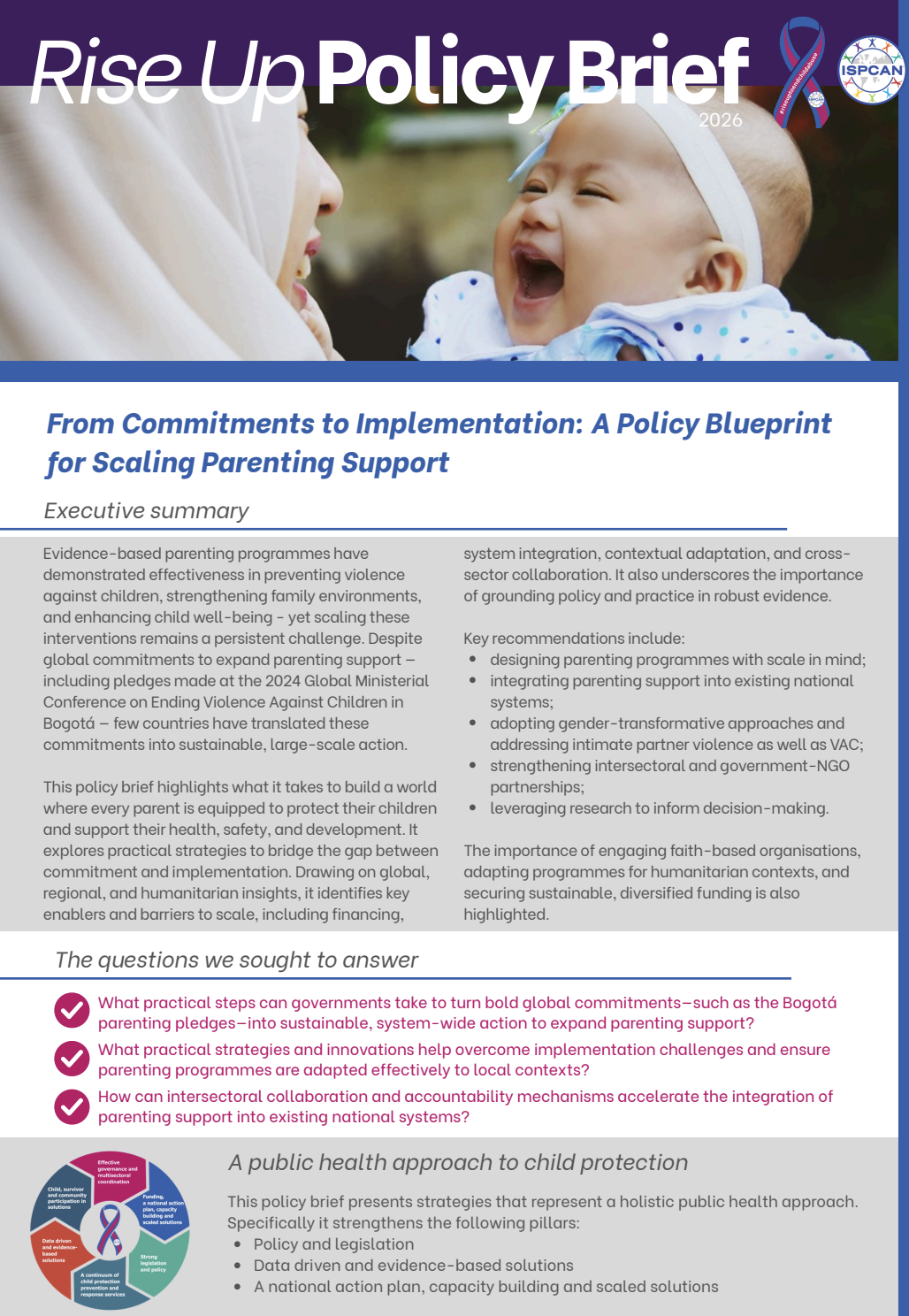
From Commitments to Implementation: A Policy Blueprint for Scaling Parenting Support
This policy brief highlights what it takes to build a world where every parent is equipped to protect their children and support their health, safety, and development. Drawing on global, regional, and humanitarian insights, it identifies key enablers and barriers to scale, including financing, system integration, contextual adaptation, and cross sector collaboration.
| | | | |
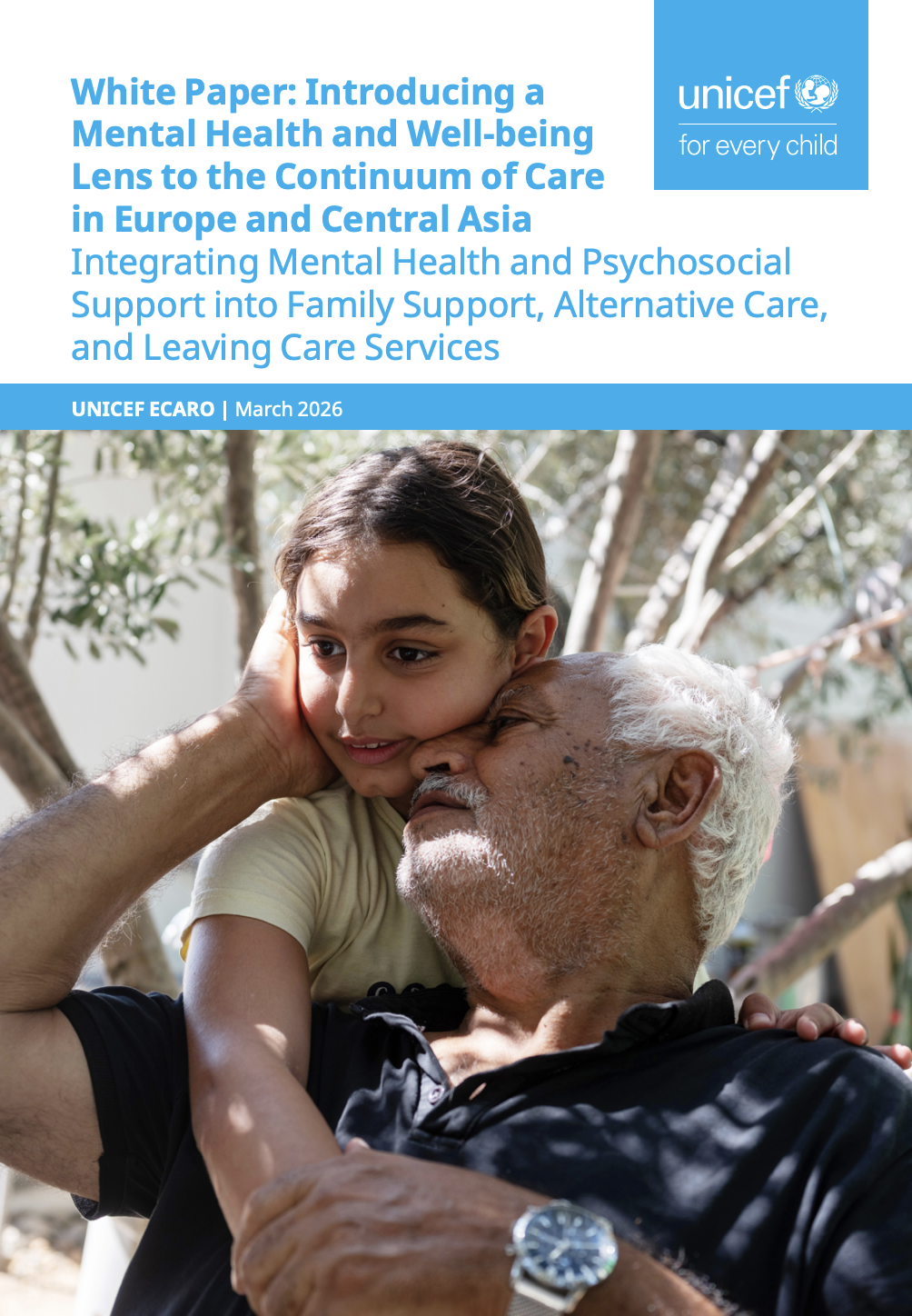
Introducing a Mental Health and Well-being Lens to the Continuum of Care in Europe and Central Asia
Children in Europe and Central Asia who are at risk of, in, or transitioning from alternative care face significantly higher rates of mental health challenges, which can contribute to family separation, placement instability, and poor reintegration outcomes. This paper highlights the urgent need to integrate mental health and psychosocial support (MHPSS) across the continuum of care and provides practical, evidence-based guidance for governments and practitioners to embed mental health promotion, prevention, and care into child protection systems.
| | | | |
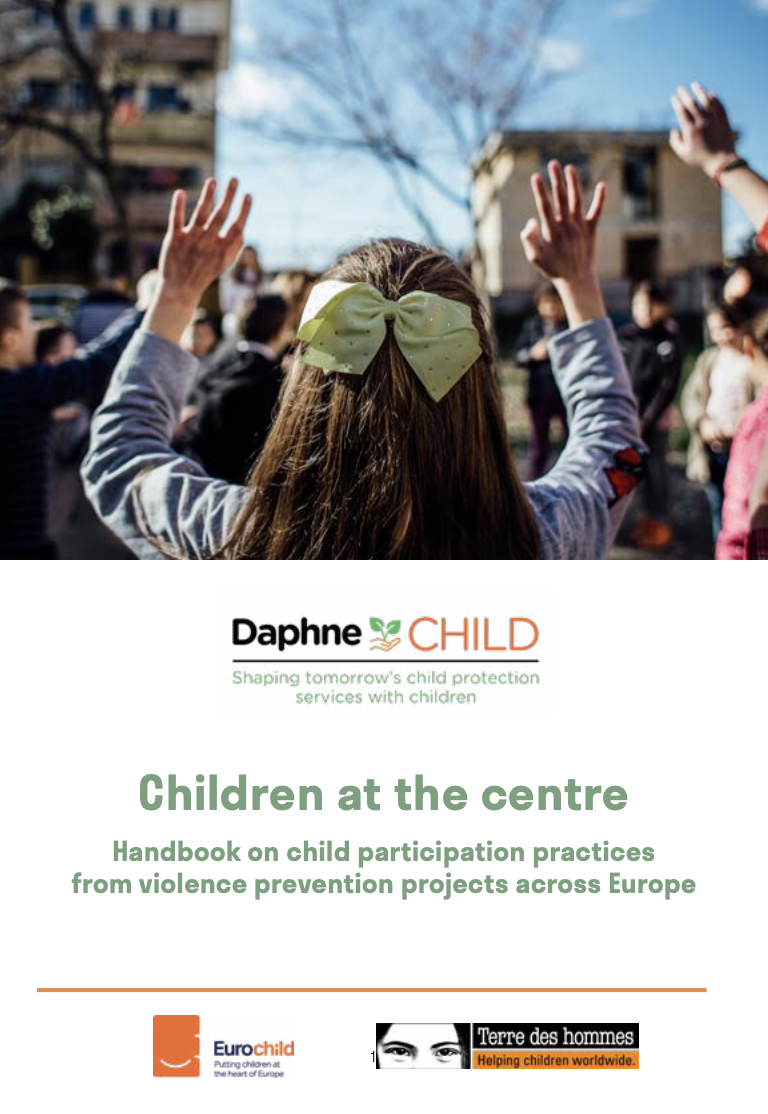
Children at the Centre - Handbook on Child Participation Practices from Violence Prevention Projects Across Europe
This handbook documents how 48 civil society organisations across nine European countries involve children meaningfully in violence prevention work. Produced by Eurochild and Terre des hommes as part of the EU-funded Daphne-CHILD programme, it presents a project-by-project overview of child participation practices, covering approaches such as co-design, peer education, child-led research, arts-based methods, advocacy, and digital tools.
| | | | |
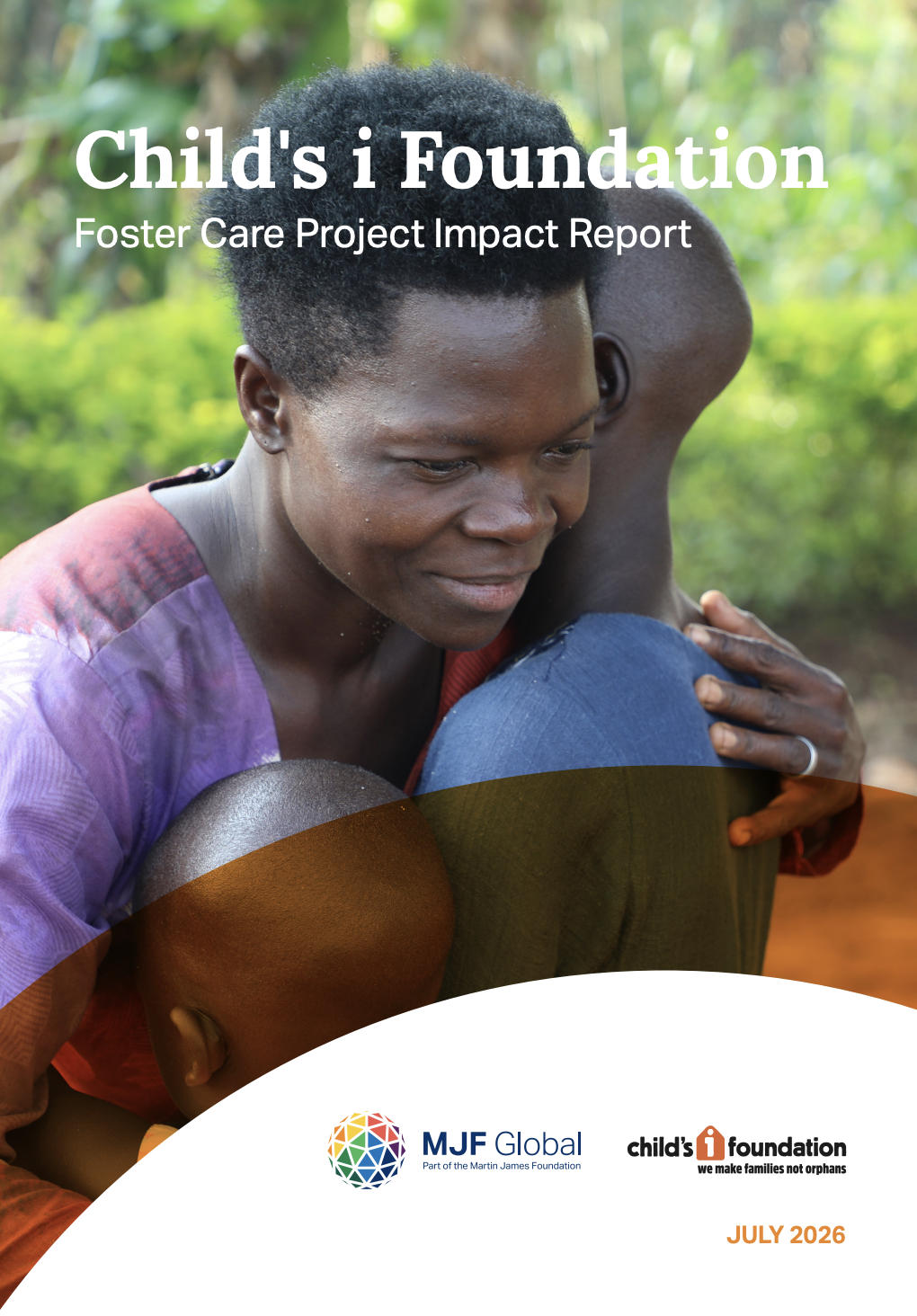
Child’s i Foundation – Foster Care Project Impact Report
Over three years, MJF Global partnered with Child’s i Foundation to strengthen foster care and family-based care systems in Uganda. This report explores the impact, challenges and lessons that emerged from the partnership, highlighting Child’s i’s community-led approach to family strengthening, foster care, reunification and collaboration with government systems.
| | | | |
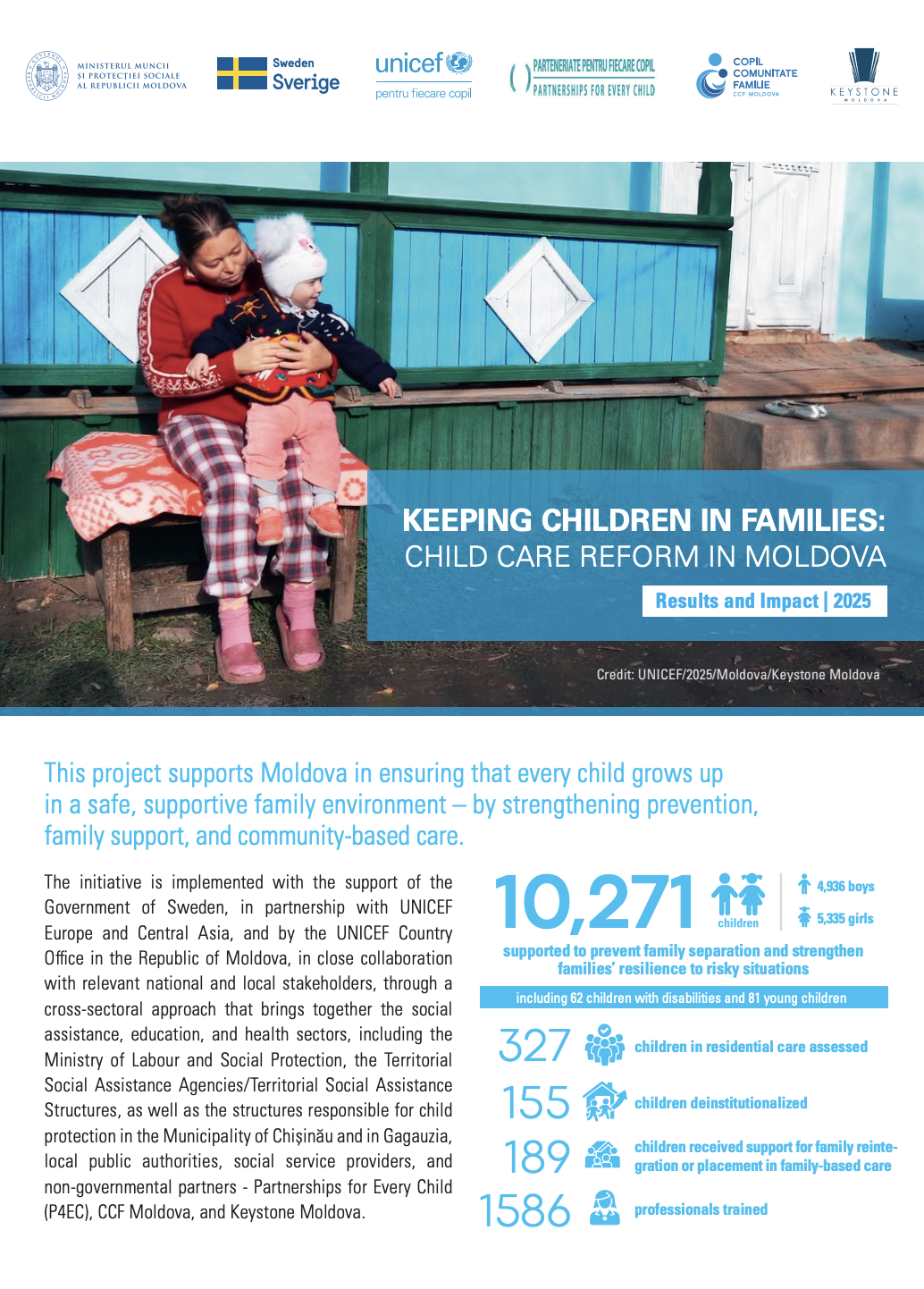
Keeping Children in Families: Child Care Reform in Moldova
This project brief describes the results of the Child Care Reforms Project, focused on ensuring that every child grows up in a safe, supportive family environment – by strengthening prevention, family support, and community-based care in Moldova.
| | | | |
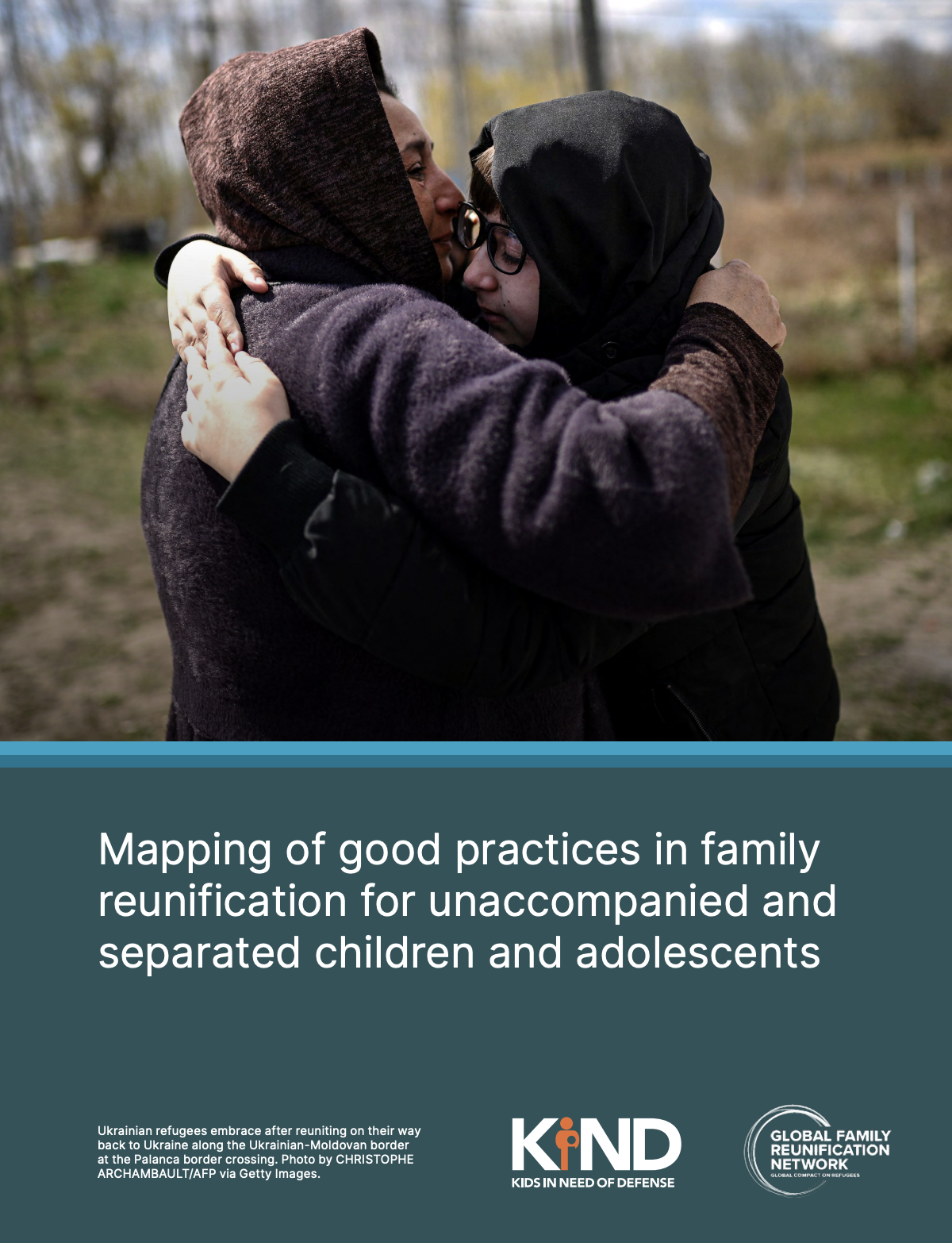
Good Practices in Family Reunification for Unaccompanied and Separated Children and Adolescents
This mapping aims to highlight promising laws, policies and practices relevant to family reunification for unaccompanied and separated refugee children and other children in need of international protection. The mapping aims to raise awareness of current legal, administrative, and programmatic barriers as well as highlight a range of promising practices that enable unaccompanied and separated children to reunite with parents or other caregivers across borders.
| | | | |
Global Programme Framework for Children on the Move
UNICEF’s Global Programme Framework for Children on the Move sets out the organization’s renewed priorities and guiding principles for protecting, including and empowering children affected by migration and displacement worldwide.
Grounded in child rights and informed by experience from the field, the Framework updates UNICEF’s 2017 guidance to reflect today’s global realities and strengthen collective action across regions and country offices.
| | | | |
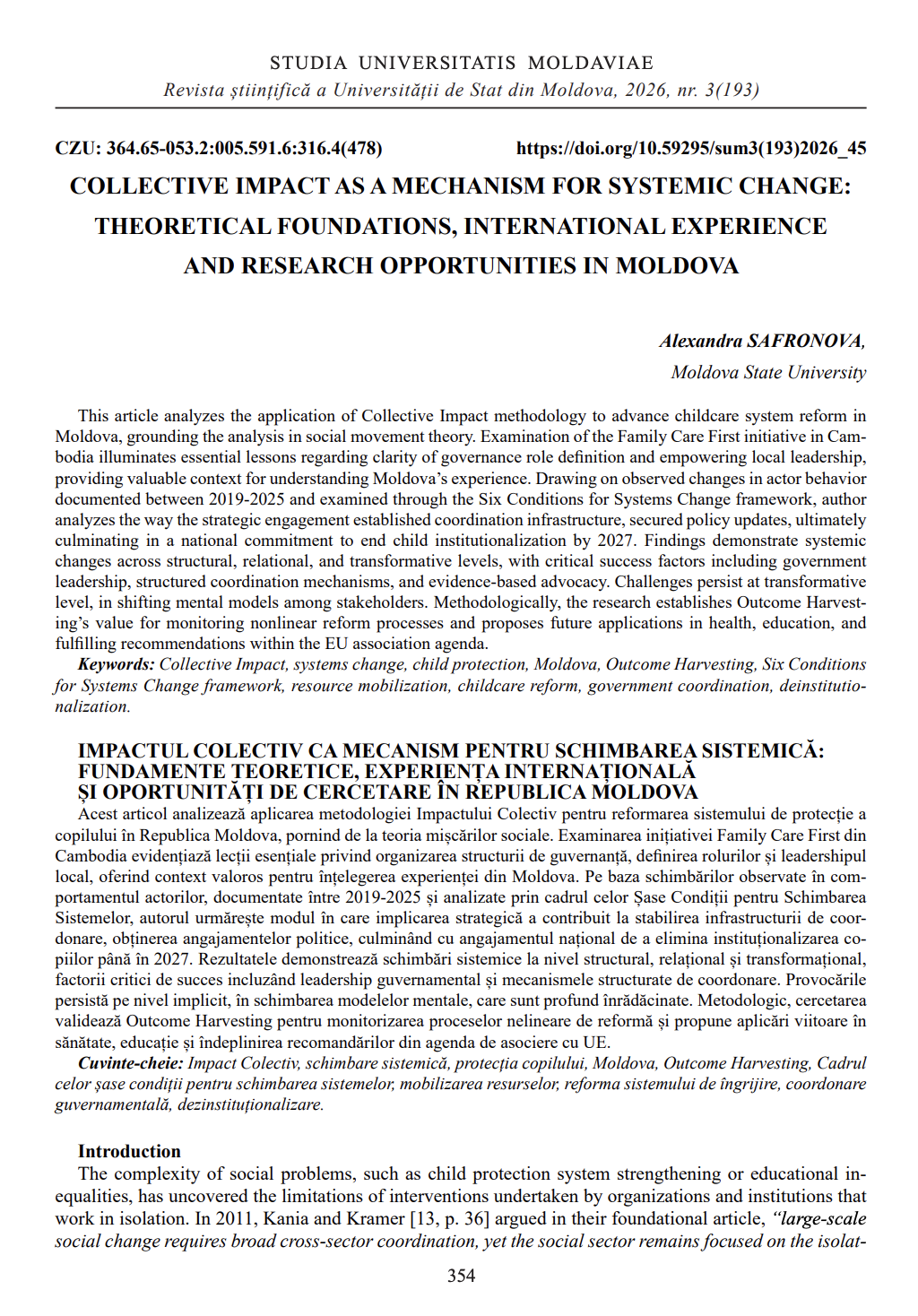
Collective Impact as a Mechanism for Systemic Change: Theoretical Foundations, International Experience, and Research Opportunities in Moldova
This article examines how the Collective Impact methodology has supported childcare system reform in Moldova, using the Family Care First initiative in Cambodia as a comparative example to identify key lessons on governance, coordination, and local leadership. It highlights how strategic collaboration, policy advocacy, and evidence-based approaches contributed to Moldova’s commitment to ending child institutionalization by 2027, while identifying ongoing challenges in shifting stakeholder mindsets.
| | | | |
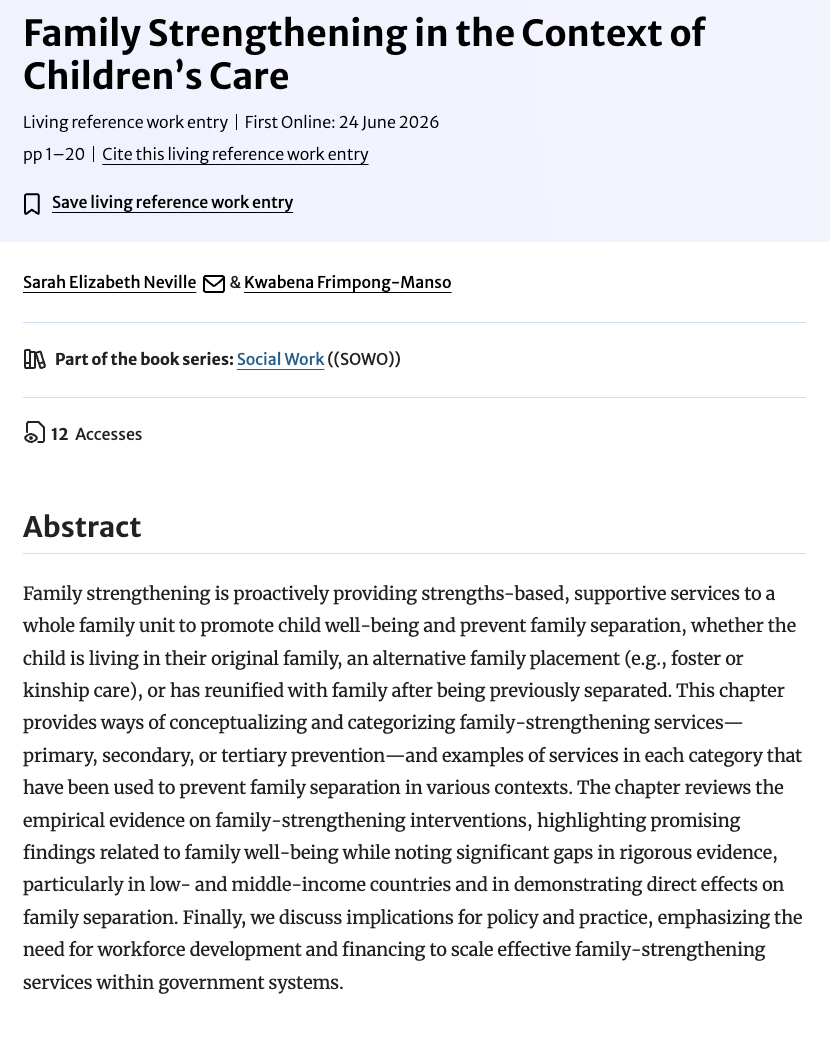
Family Strengthening in the Context of Children’s Care
This chapter explores family strengthening as a preventive approach to promote child well-being and reduce the risk of family separation, outlining key service categories across primary, secondary, and tertiary prevention. It reviews existing evidence on such interventions, noting promising impacts on family well-being alongside significant gaps—especially in low- and middle-income contexts—and emphasizes the need for stronger workforce capacity and sustainable financing to scale effective services within government systems.
| | | | |
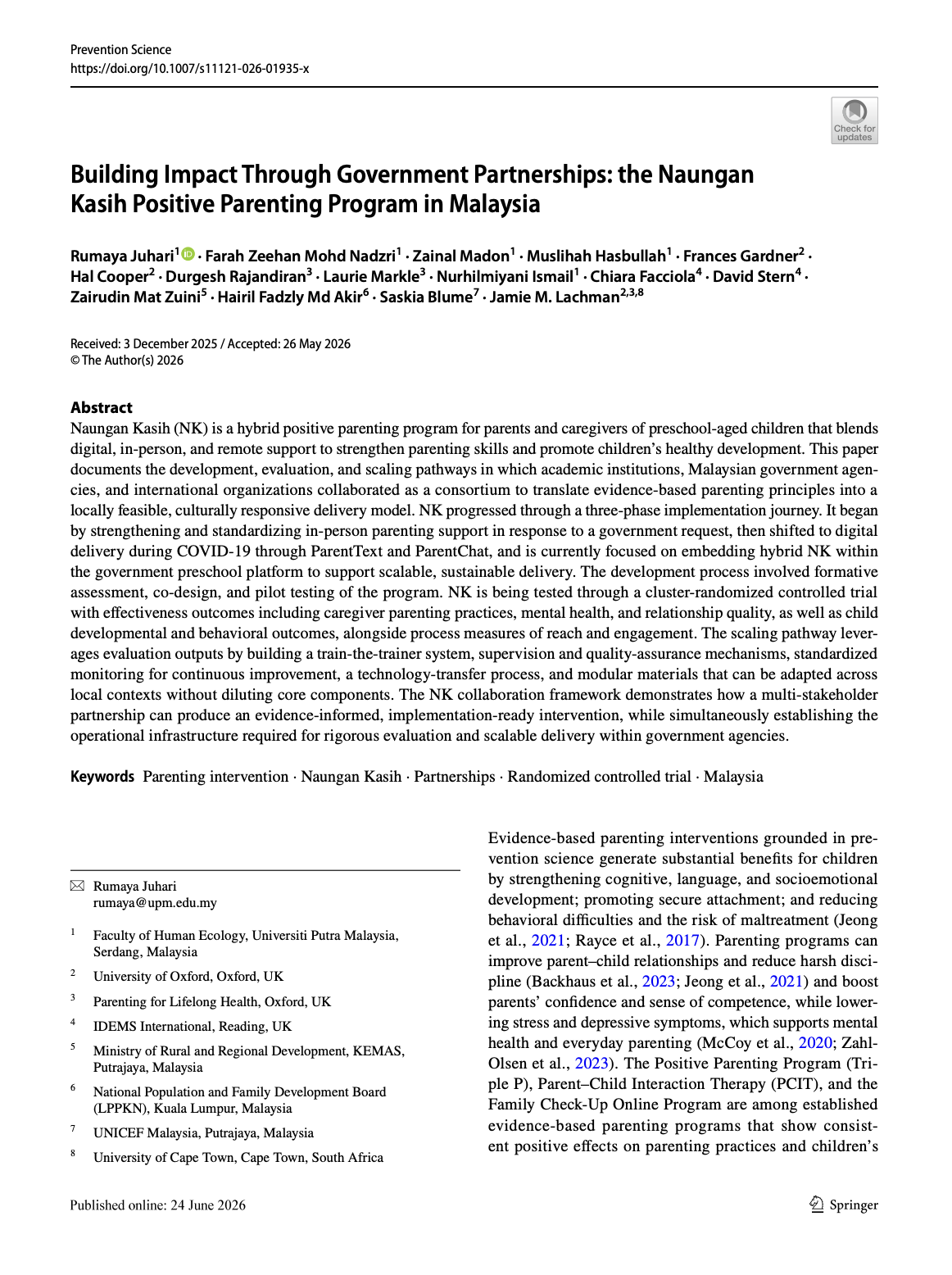
Building Impact Through Government Partnerships: The Naungan Kasih Positive Parenting Program in Malaysia
Naungan Kasih (NK) is a hybrid positive parenting program for parents and caregivers of preschool-aged children that blends digital, in-person, and remote support to strengthen parenting skills and promote children’s healthy development. This paper documents the development, evaluation, and scaling pathways in which academic institutions, Malaysian government agencies, and international organizations collaborated as a consortium to translate evidence-based parenting principles into a locally feasible, culturally responsive delivery model.
| | | | |
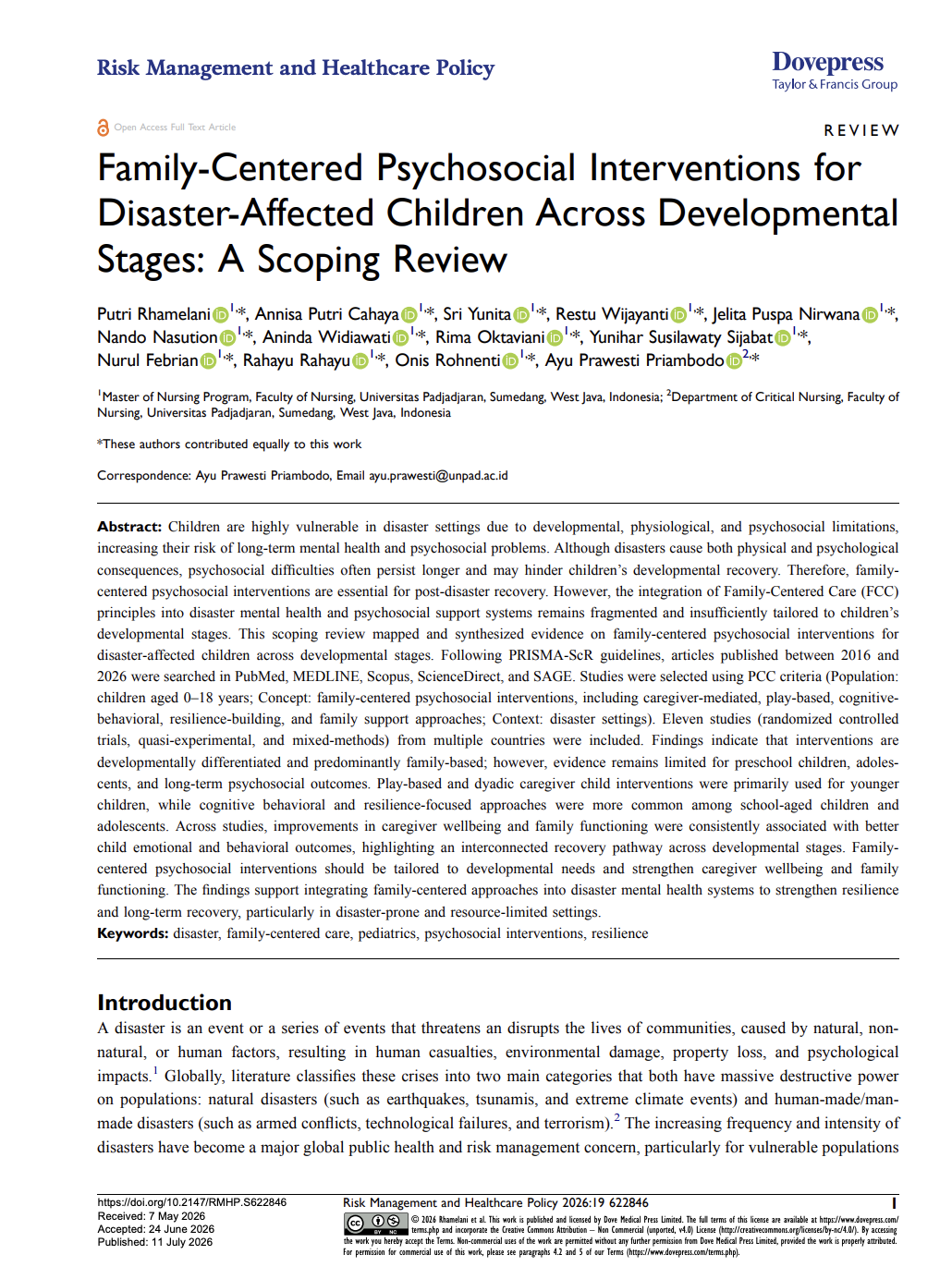
Family-Centered Psychosocial Interventions for Disaster-Affected Children Across Developmental Stages: A Scoping Review
This scoping review examines family-centered psychosocial interventions that support children affected by disasters, highlighting how caregiver well-being, family functioning, and developmentally appropriate approaches contribute to children’s recovery and resilience. It finds that while interventions show promise, evidence gaps remain for certain age groups and long-term outcomes, emphasizing the need to integrate family-centered approaches into disaster mental health systems.
| | | | |
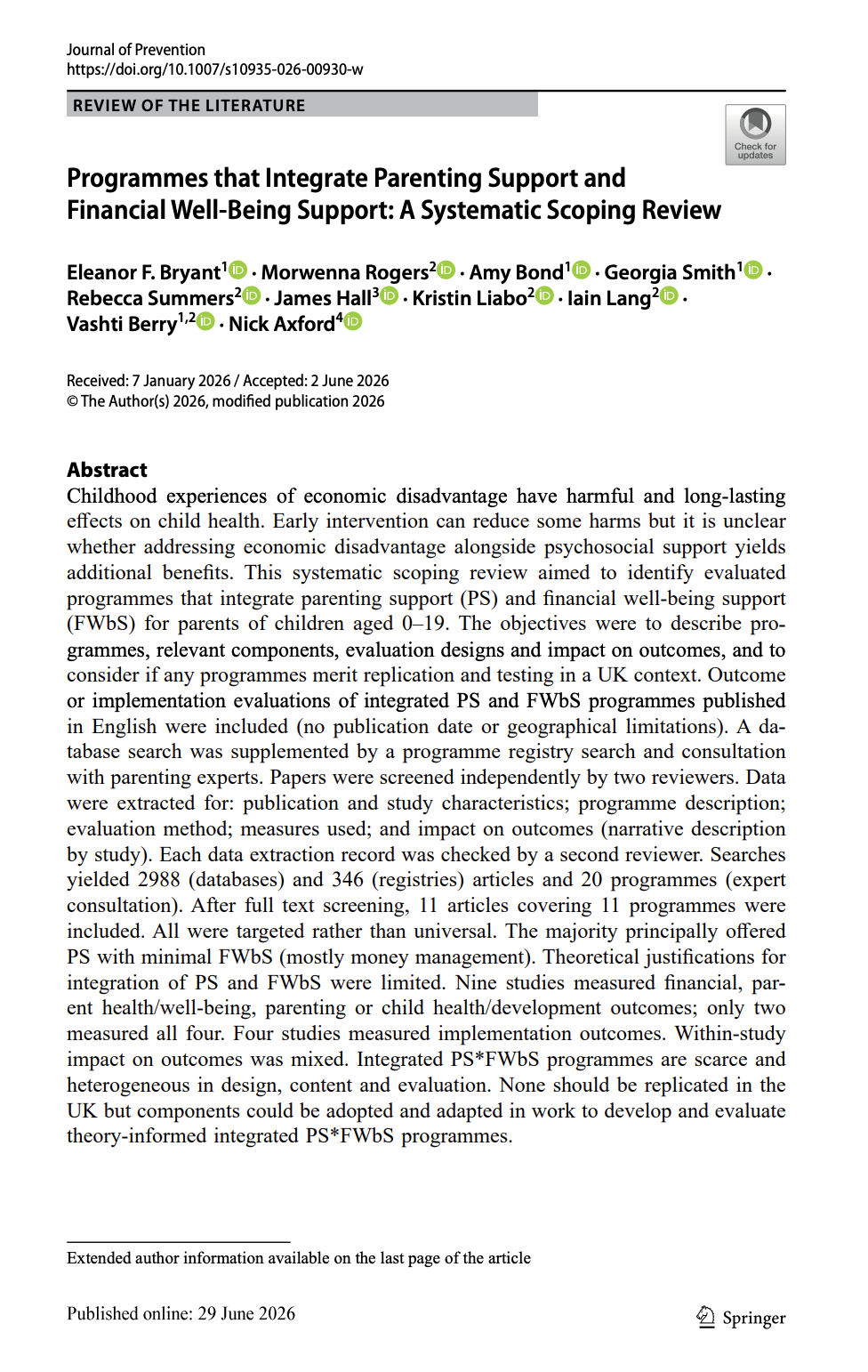
Programmes that Integrate Parenting Support and Financial Well-Being Support: A Systematic Scoping Review
This systematic scoping review examines programmes that integrate parenting support and financial well-being support for families with children aged 0–19 in the UK. It explores programme models, evaluation approaches, and evidence on their effectiveness in addressing child and family outcomes.
| | | | |
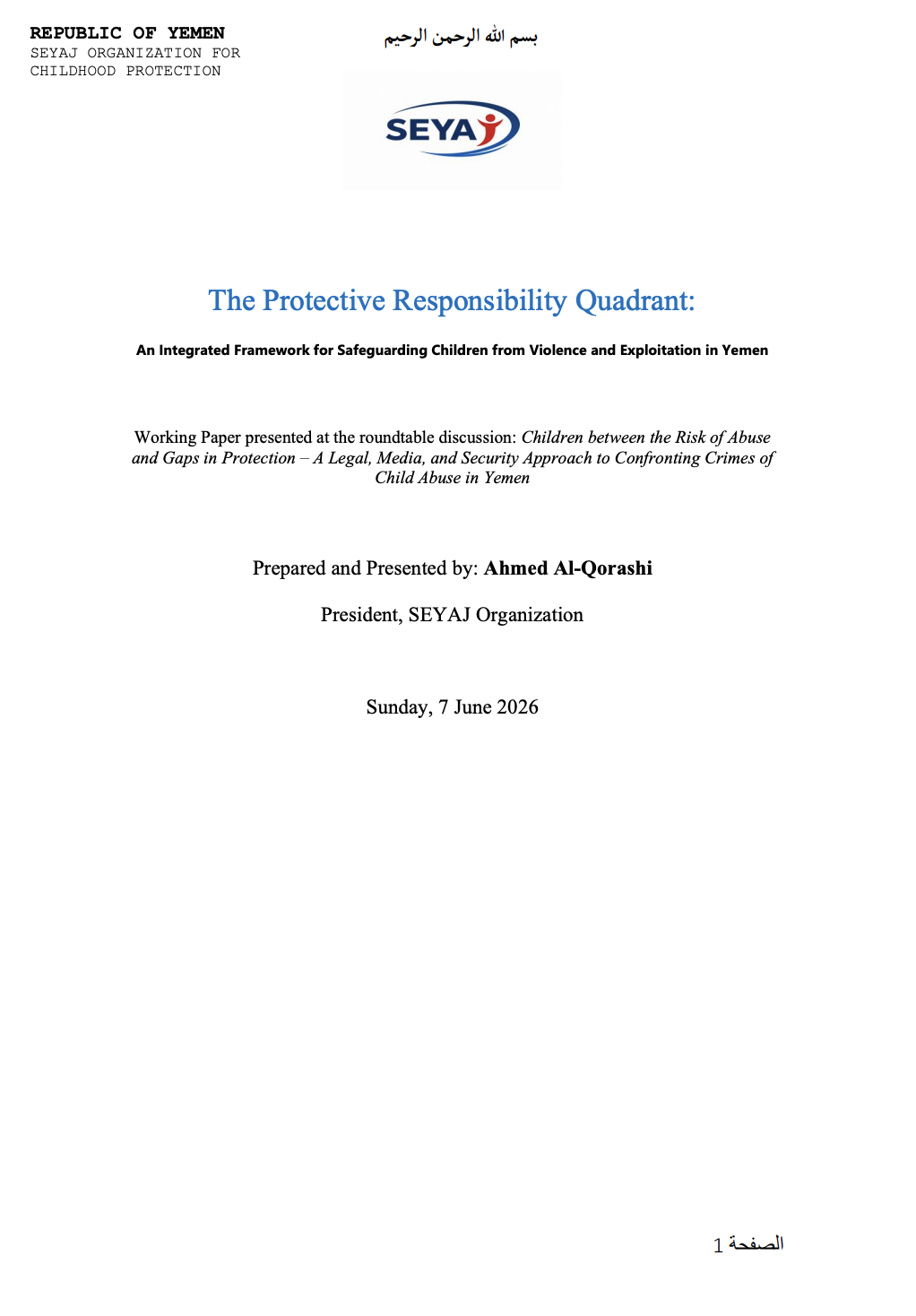
The Protective Responsibility Quadrant: An Integrated Framework for Safeguarding Children from Violence and Exploitation in Yemen
This paper outlines the practical experience of SEYAJ in implementing the "Protection Square" approach, which establishes an integrated framework for child safety by aligning the roles of families, local communities, educational institutions, and regulatory bodies. SEYAJ developed this model as a proactive strategy to strengthen protection mechanisms in high-risk environments.
| | | | |
We would love to learn more about your work as a practitioner so that your local, national and/or regional lessons and experiences in the field can be shared with other practitioners.
| | | | |
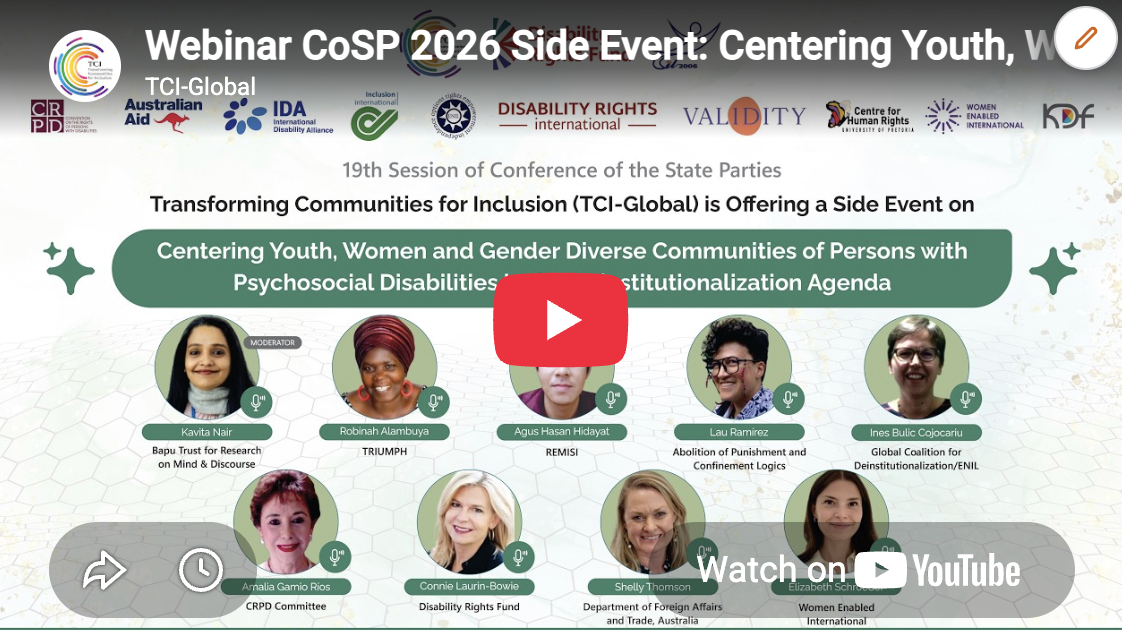
Centering Youth, Women, and Gender Diverse Communities of Persons with Psychosocial Disabilities in the Deinstitutionalization Agenda
This COSP19 side event brought together allied movements and multiple stakeholders, including state parties, multilateral agencies, donors, and human rights organizations, to take stock of the situation, explore the status of the current deinstitutionalization agenda, and collectively take action for the inclusion of intersectional groups.
| | | | |
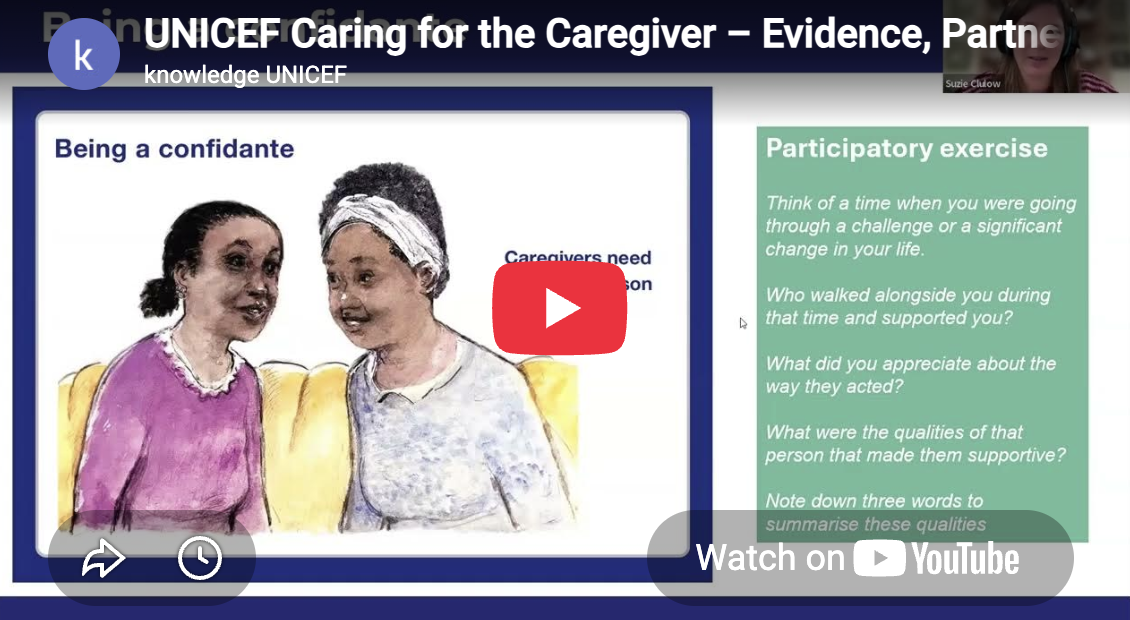
UNICEF Caring for the Caregiver – Evidence, Partnerships and Priorities
This third webinar in the Caring for the Caregiver webinar series, held on 18 June 2026, focused on considerations for the future, including UNICEF implementation vision, policy maker evidence needs and ensuring equity in partnerships and a priority setting session.
| | | | |
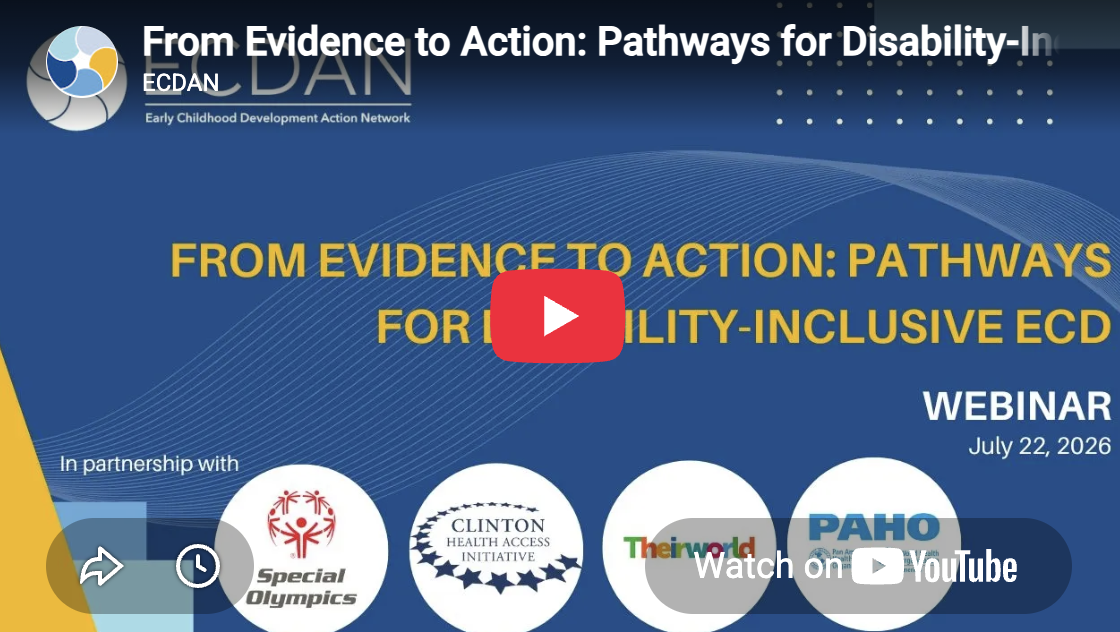
From Evidence to Action: Pathways for Disability-Inclusive ECD
This webinar unpacked effective multisectoral approaches to ECD for children with disabilities and the caregivers who support them, highlighted initiatives and resources from partners in the field, and presented scalable solutions to implementing partners and governments.
| | | | |
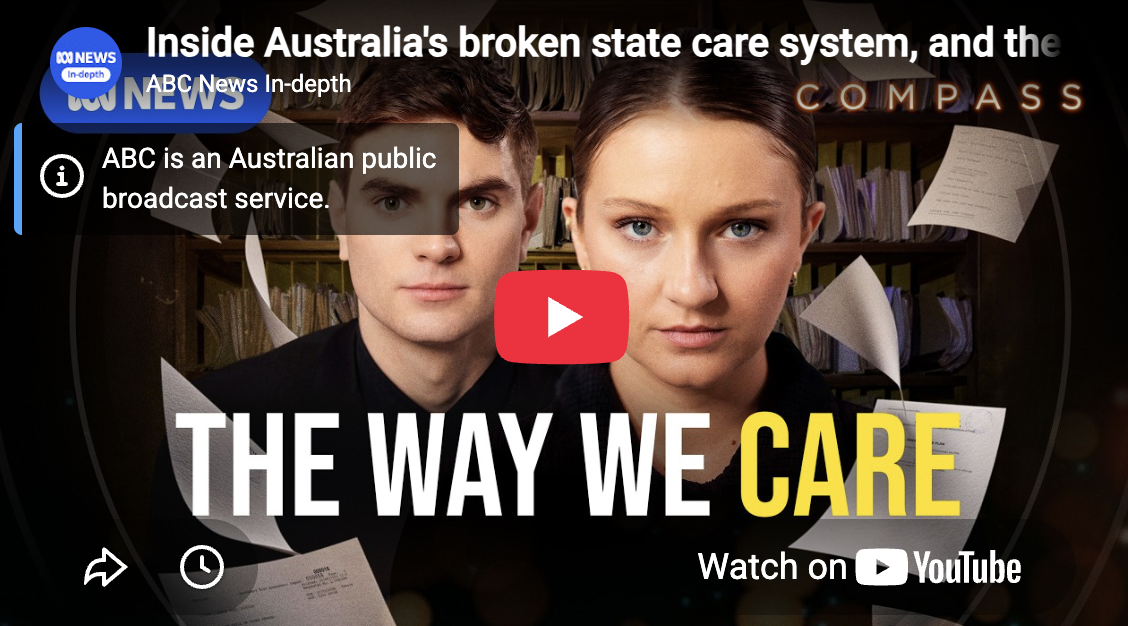
The Way We Care
The Way We Care follows Emily and Lachlan, whose lives have been shaped by out-of-home care, as they work alongside an emerging community of carers, practitioners and advocates who dare to imagine a different future. Through lived experience, relational practice and community leadership, the documentary explores what becomes possible when connection, relationships and belonging are placed at the heart of how we care for children.
| | Deadline: 30 September2026 | | | Deadline: 15 October 2026 | | | Deadline: 27 November 2026 | | | 6 July to 21 December 2026 | | | |
Newsletter participants, currently 3,375 in total, work on issues related to the care and support of vulnerable children across Europe, Africa, the Middle East, Asia and the Americas. The purpose of the newsletter is to enable members to exchange information on matters of mutual concern. If you would like to share a document, raise a specific issue, request a newsletter subscription, or reach out in any other way to the Network, please send the information to us at contact@bettercarenetwork.org or visit our website at www.bettercarenetwork.org.
Thank you!
| | | | |