Please read on to learn about our latest resources and news, as well as other resources and news from around the field. | | Join Us for Our Upcoming Virtual Events! | | |
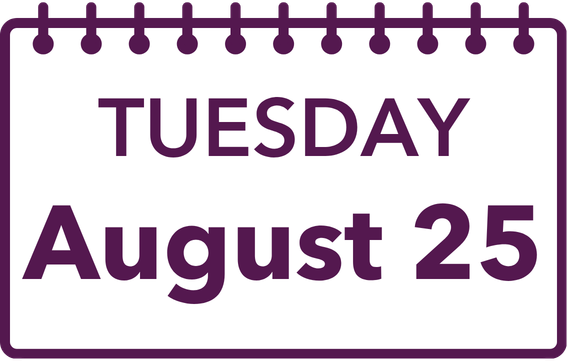
Office Hours – Federal Nutrition Programs & Kinship/Grandfamilies Series: WIC and CACFP
2:00 p.m. – 2:45 p.m. ET
Bring your questions! Clarissa Hayes, Deputy Director, Child Nutrition Programs & Policy at the Food Research & Action Center (FRAC, the Network’s subject matter expert organization for nutrition), will provide information on the Child and Adult Care Food Program (CACFP), which can be used to provide meals and snacks at child care centers and family child care homes. Susan Beaudoin, FRAC’s Senior Program Manager, WIC, will discuss the Special Supplemental Nutrition Program for Women, Infants, and Children (WIC), which caregivers can use to provide healthy foods and other services for the infants and children under age five in their care.
| | |
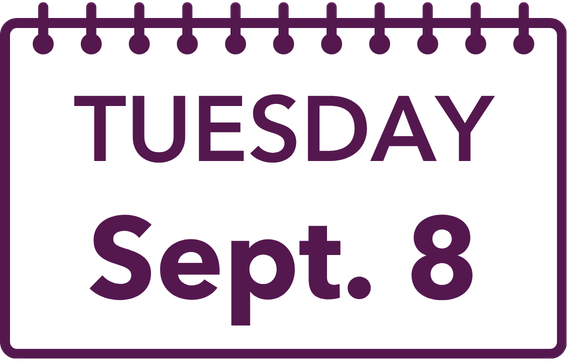
Kinship Care: What the Research Tells Us
2:00 p.m. – 3:30 p.m. ET
In keeping with our practice, the webinar will be one hour, followed immediately by an open Q&A session that will last for half an hour.
Join Chapin Hall and Generations United and its Grandfamilies & Kinship Support Network for the first in a two-part series exploring kinship care— both within foster care and outside of that system.
During this webinar, Dr. Claire Kimberly of Chapin Hall, Network Subject Matter Expert Dr. Tyreasa Washington, and Jaia Lent of Generations United will walk through what the research actually shows about placing children with kin rather than with caregivers who do not already share their family, culture, and community connections. That evidence is a major reason there has been a federal preference for placing children with relatives for almost thirty years, why states have built on that preference in their own laws, and why the movement toward kin-first child welfare agencies continues to gain momentum. But the research varies in quality — some of it is well-established, some of it is still debated, and some areas remain genuinely limited. We will walk through all three, honestly, so you leave with an accurate picture of what we know and do not yet know.
This webinar will set the stage for an October 27 webinar exploring policy and programmatic innovations in support of all forms of kinship care.
| |
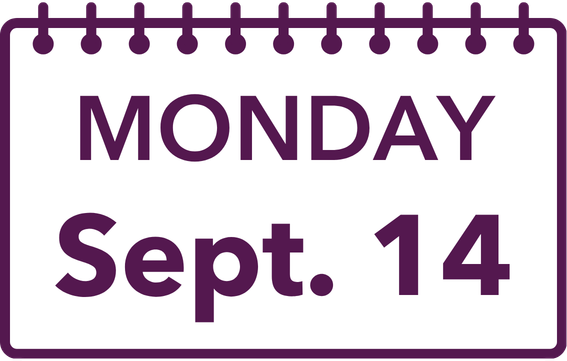
Webinar – How Washington State Is Reshaping Kin Search and Engagement
2:00 p.m. – 3:30 p.m. ET
In keeping with our practice, the webinar will be one hour, followed immediately by an open Q&A session that will last for half an hour.
Join us for a conversation with Geene Delaplane and Chelsea Griffin of Washington’s Department of Children, Youth, and Families (DCYF), who have been leading the state’s efforts to strengthen support for kin caregivers involved in the child welfare system. They’ll walk through how DCYF has reshaped its approach to kin search and engagement — finding and connecting with relatives early so more children can stay with family — along with the kinship trainings they’ve developed for staff. You’ll leave with a practical view of how they’ve improved their state’s kin-first child welfare practices and ideas you can bring to your own work.
| |
Get Ready for National Kinship Care Month in September
We’ve prepared a toolkit to help with outreach! It includes language and graphics that you can use and adapt to help raise awareness about kinship families and the supports available to them in your community and around the country.
| | What's New From the Network? | |
Strengthening Kinship Support Through Area Agencies on Aging
This piece, prepared by our partners at USAging, uses data collected from their 2025 nationally representative survey of Area Agencies on Aging (AAAs) to summarize the types of services AAAs offer to kinship families and their top challenges in doing so. It also highlights how the Network can help AAAs and other organizations tackle these challenges, create new services for kin caregivers, expand and enhance existing services, and expand cross-system collaboration to reduce silos in care.
| |
Judicial Checklist: Protecting Kin Relationships, Tribal Connections, and Cultural Identity in ICWA Cases
This checklist is intended to support judges in complying with the Indian Child Welfare Act (ICWA), as a companion resource to Representing Indian Children: What Judges and Attorneys Should Know About ICWA, Kinship, and Native Culture. It provides judicial questions and considerations that promote both legal compliance and better outcomes for Indian children and families.
A complementary attorney practice guide will be available soon and will be featured in next month’s newsletter.
| | Our resource library now contains over 145 practical tools and materials! To help you find exactly what you're looking for, the resource library includes both an open search field and an option to search by topic, and we remain available to answer your questions. | | |
It's back-to-school season - and an average of 15 students raised by kin caregivers can be found in each K-12 public school around the U.S.! We can all help these students and their caregivers feel welcome at school. Check out this LinkedIn post to learn how. | | Individual Assistance Spotlight | | | | The Network is responding free of charge to individual technical assistance (TA) requests from professionals who work in systems and organizations that serve kinship/grandfamilies. To request assistance on the array of issues impacting kinship/grandfamilies, please complete our request assistance form. | | |
We answer questions and respond to requests of all sizes. Some questions focus on a very specific topic and/or location, while others are much broader. Below, we share an example TA request and response. As is typical for this spotlight, the request below only required an email response. Many of our requests benefit from more intensive involvement from our TA team. We often host meetings with peers or other subject matter experts; review data and policies; and provide specific guidance to help enhance programs, implement policies, or otherwise improve services for kin.
Request
We would like some assistance with adequately assessing the needs of kin caregivers in our community.
Response
This resource on Assessing Community Needs can help you determine what supports and services are generally needed among kin caregivers in your community. Additionally, here are a few examples of state/Tribal assessment tools to help you assess kin caregivers’ individual needs.
To make an individual request, please complete this form and we will get in touch.
| | |
After seeing the offer of technical assistance in this newsletter, Maria Gagnon, the executive director of the New England Association of Child Welfare Commissioners and Directors, decided to reach out to the Network. When she connected with Network Director Ana Beltran, she found answers, a thought partner, and a trusted collaborator.
“Ana helped us avoid reinventing the wheel. She brought proven tools, practical guidance, and a national perspective that accelerated our work tremendously.”
Maria Gagnon
| | Presentations by the Network | |
Network Director Ana Beltran is honored to have been invited to participate on a panel at the Council of State Governments (CSG) South’s upcoming Policy Masterclass on Child Welfare in Shepherdstown, West Virginia. On September 2, Ana will join Rita Soronen, President & CEO of The Dave Thomas Foundation for Adoption, and West Virginia Delegate Adam Burkhammer, to discuss permanency pathways for kinship families.
Ana was also thrilled to accept an invitation from Binti CEO Felicia Curcuru and Director of Sales Adrienne Greenberg to participate in a September 30 panel discussion, “Connected Systems for Driving Permanency: Licensing, Kinship, Closed-Loop Referrals,” at the American Public Human Services Association (APHSA), IT Solutions Management for Human Services (ISM) Education Conference & Expo in Spokane, Washington.
| What's New Around the Network? | |
Upcoming Webinars
- Kristen Kiefer, Kylee Kern, and Robyn Wind, all from Generations United
- Caitlyn Guidice from Parc Center for Disabilities in Florida, which has earned the Network’s Exemplary practice designation for its Caregiver Relief Services respite practice
- Arcelia Armstrong from the Kinship Navigator Program – Area Office on Aging of Northwestern Ohio (AOoA), which has earned the Network’s Exemplary program designation
- Rosalyn Alber and Amanda Krotke from Washington State Kinship Program Services, which has earned the Network’s Exemplary program designation
| |
Notable Funding Opportunities
(listed in order of application deadline)
| | |
The U.S. Administration for Children and Families is accepting applications to its Fingerprinting Infrastructure Modernization for Child Welfare grant. Applications are due by Monday, August 31.
The Inform USA Grant Program is designed to support organizations and professionals within the Community Navigation sector by offering grants to further their growth, education, and innovative projects. Applications are due by Monday, August 31.
The Bolger Foundation provides grants to support capital projects. The application deadline is Tuesday, September 1, at 5:00 p.m. ET. Grant applications will be capped at 500.
Target’s Community Engagement Funds (CEF) is a community grant program that empowers Target stores and distribution center leaders to make meaningful, localized giving decisions that meet the needs of their communities. The next application deadline is Friday, September 4.
The American Public Human Services Association and No Kid Hungry are accepting applications to the third cohort of Coordinating SNAP & Nutrition Supports (CSNS). The application deadline is Wednesday, September 30.
The American Psychological Foundation’s Trauma Psychology Grant offers funding to support innovative work to alleviate trauma. The application deadline is Friday, October 9.
| | |
|
Our latest blog from Subject Matter Expert Steven Olender is a timely piece on a new proposed rule that could be particularly relevant to kinship families. Head Start is one of relatively few federal programs where children in foster care and children receiving Temporary Assistance for Needy Families (TANF) child-only grants are categorically eligible, regardless of family income. That status does not change under this proposal, but the broader reorganization of the program’s standards and operating procedures would have meaningful effects on many kinship families. Kinship families and the programs that serve them may want to follow how this proposal develops in the months ahead and contribute their unique experience and expertise to the discourse around these proposed changes.
August 17, 2026, The Imprint
This opinion piece, written by Network Subject Matter Expert Marina Nitze, discusses both kin-specific foster licensing standards and general foster caregiving licensing standards. It notes, “The kin-specific model licensing standards and the upcoming revisions to the foster caregiver licensing standards were designed with agencies, safety experts, and families to ensure every child in foster care can live safely with families without being blocked by overly strict edicts.”
August 13, 2026, 1819 News
Keith Lowhorne is the chair of the Federal Advisory Council on Supporting Grandparents Raising Grandchildren and a Generations United GRAND Voice caregiver advocate. This piece brings attention to the work of the Advisory Council and to the millions of kinship families in this country. Network Director Ana Beltran is honored to serve on the Council with Keith.
August 11, 2026, The Imprint
The draft Uniform State Indian Child Welfare Act created by the Uniform Law Commission, in consultation with Tribal leaders, child welfare professionals, and other advisors, is intended to serve as a guide for states that do not yet have state-based Indian Child Welfare Act (ICWA) laws. The goal is to help states build on the provisions of the federal ICWA by providing details and clarity, sharing best practices, and strengthening requirements.
August 3, 2026
The Administration for Children and Families (ACF), within the U.S. Department of Health and Human Services, in partnership with the U.S. Department of the Treasury, has released an updated set of Frequently Asked Questions (FAQs) to help states, territories, and Tribes establish and administer Fostering the Future Accounts.
July 23, 2026
The National Fostering the Future Accounts Advancement Center will provide technical assistance services to states, territories, and Tribes as they establish, contribute to, and maintain Fostering the Future Accounts.
July 15, 2026
The U.S. Administration for Children and Families (ACF) has announced that 30 states have now ended, or substantially reformed, the practice of diverting Social Security survivor benefits from foster youth. This action marks a major bipartisan milestone in protecting earned benefits for some of the nation’s most vulnerable children.
July 9, 2026, Boise State Public Radio
This segment features Tammy Creswell, a kin caregiver; Keith Mason, the CEO of the UnitedHealthcare Community Plan of Idaho; and Sheila Weaver, a program manager for the Idaho Caregiver Alliance. They are discussing their exciting work on the nation’s first statewide multisector plan for kinship, which came about as a result of Idaho’s participation in the Network’s Bridging Systems for Kinship Families initiative.
|
| |
Please follow the Grandfamilies & Kinship Support Network on LinkedIn here! |
|  |
All of our previous newsletters are linked on our website, so you can access them anytime. |
| Did you receive this newsletter as a forwarded email? You can sign up to get it in your inbox every month! | | |
The Grandfamilies & Kinship Support Network is the only national technical assistance center for those who serve grandfamilies and kinship families. It was created to help guide lasting, systemic reforms. The Network is a new way to collaborate, to work across jurisdictional and systemic boundaries, to eliminate silos, and to help one another and be helped in return. Thank you for being part of it.
We'd love to hear from you! Please send any feedback on this newsletter to mweiss@gu.org.
| | |
The Network is supported by the Administration for Community Living (ACL), U.S. Department of Health and Human Services (HHS) as part of a financial assistance award totaling $9,950,000 with 95 percentage funded by ACL/HHS and $523,684 and 5 percentage funded by non-government sources. The contents are those of the authors and do not necessarily represent the official views of, nor an endorsement, by ACL/HHS, or the U.S. Government.
|
| | | |