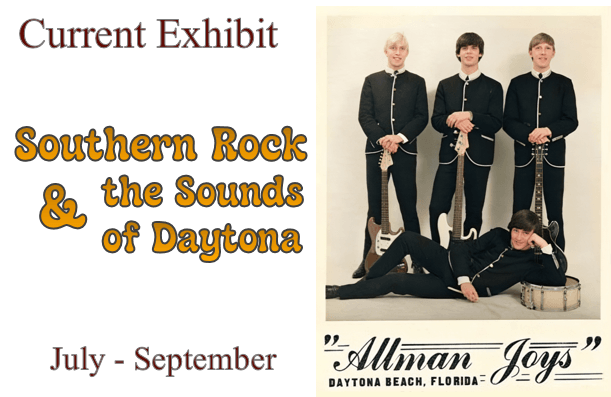
Our newest exhibit, Southern Rock & the Sounds of Daytona, has met with an enthusiastic response.


I had the honor of meeting local people who were an integral part of our Rock history, including a band member's wife. Many of you stopped in to share your memories of concerts, local bands, and the music venues that helped shape our community. It's a wonderful reminder that history isn't just found in artifacts, it's also in the stories we share.


If you haven't visited recently, I invite you to stop by and experience Southern Rock & the Sounds of Daytona. While here, explore the permanent exhibits spanning centuries of local history and discover something new about our community.


I would like to extend my appreciation to our incredible volunteers. Whether greeting visitors, assisting with exhibits, preserving our collections, or helping behind the scenes, their dedication makes everything we do possible.


Throughout our 150th anniversary year, we're highlighting milestones that shaped Daytona Beach's rich history. Here are August's featured facts:


August 4, 1872 Daytona's first school opened in a modest log structure near today's Beach and Live Oak Streets.


August 17, 1961 The Volusia County School Board unanimously voted to admit two African American girls to Volusia Avenue School, a milestone in the integration of Volusia County's public schools.


See you at the museum!

Not a Member? Join Today!

Nancy Saufl is July's Photo Contest Prize Winner!


The Answer:


Allman Brothers Band "Eat a Peach" 1972

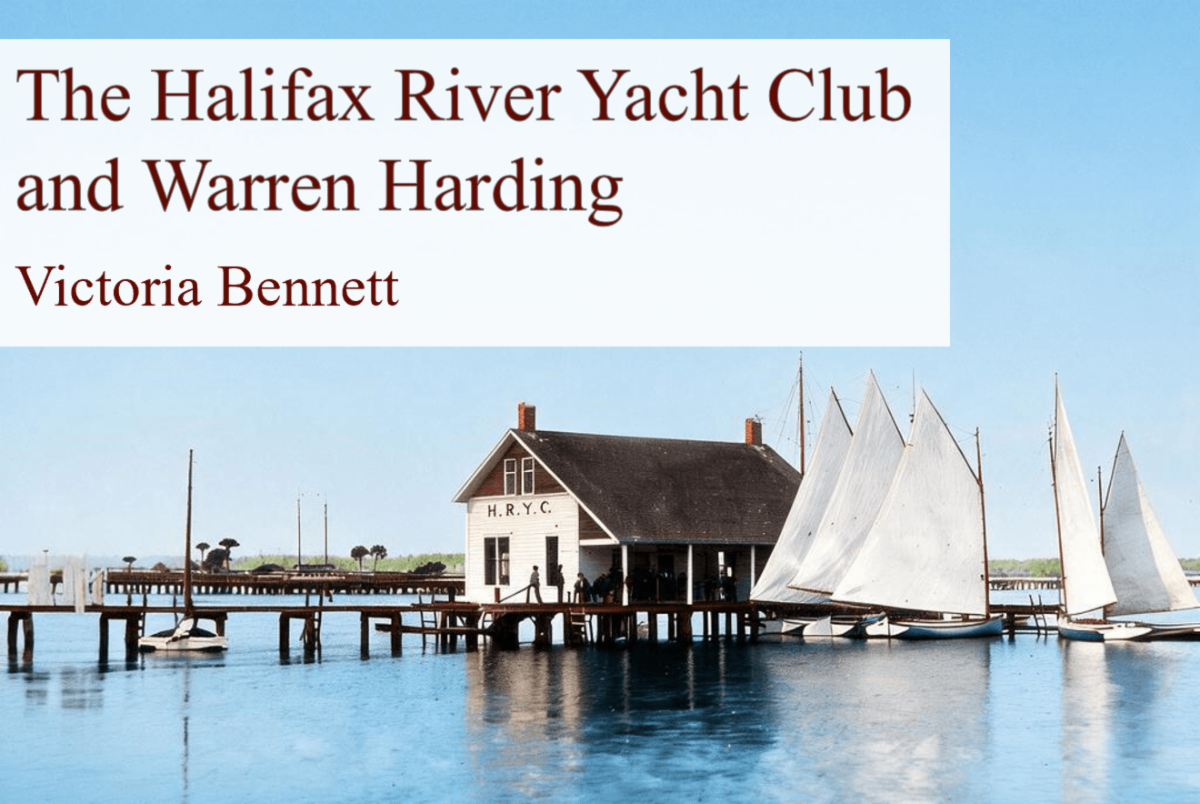
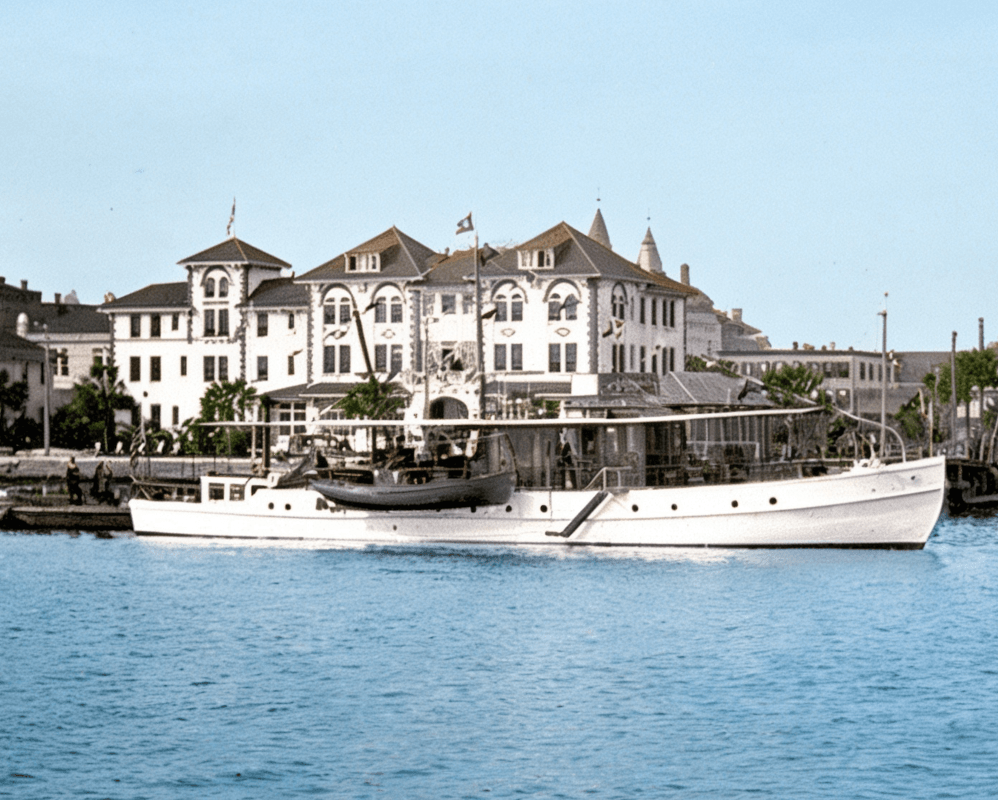
Harding loved to visit the Halifax River Yacht Club and is recorded to have been there the first year it opened in 1897. He was drawn to local waterways and enthusiastically took advantage of the club’s boating facilities.


The Halifax River Yacht Club is considered the oldest yacht club on the eastern seacoast still on its original site.


Laurence Thompson, a founding father of Daytona* and one of the Yacht Club’s original 13 members, gave permission in 1896 for a dock to be built on his property on Beach Street and granted riparian rights. The wharf was 8 feet wide and ran out 150 feet with a T-structure at the end for a cost of $225.


In February of 1897 the original clubhouse was about 25 by 40 feet with porches on the south and east sides and built by S. H. Gove for $1,367. Many expansions and renovations came over the next 130 years. Descendants of the Thompson family deeded the land to the Yacht Club in the 1960s.


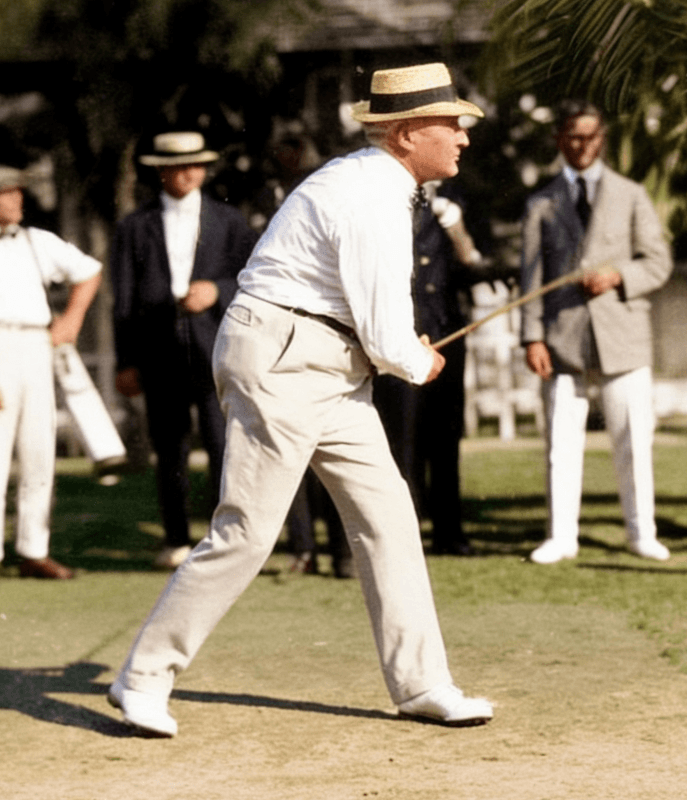
Daytona had much to offer a man like Harding. He is believed to be the best golfer to ever occupy the White House. He played a round of golf everywhere he went in Florida, including the courses in Daytona and Ormond. The Yacht Club offered him the opportunity to pursue other favorite activities like boating, fishing, and playing bridge while drinking and gambling. 

Harding Golfed Everywhere

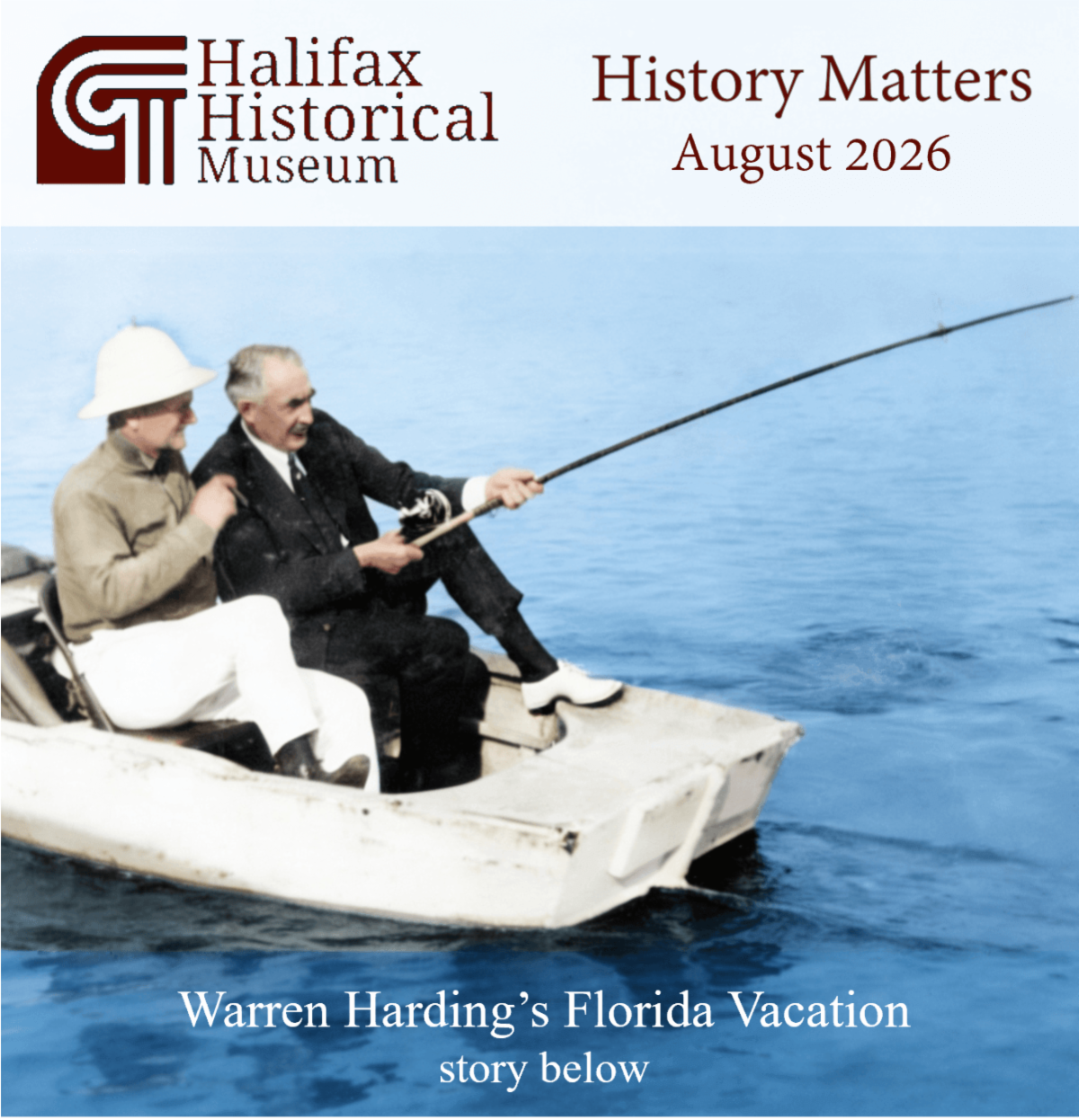
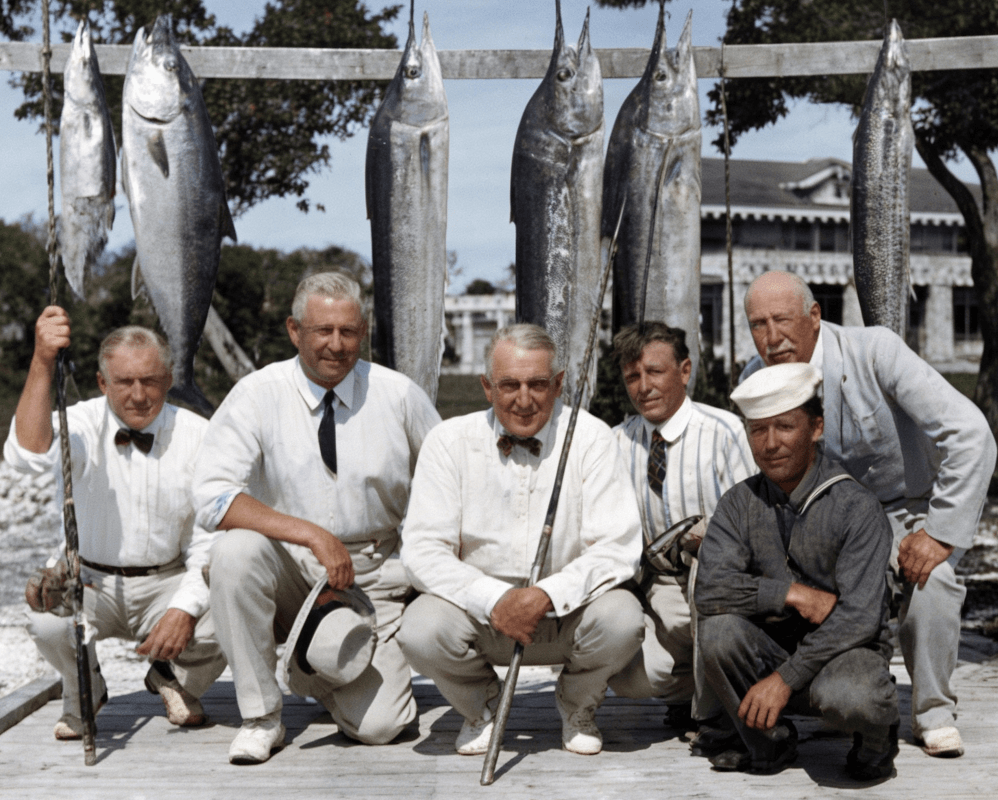
He Was Equally Fond of Fishing

As a pro-business politician he would have rubbed elbows with the wealthy tycoons of the day who frequented Daytona, like John D. Rockefeller, James Gamble and Charles Burgoyne, who became the fourth Commodore of the Yacht Club in 1899.


Burgoyne initiated dredging a 4.5-foot deep channel from the club’s dock into the natural river channel, sharing the cost, and generously helping out in other ways.


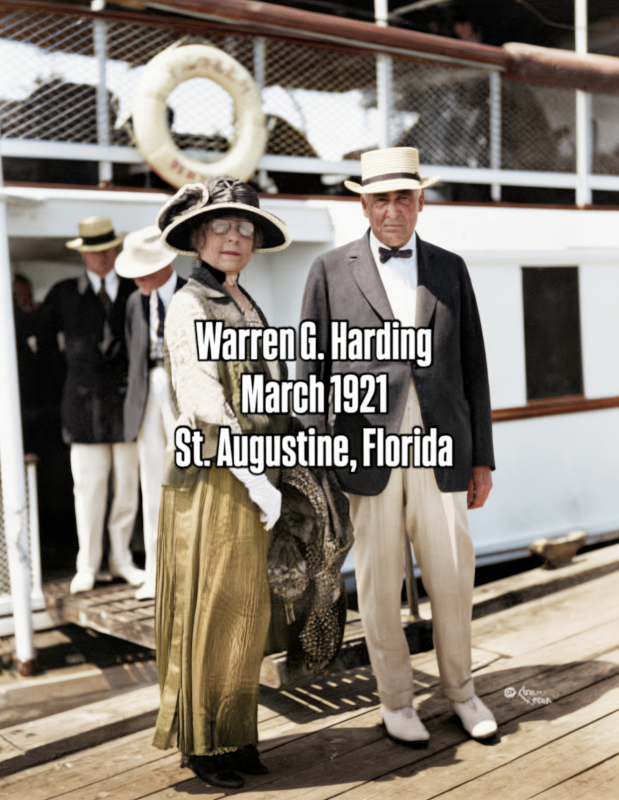
The Hardings embarked on what was meant to be a carefree cruise in January of 1921 between Harding's election and inauguration. His plan was to spend time fishing, boating, and playing golf in the warm Florida winter prior to buckling down to work. 


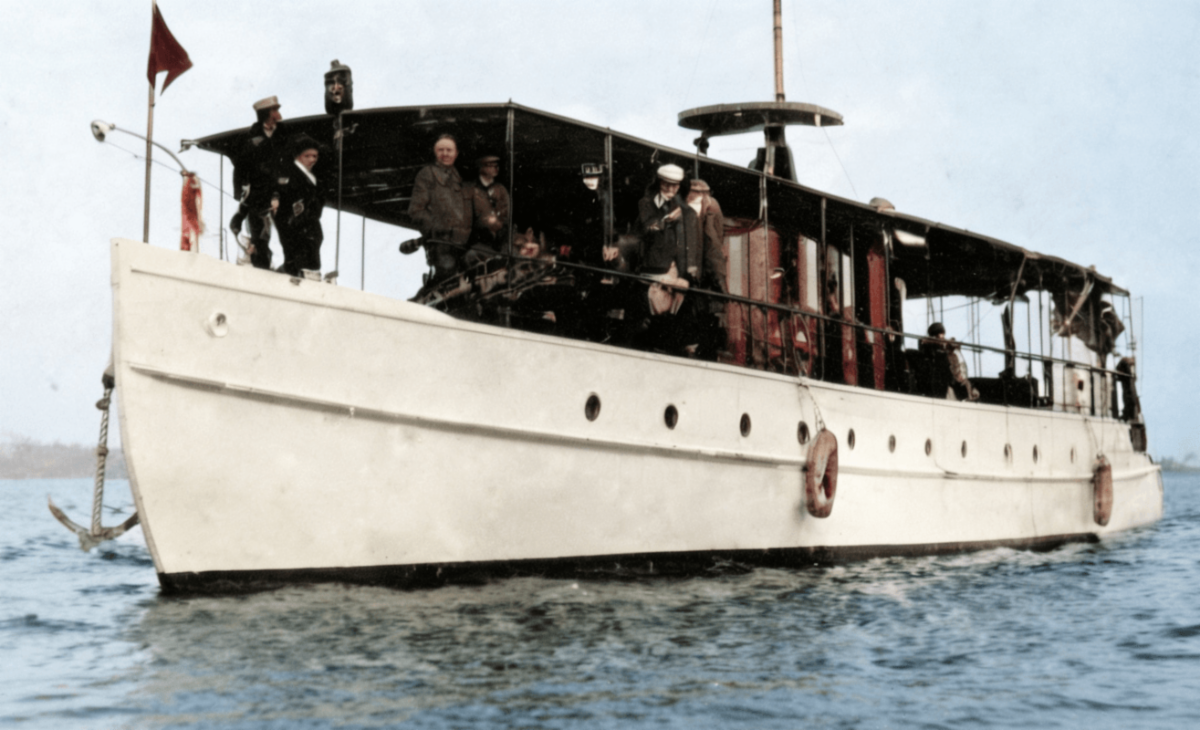
A large houseboat named the Victoria was loaded with politicians and other influential people, including Senator Frelinghuysen, who owned the 90-foot launch. The Victoria would leave St. Augustine and return after traveling down to Miami. This was supposed to take 12 days. The plan was ambitious, since the waterways hadn't been adequately dredged in those days. 

Houseboat Victoria in St. Augustine

Hardings Ready to Board

An incident occurred early on at the Ormond Bridge when the boat dug into a mud bank and blocked boat traffic, putting the stranded passengers on clear display. Harding was nonplussed and went ashore to play a round of golf while the boat was being pulled out. There was a similar incident in Palm Beach, where Harding again played golf to bide his time while the boat was being unstuck.


National newspapers began referring to Harding’s cruise as Stuck in the Mud.


The Victoria was scheduled to pass by the Yacht Club and Daytona's high officials were on the dock to greet the 29th president. But the Victoria didn’t show up. Florida citizens went out on their docks all along the route and tried unsuccessfully to catch a glimpse of the new president. The press began to call the cruise Hide and Seek. The frequent mishaps made it impossible for the boat to stick to its itinerary.


The most dramatic incident happened on the way back, in Mosquito Lagoon (now Ponce Inlet) where the boat dug into the mud so deeply that nothing would budge her. The prevailing thought was that high tide would allow for forward movement, but it was wrong, and the motor wedged the boat farther in and tilted her on the side. Small craft passed by but didn't see the stranded houseboat. When it turned dark passengers were forced to sleep on a lopsided boat.


In the morning resources were scarce and people were grumpy. A secret service agent was forced to paddle a leaky old wooden dingy to shore and find help. The passengers were rescued.


The trip was officially declared OVER, and Harding returned to St. Augustine on dry land via the Florida East Coast Railway. First he had to retrieve belongings from the houseboat and they were already behind schedule for the business portion of the trip.


Click here to read a dramatic account of this fiasco from the New York Times.  

Victoria Before Running Aground

Harding is sometimes listed as our worst president. He was actually popular during his brief 29 months in office. He was friendly, easy-going and fun-loving. He died in office in August 1923 of a massive heartache. Job stress and fast living probably contributed to his early death at 57. His popularity plummeted posthumously when the country learned of his political scandals and extramarital affairs.


Harding is known for self-effacing quotes like I’m a man of limited talents and I knew this job would be too much for me.


The Army Corps of Engineers launched a massive infrastructure campaign with heavy industrial dredges that blasted through sandbars, oyster beds, and mud-flats that had plagued earlier boaters. By the mid-1930s the channel through the Halifax River had been widened and deepened to a reliable 8–9-foot depth rendering mishaps like Harding’s a thing of the past.


Just as the Halifax River Yacht Club would continue to be improved upon for the next 130 years, so would the Halifax River be made more navigable.


Anyone who grew up boating on the river here can tell stories about getting stuck.


Stay tuned next month for the backstory on the Warren Harding Building in Daytona Beach.

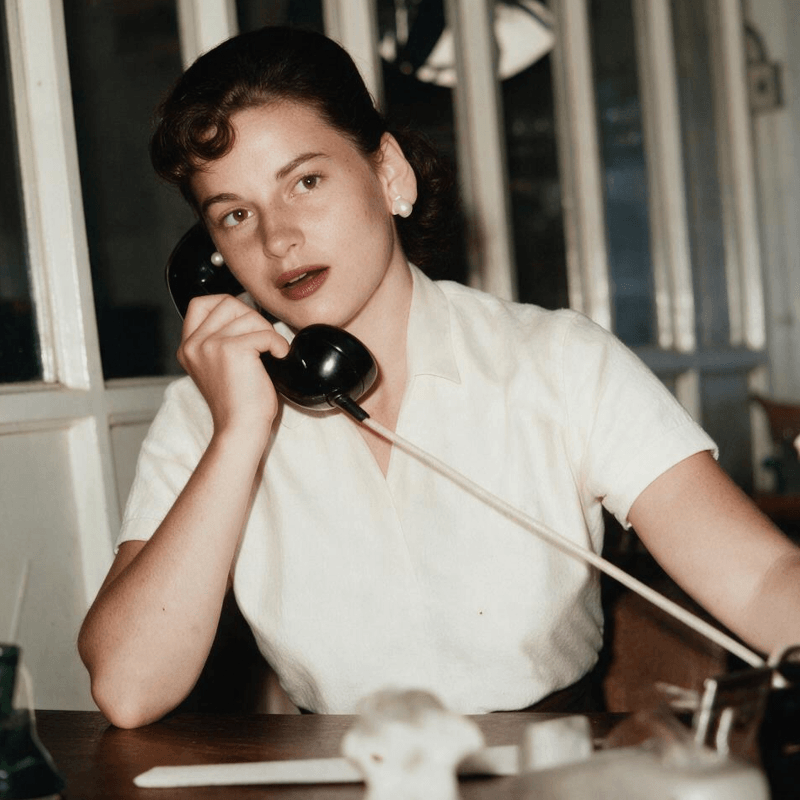
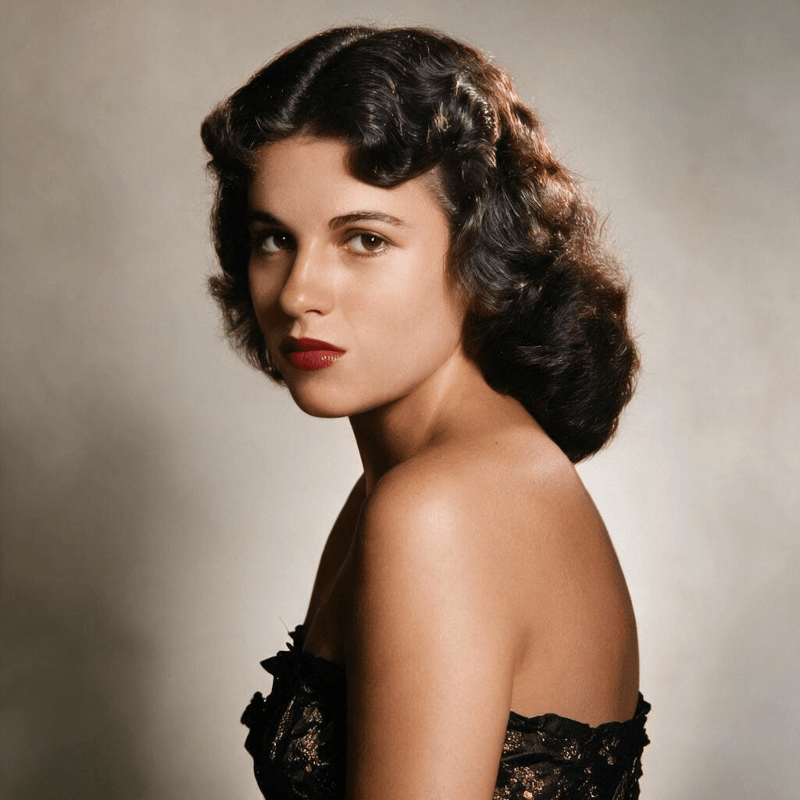
Back in 1955, Ruth Bon Fleur, a clerk for the Daytona Beach City License Department, added a new accomplishment to her already impressive resume – she was selected to appear on Two for the Money.


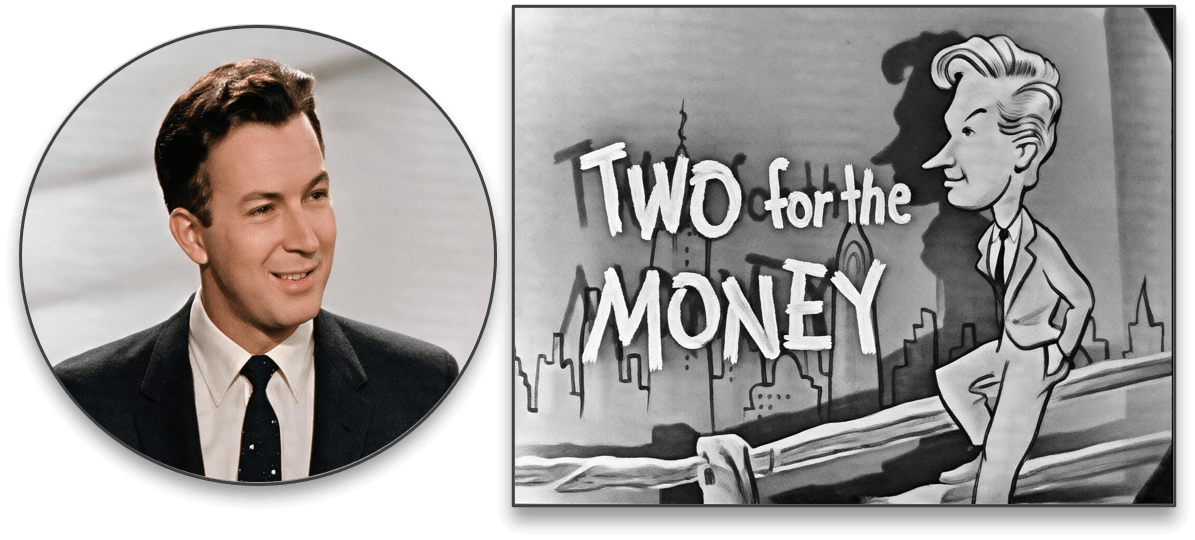
After the photogenic clerk lost 50 pounds, she submitted her photo to Herb Shriner’s Two For the Money show filmed in New York. She sent in a picture of herself in a bathing suit. According to news reports from the time, the director called her and said: “We think your suntan will look good on television.”


Ruth, who one pundit said got her photo in the newspaper more than the mayor, won $280 on the show. She delighted viewers with the observation that there was only one gravedigger in town.

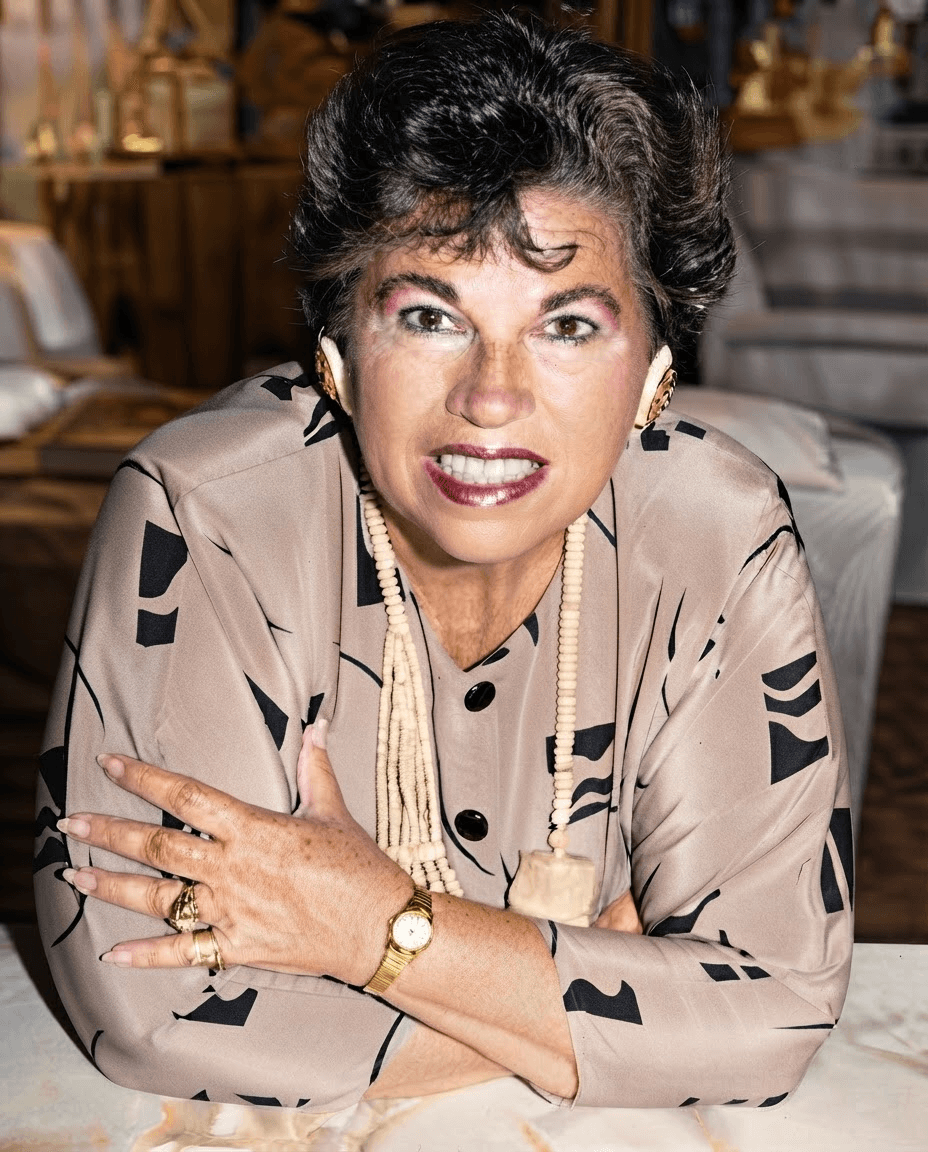
Ruth Bon Fleur was a Clerk for the City License Department

(courtesy of David Bon Fleur)


Ruth's Swimsuit Photo Won Her a Spot as a Contestant

(courtesy of David Bon Fleur)


Later, the government launched a probe of the quiz shows and determined that some contestants had gotten the answers.


Ruth admitted she got some of the questions and answers during a dress rehearsal. In an interview later, she was told when it was “a real easy answer, not to answer it so fast so the audience won’t think it’s fixed."


The most well-known show to be caught up in the scandal was Twenty One on which Charles Van Doren won $129,000 in 14 weeks as a participant in 1956-57.

The TV quiz show Two for the Money was at the height of its popularity when Ruth Bon Fleur appeared as a contestant. The rules of the game were simple – contestants took turns coming up with as many words as possible that fit a given category and won $5 for each correct answer.


The show's entertainment value came from the witty repartee between the contestants and the host. Modeled on the popular formula pioneered by Groucho Marx's You Bet Your Life, it showcased the homespun humor of its host Herb Shriner – "that humorous fellow from Indiana."


Click here to watch an episode

Ruth Bon Fleur (1926-2018) was a city employee for 22 years and rose to the position of Clerk of the Municipal Court.


She became a spokesperson for the city, meeting dignitaries and acting as a liaison between the mayor and official visitors. In this capacity and as a member of the Greeters Committee of the Chamber of Commerce, she met such notables as Adlai Stevenson, Walter Cronkite, Paul Newman, and many others.

Daytona Beach was home to Southern Rock's most iconic artists – the Allman Brothers – as well as the Nighcrawlers, Floyd Miles, Peter Carr, and other musicians who helped invent this distinctive genre, which merged the rural twang of country music with the soulful, driving rhythms of R&B.


This exhibit explores the sounds of Daytona in the mid-1960s – a unique moment when black and white musicians crossed the color line to collaborate, learn, and meld different musical traditions to forge the unforgettable recordings that became the soundtrack of an era.

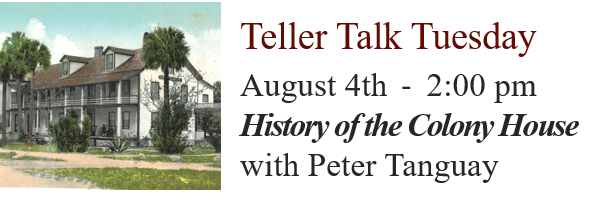
In celebration of our historic 150th anniversary the Museum is delighted to host Peter Tanguay for a special talk on Daytona's first hotel, the Colony House, built in 1870 by Matthias Day. Peter is the Treasurer of the Marina Breeze HOA (officially registered as New Colony House). Living on this historic property, Peter has immersed himself in stories from the past. He will make the audience feel transported to another era. Participants will be encouraged to ask questions and add input.

In early 2020, as a global pandemic begins to cause turmoil around the world, Michele Moreles has come to the conclusion that her employer, a global security firm, is likely behind a digital crime scheme...

Michael Pyle Will Join Us In Person!

Free with Membership or Admission.

Call (386) 255-6976 or click here for more information.


Find out why everyone's calling the Museum the friendliest place in town.


Escape the summer heat and come for an afternoon of COOL museum fun on Tuesday, August 25 at 2 pm. Play no-pressure trivia (guessing encouraged), interact with the current exhibit, and enjoy an ice cream social.


Members Free - Guests $10

Footnote


The city's 150th anniversary marks the original incorporation of Daytona in 1876. A merger in 1926 combined four small communities – mainland and beachside – ino Daytona Beach.


Articles in the newsletter strive to honor history by using the correct city name for the era that's being referenced.

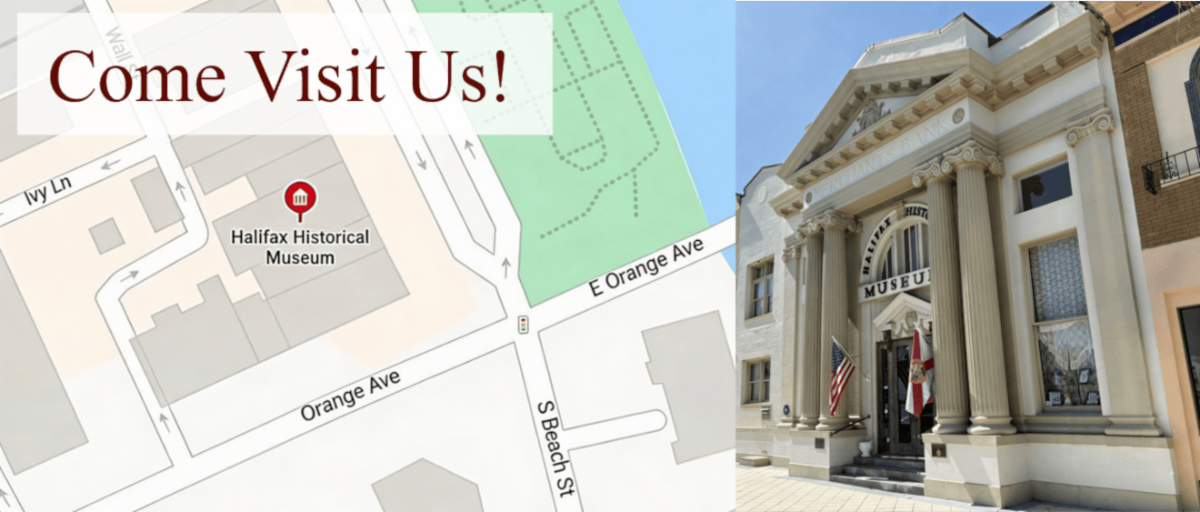
252 S. Beach Street, Daytona Beach, FL 32114

(386) 255-6976

Tuesday-Saturday 10am - 4pm

$10 per person

Children 12 & under FREE

Facebook  Email  Web

Daytona Regional Chamber

My Florida

City of Daytona Beach

Volusia County

Florida Humanities

This publication is made possible in part with funding from the Cultural Council of Volusia County (volusia.org), Florida Humanities, State of Florida, City of Daytona Beach, and Halifax Historical Society membership.