|
Dear Community:
Tomorrow, August 22, the city of Cincinnati unveils a beautiful new memorial to Dr. Martin Luther King, Jr. in Avondale. It features a 6.5-foot bronze statue surrounded by stained glass panels representing his six pillars of nonviolence.
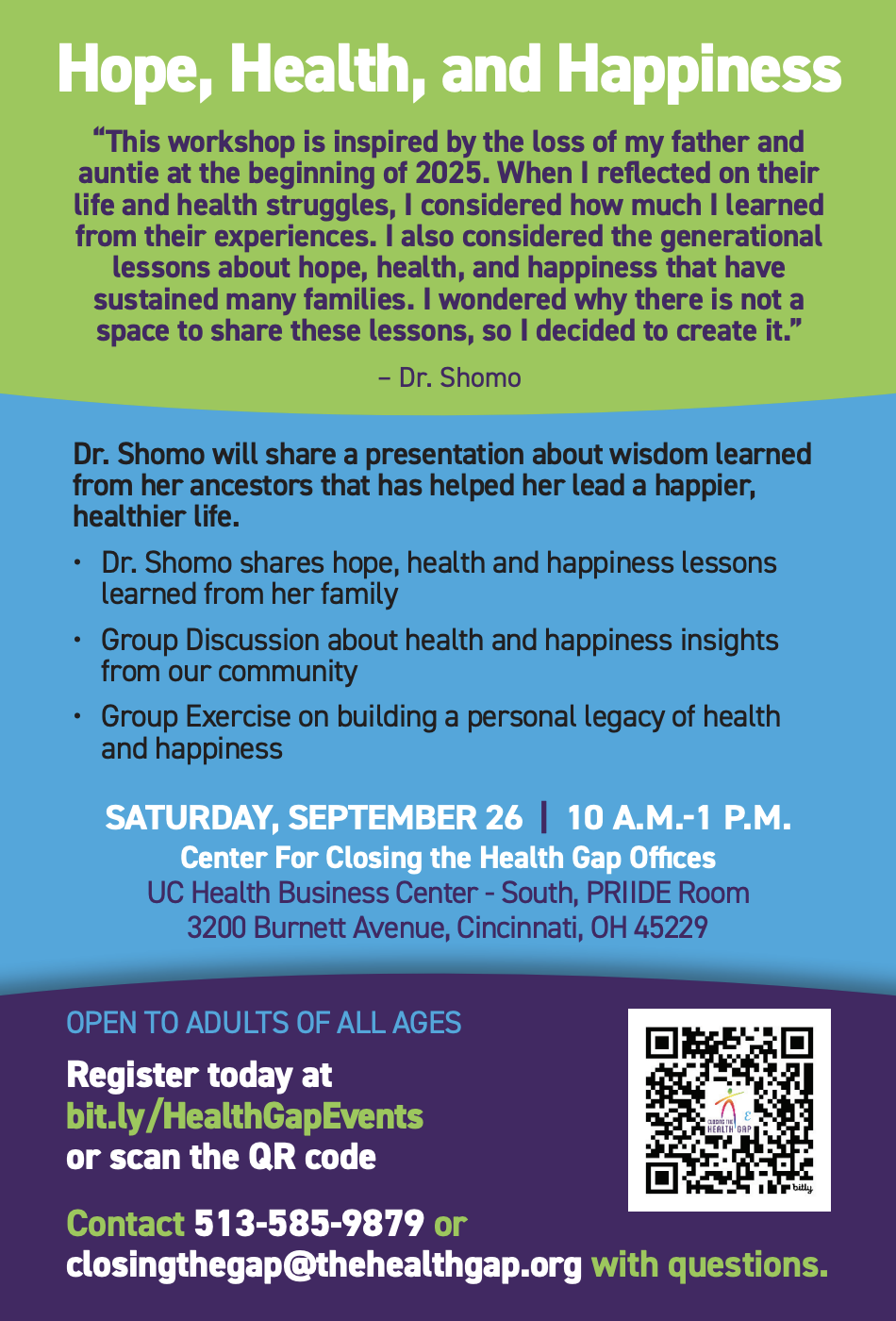
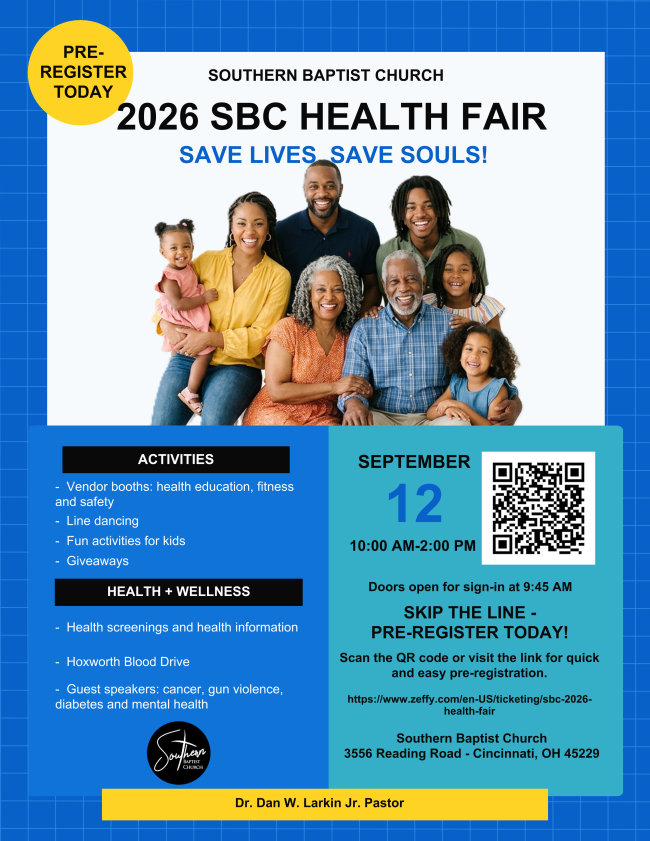
Looking ahead, see below for our new Caregiver Support Series events, and join us September 26 for the "Hope, Health & Happiness" workshop with Dr. Shomo. Also, pre-registration is now open for the 2026 SBC Health Fair on September 12.
We Must Save Us. Blessings to all of you for a safe and healthy week ahead.
Renee Mahaffey Harris
President & CEO
| |
Avondale's new MLK Jr. memorial to be unveiled this weekend
After years of planning, the city of Cincinnati will unveil a new memorial to Martin Luther King, Jr. in Avondale this weekend. The memorial includes a 6-and-a-half-foot tall bronze statue of Dr. King, surrounded by six stained glass panels representing King's six pillars of nonviolence. See details below and read more here.
| |
Slavery linked to mortality gap between Black and white Americans today
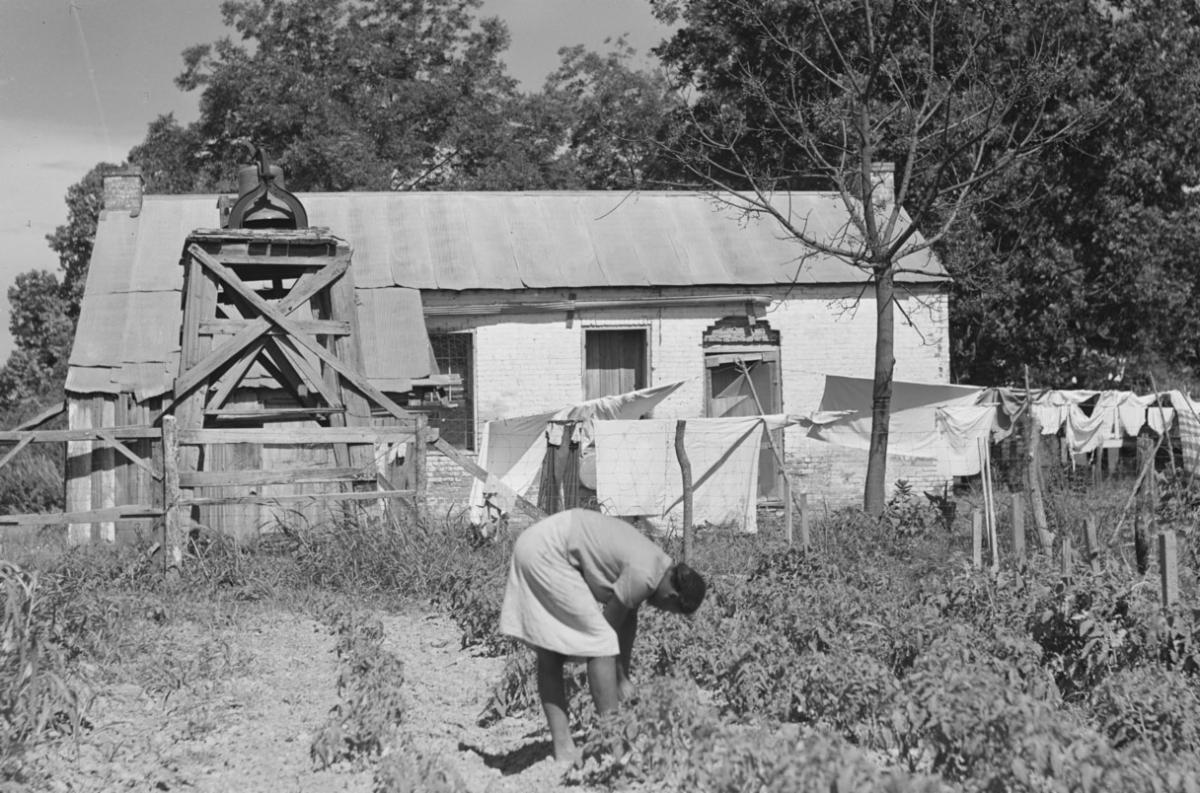
In 1953, the civil rights activist James Baldwin wrote that “people are trapped in history and history is trapped in them”— an observation that would ring all too familiar to researchers studying racial health disparities in the United States today. A new study finds slavery still casts a long shadow on the country’s well-being, worsening the health outcomes for Black people in certain locations more than 150 years after abolition.
Black people in the U.S. are already well-known to have a lower life expectancy at birth than white people, but the new analysis finds that between 2010 and ’20, they had significantly increased mortality rates in U.S. counties that relied the most on slavery just before the Civil War. Indeed, the gap between Black and white mortality rates during that decade was 20 times greater in those counties compared with ones with no slavery recorded in the 1860 U.S. census.
| |
Every community deserves a healthier heart
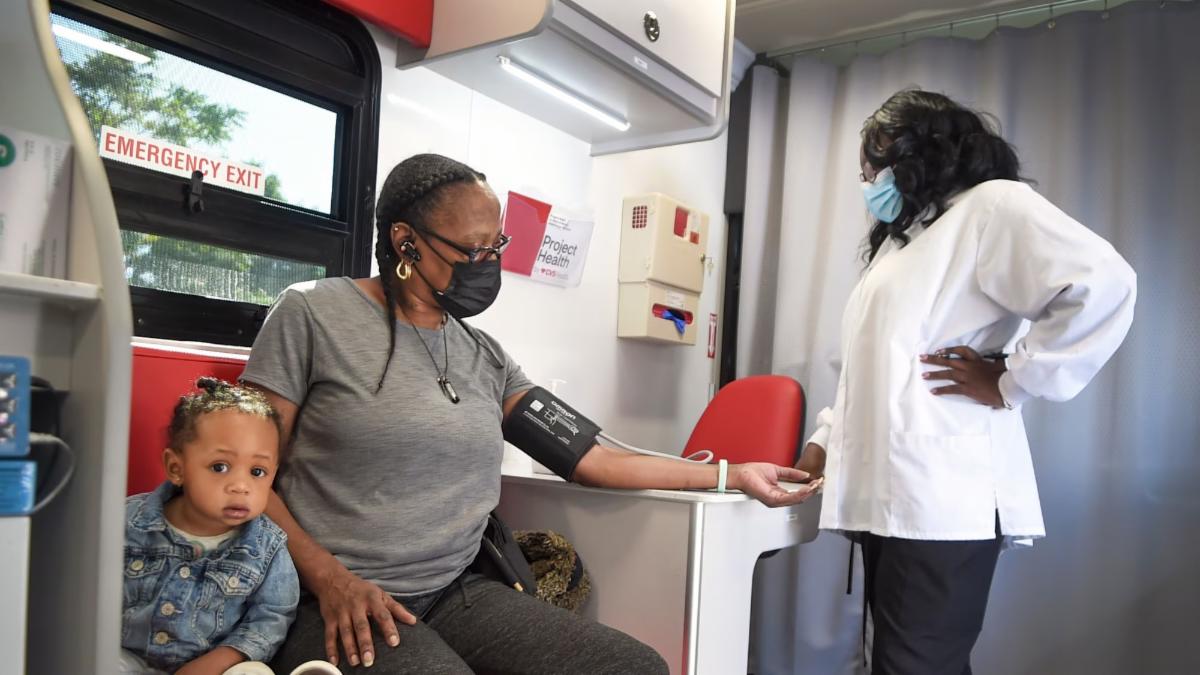
Heart disease is the nation’s leading cause of death, but its impact is experienced unequally across populations. Heart health disparities, defined as preventable differences in cardiovascular outcomes among populations, contribute to a disproportionate burden of cardiovascular disease (CVD) and related risk factors in historically underserved communities.
- Heart disease is more prevalent among publicly insured populations with 28% of adults enrolled in Medicaid affected by CVD and 42% of Medicare beneficiaries having at least one heart condition.
- People living in rural communities have a 40% higher prevalence of heart disease than those living in urban areas.
- Heart health risk factors continue to rise among lower-socioeconomic status populations while declining among higher-income groups.
"Addressing variations in heart health requires population-specific solutions that address the distinct needs and challenges faced by people in the different communities we serve," said Dr. Ayo Gathing, Deputy Chief Health Engagement and Access Officer, CVS Health.
|
Maternity care deserts persist, Medicaid cuts threaten to curb access further
Maternity care deserts have remained unchanged over the past decade. But Medicaid cuts could further threaten access. So finds the latest March of Dimes report (PDF), which found that one in three U.S. counties are considered maternity care deserts, a share virtually unchanged since 2016.
Most of these are rural counties. Nearly two and a half million women of reproductive age live in these regions and must travel three times longer, on average, to reach labor and delivery services. An additional 3.4 million women live in counties with low or moderate access to maternity care.
|
Healthcare Providers Hit With New Accessibility Requirements
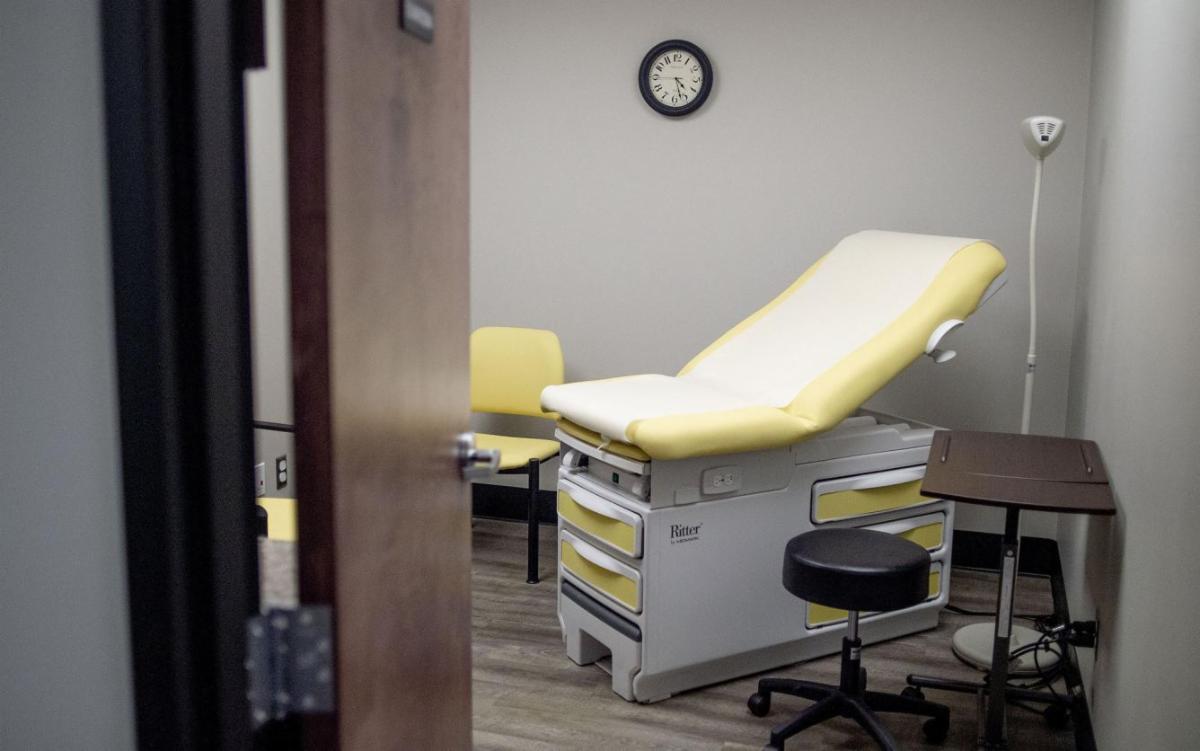
A pair of federal rules are imposing first-ever requirements designed to ensure that people with disabilities are better served when they visit the doctor. The regulations mandate more widespread adoption of accessible medical equipment including weight scales, examination tables, X-ray machines and more.
Starting this summer, many hospitals and doctor’s offices that use examination tables or weight scales must have at least one that meets accessibility standards. Staff must be qualified to operate such equipment and assist with transfers.
The mandate comes under largely identical rules issued by the U.S. Department of Justice and the Department of Health and Human Services. The HHS rule under Section 504 of the Rehabilitation Act took effect July 8 and the Justice Department regulation issued under Title II of the Americans with Disabilities Act had an Aug. 9 deadline. Despite laws prohibiting disability discrimination, federal officials said that “significant discrimination” in healthcare persisted when the rules were finalized by the Biden administration in 2024.
|
Can we end care disparities for underserved children? Two experts discuss new public health initiative
It’s no secret that limited access to proper dental care severely affects the oral health of those in rural and impoverished areas. Although there are numerous programs working to bridge this gap across the nation, one exciting pediatric initiative supported by CareCredit is the American Dental Association’s (ADA) Give Kids A Smile (GKAS) program.
Angela Martinez, Synchrony’s VP of strategic associations and dental health policy, and Sonia Williams, dental general manager at Synchrony, sat down with me to discuss ways GKAS is making a meaningful impact.
|
Health outcomes in rural America: A prevention-to-crisis view on determinants of health, chronic diseases, and economic consequences
Rural health outcomes reflect a complex continuum of conditions influenced by upstream social determinants, extending through chronic burdens, and ultimately affecting community vitality, workforce, and local economies. Life expectancy in rural areas is lower than in other parts of the U.S., a gap that has widened over the past two decades amid rising health care costs, increasingly uneven access to care, and constraints on system capacity. Many rural communities bear disproportionate burdens of chronic disease, substance use disorders, and mental health challenges, while provider shortages, hospital closures, and weakened health and social infrastructure add to the challenges of preventing, treating, managing, and reversing these conditions.
| | | | |