|
Dear Community:
As we come up on the end of August, I’m excited to share some opportunities for learning, connection and empowerment.
-
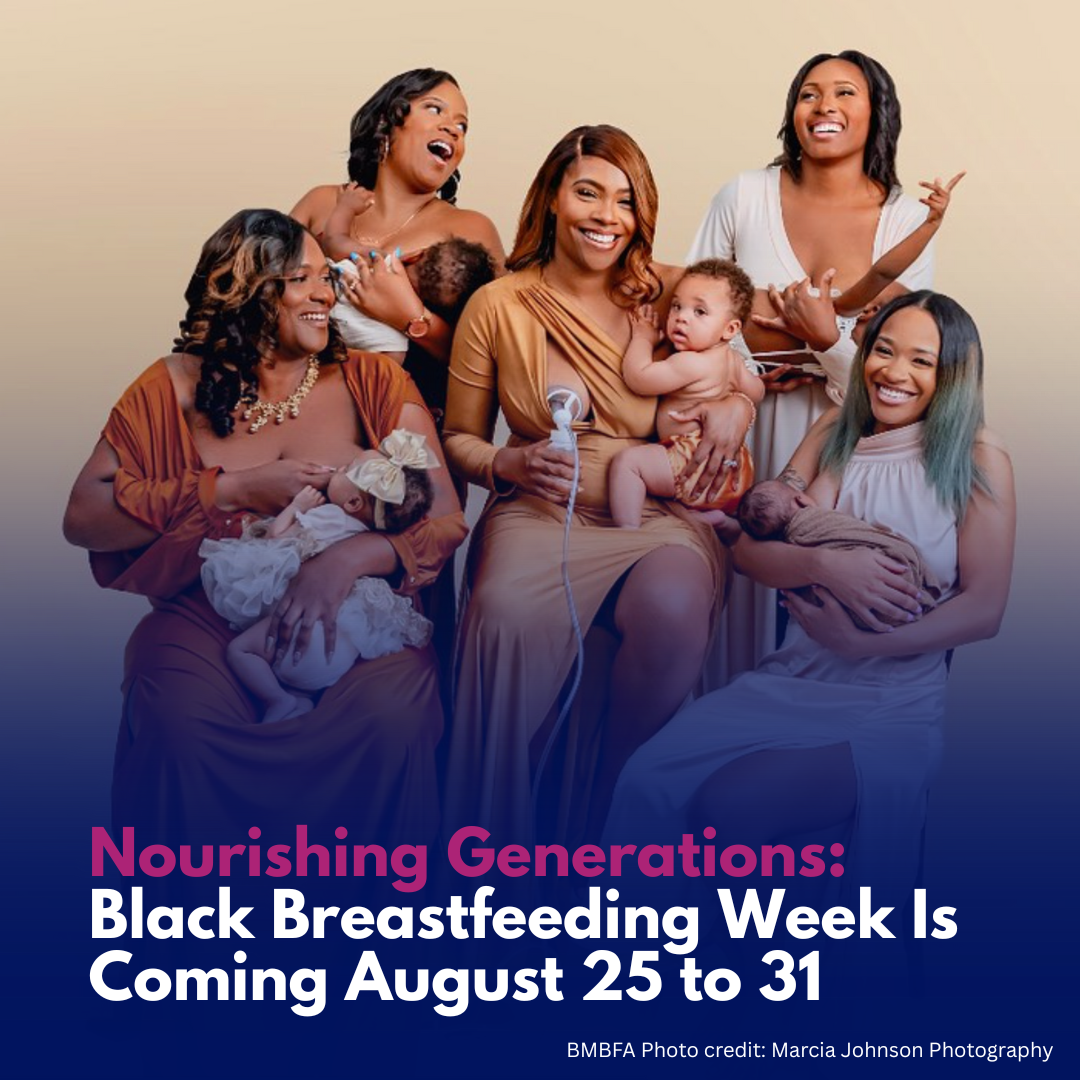
Black Breastfeeding Week (Aug. 25-31) is a time to celebrate strength and reclaim equity in infant feeding. Too often, Black families face barriers to culturally competent care. This week shines a light on advocates changing that narrative, so every family has the support they deserve.
-
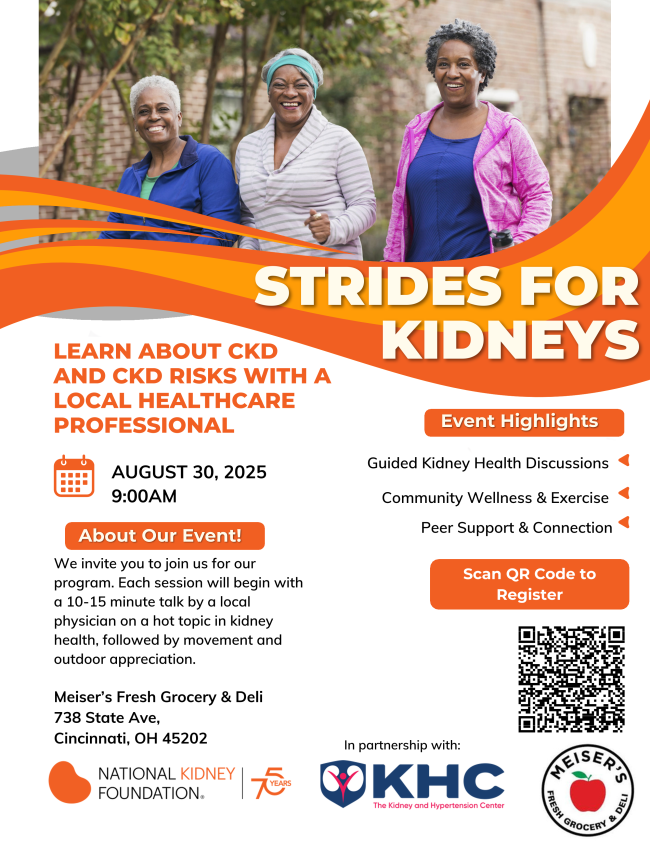
On August 30, Strides for Kidneys at Meiser’s Fresh Grocery & Deli starts at 9AM, exploring kidney health through guided discussions with local physicians, followed by wellness activities and community connection.
-
On October 3, the Women’s Heart Center at The Christ Hospital will host its Women’s Cardiovascular Symposium, offering continuing medical education for physicians and healthcare professionals managing cardiovascular disease (CVD) in women.
-
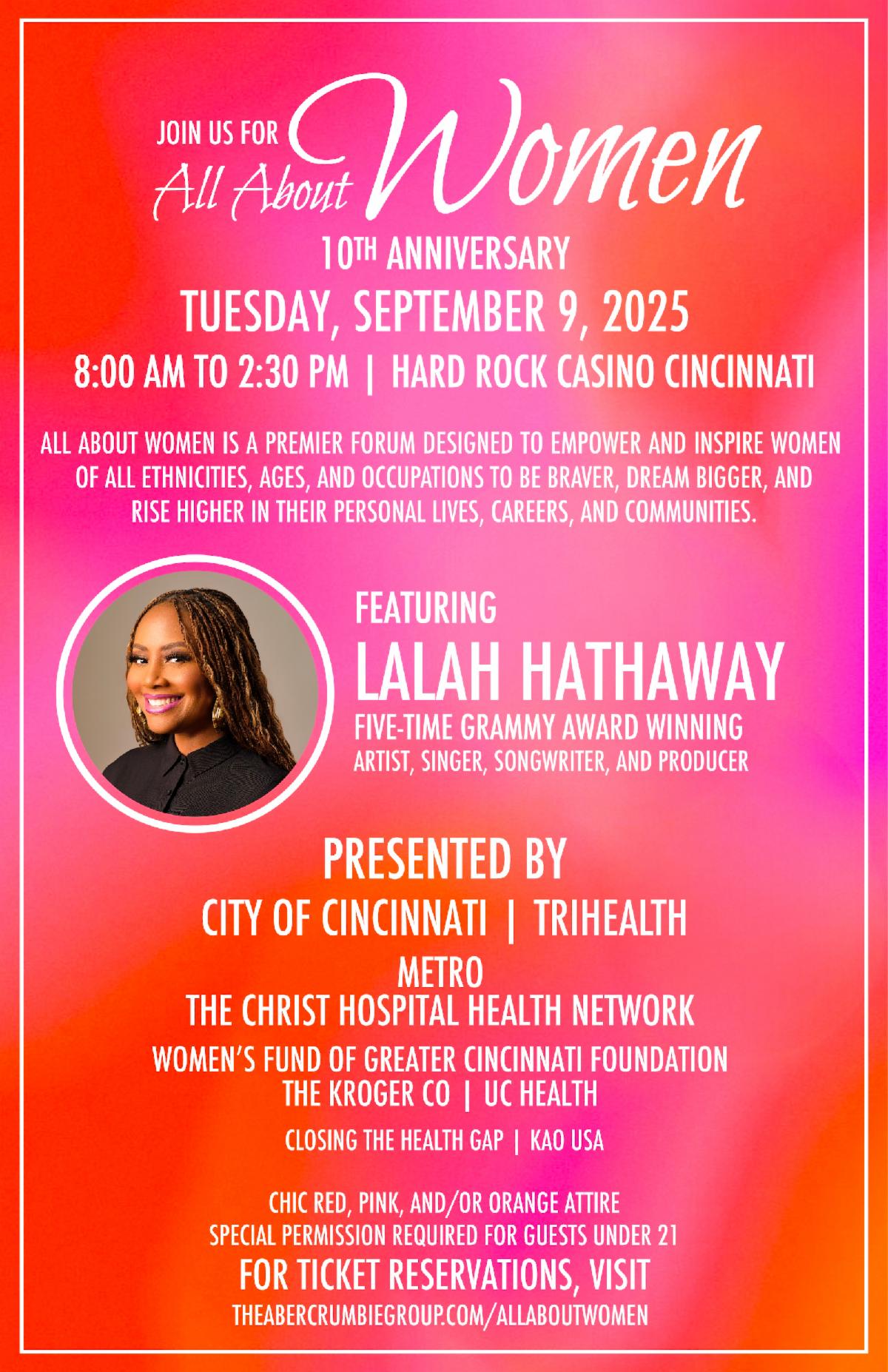
All About Women on Sept. 9 at Hard Rock Casino Cincinnati is a premier forum empowering women to dream bigger and rise higher, celebrating its 10th anniversary!
Check out all the details below to learn more, get involved and register. Together, We Must Save Us. Blessings to all of you for a safe and healthy week ahead!
Renee Mahaffey Harris
President & CEO
| | |
How stripping diversity, equity and inclusion from health care may make Americans sicker
President Donald Trump’s administration has dramatically reshaped health and medical research by rolling back federal funding from institutions that have diversity, equity and inclusion initiatives and by cutting federal funding for research projects that the administration considers related to DEI.
As of Aug. 20, 2025, the National Institutes of Health has terminated over 5,100 grants totaling over US$4.4 billion in research funding. Likewise, the National Science Foundation, which seeks among other things to advance the nation’s health, has rescinded over 1,700 research grants totaling over $1 billion in funding. These terminations have disproportionately affected projects that study the experiences of marginalized groups and funding to scientists from social groups that are underrepresented in academia. The federal judge overseeing a case challenging cuts to NIH grants said that he had “never seen government racial discrimination like this.”
Health repercussions for minority groups
The Trump administration’s funding cuts will most directly affect the health of members of marginalized groups, including, but not limited to, people of color, women and people who identify as lesbian, gay, bisexual, intersex and transgender. The website grant.witness.us includes a list of the project descriptions of canceled grants. The NIH grants that were terminated include ones that funded research investigating the effects of food insecurity and stress on prenatal and birth outcomes among women of color, sex differences in major depression, and risk factors for suicidal behavior among gender minority adolescents.
| |
Black Breastfeeding Week is Here: August 25-31
Black Breastfeeding Week runs from August 25-31, celebrating the strength, wisdom, and care that Black parents bring to their feeding journeys every day. This week is not just about awareness. It is about equity, visibility, healing, and reclaiming what has always been ours: the right to choose how we care for our children — with support and without shame.
Too often, Black families face barriers like limited access, culturally competent care, and community support. Let's shine a light on the leaders and advocates who are changing this narrative and building stronger systems of support for families.
Resources for families & advocates:
Let’s uplift the people, programs, and policies shaping a future where every Black family can feed their babies with dignity and support.
| |
4th Annual Women’s Cardiovascular Symposium – Registration is Now Open!
With cardiovascular disease remaining the leading cause of death for women in the United States, morbidity and mortality rates continue to rise despite medical advances and public health awareness campaigns. Persistent knowledge gaps in sex-specific risk factors and differences in clinical presentation often lead to delayed care. Even when women seek medical attention, they are frequently misdiagnosed or undertreated.
To address these alarming disparities, The Women’s Heart Center at The Christ Hospital established the Women’s Cardiovascular Symposium, offering continuing medical education for physicians and healthcare professionals managing cardiovascular disease (CVD) in women. This symposium on October 3 focuses on advancing sex-specific risk assessments and evidence-based strategies to improve clinical outcomes and bridge the care gap for women with or at risk of CVD. As the only educational program in the Midwest focused on sex- and gender-specific cardiovascular differences, it remains an essential resource for healthcare providers.
REGISTRATION DEADLINE: September 13, 2025
- Physicians: $175
- Physician Assistants, Nurse Practitioners, & Pharmacists: $135
- Nurses, First Responders, Technicians, Retired or other Healthcare Professionals: $100
| |
Like A Wrecking Ball: Why The Hit To Disparate Impact Analysis Is A Blow To Public Health
There is a long, quiet history of courts leveraging public health scholarship to overcome structural biases. As jurisprudence has evolved, the main, and arguably sole, tool available to combat structural inequities through federal claims is disparate impact analysis. Disparate impact claims have broad and enduring significance in public health and beyond, overcoming health care access barriers faced by non-English speakers and addressing algorithmic biases that impede equitable health care coverage.
If disparate impact is a bridge between public health science and health equity, then executive order 14281 is a wrecking ball. With a single swing, the April 23, 2025, order—which fulfills a major Project 2025 goal—invalidated the use of disparate impact by all federal agencies. In this article, we explain disparate impact, explore and respond to misleading rhetoric about disparate impact, show how it’s instrumental to equity, and chart a way forward for advocates seeking to buttress disparate impact and ensure policy is informed by science.
|
Engage the community in generative AI for public health
In both health care and public health — distinct but overlapping fields — generative AI is already reshaping how systems operate. Clinical settings are leveraging generative AI tools to draft clinical notes and messages to patients, while the public health sector is exploring the ways these systems can tailor health messaging to different communities. Yet across health care and public health, adoption of generative AI tools has often come with limited transparency and oversight, and little to no engagement with patients and communities, particularly those most impacted by structural inequity.
While centering community voices and priorities should be essential in generative AI development, governance, and implementation in any sector or domain, it is particularly critical in health. Health is deeply personal, it can be precarious, and, in the U.S., it continues to be shaped by structural exclusion and harm, rooted in long-standing legacies and sustained by current policies and structures that marginalize racially minoritized, queer, transgender, and disabled people. When AI systems are not designed and implemented with this context in mind, the potential for harm is profound.
|
Exploring Cardiovascular Health Disparities Across Race and Gender in Medicare Fee-for-Service Populations
In a striking advancement in the understanding of cardiovascular health disparities, a recent cross-sectional study has illuminated the disproportionately high prevalence of cardiovascular-related conditions among transgender and gender diverse beneficiaries within Asian and Pacific Islander, Black, and Hispanic communities. This multifaceted investigation, appearing in the esteemed JAMA Health Forum, reveals an intricate interplay between gender identity, racial background, and ethnicity that contributes significantly to elevated health risks. The study underscores the urgent need for tailored healthcare interventions and policy adjustments to address these compounded vulnerabilities in a population often marginalized by prevailing healthcare paradigms.
The methodological rigor of this analysis is rooted in comprehensive data collection from the Medicare beneficiary population, offering a large-scale lens through which cardiovascular risks can be examined in diverse subgroups. By employing sophisticated statistical controls and stratified analyses, researchers were able to disentangle the compounded effects of intersecting identities — namely, the biological, social, and systemic factors influencing cardiovascular health outcomes in transgender and gender diverse patients of color. The findings spotlight a critical health equity gap, emphasizing how traditional medical frameworks may inadequately capture the nuances of multifactorial determinant stressors.
|
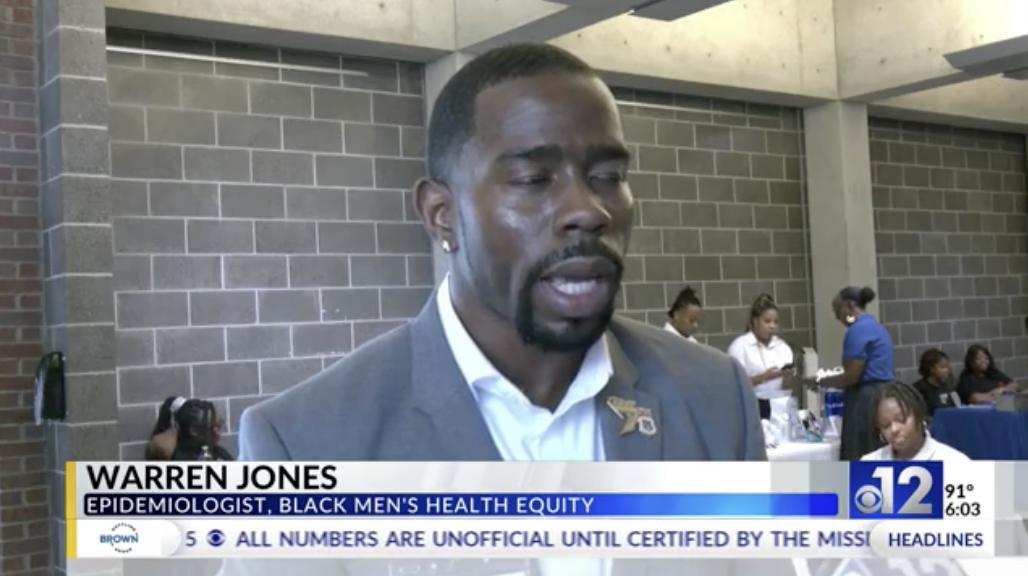
Conference targets health equity for Black men in Mississippi
Black men face some of the highest rates of chronic disease, as well as some of the lowest access to care. The annual Black Men’s Health Equity Conference was held on Saturday at Tougaloo College in Jackson. It was hosted by the Institute for the Advancement of Minority Health. The conference focused on closing the health gap affecting Black men in Mississippi and beyond.
"Black men are three or four more times more likely than other groups to pass away from heart disease, diabetes, and kidney disease, as well. So, these different chronic illnesses, the disparity rates are so wide. And these particular communities have also a low rate of screening and testing. So, it’s very important for us to educate and provide interventions to some of these chronic illnesses, as well," said Warren Jones, Epidemiologist with the Institute for the Advancement of Minority Health.
|
The health burden and racial-ethnic disparities of air pollution from the major oil and gas lifecycle stages in the United States
The United States has one of the world’s largest oil and gas (O&G) industries, yet the health impacts and inequities from pollutants produced along the O&G lifecycle remain poorly characterized. Here, we model the contribution of major lifecycle stages (upstream, midstream, downstream, and end-use) to air pollution and estimate the associated chronic health outcomes and racial-ethnic disparities across the contiguous US in 2017.
We estimate lifecycle annual burdens of 91,000 premature deaths attributable to fine particles (PM2.5), nitrogen dioxide (NO2), and ozone, 10,350 PM2.5-attributable preterm births, 216,000 incidences of NO2-attributable childhood-onset asthma, and 1610 lifetime cancers attributable to hazardous air pollutants (HAPs). Racial-ethnic minorities experience the greatest disparities in exposure and health burdens across almost all lifecycle stages. The greatest absolute disparities occur for Black and Asian populations from PM2.5 and ozone, and the Asian population from NO2 and HAPs. Relative inequities are most extreme from downstream activities, especially in Louisiana and Texas.
| | |
Join the University of Cincinnati Cancer Center for a film viewing followed by a dinner and panel discussion of the latest prostate cancer prevention and care. There will be two screenings of the event:
- Thursday, September 18, 2025 from 5:30 - 8:30 p.m. at Probasco Auditorium (2839 Clifton Ave., Cincinnati, OH 45220)
- Saturday, September 20, 2025 from 3:30 - 6:30 p.m. at United Community Christian Church (1710 Maryland Ave., Covington, KY 41014)
The Black Walnut is an award-winning docudrama about the alarming prostate cancer disparity impacting Black men. Featuring nine actual prostate cancer survivors, a urologist and a medical oncologist in dramatic roles, the film explores the myriad of barriers Black men encounter in securing healthcare. Black men are more likely to develop prostate cancer than white men and the film aims to encourage men to prioritize their health.
Participants will have the opportunity to:
-
View The Black Walnut film and meet the writer and producer Terrance Afer-Anderson.
- Connect and have a discussion with a panel of local prostate-focused physicians and survivors who will provide suggestions on how to address some of the significant barriers and disparities the Black community faces regarding prostate cancer.
- Receive free PSA screenings via blood draw.
Register HERE.
| | | | |