August 2026 Research Bulletin | | |
In this Issue:
- Update from Executive Director Ann Anderson Berry, MD, PhD
- CHRI Scholar, Christopher Cummings, MD, PhD, Receives K08 Award to Study Epigenetic Mechanisms of Fetal Alcohol Spectrum Disorders
- CHRI Researchers Karoly Mirnics, MD, PhD, and Eric Peeples, MD, PhD, Author Article on Association between Fetal Brain Development and Medications Taken During Pregnancy
- Edna Ittner Pediatric Research Support Fund Awardees Announced
- MD/PhD Student Colman Freel Receives UNMC Graduate Assistant Fellowship for Research on Hypertension in Offspring of Diabetic Mothers
- Christopher Cummings, MD, PhD, Becomes Fourth CHRI Scholar to Receive Federal Research Funding
- Register for CHRI Pediatric Cancer Research Events in August
- CHRI AI Seminar Series and August Mentoring Group Speakers Announced
- Attend the SURP Poster Session on Aug. 6
- Register for the Fall Pediatric Academic Workshop - Sept. 11, 2026
- Congratulations CHRI Grant Awardees
- Disseminating Discoveries - July Publications
- The CoNDA Center Is Currently Requesting Applications for Its Pilot Project Program
- Funding Opportunities
| |
Have a great CHRI pediatric research story to share?
Email CHRI, tell us about it and tag us in your social media posts.
| | |
CHRI Priorities & Activities:
Update from Executive Director Ann Anderson Berry, MD, PhD
| |
CHRI, Your Research Community
CHRI serves over 600 investigators and members of research teams across the UNMC, Children’s Nebraska and NU systems. We have basic, translational, clinical, public health and large data scientists studying a wide variety of health-related conditions across the life span from pregnancy and the fetus to adult congenital heart disease. We have advanced research in cancer, autism, infectious disease and brain injury; these represent only a fraction of what our researchers have done over the last seven years.
It is reasonable to ask how CHRI can support such a wide variety of disparate endeavors, and how we all fit into one singular institute. It is very clear that, with our support, child health research is flourishing in our institutions, and that we are making an impact in the work of investigators and the lives of children and their families every day.
CHRI provides a rich community of experienced investigators, new faculty members and trainees who have a singular mission that rises above the details of their individual research programs to provide every child an equal opportunity for a healthy life through leading-edge innovation and discovery. CHRI aims to support this mission through our community, services and programing.
Over the last seven years we have continued to develop a robust platform of research resources and community opportunities to ensure that our researchers are not working in silos but are engaged with their “labs” and with others doing both similar and disparate work across campus. These connections in seminars, at research conferences, symposiums and mini summits and in writing groups, like the “Funding Lab,” are what makes CHRI a success.
Our teams of coordinators, grant-writers, statisticians, pre-awards team and administrators are here to make everything work as smoothly as possible so you can focus on the science. Our internal grants and awards are meant to ensure you have preliminary data to secure extramural grants.
We are excited and proud to support your important work every day. I hope you find that CHRI not only fosters your success, but also empowers you to maximize your impact through the connections available within our community.
I look forward to seeing you at our upcoming events!
Kind Regards,
Ann
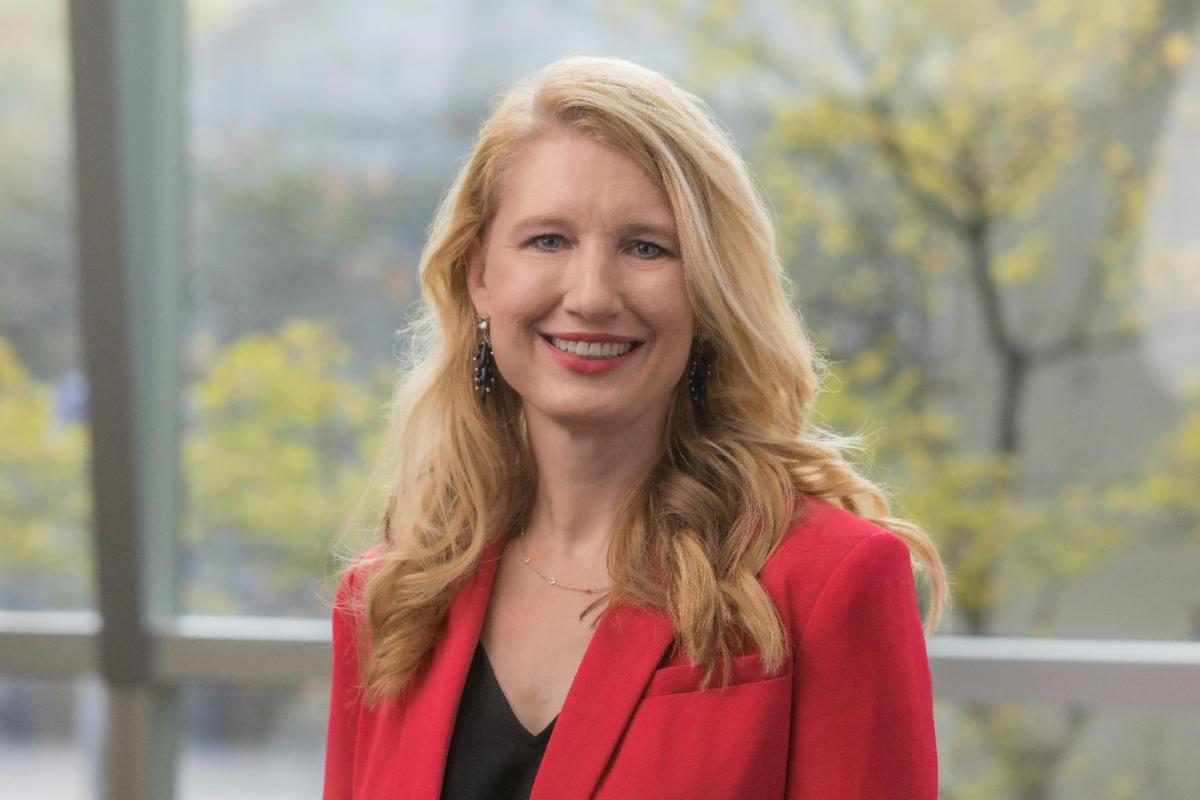
| | Christopher Cummings MD, PhD | | CHRI Scholar, Christopher Cummings, MD, PhD, Receives K08 Award to Study Epigenetic Mechanisms of Fetal Alcohol Spectrum Disorders | | |
Christopher Cummings, MD, PhD, a geneticist at Children’s Nebraska and assistant professor in the University of Nebraska Medical Center Department of Pediatrics, has received a K08 Mentored Clinical Scientist Research Career Development Award from the National Institute on Alcohol Abuse and Alcoholism. The five-year award funds his investigation into the molecular mechanisms underlying Fetal Alcohol Spectrum Disorders (FASD) and supports his development as an independent researcher. His success also highlights the critical role of structured institutional support in helping early-career investigators reach federal funding.
About FASD
FASD describes a range of conditions caused by prenatal alcohol exposure that has been linked to a wide continuum of cognitive, behavioral and developmental challenges. The effects of FASD often persist into adulthood, with individuals at elevated risk for chronic health conditions throughout their lives. The developing brain appears particularly vulnerable to prenatal alcohol exposure, making it a primary focus of Dr. Cummings' research.
Alcohol does not cause FASD by altering the DNA sequence itself. Instead, Dr. Cummings' lab investigates epigenetic changes: modifications that affect gene expression without changing the underlying genetic code.
Most providers are familiar with DNA methylation, in which chemical tags attached to the DNA helix silence or activate genes. Dr. Cummings' work focuses on a less-studied layer of epigenetics known as chromatin architecture, or the 3D genome. The way DNA folds within the nucleus determines in part which genes are active in a given cell type. These structural configurations are dynamic: DNA loops form, dissolve and reform within seconds, allowing cells to respond to developmental signals, particularly as stem cells differentiate into neurons.
Dr. Cummings and his team hypothesize that alcohol disrupts this dynamic structure through the action of acetaldehyde, a reactive byproduct of alcohol metabolism. Like formaldehyde, acetaldehyde functions as a cross-linking agent, potentially fixing DNA loops in place and preventing the structural flexibility that normal brain development requires. Preliminary cell-line data support this working mechanism, though it has not yet been confirmed in animal models.
Recent research has demonstrated that children with FASD show persistently disrupted DNA methylation patterns detectable in blood samples well into middle childhood. Dr. Cummings' project extends that inquiry to chromatin architecture, examining whether these structural epigenetic changes also persist long after prenatal exposure and whether they represent actionable therapeutic targets.
Dr. Cummings’ K08 award funds a structured, five-year research plan built around three complementary model systems:
-
Cell lines, used to examine alcohol's molecular effects directly and test mechanistic hypotheses
-
A mouse model, developed through an existing collaboration, in which maternal alcohol exposure during pregnancy allows for controlled in vivo study
-
A clinic-based sample collection, recently approved under an IRB protocol, through which Dr. Cummings will gather samples from children diagnosed with FASD in his clinic.
CHRI & Mentorship Support
Dr. Cummings is the current Child Health Research Institute (CHRI) Scholar, an institutionally funded competitive three-year program to support newly appointed junior faculty physician-scientists with resources, training, protected time and mentorship. The program was put in place to promote growth in the number of funded physician-scientists while increasing scientific productivity and promoting career development. Dr. Cummings joins the three previous CHRI Scholars in successfully securing national research funding. “I’m so proud, and a little relieved, to continue the practice of using the benefits available through the CHRI Scholar Program as a springboard to external funding,” Dr. Cummings said. “The physician-scientists that came before me, Drs. Gwenn Skar, Eric Peeples and Jeffrey Salomon, have a set a high bar of success with considerable achievements in their respective fields.”
Dr. Cummings' path to his area of research and K08 award was greatly influenced by important moments and relationships at key stages of his career. His clinical interest in FASD developed during his genetics fellowship, when he was introduced to the FASD clinic. When the director of the clinic left Children’s, Dr. Cummings assumed its leadership. Jordan Rowley, PhD, associate professor, Department of Genetics, Cell Biology, and Anatomy, whose research centers on epigenetics and chromatin architecture, served as Dr. Cummings' primary lab mentor through the CHRI Scholars Program and continues as a K08 co-mentor along with Anderson Barry, MD, PhD, CHRI executive director.
Dr. Cummings feels the protected research time, supported by Lois Starr, MD, PhD, chief of Genetics, and Kari Simonsen, MD, chair, UNMC Department of Pediatrics, was also essential. “Reducing clinical hours to pursue research is a sacrifice, and not all institutions or departments are positioned to make that commitment,” he said. “Dr. Starr's support within my division and the backing of the department through Dr. Simonsen made it possible for me to commit the time to bring the best of myself to my research efforts and submit a competitive federal grant application.”
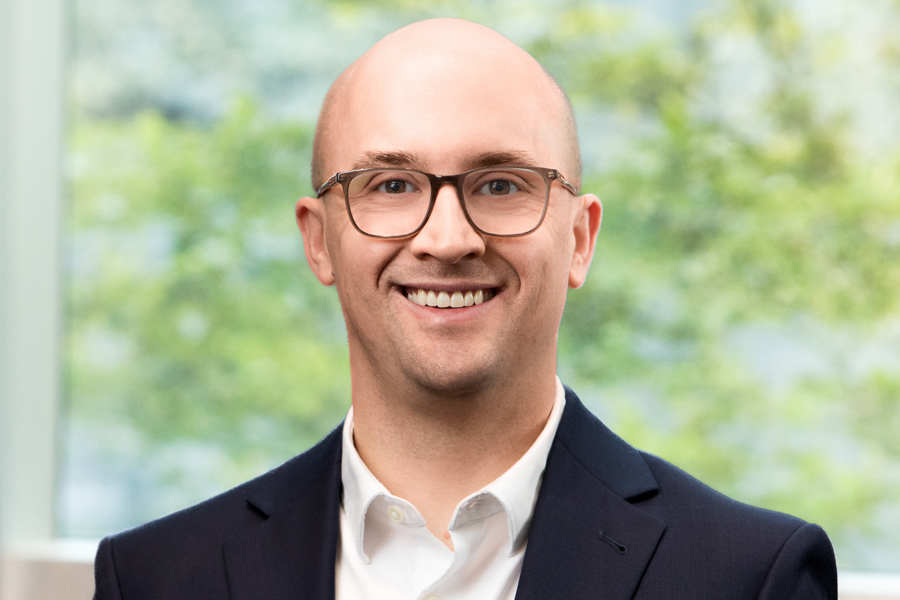
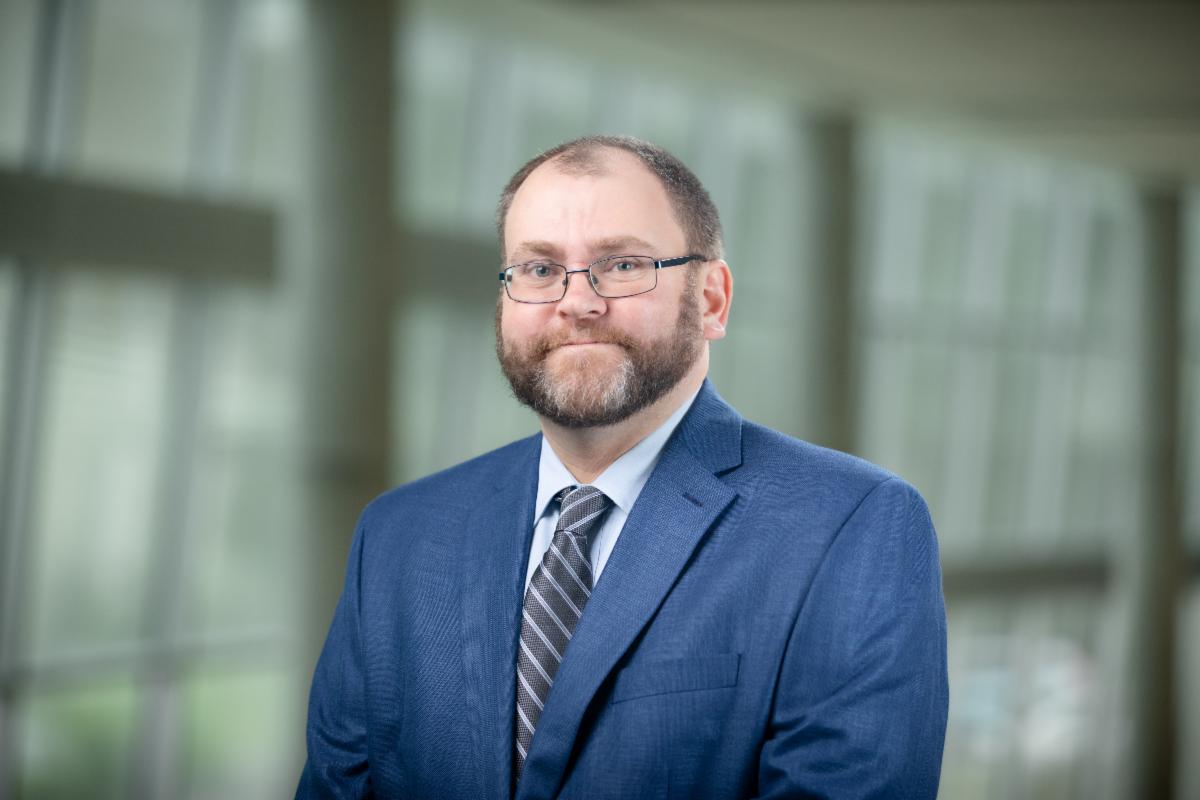
| | Karoly Mirnics, MD, PhD, and Eric Peeples, MD, PhD | |
CHRI Researchers Karoly Mirnics, MD, PhD, and Eric Peeples, MD, PhD,
Author Article on Association between
Fetal Brain Development and
Medications Taken During Pregnancy
| | |
A review article by a UNMC/Child Health Research Institute research team underscores and describes how altering fundamental brain development processes can be detrimental for the developing baby.
The publication suggests that curtailing use of certain medications could reduce the risk for neurodevelopmental pathology in the developing fetal brain. The medications studied include some statins, antidepressants, anxiety medications and cardiovascular drugs.
Cholesterol biosynthesis is essential for the proper development of the brain. When it is interfered with, the article states, children may be born with or develop complex neurodevelopmental disorders, such as autism, fetal fentanyl syndrome and Smith-Lemli-Opitz syndrome.
The July Journal of Clinical Investigation article puts in context previous publications by members of the same team and their national and international collaborators, including more than 125 other well-respected, peer-reviewed publications.
UNMC and CHRI’s Karoly Mirnics, MD, PhD, corresponding author of the article and dean and director of the Munroe-Meyer Institute, said the impact of interference in the prenatal sterol biosynthesis pathway with sterol biosynthesis-inhibiting medications (SBIMs) is well-documented.
“In addition, our recently published study of 6.14 million health records from mothers and their children across the United States — about one out of every three births between 2014 and 2023 — show that among women who were prescribed these medications, there was a significantly increased incidence of autism spectrum disorder (ASD) in their children,” he said.
“A particular concern is that utilization of these medications by pregnant women is on a steep rise, more than tripling over the decade from 2014 to 2024,” said UNMC and CHRI’s Eric Peeples, MD, PhD, associate professor in the UNMC Division of Neonatology and lead author of both the new review of scientific literature and that earlier publication.
The April Molecular Psychiatry study found that the prescriptions of these medications during pregnancy increased from 4.6% of pregnancies in 2014 to 16.8% of pregnancies in 2023. Notably, the 15 studied medications were among the most commonly prescribed drugs in the U.S., with more than 400 million times a year.
The above is an adaption of a story that ran in UNMC Today. Read the full story.
| | Edna Ittner Pediatric Research Support Fund Awardees Announced | | |
The UNMC Office of the Vice Chancellor for Research has announced the recipients of the 2026-27 Edna Ittner Pediatric Research Support Fund, an internal funding program that supports research focused on diseases and congenital disabilities of children.
This year's awardees are four members of the Child Health Research Institute:
Jason Michaud, MD, Department of Surgery, College of Medicine
Intravesical Aminoglycosides for the Treatment of Urinary Tract Infection
Haiying Shen, MD, PhD, Department of Pediatrics, Division of Pediatric Neurology, College of Medicine
Developmental Brain Abnormalities in Astrocytic Glycine Transporter Deficiency: A Translational Model of Pediatric Glycinergic Encephalopathy
Paul Trippier, PhD, Department of Pharmaceutical Sciences, College of Pharmacy
AKR1C3 Degraders for Pediatric Leukemia Therapy
Wei Shi, PhD, Department of Internal Medicine, Division of Cardiovascular Medicine, College of Medicine
Targeting Disease-Driving Gene Programs in Pediatric Congenital Heart Disease
Congratulations to each of the recipients.
| | MD/PhD Student Colman Freel Receives UNMC Graduate Assistant Fellowship for Research on Hypertension in Offspring of Diabetic Mothers | | |
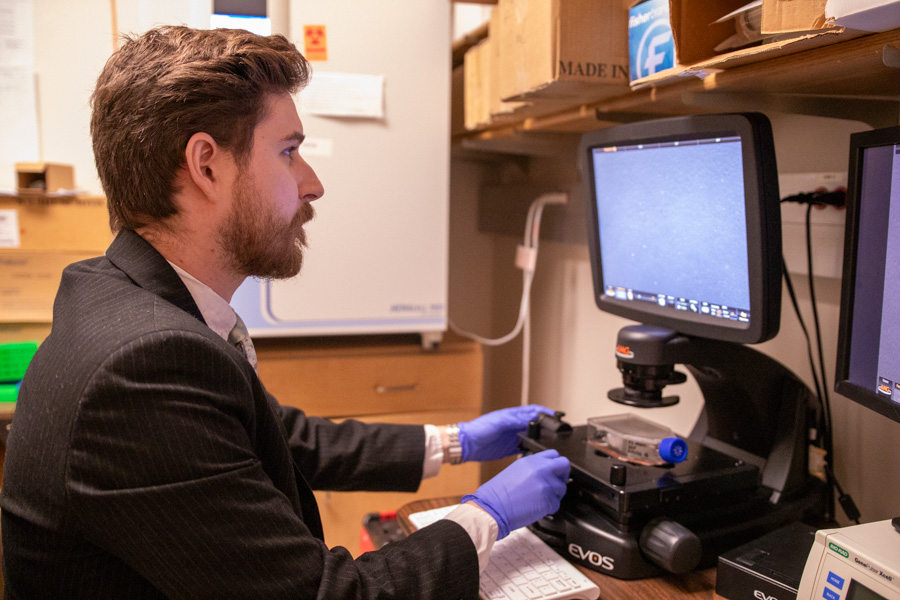
Children born to mothers with diabetes face an increased risk of hypertension, with elevated blood pressure detectable as early as the newborn period. That timing points to something fundamental: vascular changes likely begin in utero, well before any clinical symptoms appear. Colman Freel, an MD/PhD student at the University of Nebraska Medical Center (UNMC), is working to understand exactly how. Freel recently received a graduate assistant fellowship through UNMC to pursue this work, which centers on offspring of diabetic mothers (ODM) and the endothelial cells lining their blood vessels and is based in the lab of Ann Anderson Berry, MD, PhD, chief of the division of Neonatology at Children’s Nebraska and the UNMC Department of Pediatrics.
To study these cells, his research uses patient-derived human umbilical vein endothelial cells (HUVECs), isolated directly from umbilical cords collected after delivery. “To my knowledge, our lab is the only one in the University of Nebraska system performing this isolation,” Freel said. With an active IRB-approved protocol and a strong relationship with the Nebraska Medicine labor and delivery unit, the team has built a biobank of 89 samples from both healthy and diabetic pregnancies.
At an earlier stage of his research, Freel’s focus was on cell death, examining whether maternal hyperglycemia drove fetal endothelial cells toward regulated cell death, like apoptosis, or more pathologic forms, like ferroptosis. What he found, however, was that endothelial cells appear relatively resilient to glucose-induced cell death during transient hyperglycemia. That finding shifted his attention toward cell phenotype and function: how these cells form capillaries, migrate and maintain the protective barrier within blood vessels. The current hypothesis centers on the endothelial-to-mesenchymal transition (EndMT), a process through which endothelial cells acquire fibroblast-like characteristics and produce stiff extracellular matrix components, like collagen, impairing the elastic properties that normally keep vessels pliable. This process has been well examined in adult diabetes, but its role in ODM is far less understood. In the profibrotic intrauterine environment of diabetic pregnancy, where high glucose and elevated TGFβ are both abundant, Freel and his team believe EndMT may be programming persistent vascular dysfunction before birth. Supporting that view, they observe signs of vascular stiffening at the tissue level and elevated systolic blood pressure in ODM newborns, even in the immediate postpartum period.
The study advances along two complementary aims. Aim 1 characterizes EndMT-associated endothelial dysfunction in ODM, testing whether these cells activate transcriptional drivers such as SNAIL1/2, lose endothelial identity, accumulate extracellular matrix and show disrupted junctional complexes. Freel pairs proteomic analysis of isolated HUVECs with histology and electron microscopy of umbilical cords, then links those findings to function through network formation assays measuring angiogenic capacity. Aim 2 turns to a promising therapeutic candidate: the omega-3 metabolite maresin-1 (MaR1). Freel and his team identified MaR1 as a molecule that improves endothelial viability during hyperglycemia, a finding supported by preliminary data generated through an earlier CHRI mini grant. Building on that foundation, they now propose that MaR1 dampens TGFβ signaling by boosting Wnt-mediated transcription of the inhibitory pseudoreceptor BAMBI through an LGR6-dependent mechanism. To test it, Freel quantifies BAMBI, SMAD2/3, SNAIL1/2 and collagen in HUVECs, then applies a TCF/LEF luciferase reporter, LGR6 siRNA knockdown and Wnt inhibition to map exactly where MaR1 exerts its effects.
Freel’s research integrates molecular, cellular and tissue-level data, all grounded in primary human samples with associated clinical information. With diabetes affecting roughly one in five pregnancies, the need for mechanistic clarity is pressing. If MaR1 can limit EndMT-driven remodeling, these findings could open a safe, nutrition-derived pathway to protect vascular health in ODM and eventually inform clinical guidelines for reducing long-term cardiovascular risk in this population.
| |
Register for CHRI Pediatric Cancer
Research Events in August
| | |
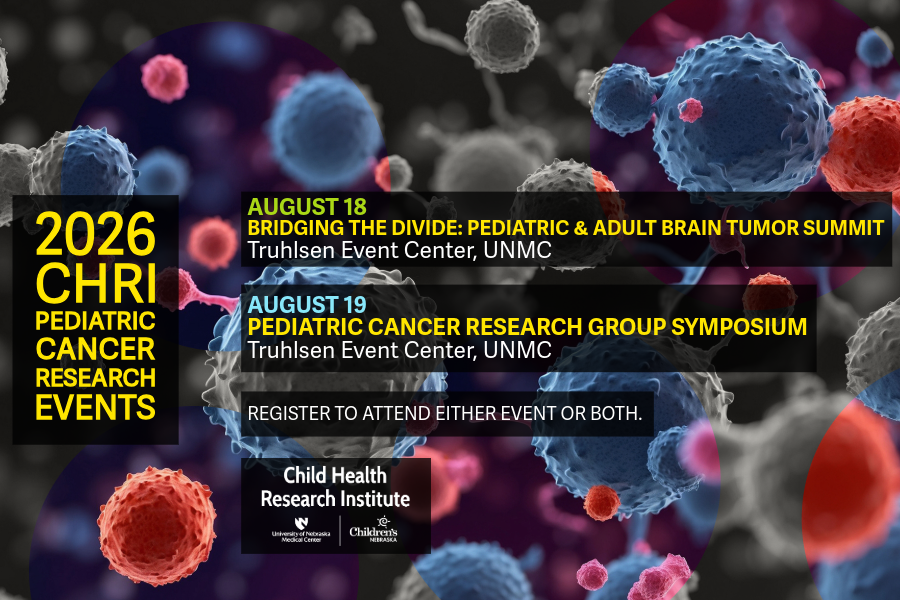
Make plans to attend the Child Health Research Institute's Pediatric Cancer Research Group's events coming up in August. Registration is now open for Bridging the Divide: Pediatric & Adult Brain Tumor Summit on Aug.18 and the Pediatric Cancer Research Group Symposium on Aug. 19. The Truhlsen Event Center on UNMC's campus will host both events, and the registration link will allow you to select to attend either event or both.
Bridging the Divide: Adult and Pediatric Brain Tumors Summit
Aug. 18, 8 a.m. - 3 p.m.
Location: Truhlsen Event Center
Keynotes:
Sujatha Venkataraman, PhD
Associate Professor, Research
Morgan Adams Foundation Research Program
Department of Pediatrics/Neuro-Onc
University of Colorado, Denver
Craig Horbinski, MD, PhD
Chair, Department of Laboratory Medicine & Pathology Mayo Clinic Florida
Professor and Clinician Investigator of Pathology
Mayo Clinic College of Medicine and Science
PCRG Symposium
Aug.19, 9 a.m. – 5 p.m.
Location: Truhlsen Event Center
Keynote:
Ann Anderson Berry, MD, PhD
Child Health Research Institute Executive Director; Vice-Chair, Research, Department of Pediatrics; Division Chief, Neonatology, UNMC and Children's Nebraska; Medical Director, Nebraska Perinatal Quality Improvement Collaborative; Medical Director, NICU and Newborn Nursery, Nebraska Medicine; Sparks Chair of Pediatric Research
Attendees have the flexibility to register for one or both events. Additional agenda details will be released soon.
Poster Submission
The Pediatric Cancer Research Group Symposium site contains information about submitting posters for the upcoming events and for indicating your interest to present your research at the Brain Tumor Summit and/or the PCRG Symposium.
| |
CHRI AI Seminar Series and
August Mentoring Group Speakers Announced
| | |
Make plans to attend to upcoming CHRI August events -
AI Seminar Series
At noon, Monday, August 3, Chun-Hua Tsai, PhD, assistant professor in the Department of Information Systems and Quantitative Analysis at the College of Information Science & Technology, University of Nebraska at Omaha, will be the featured speaker at the CHRI AI Seminar Series. He talk will be, "AI in Healthcare: Generative AI Agent Applications."
Dr. Tsai will discuss how generative AI agents are reshaping healthcare by supporting diagnostic transparency, caregiver-provider communication, personalized pregnancy-nutrition guidance, and immersive medical education. Drawing on recent work in explainable AI, conversational agents, and human-centered healthcare systems, the talk highlights both the promise of AI agents and the design challenges involved in making them trustworthy, useful, and responsive to real clinical and patient needs.
August Mentoring Group
Lynda K. Harris, PhD, associate professor, Department of Obstetrics and Gynecology, will give her talk, " Lessons learnt from submitting grants across three continents," at noon on August, Friday, August 14, at meeting of the CHRI Mentoring Group.
Contact CHRI if you require Zoom information for these meetings.
| | Attend the SURP Poster Session on Aug. 6 | | |
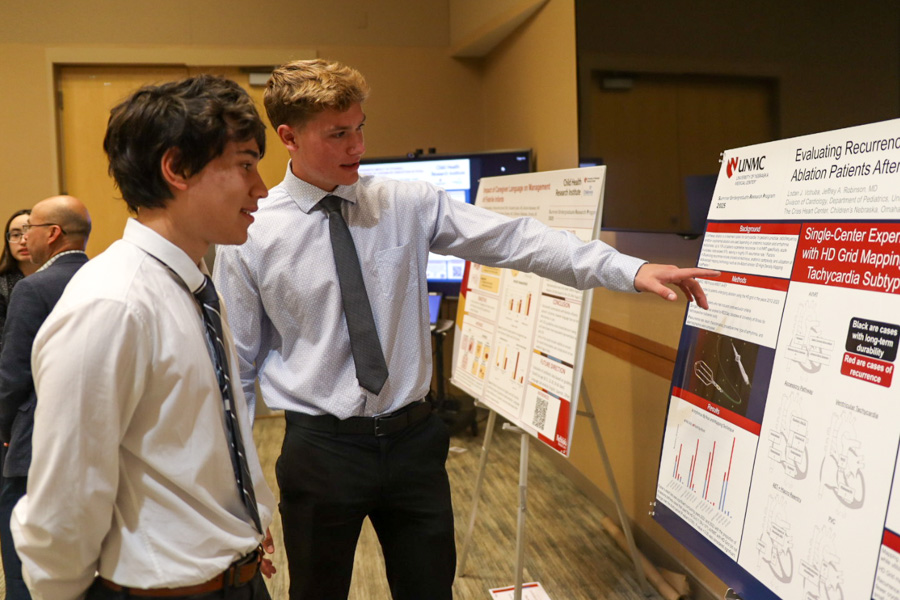
You are invited to attend the Summer Undergraduate Research Project (SURP) poster session on Wednesday, August 6, at UNMC's Truhlsen Event Center from 11 a.m. to 2 p.m.
This session is an opportunity to celebrate the contrbutions made directly to projects led by fellow CHRI members and to encourage and connect with the next generation of pediatric scientists.
All are welcome to this fee event, whether for the full session or a brief visit.
| | Register for the Fall Pediatric Academic Workshop - Sept. 11, 2026 | | |
Register for the Sept. 11, 2026, Pediatric Academic Workshop. The Workshop theme is Grant Writing Essentials and will run from 9 a.m. to 3 p.m. at Children's Nebraska.
Attendees will receive:
Specific, valuable information on:
- Working with a biostatician
- Using AI to assist you with pre-proposal research tasks
- Finding funding opportunities
- Optimizing your National Institutes of Health Biosketch
- Navigating the Institutional Review Board process
- Creating an effective budget
- Additional topics to be announced
| | Congratulations CHRI Grant Awardees | | The Child Health Research Institute (CHRI) recently announced the recipients for the CHRI May grant cycle. Congratulations to the following members: | | | Toni Rose Agana, PhD; Andrea Baraldi Cunha, PT, PhD; Mary Halbur, PhD | Expanding Movement Opportunities in Early Intervention: A Collaborative Pilot Study of Gross Motor Play | $50,000 | | Thomas Blount, MD | Interstage home monitoring association with somatic growth, feeding outcomes and gut microbiome | $49,091 | | Allyson Keathley, MD | Pharmacokinetics of extracorporeal membrane oxygenation (ECMO): How an ECMO circuit alters the bioavailability of Levetiracetam | $15,000 | | Kareem Omran, MD, MPhil | Navigated Freehand Periacetabular Osteotomy with MRI-Based Planning, Cadaveric Validation of a Radiation-Free Workflow for Pediatric Hip Preservation | $15,000 | | | As a reminder, applications for regular-cycle CHRI grants are accepted quarterly with the following deadlines: February 15, May 15, August 15 and November 15 (deadlines that fall on a Saturday or Sunday will be extended to the following Monday), and applicants have until midnight on the deadline to submit.) | | |
Disseminating Discoveries -
July Publications
| | |
Association of Maternal Residence with Failure to Detect Fetal Congenital Heart Disease. Trejo DA†, Li L†, Robinson JA†, Foy AJ†. Pediatric Cardiology. 2026;47(5):1965-8.
† Division of Pediatric Cardiology
Abstract segment*: False-negative screening for prenatal congenital and critical congenital heart disease requiring early intervention may result in increased morbidity and mortality. The association between false-negative obstetric screening and maternal community population remains unclear. A retrospective review of prenatal and postnatal CHD diagnoses was performed at Children's Nebraska from January to December 2024. Maternal households and associated obstetric practices were designated rural or urban status using USDA Rural-Urban Continuum Codes (RUCC).
Barriers and Bridges: Black Doulas' Experiences in Healthcare Setting. Carraher S†, Foster K†, Thabath I, Anderson-Berry A†, Maloney S. Birth. 2026;53(2):407-13.
† Department of Pediatrics and Nebraska Perinatal Quality Improvement Collaborative
Abstract segment*: Black birthing people experience disproportionately high rates of adverse maternal and infant health outcomes. Doula support is associated with improved birth outcomes and can help reduce racial disparities, yet culturally congruent doulas face hurdles practicing in the healthcare setting. This quality improvement project aimed to understand the experiences of Black doulas in Nebraska to enhance integration into healthcare systems.
Dialysis modality and mortality of the Contemporary Infant and Neonatal Dialysis (COINED) Cohort: a Pediatric Nephrology Research Consortium (PNRC) study. Muff-Luett M†, Webb T, Scobell R, Pottanat N, Ciccia E, Claes D, Carter C, Nelson-Taylor S, Beebe M, Harris M, Alhamoud I, Joseph C, Grinsell M, Petgrave Y, Lande MB, Richardson K, Alzarka B, Razzouk R, Piburn K, Byfield R, Kim H, Katsoufis CP, Lindner C, Crawford B, Villegas L, High R, Lyden E‡, Sanderson K. Pediatric Nephrology. 2026;41(6):1731-42.
† Division of Pediatric Nephrology
‡ Department of Biostatistics
Abstract segment*: Recent technologic advances in neonatal dialysis have changed current dialysis practices. The goal of this study was to define demographics, diagnoses, initial dialysis modality, modality changes, and outcomes of neonates receiving dialysis. Retrospective, multicenter cohort of neonates from 26 U.S. centers, who received dialysis between 6/2017 and 5/2022. Measures of central tendency were calculated to describe the cohort stratified by the primary dialysis-related diagnosis including acute kidney injury requiring dialysis, stage 5 chronic kidney disease, hyperammonemia, and other causes.
Mobile Vaccine Uptake (MoVeUP): a randomized effectiveness trial for a vaccine communication app. Kerns EK†, Ounpraseuth S, Darden P, Roberts JR, Lee J, Newcomer SR, Costello LM, Hockett CW, Dehority W, Queen K, Alamarat Z, Watts DJ, Greer M, Phan LT, Chang D, Snowden J, McCulloh RJ†. Vaccine: X. 2026;30.
† Department of Pediatrics, Division of Division of Health System Sciences
Abstract segment*: COVID-19 vaccine uptake among children remains low. Bundling multiple strategies into a mobile health (mHealth) application (app) may be effective in promoting vaccine uptake. We aimed to determine the effectiveness of a caregiver-facing mHealth app on pediatric COVID-19 vaccine uptake. Caregivers of a child unvaccinated for COVID-19 were recruited from 29 clinics in 15 states. Caregivers were randomized to either a COVID-19 vaccine communication (Vup) or a general health education (GenH) app.
| | The CoNDA Center Is Currently Requesting Applications for Its Pilot Project Program | | |
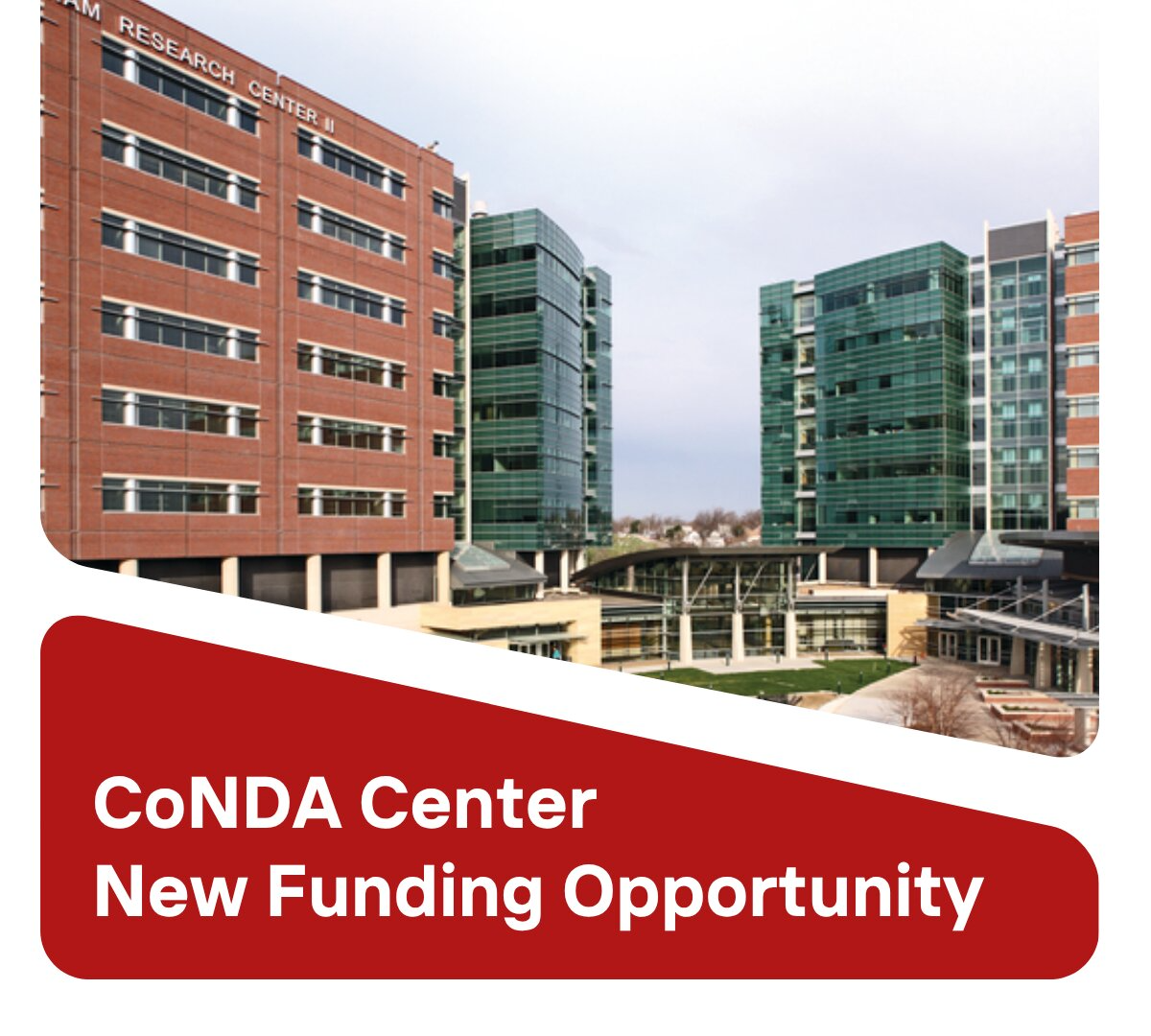
Cognitive Neuroscience of Development and Aging (CoNDA) Center Funding Opportunit is seeking applicants for its Pilot Projects Grants. Letters of Intent to submit a full application due Monday, August 17 at 5:00 p.m.
Visit the Funding Opportunities webpage to find application materials and more details or contact Emily Harkness for more information.
| | |
Discovery Research Grants in maternal & infant health
March of Dimes
$200k over 2 years
Due date: September 8, 2026
Research Grants
Curing Kids Cancer
$150k for 1 year
Due date: September 14, 2026
NIH Highlighted Topic
School Mental and Behavioral Health: Expanding Access to Evidence-Based Interventions and Services
Posted July 6, 2025
“This topic encourages research focused on optimizing and testing school-based mental and behavioral health interventions and service delivery models.”
| | |
Child Health Research Institute
986847 Nebraska Medical Center
Omaha, NE 68198
402-559-4032 or 402-955-7907
Website
| | | | |