August E-News

IT'S TIME TO REGISTER!

Early-Bird Pricing Now Available

October 23-25, 2026

Coast Bastion Hotel, Nanaimo, BC

Research Updates

Queen bees offload pesticide burden to eggs when social buffering is overwhelmed

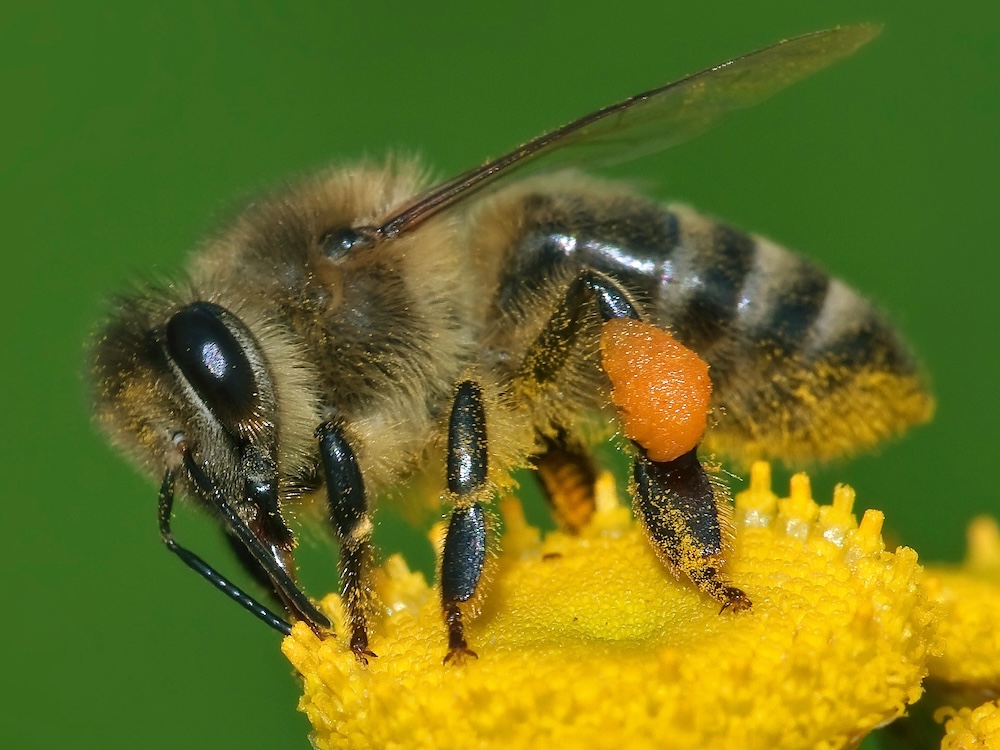
Encerrado-Manriquez et al. show that honey bee hive sociality influences pesticide deposition across hive matrices, with worker bees buffering the colony and the queen affecting colony-wide distribution patterns. Under chronic exposure, these social defenses become overwhelmed, but queens may survive by offloading contaminants to their offspring.

Protecting honey bees (Apis mellifera) from thermal stress: Probiotics and prebiotics buffer the survival and antioxidant enzyme activity

Environmental temperature profoundly influences honey bee (Apis mellifera) physiology, behavior, and survival. In recent years, nutritional interventions have gained attention as potential strategies to mitigate stress-induced physiological disruptions in honey bees. This study evaluated the efficacy of dietary supplementations enriched with combined prebiotics and probiotics in alleviating temperature-related stress.

Bumblebees exposed to up to 7 times as much toxic metal as honeybees

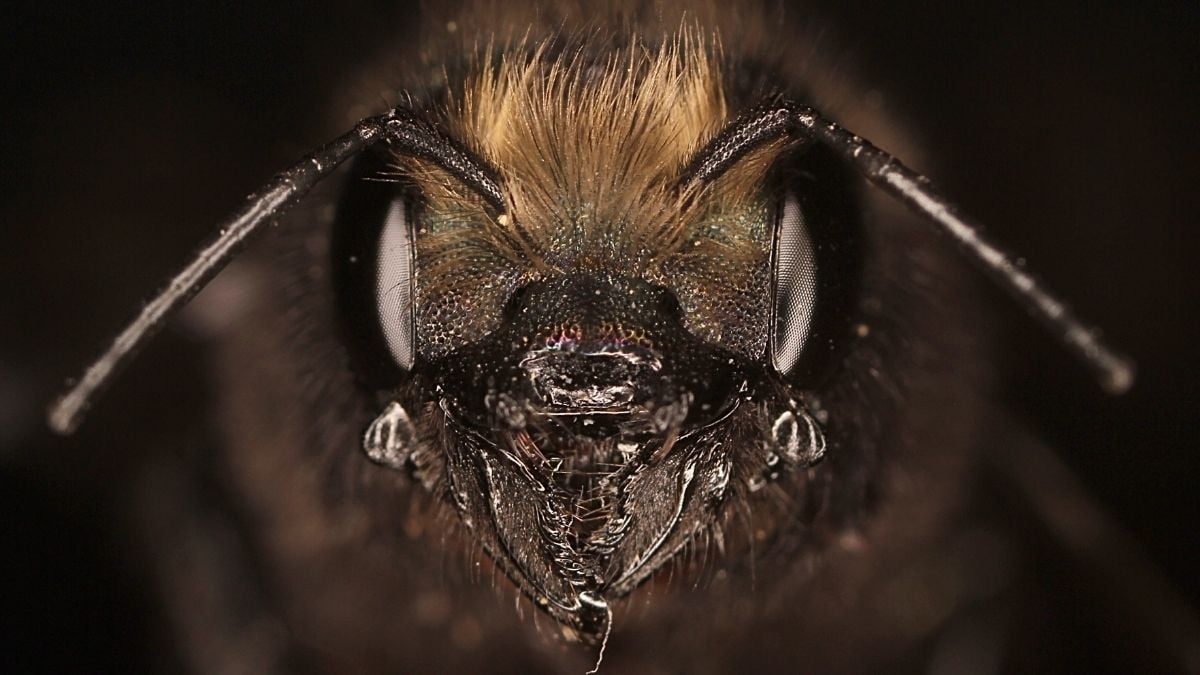
Bumblebees collect up to seven times the amount of toxic heavy metals as honeybees even when foraging in the same environment, new research from the University of Cambridge has found. Exposure to these metals can affect everything from their ability to forage for food to their ability to reproduce.

Bees in the News

The Buzz Is Growing for This Booster of Bee Health | The Tyee

In its first month on the market ApiSave sold 10,000 'patties' said to help honeybees fight disease and parasites.

Beekeepers working to revolutionize Canadian honey industry with locally-sourced queens | CBC News

A group of Calgary-area apiarists are working to reduce the Canadian beekeeping industry's dependence on foreign-imported queens by instead breeding them themselves, with locally-sourced queens potentially better-equipped to survive Canada's harsh winters.

Most People Have No Idea That Bees Make Silk - And Scientists Just Worked Out How to Use It

While the world drowns in plastic, researchers are on the hunt for practical materials that are lightweight, tough, and biodegradable. In recent years, scientists have increasingly turned to the natural world for inspiration - with a whole lot of research focusing on the impressive features of spider silk.

Spider venom spray could save Australia's honey bees from varroa mites

Queensland researchers are testing novel ways to kill varroa mites, which have developed a resistance to standard treatments.

Japanese Fossil Bee Fills Two-Million-Year Gap in Honeybee History | Sci.News

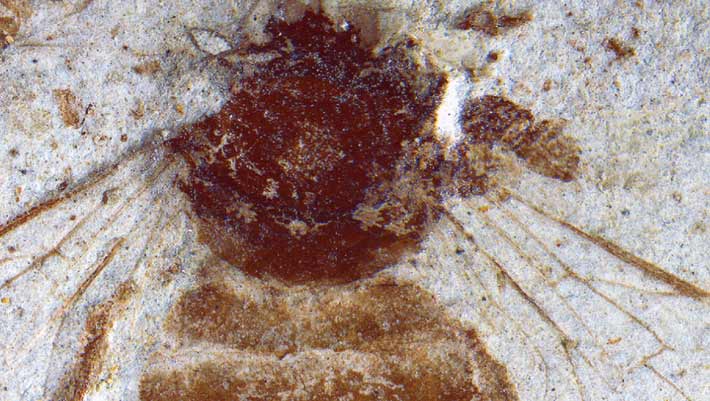
Paleontologists have announced the discovery of a new fossil honeybee species that fills a long-standing gap in the evolutionary record of the genus Apis.

From the TTP

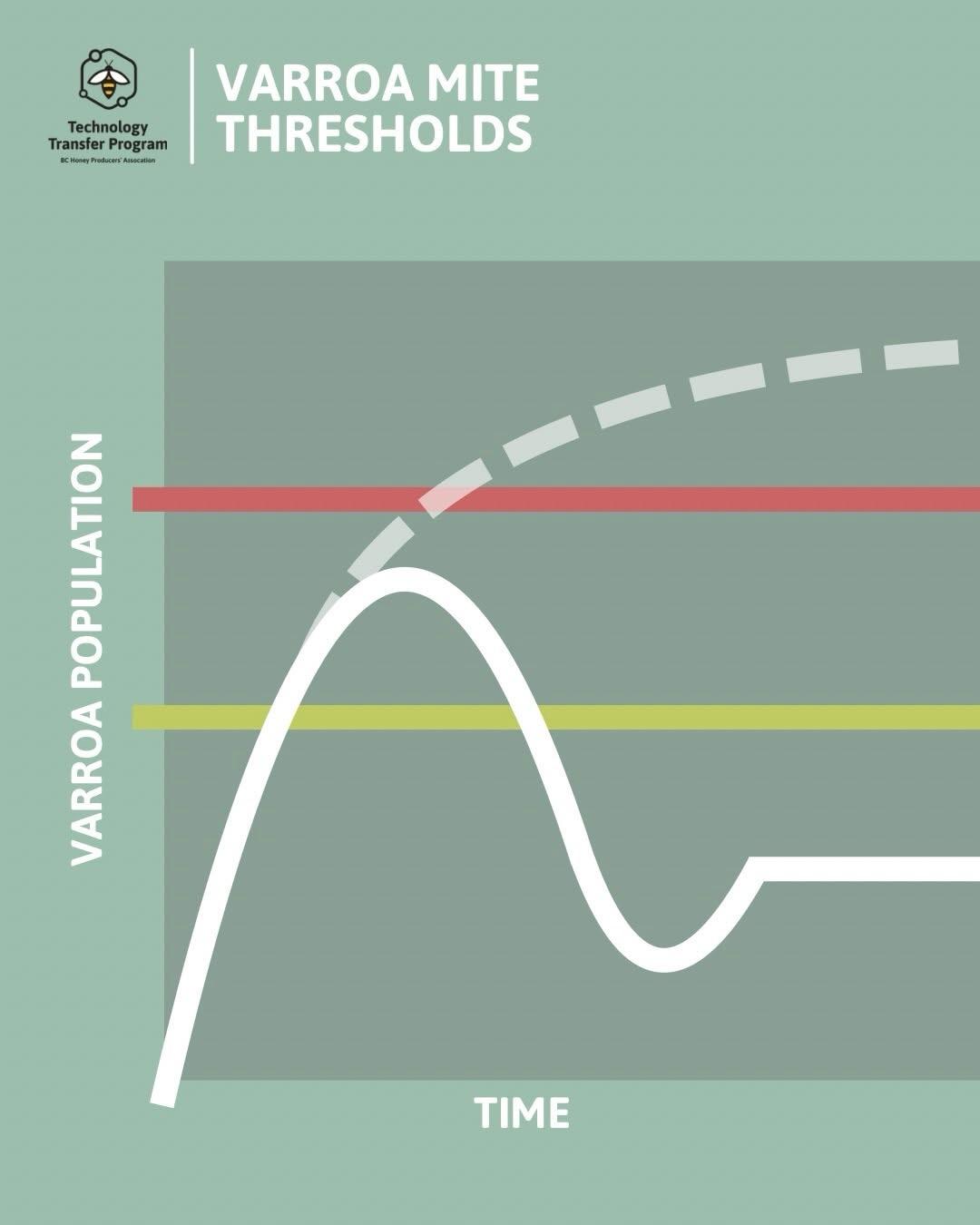
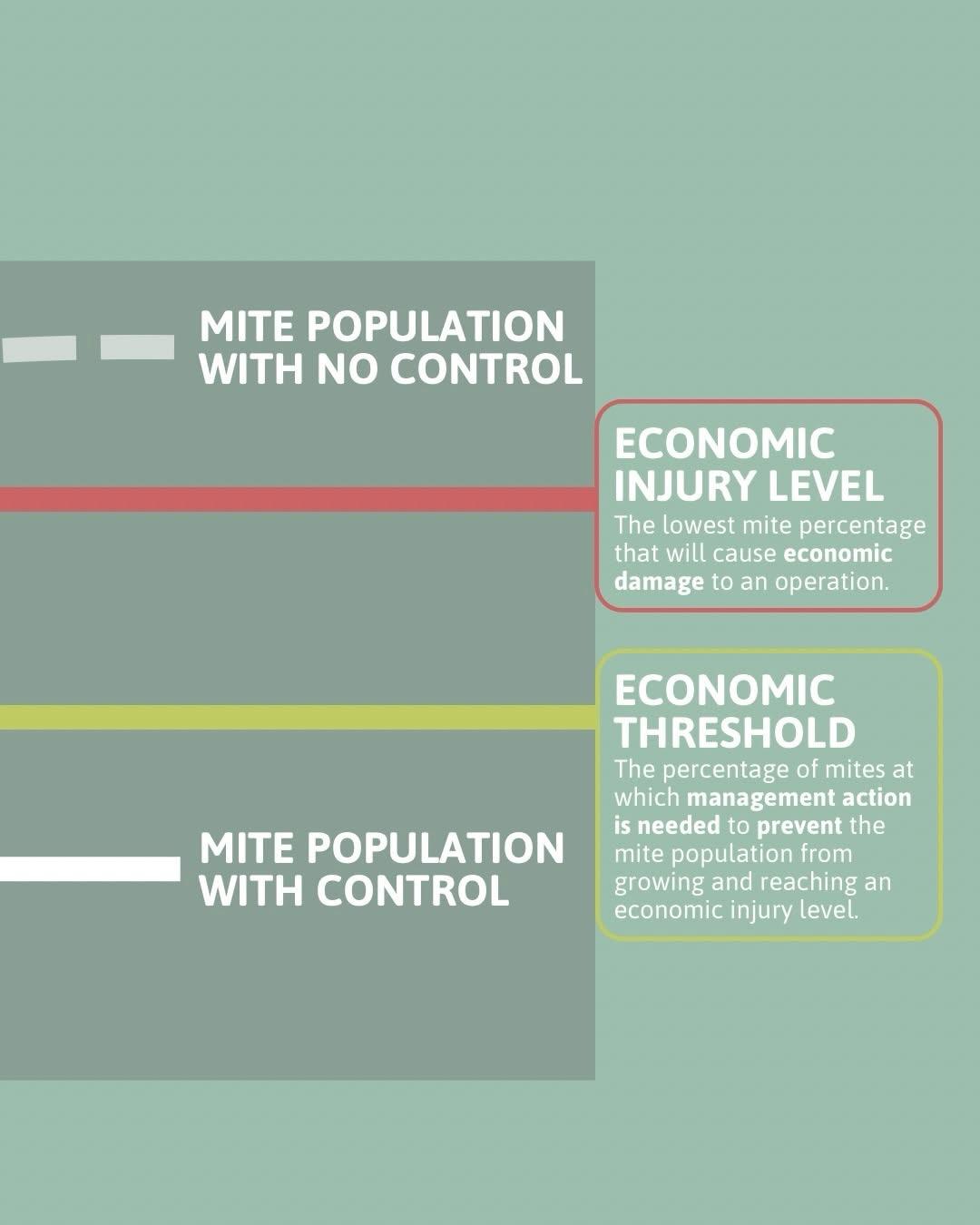
The economic injury level (pink line) is the lowest mite percentage that will cause economic damage to a beekeeping operation. The economic threshold (green line) is the percentage of mites at which management action is needed to prevent the mite population from growing and reaching an economic injury level.

In British Columbia, the economic injury levels (EIL) have been 3%, however, recent studies suggest an EIL of 1%. In other words, if you find 1+ mites for every 100 bees, you should look into treatment options - especially going into the fall.

If you’d like to learn more information like this, take our online course on Integrated Pest Management for Varroa Control for a one time fee of $49! Click the link in our bio or visit ttp-bchpa.ca/integrated-pest-management.


References:

Morfin, N., Foster, L. J., Guzman-Novoa, E., Van Westendorp, P., Currie, R. W., & Higo, H. (2024). Varroa destructor economic injury levels and pathogens associated with colony losses in Western Canada. Frontiers in Bee Science, 2, 1355401. https://doi.org/10.3389/frbee.2024.1355401


Facebook  Instagram

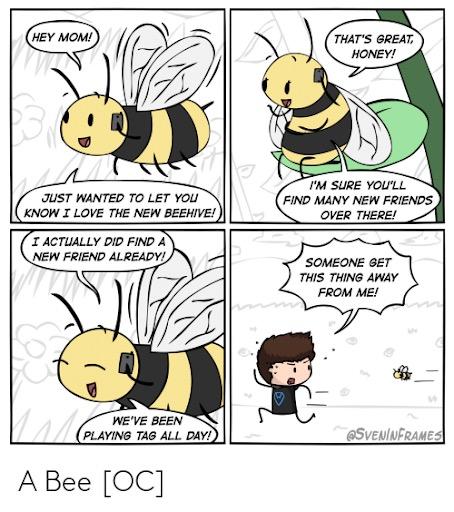
Just for Fun