|
|
Hello Austin Gardeners!
August has come, and we must all accept what will always happen in Texas during this late summer month: HOT, HOT, HEAT. If your plants look a little sad, no need to fret! Keep em watered, and they will perk back up soon! While this is not a big planting month for some of your favorites, that does not mean you cant have some fun and get ahead of your fall garden plans! In this edition we will cover how to grow avocado trees, drought tolerant gardens, hot weather gardening tips, a few staff picked products, as well as our August to-do list!
Stay cool, stay hydrated, garden smart!
Tom, Adam, and the entire staff at The Great Outdoors
|
|
|
|
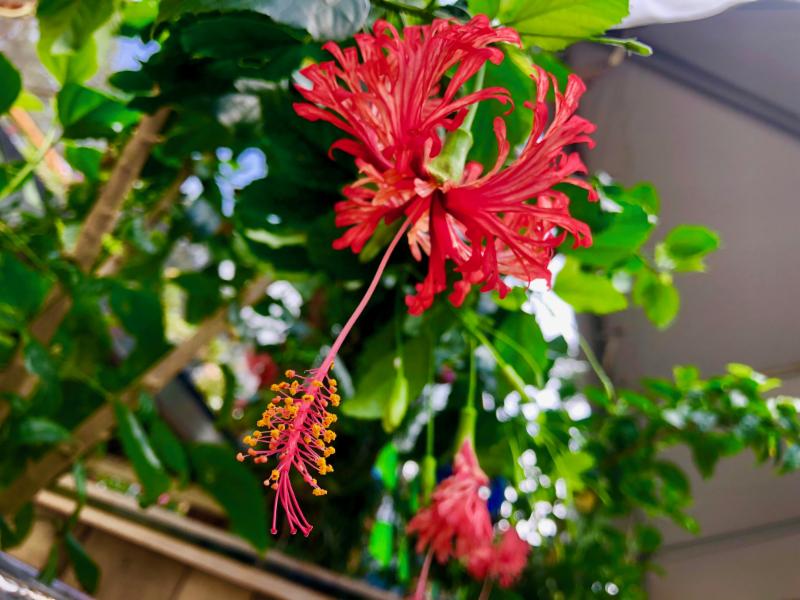
(Above) Japanese Lantern Hibiscus
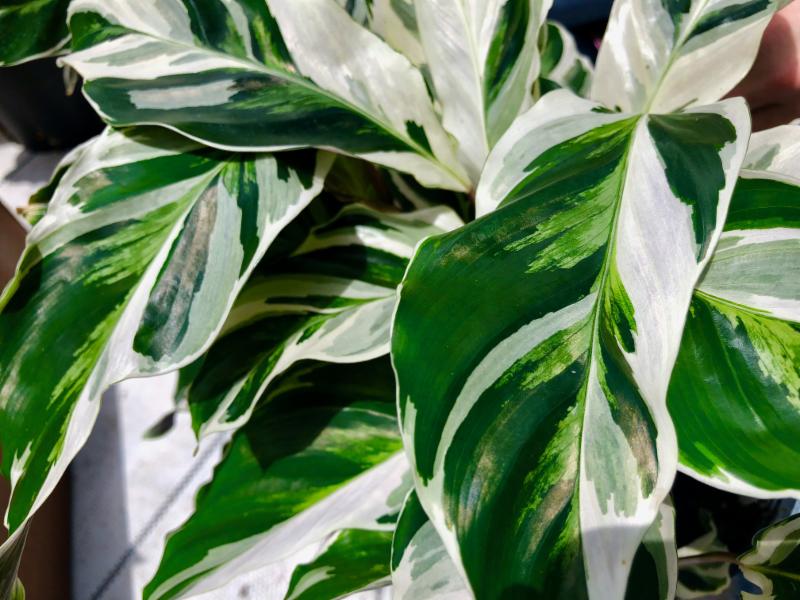
(Below) The incredibly rare Calathea White Fusion
|
What to Plant in August:
- Salvia, Blue Daze, Cockscomb, Impatiens. Ageratum, Ajuga, Rudbeckia, Aster, Alyssum, Amaranthus, Balsam, Bluebell, Calendula, Candytuft, Cleome, Coreopsis, Cornflower, Caster Bean, Cosmos (Late), Cockscomb, Gerbera, Marigold (French) Morning Glory, Petunia, Portulaca, Sunflower, Tithonia, Flowering Tobacco
Edibles:
- Basil, catnip, comfrey, oregano, thyme, rosemary, Mexican mint marigold, mint, lemongrass, lemon balm, lemon verbena, bay laurel
- Corn, Eggplant, Pepper, Tomato, Winter squash, Bush Beans, Cucumber, Summer Squash
What else to do in August:
- Prune herbs often to encourage new growth.
- Dead head flowering plants.
- Late August to early September: lightly prune perennials and roses to encourage fall blooming.
- Cut stalks of plants like coneflower to the rosette.
- Trees: DO NOT prune red oaks and live oaks unless damaged. Coat the wound immediately with paint or wound dressing; No need to apply pruning paint to other trees.
- Water fruit and nut trees deeply to avoid fruit drop-off.
- Solarize areas where you want to kill grass or weed pests for future planting.
- Collect seeds from summer blooming plants. Clean off the chaff and let dry indoors. Store in jars, envelopes, or paper bags (not plastic) to plant next spring.
- Deeply water new plants. Even if rain comes, check the soil to 3" deep to make sure. their roots have water. A brief shower doesn't mean it penetrated to the roots.
- Keep a garden journal to note bloom times and insect habits.
- Spray your at-risk plants with fermented hot peppers and dish soap as deer repellent!
|
|
Growing Avocado Trees in Austin
|
|
Avocados are a dense, evergreen, fast growing tree that in general gets about 12-14 tall in Central Texas.
Avocados should be planted on high ground. They need adequate water, but need good drainage. It is best to build a raised area at least 3 in diameter and about 1high. Once you have this raised area, plant your tree in the middle. You should form a bowl with the graft just above the soil line at the bottom of the bowl. Over the course of 10 months to 3 years, soil can slowly be added into the bowl until the graft is completely under ground, which will provide freeze protection.
Avocado trees will need to be protected from the cold for the first TWO to THREE years. As the tree matures, the green bark on the trunk will begin to turn brown. This will indicate the tree should be cold hardy to the temperatures that are noted below. When a severe freeze is being forecast, mound additional soil around the trunk of young trees for extra protection
Start fertilizing your trees after one year of growth, using a balance fertilizer such as 8-8-8 twice yearly. Fertilizing is done after blooming when fruit is set and again three months later. This should occur approximately mid April to mid June.
Some interesting varieties:
Fantastic - Probably the most cold hardy of the Mexican avocados. Vigorous growing, beautiful tree. Fruit is green with paper thin purple skin. Hardy down to 15 degrees F.
Joey - Very cold hardy* to the mid to upper teens, medium sized fruit, egg shaped, purple to black in color. Excellent flavor. Heavy producer. Ripens August to September. Founded by Joey Ricers in Uvalde, Texas.
Lila - (not the same as Lula). Medium pear shaped fruit with rich flavor. Ripens from September to October. Very cold hardy down to 14 degrees F*. Gets 10-15 in height.
Mexicola - Tall spreading tree. Fruit is smaller than the Mexicola Grande. Thin purple-black color skin. Hardy to upper teens. Ripens in September.
Mexicola Grande - A high quality fruit with glossy, amber, nearly black thin skin and rich nutty flavor. Fruit size varies from 4-8 oz. Ripens August-November. Cold hardy to about 18 degrees F*.
Pancho - Originated as a seedling at Stuart Place, Texas. The fruit is oval to slightly pear-shaped and is light green in color with a very thin skin. Medium sized fruit, cold hardy to the mid teens, ripens August to September.
*Trees are hardy to temperatures indicated only when fully mature and will require protection for about 3-5 years.
|
|
Maintaining a Drought tolerant garden
|
|
|
Now it's August, and things have changed. It's ridiculously hot. And dry. The armadillo has found your priceless stockpile of earthworms, and has proceeded to blindly, thoughtlessly vandalize everything. The only flowers you see are from the wild morning glory vines that have taken over your texas sage and the giant weedy daisy looking things you've been meaning to pull. Things are bad, and you're beginning to consider not only a new hobby, but a new region of the country in which to practice it. But alas, out of the heavens a dark cloud blows in, and for the next day and a half your parched paradise gets soaked in sweet, sweet summer rain, pregnant with nitrogen and magical microbes, and your heart sings. Before the last drop of rain hits the roof, you're sprinting out to the garden to give it a great big horticultural hug. After a few days of crawling around in a post-rain steam cloud, pulling weeds and deadheading spent blooms, your celebration is interrupted by the discovery of a dead lavender plant. Whole thing, dead. Yesterday it was fine. You scan the bed, and see a few more dead lavenders. A half dead blackfoot daisy withers in the shade of a wilting Texas sage. Over the next couple of weeks, half of everything you planted in your dry bed last fall wilts, then dies. You water, but it doesn't seem to help.
August and September are crucial and difficult months in the Austin garden for many reasons, mostly because it's all kinds of hot. But the answer is often more involved than that, especially regarding drought tolerant xeric perennials and desert shrubs. The hard truth is, Austin suffers from a sort of multiple personality disorder when it comes to climate. Temperature and moisture can shift dramatically and quickly, taking a semi-arid August dunescape straight into equatorial jungle terrarium literally overnight. Heat plus moisture plus nutrient rich, organic soil is like kryptonite to many of our toughest desert plants. Many harmful soil fungi are at their best under these conditions, and waste no time turning vulnerable plant roots into a fungal buffet. Plants like lavender, culinary sage, silver germander, and blackfoot daisies, that have spent thousands of years living and evolving in dry climates, have traded their fungus fighting skills for other adaptations like waxy or succulent leaves, and other physiological and chemical mechanisms to combat heat and drought. This means they're sitting ducks when opportunistic soil fungi that normally occur in wet, tropical or subtropical climates are enjoying their day in the sun.
We can't control when rain happens, and there's nothing better than an August storm in Central Texas. But if you want to keep your dry plants happy and floriferous through summer, there are a few preventative measures you can take.
1. Location, location, location. Pick a site for your xeric plants that is sunny and breezy. Sloped areas are better than flat, as they allow moisture to drain from the soil faster.
2. Poor soil is best for xeric plants. Don't baby your blackfoot daisies with rich, composted soil. Good old fashioned sandy loam with little to no amendments and no mulch will give harmful fungi no safe harbor. Once plants are established, keep soil on the dry side and nutrient poor, and your plants will live for many years.
3. Be patient. If you follow steps 1 and 2, you will likely notice your plants growing slowly, and in the summer not growing much at all. This is what is supposed to happen. Be the tortoise, not the hare, and win the race. Patience is both free and priceless in the garden.
|
Saturday, August 10th
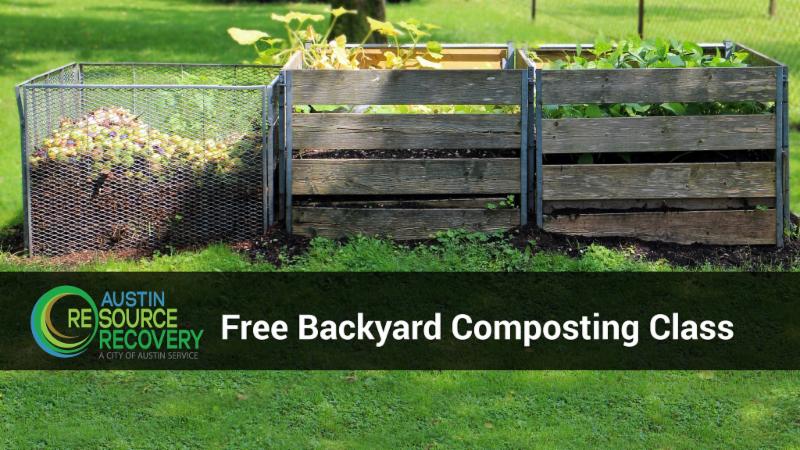
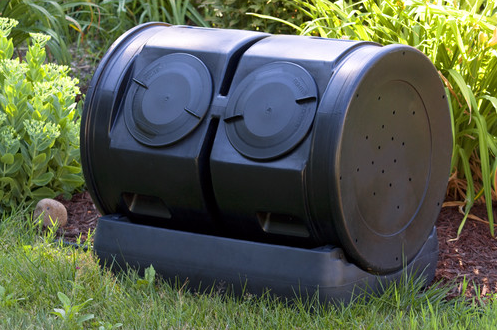
August Garden Party and Free Composting Class
FREE AND OPEN TO THE PUBLIC! SNOW CONES AVAILABLE!
Join the Composting Community!
Register today for a FREE class about Home Composting presented by the City of Austin
This class is part of the City of Austin's Home Composting Rebate Program. Austin residents who pay the Clean Community Fee on their utility bill qualify for a $75 rebate on any home (and apartment) composting system which includes backyard composters, digesters, and vermi-composting systems. Simply attend a composting class, then apply!
Composting is nature's way of recycling. Rather than sending your food scraps and lawn clippings to the landfill, you can turn them into a nutrient-rich fertilizer for your plants, garden, or lawn by using a home composting system. Register to attend this free composting class and learn how!
Click here for details and to apply for a $75 rebate.
|
|
August 9th- September 3rd vote for
The Great Outdoors as Austin Chronicle's Best Garden Center
|
|
|
Gardening on the Hottest days of Summer
|
|
|
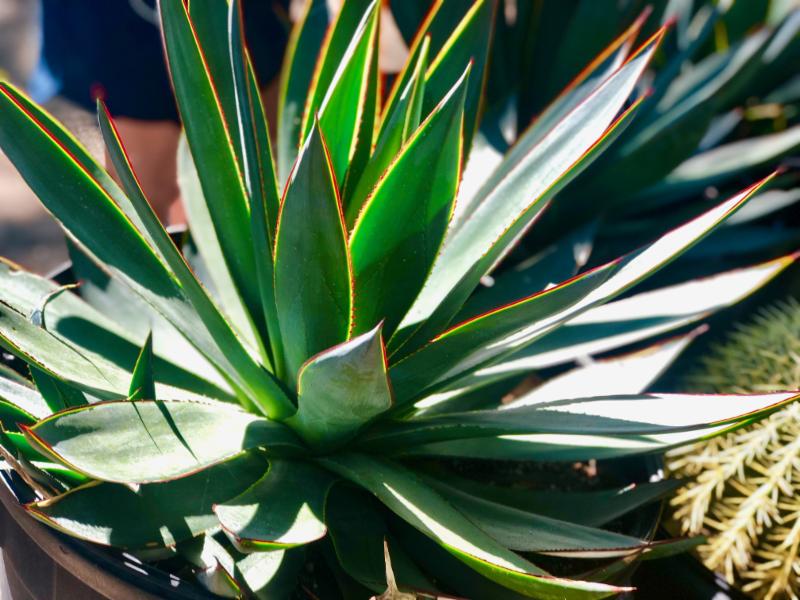
Pictured: Blue Glow Agave in the August sun
|
Throughout most of the country, summer is prime gardening time with warm temperatures and long daylight hours. Here in Central Texas, however, many people consider it the dormant season. With little rainfall and scorching temperatures, it is just too difficult for many plants to thrive. So, like Northerners who "put their gardens to sleep" in winter, we sometimes do the same here in the summer. We either cover them with a thick layer of mulch, using leaves of straw, or we plant them with cover crops. Ideally, we choose legumes like black-eyed peas or purple hull peas because they add nitrogen to the soil and do not require heavy watering.
If you choose to garden through the summer, there are many ways to keep your plants and yourself healthy and happy. Here are some of our answers to frequently asked questions about summertime food growing:
|
|
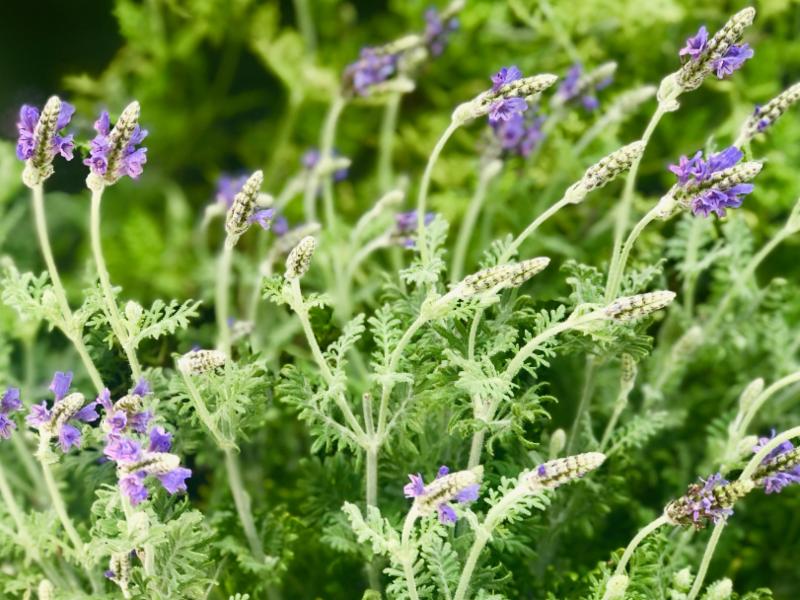
Pictured: Fern Leaf Lavender
|
| HOW CAN I KEEP MY PLANTS FROM WILTING OR DYING IN THE LATE AFTERNOON SUN?
Give your garden late afternoon and evening shade by placing a trellis on the southwestern or western part of your garden and growing a heat-tolerant vining plant up the trellis. Such plants include cucumber, green beans and hyacinth beans. You can also grow sunflowers or corn on the west side of the garden. These plants grow as tall as six feet and can give shade to trailing plants like squash and melons. Last but not least, you can hang a shade cloth made out of bed sheets on the western side of your garden, or you can plant tall, sun-loving plants in front of short, shade-loving plants
|
|
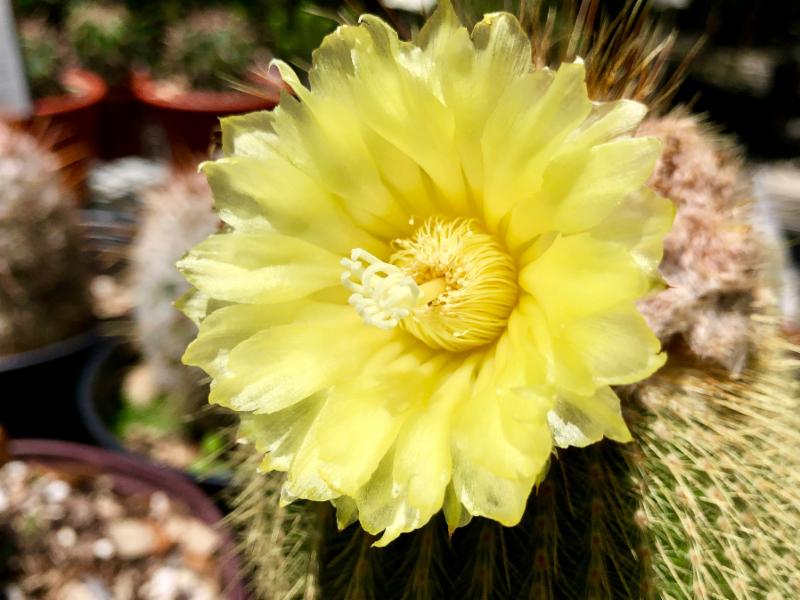
Pictured: Lemon Ball Cactus in full summer bloom
|
| HOW CAN I CONTROL FIRE ANTS IN MY GARDEN?
Fire ants are a very common, warm weather garden pest and can harm plants as well as humans and animals with their sting. If you have access to a stove or electric tea kettle, we recommend carefully pouring three gallons of boiling water on each mound. For an easier fix, you can find organic fire ant control products under our cashier tent!
|
|
Pictured: Composting is an amazing summer project, the city of Austin offers a $75 rebate towards qualifying composters.
|
| WHAT ARE THE BEST EDIBLE PLANTS FOR SUMMER GARDENING?
Heat-loving plants that have adapted to our climate will be the most successful. Many varieties of squash grow well here. Prolific, heat-loving tomatoes are a staple in most summer gardens for good reason. If your tomato plant stops producing fruit in July or August, you can cut it back severely, give it a layer of compost or mulch, and it should start putting out more fruit in September. Eggplant and okra are great options as well and can provide abundant fruit in mid and late summer.
|
|
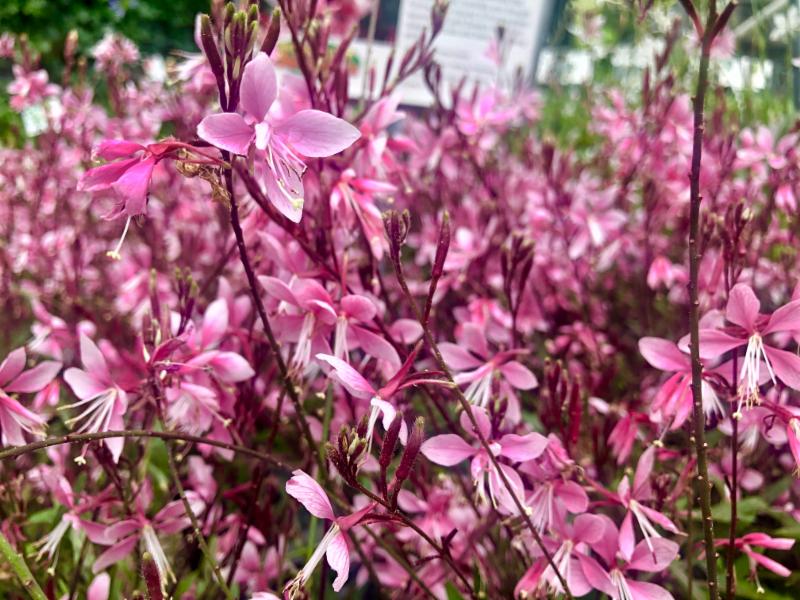
Pictured: Drought tolerant, native, pink Guara lindheimeri
|
HOW CAN I CONSERVE WATER WHILE STILL GARDENING IN THE SUMMER?
We recommend installing rain barrels to harvest rain water off your roof. You can start small, with just a few barrels and add more later on if you find that you need more rain water. If you hand water, make sure to do so in the morning when temperatures are cooler. This will minimize water evaporation. Installing drip lines through the vegetable beds allows water to be introduced directly onto the plant roots where it's needed, also minimizing evaporation
|
|
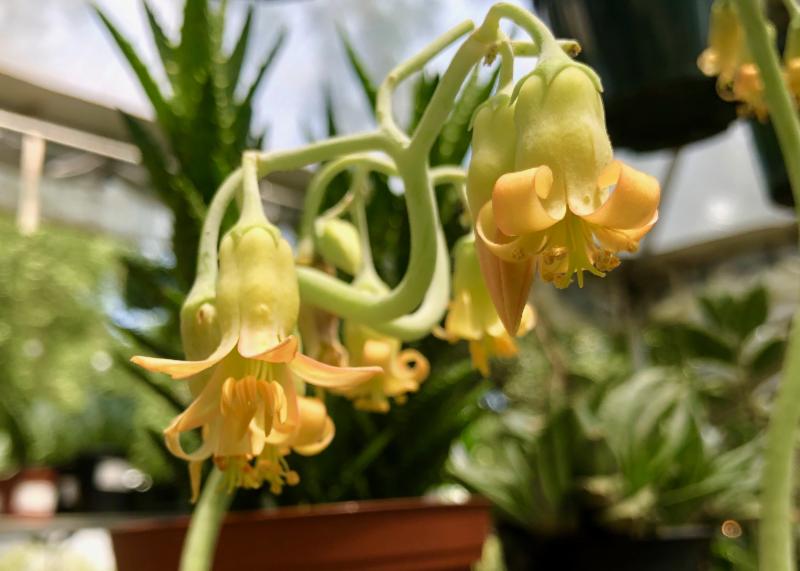
Staff Pick: Cotyledon Orbiculata
|
|
|
Our wonderful cactus and succulents expert Dora is moving on to the next chapter in her story, and we are so happy that she is moving where the succulents grow wild and abundant. We have featured one of her favorite plants below, this is what she shared with us:
"My favorite plant changes alot. Right now, I really like the gorgeous flowers of the Cotyledon orbiculata aka Pigs Ear Jade. I like silvery plants in general and it combines well in mixed planters with other, "fluffier" textures. Remember, give it bright light!"
-Dora
|
|
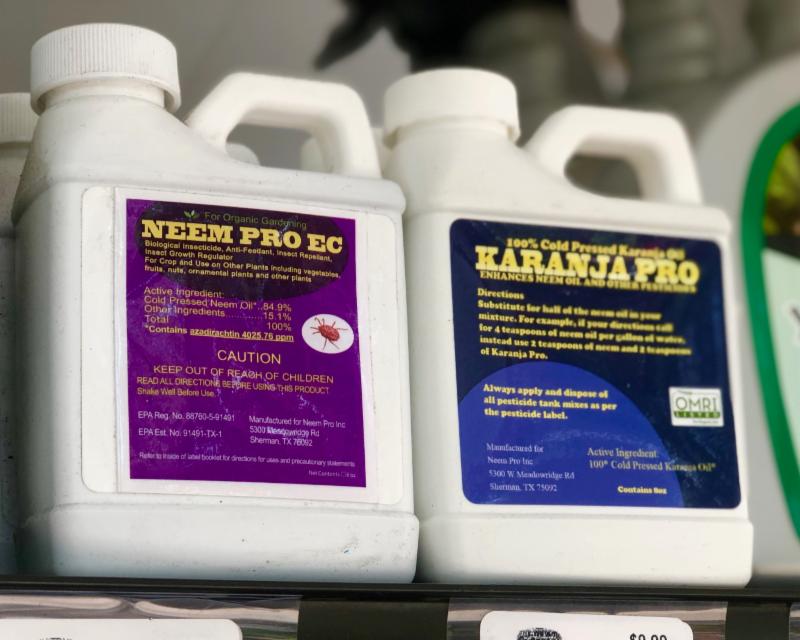
Staff Pick: Neem Pro EC and Karanja Oil
|
|
|
August brings bugs. Lots of bugs. All kinds of bugs, and many of them want to destroy your fabulous plants. That's where we come in! We have all the organic pest control solutions you will need during the high insect season. This month we want to share with you the magic of neem Concentrate mixed with karanja oil. Neem oil is an incredible, multi-purpose insecticide that has about a 68% efficacy on its first application. 68% is a great number, but wouldn't 100% be even better? Why yes, yes it would. That's where the karanja oil comes in.
When karanja oil is mixed 1:1 with a neem concentrate/water solution, the result is a garden pest's worst nightmare. Better coverage, better viscosity, better action. Mixing karanja oil enhances the effectiveness of any organic pesticide it is mixed with, but it is especially effective when used with neem oil. If you have issues with hordes of spider mites and aphids this potent mixture is what you have been looking for!
T
here are many other fantastic products under our cashier tent and in our gift shop that address a litany of pest and fungal issues. Whether you are looking for a spinosad soap, a bi-carbonate anti-fungal, or just some diatomaceous earth, we have all the organic, water-safe, pollinator safe pesticides you could ever need. Please come in and ask us for help, we look forward to helping you beat back those bugs.
|
|
|
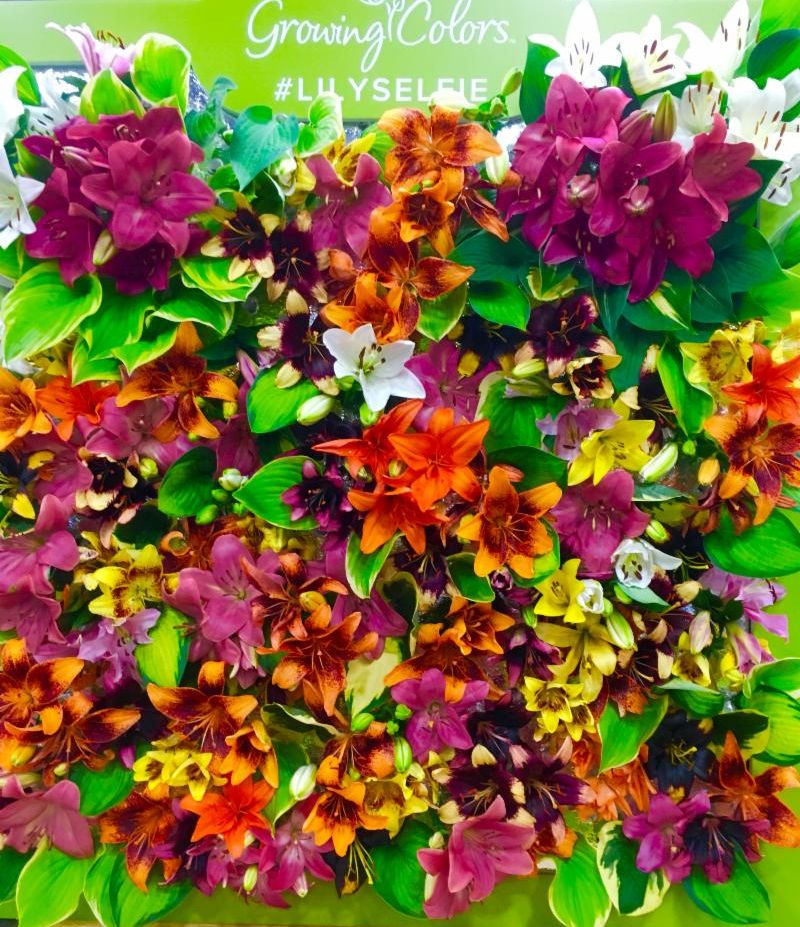
(Below) The #LilySelfie wall at Cultivate 19 in Columbus, Ohio
|
|
We have a new "Rare Houseplants" page!
|
|
|
The Great Outdoors is the best place in Austin to find rare and unique houseplants. Looking for something we do not have? Or something we are out of? Fill out your information in our Rare Houseplants Request Form at the bottom of the Rare Houseplants page, and we will contact you (if we can get them!) as soon as we have the plants you want in our store! For the latest updates on new plants, please follow us on Facebook and Instagram. These rare varieties usually sell within hours of being posted, so follow along so you do not miss any cool new houseplants!
|
|
|
|
Organic Pest Control in Austin
|
The weather has warmed up and the rains are crossing Texas, and you know what that means: PESTS! Mark Gibbs has the organic solutions for your plant pest problems. Ditch the harsh chemicals, which are bad for you and the environment. The Great Outdoors carries lots of safe alternatives to harsh pesticides and we would be happy to help you get rid of unwanted insects!
|
|
Check out our new
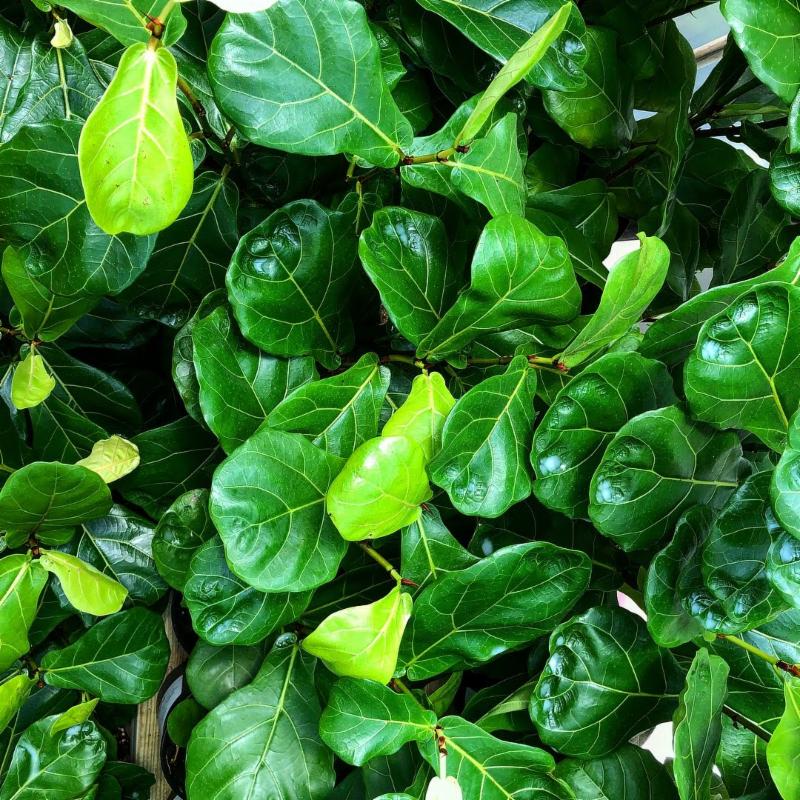
Fiddle Leaf Fig Care Sheet
|
|
Open your iPhone camera or Android QR reader and aim at this QR code
Click the link to check out our updated Fiddle leaf Fig Care sheet!
|
|
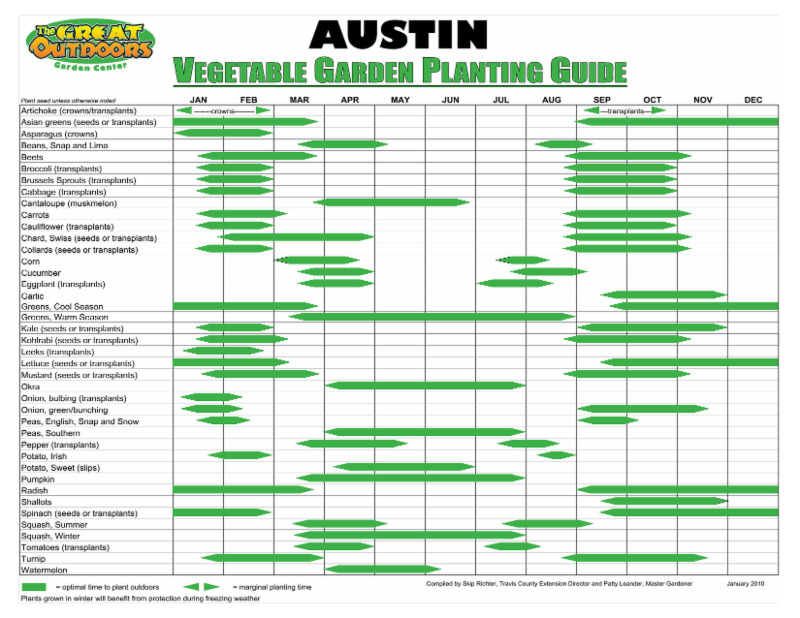
FREE Vegetable Garden Planting Guide in our store!
Thanks to Skip Richter and Patty Leander from the Travis County Extension Service for compiling this chart.
We have these handy 5" by 7" cards in our veggie and seed departments. Best of all they are FREE!
|
|
|
|
TAKE 20% OFF ONE ITEM
|
Bring in this coupon and we
will take 20% OFF the regular price of any one item.
Offer Expires 09/08/2019.
Excludes Music of the Spheres Windchimes and Barmah Hats. Limit one coupon per visit.
*newsletter
|
|
|
|
|
The Great Outdoors Nursery | 512-448-2992 |
GreatOutdoorsNursery.com
|
|
|
|
|
|