August

2026

Issue 8

The Wyoming Health Council works to ensure that all people can access equitable, inclusive, high-quality, and affordable reproductive and sexual health care.

My Kid Is Starting High School...So Naturally I'm Thinking About Condoms


I wasn't ready for this...Somehow, despite my best efforts to slow down time, my baby is starting high school.


Like every parent, my brain has entered full panic mode.


Will they find their classes? Will they remember the locker combination? Will they join a club? Make good friends? Accidentally call a teacher "Mom?" (Please let that be someone else's kid.)


And then there's the bigger stuff.


Will they make good decisions? Will they feel pressured to fit in? Will they come to me when life gets complicated?


Most parents worry about relationships eventually. I just happen to work in sexual health, so my brain skips right past, "I hope they make friends," and lands squarely on, "I hope nobody thinks the pull-out method is birth control."


Occupational hazard.


I went looking online for a simple "Sex Ed 101" to share with my teen someday. Instead, I found enough information to earn another college degree. So here's my version—the stuff I hope every teenager knows, remembers, and maybe even tells a friend.


Sex isn't a race.

You can date. Hold hands. Flirt. Kiss. Have butterflies every time your phone buzzes.


All completely normal.


But despite what social media, TV, or that one sophomore who claims they've "done everything" says, there is absolutely no trophy for having sex first.


Seriously. Nobody hands out medals at graduation.


If you're going to have sex...please, for the love of all things holy, use condoms.

Condoms help prevent pregnancy and reduce the risk of most sexually transmitted infections (STIs).


The first time? Yep, you can get pregnant.

"But we pulled out." Still a risk.

"But it was only once." Still a risk.

"But my friend said..." I promise your friend's cousin's boyfriend is not a medical professional.


Learn where to get condoms. Learn how to use them. Keep them around. Future You will appreciate Present You.


Emergency contraception is Plan B—not Plan A.

One thing I've learned is that way too many teens end up frantically texting friends after unprotected sex, asking where they can find emergency contraception.


Here's a better plan: know before you need it.


Emergency contraception works best the sooner it's taken. Wyoming's Title X Family Planning Clinics can help, often at little or no cost for teens. It's also available over the counter at most pharmacies.


Knowledge beats panic every single time.


Birth control isn't one-size-fits-all.

If you're sexually active, talk to a health care provider about birth control.


There are lots of options, and finding the right one can take a little trial and error.


And here's something many teens don't know: they can receive confidential services at Wyoming's Title X Family Planning Clinics. For many adolescents, care is available at little or no cost because of the sliding fee scale.


STIs don't come with warning labels.

TikTok has done us dirty.


Someone can look perfectly healthy and still have an STI because many infections don't cause symptoms.


If you're sexually active, use condoms and get tested. Being responsible isn't embarrassing—it's mature.


Never have sex just to keep someone.

This might be the most important one.


If someone says, "If you loved me, you would..." the answer is no.


If saying no causes someone to leave, they weren't the right person to begin with.


Healthy relationships are built on respect, not pressure.


And if anyone ever forces, pressures, or coerces you into something you didn't want, tell an adult. Immediately.


One last thing...

Parents, we don't have to know every answer.


We don't need a PowerPoint presentation, a perfectly scripted speech, or a master's degree in adolescent psychology.


We just have to start talking.


Will our kids roll their eyes? Absolutely.


Will they pretend they're dying of embarrassment? Without question.


Will they remember at least some of what we said when they're standing in a situation where they need it?


I sure hope so.


Because if they aren't learning from us, they're probably learning from TikTok, Snapchat, or a friend who confidently believes Mountain Dew kills sperm.


I'd rather survive one awkward conversation than hope the internet raises my teenager.


~A Wyoming Mom


Whether you're a parent looking for resources or a teen with questions about birth control, STI testing, or emergency contraception, Wyoming's Title X Family Planning Clinics provide confidential, judgment-free care and education.


Visit the Wyoming Health Council's clinic locator to find a clinic near you.

The One Back-To-School Item Teens Shouldn't Have To Buy


The time to end period poverty is now.


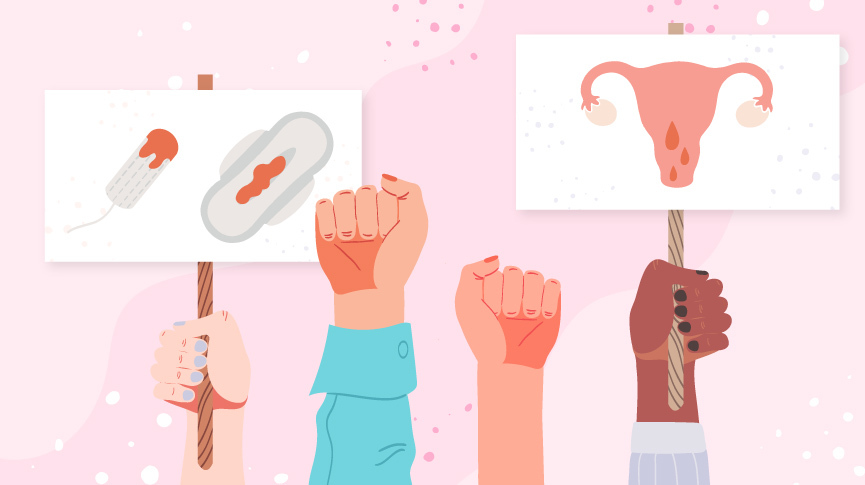
While rarely included on any formal school supplies list, period products—everything from pads and tampons to menstrual cups—are an essential back-to-school item that, for countless families, remains financially out of reach.


But nearly one in four teens say they cannot afford or do not have access to period products, according to a 2023 national study—a phenomenon known as period poverty.


What Is Period Poverty?


“Period poverty is a term used to describe a lack of access to sanitary products by menstruating people,” says Geena Dunne Anderson, founder and CEO of The Cova Project—a group working to combat period poverty across Liberia, Ghana, Uganda, and Malawi. “Generally, this is due to a financial barrier, though sometimes it’s a geographic barrier, a social barrier, or a cultural barrier.”


In 2022, only 36% of parents said they could afford their children’s back-to-school supplies, according to a recent Morning Consult report.


As the cost of living continues to rise, it’s not just notebooks, graphing calculators, and backpacks parents struggle to afford, but essential menstrual products that allow their children to attend school, focus in class, and walk the halls of their schools with dignity and confidence.

Are You in a ‘Situationship,’ or Just ‘Talking’? Decoding Gen Z Slang Around Dating


“Yes, I’ve been going on dates with the same person for the past month, but no, we are not dating,” I told my best friend’s confused mom recently.  


Admittedly, it’s not easy to grasp our generation’s dating norms.  


That’s because Gen Z has flipped the progression timeline. For the younger generation, “dating” is the final step; for our parents, it’s always been the first.  


It’s no wonder that things have become so confusing when terms that parents thought they understood have been repurposed by today’s teens and young adults.  


Below, we present a primer so that you’ll know what your kid is talking about. You’re welcome. 


The “talking” stage 


“Talking” is the first phase of modern dating for most teens. The equivalent for many parents would be “dating” or “seeing each other.” But “talking” is now the term used to describe the beginning of a relationship, when teens are still getting to know each other — primarily online, as Clive, a 17-year-old on the SheKnows Teen Council, explains. “[In a talking stage] there has to be some evidence of mutual attraction, whether that’s hooking up or continued interest…There’s a possibility that it could lead from that to dating.” Teens, like every generation before them, are testing the waters and getting to know each other before they date — it simply has a new label now.

National Immunization Month

Vaccines That Can Prevent STIs


One important prevention tool against sexually transmitted infections is vaccination. Currently, vaccines are available to protect against infection with HPV, hepatitis A and hepatitis B, and mpox. Other vaccines are under development, including those for HIV and herpes simplex virus (HSV). A phase 1 trail for a possible new chlamydia vaccine has also shown encouraging results.

HPV Vaccine


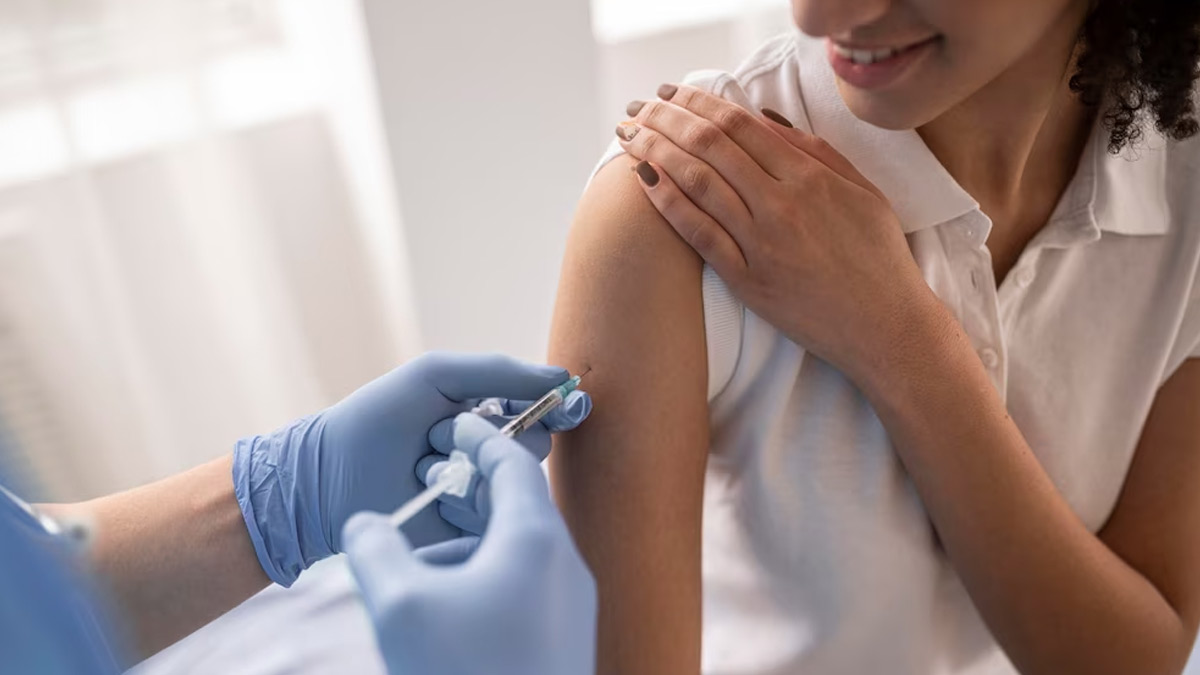
The HPV vaccine protects against certain cancers caused by human papillomavirus (HPV) infection. HPV is a common STI that can cause cervical cancer and cancers affecting the vagina, vulva, penis, anus and throat. The vaccine can also protect against genital warts. The HPV vaccine is recommended for people ages 9 to 45.

International Youth Day

August 12th

The Youth Hub is an IAS (International AIDS Society) program dedicated to young people living with or affected by HIV.


From conception to implementation, young people are at the forefront of the Youth Hub.


The Youth Hub enables young people to develop innovative ideas and effective approaches to address the challenges that young people living with and affected by HIV face. By offering capacity-building opportunities, access to financial resources and networking platforms, the Youth Hub fosters a community of engaged, well-equipped young leaders who are driving lasting change in the HIV response.


Meet the 2024 and 2025 Youth Hub Grantees and check out the amazing work they are doing!

Let Them Know

A Youth-Led AYSRHR Global Roadmap for Action


A vision for SMARTER Action on AYSRHR  


The Global Roadmap for Action is a growing coalition comprised of 40+ youth-led organizations and collectives, and a robust platform for implementing a youth vision for sexual and reproductive health and rights, co-created and led by youth.

Young Human Rights Defenders Dedicated to Advancing Sexual & Reproductive Health, Rights and Justice 


IYAFP was founded in 2013 during the International Conference on Family Planning in Addis Ababa, Ethiopia, by a group of passionate and dedicated youth from around the world. Today, we have grown into a global organization entirely led by youth, working towards empowering young people in matters of Sexual and Reproductive Health, Rights, and Justice (SRHRJ). Our values-driven community and geographic diversity make us a powerful coordinating mechanism for global movement building in SRHRJ.


As youth’s realities do not place individual issues in siloes, IYAFP commits to working on comprehensive SRHRJ issues through advocating for young peoples needs and health. Addressing these issues together ensures that adolescent girls, young women, and all young people are enabled to make informed decisions about their bodies and lives—free of stigma, discrimination and coercion—to have access to their essential human rights, and to live healthy, pleasurable lives. 

Women's Equality Day

August 26th

State of Equality: Wyoming Women's Suffrage Trailer


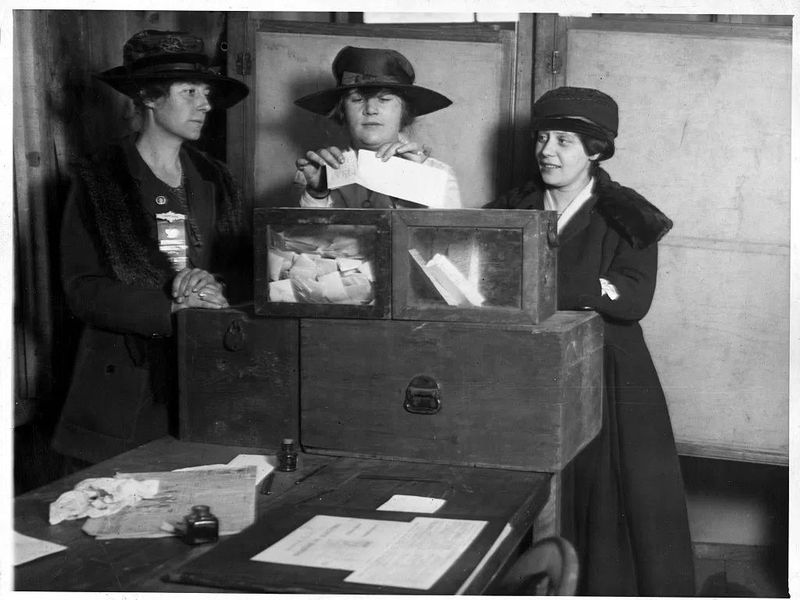
With the national campaign for women’s suffrage stalled, the thinly populated Wyoming Territory in 1869 became the first democracy in the modern world to recognize a woman’s unqualified right to vote. Colorful frontier characters, a volatile mix of motives, and the caprice of history drive this story of a neglected chapter in America’s past.

The State Where Women Voted Long Before the 19th Amendment


For 50 years before the adoption of the 19th Amendment, women in Wyoming had full voting rights.


When Secretary of State Bainbridge Colby affixed his signature to the 19th Amendment on August 26, 1920, women across the United States gained voting rights. The new constitutional amendment, however, brought no change to one region of the country where women had been casting ballots for decades, one often thought of as a bastion of rugged masculinity and “no place for a woman”—the Wild West.


While the right of women to vote had not been specifically enshrined in the U.S. Constitution prior to the 19th Amendment, it hadn’t been prohibited either. For instance, single women owning property “worth fifty pounds” were allowed to vote in New Jersey between 1776 and 1807 before the right was restricted to white males. In 1838 Kentucky allowed widows with school-age children to vote in school elections, and Kansas followed in 1861.


Women’s suffrage, however, was still nearly nonexistent when in 1869 William Bright, a saloonkeeper and president of the upper house of the Wyoming Territory, introduced a bill granting all female residents 21 years and older the right to vote. According to the Wyoming State Historical Society, the territorial legislature had already passed progressive measures guaranteeing women teachers the same pay as men and granting married women property rights apart from their husbands. Bright’s measure backing universal women’s suffrage, however, would be groundbreaking in the United States.


National

Underwear Day

August 9th

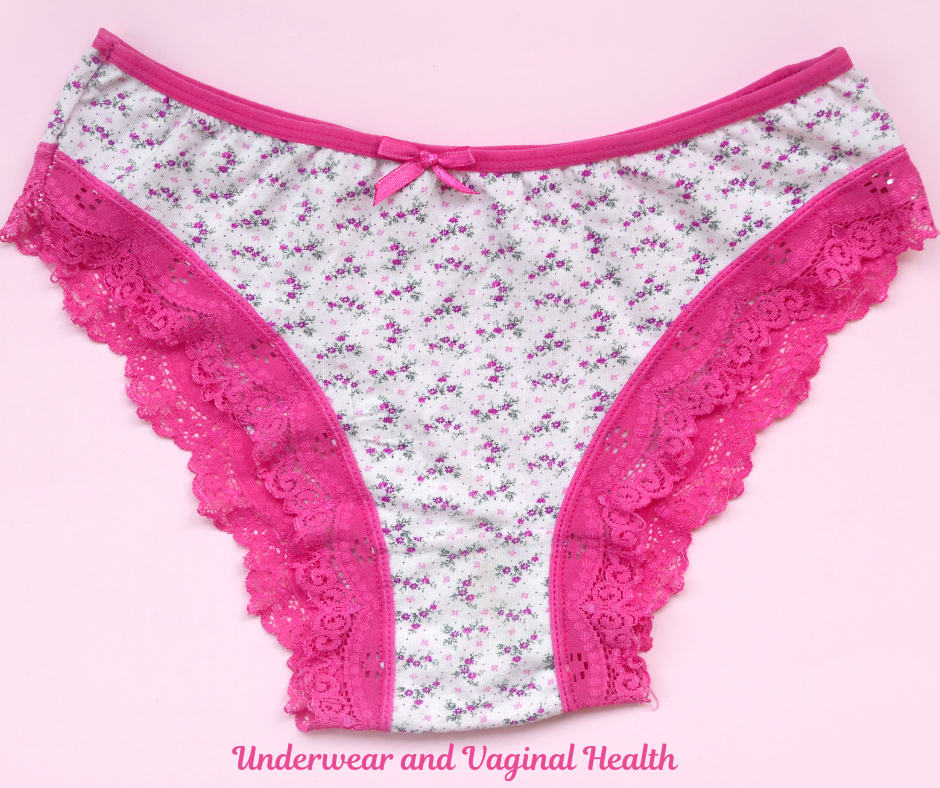
8 Underwear Rules to Live by for a Health Vagina


Choosing underwear made of breathable, natural materials like cotton can support your vaginal health, as can other practices like proper cleaning and knowing when to replace your panties.


Your pantie guidebook to cleaning, wearing, and living.


Did you know that certain fabrics are healthier for you, that at certain times, going commando is better, or that underwear (sort of) has an expiration date?


These unspoken underwear rules can affect your vaginal health.


So we did a lot of research, dug through several underwear hygiene studies, and talked to an OB-GYN to collect eight underwear rules to live by.

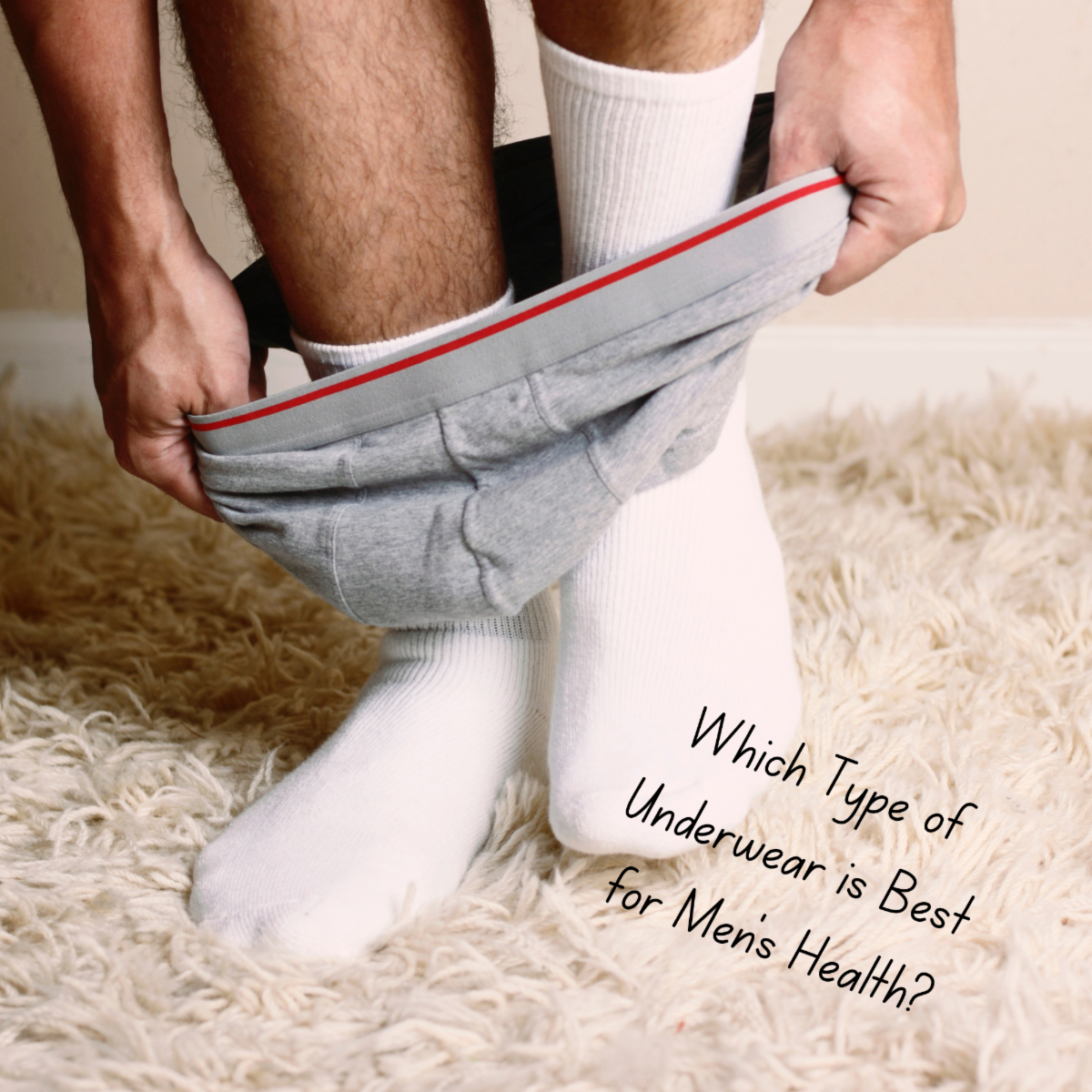
Which Type of Underwear is Best for Men's Health?


What’s the best underwear for men’s health? If you haven’t asked this question in your life, you should. Best underwear for men’s health isn’t something you should just buy and forget because the type of underwear you choose to wear can significantly impact your health, comfort, and overall quality of life.


So in this article, let’s explore the intricate relationship between underwear choice and men's health. We'll dissect common health concerns related to underwear, examine key factors of underwear that affect men's health, and carefully examine different types of underwear styles and materials. 


By the end, you’ll know everything about choosing the right underwear for men’s health that prioritizes your well-being.


Let’s get started.

Planned Parenthood Sues HHS Over Family Planning Grant Changes


Trump administration abruptly cancels grants for teen pregnancy prevention


Is Social Media Shadow Banning Women's Health Content? Here’s What You Need to Know


People on TikTok Are Using Olive Oil as Lube. Here’s Why That’s a Bad Idea, According to an OB-GYN.


26 Drugs for Men, 1 for Women—the Outrageous Gap in Sexual Health Research


Doctors question evidence behind Pentagon plan for testosterone screening


Please consider supporting reproductive and sexual health care in Wyoming!


You can donate directly to us—100% of your contribution goes toward supporting health care access in our state.

This newsletter was developed (in part) with federal funds from the Office of Population Affairs. For more information on the rules and regulations that apply to our programs, please visit

https://opa.hhs.gov/grant-programs/title-x-service-grants


This project is supported by the Office of Population Affairs (OPA) and the Office of the Assistant Secretary of Health (OASH) of the U.X. Department of Health and Human Services (HHS) as part of a financial assistance award 1 FPHPA 006541-0-00 totaling $924,108 with 100 percent funded by OPA/OASH/HHS. The contents are those of the author and do not necessarily represent the official views of, nor an endorsement, by OPA/OASH/HHS or the U.X. Government.

WYOMING HEALTH COUNCIL
111 S. Durbin, Suite 200
Casper, WY 82601

Call Us: (307) 439-2033
Facebook  Instagram  X  YouTube