PO Box 187
116 N. Main Street
Culver, IN 46511

www.lakemax.org

Our Mission:

The preservation of an ecologically healthy Lake Maxinkuckee and its watershed

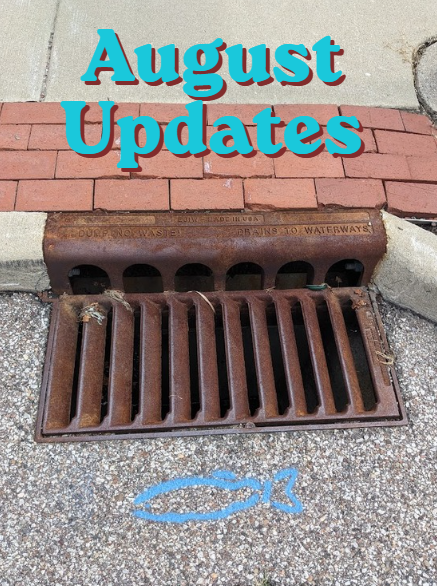
LMEF intern Katie Schouten recently refreshed the painted fish at stormwater grates throughout Culver

Come kick-off Culver-Union Township Public Library's new program series "Environmindful" with a rain barrel workshop THIS Saturday.


LMEF is financially sponsoring up to 20 participants to receive a rain barrel and installation kit at a reduced price.


You can register here -- just a few spots left!

18B clean-up

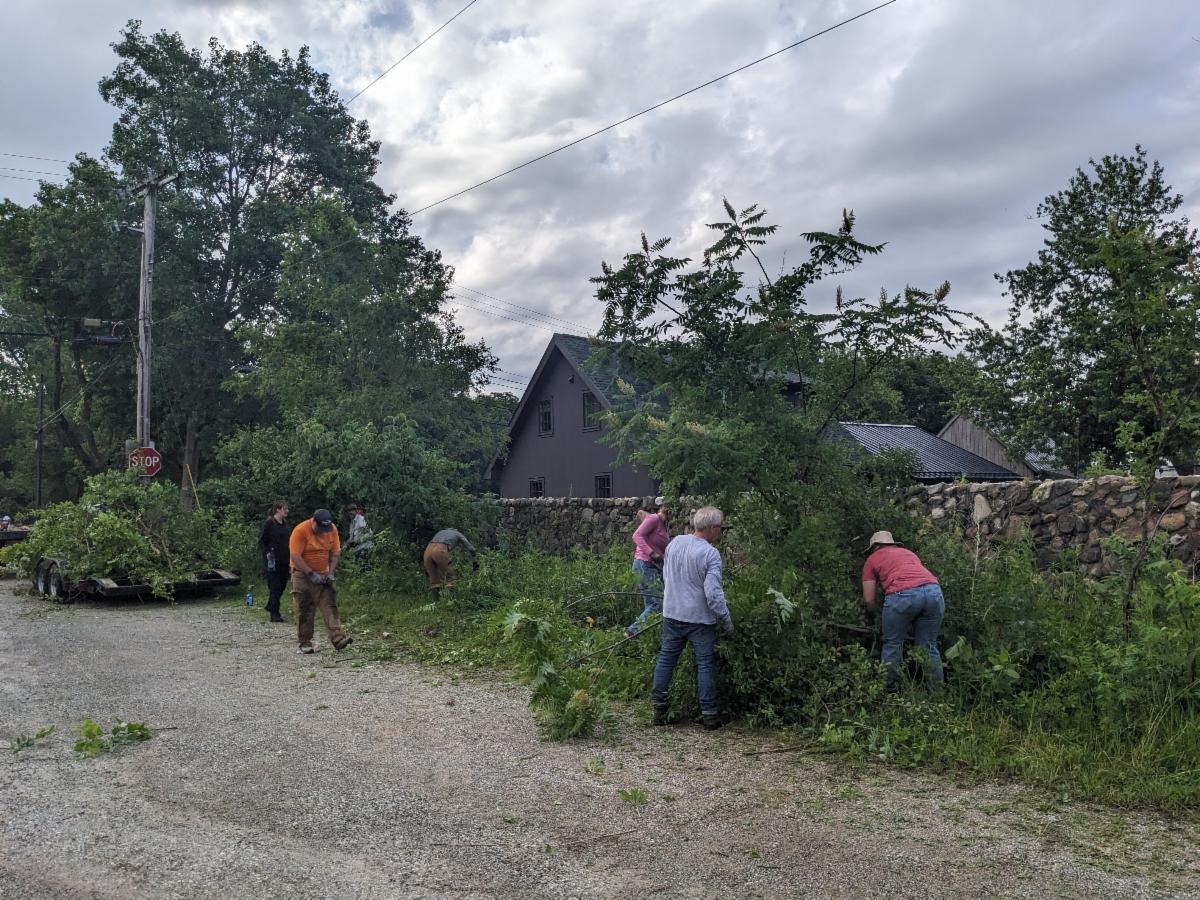
The stream at Marshall County road 18B road is one of several waterways that LMEF’s Stream Team monitors for water quality. Responding to some community concerns, we saw that the adjacent boat ramp at the end of 18B looked like it could use a little TLC. Invasive shrubs and vines had moved in, and trees were beginning to grow up into the powerlines. Some trash here and there needed cleaning up.


However, we also knew that resorting to a manicured lawn look would ultimately leave the banks of the creek without the deep, stabilizing roots provided by native vegetation. Erosion of the road edge and the rock wall would result, as well as sediment entering the lake (see here for a visual).


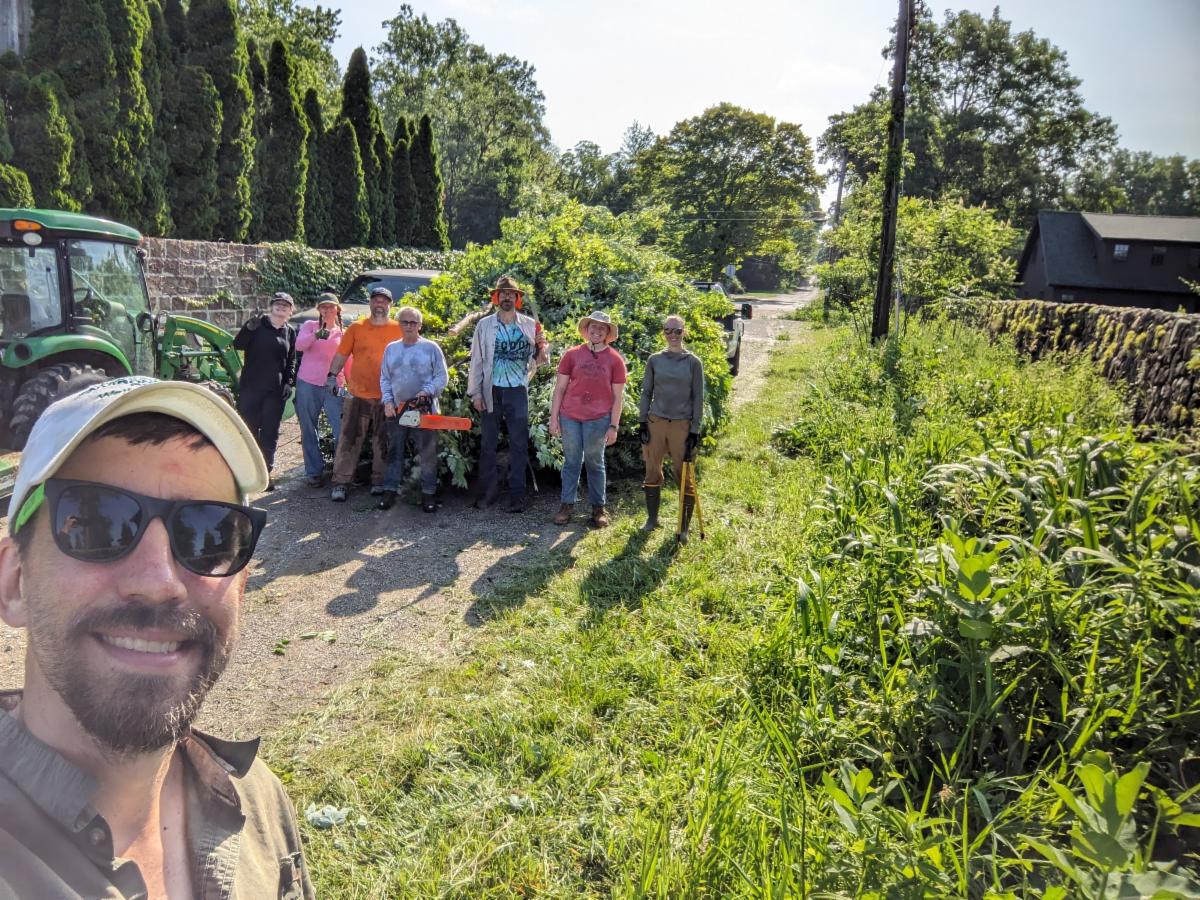
This June, after getting approval from the county, LMEF hired a local team of ecological technicians from Spaulding Restoration LLC to target the woody growth under the power lines and invasive plants along the stream. Tim and Tom Yuhas generously donated their time and equipment to tackle a towering trailer-load of brush that they hauled away.

Stream Work makes the Dream Work!

 "And now... the rest of the story."

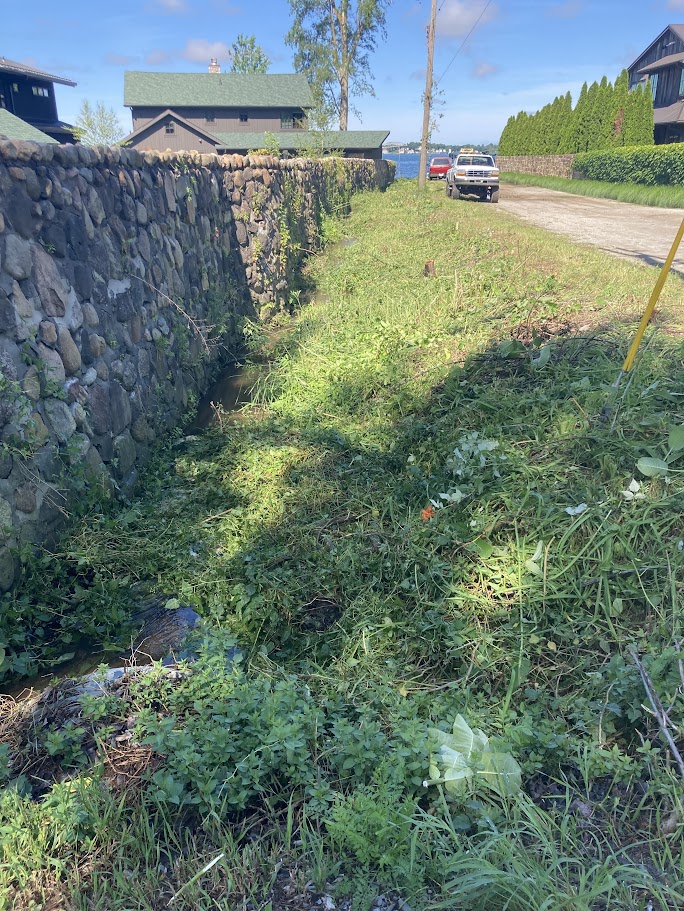
The next morning, our intern Katie discovered that someone had just trimmed everything down to the waters edge, including all the native plants we had worked around to hold the stream in place. Inquiries with a neighbor and the county highway department yielded no answers, and we are still in the dark about what happened.


After the mowing:

LMEF is committed to a collaborative approach towards lake health. If you know who might have tried to "help" with maintenance, please let them know we'd love to talk about how we can coordinate our efforts together.


Fortunately, most of the native plants present are perennials and will bounce back if not mowed again. It will also give us a chance to carefully spray any of the invasives coming up.

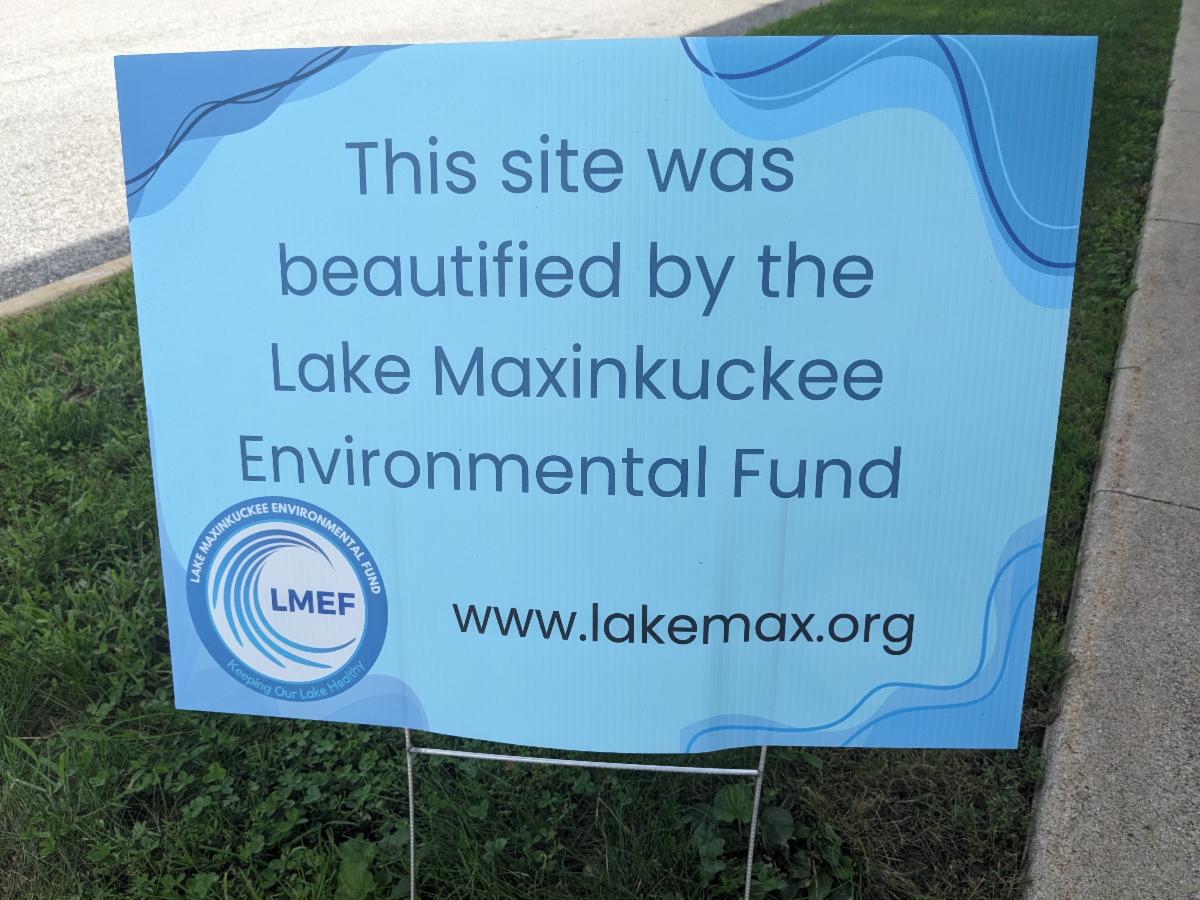
Afterward, I left one of these signs up by the utility pole to let everyone know that LMEF is at work in the community. The next day, it had been swiped. Darn!

Despite the setbacks (including a six-week case of poison ivy I wouldn't wish on my worst enemy), we are proud to come alongside the county and other willing partners to improve the fantastic public resource that is the living ecosystem of Lake Maxinkuckee.

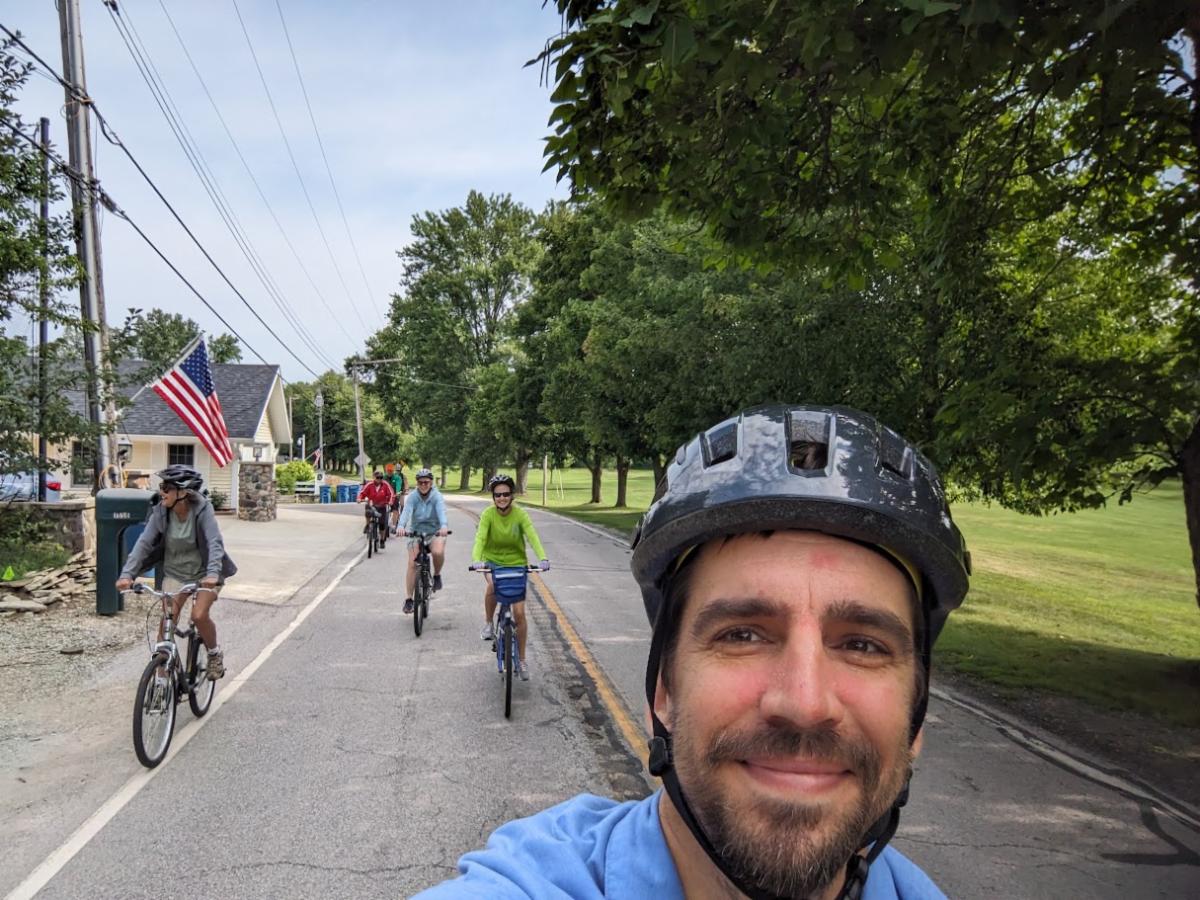
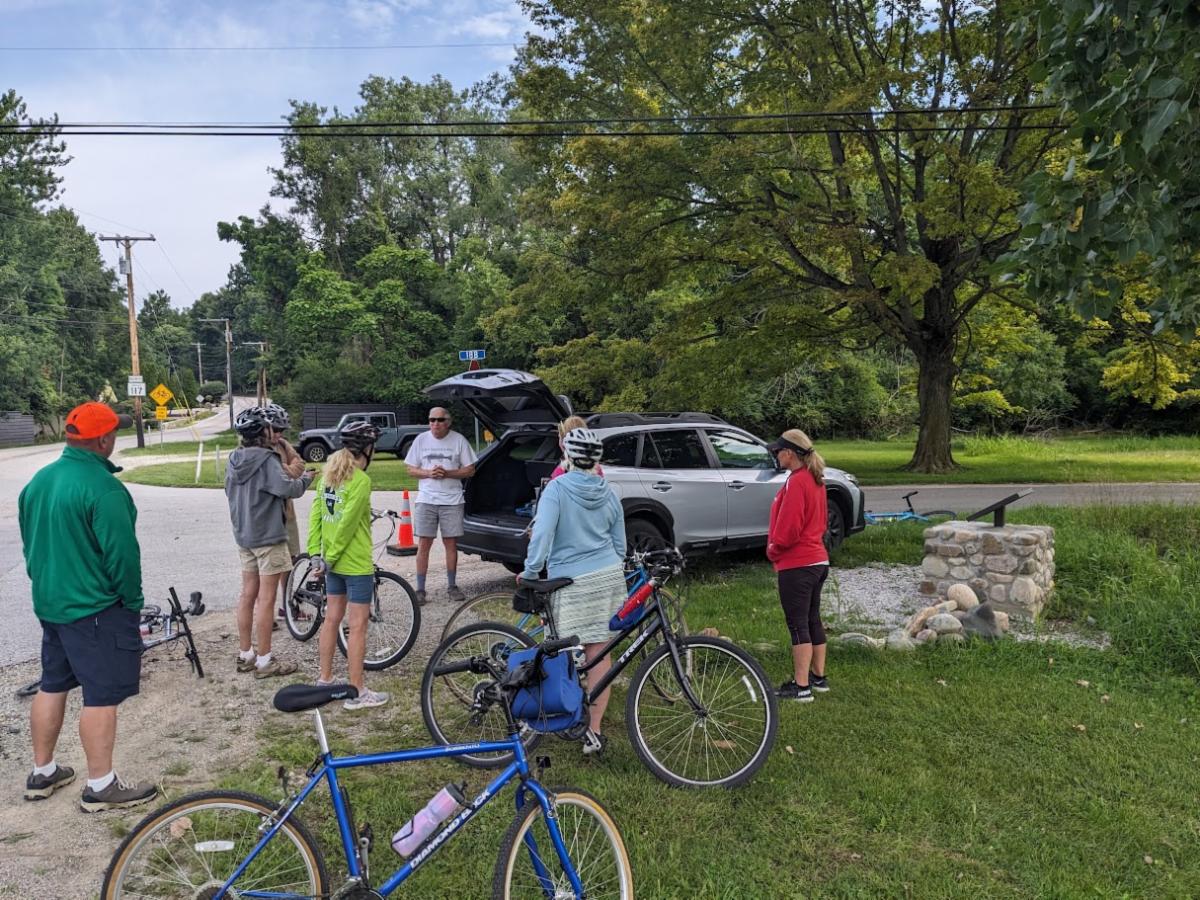
After getting smoked out on the first attempt, a small but eager group rolled out of the LMEF office for a 11-mile loop around the lake, with educational pitstops along the way.

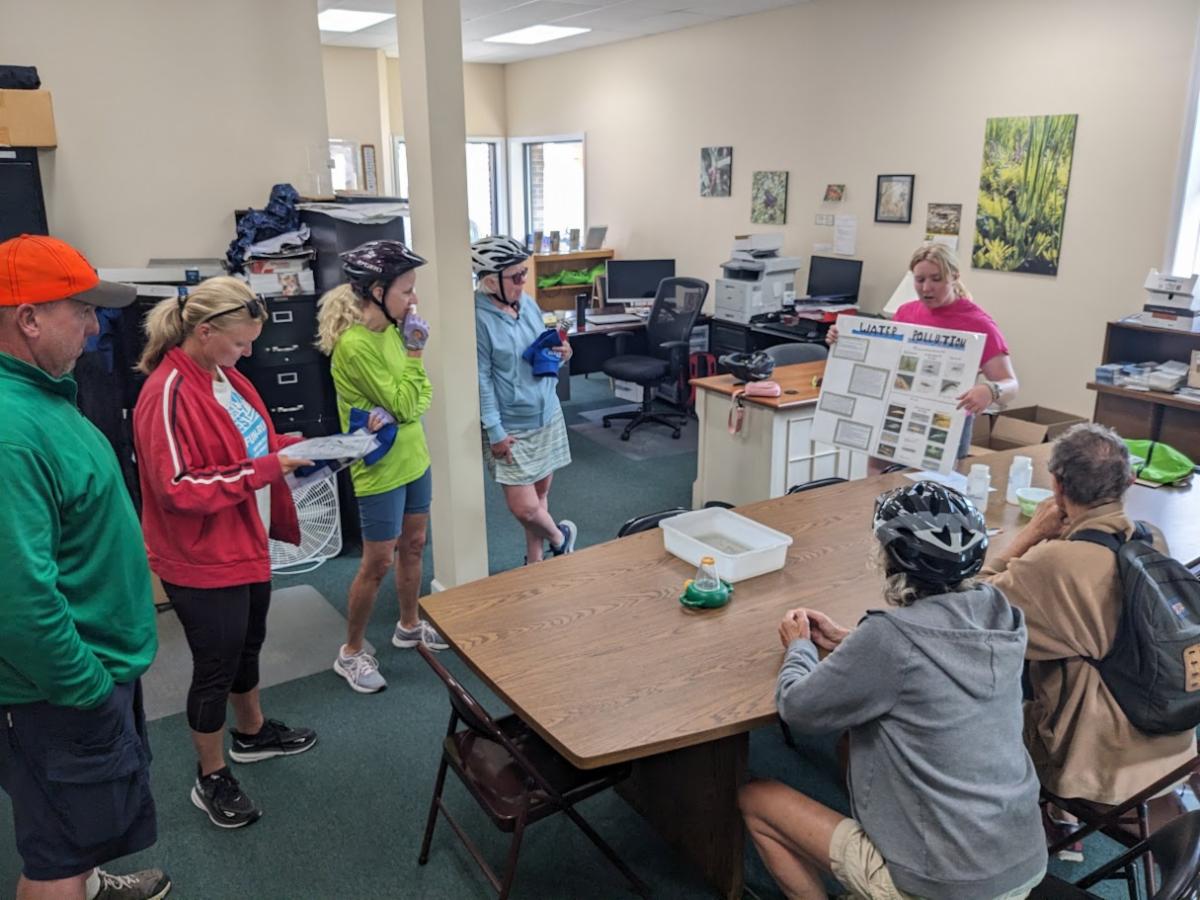
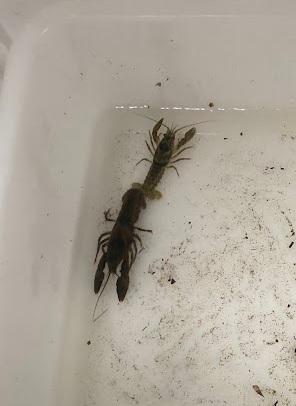
Katie started us off with an overview of macroinvertebrates... small stream creatures that indicate whether a waterway is clean or polluted. We had a couple crayfish on display, borrowed from Cardinal Creek at Woodcraft. They are only moderately tolerant of pollution. A full macroinvertebrate sampling with several different species would give us a clearer picture of the stream's health.

Next, LMEF Stream Team member Scott Holaday reviewed the sampling protocols we use to assess the health of the waters that flow into the lake.

Lastly, we peddled down to the Kline Wetland to see the levee that LMEF has maintained since 1992. It reduces and filters nutrients from the incoming stream and also provides 80 acres of high quality wetland habitat that is open to the public (the property is owned by the Indiana DNR).

If you'd like to know when our next events are coming, be sure that you're subscribed to this newsletter!


Sign Up to Receive Lake Max Messages

Articles Concerning the Lake and Watershed

Facebook  Instagram