|
Coatue vs. Eel Point: A Shorebird Story
Same birds, same season, two very different outcomes
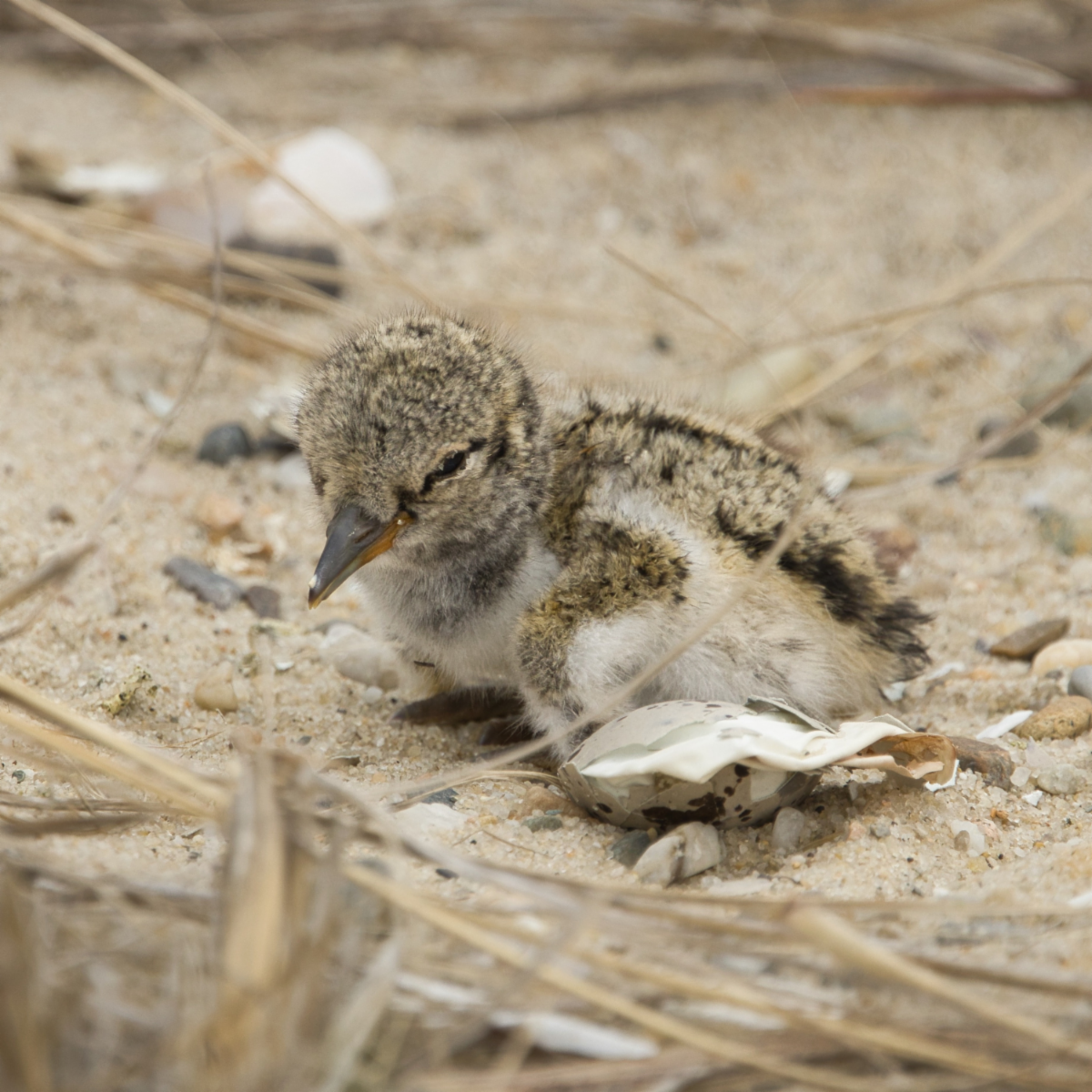
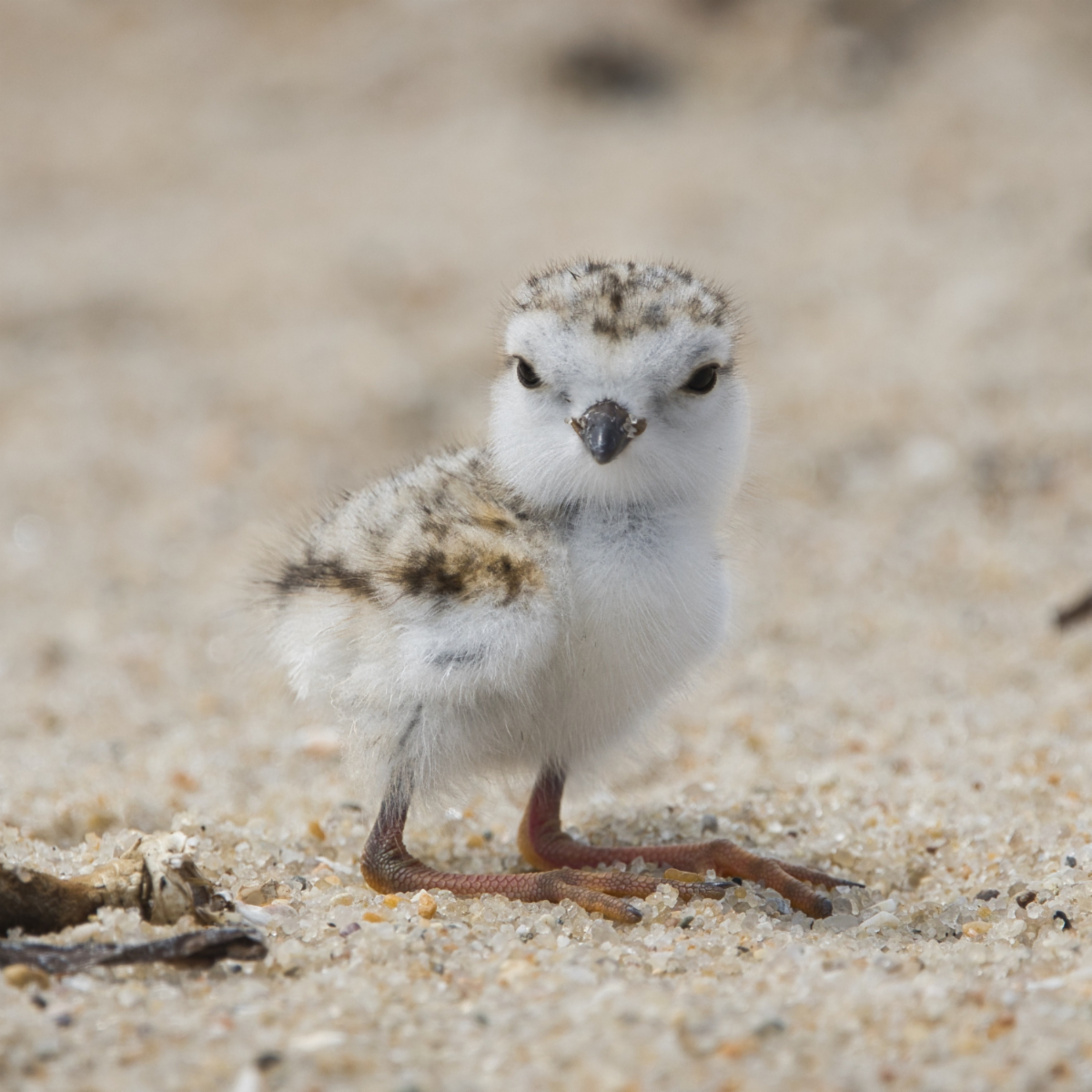
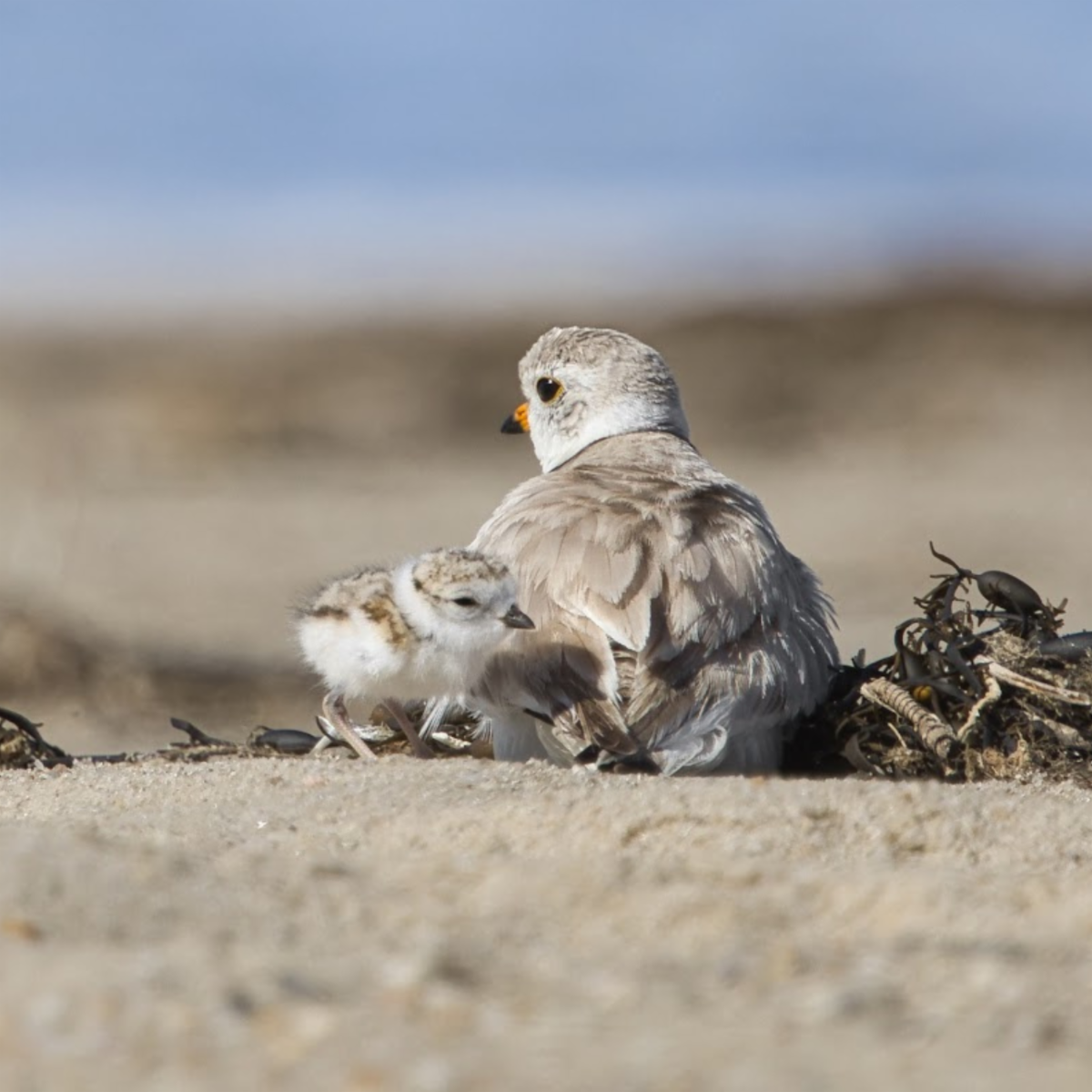
| | (Left) An American oystercatcher newly hatched. (Middle) A hatchling piping plover at Eel Point this summer. (Right) Newly hatched piping plovers cannot regulate their body temperature so they tuck under their mother's wing in an act called brooding. | |
Every summer, hundreds of shorebirds return to Nantucket's beaches to nest. Alongside many island peers, we work to monitor and protect these beaches so shorebirds have the best possible chance at a successful season. NCF properties include 17 miles of coastline, and two areas in particular, Eel Point and Coatue, draw large concentrations of nesting birds each year.
We follow the fate of each nesting pair, from when, where, and how many eggs are laid, to how many hatch, to whether the chicks begin flying, or fledge, their nest. Piping plovers and American oystercatchers are still recovering species, so this data matters well beyond Nantucket.
Everything we track is reported to the state, helping build a clearer picture of how these birds are doing here, and how that fits into the larger effort to bring them back regionally and nationally. Massachusetts is home to more piping plovers than any other state on the Atlantic coast, which means what happens on beaches like Coatue and Eel Point carries weight far beyond our shoreline.
This summer, our team tracked piping plovers and American oystercatchers at both sites, and the results were striking. At Coatue, 8 nesting pairs of plovers produced 14 fledglings, and 16 pairs of oystercatchers produced 13. At Eel Point, 15 nesting pairs of plovers produced only 3 fledglings, and 10 pairs of oystercatchers produced just 3. Every fledgling here is a small but real contribution to the health of the species up and down the coast.
Traditionally, both sites do well. But over the past two seasons, we've noticed some changes. Eel Point has higher elevation, but it's also home to some voracious predators. Coatue offers more space for pairs to settle in and build nests, particularly on its protected harbor side. Understanding how these two sites shift year to year helps us stay ready to support whichever beach needs it most.
These same shorebirds return to Nantucket year after year, sometimes for decades, because we've protected the places they need, and a bird that keeps coming back is one of the clearest signs an island is still healthy, still wild, and worth protecting.
| | |
Caring for Coatue
Why the Milestone Center matters for places like Coatue
| |
The Milestone Center will give NCF's ecology team what they have never had before - a proper research lab, dedicated office space, and for the first time, the opportunity to collaborate with the land management team under one roof.
As our coastlines and salt marshes face increasing pressures, these facilities will strengthen the practical research that informs how we care for Nantucket's most fragile and beloved places.
Coatue is one example of that work in action. Our ecology team studies how the barrier beach is changing, shores up vulnerable areas, and works to protect the coastline that makes Nantucket Harbor what it is.
Every piece of research we do on Coatue - and across all 9,000 acres - connects directly to how we manage and care for the island we all love.
| |
"Not only has NCF been instrumental in preserving vast swaths of land for everyone to enjoy, but their stewardship of their properties is unparalleled. The addition of the Milestone Research Center at this juncture is perfect for the support of these efforts and so much more."
-Pam Murphy, Executive Director, Marine Mammal Alliance Nantucket
| | |
From the Field
A look at what's happening across our 9,000 acres this month
| | |
A Rare Bat Recapture, 7 Years Later
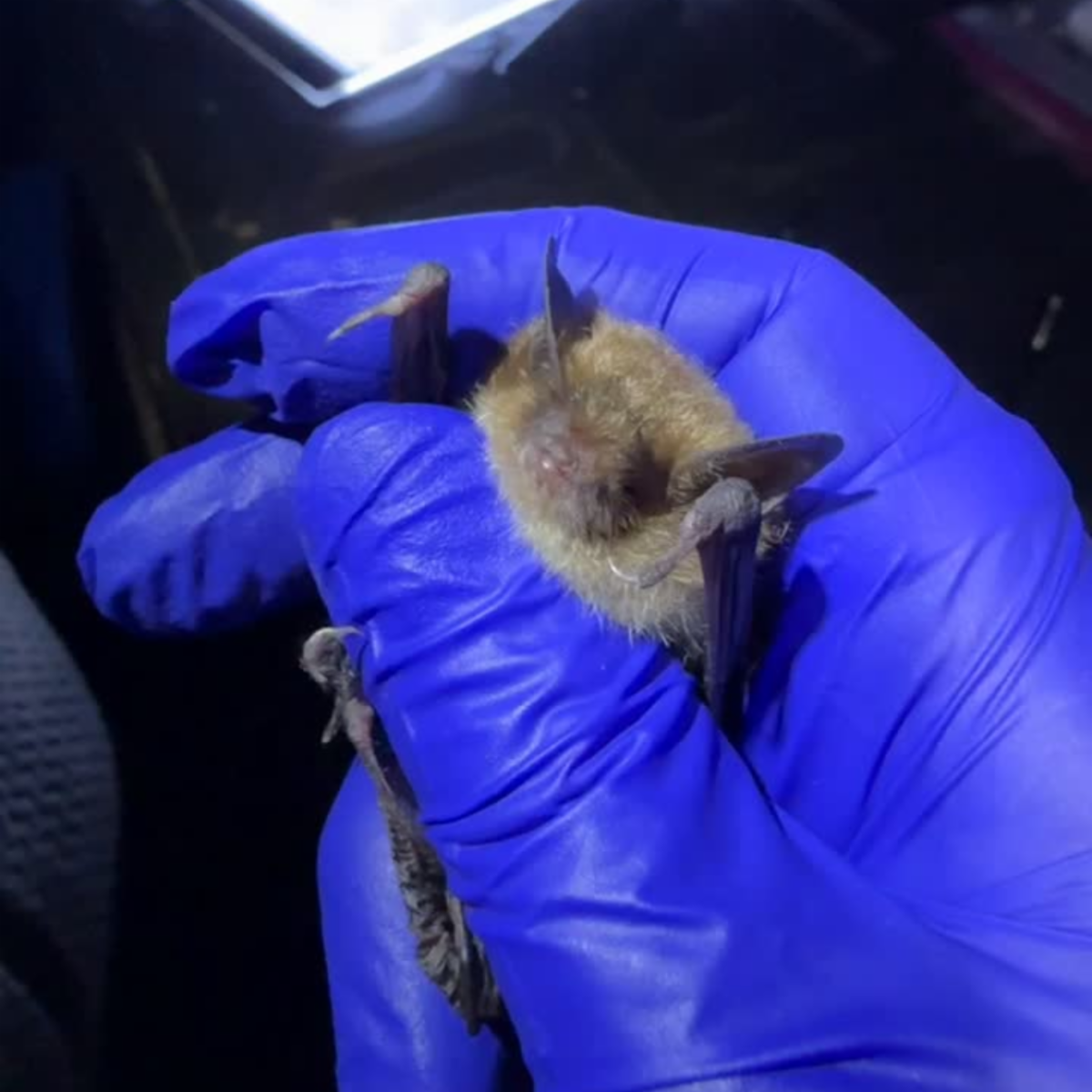
In July, our team recaptured a female northern long-eared bat we originally captured and banded back in 2019, an extremely rare find.
She was captured in the same location, was the same size and weight, with no wing scarring or other signs of White-nose Syndrome, the fungal disease that has wiped out bat populations across the country.
Northern long-eared bats can live 18 to 20 years, so at seven years old or more, she's proof that when we protect a bat's habitat, she has a safe place to keep coming back to.
She was also lactating, meaning she has a pup nearby, the clearest reminder of why protecting that habitat matters so much.
| | |
Purple Marsh Crabs Disrupting Medouie
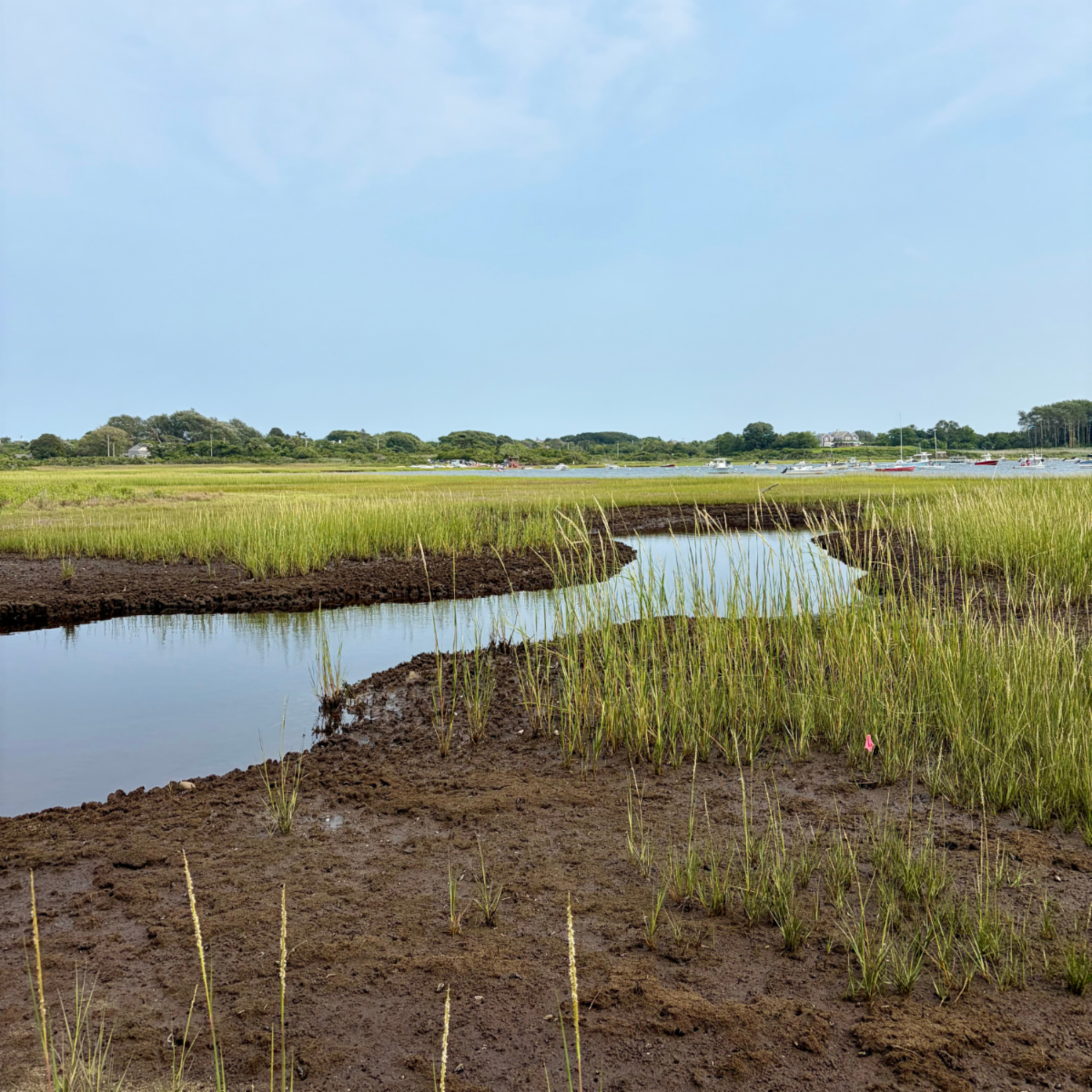
Over the last few years, we've watched purple marsh crabs grow out of balance in Medouie Marsh, so this summer we spent time studying the population to understand what's driving that change.
Purple marsh crabs are native, but rapid population growth like this can overgraze the marsh grass and burrow into the peat, speeding up erosion and decomposition.
As that peat disappears, the marsh loses the stability that holds it together. That instability weakens the marsh's ability to protect our shorelines and support the coastal ecosystems that depend on it.
| | |
Spotted Turtles Are Thriving in the Restored Wetland
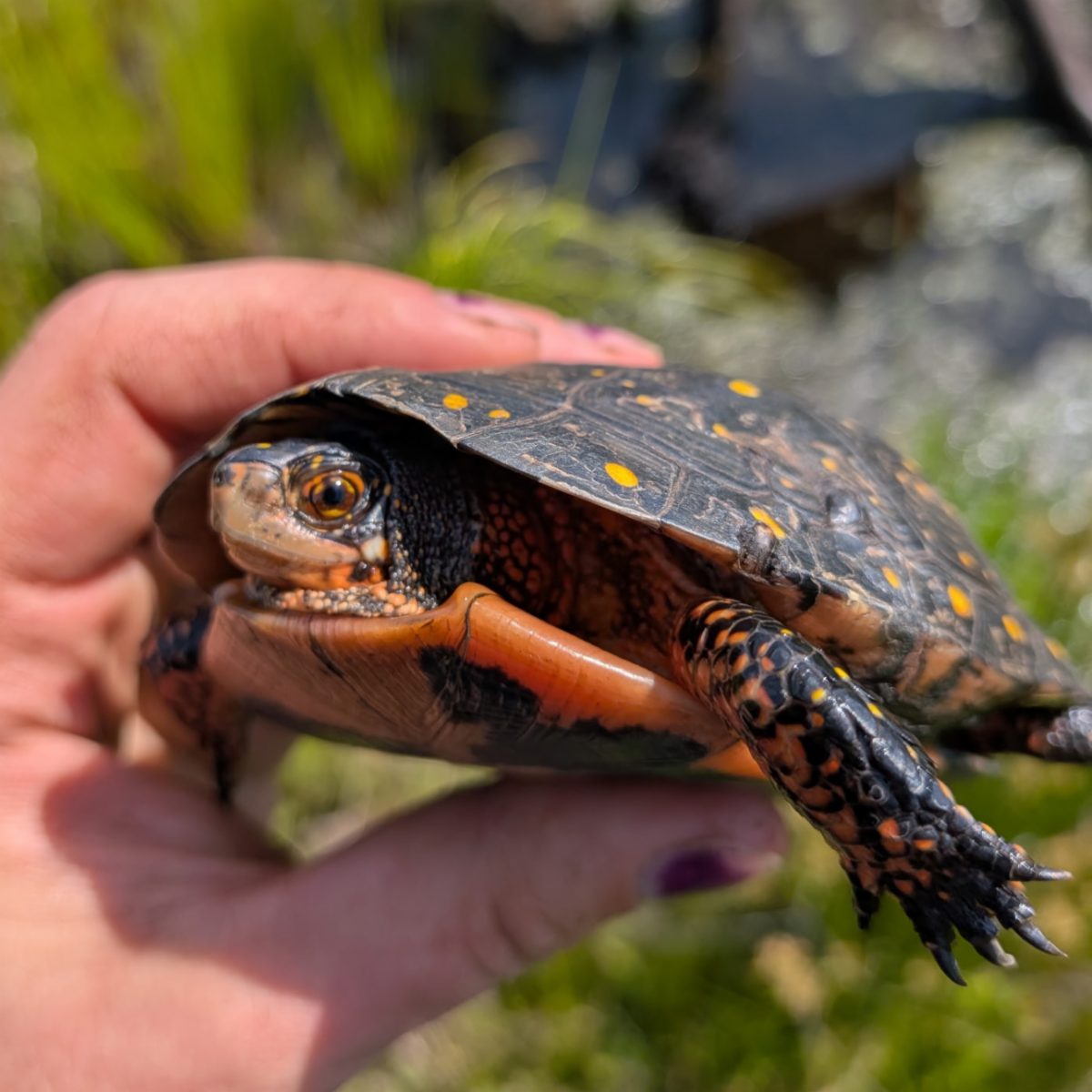
Spotted turtles are a critically rare species, but our work at Windswept Bog has helped improve habitat on Nantucket for one of the strongest populations in New England.
We captured 126 turtles this year, up from 99 last year. We placed radio transmitters on 13 adult females that we tracked three times a week to see how they use habitat in the restored wetlands.
With the wetland now fully restored, we found them ranging across the entire mile-wide site, movement that is only possible because they are no longer restricted to the ditches of the former cranberry bogs.
| | |
Tracking Ticks Across the Island
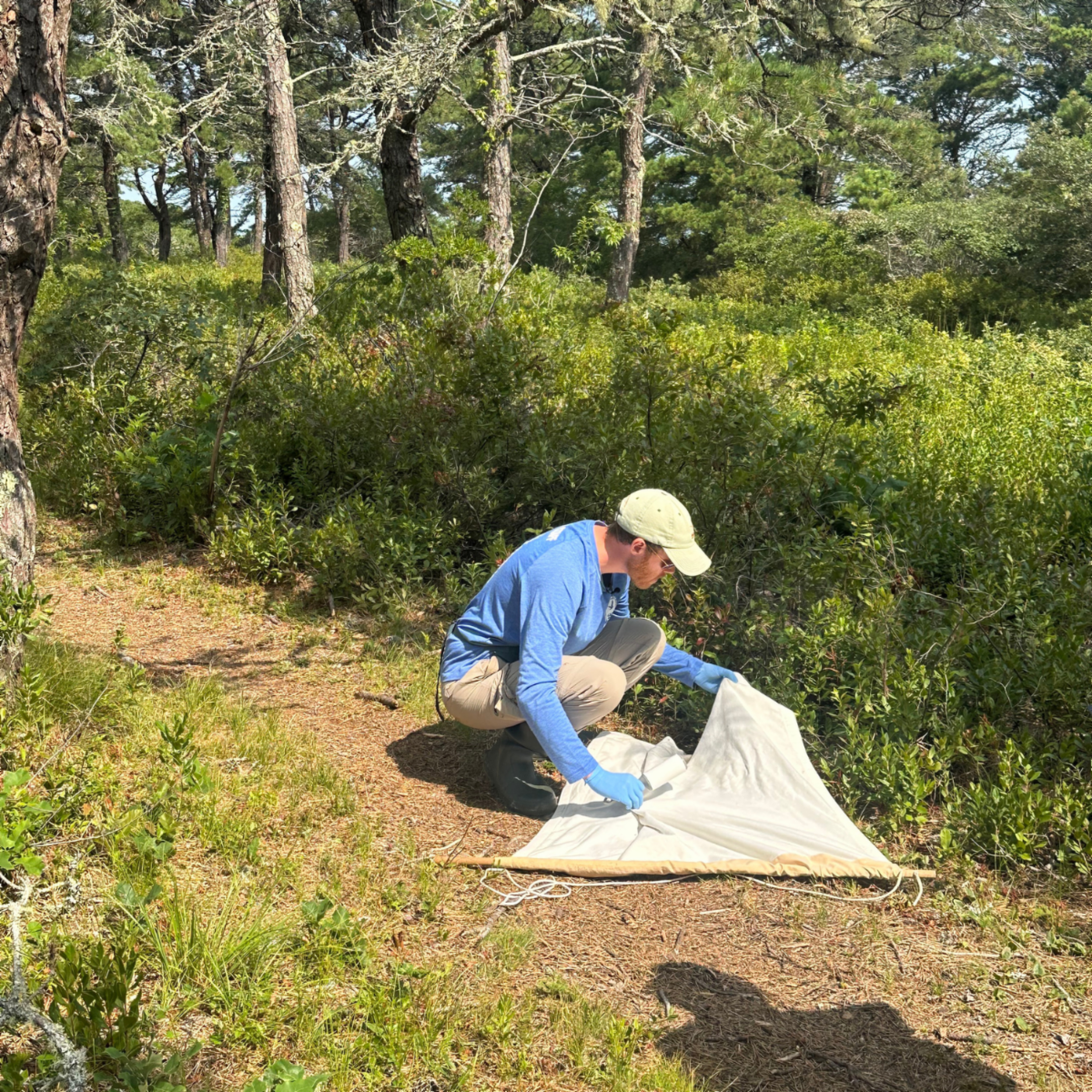
We ran 77 tick surveys across 11 properties this summer, identifying and sorting over 12,000 individual ticks. It's quiet, repetitive work that's building a clearer picture of what tick species are living where across the island.
That data set gives us a short-term way to quickly inform our management practices. Next year, we'll pilot trail maintenance approaches on key trails aimed at reducing the risk of exposure.
It's part of our ongoing commitment to research that helps us make better land management decisions, season after season.
| | |
New Faces at NCF
Meet the people protecting Nantucket's open spaces this season
| | | |
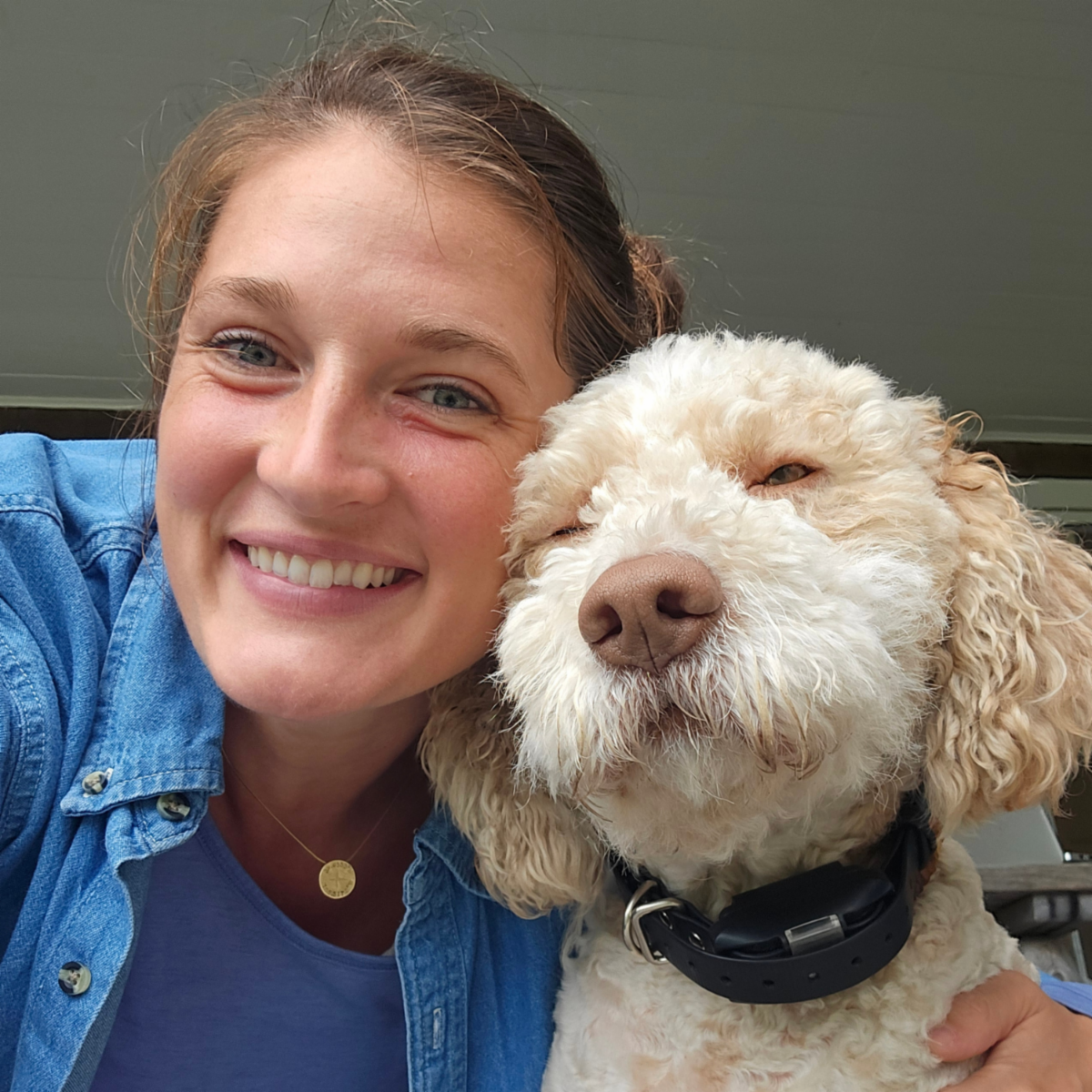
Sierra Gilman, Seasonal Education and Marketing Assistant
Sierra joins NCF this season to strengthen our relationships with Nantucket's schools and help bring students out onto our properties for meaningful field experiences.
She holds a degree in Elementary Education and brings six years of classroom teaching experience across Colorado, Alaska, and now Nantucket.
When she is not at work, you will find her exploring the Windswept Bog and Stump Pond loop with her dog.
| | | |
Conservation Club Board Game Night
Tuesday, August 25
5:30 - 7:00pm
NCF Office at 118 Cliff Road
Join us for an epic night filled with ecology board games and friendly competition with dinner and snacks. Games will be provided, but feel free to bring your own ecology themed board game too!
| | | |
4th Annual Nantucket Climate Change Summit
Wednesday, September 9th
4:30 - 7:00pm
Great Harbor Yacht Club
Climate change is already shaping life on Nantucket, our shorelines, our water supply, the storms we prepare for. Join us this fall as scientists and community climate action leaders from the Gulf of Maine Research Institute, including Dr. Hannah Baranes, Gayle Bowness, and Steph Sun, share what's changing here and how our island is adapting.
Stay after for a social hour with your neighbors. Light food and beverages provided.
Co-presented with the Linda Loring Nature Foundation.
Presented in partnership with the Community Foundation for Nantucket's Remain Nantucket Fund, Great Harbor Yacht Club, and the Great Harbor Yacht Club Foundation.
| | | |
Windswept Bog Restoration: A Documentary Screening
Tuesday, September 15
5:30 - 7:30pm at Nantucket Dreamland
Join the Nantucket Conservation Foundation for a special screening of our documentary on the restoration of Windswept Bog, a five-year journey to revive one of the island's most significant wetland ecosystems. The film traces the project from its origins and why this landscape mattered enough to save through the on-the-ground work of restoration, to the results now taking root.
Featuring the scientists, land managers, and specialists who made it possible, this screening offers an inside look at what long-term conservation actually takes, and what it can achieve. A panel discussion and Q&A with members of the restoration team will follow the film.
| | Join us for an excursion this summer! All NCF programs are free and open to the public, made possible by the generous support of our community. Registration is required—sign up today! | | | |
|
Address: 118 Cliff Road
Mailing Address: PO Box 13
Nantucket, MA 02554
Phone: 508-228-2884
| |
| | | |