|
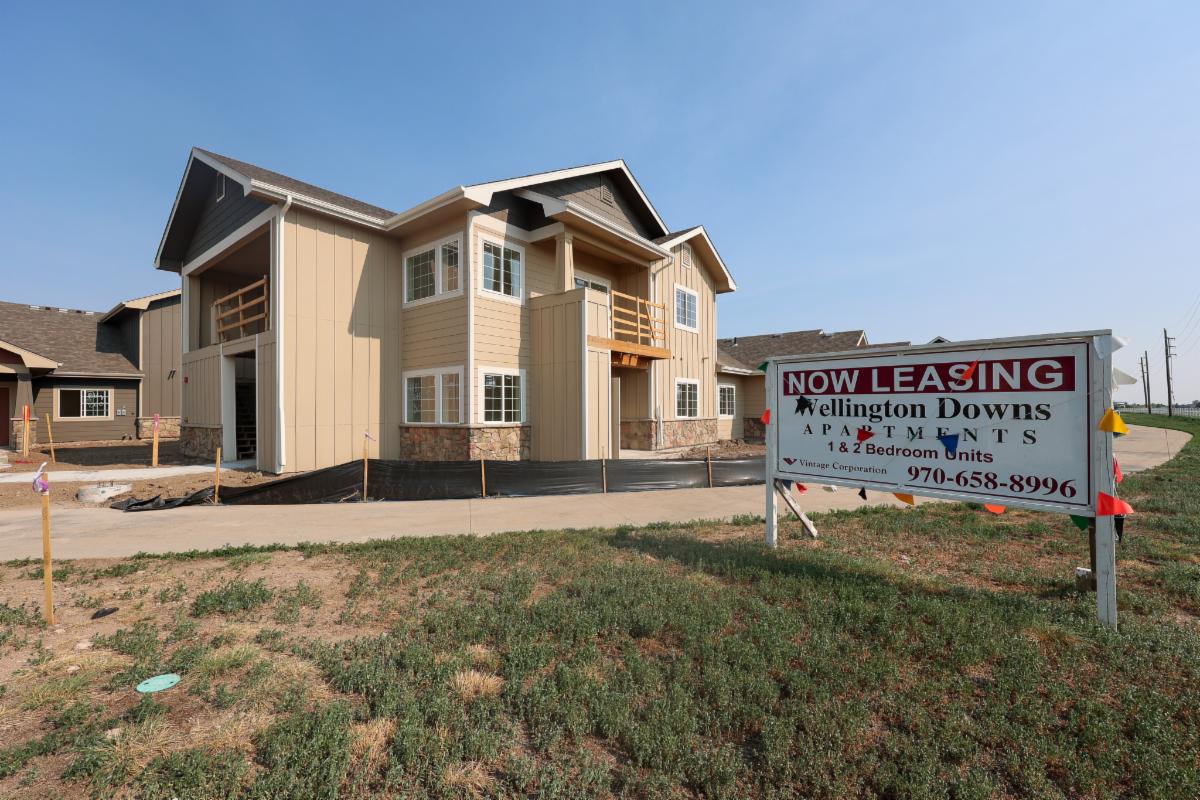
Affordable housing progress
On the heels of receiving a multi-million dollar grant to advance local opportunities for affordable housing, the Wellington Board of Trustees voted last week to renew the Town’s Proposition 123 commitment for the 2027-2029 funding cycle.
Passed by Colorado voters in 2022, Proposition 123 is an initiative that dedicates 0.1% of state income tax revenue annually to create a permanent funding stream for affordable housing. In order to qualify for program benefits, local governments must choose to opt in to a 3-year funding cycle and commit to meeting benchmarks during that period that include increasing their own affordable housing stock by an average of 3% annually and implementing an expedited review process for affordable housing developments.
While presenting to the Board of Trustees during its July 28 Regular Meeting, Wellington Planning Director Cody Bird reported that, despite opting in during the third year of the 3-year commitment, the Town has met its commitment for the 2024-2026 funding cycle. He also recommended that the Town opt in to the next funding cycle (2027-2029).
Following that presentation, the Board voted unanimously to opt in.
“Ensuring access to affordable housing is one of the vital functions of local government,” Wellington Mayor Rebekka Dailey said. “I’m proud to have served on Boards — both current and past — that have prioritized securing that access for our residents. As a Town, we will continue to seek out and use all the resources available to us as we navigate the challenge of affordable housing in the years to come.”
The decision to recommit to Proposition 123 comes just weeks after the Town was awarded a $2.88 million grant from the Colorado Energy Office.
The Local Implementation, Mitigation, and Policy Action (Local IMPACT) Accelerator Grant supports local governments with policy adoption to bolster local resilience with affordable housing. The funds from this grant are specifically dedicated for reviewing and updating Wellington’s land development policies to support housing affordability, the deployment of Accessory Dwelling Units (ADUs), and establishing a program for rebates to lower the cost of development fees for qualifying projects.
Read the entire news release by clicking the button below.
|