|
The stories, experiences, and voices within our community are a meaningful reminder of why access, education, and advocacy remain so important. I'm pleased to share new resources and opportunities this month that reflect each of these areas of our work.
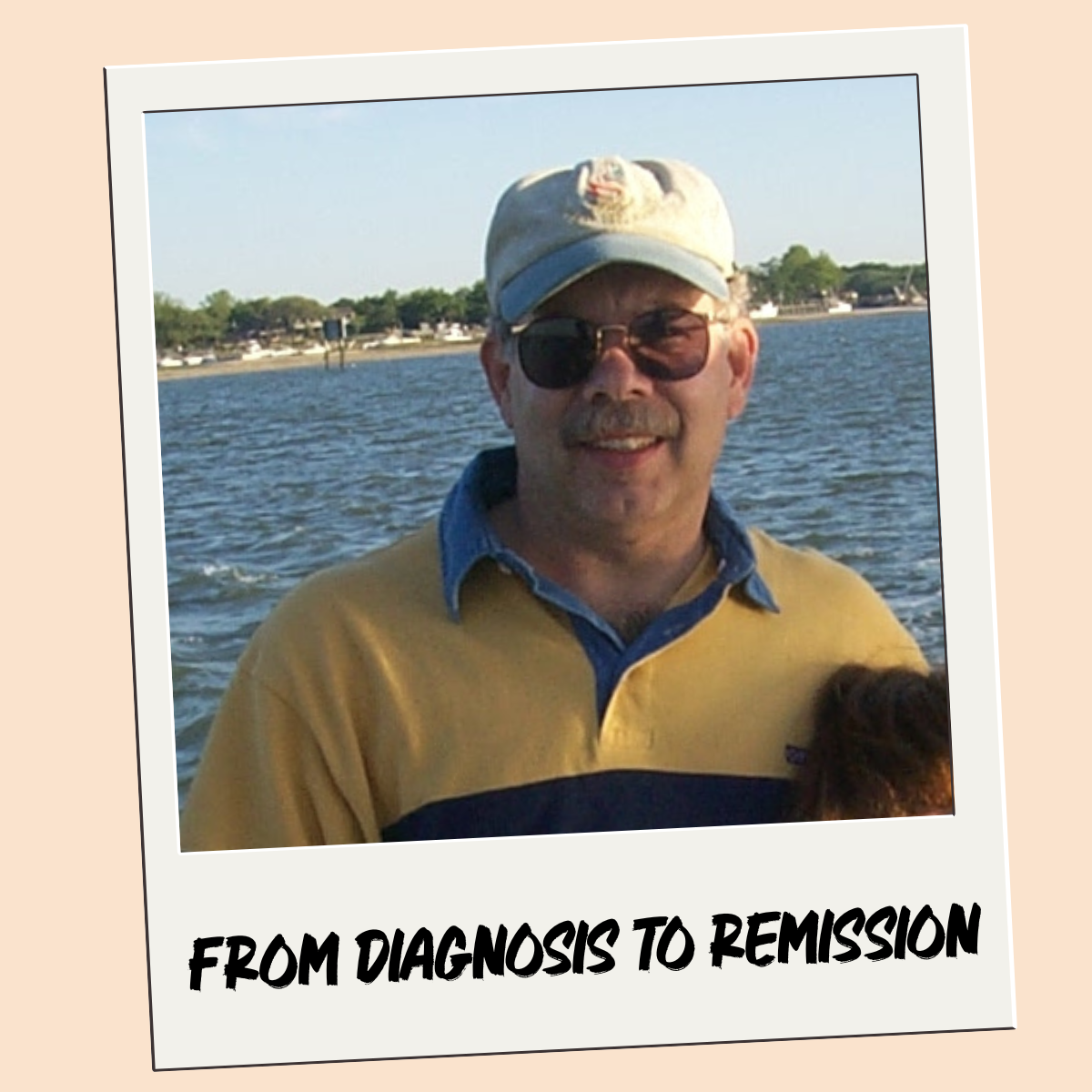
In this issue, you'll meet David, whose journey with Chronic Myeloid Leukemia is a powerful story of resilience, hope, and the difference support can make during an uncertain time. We're also sharing new educational resources to help answer questions about the HELP Copays Act and explain how Patient Assistance Programs (PAPs) can help eligible individuals manage the costs associated with their care.
You'll also find new ways to get involved and make your voice heard. The Accessia Health Foundation's new DIY Fundraising Guide offers ideas and tools for turning your passion into meaningful support for others, while our Medicaid Work Requirements survey provides an opportunity for patients, caregivers, providers, and advocates to share perspectives that can help inform our advocacy efforts.
Whether you share your experience, explore a resource, or find a new way to support our mission, your involvement strengthens the work we do and the community we serve. We're grateful to continue this work alongside you.
| | David's Story: Life After a CML Diagnosis | |
A diagnosis can change everything, but it doesn't have to define your future.
When David was diagnosed with Chronic Myeloid Leukemia (CML), he faced uncertainty, early retirement, and the financial challenges that often come with living with a chronic illness. Through perseverance, advances in treatment, and support along the way, his journey became one of resilience, hope, and remission.
Read David's inspiring story on our blog and watch below to hear him speak about his experience about how Accessia Health's financial assistance provided peace of mind during one of life's most difficult chapters
| | | | Let's Explore: Understanding PAP, Policy, & More | |
What Is a Patient Assistance Program (PAP): Explained
Patient assistance programs (PAPs) exist to help ease some of these financial burdens by helping eligible patients manage healthcare costs. Depending on the organization, the type of assistance available, eligibility requirements, and covered expenses can vary.
If you’re wondering what a PAP is, who qualifies, or whether you may be eligible for financial assistance through Accessia Health, this guide will walk you through what you need to know.
| | | | |
Your Questions About the HELP Copays Act, Answered
If you’ve been following the fight for affordable prescription drug coverage, you’ve probably heard people talking about “copay accumulators” and the HELP Copays Act. It’s a complicated issue with a lot of moving parts — court rulings, federal agencies, state laws, and a bill working its way through Congress. Here are answers to the questions we hear most often.
| |
How To Cope with Grief
Every August, Grief Awareness Month invites us to talk openly about a topic many people would rather avoid. For the rare and chronic disease community, grief is especially complicated — it doesn’t only arrive after a loved one passes away. It can begin the moment a diagnosis is given, and it can return again and again as a condition changes over time. This month is a good time to name that experience, and to make sure patients and caregivers know they don’t have to carry it alone.
| | | Share Your Feedback, Get Involved | | |
Changes to Medicaid work requirements starting in 2027 could affect how some people maintain their health coverage, and we want to understand what those changes could mean for patients and families.
If you currently use Medicaid, support someone who does, provide care, or advocate on behalf of patients, we invite you to share your perspective.
Your feedback will help Accessia Health better understand the real-world impact of these policy changes and strengthen our efforts to advocate for patients and families who rely on Medicaid.
| | |
Every act of generosity begins somewhere.
Whether it’s hosting a community event, organizing a bake sale, marking a special occasion, bringing coworkers together for a friendly competition, or planning a fundraiser of your own, your passion can become a meaningful way to help people living with rare and chronic health conditions.
To help you get started, the Accessia Health Foundation is pleased to introduce its new DIY Fundraising Guide, Turn Your Passion into Purpose, a resource filled with ideas, helpful tips, and tools to help you bring your fundraiser to life.
| | If you or a loved one are facing out-of-pocket medical costs, financial assistance may be available through one of our patient programs. Explore our currently available programs to see if you may qualify for support with eligible healthcare expenses and take the next step toward applying. | | |
*Program space is limited and is offered on a first-come, first-served basis. Programs will only remain open as long as funding is available.
If a program is full, you can still apply to add your name to the program waitlist. Once you are on the waitlist, you will be notified if assistance becomes available.
| | |
To apply:
- Click the button below.
- Select 'open' under 'step two'.
- Select the appropriate program and begin the application process.
| | Accessia Health, a national charitable patient assistance organization, is dedicated to eliminating healthcare barriers for people with rare or chronic health conditions. Comprehensive services include personalized case management, financial assistance, education, and legal aid support. Our flexible funding model goes beyond copays, allowing individuals to pay for other essential medical expenses including insurance premiums, screening and diagnostics, therapy services, travel costs and more. Accessia Health works to ensure that every individual has access to the care they need to lead a healthier life. | | |
Accessia Health exists because of generous donations from our community.
Consider making a gift to provide health and hope to patients nationwide.
| | | | |