Course One Newsletter | August 2021 |
|
Dear CEE Community and Friends,
It’s hard to believe the summer is almost over and fall semester is around the corner. I hope this message finds you well and enjoying the last weeks of summer. I very much look forward to seeing many of you in person next month, after a 16 month hiatus.
This month’s newsletter shares new research from Prof. Ruben Juanes who worked with a team of scientists to develop a method that reduced human-induced earthquakes from oil and gas processes. Graduate student, Catherine Nikiel and Prof. Eltahir uncover in their study that Egypt could face extreme water scarcity if changes aren’t made, Prof. Cordero and a team of researchers develop a nationwide genomic mapping tool to trace foodborne pathogen, listeria, and Prof. Buehler’s latest collaboration studies the mechanism of spider web construction for new sustainable material designs using 3D printing.
Prof. Marelli becomes a member of the New Voices initiative of the National Academies, CEE alumna makes U.S. forests a priority and we remember the contributions to the civil engineering field from Professor Emeritus, Robert D. Logcher, and a rising professor and alumnus, Bruno Gonçalves da Silva
Finally, you’ll notice our newsletter has a new look. We refreshed our website and branding to bring the importance of our mission and vision for civil and environmental engineering to the forefront and the bold and dynamic work of our department.
Sincerely,
|
|
|
|
Ali Jadbabaie
JR East Professor of Engineering
Department Head, MIT Civil and Environmental Engineering
Core Faculty, Institute for Data, Systems, and Society
|
|
Researchers in CEE uncover the seasonality of COVID-19 |
|
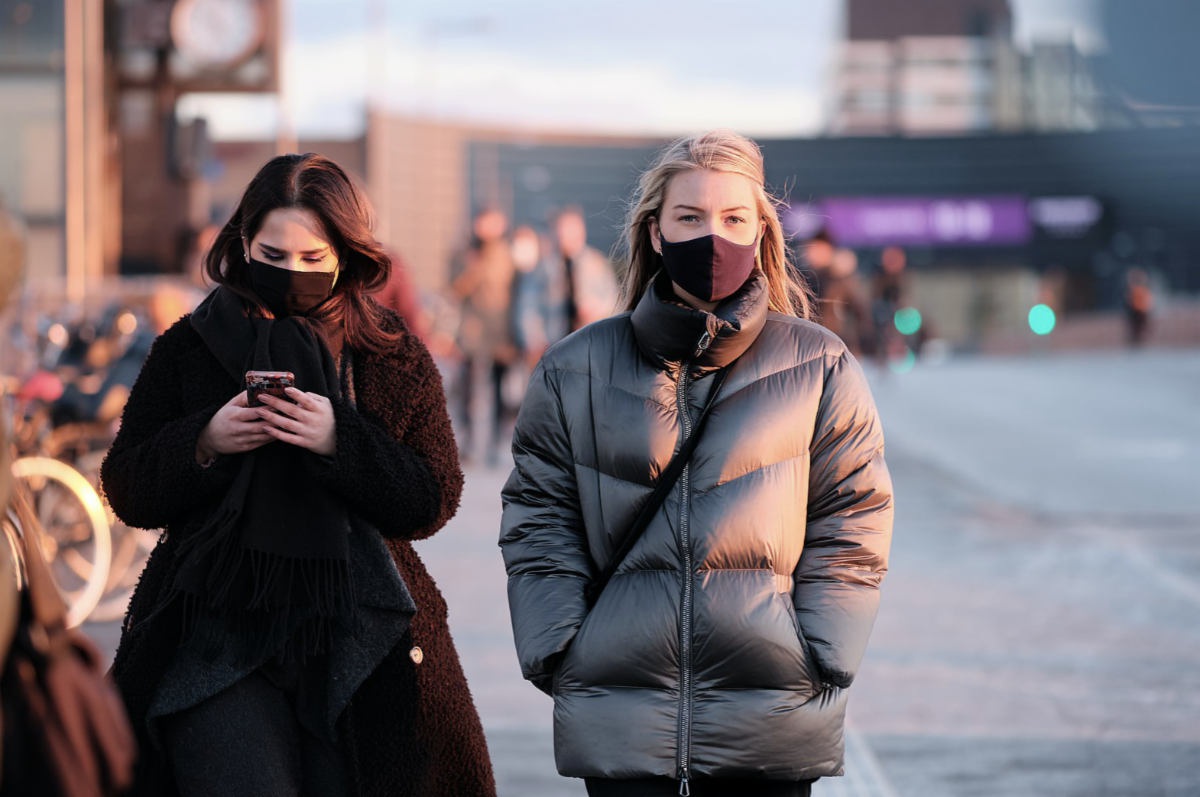
CEE postdocs, Yeon-Woo Choi and Alexandre Tuel with Prof. Eltahir identify the environmental variables driving the seasonality of the novel coronavirus. Their research was featured in Eos science news.
|
|
|
|
Prof. Marelli selected into the New Voices in Science, Engineering, and Medicine program
Congratulations to Associate Prof. Benedetto Marelli for being one of 22 early-career leaders chosen from the National Academies to bring diverse perspectives to important dialogues around how science, engineering, and medicine are shaping the global future.
|
|
|
|
In Memoriam: Remembering Professor Emeritus Robert D. Logcher
Longtime faculty member and pioneer in developing the computer programming systems used in structural design, passed away on July 20. His inventive work and remembrance live on.
|
|
|
|
Remembering Alumnus Bruno Goncalves da Silva
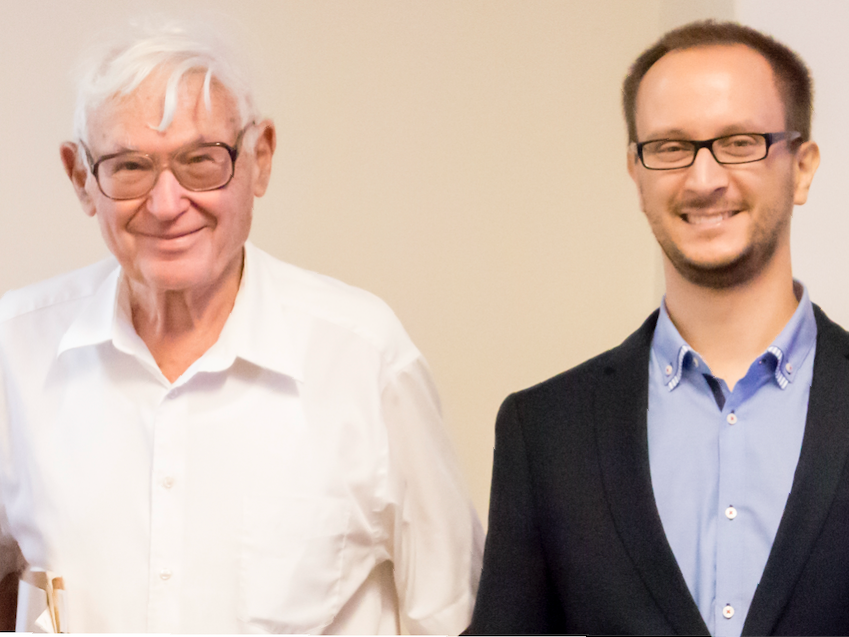
Bruno Goncalves da Silva, ‘16 PhD, was an outstanding engineer, scientist, and rising professor at New Jersey Institute of Technology, who passed away after a long battle with cancer. His advisor, Professor Herbert Einstein remembers him for his unique capabilities combining theory and experimentation, for being a superb mentor of other students and, most of all, being a very kind person. His life and legacy continue to touch his peers.
|
|
A new approach to preventing human-induced earthquakes |
|
Prof. Ruben Juanes and a team of researchers developed a new model that reduced earthquakes from oil and gas processes, and could help manage seismic events from carbon sequestration. |
|
|
|
Egypt could face extreme water scarcity within decade
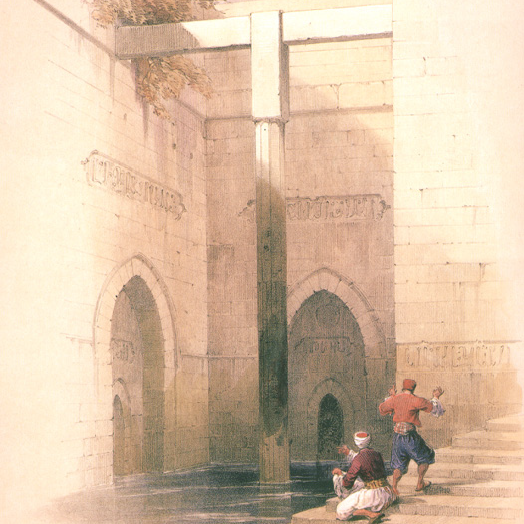
Egypt will import more water (virtual water) than the water supplied by the Nile, if the population and the economy continue to grow as projected, according to a new study from PhD student, Catherine Nikiel and Prof. Eltahir.
|
|
|
|
Consider the spiderweb
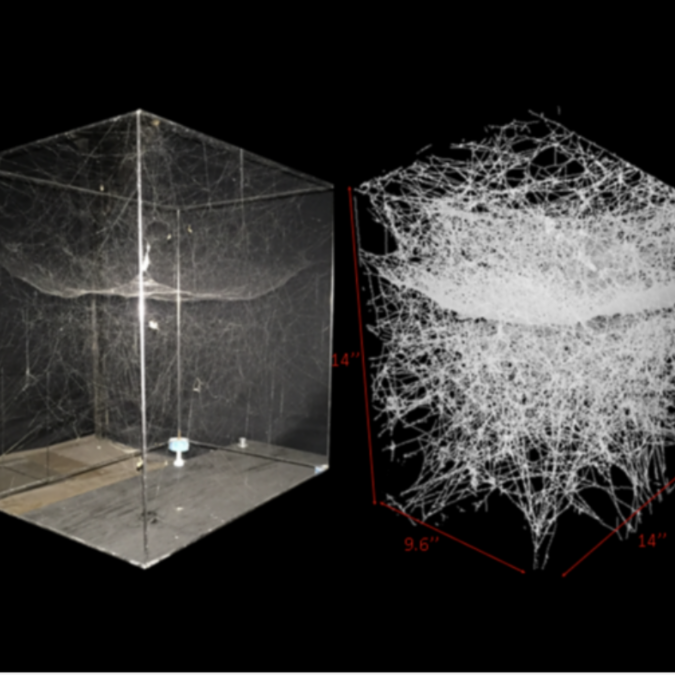
An interdisciplinary collaboration between the lab of Prof. Markus Buehler and the studio of MIT CAST visiting artist, Tomás Saraceno to model a 3D spider web leads to many surprising results, including a new PNAS study.
|
|
|
|
National genomic atlas to track foodborne pathogen, listeria
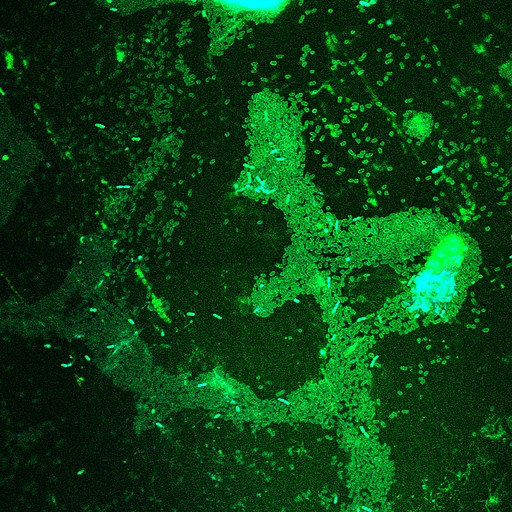
Prof. Otto Cordero with postdoc Shaul Pollak and a team of researchers developed a new genomic mapping tool to help scientists track where listeria and other related species reside within the United States. The national atlas could help trace and pinpoint sources of listeria found in ingredients, food processing facilities and finished products. The study was published in Nature Microbiology.
|
|
What do dancing molecules have to do with climate change? Methane is a molecule that causes a bit of a conundrum. Prof. Desiree Plata and Boston University’s Prof. Nathan Phillips help explain for NOVA PBS why methane is efficient at heating homes and our planet—and how to stem the flow of methane into the atmosphere. |
|
Sniffing out the explosive molecule heating our planet:
Out of Our Elements | PBS TERRA
|
|
Global minded alumna makes U.S. forests a priority |
|
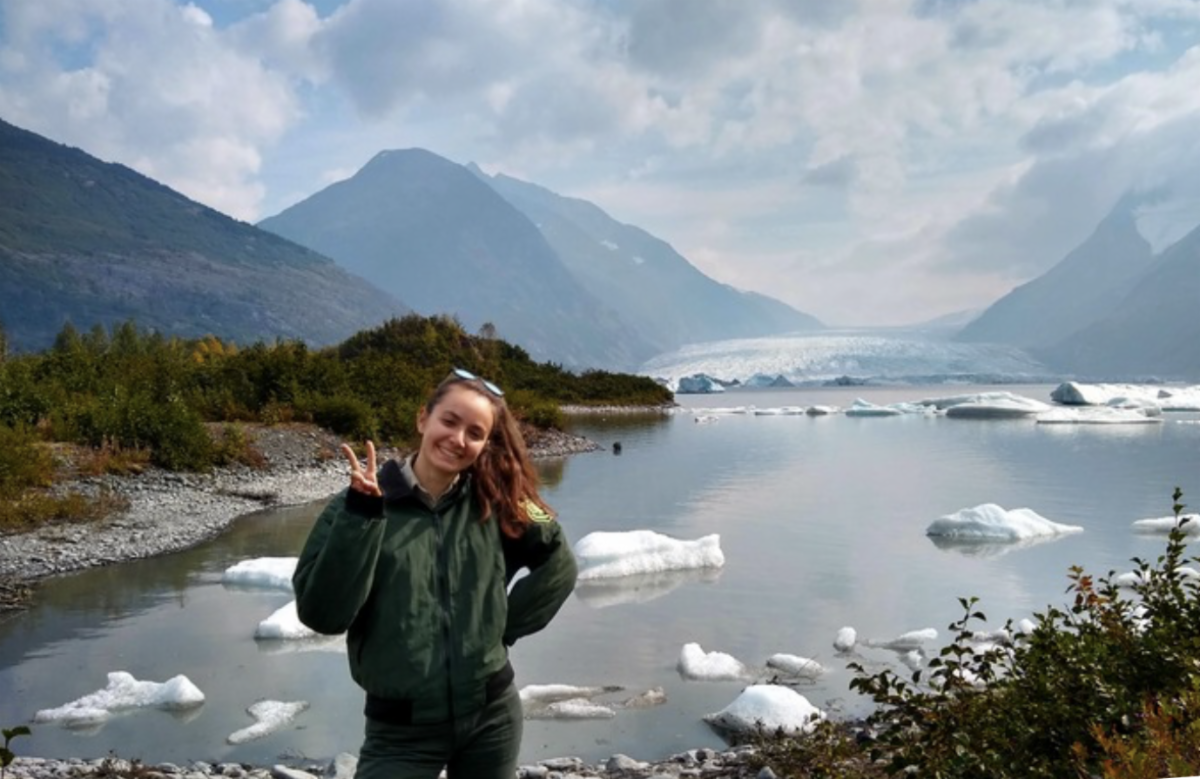
The July/August issue of MIT Technology Review profiles CEE alumna, Tchelet Segev who is working to protect forests in Alaska. She says, climate change is a consideration to every project. “When I’m thinking about infrastructure, I’m thinking about floodplains, or choosing a material that is going to withstand different types of extreme weather events.” |
|
Massachusetts Institute of Technology Department of Civil
and Environmental Engineering
77 Massachusetts Avenue, Room 1-290 Cambridge, MA 02139-4307
(617) 253-7101
|
|
|
|
|
|
|
|
|