August 2026


Newsletter


Let's Begin With Strong Attendance Support Plans!

by Jessica Muhlenkamp, OCPC


Chronic absenteeism has remained a pervasive issue in the United States. For the past several years, one in four Ohio students are chronically absent, meaning they miss 10% or more of a school year for any reason. Missing just 18 days of school (in a standard 1,200-hour school calendar) makes a child chronically absent.  


To understand chronic absenteeism, you need to analyze different types of attendance data to get a clear picture of which students are absent and the reasons why. It's not just school aversion that makes a student absent. Identifying the reasons behind the absence can help you to get students the support they need to stay in school.  


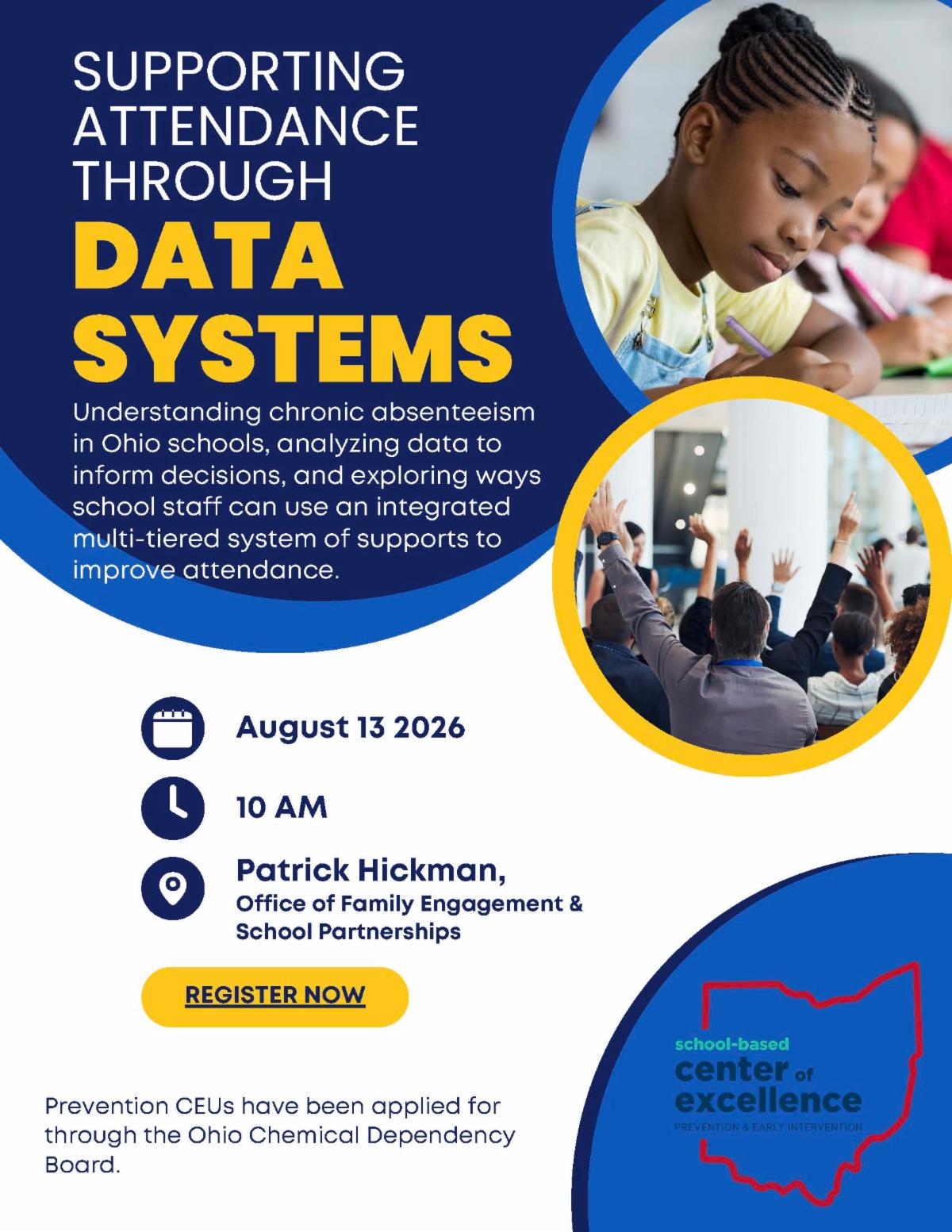
Join us for our upcoming session "Supporting Attendance Through Data Systems" on August 13th to learn more about Chronic Absenteeism and explore ways school staff can use an integrated multi-tiered system of supports to improve attendance. We'll be hosting Patrick Hickman from the Office of Family Engagement and School Partnerships with the Ohio Department of Education & Workforce to dive into this topic further. 


Also, check out Ohio's Attendance Dashboard to help communities quickly understand attendance trends and how to help students stay on track.

TRAINING OPPORTUNITY

Coordinator Corner

by Jessica Muhlenkamp, OCPC


As we move into the last year of the Project AWARE grant, Behavioral Health & Wellness Coordinators are focused on building Sustainability Plans. We've asked each BHWC to put together a group involving their Prevention Agency, School and Mental Health Board to complete the Program Sustainability Assessment Tool (PSAT) to rate their program. 


The PSAT rates programs across 8 sustainability domains and is made up of 40 questions. The PSAT allows you to turn your thoughts about sustainability into numbers and then the numbers become a way for the BHWCs to conceptualize the program across domains. This is a great way to start thinking about where to focus efforts to increase sustainability capacity and to create a sustainability plan.

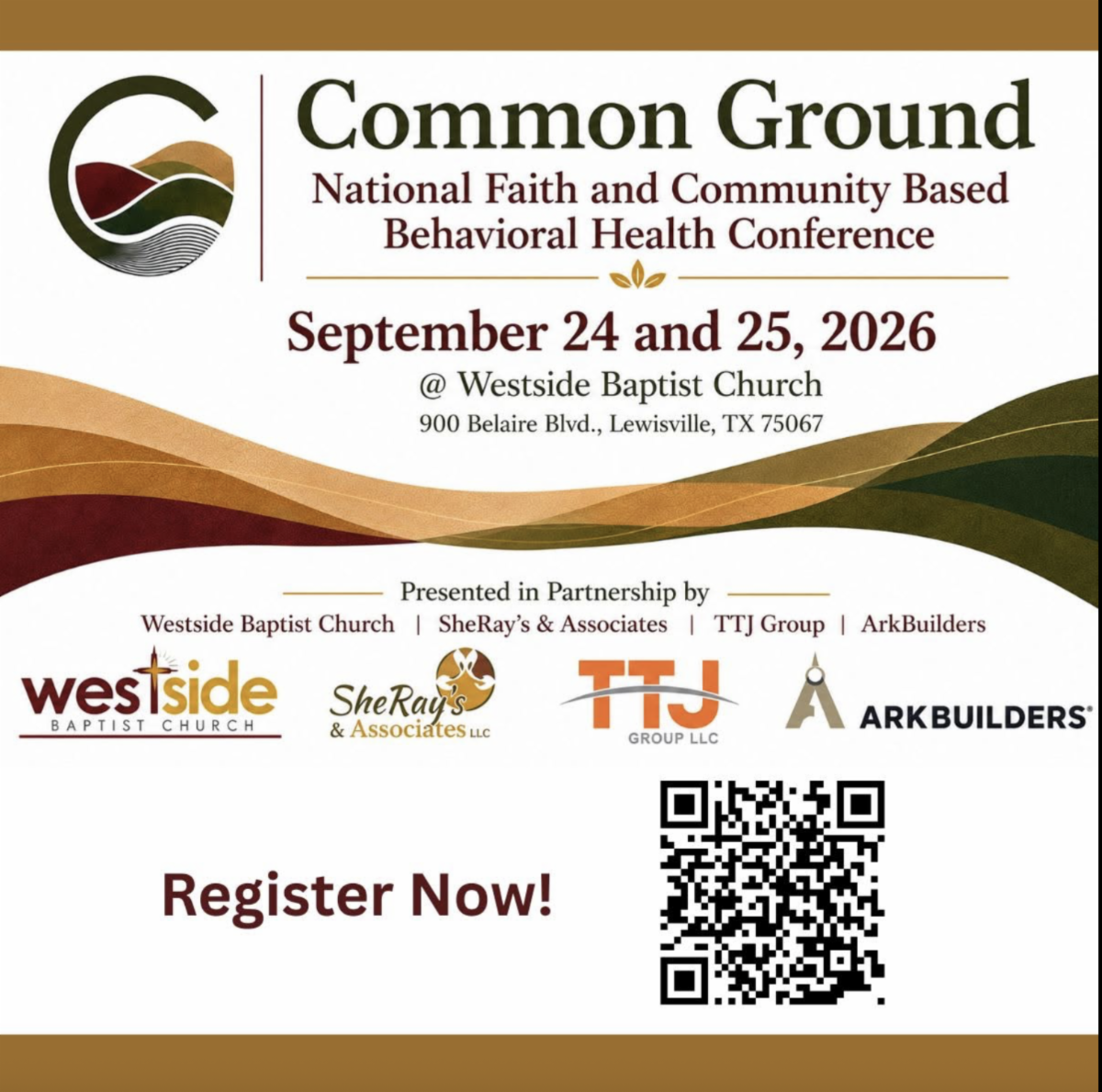
NATIONAL TRAINING OPPORTUNITY


Find parent videos and many resources on the Attendance Works website!


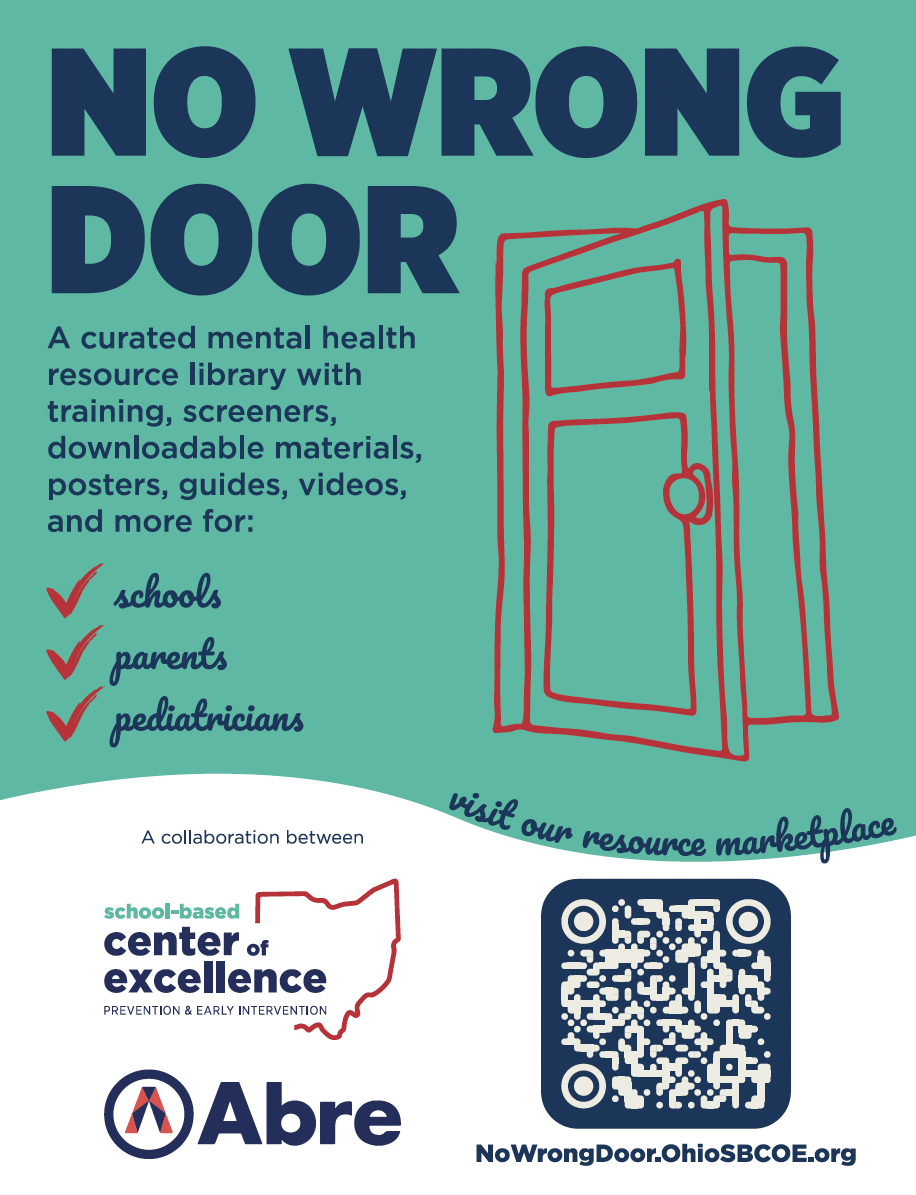
And search the No Wrong Door resource library by topic to support your work with students, families, and the community.


Featured Resources for August:


How To Develop Good Attendance Habits


Attendance Habits--in Spanish


Attendance Habits--in Somali


Relationships Matter


Smartphone Safety Tips


"Your materials cover many topics necessary." - NWD Customer


Pro Tip:


One school year, I created a heat map of home locations where students were absent or tardy most often. Turns out that four key streets in the school district had the bulk of attendance challenges. I took a small team to go door to door on those streets the week before school began. We had a door hanger flyer with the start time of the school day listed. We tried to meet as many people as we could and left behind the flyer if no one answered. Parents seemed to appreciate the personal hellos, and multiple parents mentioned that they didn't know for sure the daily school start time until we told them.


Another thing we noticed was that the school website did not clearly list the school hours. I updated the district website, each school building page, and created a pop-up to the website in August so that it was easy for parents to find what time to bring their children to school.


- Glenna Edwards, MSW, LSW, OCPSA

TEACH CHILDREN HOW TO NAVIGATE ONLINE SAFETY

PERIL and DUCC

(Developing and Using Critical Comprehension): 

Using Digital and Media Literacy to Keep Students Safe


by Pasha Dashtgard, PhD

Digital literacy is vital for students today. So much of their world is online and on devices, starting in their youngest years. And yet, the way digital literacy is taught at the elementary school levels is uneven and insufficient. ​Without the skills to identify harmful content or manipulation, kids remain vulnerable to the worst the internet has to offer – from bullying and violence to manipulation and predation.


What is DUCC? 


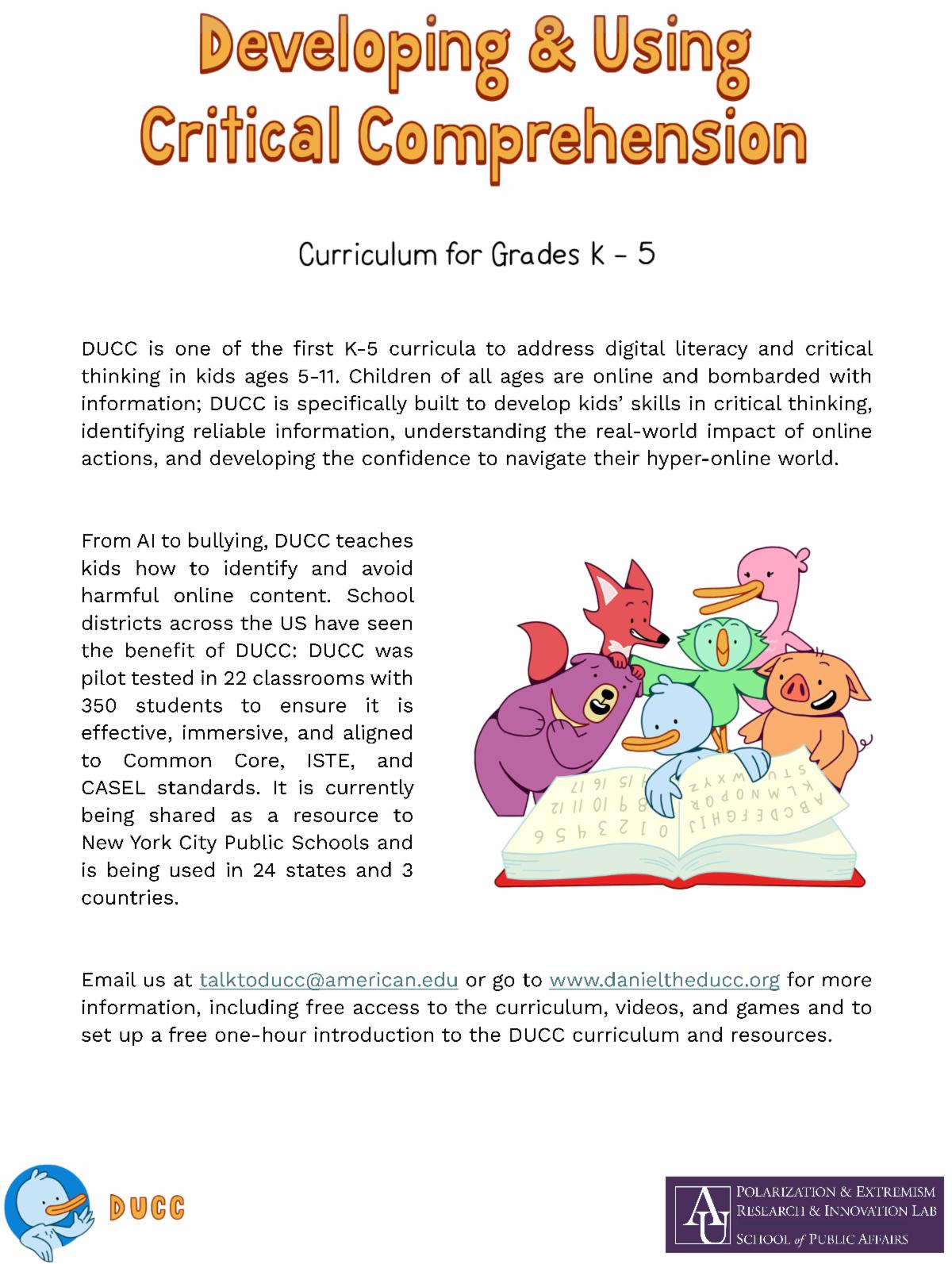
DUCC is one of the first K-5 curricula to address digital literacy and critical thinking in kids ages five to eleven years old, providing them with the knowledge and skills necessary to navigate their hyper-online worlds. ​Kids of all ages are bombarded with information of varying levels of reliability – DUCC is specifically built to develop kids’ skills in identifying reliable information, understanding the real-world impact of online actions, and developing their own confidence.​ The DUCC Curriculum is 24 lessons across grades K-5, built on proven strategies that support kids in better understanding how to identify and avoid harmful online content. The curriculum includes everything a teacher needs to use the DUCC in their classroom, from content to visuals to interactive multimedia.​ The cast of characters and high-quality videos and games in the DUCC curriculum allow kids to immerse into the lessons, identifying with the characters and their situations.


Created by a team of experts in child psychology, teaching and literacy, digital literacy, and curriculum development, and approved by the American Academy of Pediatrics, DUCC is built on proven strategies and empirical research to build kids’ ability to identify and avoid harmful online content. Learn how DUCC can be integrated into your school at www.danieltheducc.org.


What are the methods behind DUCC? 


PERIL defines digital literacy as the skills and abilities to use technology to locate, critically evaluate, create, and share information, particularly online[1]. We believe that critical thinking, social-emotional learning, and literacy are central building blocks of digital literacy.


Critical thinking helps kids to recognize when they are being manipulated online (Why is this stranger messaging me? Why do they want to know so much about me?) and social-emotional and interpersonal skills enable kids to understand how consuming content connects to their mental health (How does this content make me feel? Is that OK? What do I do about it?). Taken together, this form of digital literacy provides kids with the knowledge and skills to evaluate online information, recognize potentially harmful and manipulative content, and reject it.


By teaching kids the skills to identify and reject harmful content and actors, we can decrease the likelihood that they become manipulated into taking violent action. 


Why use DUCC? 


DUCC believes in teachers. Our curriculum was built to support the knowledge and abilities of teachers, relying on their skills in knowing how to best communicate complex topics to the kids in their class. The DUCC curriculum does not provide a script, but instead uses prompts, examples, and outlines to support teachers’ autonomy and provide guidance without being overly prescriptive. The goal of DUCC is not to teach kids (and teachers) what to think, instead the goal is to broaden how kids think about the digital world and how it impacts their lives. We want to encourage you, teachers and educators, to take this material and make it your own so that it is as relevant as possible for you and your students’ lives. 


What is PERIL and the Public Health Model of Violence Prevention?


PERIL (the Polarization & Extremism Research & Innovation Lab) is an applied research lab working out of American University in Washington, DC. PERIL's approach to preventing hate and violence in schools is about getting ahead of the problem, not just reacting after harm has already happened. That means helping reduce the things that put students at risk — like online manipulation, isolation, disconnection, or feeling like no one is paying attention to them — while building up the things that protect them, like strong relationships, a sense of belonging, and the skills to think critically about what they see online. 


Some of this work happens school-wide, like a program that helps every student build media literacy or feel more included in their school community; some of it is more targeted, aimed at a student who's already showing warning signs of exposure to online propaganda; and some of it is about helping someone who's already gotten pulled into harmful digital spaces find their way back to safety. PERIL's own work focuses mainly on school-wide, preventive support that reaches every student before a crisis point, not working with students already in crisis. This work happens at every level of a student's life: what's happening for them at home, with their friendships and family relationships, in their classroom and school community, and in the wider world around them. 


At its core, PERIL uses a public health-informed approach to violence prevention grounded in rigorous research and evidence, built for the whole school community rather than singling out individual students. It centers the needs of those who've been targeted by hate, and focuses on fixing the systems and environments around students rather than treating any individual student as "the problem."


[1] This definition is in alignment with the American Library Association and American Academy of Pediatrics.


Clickable Question


Would you like to talk to someone from the SBCOE about Prevention or data related to your Student Assistance Program coming up this school year?


If so, click to pick a time to talk about your plans for 2026-2027!

School Wellness Podcast


The School Wellness Podcast is available via Apple, Spotify, and most podcast player apps!


Subscribe and be reminded when new episodes are published!


Season 3 will wrap up soon, and we are currently recording Season 4!

KINDNESS MATTERS


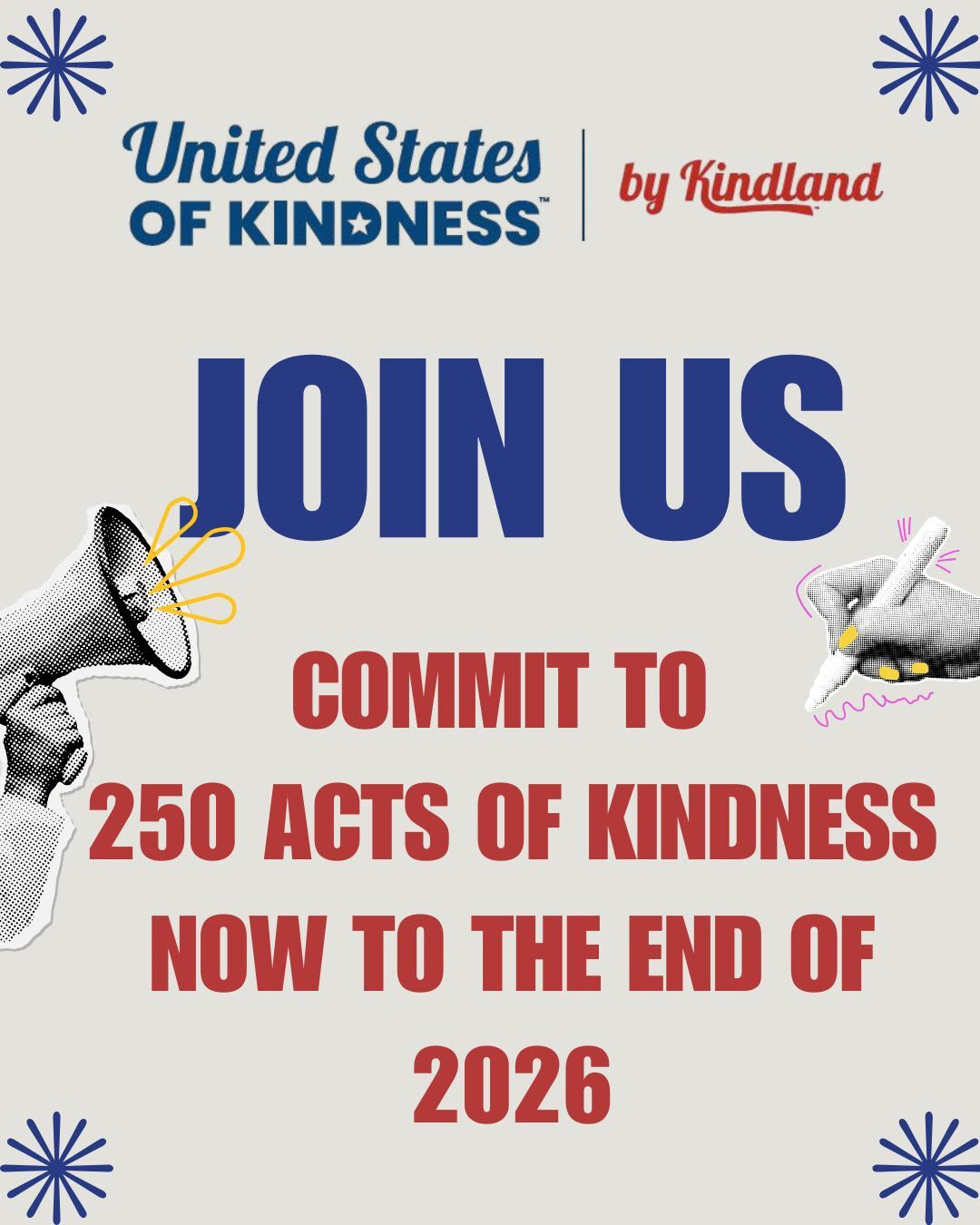
The Ohio School Safety Center (OSSC) is inviting you to join the United States of Kindness national movement this year: 250 Acts of Kindness in 2026. As our nation marks its 250th anniversary, this initiative encourages organizations to elevate kindness as a shared value by recognizing acts already happening and encouraging opportunities for new ones.


Participation is simple and flexible. Organizations, schools, and first responder agencies are invited to

encourage acts of kindness within their teams and communities, share those stories, and help make kindness visible nationwide throughout the year. There is no financial requirement and no need to create new programs.


Small, intentional actions can create a powerful ripple effect. This is a perfect way to spread some positivity this summer in your community or even for back to school safety campaigns. 


Looking for more programming and curriculum for the whole school year? Check out what it means to be a Kindland School. 

Where we will be next:


  • Youth Wellbeing Summit w/ Appalachian Children Coalition - September 14


  • PreventionFIRST! Coalition Academy - October 8


  • Ohio School Board Association Conference - November 16

Please stay in touch!


We post news you can use each week.

Like and Follow us on

Facebook, LinkedIn, and Instagram.


OhioSBCOE.org