Meyer, Soares explore psychedelic-assisted treatment program |
|
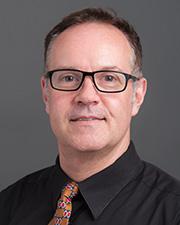
Researchers in the Faillace Department of Psychiatry and Behavioral Sciences at McGovern Medical School at UTHealth are taking steps to start the UTHealth Mental Health and Psychedelic-Assisted Therapy program (UTHealth M-Path program), the first program at UTHealth to utilize psychedelic substances for treatment.
Associate Professor Thomas D. Meyer, PhD, and Professor and the Pat R. Rutherford Jr. Chair in Psychiatry, Jair C. Soares, MD, PhD, are collaborating with the U.K.-based company COMPASS to explore psychedelic-assisted therapy as a way to treat mental health disorders. In this therapy, a psychedelic substance is administered in a safe setting that prepares the patient for the psychedelic experiences, and helps the patient afterward to make sense of them. For nearly three years, the department has recruited for an international study run by COMPASS to study psilocybin as a possible integrative treatment for treatment-resistant depression.
As part of the study with COMPASS, patients are randomly given 1 mg, 10 mg, or 25 mg of psilocybin, also known as “magic mushrooms.” For the study, Meyer says the treatment process involves changing connectivity within the brain by reducing activity in the default mode network. This is a network of interacting brain regions, which is closely related to our subjective sense of self and others, or experiences such as daydreaming, being in autopilot mode, or rumination.
Meyer says from a clinical and observational point of view, psilocybin assisted therapy provides patients the opportunity to be in a safe setting and in the appropriate mind set to be open to any experiences they might have under the influence of the psychedelic substance. These can range from physical sensations, to memories or images from the past, to feeling united with nature or spiritual experiences.
Using psychedelics as part of treatments isn’t a new concept. Many, including ancient civilizations, have used these types of substances in religious ceremonies and healing techniques. Scientific research on the benefits of these substances grew in the 1960s, but it was shut down for reasons that are still considered controversial. Meyer says in the last 10-15 years, a renewed interest has surfaced, giving the project life. Larger and better controlled trials are becoming more common.
Eventually, Meyer and Soares, along with other colleagues, hope to officially make the UTHealth M-Path program a research center that can test the effectiveness of Psychedelic Assisted Therapies, including psilocybin, LSD, and other agents. Meyer says he hopes to run clinical trials in the proposed center but also to collaborate with others to not just look at the efficacy, but also doing groundbreaking projects that look at the underlying biological and psychological mechanisms related to and predicting these changes during treatment.
While at first reluctant to get involved in the research around psychedelics, Meyer now sees the potential benefits of Psychedelic Assisted Therapies not just for treatment resistant depression but also other mental health problems.
“I see this as an opportunity to find a new way to treat and support our patients,” Meyer said. “In the short term, this will be mainly a research clinic, but I hope that we can offer this as a long-term service here at the department.”
|
|
Heads expands PrEP study to include women suffering from trauma-related events |
|
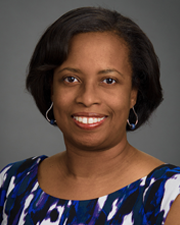
Angela Heads, PhD, associate professor in the Faillace Department of Psychiatry and Behavioral Sciences is expanding her study of pre-exposure prophylaxis (PrEP), a medication that is effective in preventing HIV infection, to include women who have experienced trauma.
Heads, who is a part of the UTHealth Center for Neurobehavioral Research on Addiction (CNRA), is collaborating with the UTHealth Trauma and Resilience Center (TRC), led by Ronald Acierno, PhD, professor and executive director of the UTHealth TRC.
Heads’ work focuses on finding the obstacles specific to women who may be hesitant about using PrEP for HIV prevention and developing plans to assist these women in starting and adhering to their PrEP treatments.
The National Institute on Drug Abuse (NIDA) and the National Institute of Mental Health (NIMH) issued a request for applications to develop interventions for women to begin taking PrEP, specifically in the southern United States, whose population has a higher risk for HIV. NIDA is funding this three-year, $702,000 study.
Heads says Harris County ranks in the top 10 for jurisdictions within the United States with the highest HIV rates. She believes that some of the reasons for this are cultural and financial. In the southern states, there is still a lot of stigma associated with HIV and it is not widely acceptable to talk about HIV and sexual behaviors. This may make some people reluctant to seek out help to reduce their risk. Also, funding for prevention is not prioritized in Texas which makes resources scarce.
CRNA and TRC will work together by screening women who are receiving trauma-related mental health treatment from TRC. Heads says this population is at a higher risk for HIV due to the unhealthy coping mechanisms that come with trauma for some women, such as substance use. Many women with trauma may have experienced intimate partner violence, which is often accompanied by partner interference in prevention efforts.
Heads says patients who experience one trauma are also likely to experience multiple traumas and, psychologically, this can lead some patients to devalue themselves and not seek out self-protective resources such as preventive health care.
Heads will conduct a study interviewing patients regarding their knowledge about PrEP for HIV prevention and their concerns about using PrEP, and will ask their feedback about a potential intervention to increase PrEP uptake and adherence. The study team will also ask providers about their views on discussing sexual risk and recommending HIV prevention strategies to their patients.
Based on data collected in the interviews, the research team will develop an intervention plan, and pilot test the intervention using a randomized trial. Heads anticipates that expanding knowledge about HIV prevention in this population will have its challenges but she is very excited to continue the work she is so passionate about.
“This is the work that I’ve wanted to do,” Heads said. “We have started this work with women with problematic substance use and this new study is a way to expand our knowledge and get additional information about another unique population. There are many layers of characteristics and barriers that can complicate prevention efforts. We’re definitely excited about conducting research with this group and others in the future.”
|
|
Faculty Spotlight:
Jacob passionate about early childhood mental health
|
|
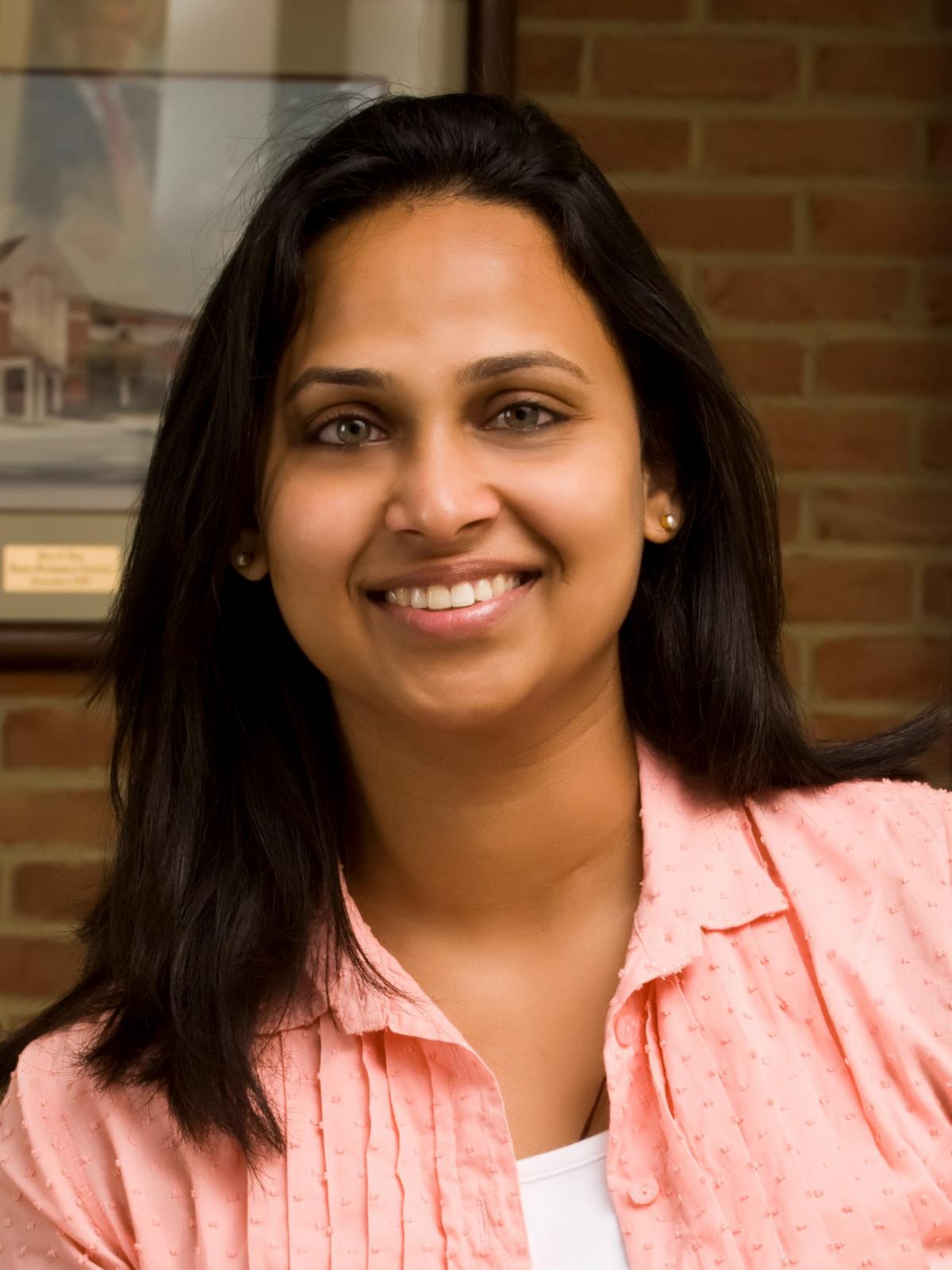
Seema Jacob, PsyD, assistant professor in the Faillace Department of Psychiatry and Behavioral Sciences, recently joined the faculty, specializing in infant-family and early childhood mental health and developmental disabilities in young children.
Jacob brings a diverse set of experiences to UTHealth. She began her training in India, where she got her terminal master’s degree in clinical psychology. Following that she pursued a doctoral degree in clinical psychology at Wright State University in Ohio, and a predoctoral clinical internship at Tulane University in New Orleans.
She also completed a two-year, specialized postdoctoral fellowship in clinical child psychology in early childhood mental health at Children’s Hospital Los Angeles, University of Southern California. As part of the fellowship, Jacob completed the California Leadership Education in Neurodevelopmental Disabilities program, an interdisciplinary didactic and experiential program. Prior to coming to UTHealth, Jacob was a faculty member in the Department of Pediatrics at the University in New Mexico in Albuquerque.
Jacob is passionate about early childhood mental health. She believes that early childhood experiences and relationships have the greatest impact on an individual’s life.
Jacob focuses on a broad range of areas within early childhood mental health.
She conducts developmental and psychological assessments as well as parenting and relationship assessments. She specifically works with children who have experienced trauma early in their life. This includes children with developmental delays, children in foster care, and medically fragile infants.
Jacob wanted to collaborate and set up specialized programs for underserved communities. UTHealth provided her with this opportunity and she is currently focused in providing services to children and families in Fort Bend County. She also currently working towards establishing an early childhood clinic at UTHealth to provide assessment, therapy, and consultative services.
Jacob also believes that starting early has a two-fold impact in a family’s life – impacting the child’s development while the brain is still developing in their first five years and supporting parents and caregivers with their parenting.
“It’s amazing to watch and witness families tell their stories,” Jacob said. “One of the biggest gifts in doing this work is just being a witness to an individual family journey.”
Jacob enjoys gardening in her spare time. She likes to travel and spend time with family and friends. Cooking is one of her passions, especially when she is cooking for others.
|
|
Mendez selected as an NSP fellow |
|
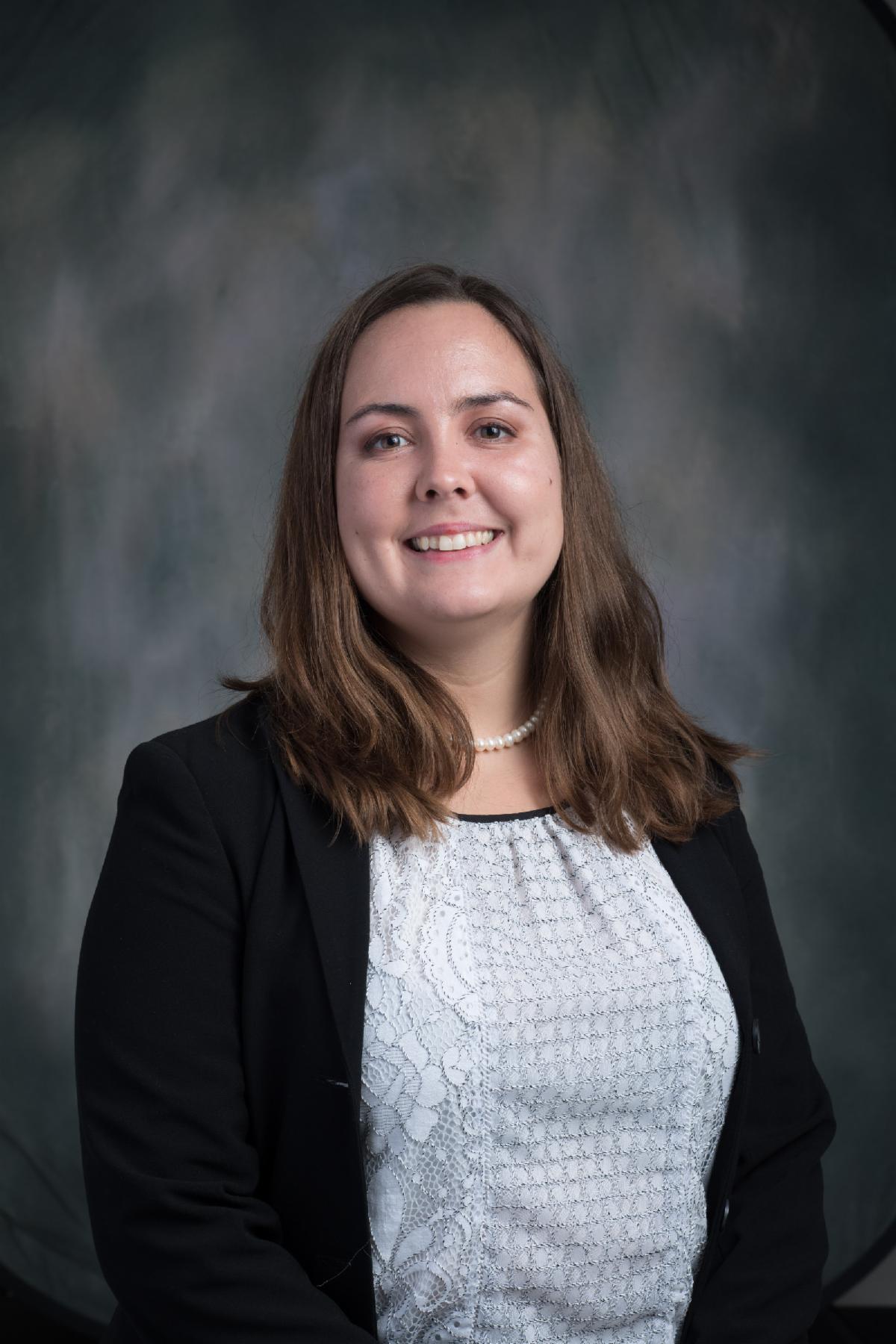
Emily Mendez, a sixth-year MD/PhD candidate in the laboratory of Consuelo Walss-Bass, PhD, was recently selected to be a Neuroscience Scholars Program (NSP) fellow, sponsored by the Society for Neuroscience, beginning August 2021. This program includes a travel award to attend Society for Neuroscience (SfN) Conference in Chicago in November 2021.
NSP is an award-winning, two-year online training program for underrepresented graduate or postdoctoral researchers aimed at professional development and career advancement.
This program has been around for more than 30 years and covers Society for Neuroscience membership as well as travel expenses to the annual meeting for two years. NSP also offers a mentoring program and enrichment funds, so Mendez can attend other conferences, courses, and professional development activities. In addition, NSP offers live events and webinars, educational resources, and an online group for those seeking career connections.
Mendez sees this as a great opportunity to network for the next step of her career. She says she wanted to join this program near the end of her PhD training to learn what all her options were going forward and to network with other scientists.
While attending the SfN 2021 conference, Mendez will present some of her research in the Walss-Bass lab. Specifically, she will present her work on how opioid use disorder affects individual cells in the brain.
Mendez says she is very excited for this unique opportunity.
“I was really pleased,” Mendez said. “I’m excited about the program overall. It’s a great opportunity, specifically, for those in neuroscience. This program has won several awards for being supportive to the fellows. It’s a high-quality program that I’m excited to be a part of.”
Find out more information about NSP here.
|
|
McCool selected to attend AACAP meeting |
|
Caroline McCool, MD, a first-year child fellow in the Faillace Department of Psychiatry and Behavioral Sciences, was recently selected to attend the Early Career Research Colloquium during the American Academy of Child and Adolescent Psychiatry (AACAP)’s Virtual Annual Meeting in October.
AACAP is an organization that brings together child psychiatrists. The organization was created in 1953, and they’ve aimed to promote positive mental health to children and their families through research, training, advocacy, prevention, collaborative diagnosis and treatment, peer support, and collaboration.
McCool was one of the few selected to attend the colloquium in a competitive field. She was encouraged to apply by Jair Soares, MD, PhD, Pat R. Rutherford Jr. Chair in Psychiatry, and received a letter of recommendation from him. She also put together a project proposal as part of the application, with guidance from her mentor, Amanda Helminiak, MD.
McCool’s proposal involves surveying the current child psychiatry curriculum taught in the adult psychiatry program and tracking results from implementing new curriculum changes. As part of the conference, McCool will share her project proposal with research experts in child psychiatry to receive feedback and mentorship.
McCool says it’s important to be well-rounded in adult and child psychiatry, as oftentimes mental health struggles that develop in childhood or adolescence continue into adulthood. Having information about child psychiatry can actually help adult psychiatrists treat their patients better.
In addition to receiving valuable feedback on her curriculum, McCool hopes to learn from other attendees’ presentations to enhance her skills as an academic psychiatrist.
“It will be incredibly helpful to learn from other people,” McCool said. “It’s an honor to be nominated as well as chosen to participate.”
Learn more about ACCAP here.
|
|
The following clinical trials are in operation, following all necessary safety guidelines. If you're interested, contact the appropriate study.
Contact: 713-500-DRUG (3784)
To see all open studies, visit our website.
|
|
The following positions are open at our department:
Faculty – Endowed Chair (Research)
The Louis A. Faillace, MD, Department of Psychiatry and Behavioral Sciences of the McGovern Medical School at UTHealth has an extraordinary opportunity for a senior scientist with a funded multidisciplinary program of clinical care research who is at the rank of an Associate or Full Professor.
Psychiatrists – Clinical Faculty/Tele-Psychiatry
The Louis A. Faillace, MD, Department of Psychiatry and Behavioral Sciences of the McGovern Medical School at UTHealth is currently recruiting for multiple faculty positions based on qualification to include possible rank of Assistant Professor. Our emerging program is currently providing tele-psychiatry services to inpatient psychiatric facilities in Texas. Work in the comfort of your own home or local office, with only one trip per month needed to visit the site.
Clinician I/II – Texas Child Health Access Through Telemedicine (TCHATT)
Days: Flexible
Hours: Flexible
Adult Psychiatrist – Baytown – Outpatient
Telemed 80%, Onsite 20%
Monday through Friday
8 a.m. – 5 p.m.
1 Hour New Patient
30 Min Follow-up
Extra Supplement for location
Adult Psychiatrist – Acres Homes
Monday through Friday
8 a.m. – 5 p.m.
1 Hour New Patient
30 Min Follow-up
Child Psychiatrist (Bilingual Spanish/English) – Spring Branch – Outpatient
Telemed 50%, Onsite 50%
Monday through Friday
8 a.m. – 5 p.m.
1 Hour New Patient
30 Min Follow-up
Adult Psychiatrist – County Facility
Competency Restoration
Part Time – 20 hours per week
Telemedicine 100%
To find out more information about these academically driven positions or to apply, please forward a CV and letter of interest to Jair C. Soares, MD, PhD, Professor and Chair, 1941 East Road, Houston, TX 77054, email: Jair.C.Soares@uth.tmc.edu, phone 713-486-2507, fax 713-486-2553.
|
|
Anna Giménez-Palomo, Seetal Dodd, Gerard Anmella, Andre F. Carvalho, Giselli Scaini, Joao Quevedo, Isabella Pacchiarotti, Eduard Vieta, and Michael Berk
Wei Zhang, Joao Quevedo, Gabriel R. Fries
Emily F Mendez, Haichao Wei, Ruifeng Hu, Laura Stertz, Gabriel R Fries, Xizi Wu, Katherine E Najera, Michael D Monterey, Christie M Lincoln, Joo-Won Kim, Karla Moriel, Thomas D Meyer, Sudhakar Selvaraj, Antonio L Teixeira, Zhongming Zhao, Junqian Xu, Jiaqian Wu, Consuelo Walss-Bass
|
|
Ron Acierno, PhD, was quoted by USA Today about the reaction of Afghanistan war veterans after the Taliban seized power in that country
Vineeth John, MD, and Jennifer Bahrman, PhD, were quoted in a Houston Chronicle article about solving the empathy crisis Houston is facing
Cristian Zeni, MD, was quoted in a KPRC-TV Channel 2 story about students returning to school in the Houston area and how obesity puts children at higher risk of severe disease
Zeni also appeared on Univision Houston Channel 45 to discuss tips for having conversations with friends and family about getting the COVID-19 vaccine
Lokesh Shahani, MD, MPH, was interviewed by FOX 26 News about how parents can calm their children’s anxieties about going back to school.
|
|
Louis A. Faillace, MD, Department of Psychiatry and Behavioral Sciences at McGovern Medical School at UTHealth
713-486-2500
|
|
|
|
|
|
|
|