|
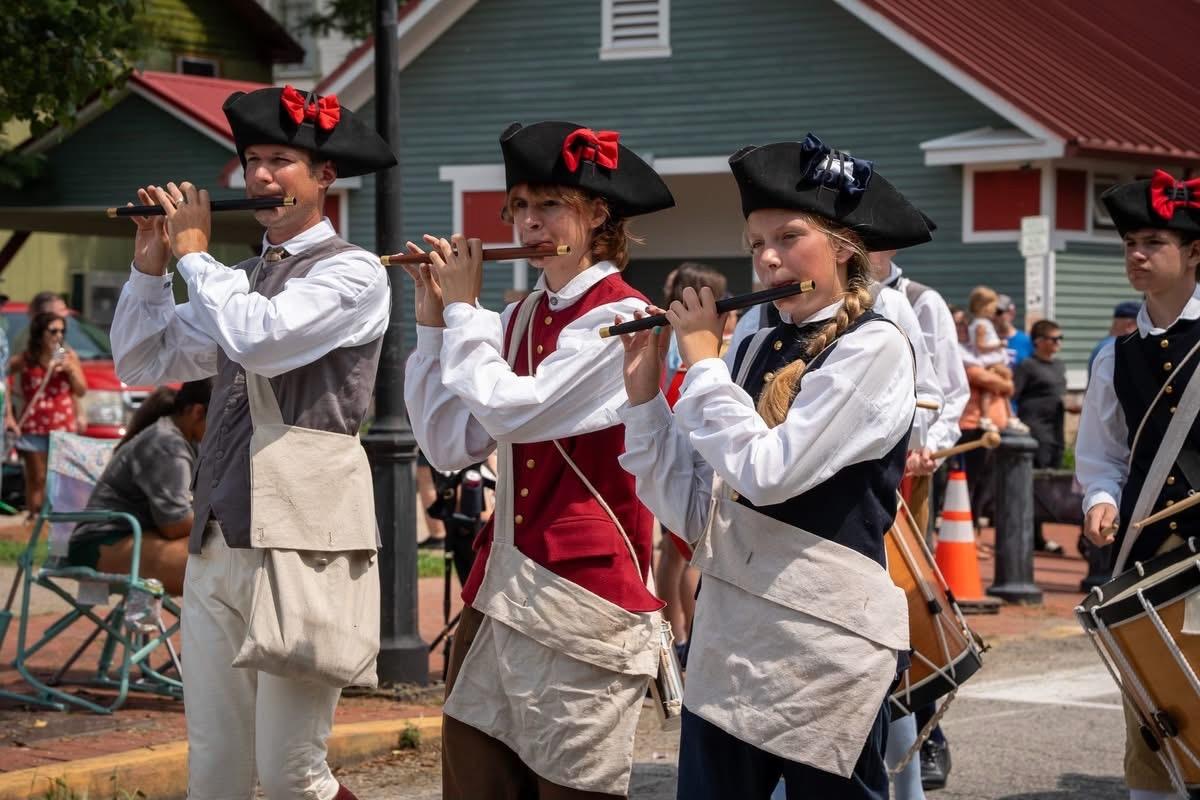
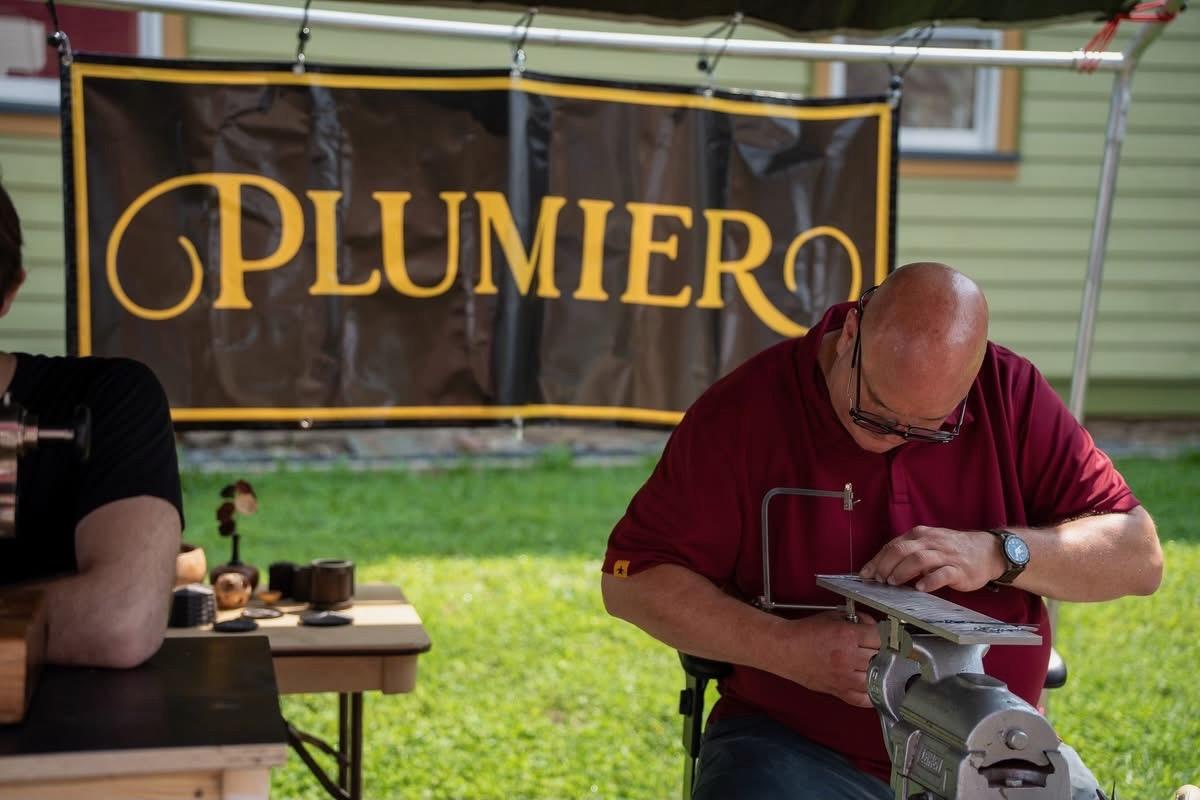
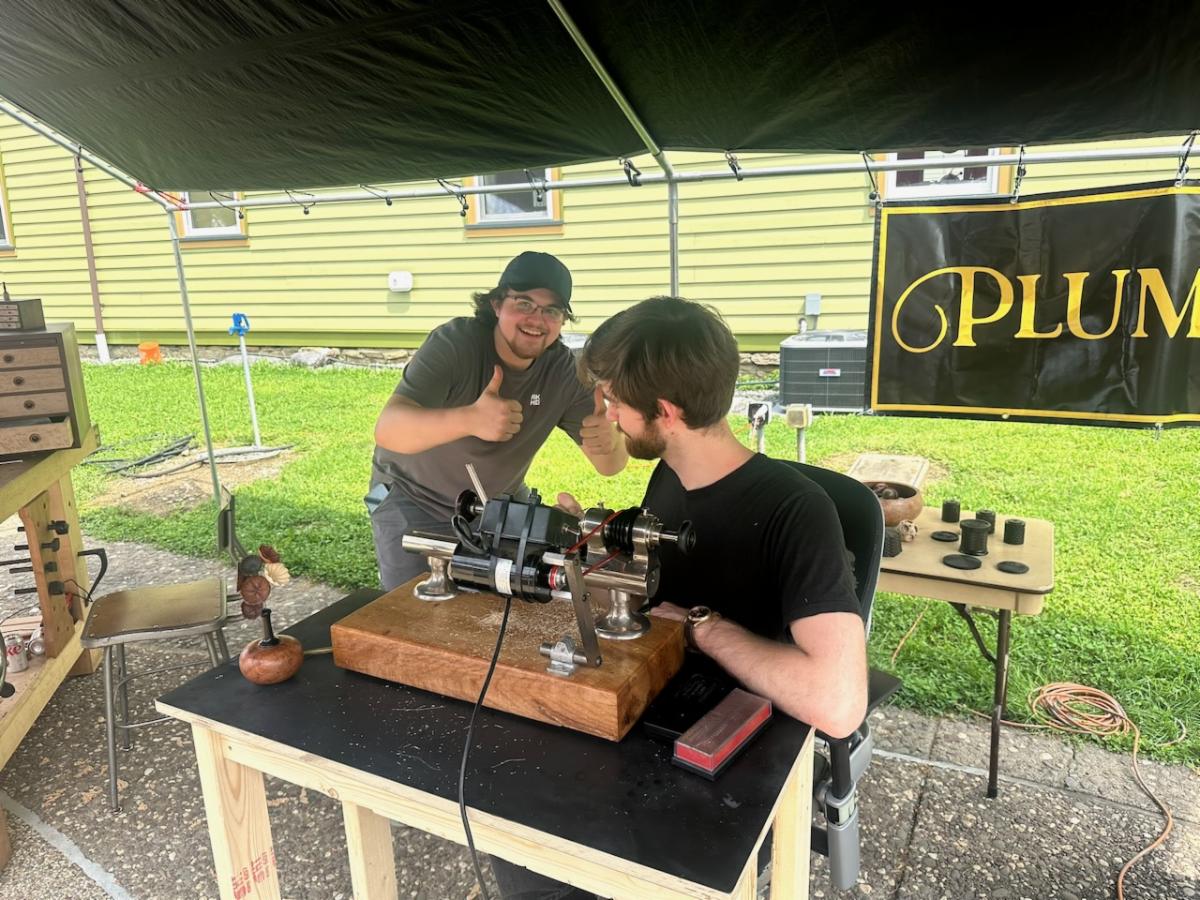
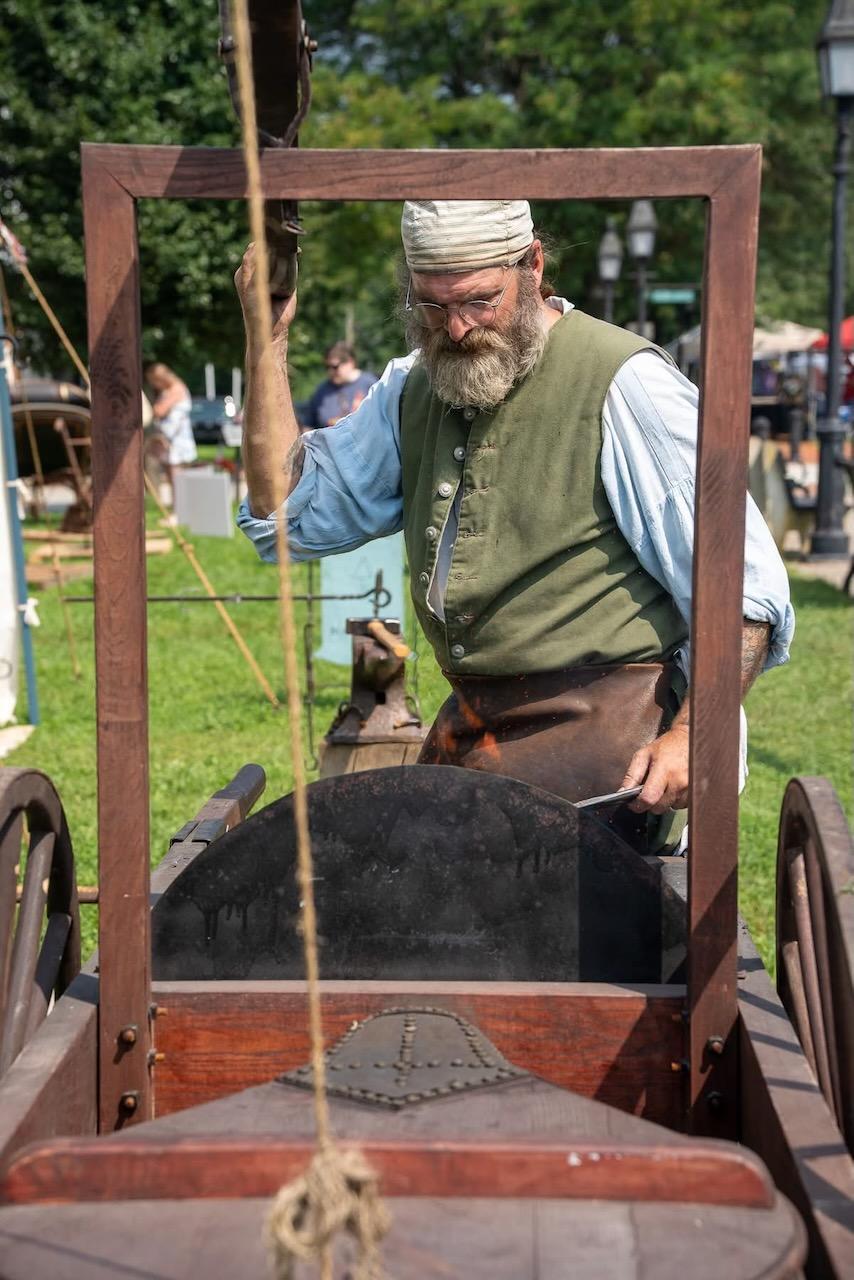
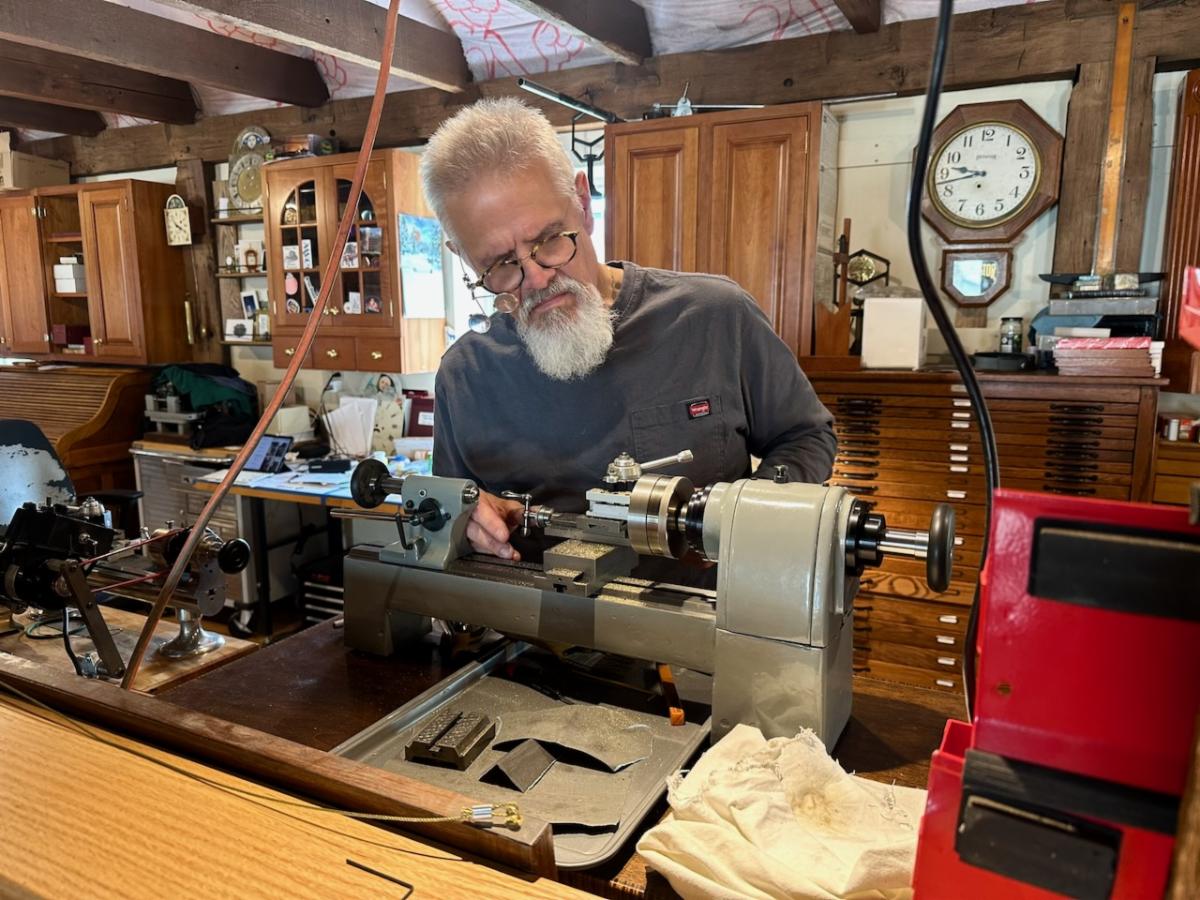
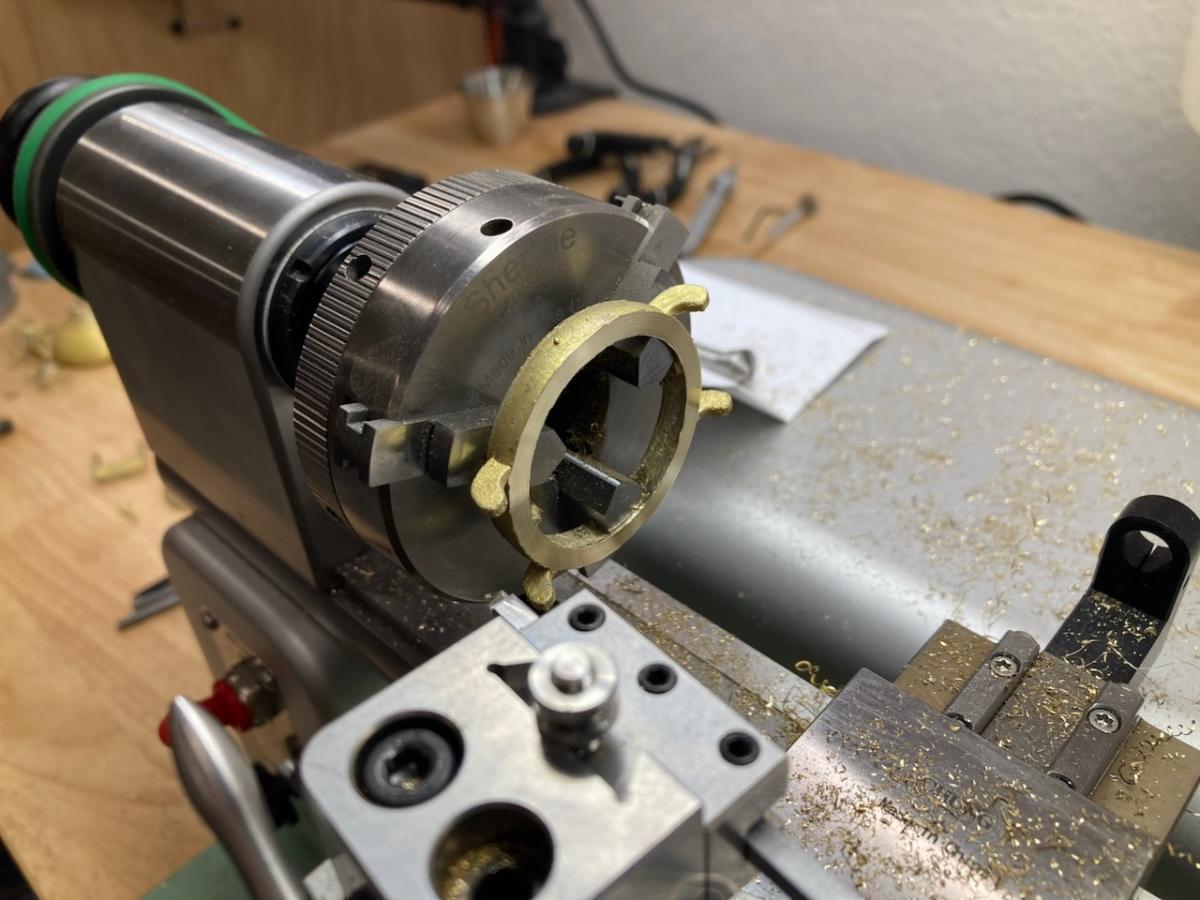
The semiquinncentenial celebration continued into August as Saltsburg hosted a day of history and community right on Point Street and the Canal Walk. Saturday, August 15th brought food, music, historic craft, and a parade of vintage vehicles with Plumier right in the center of the action. We set up a tent on the Canal side of the building and spent the day sharing historic craft with the community. Zach brought out a bench and his tool chest to demonstrate hand-cut dovetails and share his knowledge of traditional furniture construction methods. Dan and David shared timeless metal working techniques, with Dan setup on Derbyshire watchmaker’s lathe to show traditional metal turning with hand gravers and David armed with a trusty saw-frame to demonstrate the clockmaker’s piercing skills. Of course we also had examples of complex turning on display. Many other historic crafts were on display including wood turning, leatherwork, and candle making. David’s friend Paul came out to Saltsburg to demonstrate colonial blacksmithing, bringing his mobile forge and period anvil. As always, the red hot iron and ring of the anvil stole the show with a steady crowd of transfixed children and adults. Thank you to Paul for making the trip!
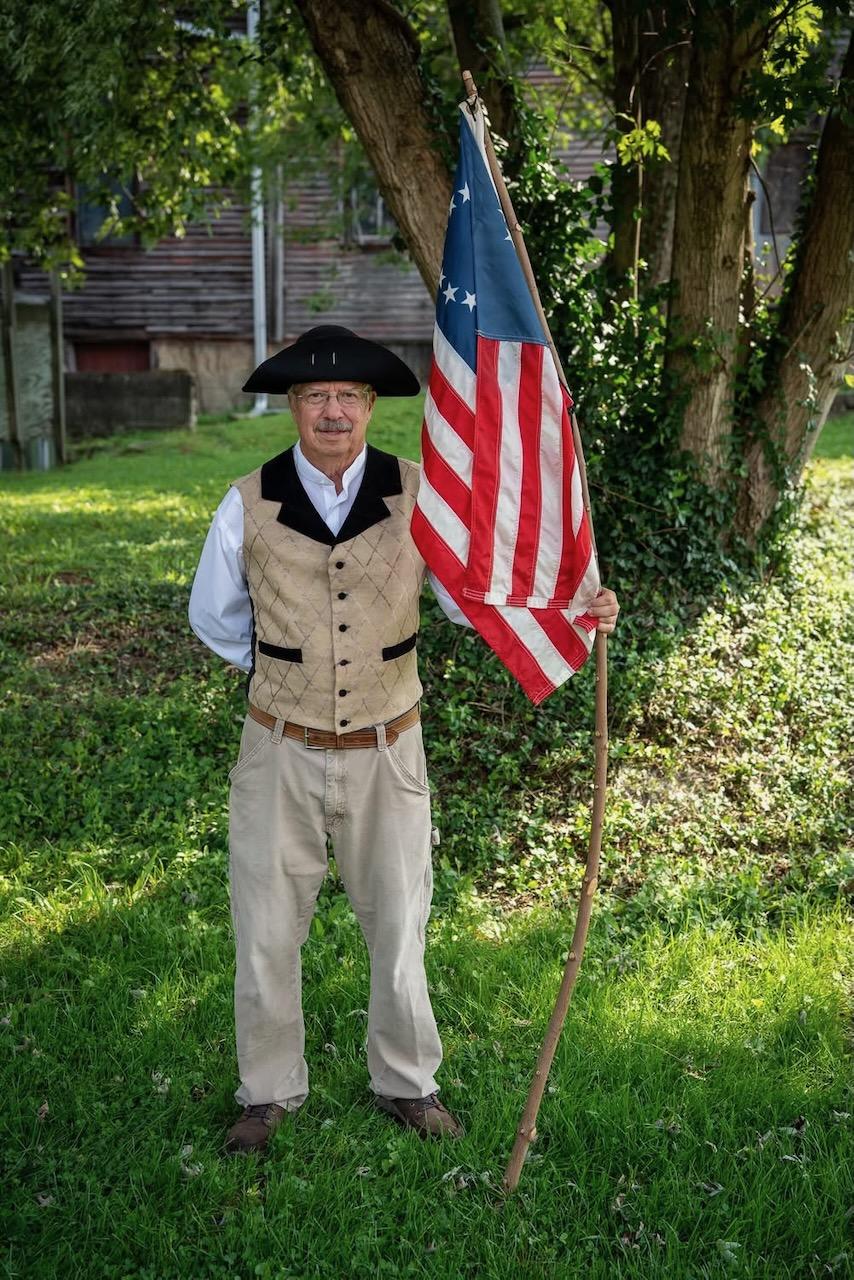
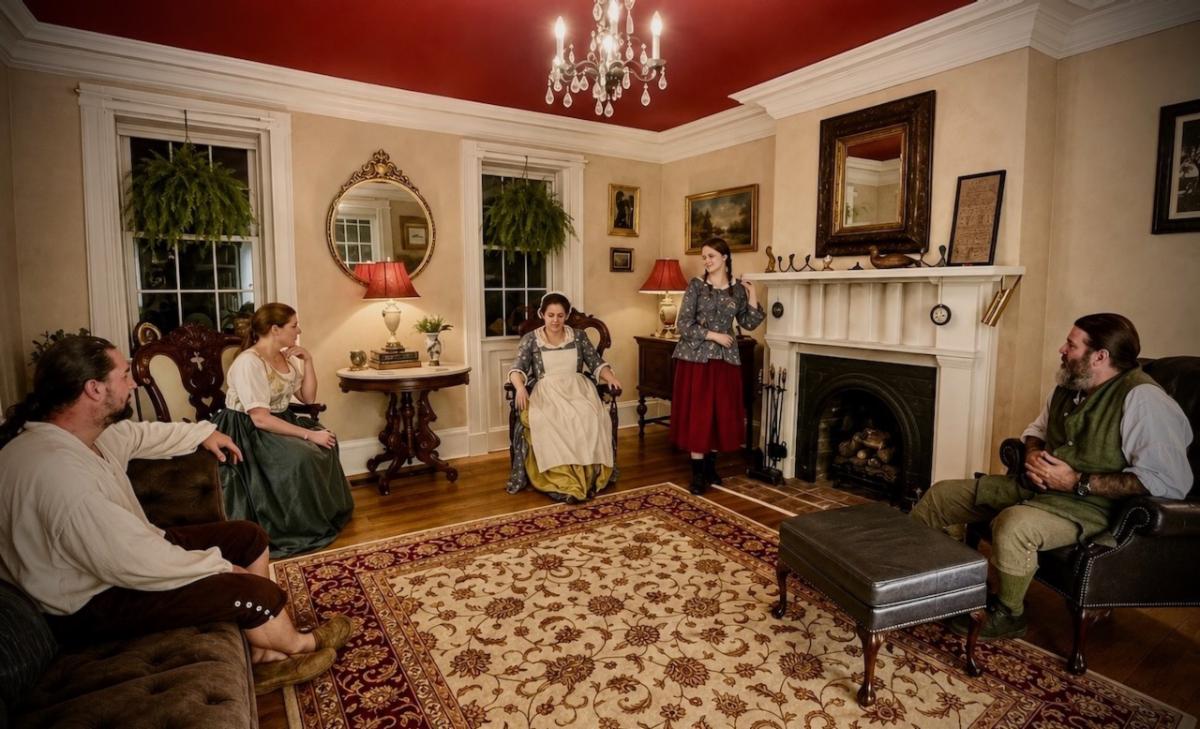
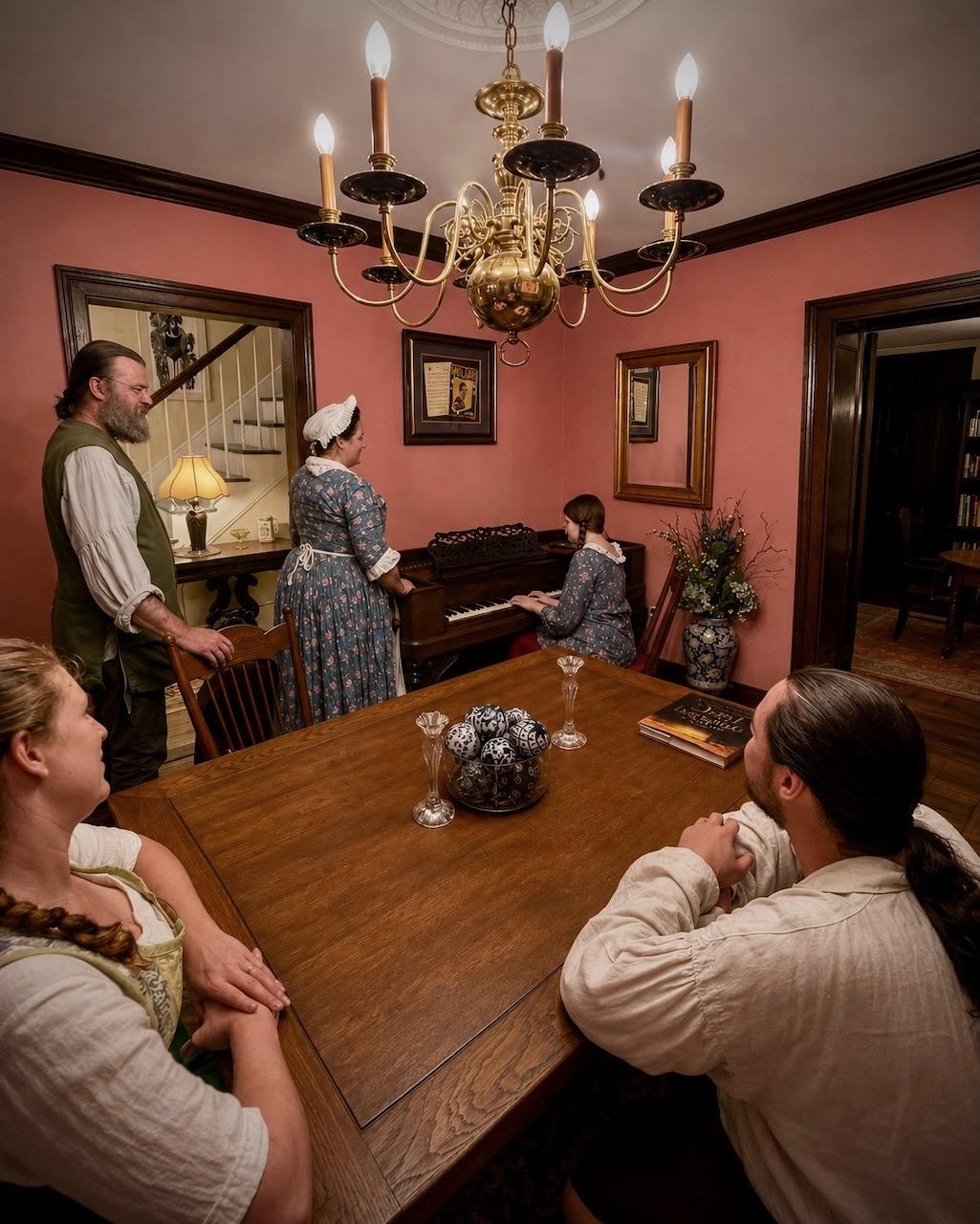
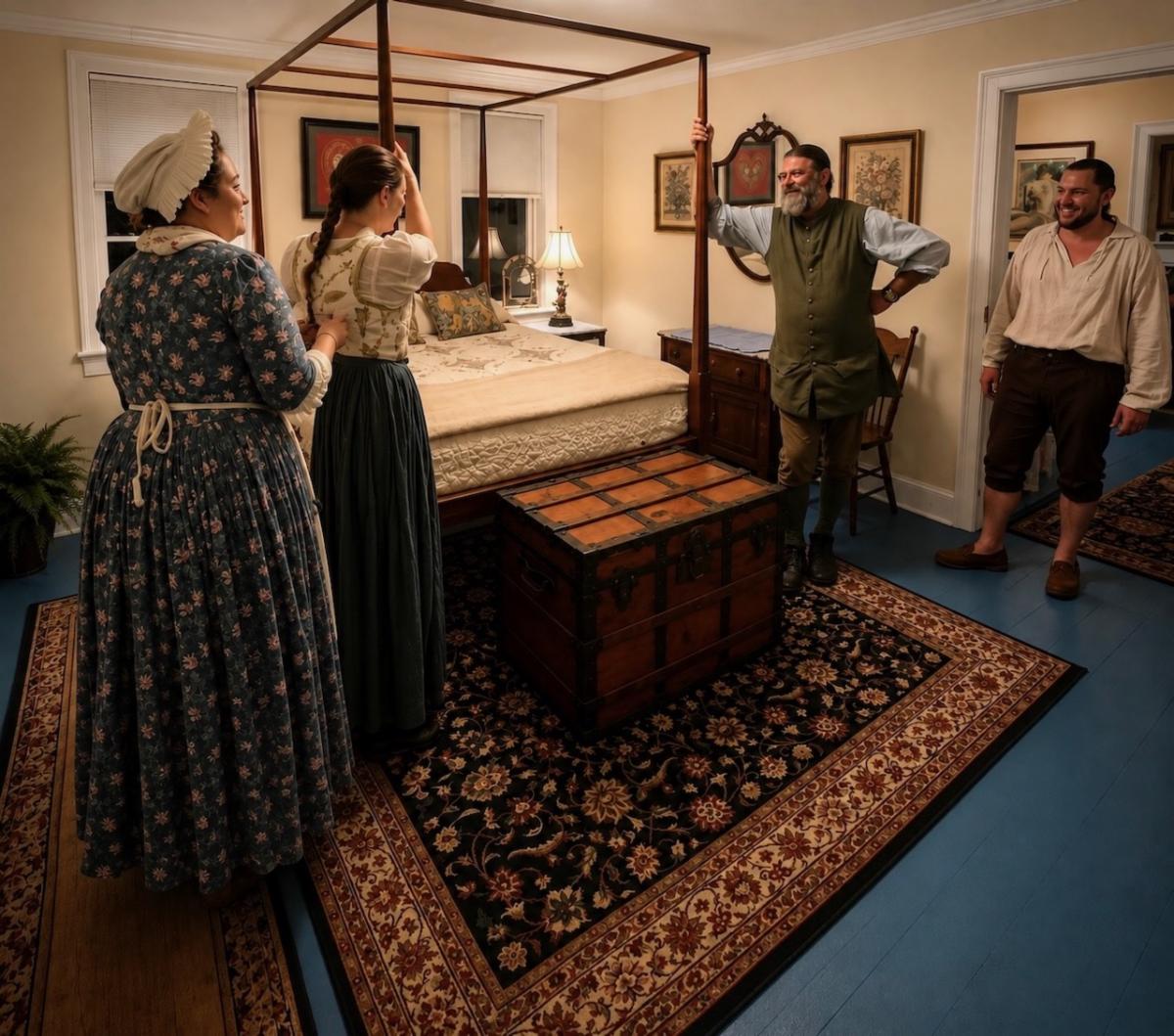
| | The next day, a few of the historic artisans came by the Earhart House in their period outfits. Naturally, the opportunity for a quick photoshoot could not be passed up. Becky got some great shots of the artists looking perfectly at home in the rooms she has lovingly redesigned over the last year. | | |
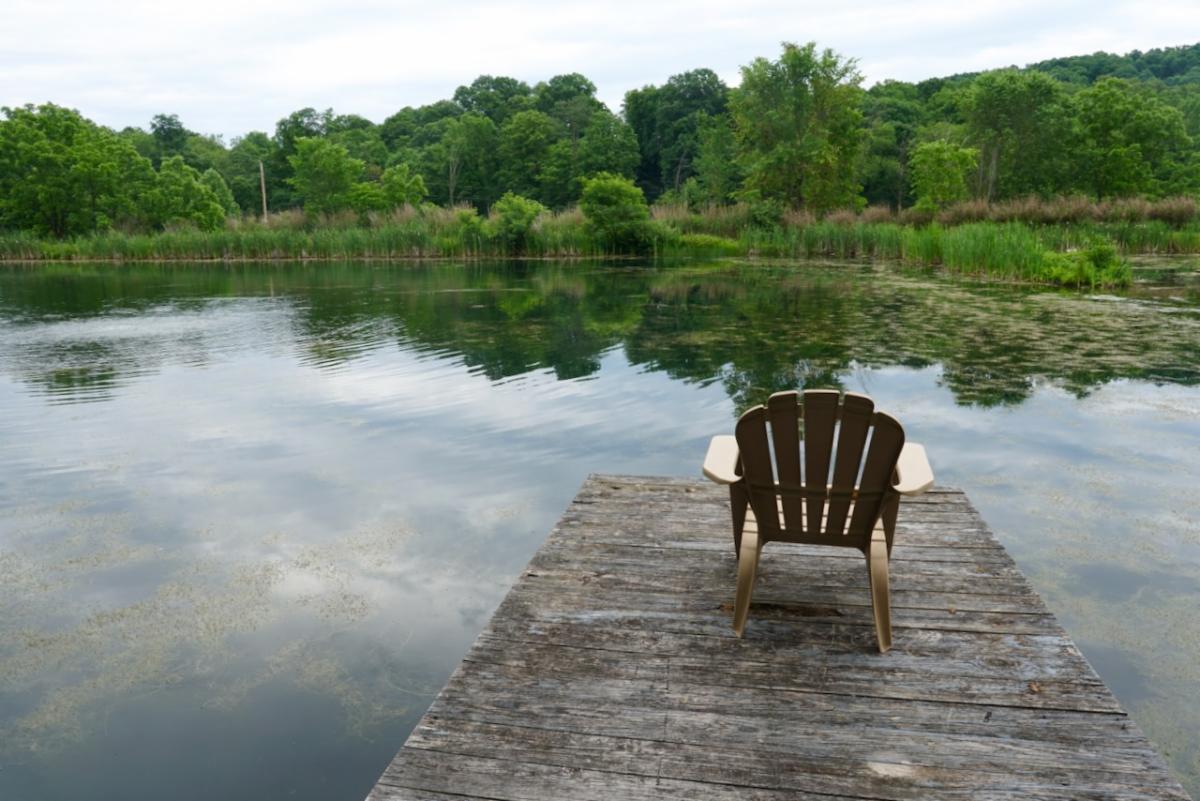
Guests of Plumier can come stay in the beautiful historic home just a few miles up the road from the shop. The brick and stone house is perfectly situated on a stunning property that includes a charming pond and hosts all manner of wildlife depending on the season. Fitting for the summer’s event, bald eagles have been frequenting the property recently. The Earhart House has been transformed into the perfect artist’s retreat. It is Saltsburg’s very own Walden, where days in the shop are bookended by peaceful moments enjoying the view of the pond with your morning coffee and sitting by the fire in the evening with a good book. It has become an incredible resource for our students and guests, who all seem to fall in love with the place as we have. Rooms are generally available for guests when there isn’t a class going and range in price from $125-$175 a night for nonmembers and $100-$150 for members. Email info@plumier.org for more information.
| | |
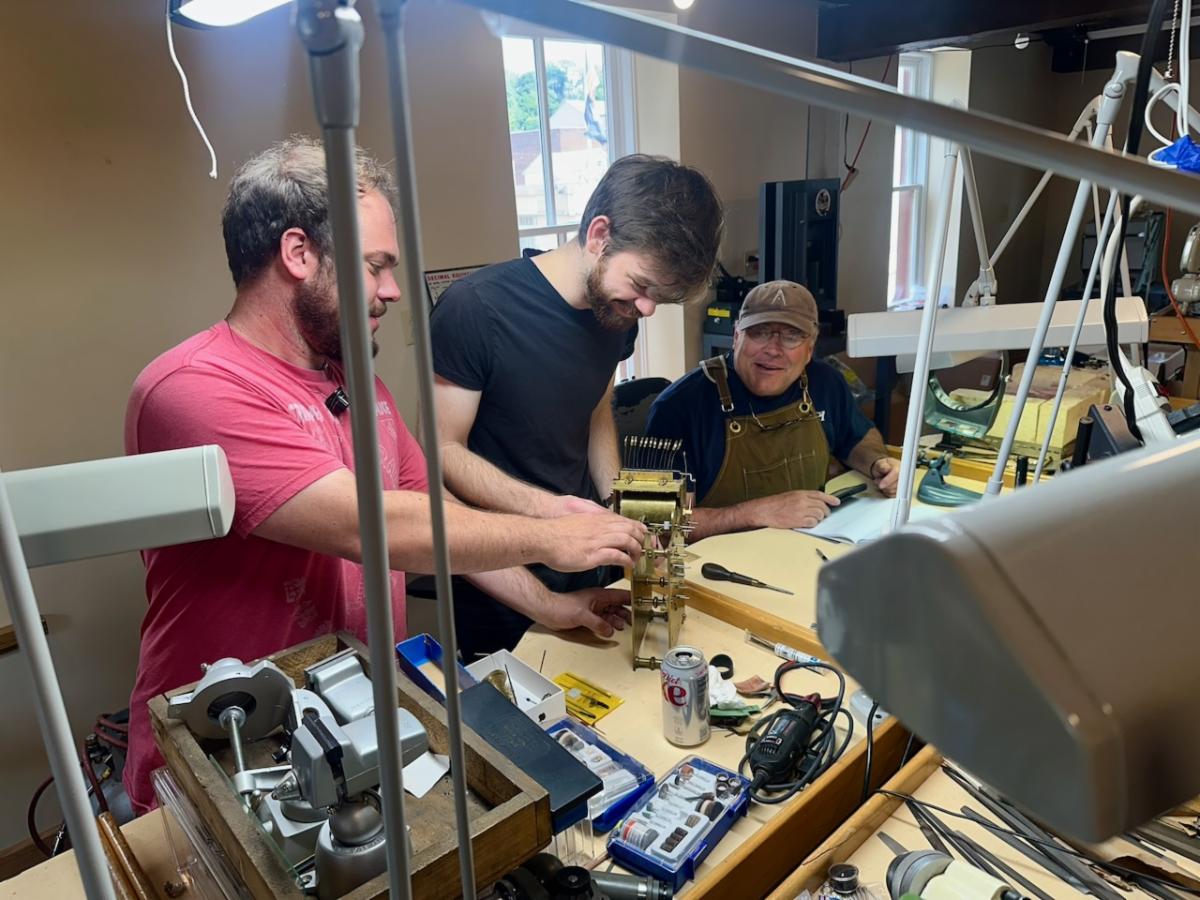
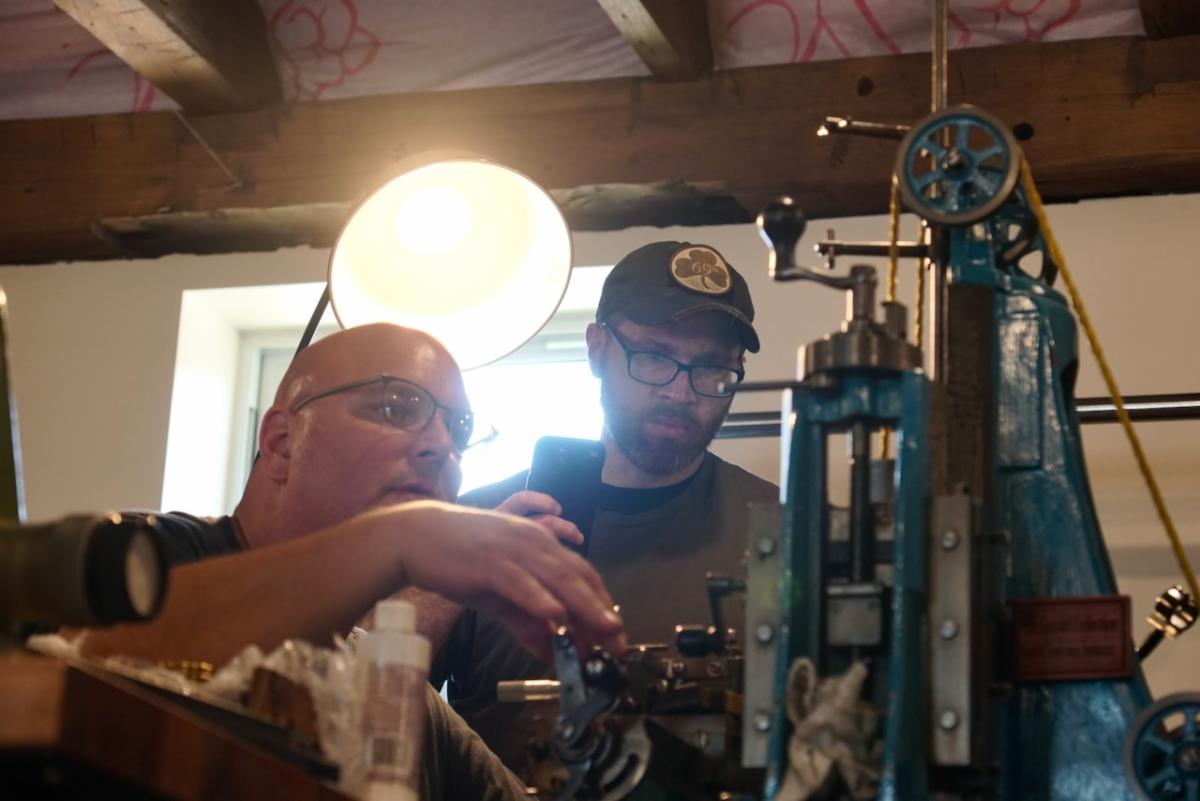
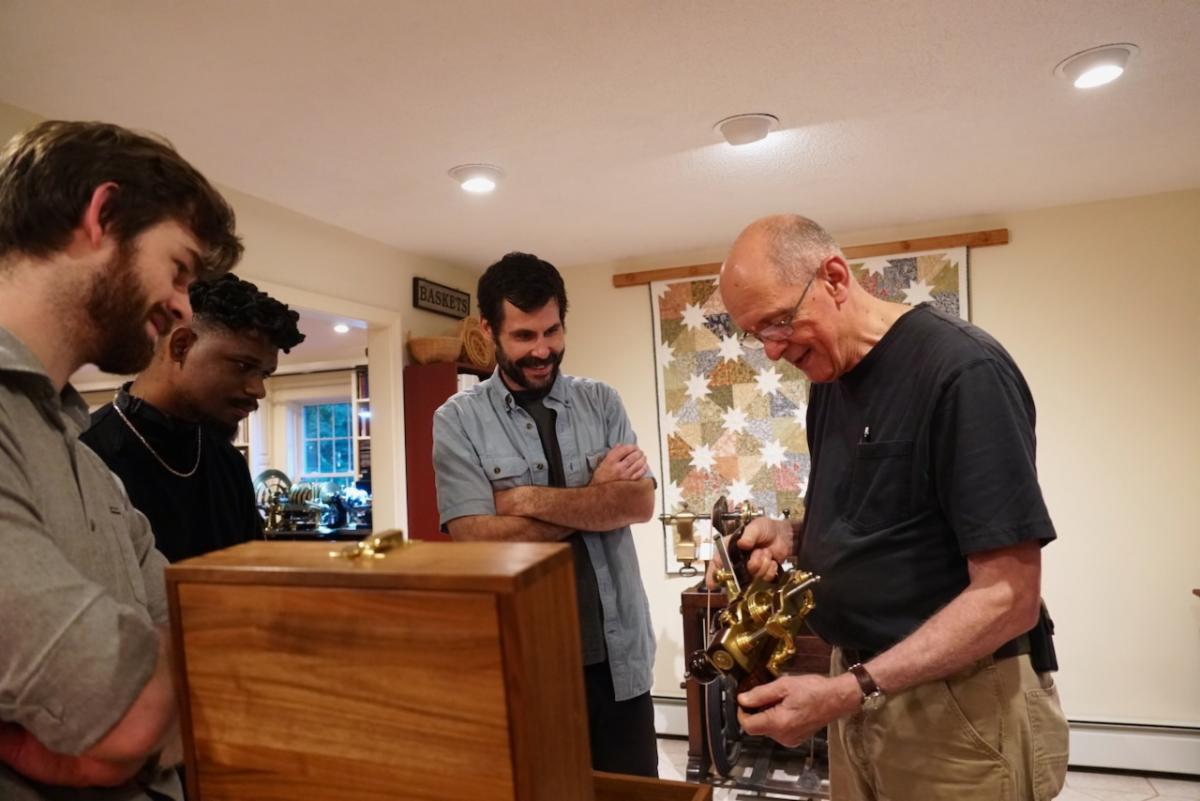
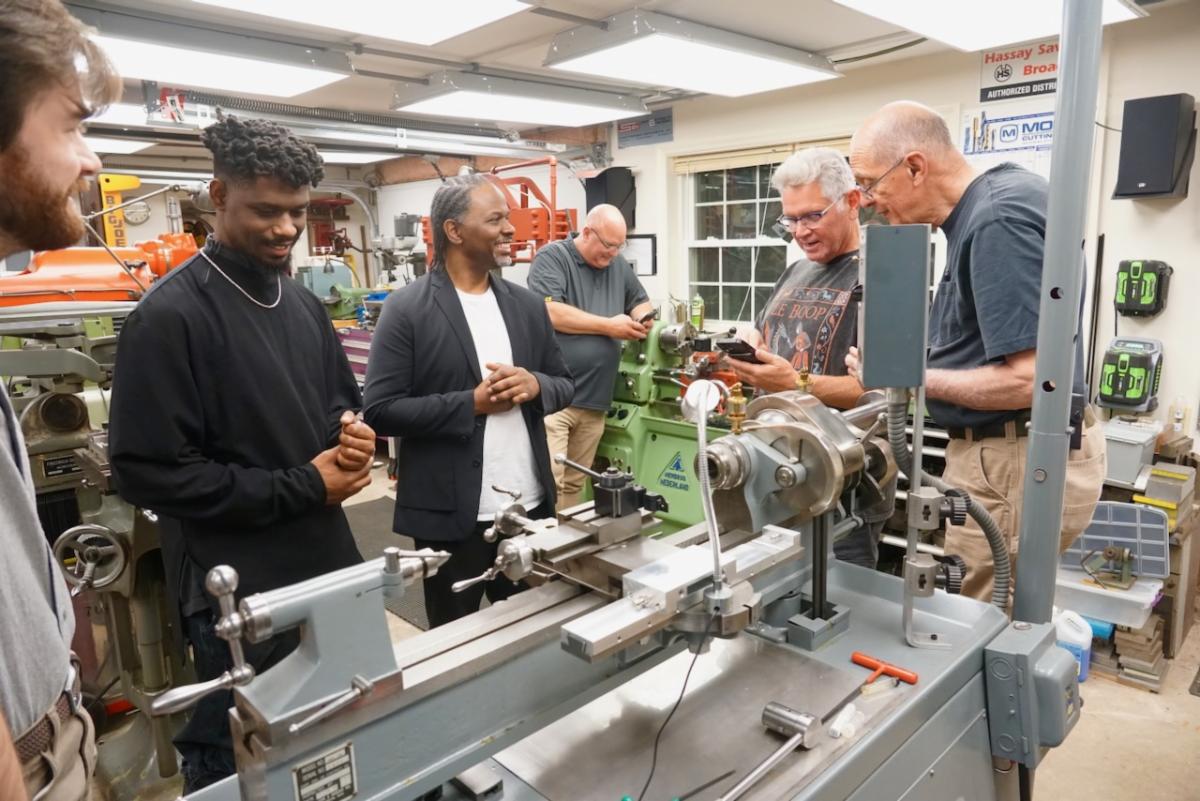
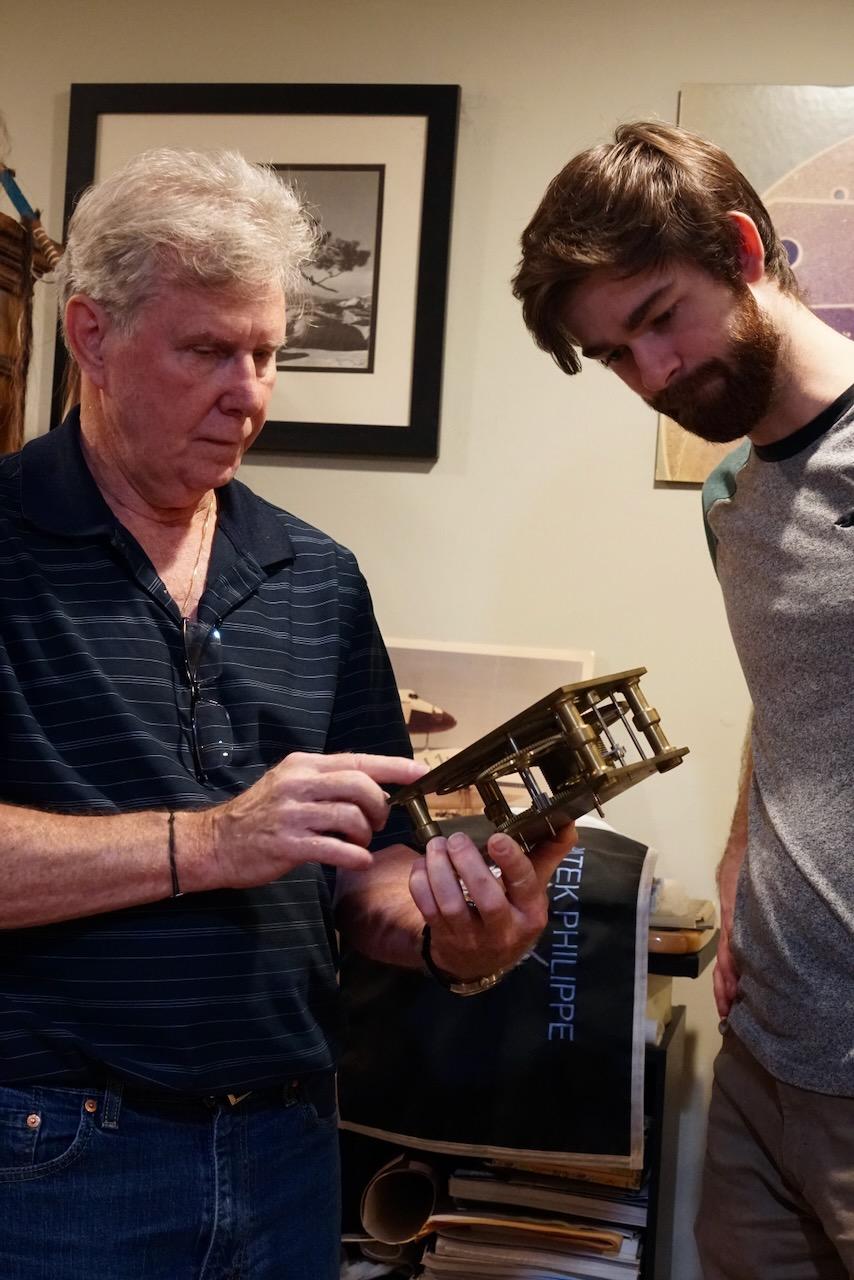
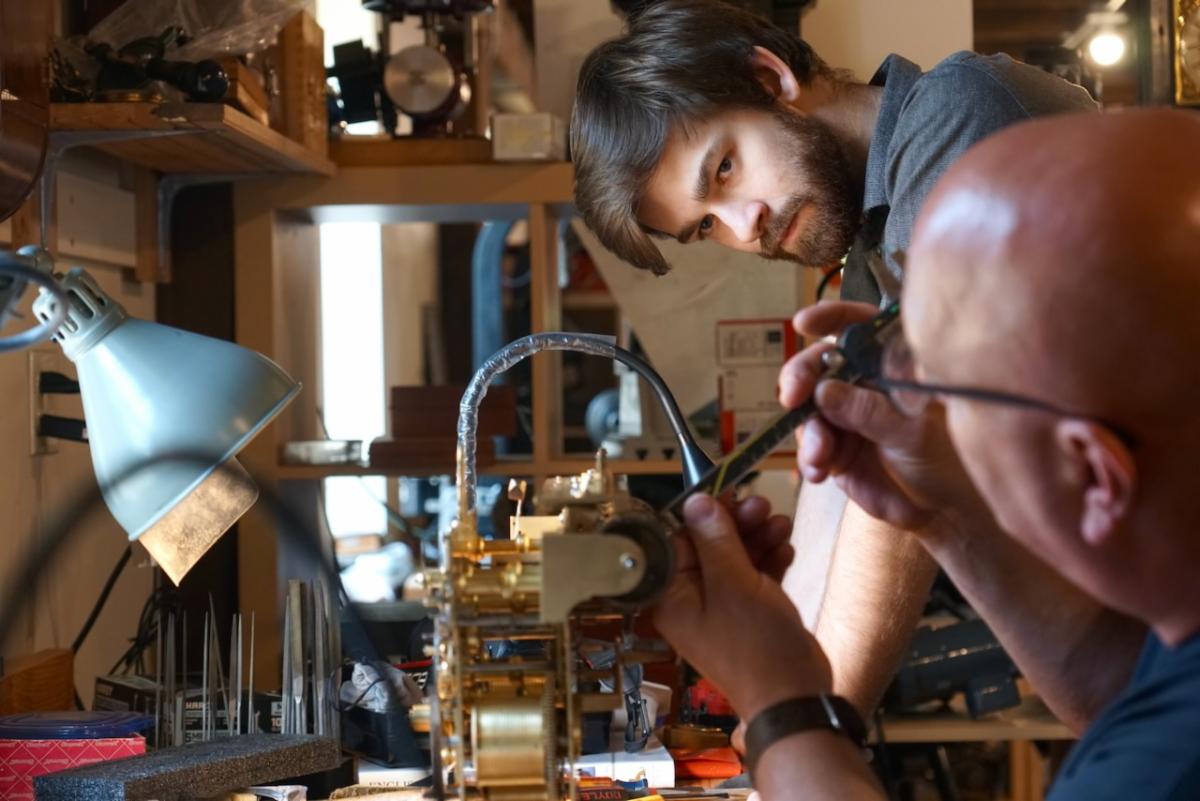
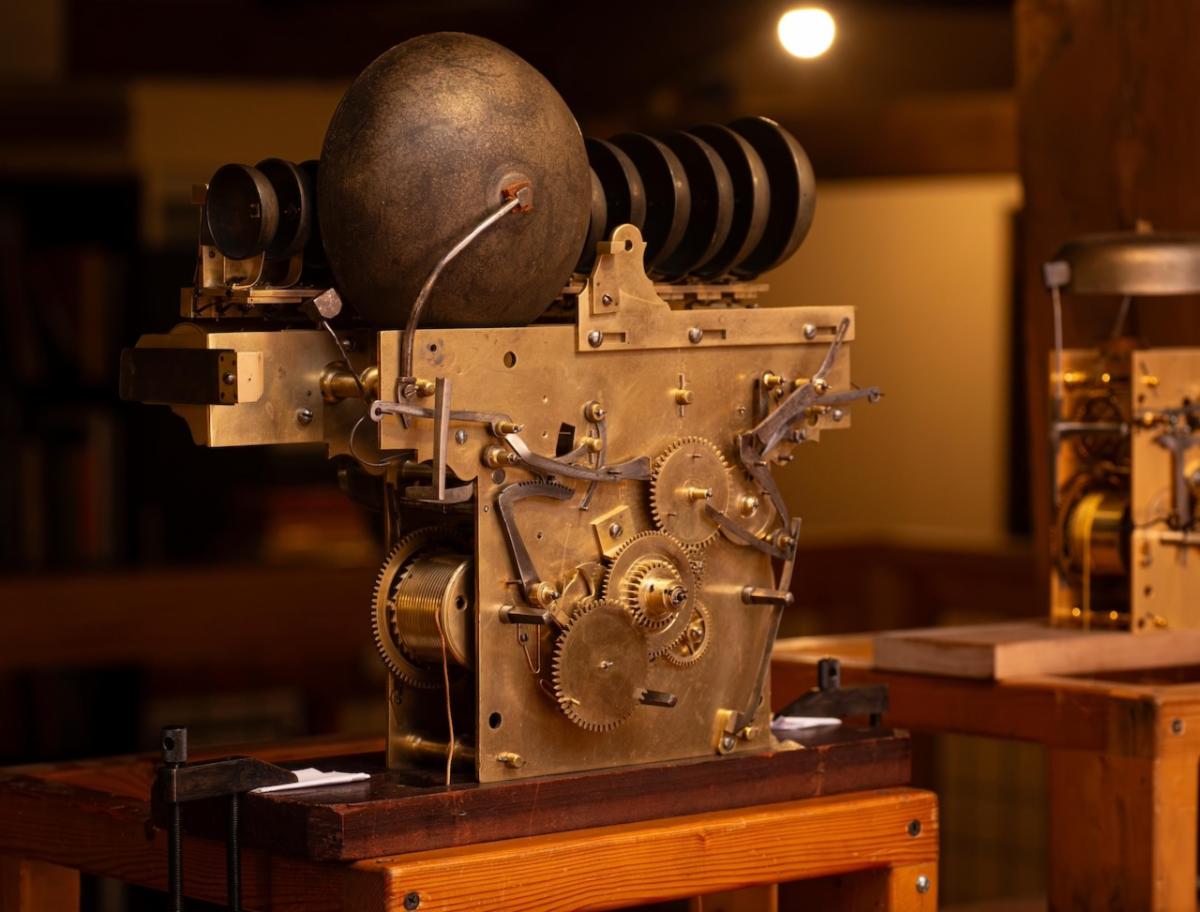
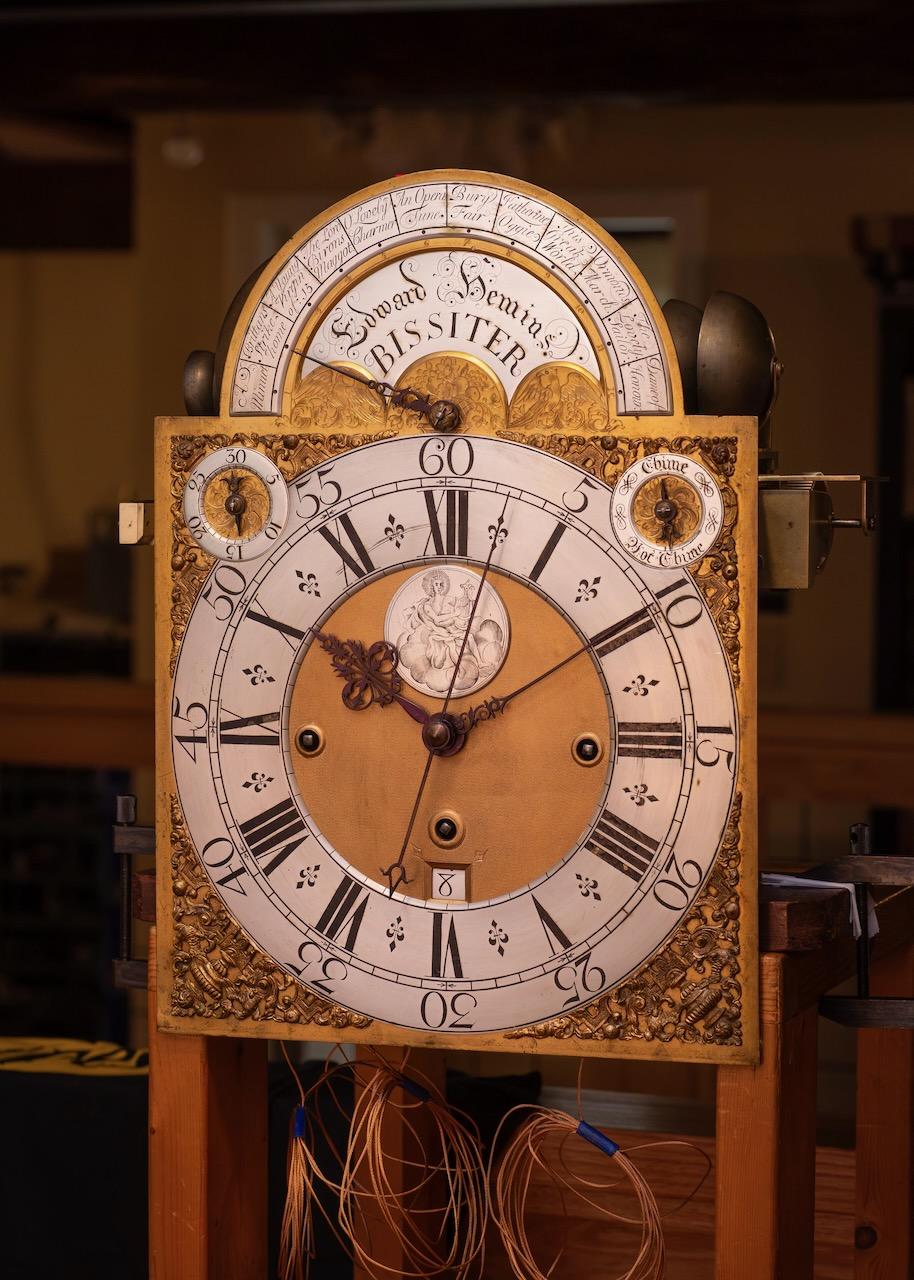
Plumier’s horological department was on overtime this month with Dan Batty working away on a number of student projects. Plumier member Steve Franke came out for a week to instruct Dan and brought along a musical clock he was restoring. They were also joined by Plumier members Jim Jilek and RK Elswick, who got in on some of the fun. No formal curriculum could cover the type of exchange of information that happens with these types of impromptu collaborations that Plumier can facilitate. Its a level of teaching and learning that cannot be structured by a plan. There is only a clock that needs restoring and the tools to do it. They are also essential for building networks of craftspeople. After a week at the bench together, Dan has another mentor in Steve who he can call on for help as his career progresses, and a new friend he can simply share his love of clocks with. Thank you to Steve for coming out and generously sharing his time with Dan.
|
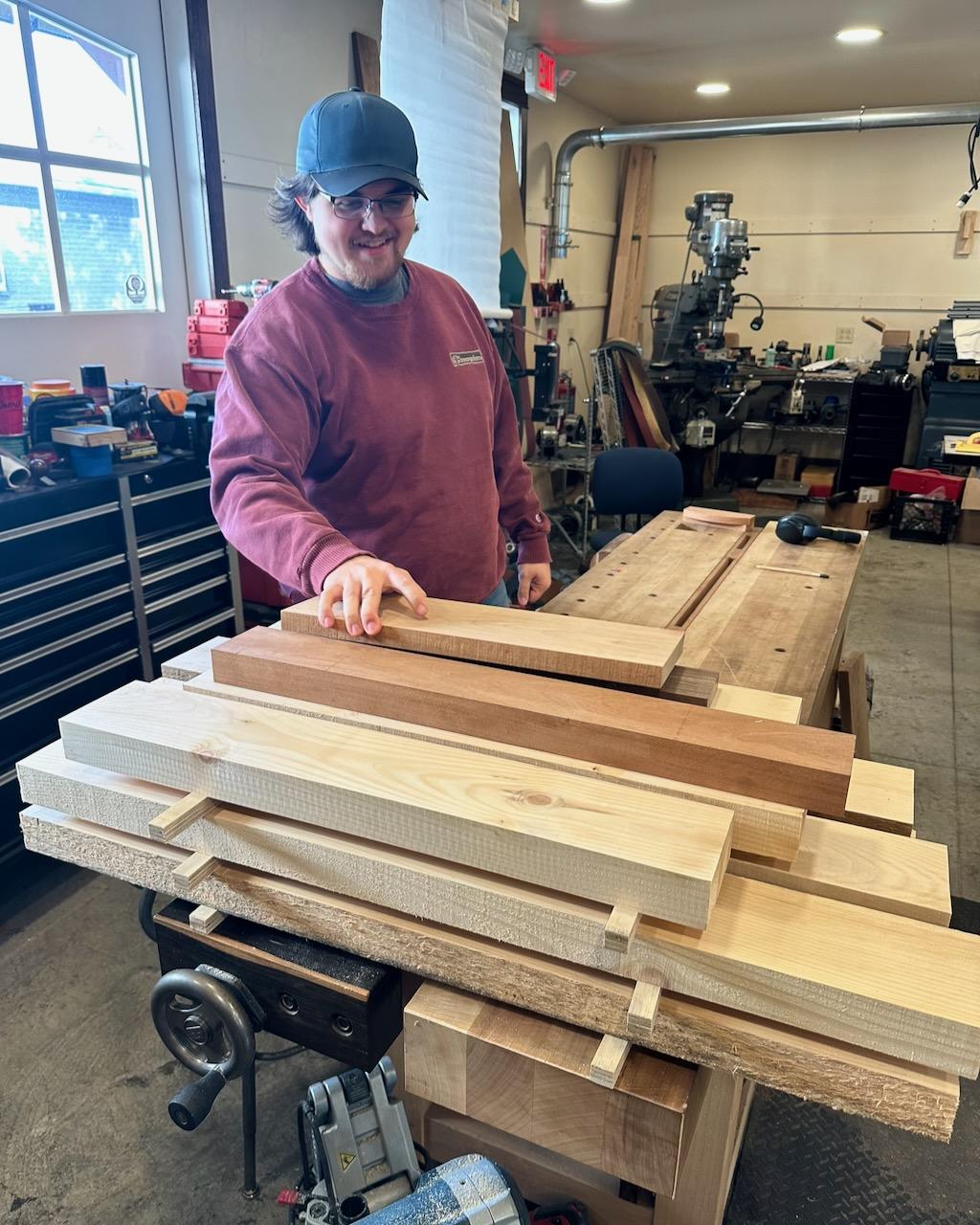
| Zach prepping wood for his next project | | |
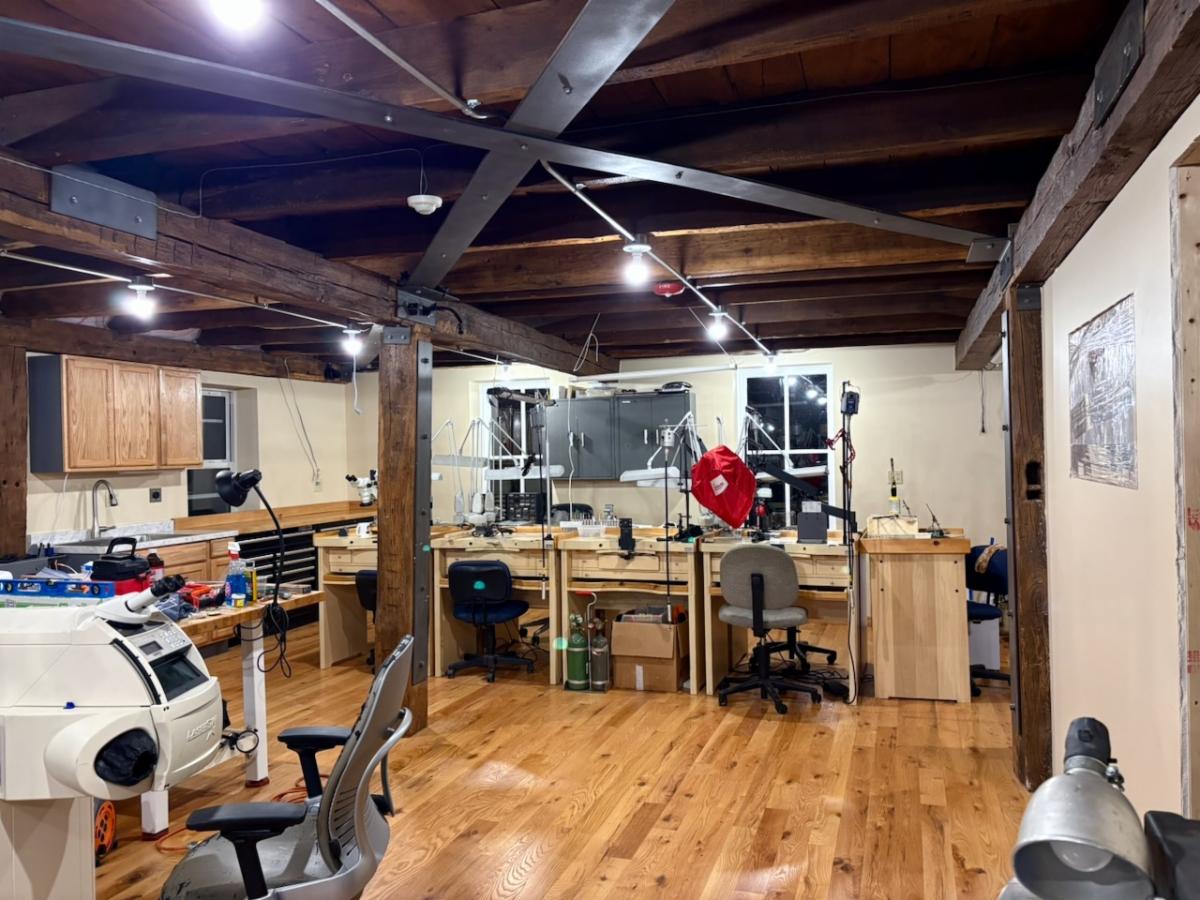
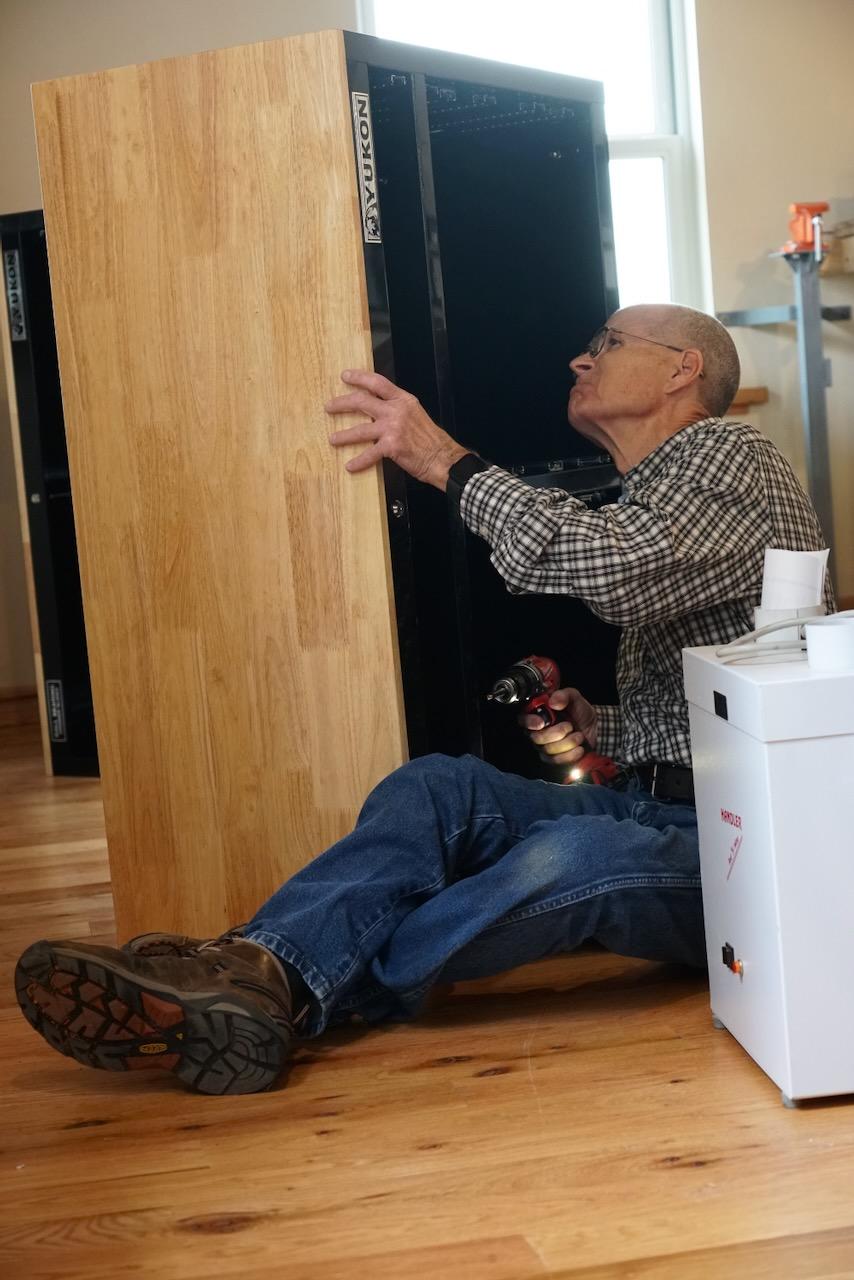
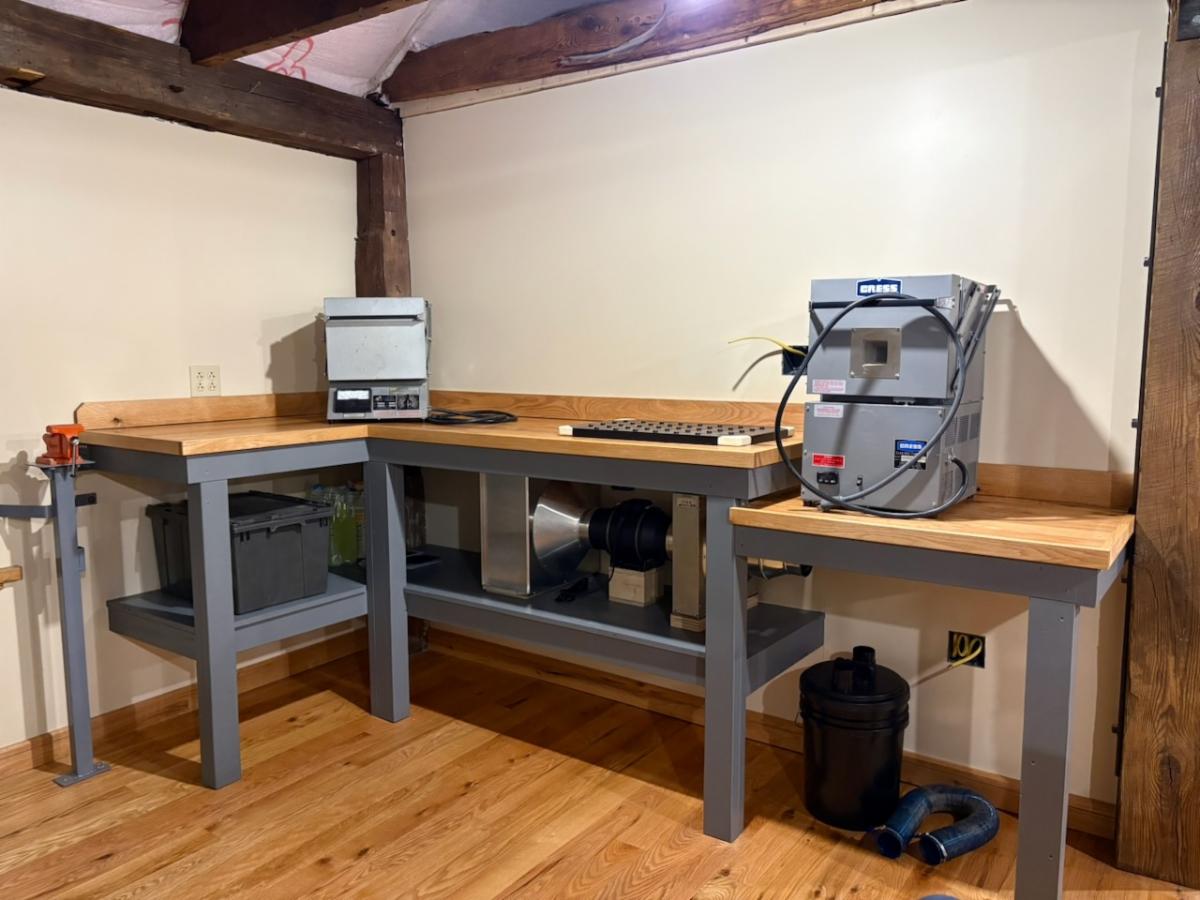
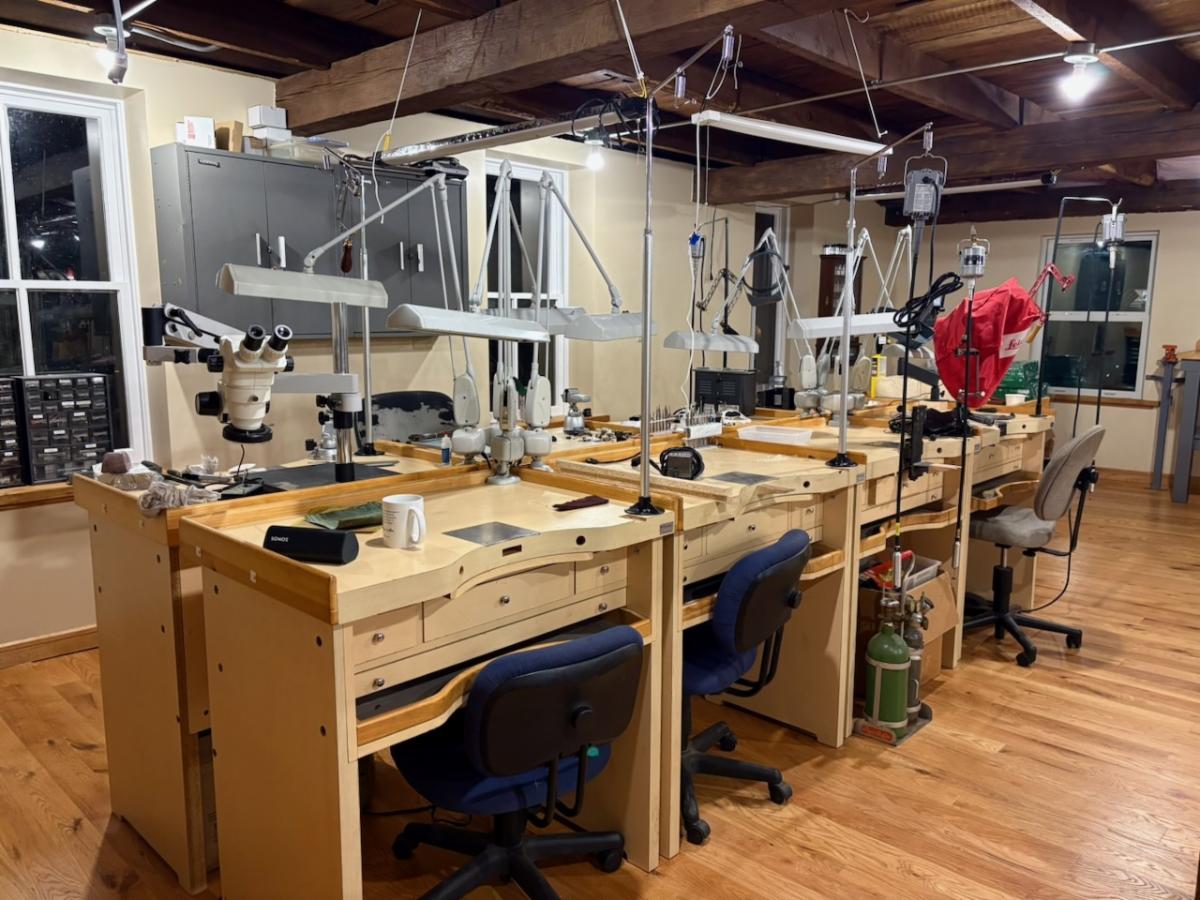
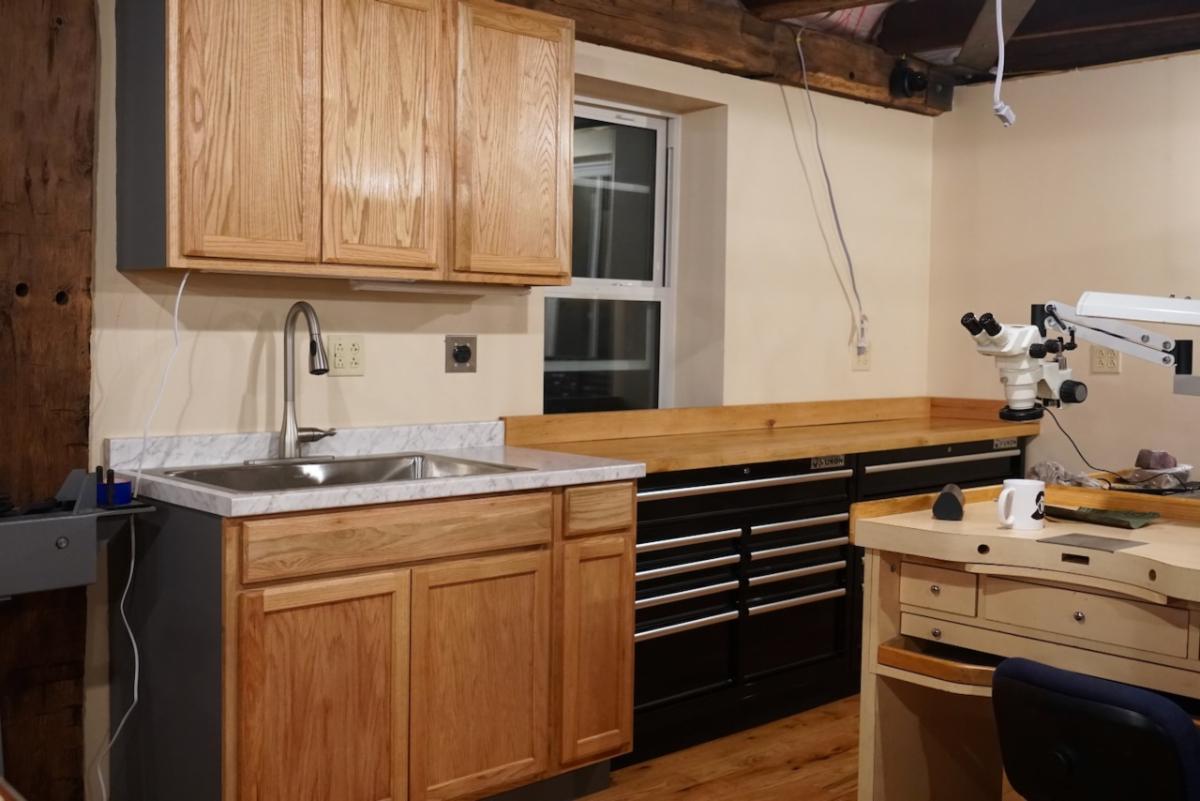
We spent a lot of time this month working on our jewelry studio in preparation for our upcoming enamel class. Bill Brinker, the instructor for the class, came out for a few days to lend a hand in building out the studio and to make sure we were on track to have everything he needs for the class in September. He was joined by Plumier member Ryan Plummer, who will be assisting in teaching the class. Having both Bill and Ryan’s input on the layout in person was invaluable. They also helped to go through and organize the tools that we already have and recognize what we needed to acquire in order to be prepared for the class.
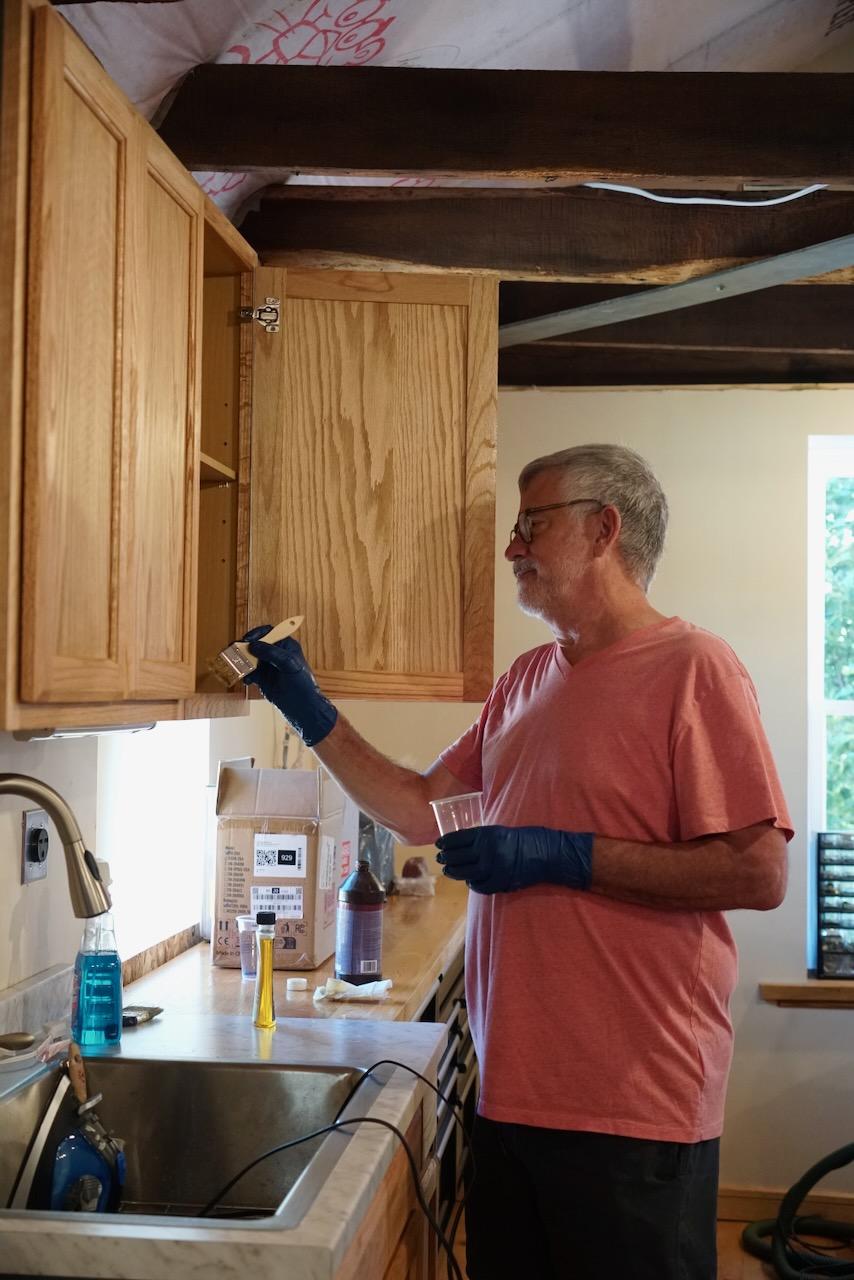
| | John Hurn also returned to volunteer, helping to build out the cleaning area next to the sink he helped install last month. Plumier board member Jay Dutton lended a hand finishing the cabinets. | | With the exception of the future dirty room, which still needs a full interior buildout, the space is beginning to feel like a real studio. Work continues on the electrical and organization, and we are acquiring more tools and equipment. Everything that needs to be in place for the class will be ready, but work on the studio will not stop there. | | |
We have made it this far thanks to the generous support of this community including donations towards this project, volunteer hours, and enthusiasm for out classes. The enamel class sold out in three days, giving us the confidence to invest everything we could to get the studio ready. While we won’t stop when the class arrives next month, we will need fresh resources to continue at this pace. The dirty room will require a custom fume exhaust hood system and dust collection for a range of processes including investment, casting, and polishing. It will also need custom cabinets and work surfaces that maximize the limited space. In order to teach the range of classes we hope to in the future, each of the eight student benches need to be equipped with a complete set of tooling, which will easily cost a few thousand dollars per bench. Please consider making a donation through our website or GoFundMe to help us finish the studio. Since our small team is doing as much of the work as possible with the help of our volunteers, you can also support this project and everything else we are doing at Plumier by becoming a member today.
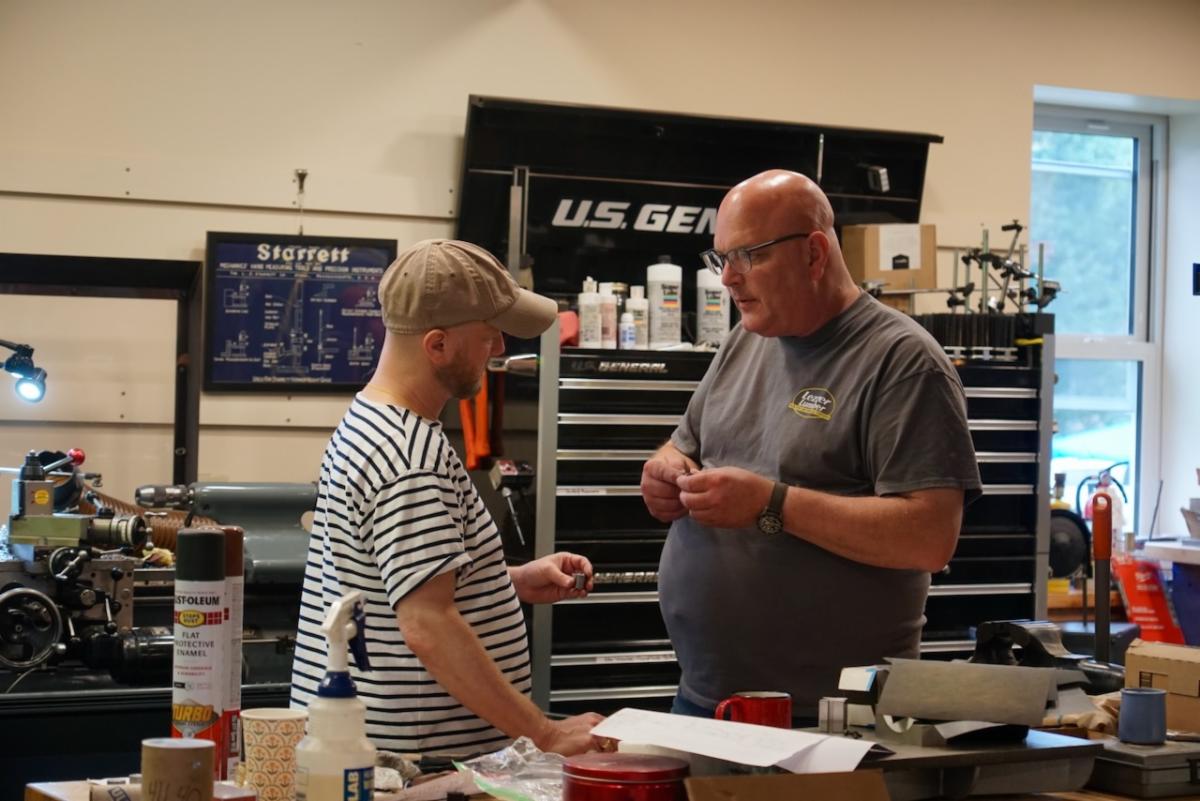
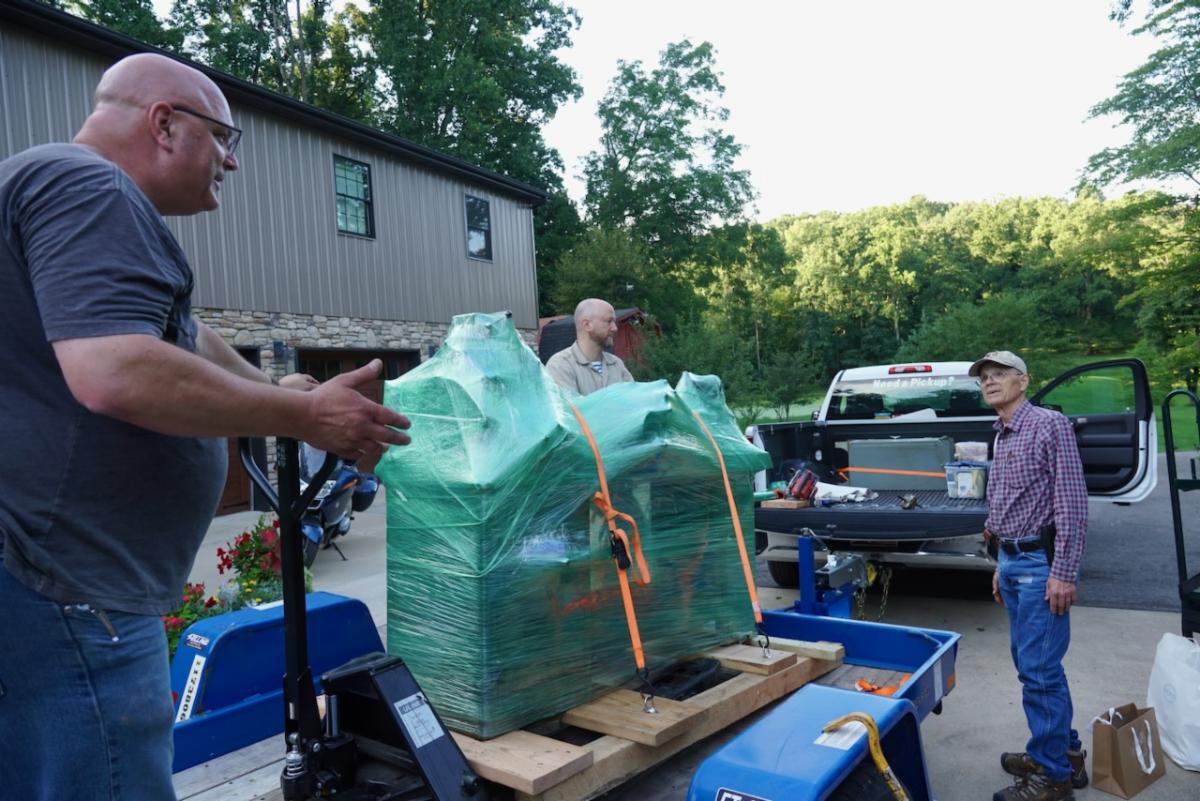
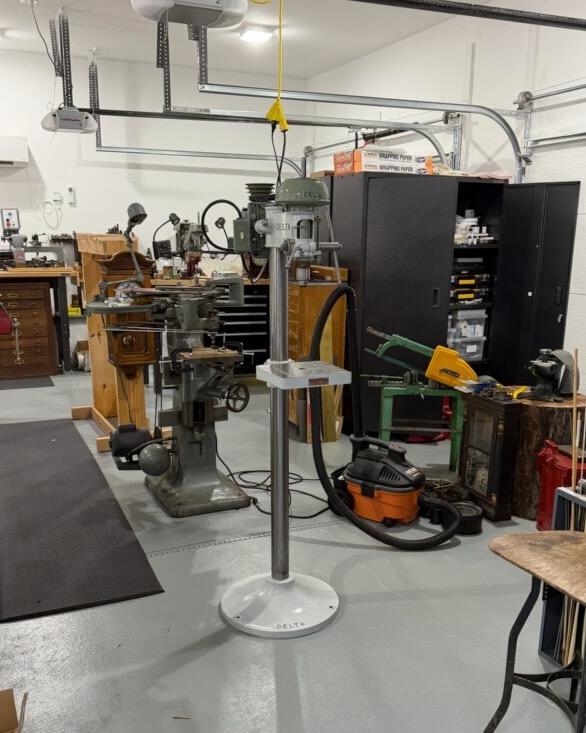
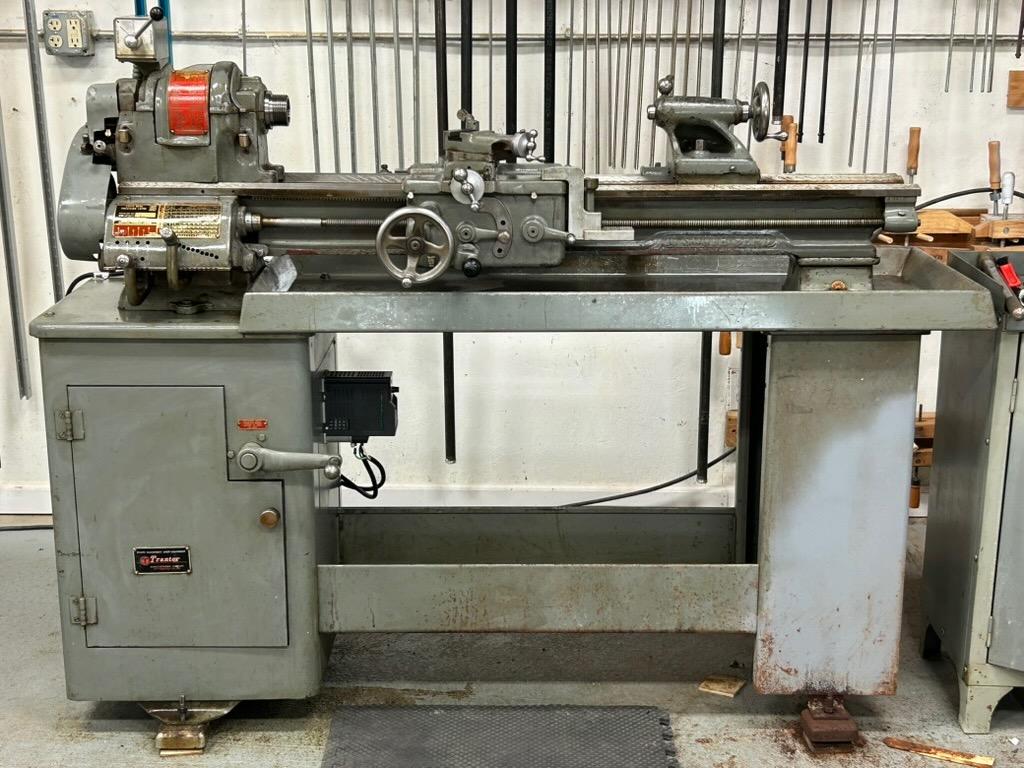
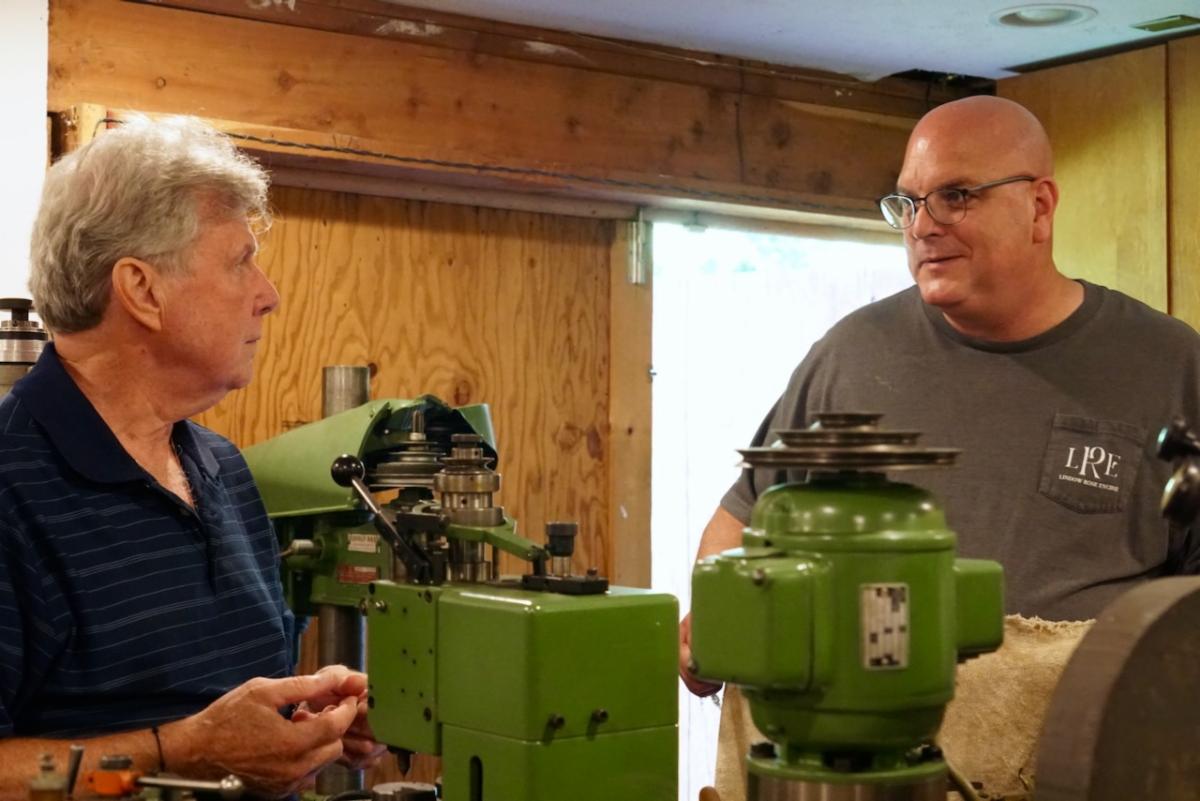
| | Joe Acierno was back in town for a few weeks! | | Member jeweler Chris Davies came to learn a bit of machining. | | Our members are bullish on the Plumier Exchange! Over half a dozen machines found their way to new homes through the Plumier Exchange in one way or another this month. We also picked up a number of rare and exciting machines that will be sold through the Exchange soon. | | | Member Curt Leffferts' new drill press | | Southbend Heavy 10 now in John Hurn's shop | | |
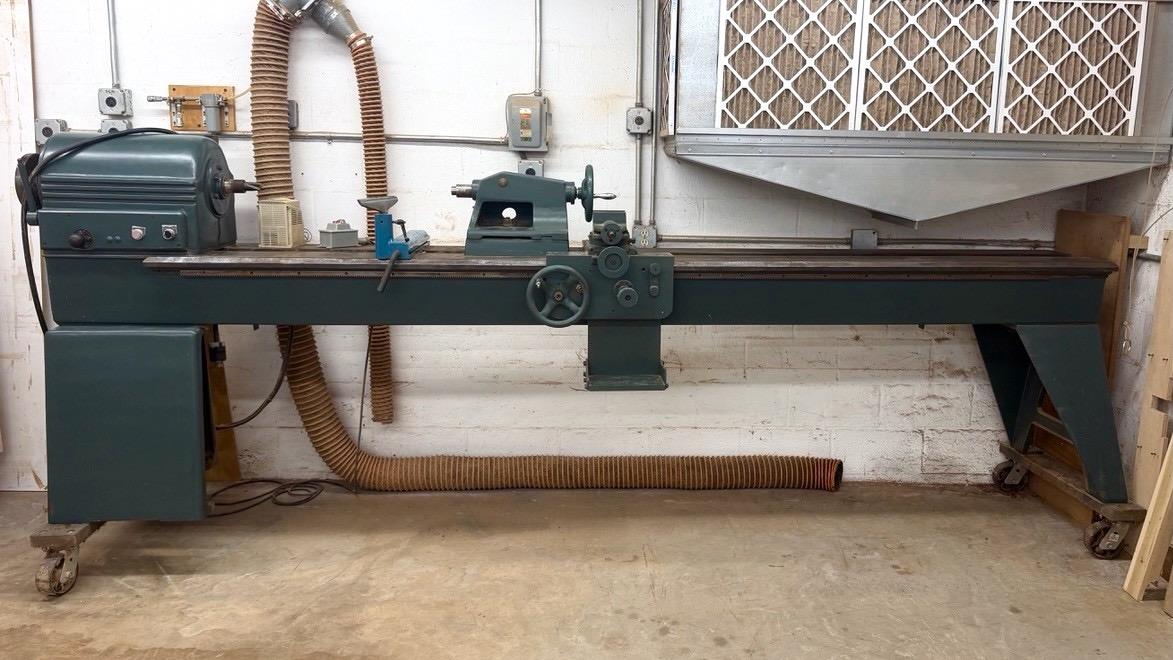
One machine that is currently available is this massive Oliver lathe. It is an Oliver 2355 Pattern Makers Lathe from 1972. It has a 12’ bed with a carriage and compound slide rest along that was designed with a shelf for a designated powerfeed gear motor. It comes with what appears to be the original gear motor and belt cover, but the motor will need attention. According to the original receipt included with the machine, this lathe was sold by Oliver to Robbins Air Force Base in Georgia. The price is $3000 and is available for pickup in Chester County, PA, with a forklift onsite to help load. If you are interested, email info@plumier.org. | Selling or donating tools through the Plumier Exchange is a great way to support our mission. If you have a machine or collection of tools that you want to sell or donate, reach out through info@plumier.org. |
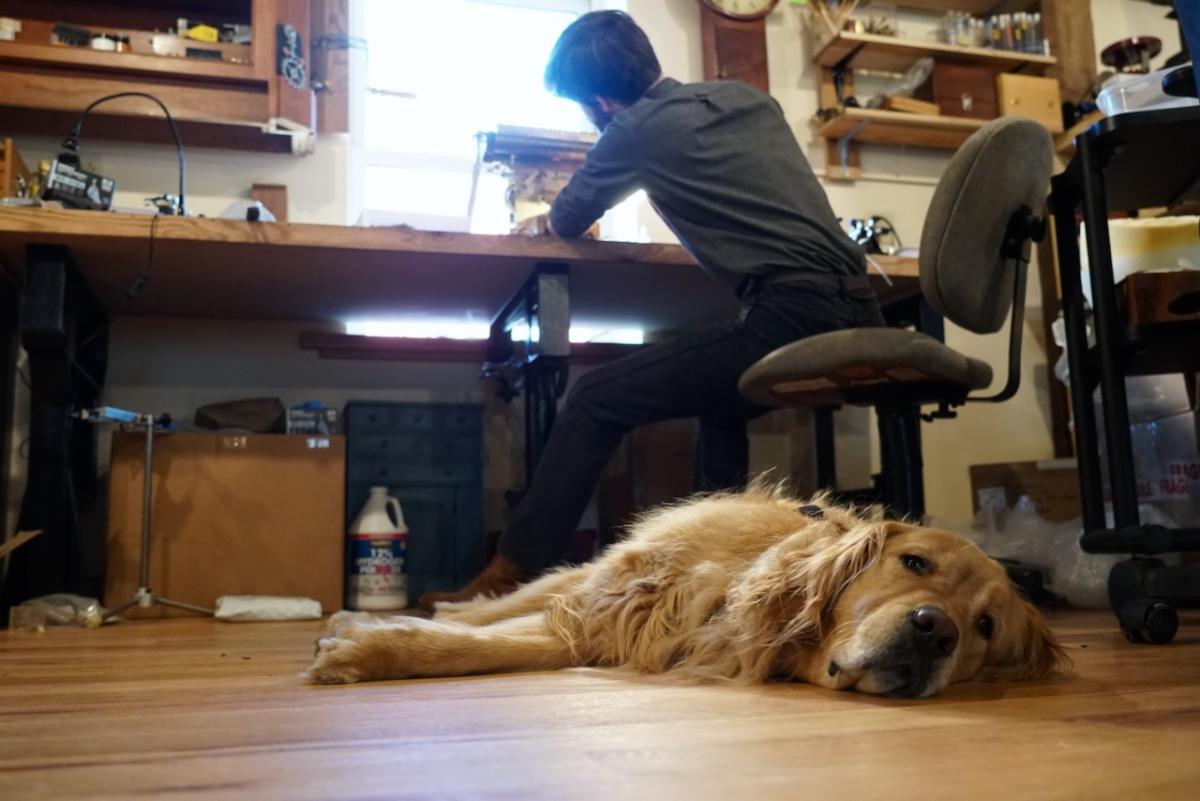
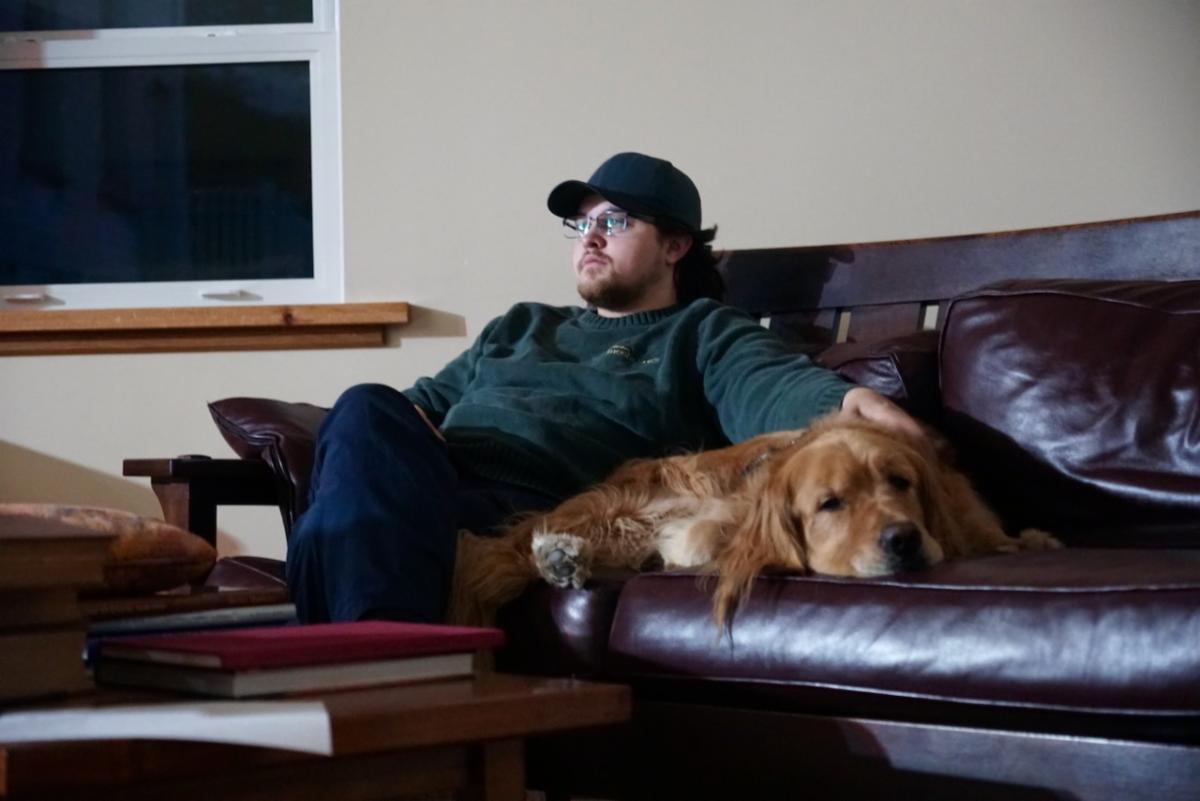
| | Jay Dutton brought along a special guest, Winston! | | Every shop is better with a dog around. | | |
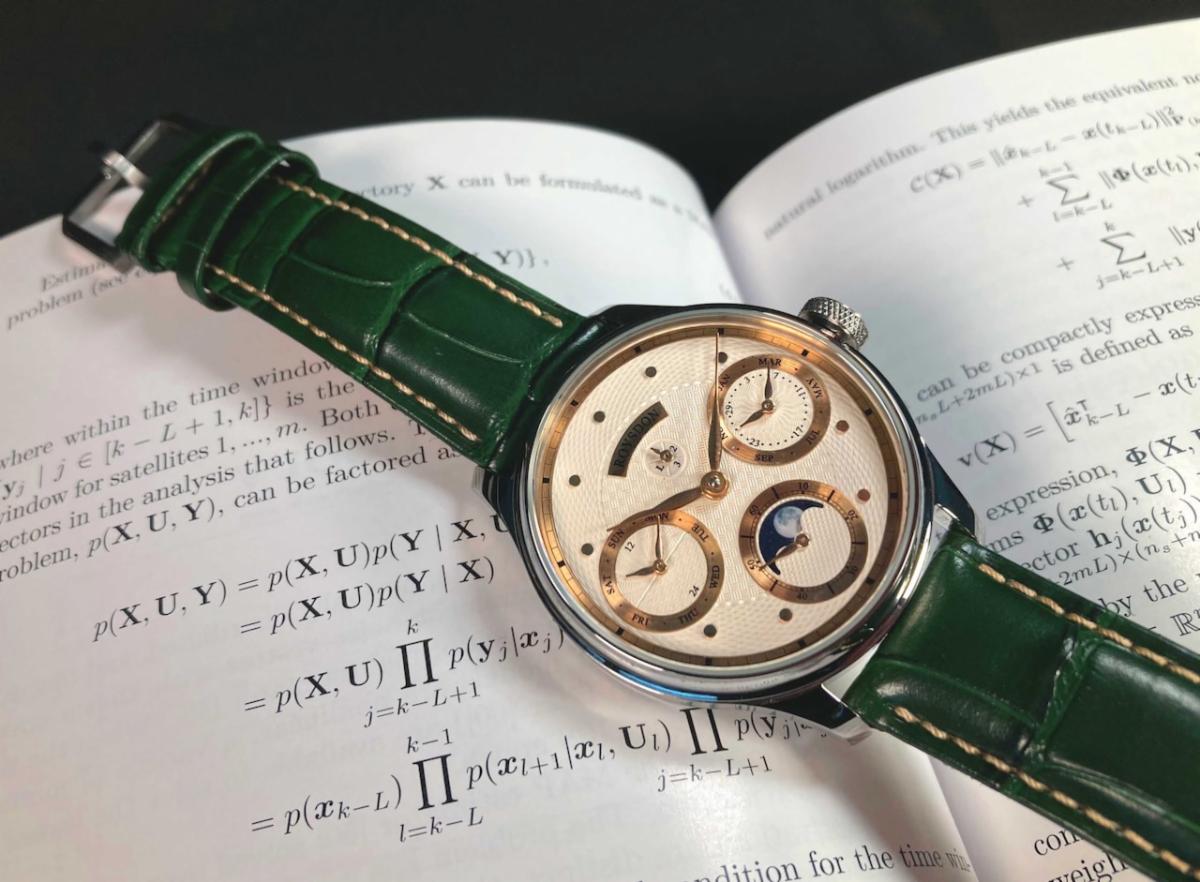
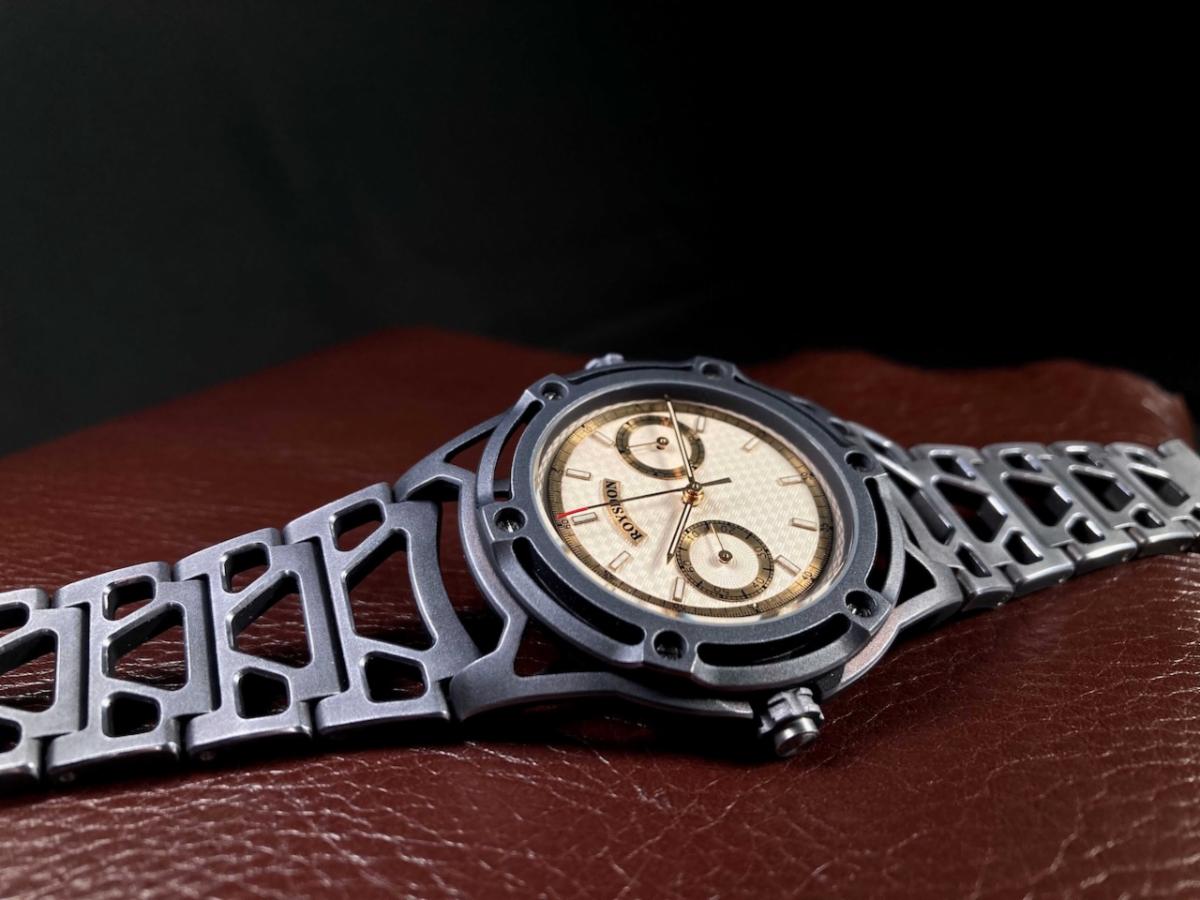
Roysdon Model Three, perpetual calendar |
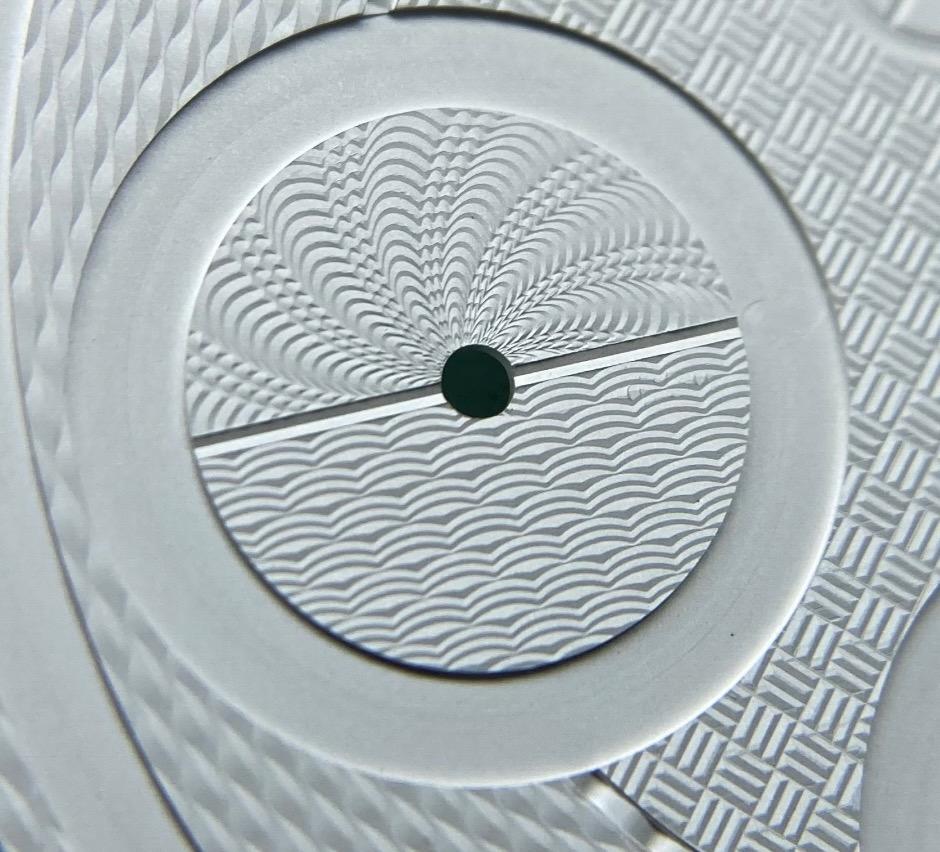
 | | Plumier member Paul Roysdon has officially launched Roysdon Watch Co. with five bespoke timepiece models and a sixth on the way. The collection is not just a range of beautifully designed watches, but a progression of movement complications and varied watchmaking techniques that tell the story of one craftsman’s challenge to himself. Paul does not come from a formal watch making background. He is an engineer who wanted to see if he could build a fully mechanically watch, a question that started his journey to these watches. From concept to wrist, Paul designs and builds the movement, dial, case, and even the strap. He makes every component at his own workshop in Texas using a full range of watchmaking techniques from traditional engine turning, manual micro machining, and hand finishing processes, to cutting-edge CAD/CAM. He has worked his way through every process on each of his watch designs, and the results speak to his determination to do it right. Roysdon Watch Co. is an exciting new entry into the growing scene of American independent watchmakers. Congratulations, Paul!
| |
Engine turned subdial with silver depletion or "bleached" finish
| Roysdon Model Two, chronograph | Check out his website and follow him on Instagram to see the full Roysdon collection and more insight into his process. |
| | As the month wound down, there were a few places left on the list that we just couldn’t let Dan go home without seeing. So, we dragged him from his workbench and headed east. | | |
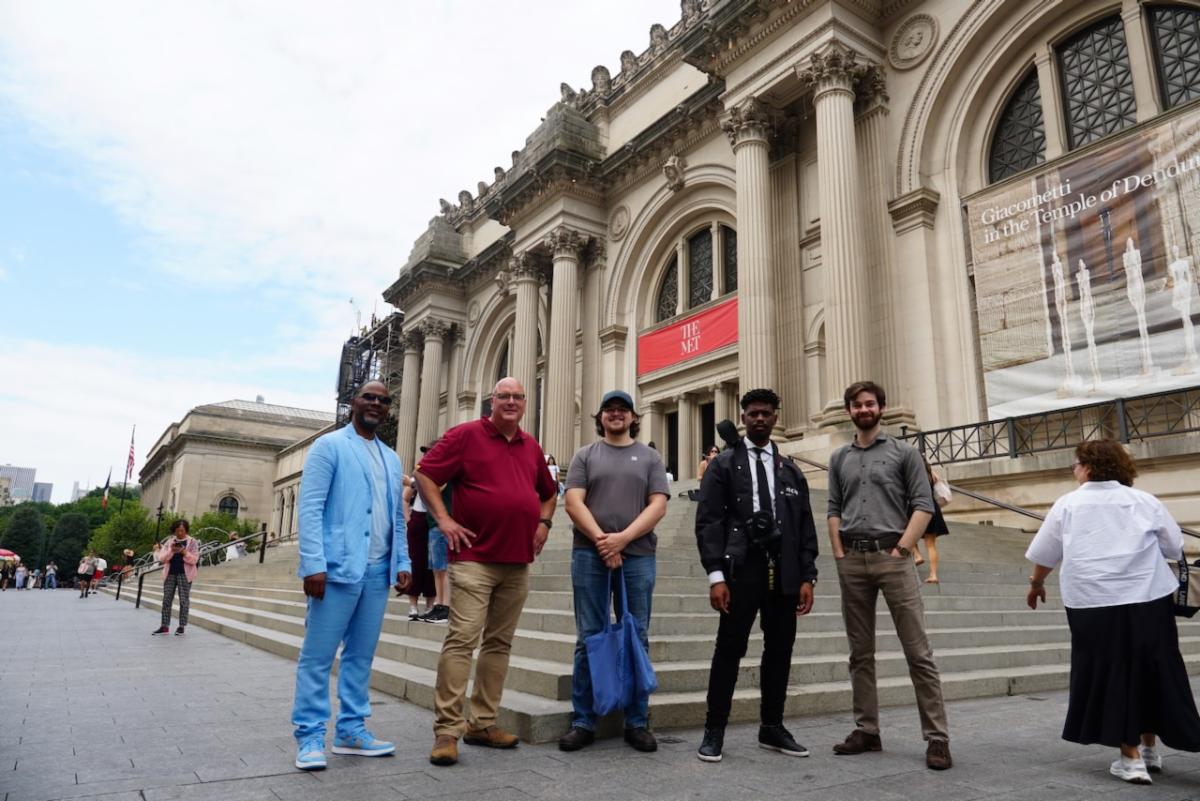
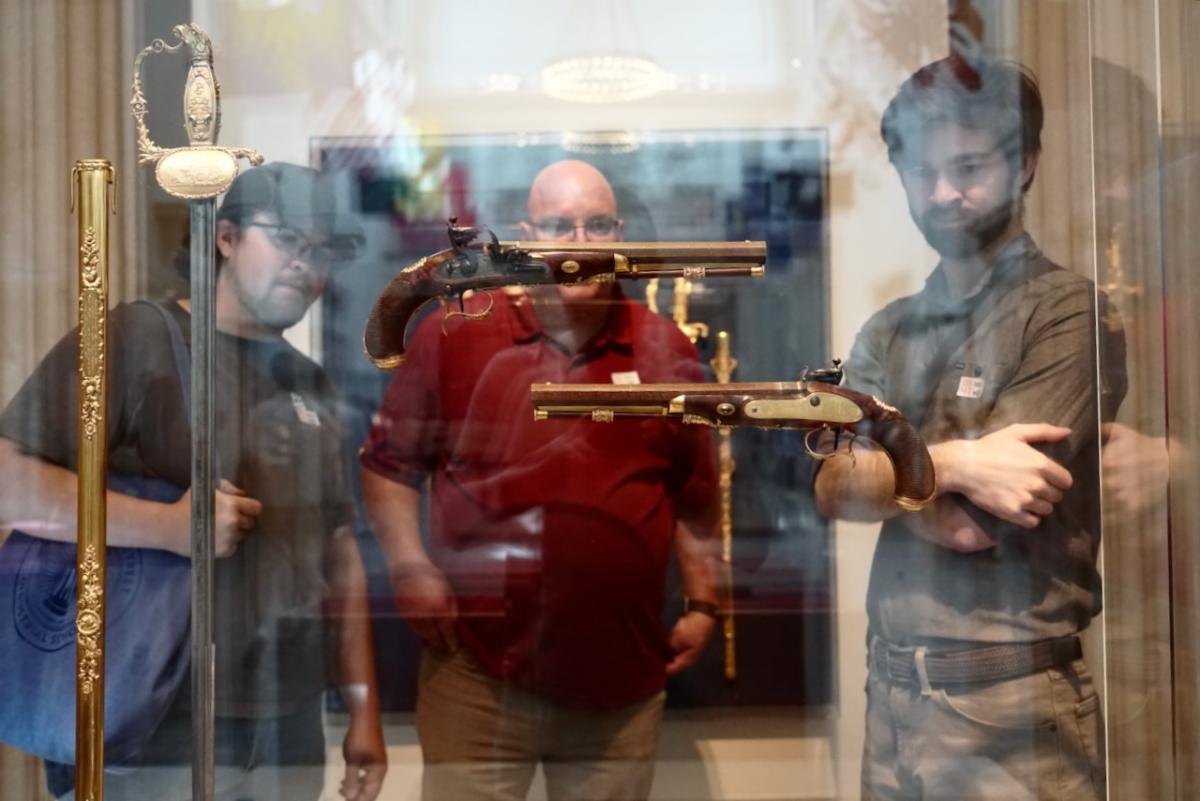
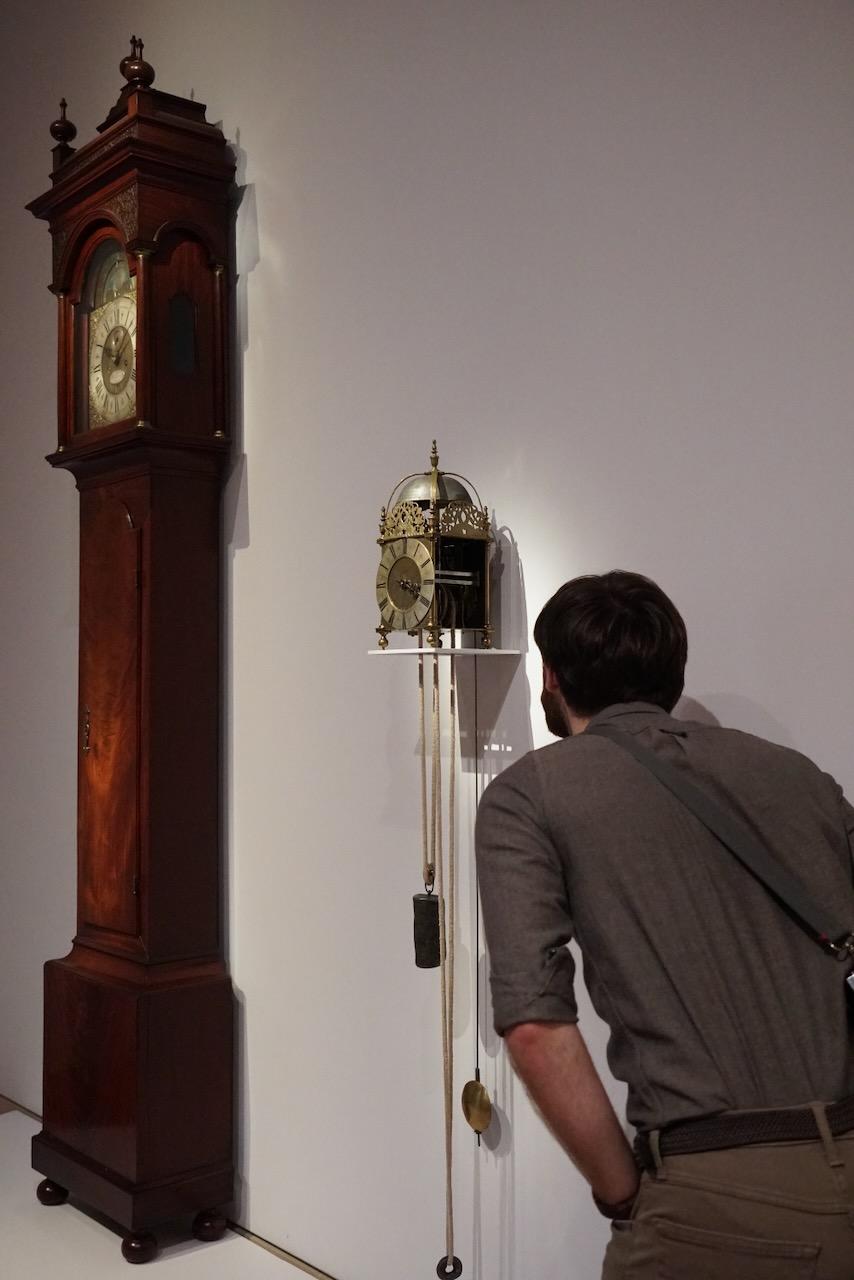
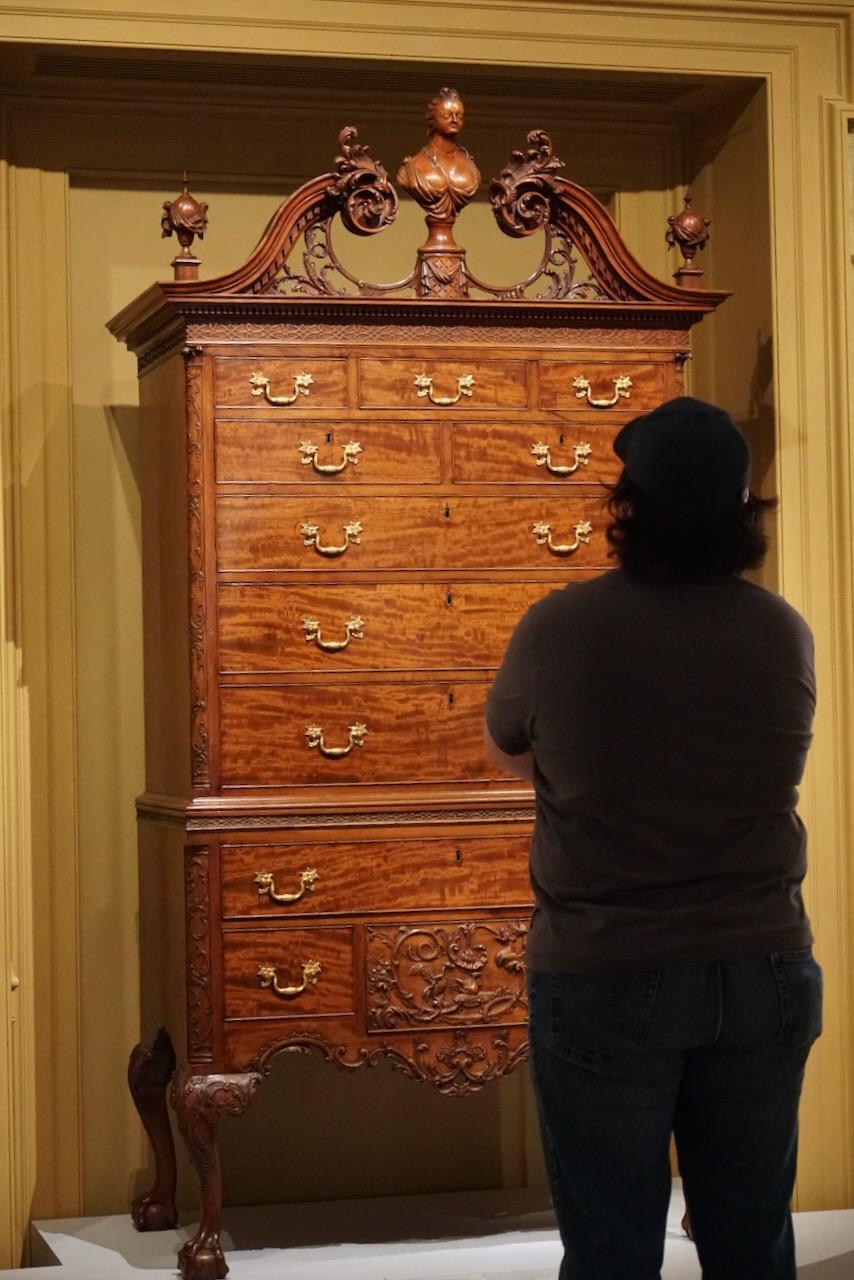
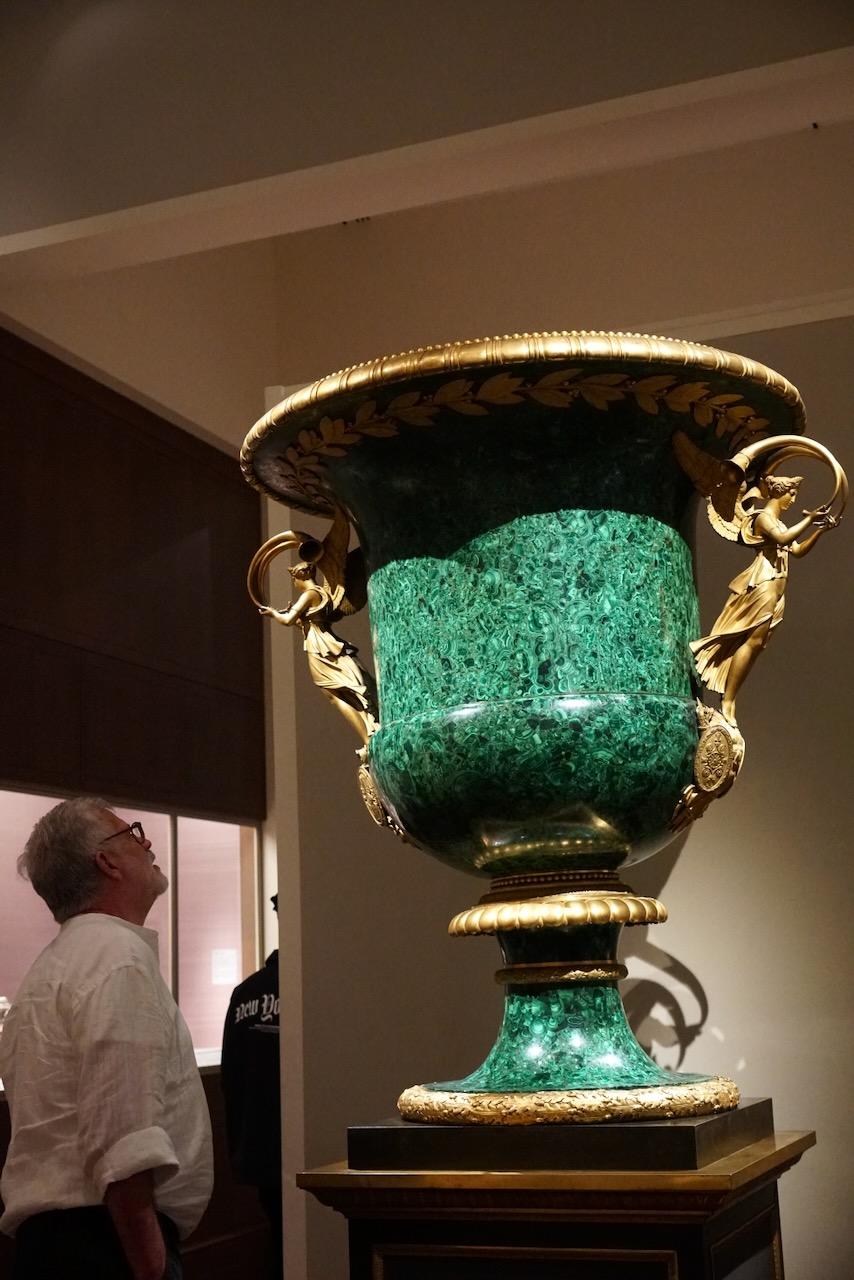
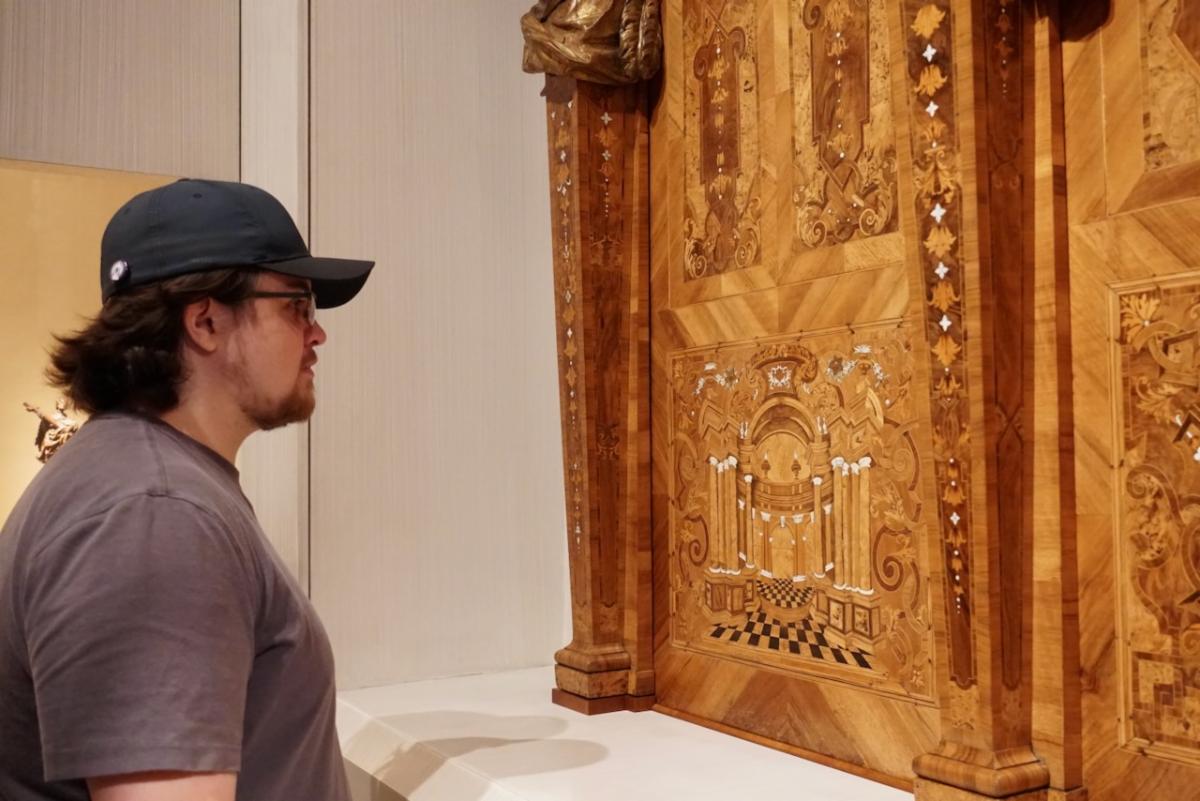
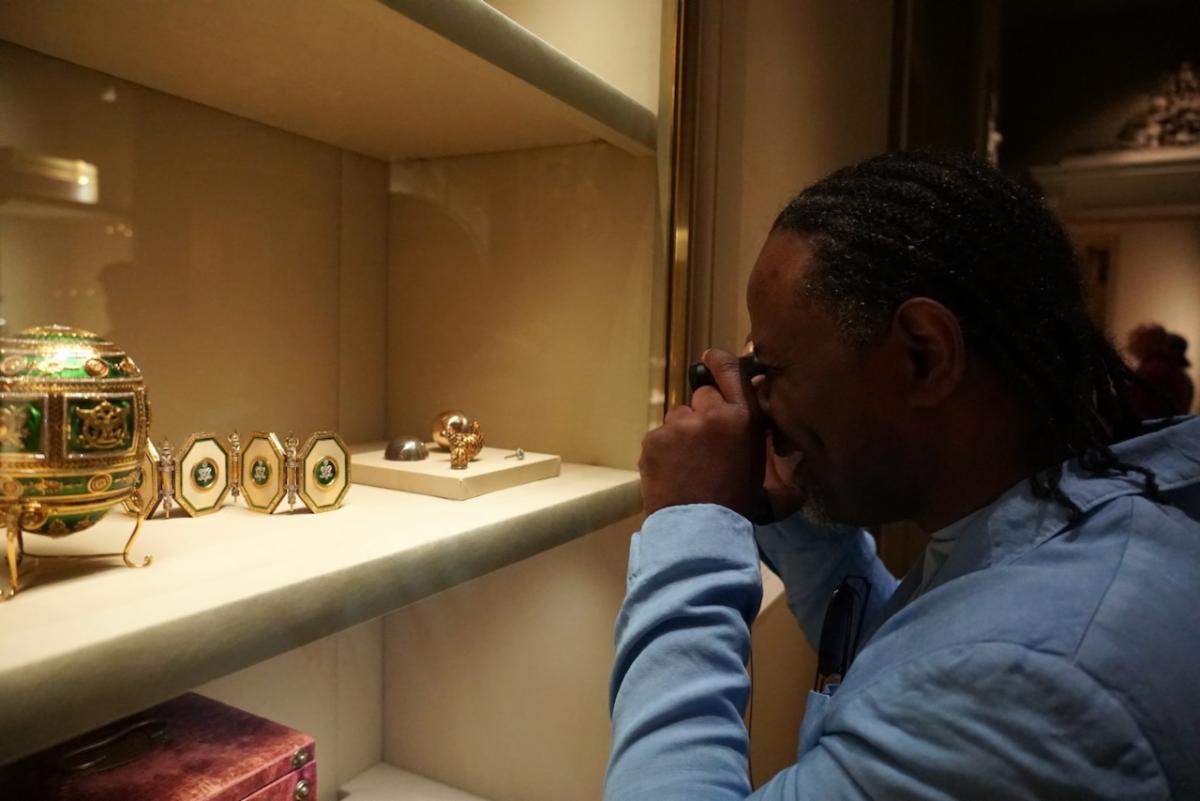
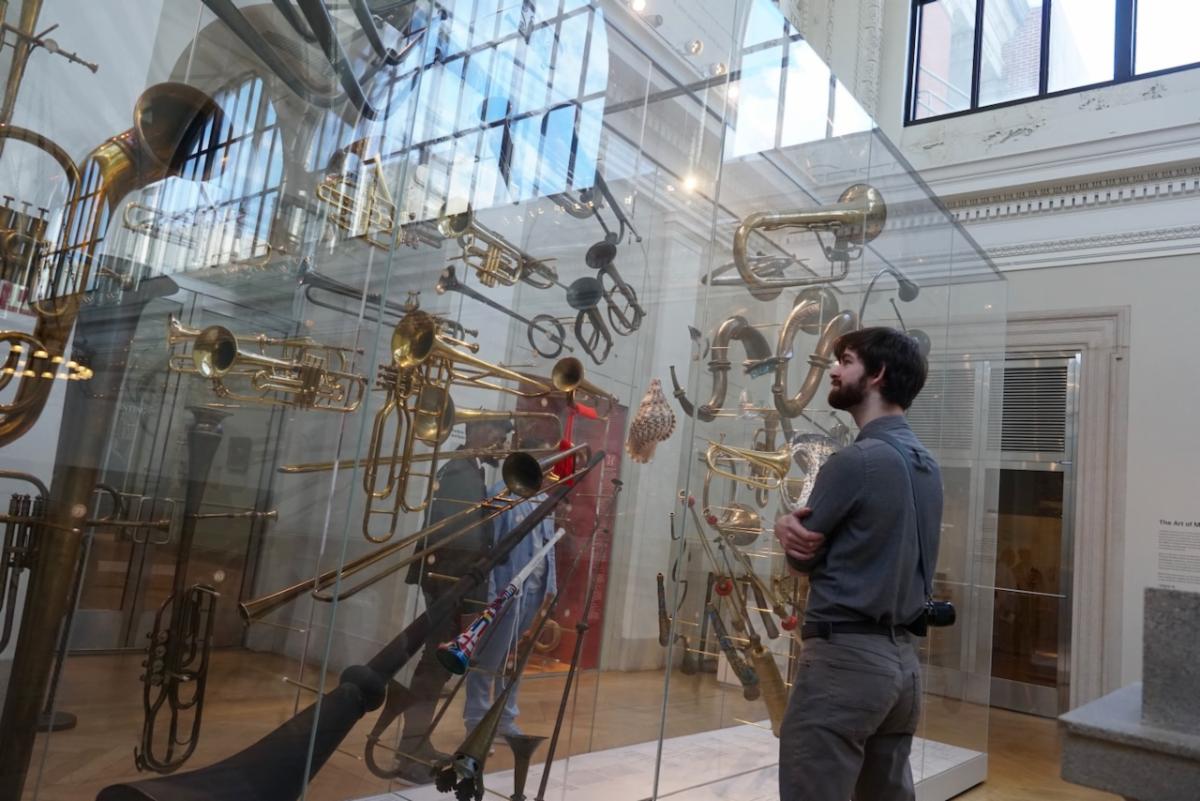
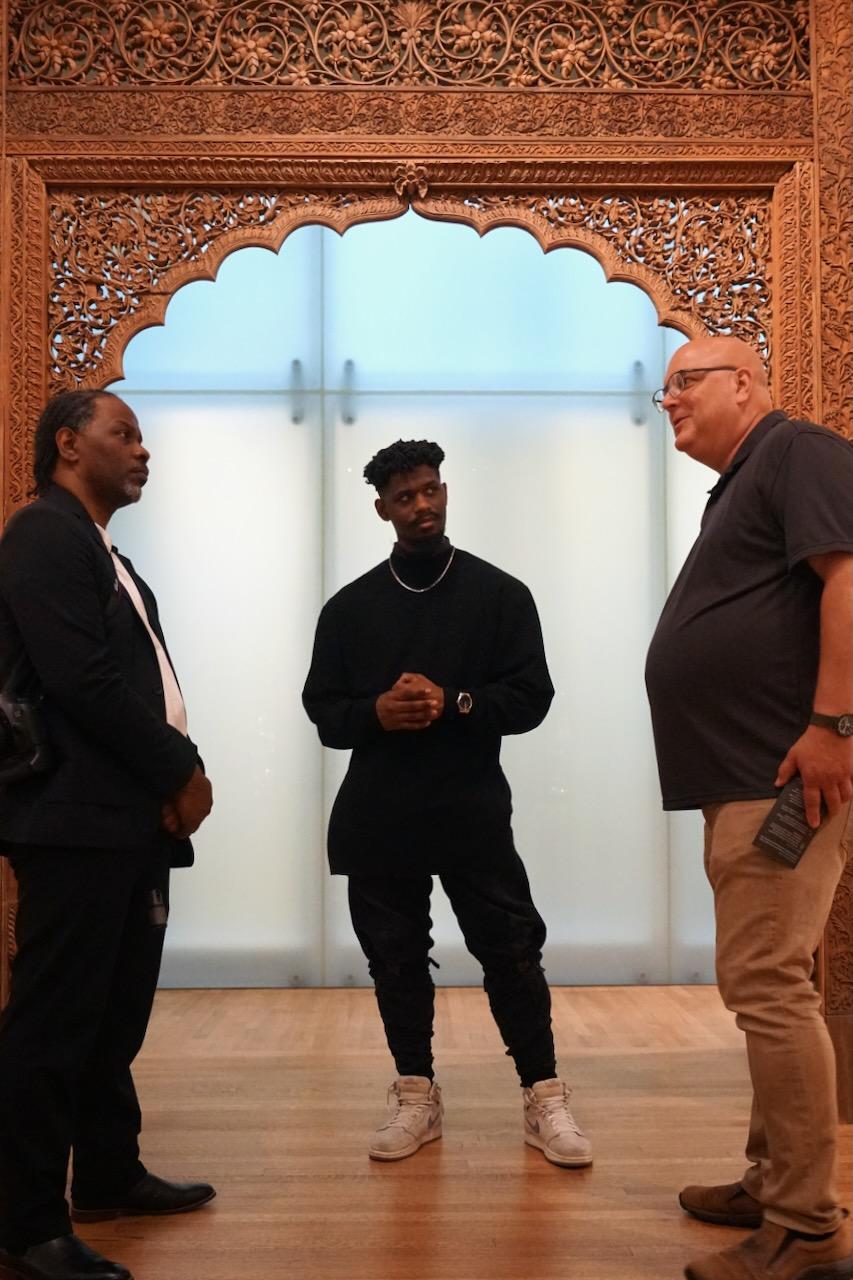
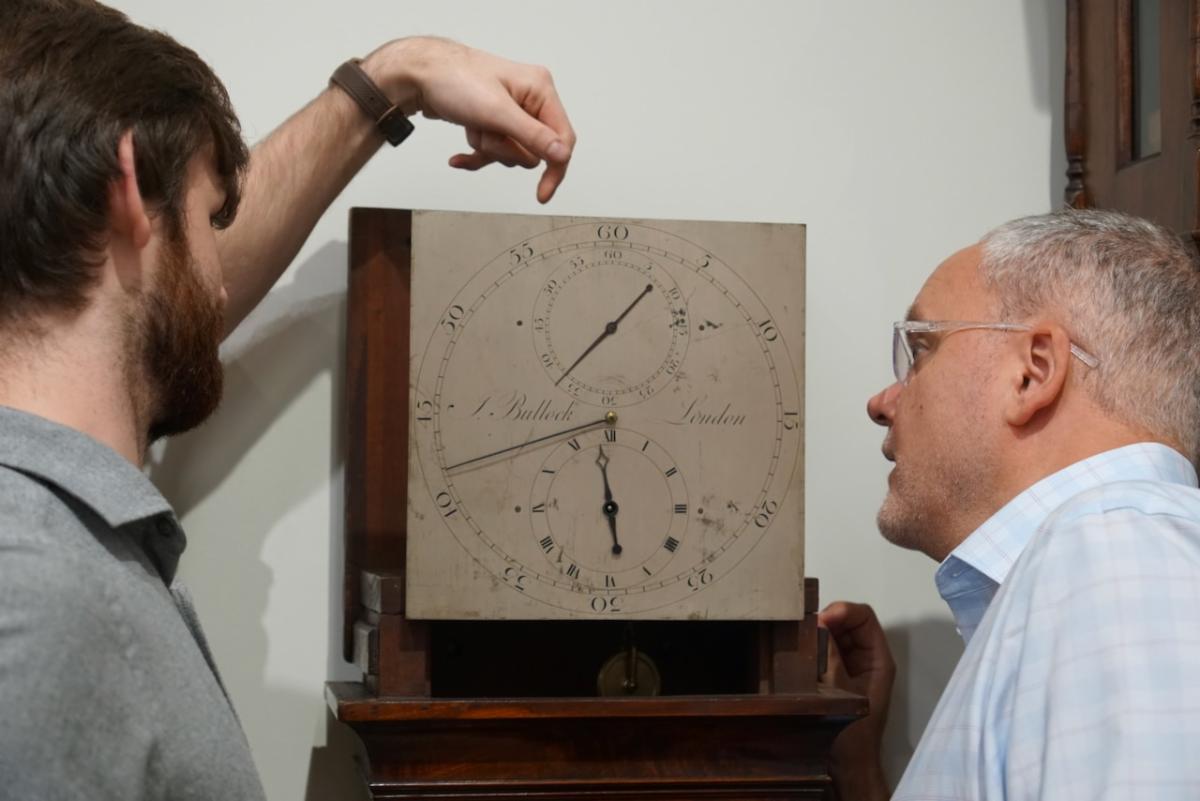
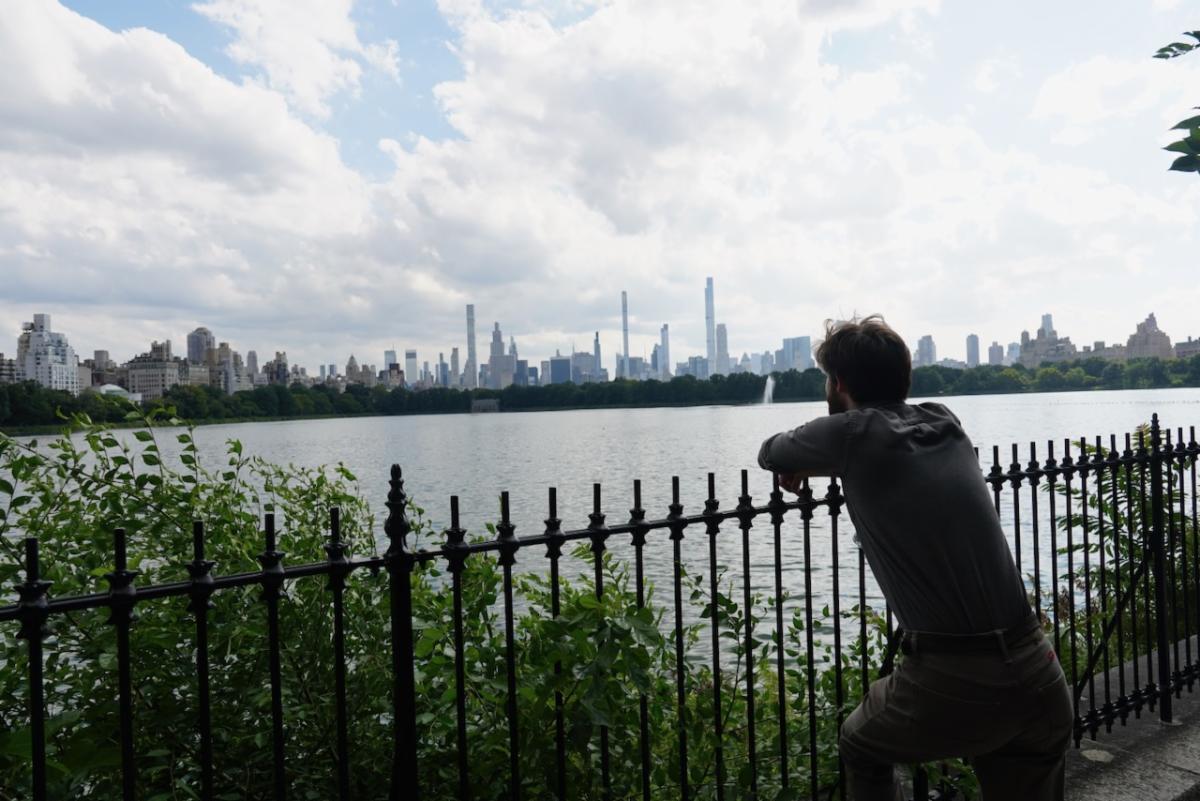
After a day of travel and an evening emptying and filling the van with machine tools (naturally), we were joined by Love and Mic Hunter and set out the next morning on a train to Manhattan. Our only goal for the day was to take on the Metropolitan Museum of Art. One could spend a week exploring the Met and not see everything—we had one day and a mission. The group was joined by Plumier board member Jay Dutton and The David Lindow Horology and Craft Whistle-Stop Tour of the Met commenced.
| |
| | |
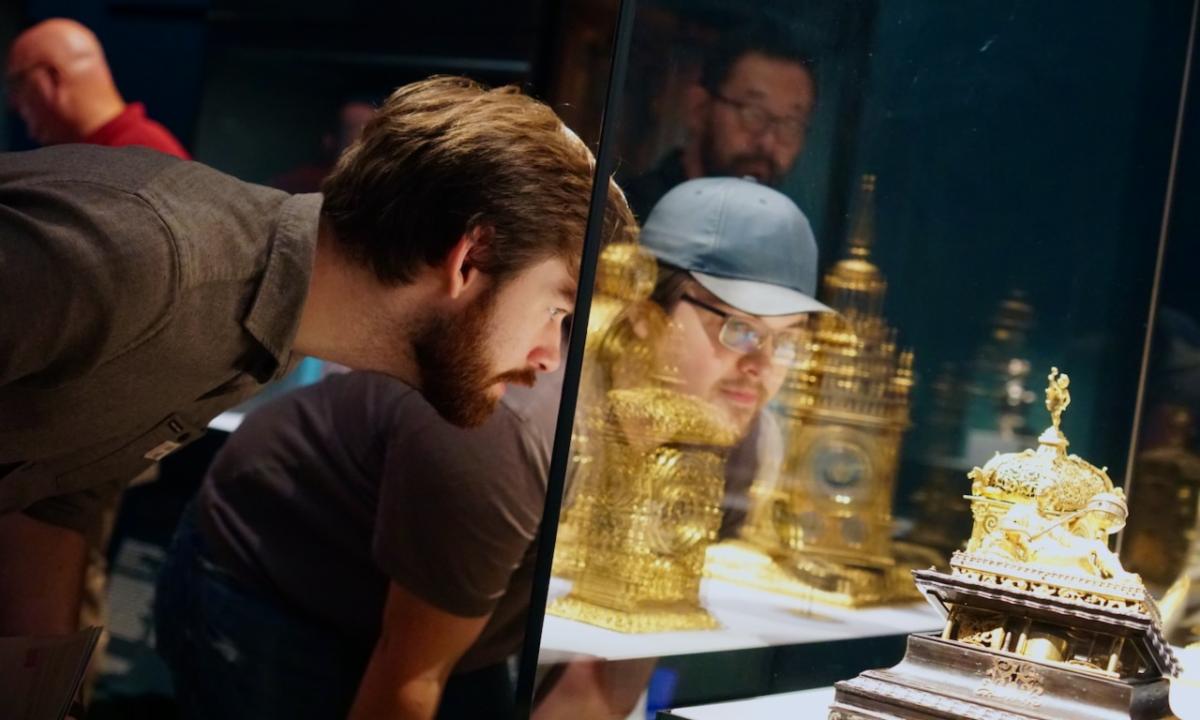
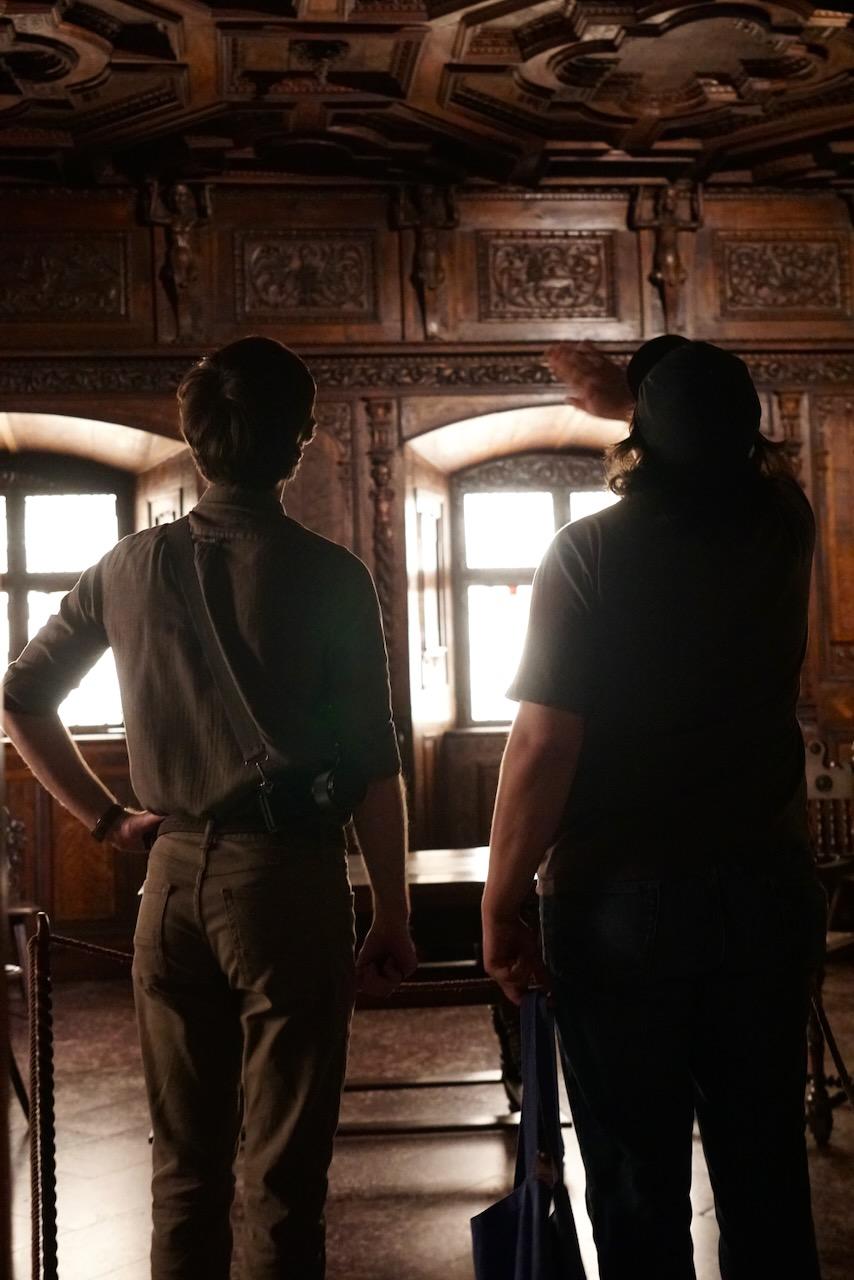
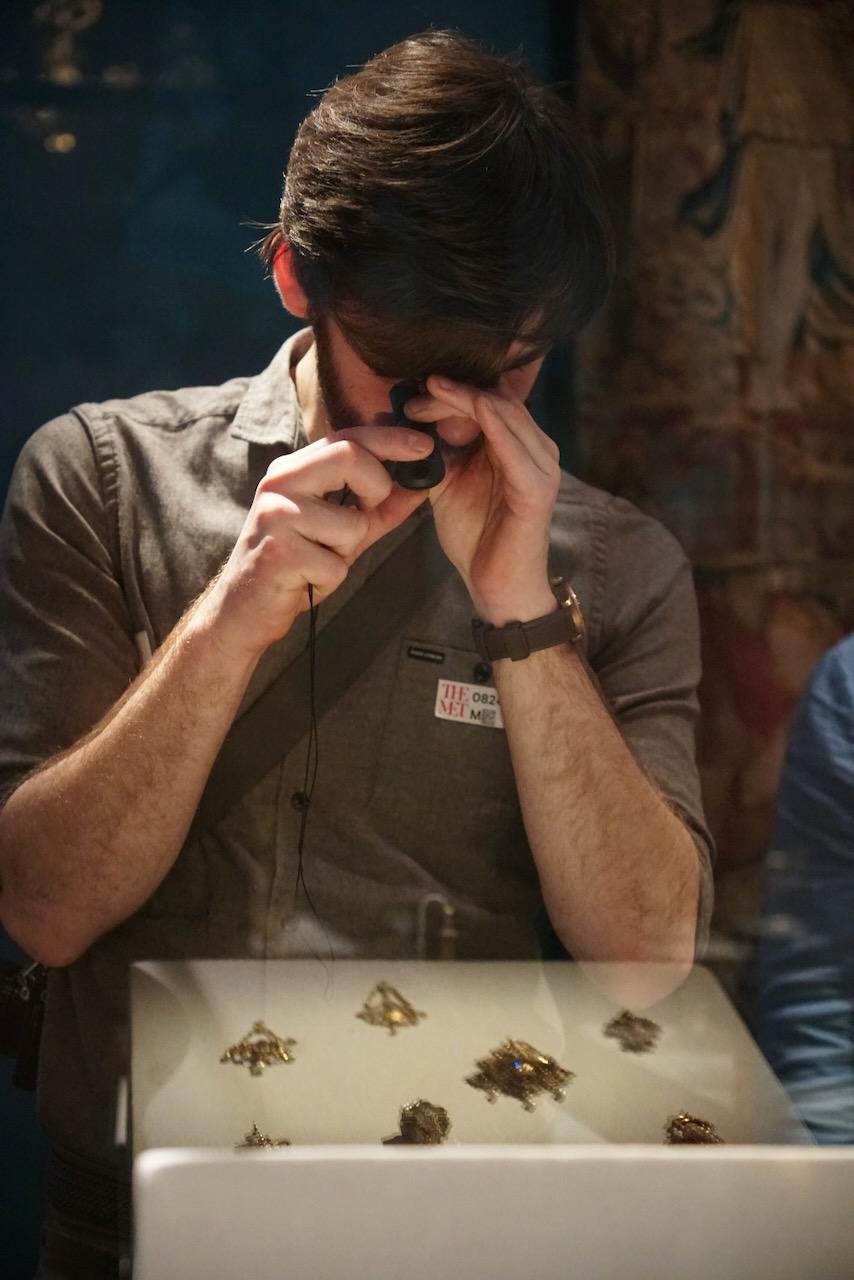
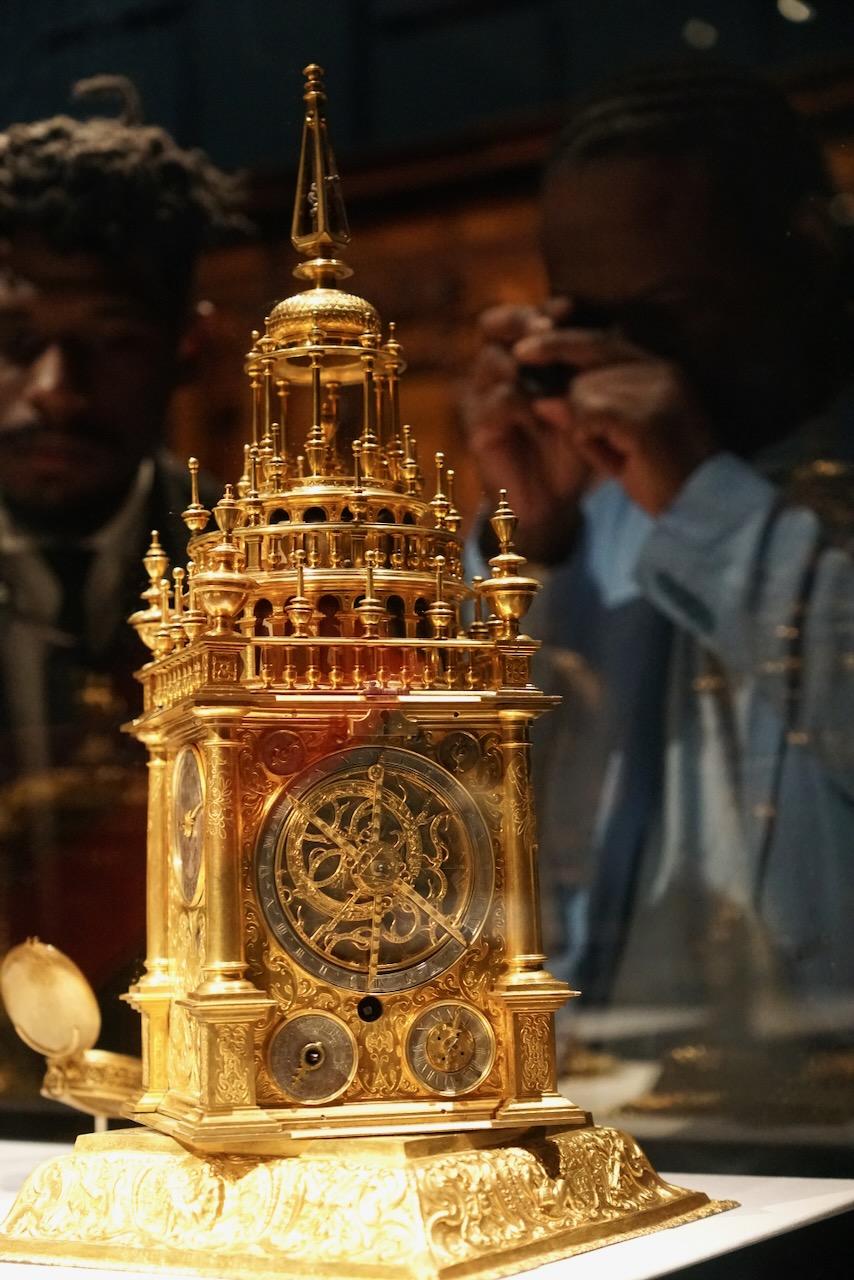
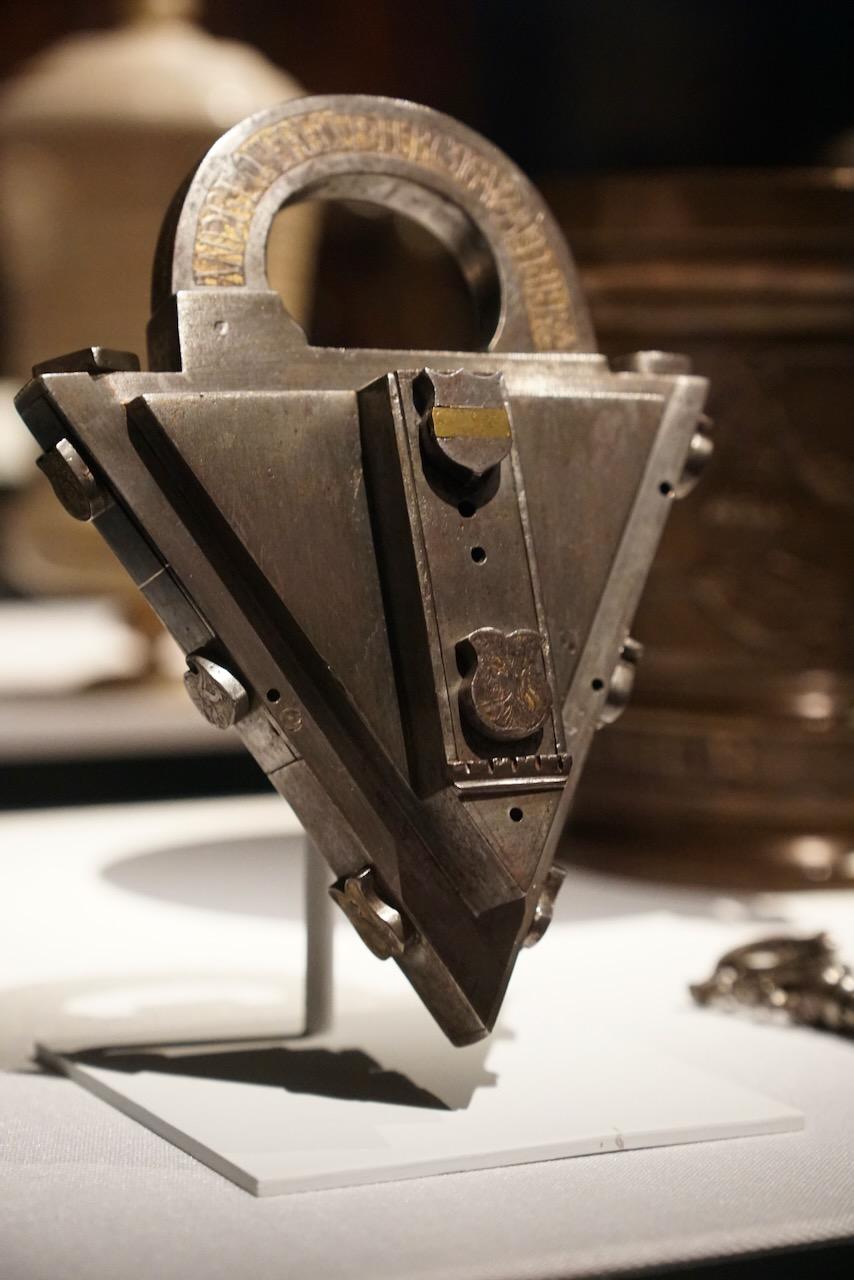
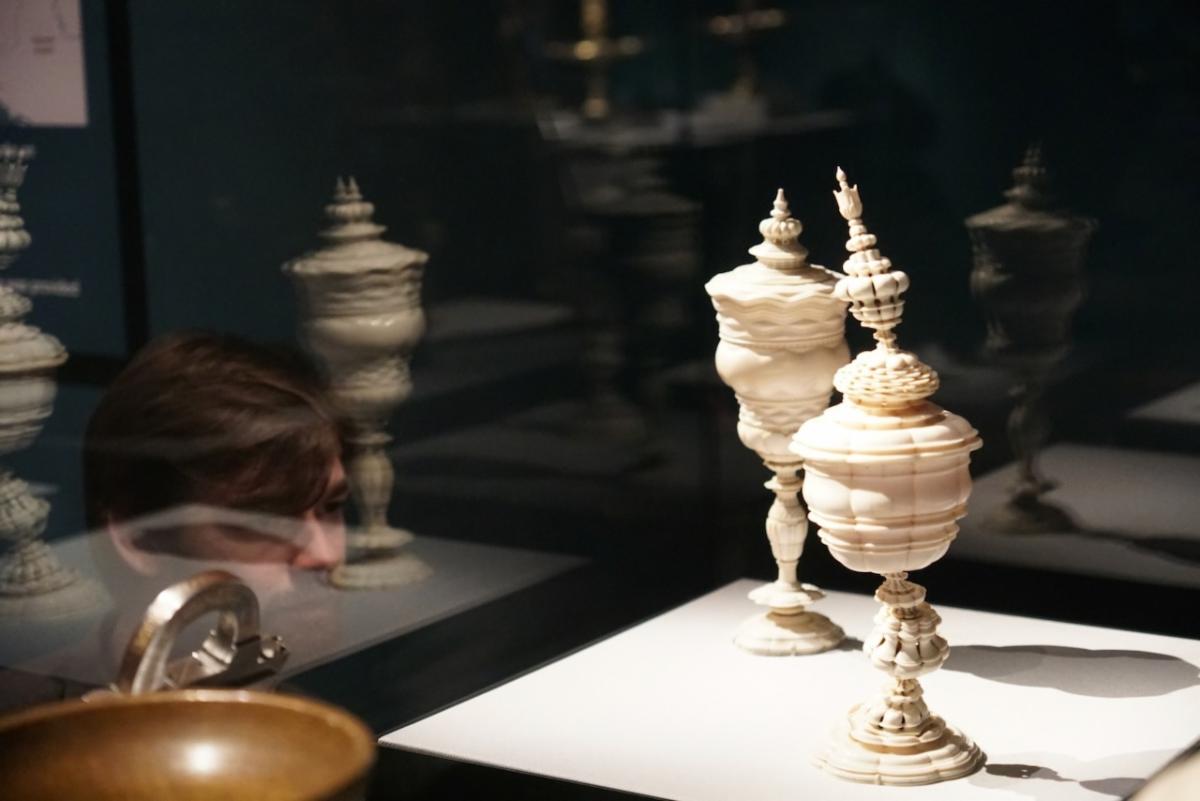
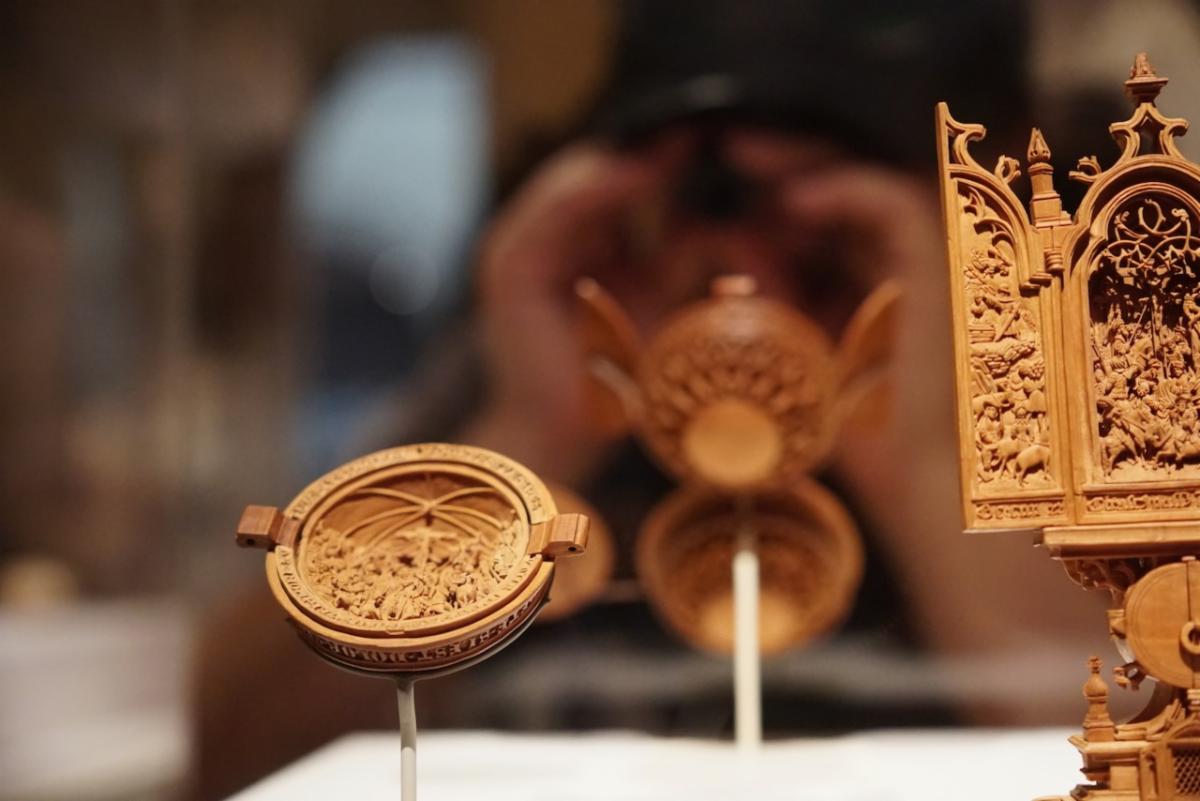
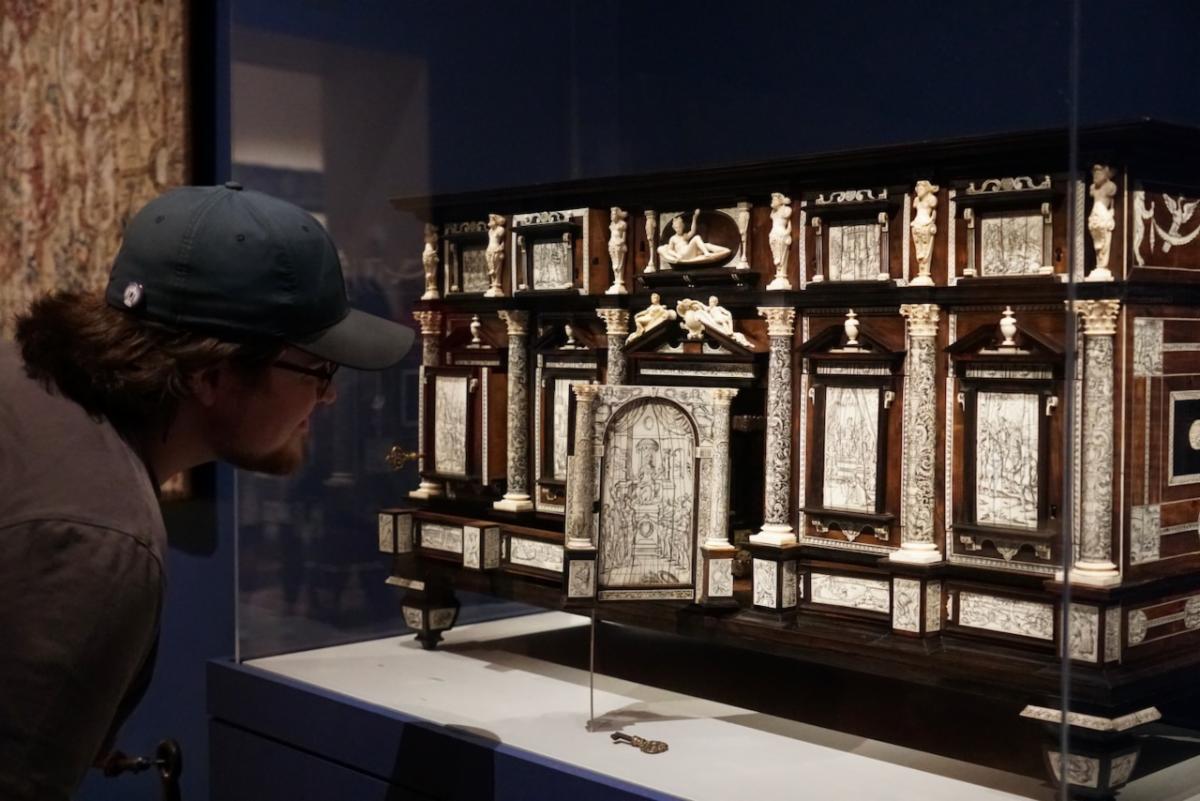
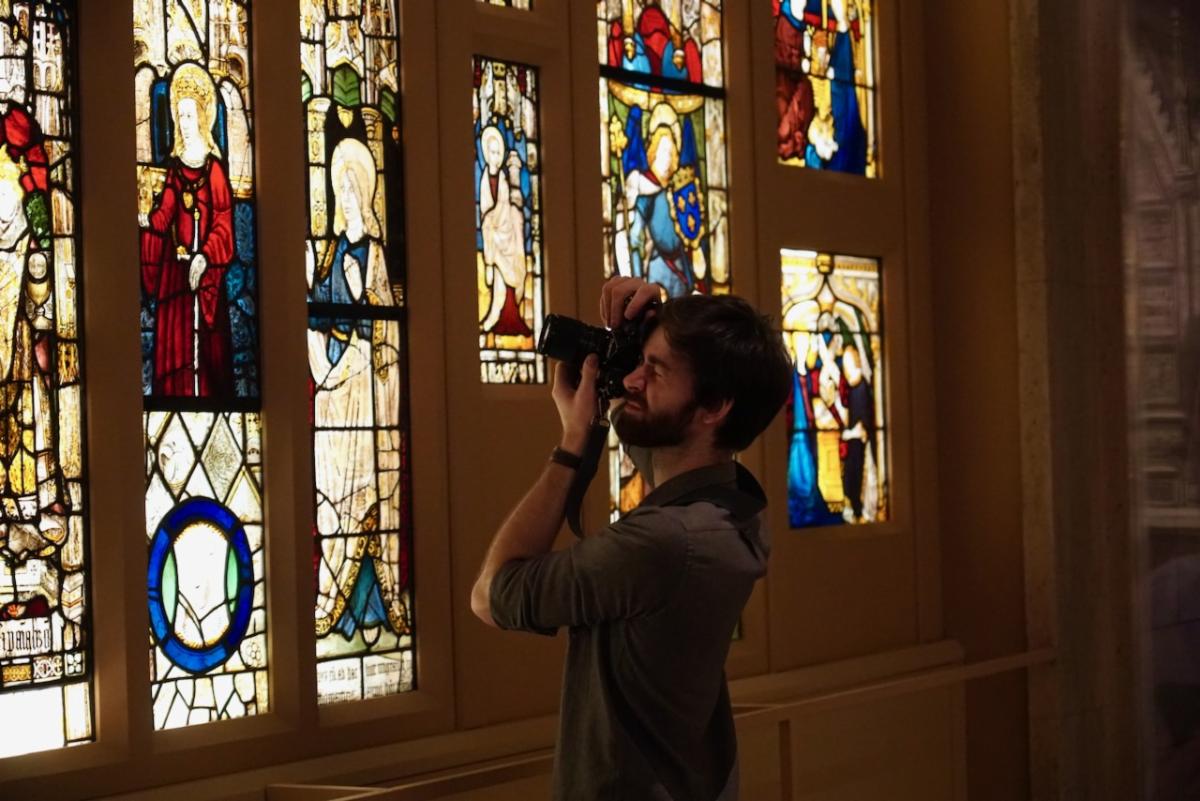
There are countless craft objects at the Met that should be seen—from Faberge eggs to sets of armor, from Tiffany to the Shakers—but there is one gallery than cannot be missed by anyone interested in what we are doing at Plumier. The newly redesigned Northern Renaissance Sculpture and Decorative Arts gallery (520) can be found straight through the towering 1763 choir screen in the Medieval Sculpture hall. Visitors are transported from a imposing, cathedral-like space, into a more subdued, quiet space. It is a true cabinet of curiosity where treasures glow in their new state-of-the-art display cases. These treasures are too numerous to list, but include a collection of ivory complex turnings, early watches in crystal cases, gilt astronomical table clocks, and one of the most beautiful padlocks you will ever see. When we talk about lost craft, it is the contents of this room that embody what has been lost or is at the risk of being lost. They represent a level of craftsmanship that is nothing short of inspiring and serve as a challenge to craftspeople today. It is not about the subject matter or the forms, but the skilled human time that has been distilled into an object of wonder, often using techniques that are simply not practiced anymore or leave us with only a best guess as to how it was done nearly four to five hundred years ago.
Take a look at the gallery's digital collection on the Met's website.
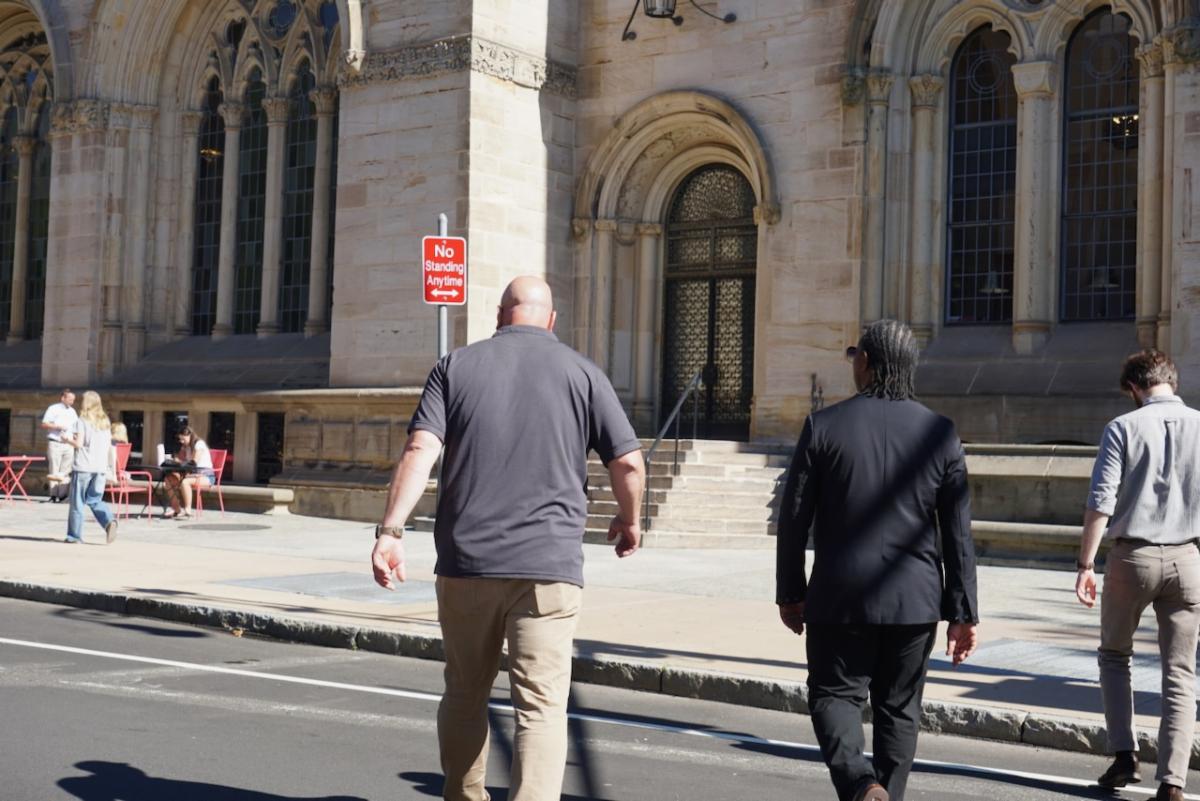
| | The Met is currently undergoing its biggest transformation in decades, including an entirely rebuilt wing for contemporary art set to open in 2030. While it is sad to see whole sections of art closed for several years, one cannot walk around the museum without recognizing how the physical space has been expanded and adapted countless times to better serve the visitor and the collection. With each renovation, the curators are making the most out of every inch of the two-million-square-foot museum, keeping us coming back to discover something new every time. | | The next day, we went Ivy League with a visit to the Yale museums in New Haven, CT. | | |
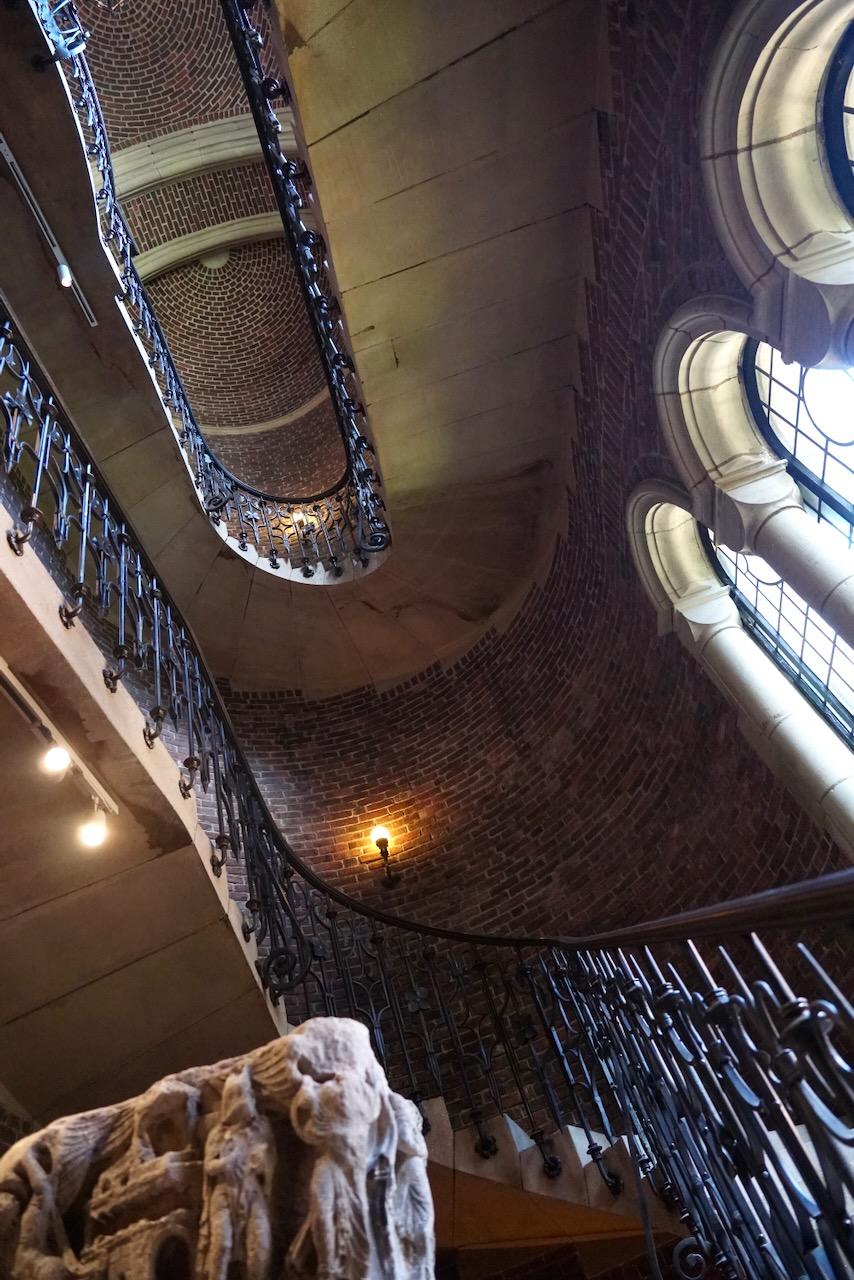
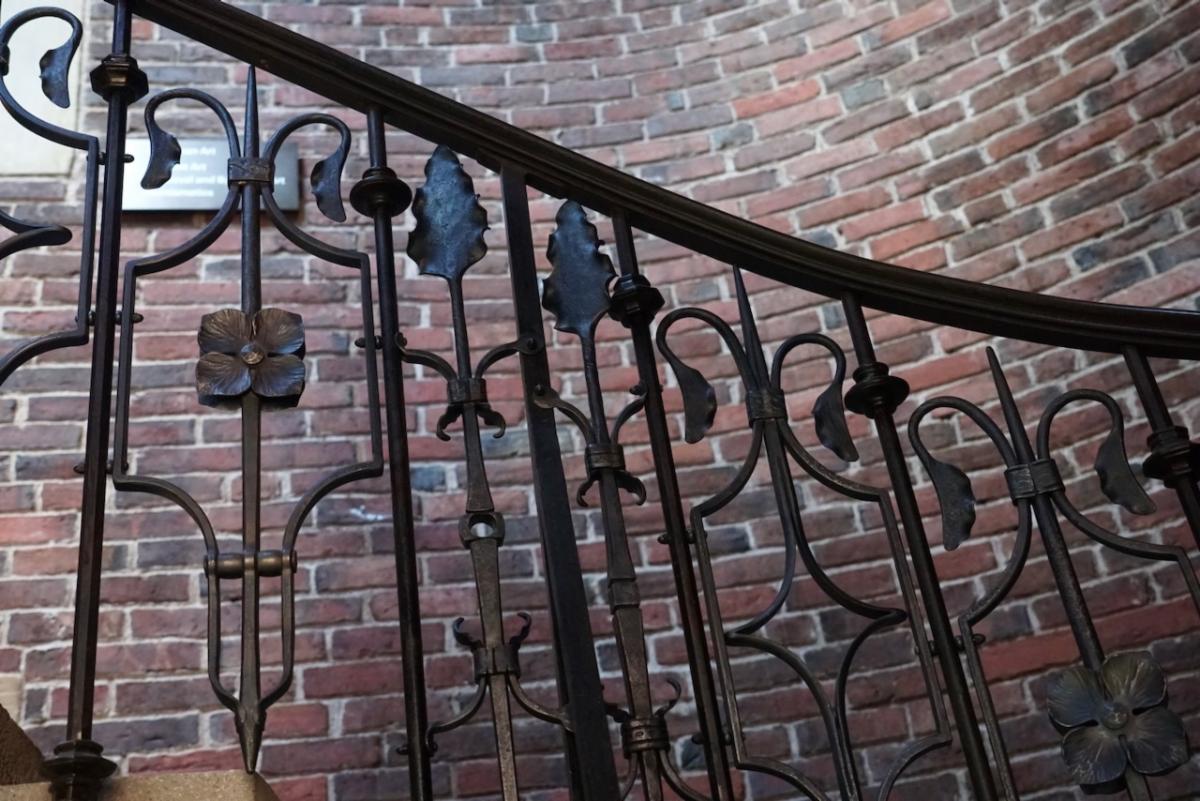
First on the list of incredible free museums was the Yale University Art Gallery, which has a similarly wide ranging collection as the Met, but in much more digestible portions. Perhaps the most impressive piece of the whole collection is the building itself. Three buildings from three eras and three styles: 1866 Neo-Gothic, 1928 Gothic and Romanesque, and 1953 Modernism. The central building, designed by Egerton Swartout, features incredible spiral staircases with forged iron railings by Samuel Yellen. It is worth making the trip to New Haven just to see these staircases.
| | |
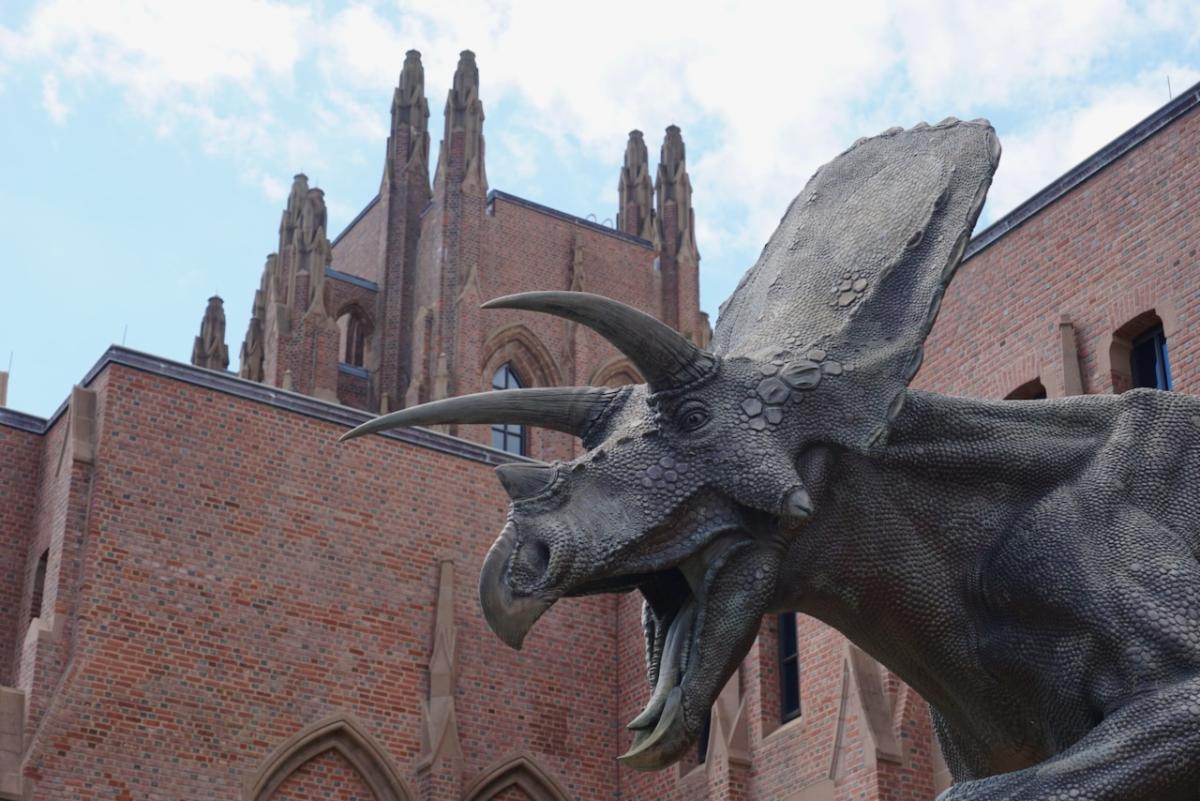
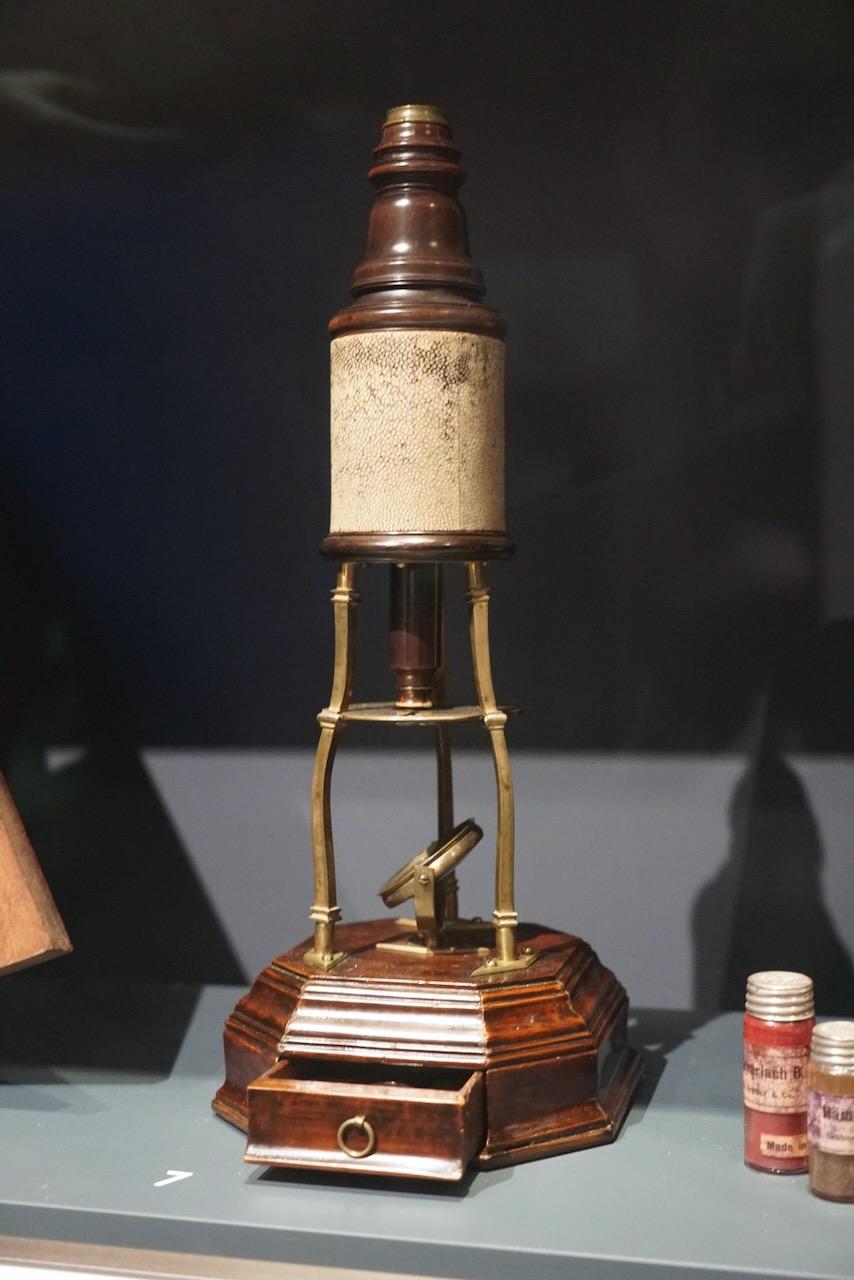
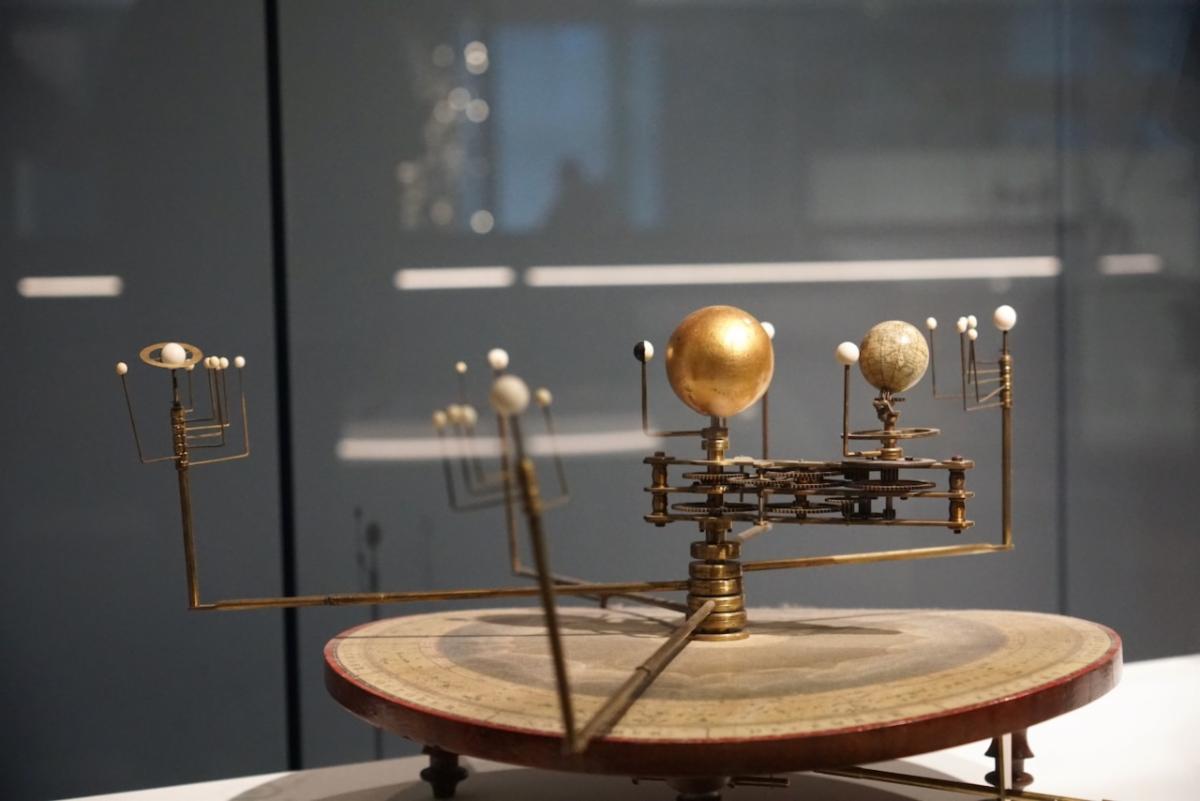
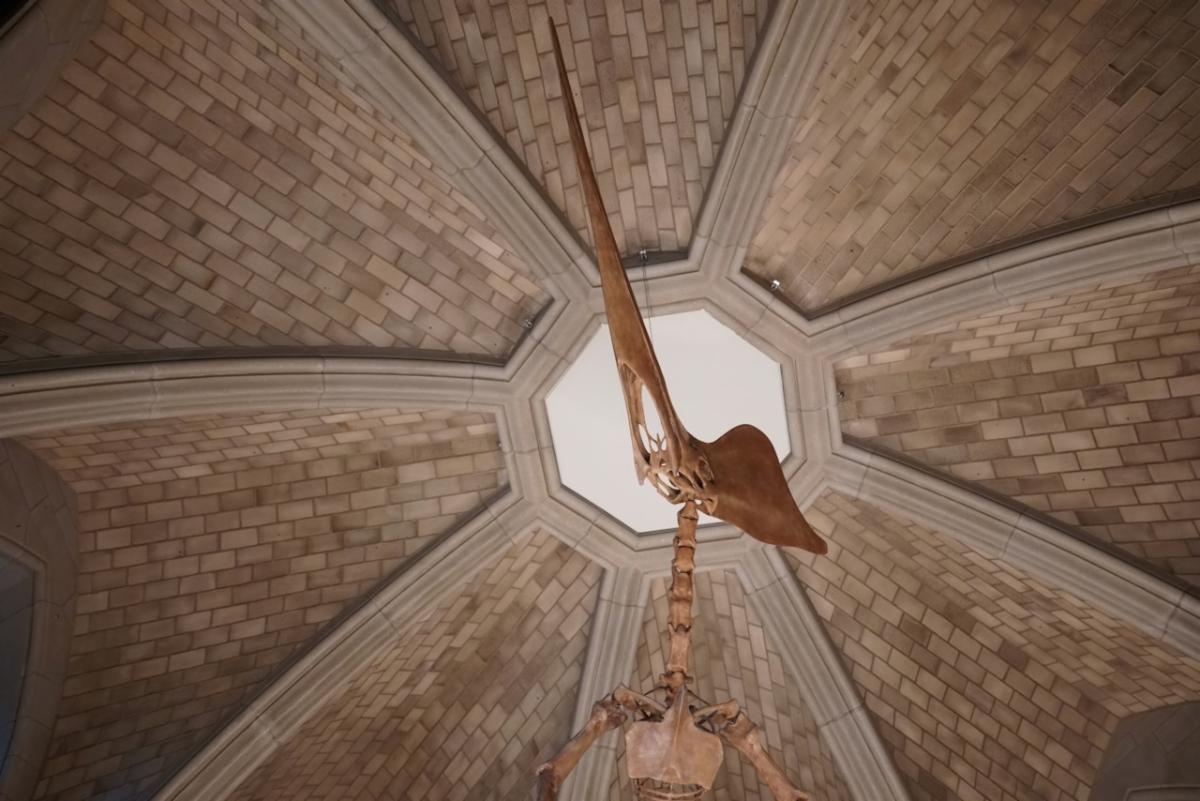
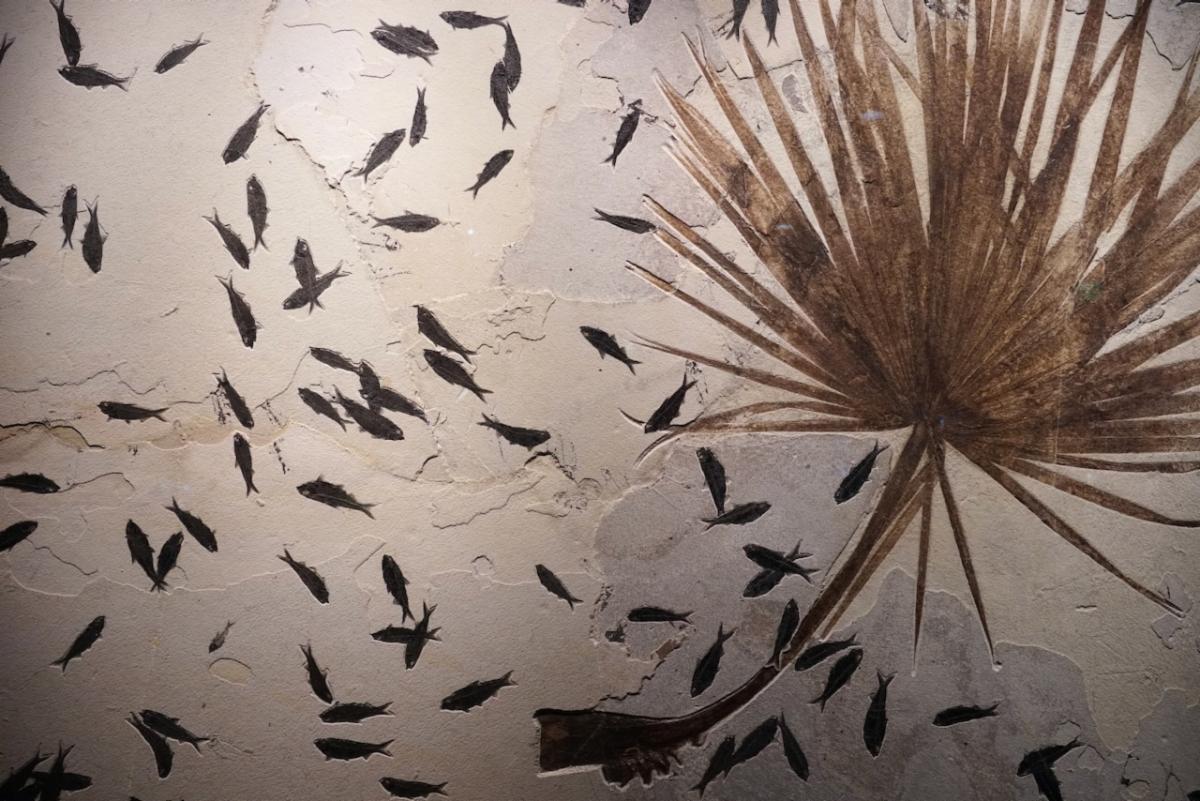
The Yale Center for British Art across the street is also worth a visit, but with limited time we opted to head across town for a quick stop at the Yale Peabody Museum. Recently renovated, the Peabody is an excellent natural history museum. The gem collection and dinosaur exhibit are highlights, but there is also an impressive collection of early scientific instruments in the History of Science & Technology division—a treat for anyone with a soft spot for brass and wood tools and mechanisms.
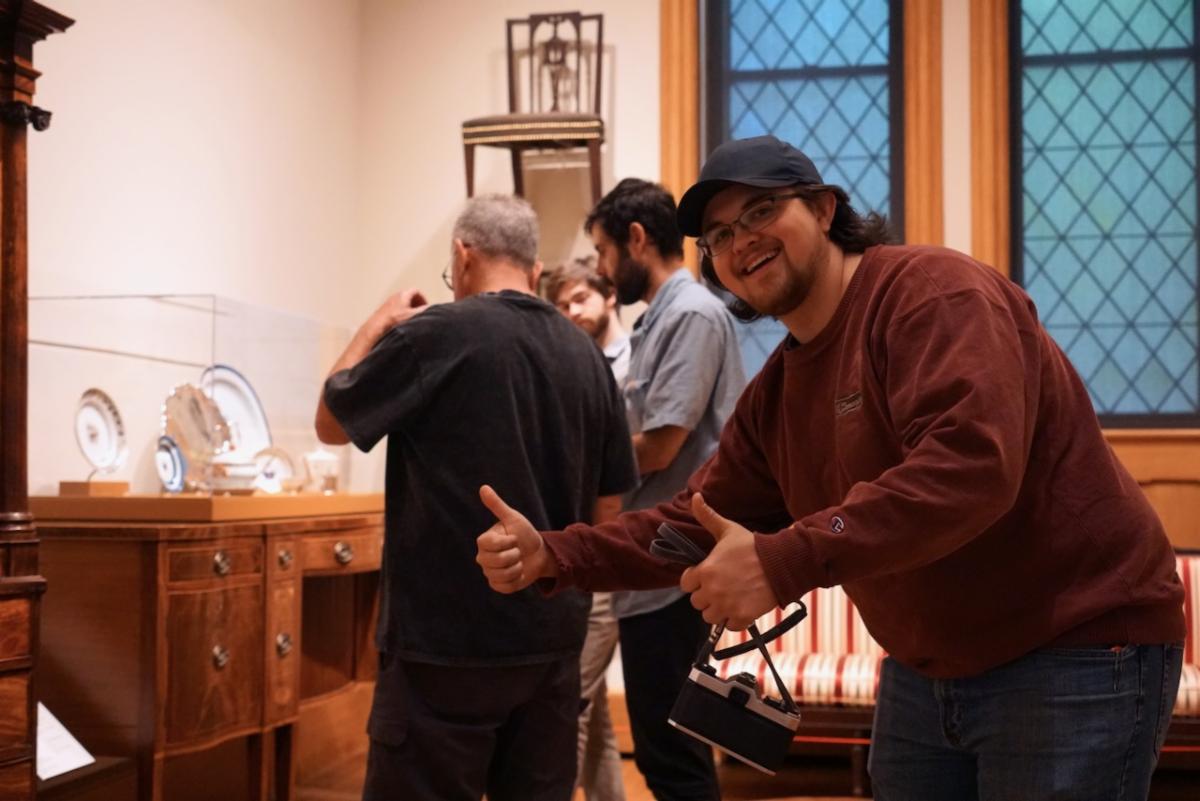
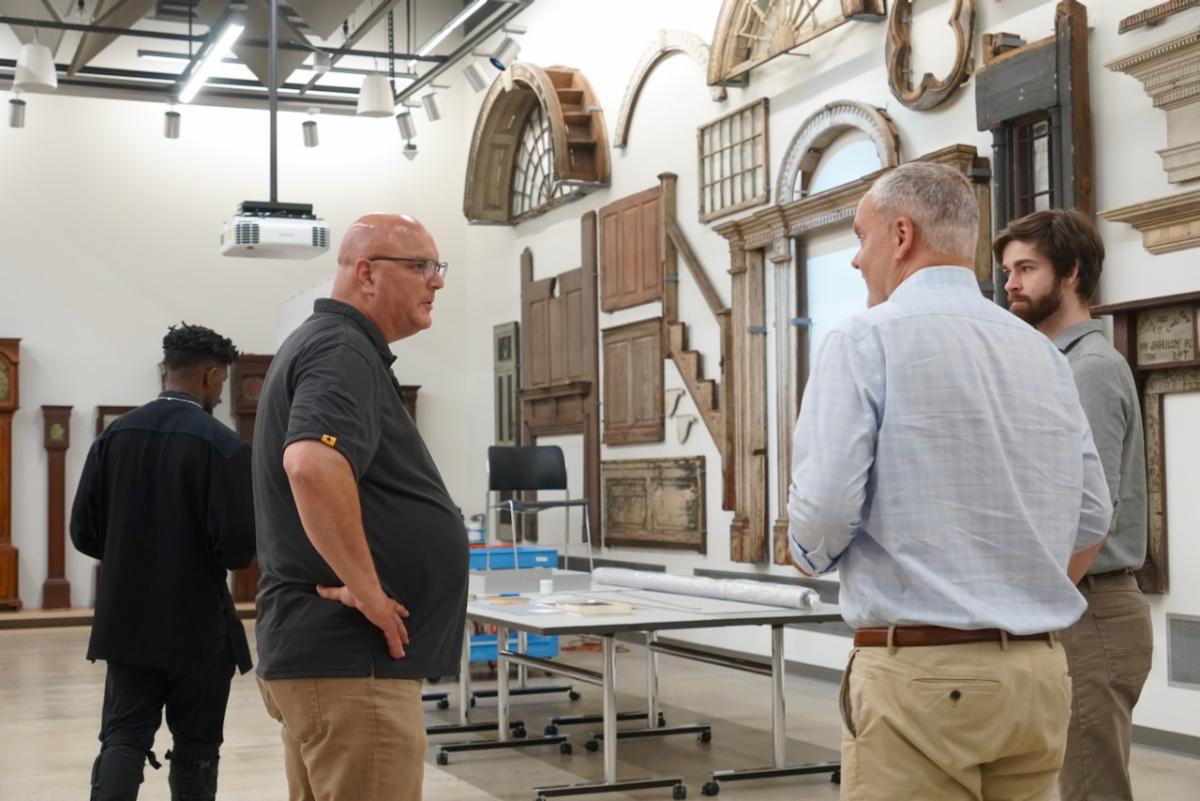
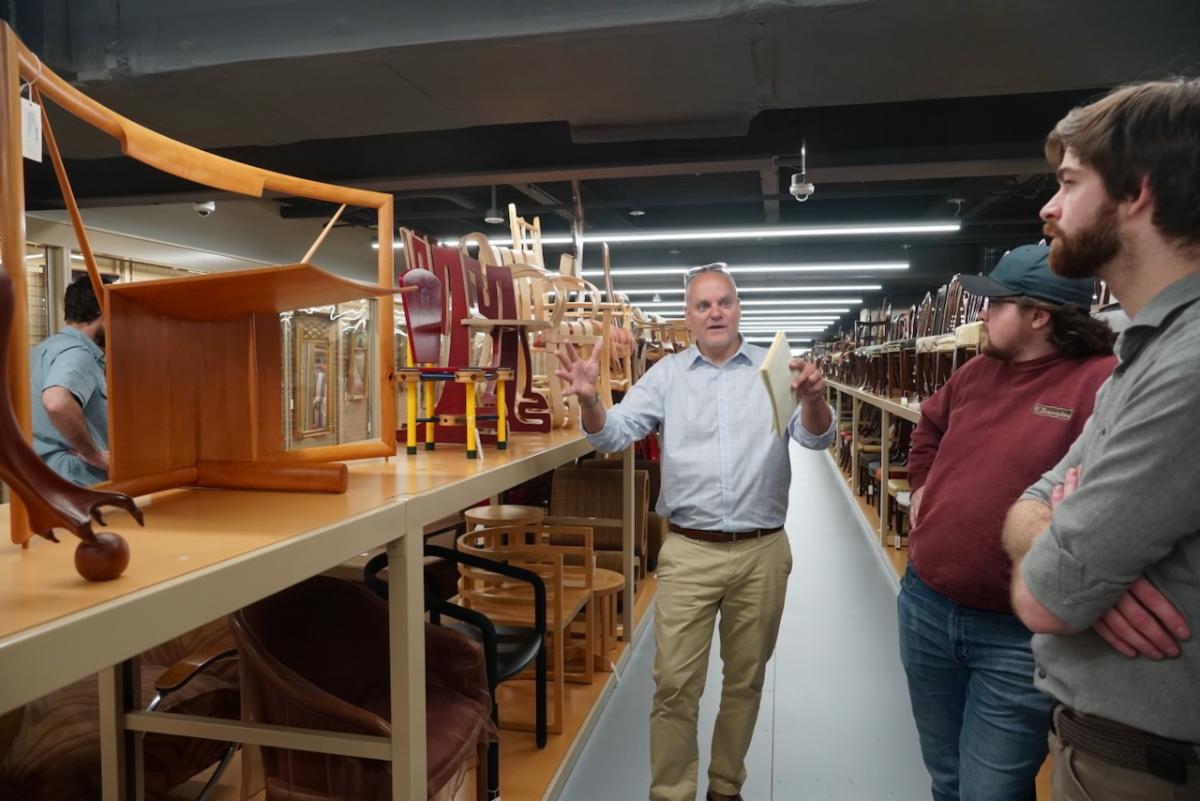
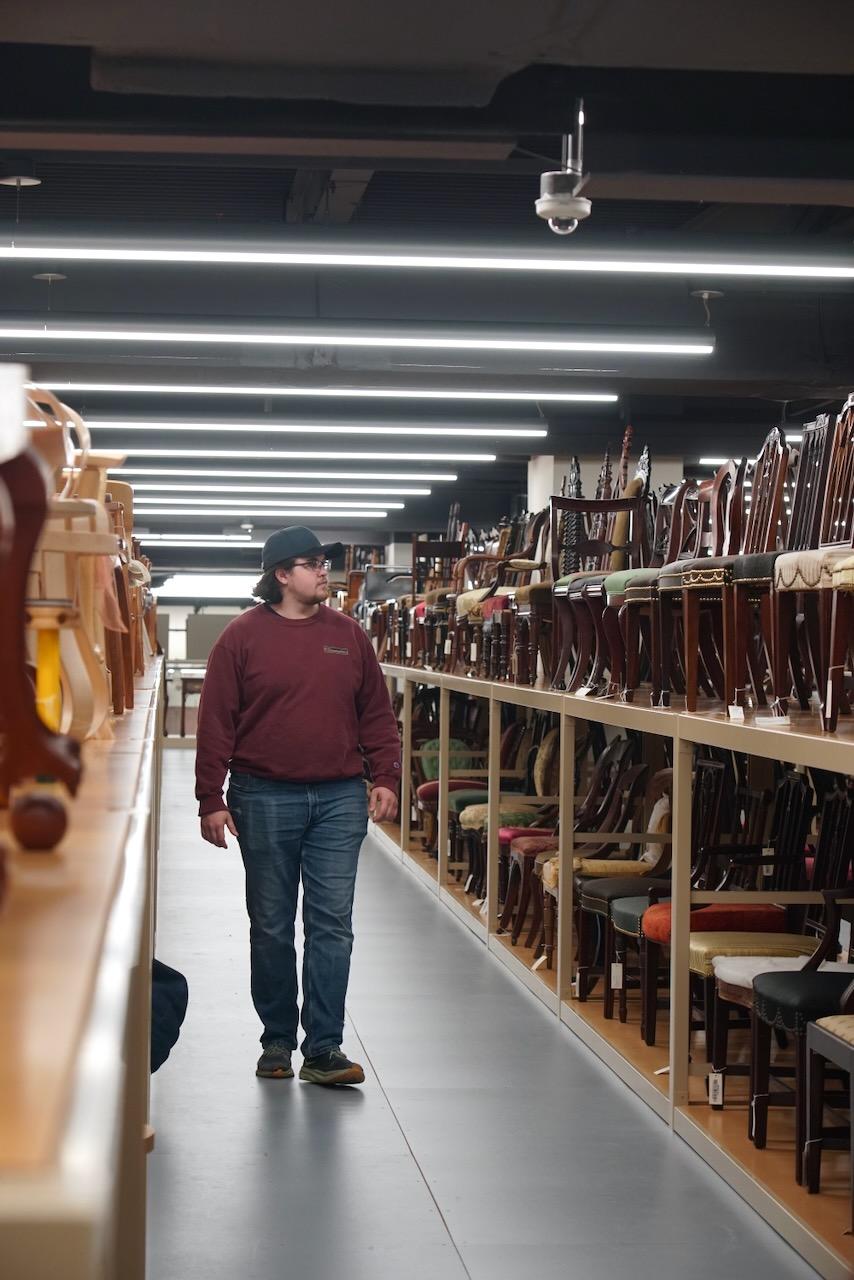
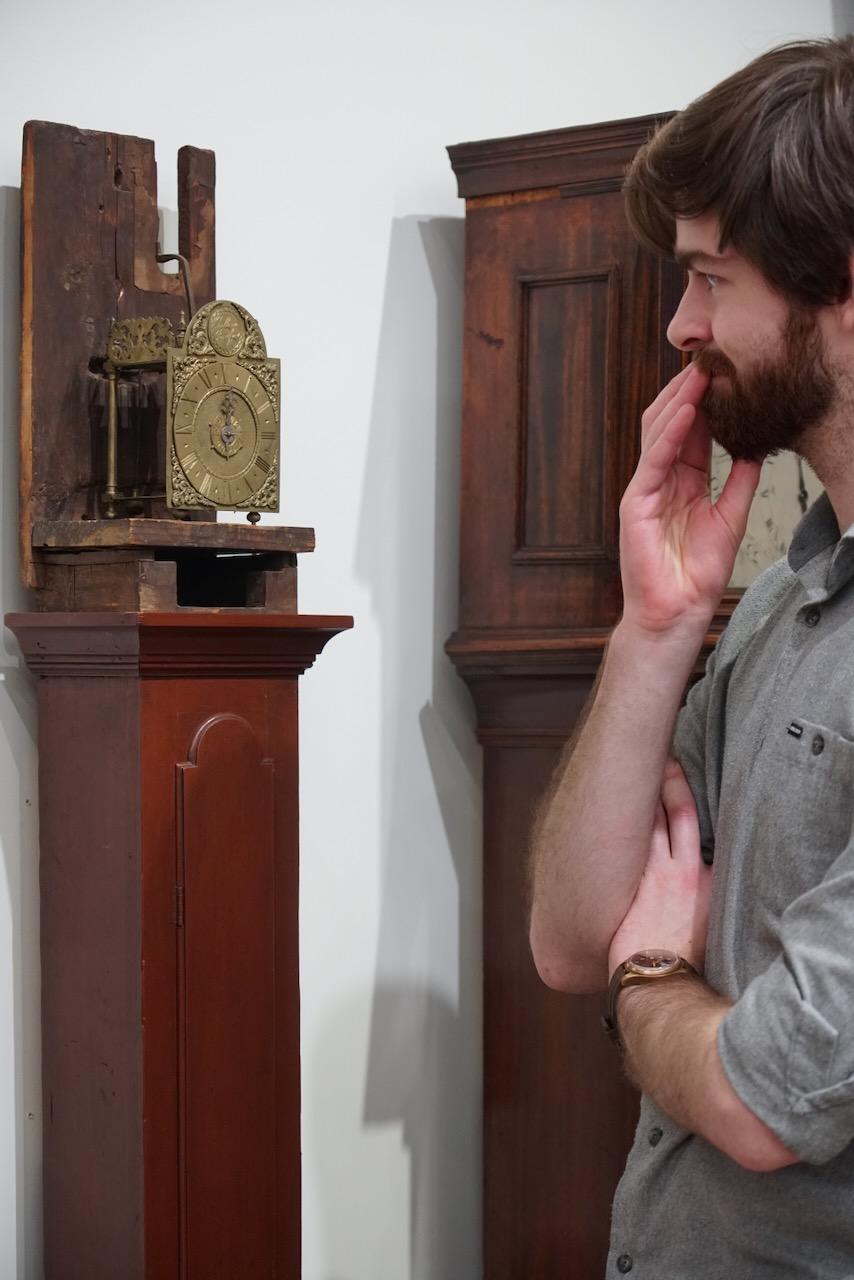
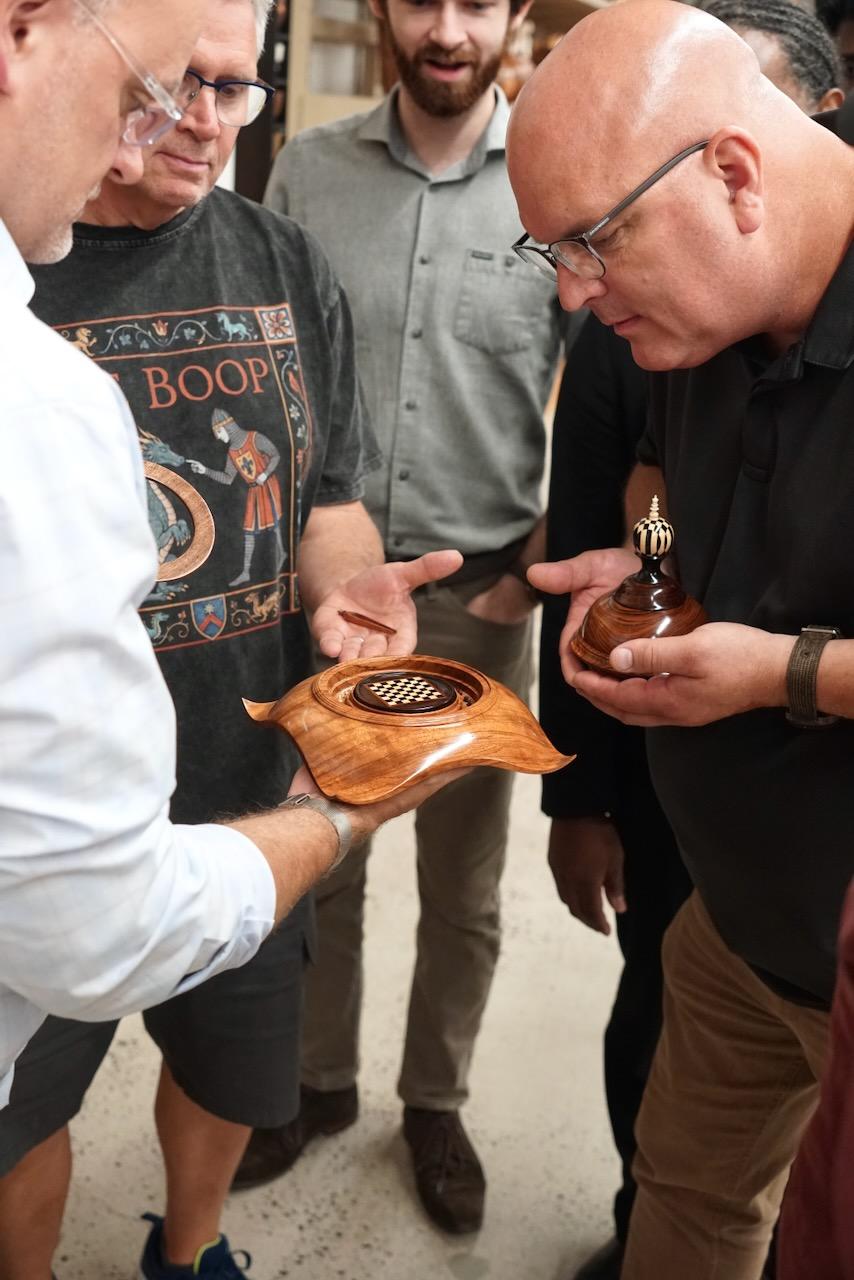
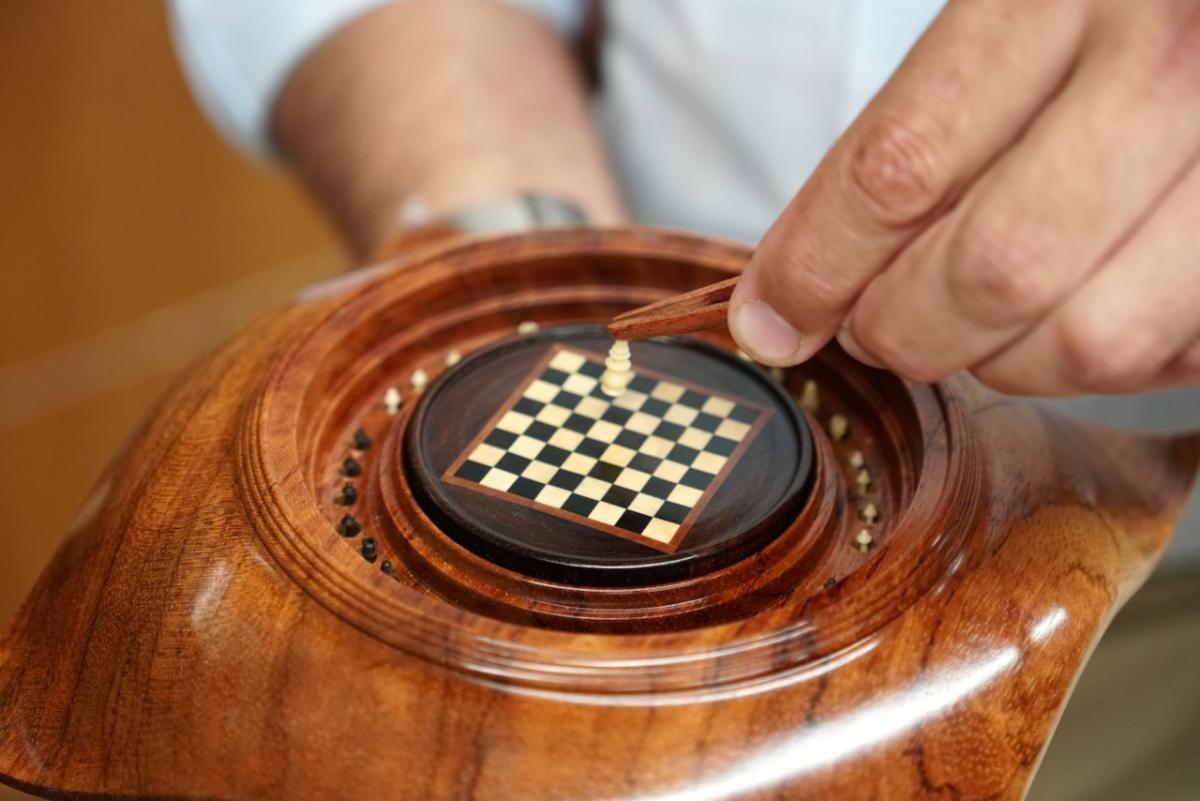
| | | From the Peabody we left town for the Yale West Campus, where we had an appointment to see the Hume American Furniture Study in the Art Gallery’s offsite collections. The Furniture Study is a library of over 1300 pieces of American furniture and wooden objects from the 18th C to today. It exists as a resource to anyone studying historic furniture and provides access to an extensive collection that would normally stay in deep storage. It is a trove of reference and inspiration for a craftsperson, especially the furniture maker and the clockmaker. Thank you to Eric Litke for giving us the tour of the study and matching our enthusiasm for the little details that these treasures can reveal up close. | | Miniature chessboard by Michael D. Mode, 1994 | | |
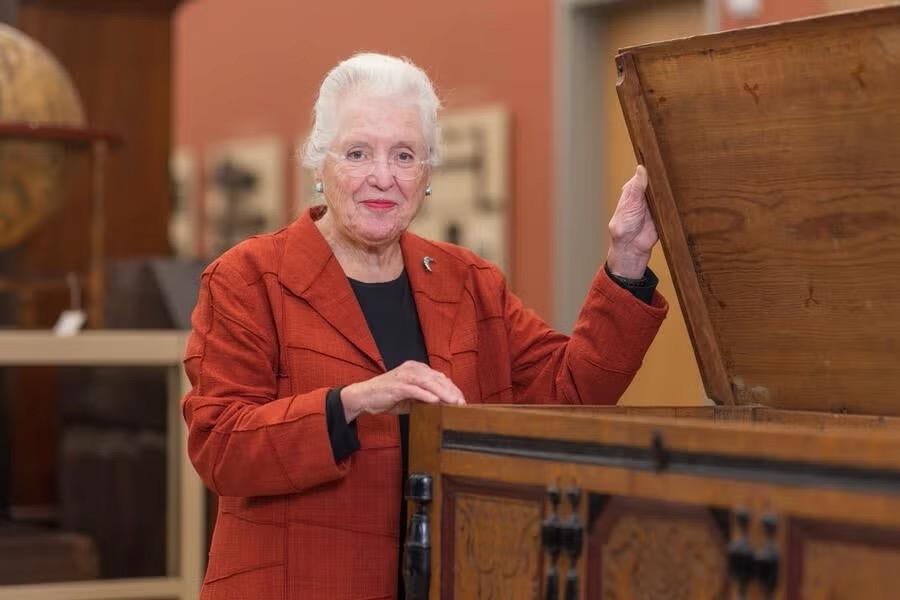
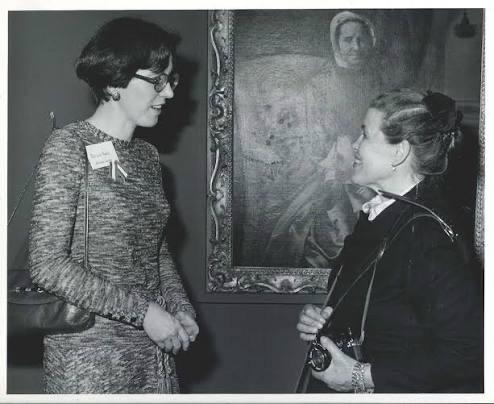
The team at the American Furniture Study, the staff of the Yale Art Gallery, and the wider American furniture and clock community are morning the loss of a titan. | Patricia E. Kane was a curator of American Decorative Arts at the Yale University Gallery for 58 years. She was hired in 1968 as an assistant curator and became curator in 1978 after the passing of her mentor, Charles Montgomery. She was a curatorial eye behind a number of legendary exhibitions, including 1976’s bicentennial exhibit “American Art: 1750-1800, Towards Independence,” which traveled to the V&A in London and coincided a book of the same name co-authored by Kane and Montgomery. Kane was the author or co-author of a library of other academic books including 300 Years of American Seating Furniture (1976), Colonial Massachusetts Silversmith and Jewelers (1998), and The American Clock, 1725-1865 (1974), which was co-authored by Edwin A. Battison and serves as one of the most important and influential publications on American clocks for historians, collectors, and clockmakers. Patricia Kane passed away on July 8 at 82 years old. Fifty years from now, when curators and historians are marking the history of American craft for the tricentennial, they will be referencing and building on the work of Pat Kane. | Kane with Ray Eames at the V&A opening of "American Art: 1750-1800" in 1976 | |
Read her obituary on the Yale News website.
|
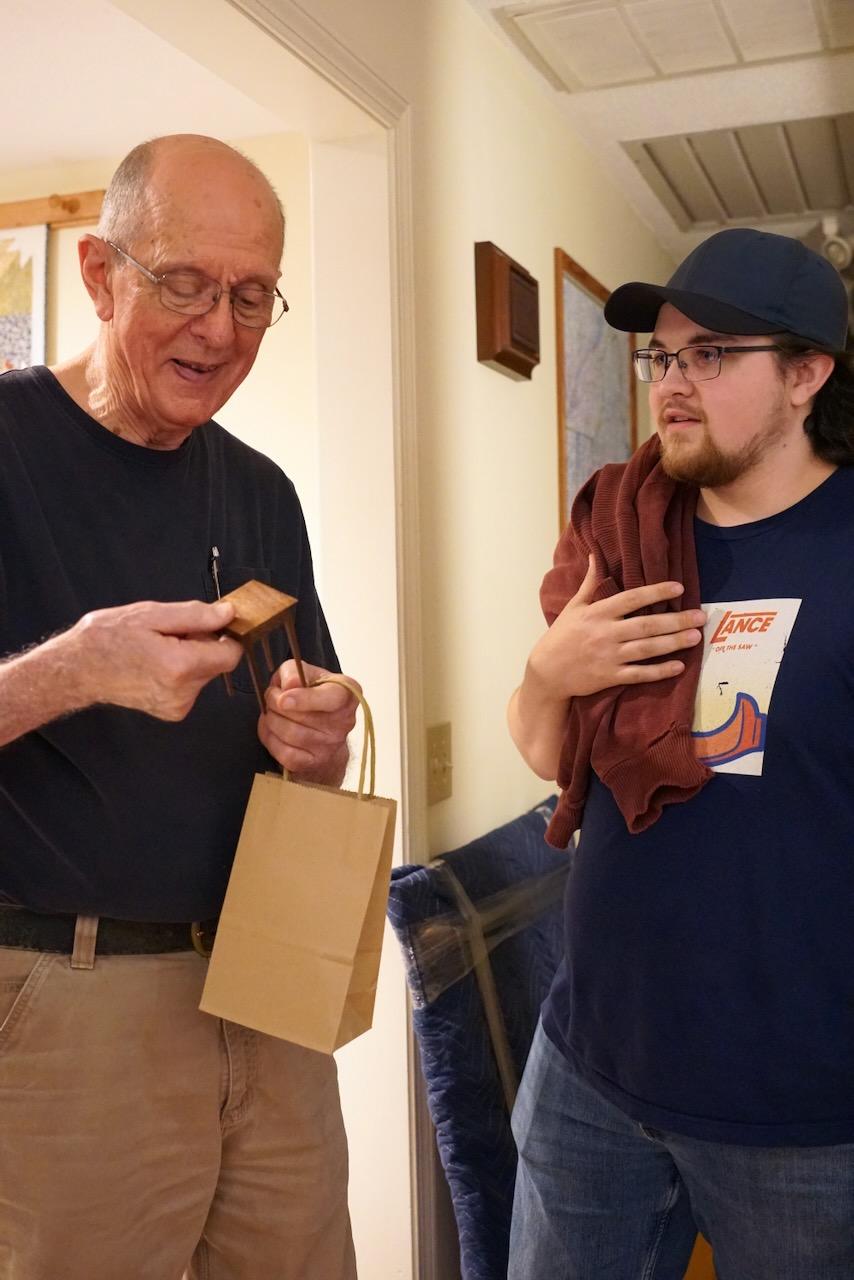
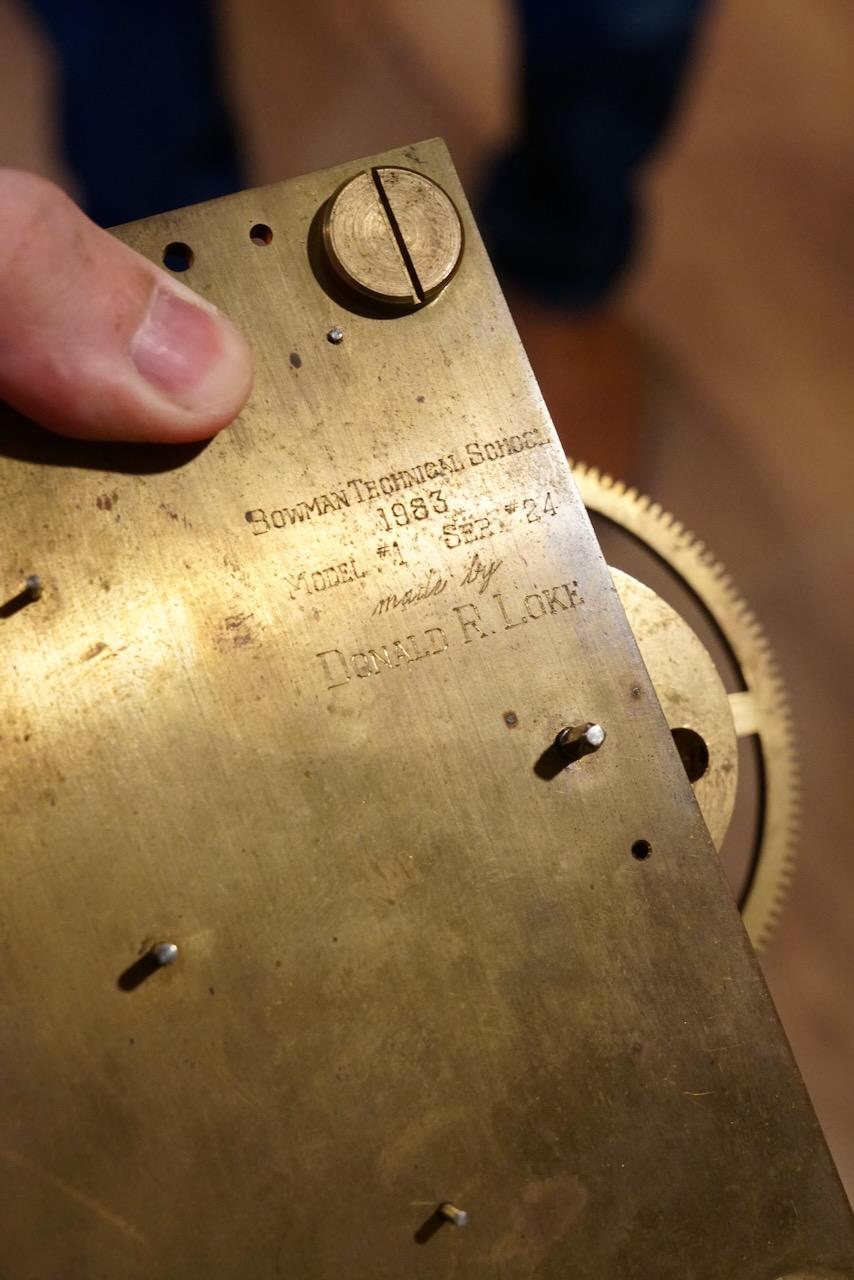
| | Of course, we had to stop at Frank and Patty Dorion's! | | Zach gifted Frank one of his miniature side tables in thanks for support on the project and continued inspiration | | We had only made it a few miles westward when we stopped to see Plumier member watchmaker Don Loke and his incredible workshop. | | | | Don showing Dan his student clock from 1983 | | |
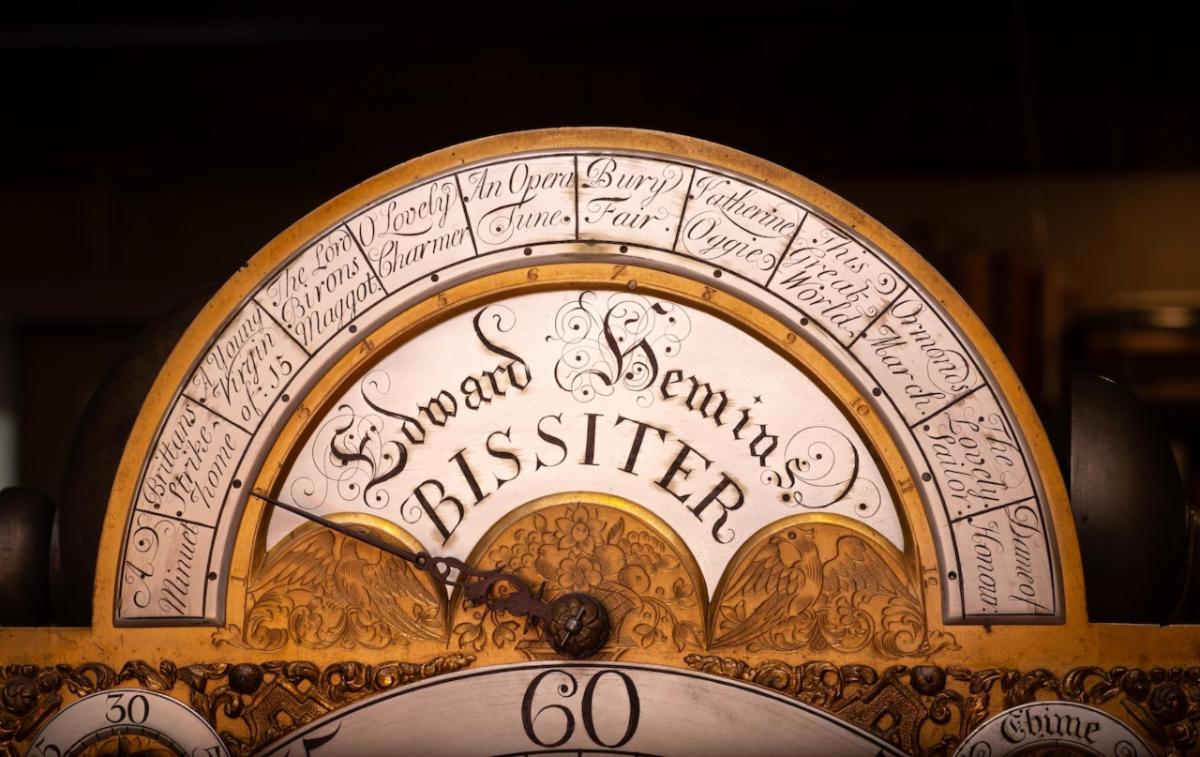
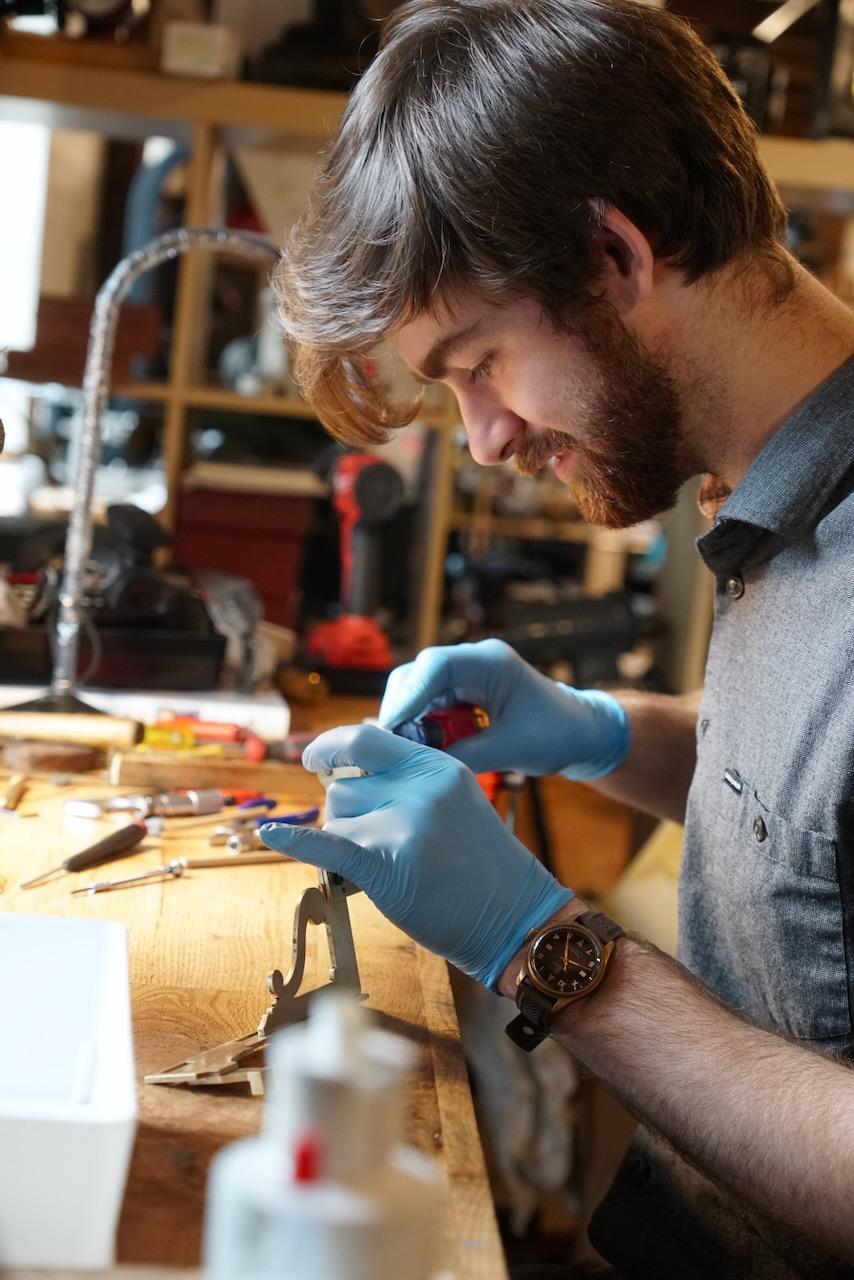
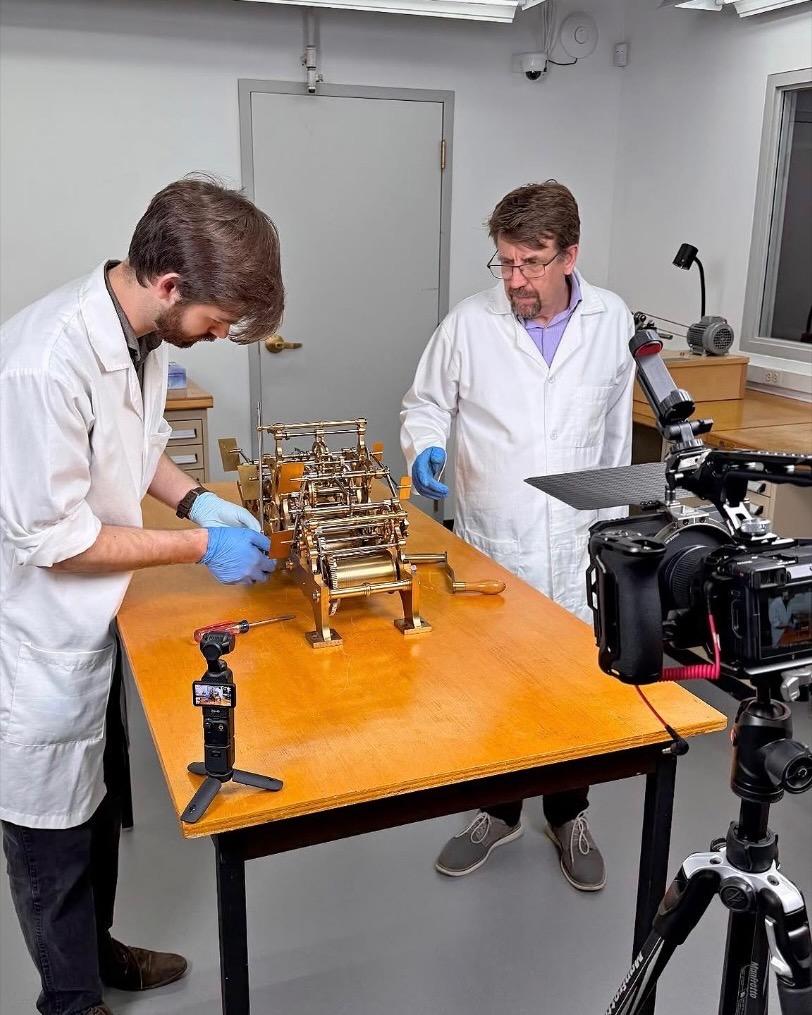
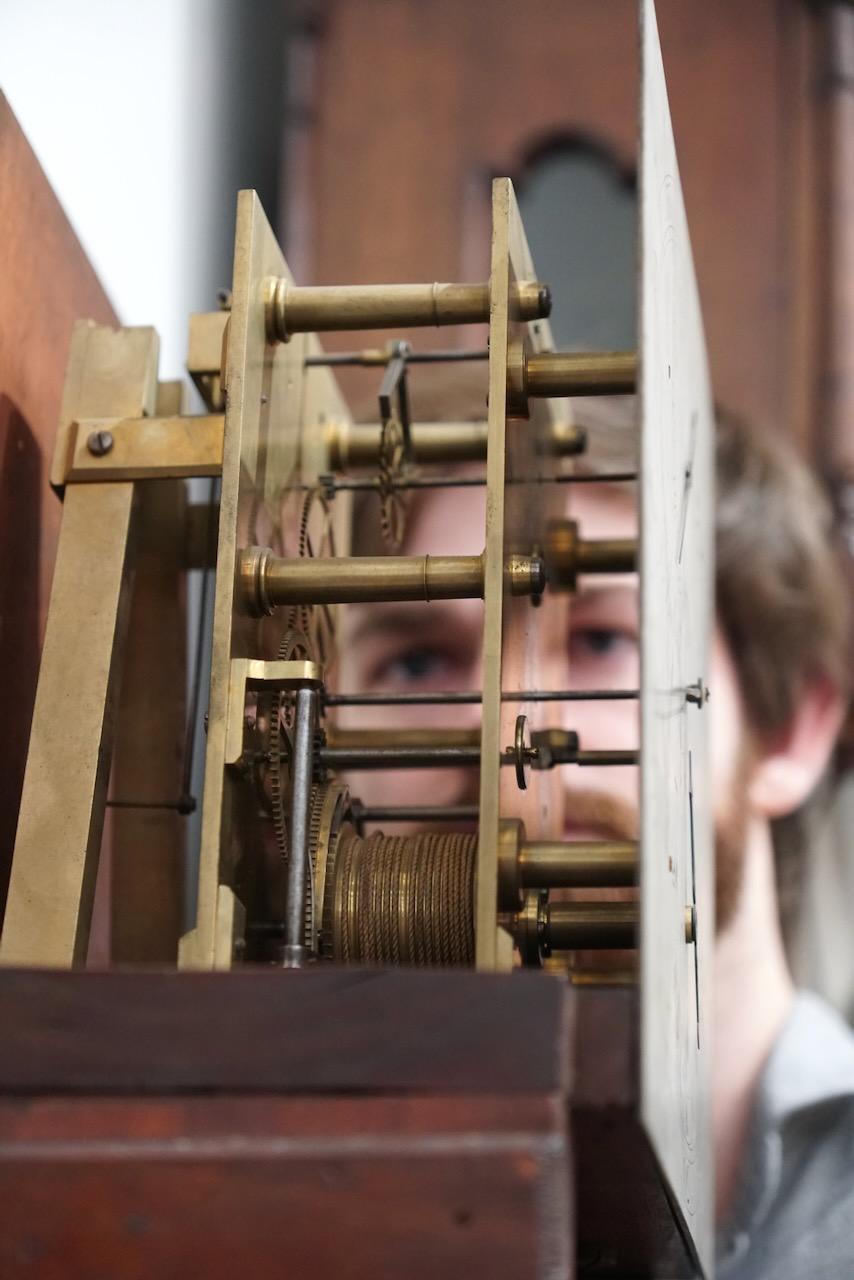
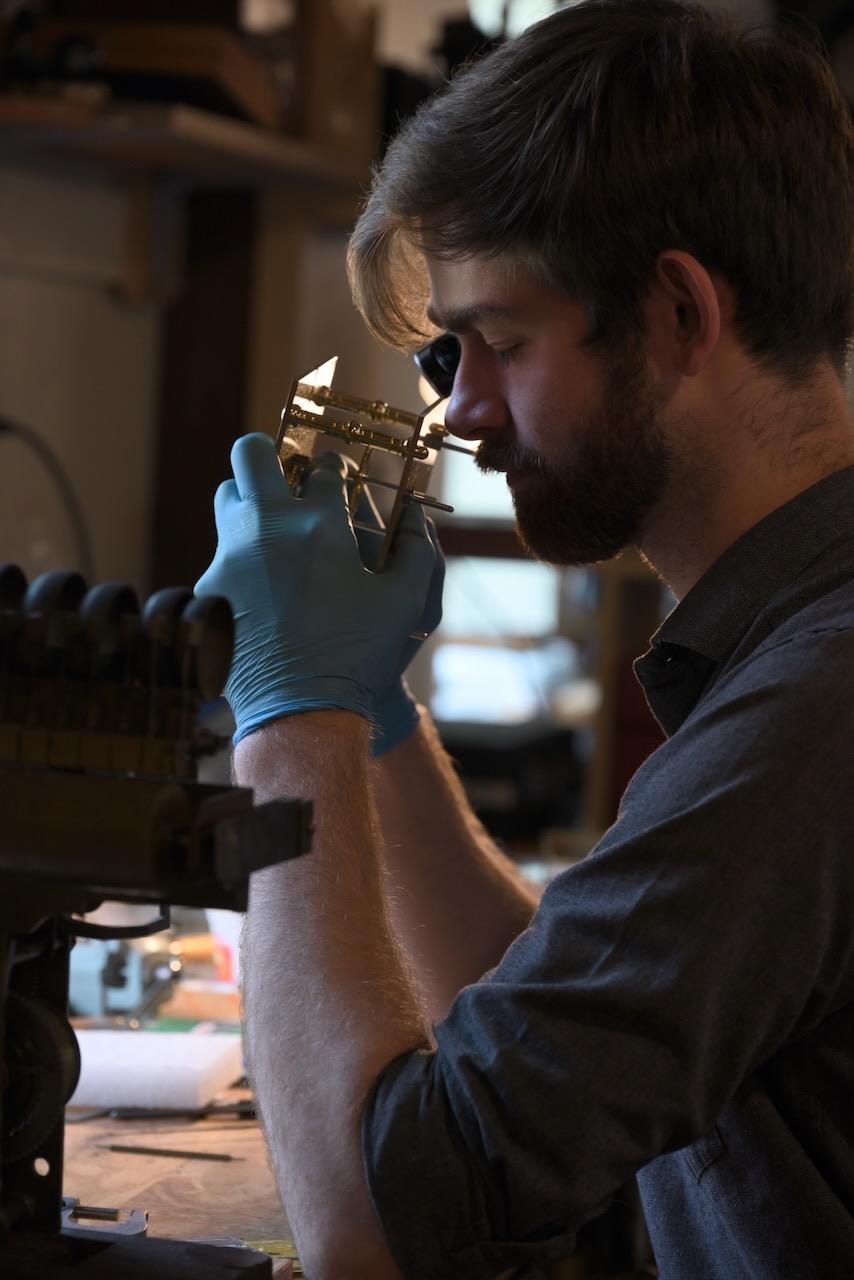
The end of August brought the end of Dan Batty’s Concentrated Learning Experience at Plumier. While the summer went as quickly as summers always seem to go, the young horologist certainly got the most out of his time here. Among the many tasks that David threw at him were two major projects: fitting and finishing a new tall-clock movement and restoring an antique musical clock.
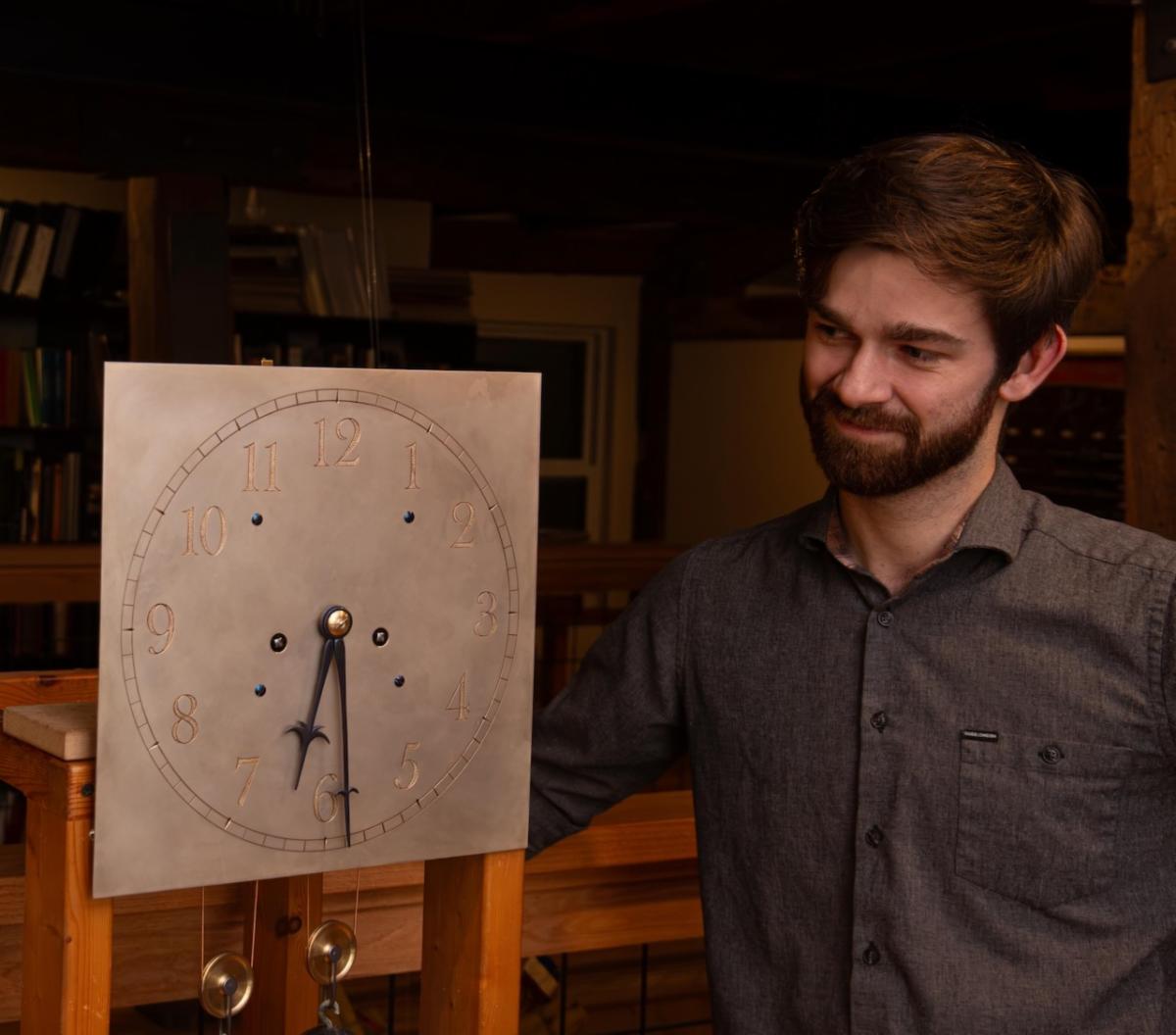
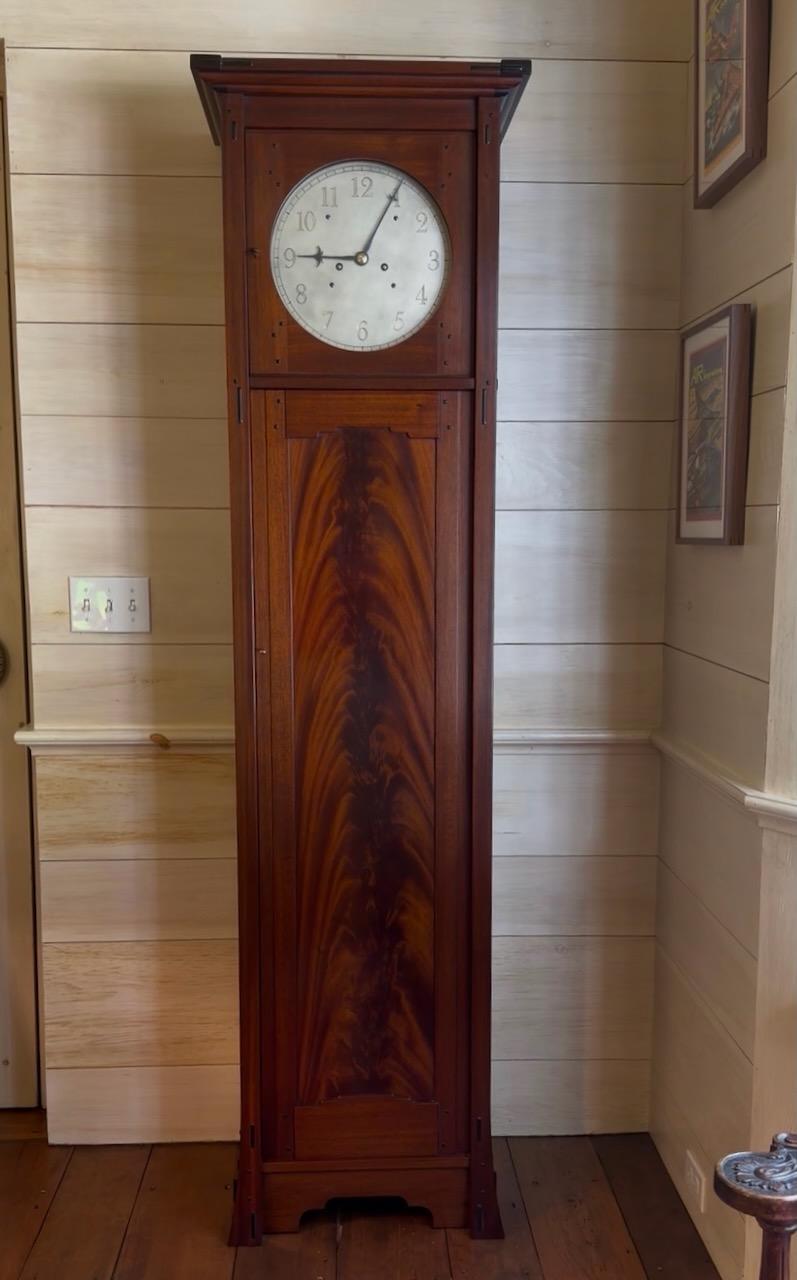
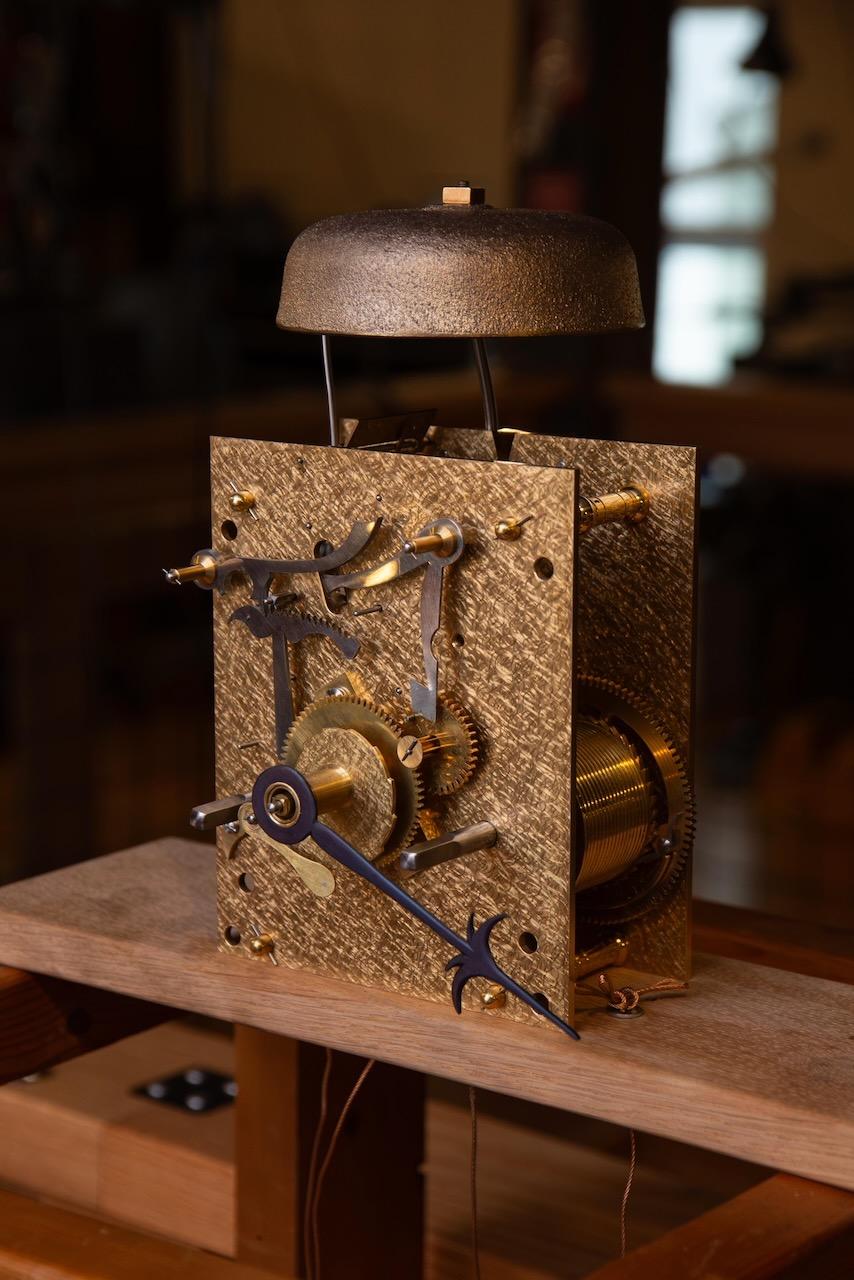
| | The tall-clock was a version of a movement that David used to produce. While most of the parts were already machined, the pile of wheels, pinions, and plates had to be fit to accurately keep time and finished to a high standard. This is not a simple assembly, but dozens partial and full assemblies with small modifications until an efficient movement is made. Then, it must be taken apart again and each part hand finished and cleaned. The “final” assembly then reveals another necessary modification or two and it must come apart and often refinished in part before assembled for testing. Dan spared no effort in the finishing of this movement, applying a stunning curling pattern to the plates. The finished movement found a fitting home in beautiful case by Kinloch Woodworking. | | | |
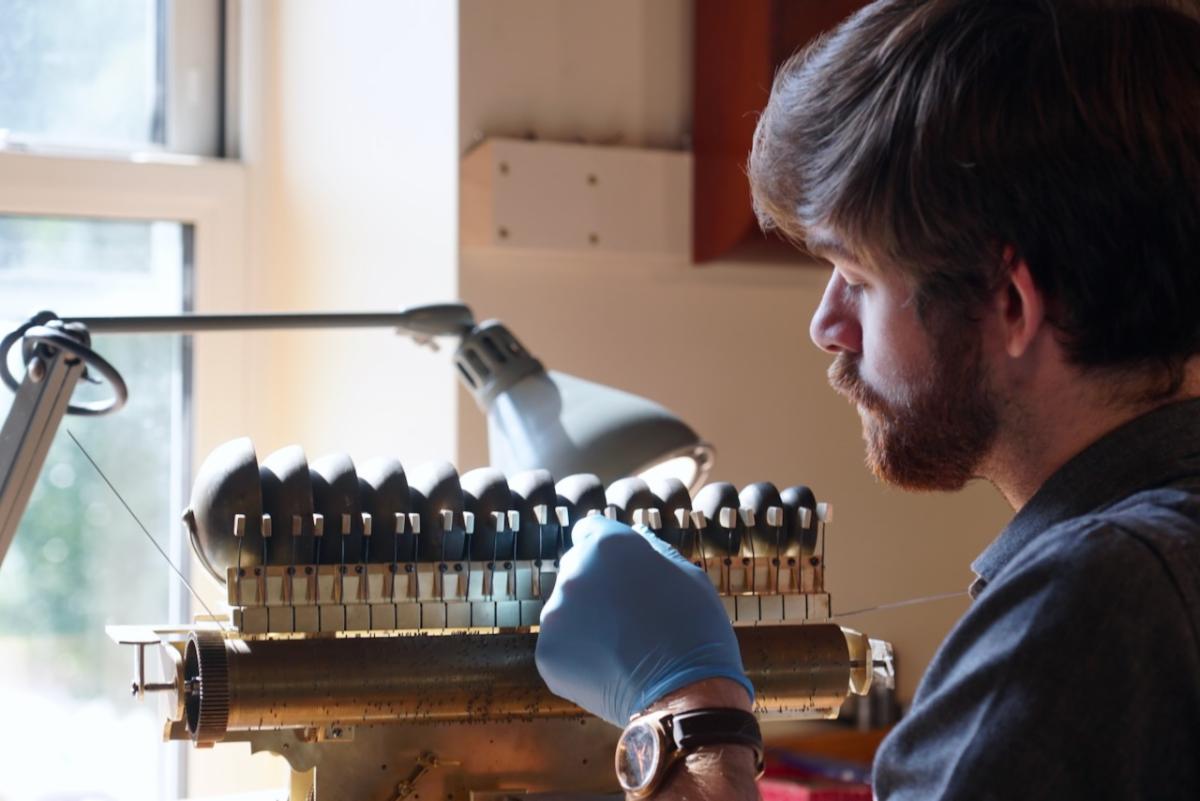
His biggest restoration assignment was taking on the full sympathetic restoration of an 18th century musical clock movement. The nature of mechanical objects is self-destructive. The goal of sympathetic restoration is to address the wear and return function to the clock in a way that is respectful the original construction of the movement and its age. Interventions are made with care. This clock required the realigning of arbor bearing points in the plates, which means adding back material that has been worn and re-reaming holes into proper alignment. Dan made great use of our new laser welder, a tool that few clockmakers have access to but is revolutionary for delicate restoration work. The worn bell hammers also required similar careful work to build back and reshape into the proper striking form. Dan put around 150 hours into restoring this clock alone.
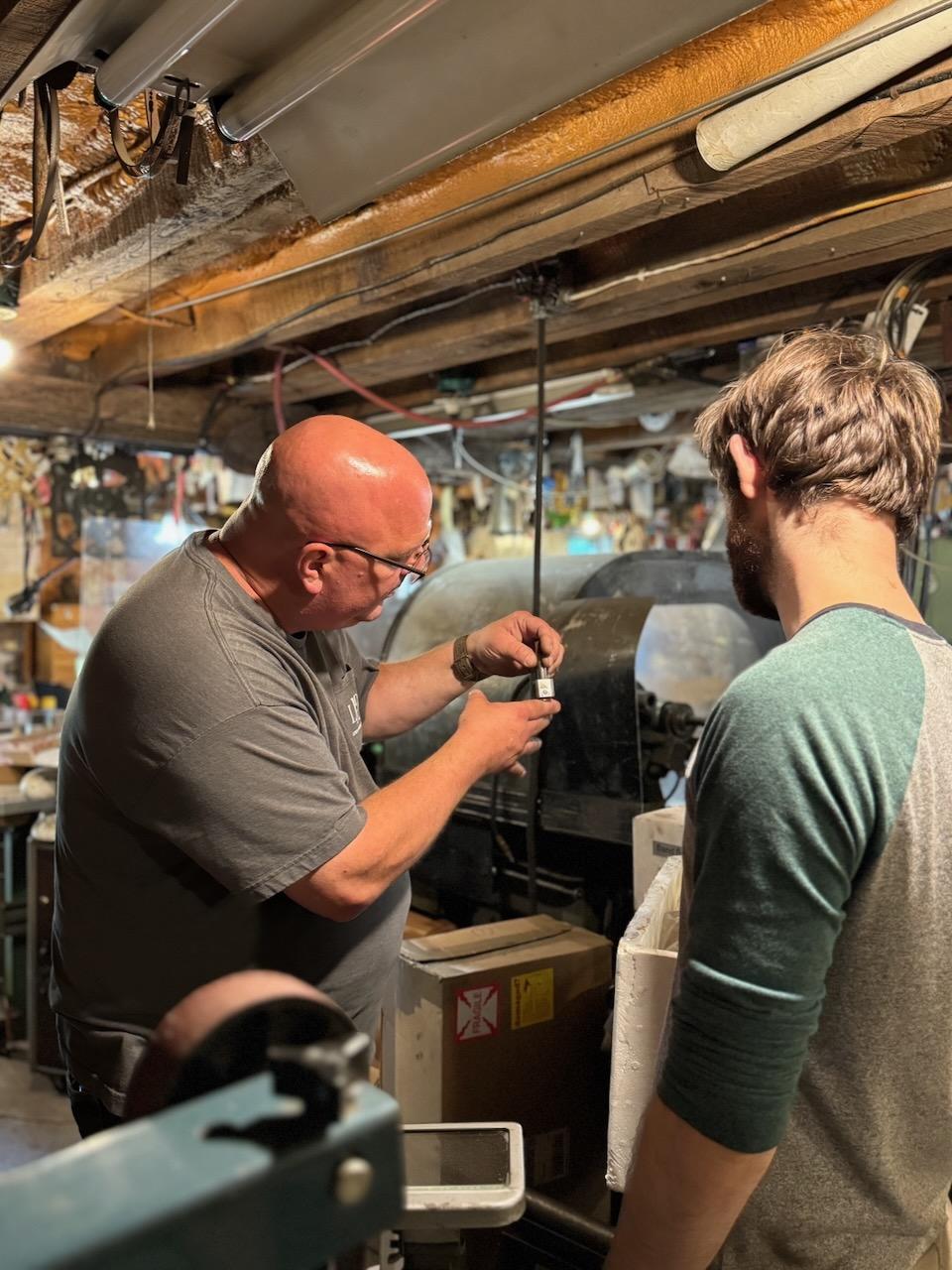
| | Dan working with Rory McEvoy at NAWCC | | Along with these two major projects that he took on, Dan also had the opportunity to collaborate with other clockmakers on similarly challenging projects. He spent a week at NAWCC working with Rory McEvoy on a three train display turret clock. And of course Steve Franke brought the “somewhat troubled” musical table clock the week he came to work with Dan. These projects and others not only gave Dan exposure to different clock movements and issues, but possibly more importantly connected him with the fellow clockmakers he collaborated with. The struggling craft of clockmaking will only survive with a strong network of dedicated craftspeople eager to share their experience. | | What is evident watching Dan working at the bench or craning his neck to get a glimpse of the internals of a clock at a museum, is that he has a deep and genuine love for his craft. A conversation on horology or related topics reveals a contagious enthusiasm and as much insight as there is hunger to learn more. Dan’s love of mechanisms came early in a childhood spent exploring. He was properly introduced to clocks by Chris McKay, a close friend of his grandparents who he had known all his life. Alongside a varied and interesting career in electronics, Chris McKay was a widely respected horologists and among the foremost experts on turret clocks. He wrote a number of books on clocks, including The Turret Clock Keeper’s Handbook. He did much research into Big Ben and aided with Cumbria Clock Company and the Palace of Westminster clock team’s five-year restoration project that began 2017. At around 15 or 16, Dan began visiting Chris’ shop for exploratory putters and informal lessons in clocks. Chris became to mentor to Dan and encouraged his pursuit of the craft. Sadly, Chris passed away in 2023 at the age of 74. Dan was up in a bell tower with Chris just three weeks before his passing. On their last visit together, the two shared coffee in Chris’ garden and Dan had the opportunity to share with him the clock he had built in his first year at West Dean. Dan now works with Keith Scobie-Youngs of Cumbria Clock Company, another close friend of Chris. | | Throughout the history of mechanical time keeping, knowledge was passed from a master to an apprentice. It was a rigid educational structure based on cultural and economic contexts that don’t exist anymore. True mentorship opportunities are increasingly rare yet remain essential for keeping the craft alive. Long hours spent together in the workshop is the best way to teach and learn. It is up to institutions like Plumier, West Dean, and NAWCC, along with business like Cumbria Clock Company and anyone with an interest in seeing the trade thrive, to create these opportunities for students like Dan to learn and network, fostering both an individual career in craft and a new cycle of education to carry the craft forward. | | David and Dan in "The Cave" | | Dan is now back in the UK and will be missed, but we expect to see him back in Saltsburg before long. | | |
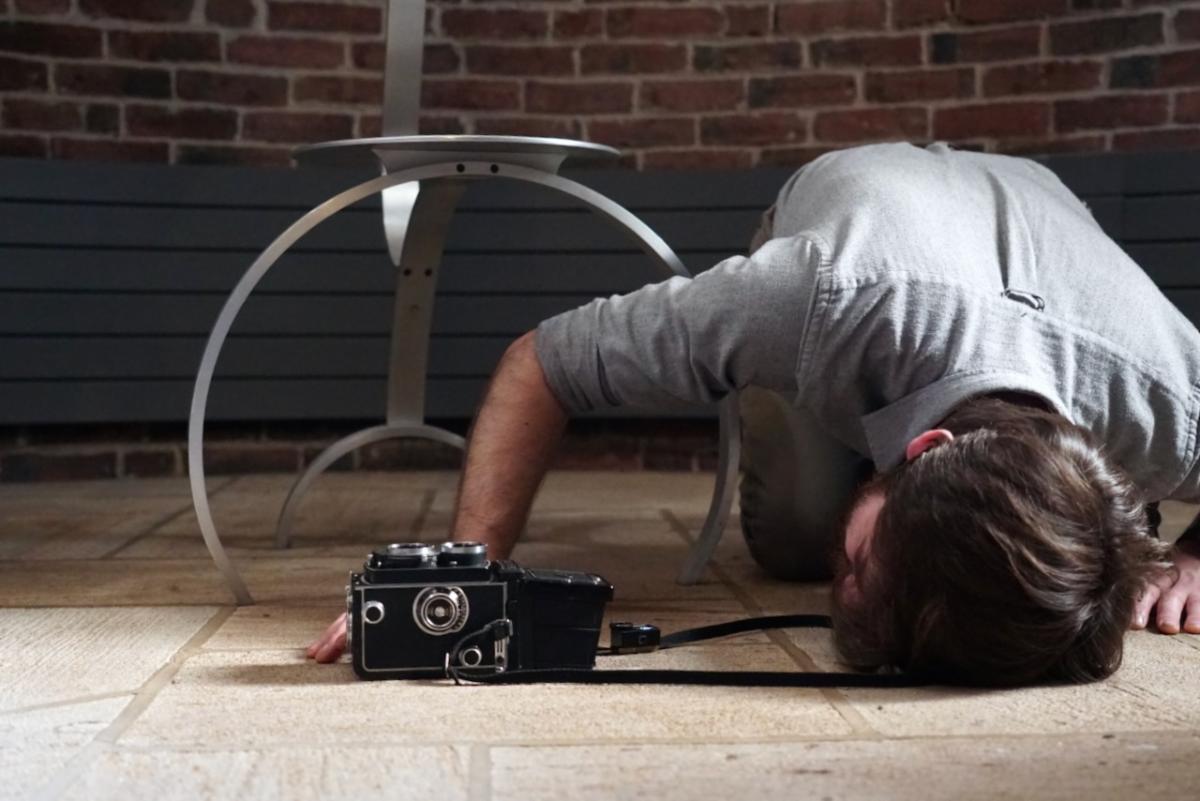
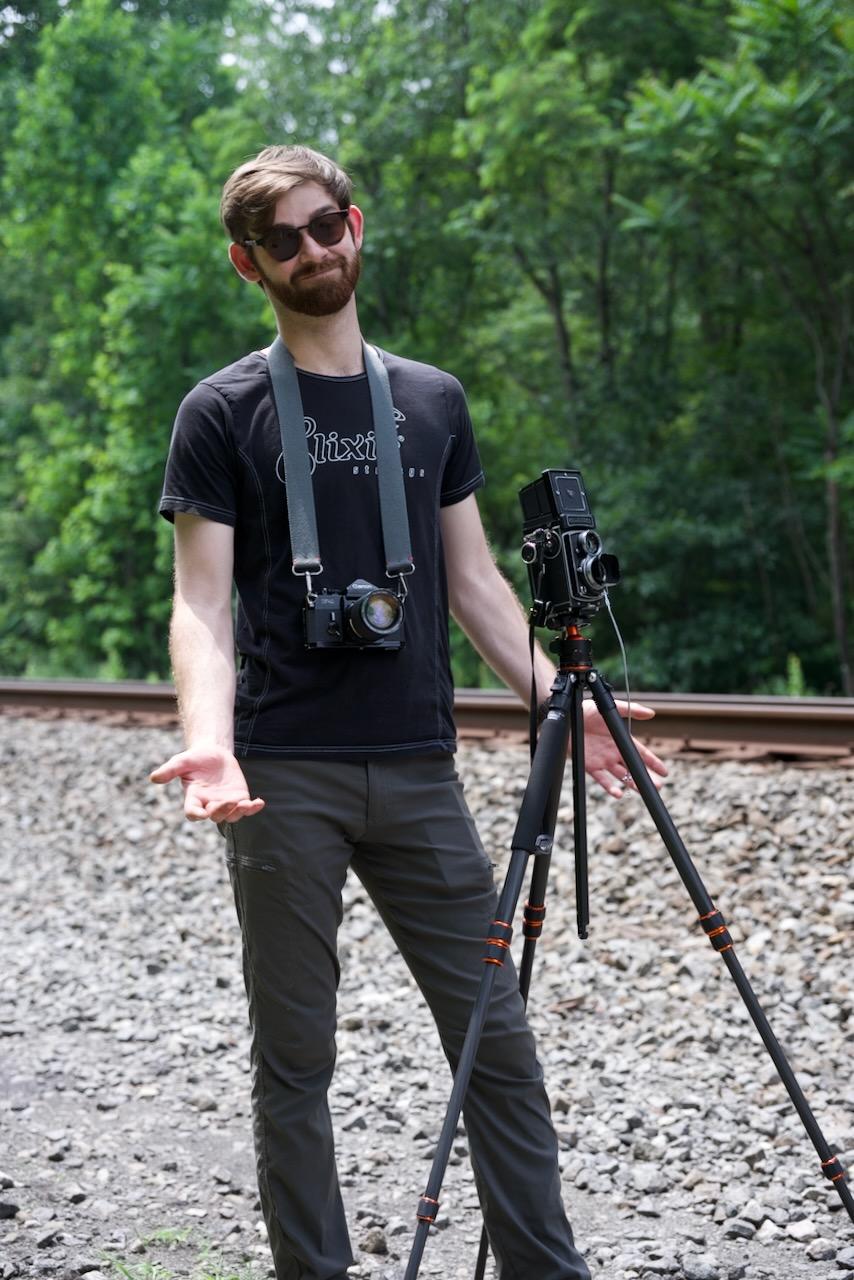
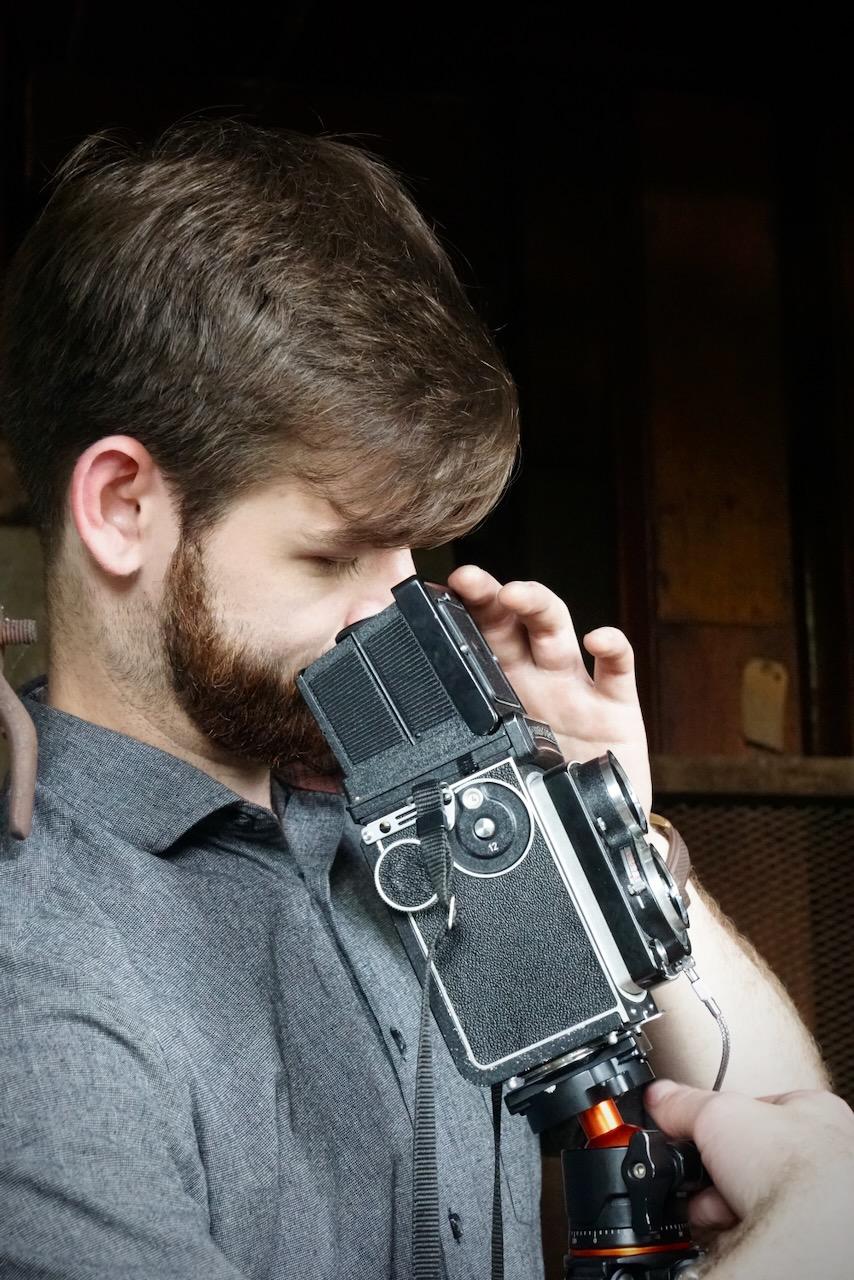
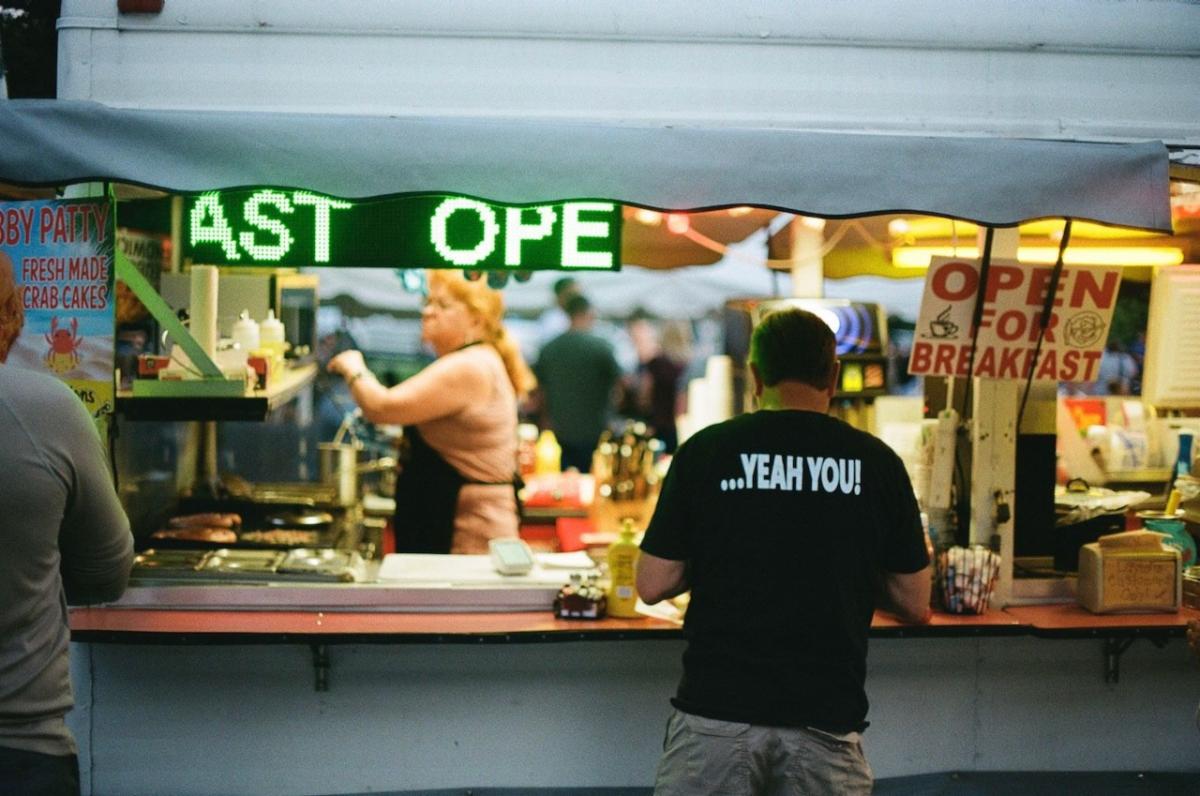
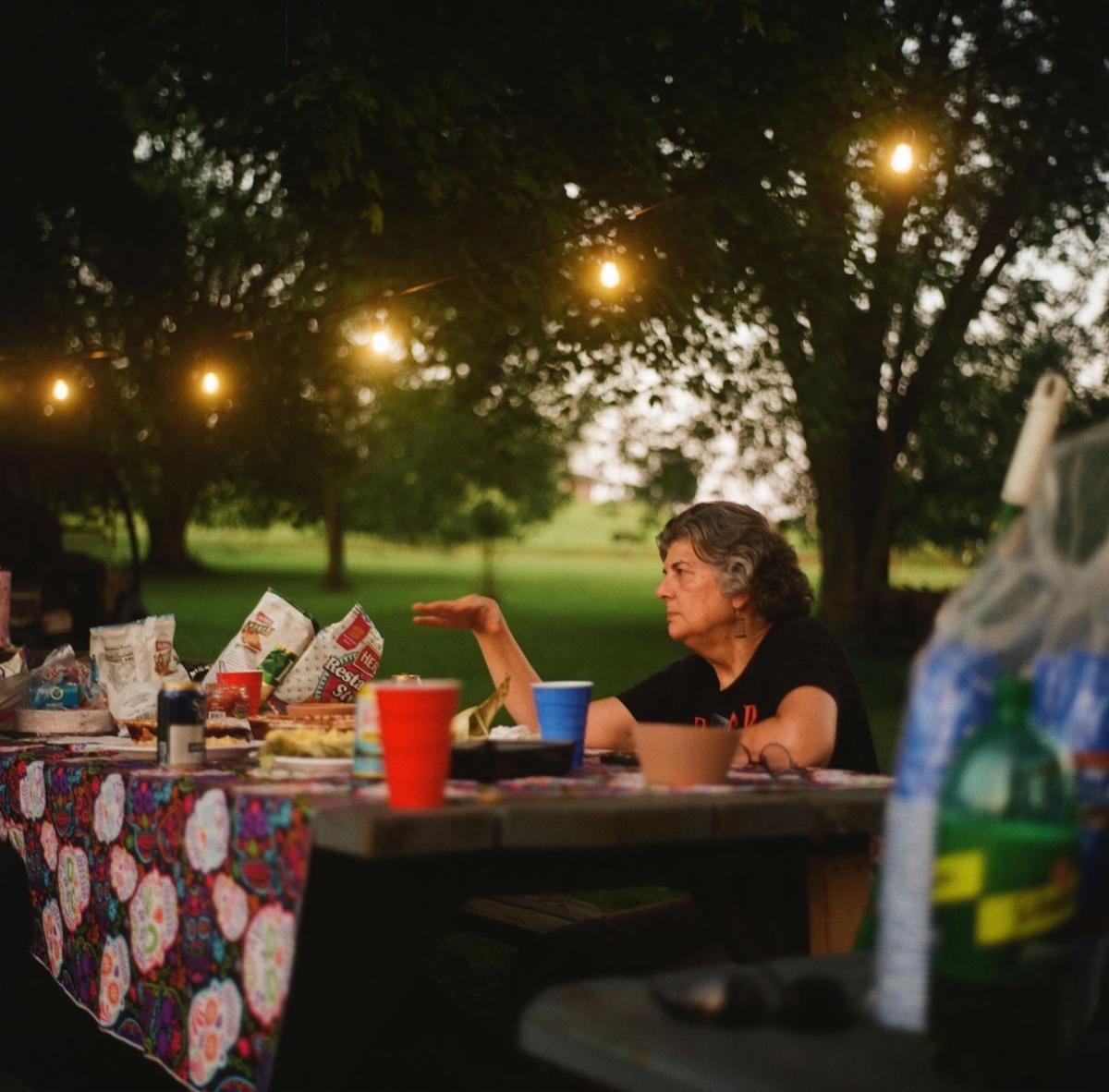
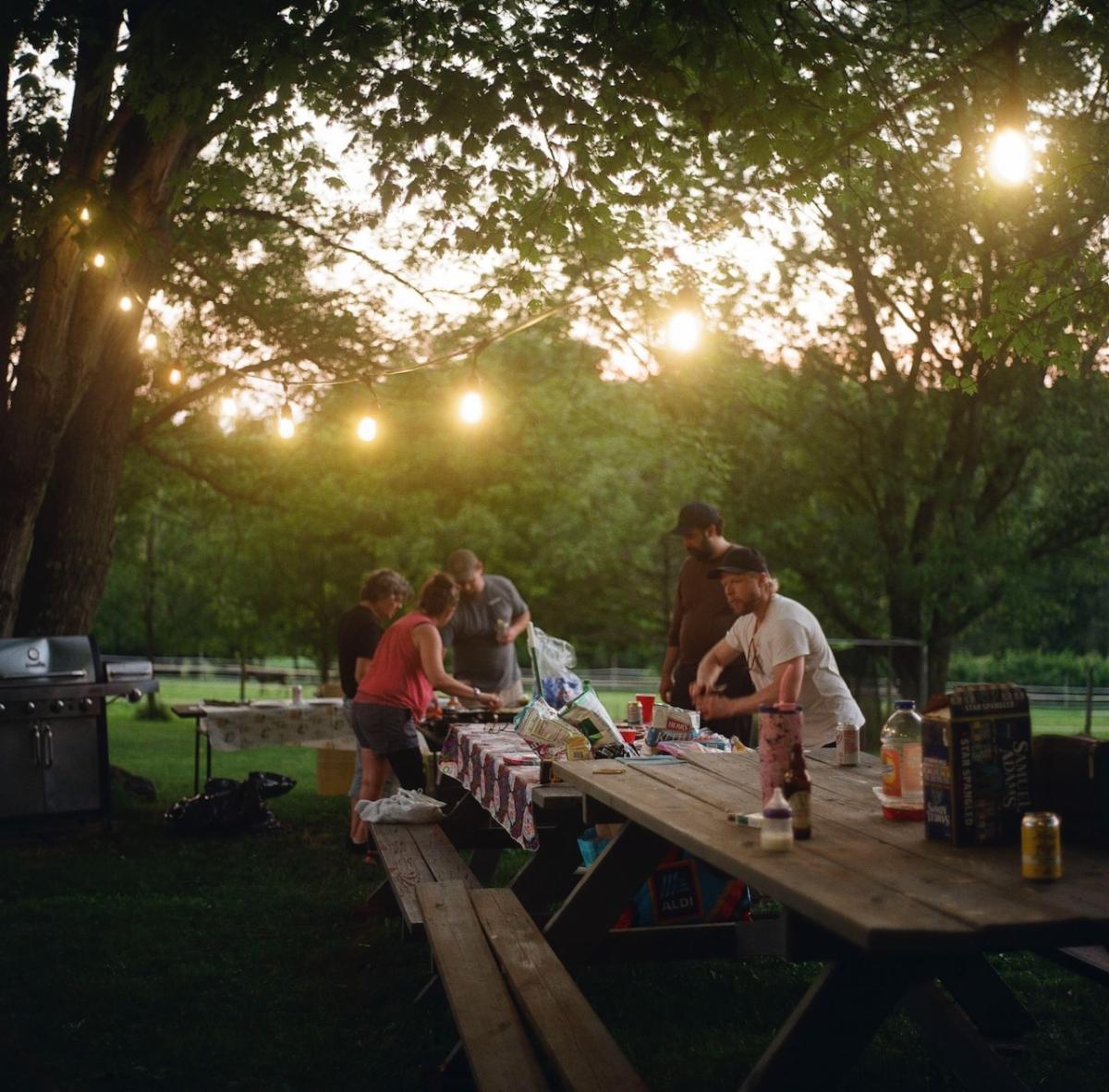
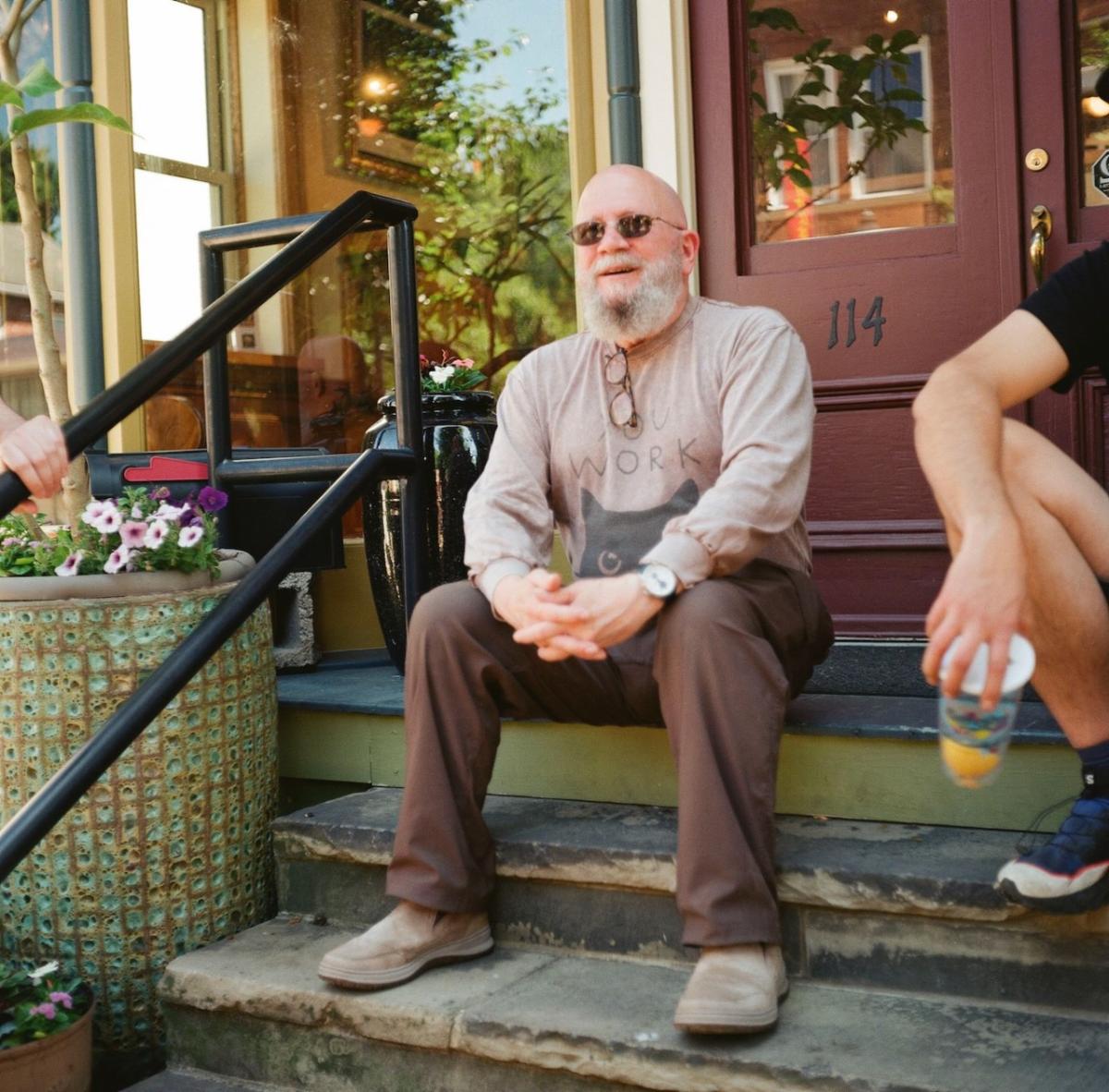
Along with his love of horology, Dan is an avid photographer with a particular interest in the mechanical wonders of film cameras. He values the extra level of intention required with analog—a break from the sometimes overly convenient digital world. Dan went through many rolls of film during his time at Plumier. The the fruits of this effort could be published in a coffee table book titled My Summer in Saltsburg with a compendium volume Pictures of Dan Taking Pictures. In all seriousness, Dan’s film images beautifully capture a moment in time that he and the new friends he has met will not soon forget.
| | |
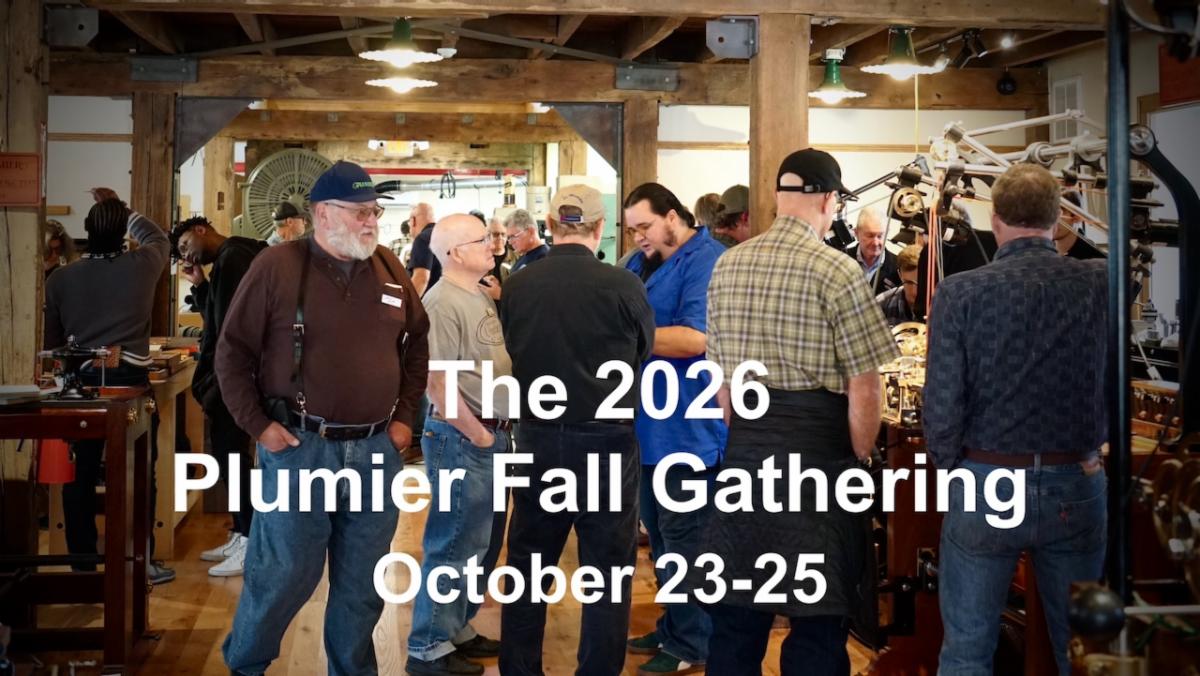
The Plumier Fall Gathering is right around the corner! | |
Tickets for the weekend are $650 for members and $700 for nonmembers. Plus-one tickets are $150.
This will include lunch and dinner on Friday and Saturday. To register, please email Jackie at jackie@plumier.org. Space is limited, reserve your spot in the Fall Gathering today!
There is a limited block of discounted rooms available at the Hampton Inn & Suites Blairsville from Thursday October 21 to Monday October 26, starting at $150 a night. Book today through the link provided to secure this discounted rate, especially if you plan on staying for all five nights.
The deadline to reserve a discounted room is September 22!
If you have any questions about the event, reach out to info@plumier.org.
|
| | |
Support craft, support Plumier.
The best way to support is by joining us as a member today.
One-time contributions can also be made through our website or GoFundMe. Also, consider making a targeted contribution to our Scholarship Fund.
A check sent to the address below is also a welcomed form of donation.
| |
| | | |