Discoveries

August 2026


News

Altered metabolism in zombie-like cells helps promote destructive inflammation as we age

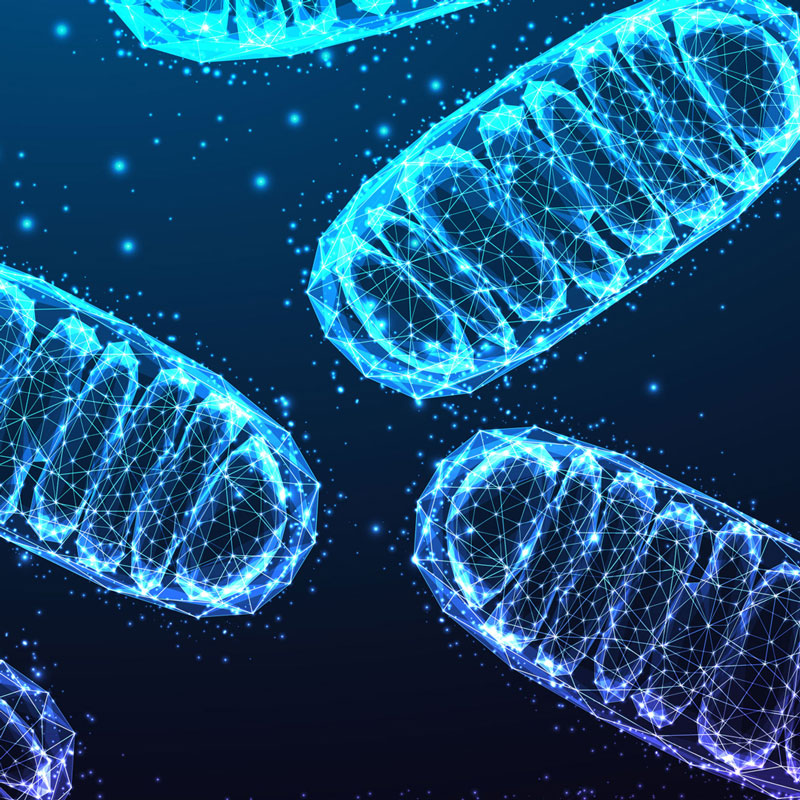
The Adams lab worked with collaborators at Mayo Clinic and around the world to identify a new connection between energy-producing mitochondria and chronic inflammation during aging. Published in Nature, the study also found that blocking a related gene reduced inflammation and promoted healthier aging in mice.

Researchers create unified framework to explain one of cancer’s major drivers

The MYC gene is one of cancer’s most powerful drivers, implicated in more than half of all cancers. It has also long been considered “undruggable.”


New research from the Bagchi lab may point to another way in. In two back-to-back studies published in Genes & Development, scientists uncovered new insights into how a genetic region called the PVT1 locus regulates MYC activity.

Stripping away what conceals cancer cells from our immune system

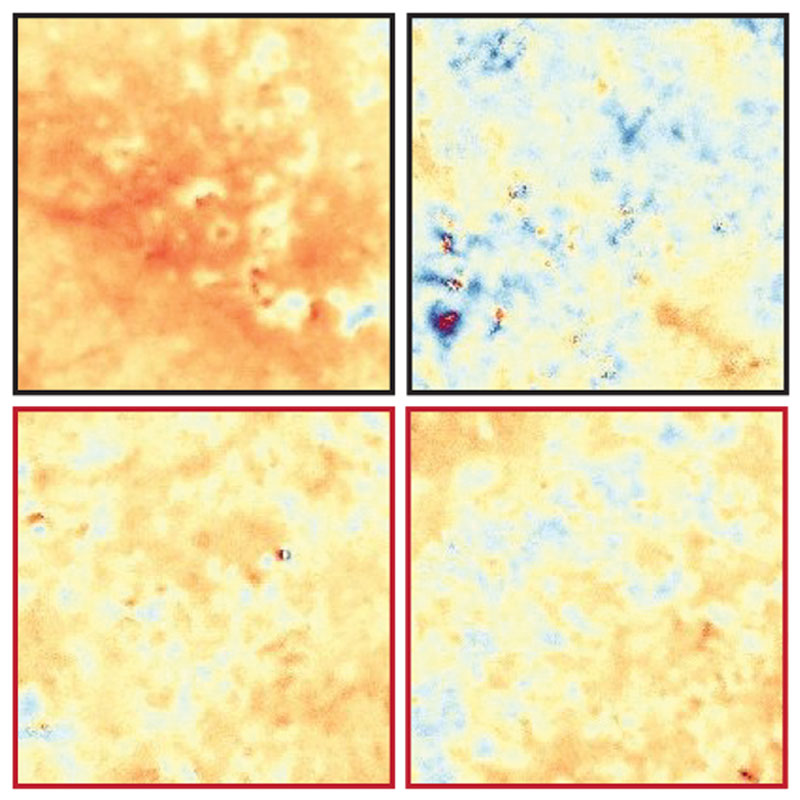
The Tharp lab and collaborators demonstrated in Science Advances that changes in the tumor microenvironment can help cancer cells cloak themselves from the immune system. The scientists also found a way to thin this sugary shroud, enabling immune cells to better recognize and eliminate cancer cells.

Breaking down barriers to cardiac regeneration

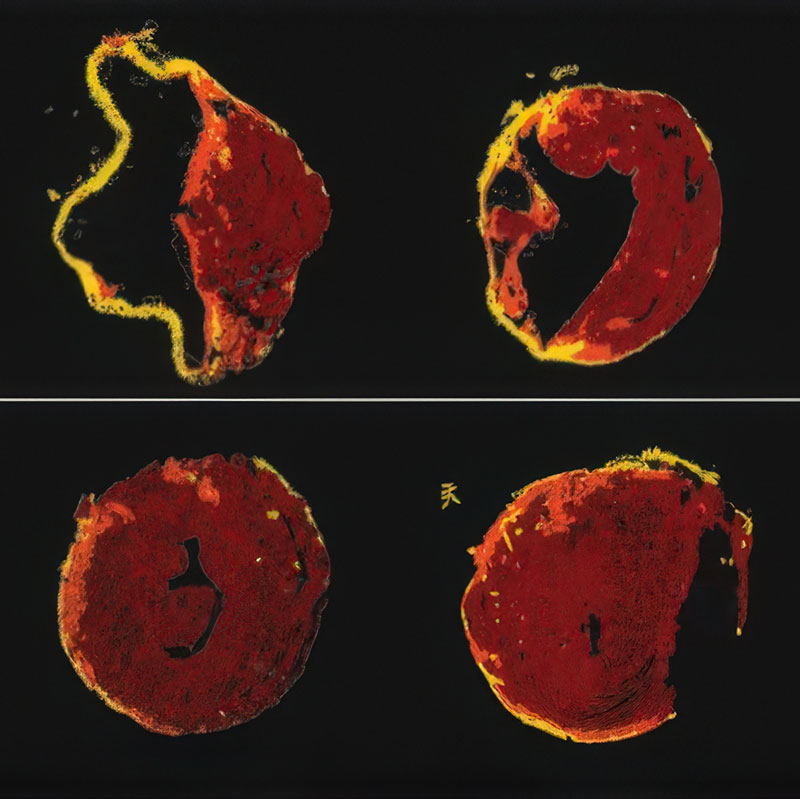
Cell reprogramming may one day allow the adult human heart to regenerate the way skin does. In Nature Communications, the Colas lab reported a newly identified mechanism that helps heart cells maintain their identity and resist reprogramming, providing new clues for overcoming barriers to heart regeneration.

Sanford Burnham Prebys partners with Department of Health in Abu Dhabi

The nonbinding agreement reflects a shared intent to collaborate on translational biomedical research, drug discovery and the development of the next generation of scientists.


Philanthropy

Make a Will Month: Leave a legacy of discovery

August is Make a Will Month, a meaningful opportunity to put your wishes in writing and consider the legacy you want to leave. At Sanford Burnham Prebys, our scientists uncover new knowledge about disease and lay the foundation for future treatments.


Philanthropy makes this early-stage research possible, giving scientists the freedom to pursue bold ideas and discoveries that may one day transform patient care.


Whether you are creating a will or updating an existing plan, consider how your legacy can help make tomorrow’s treatments possible. The future of medicine starts with discovery. And discovery starts here.

Events

50th Anniversary Illumination Gala

October 3, 2026

Join us in celebrating 50 years at our Illumination Gala. Together, we'll honor five decades of groundbreaking discoveries and the visionary scientists, philanthropists and partners who have made them possible.

The future of discovery begins with all of us. Together, we can fuel the next generation of scientific breakthroughs, bringing hope to patients and their families and advancing healthier lives for generations to come.


To learn more about the Gala and about sponsorship opportunities, please visit sbpdiscovery.org/gala.

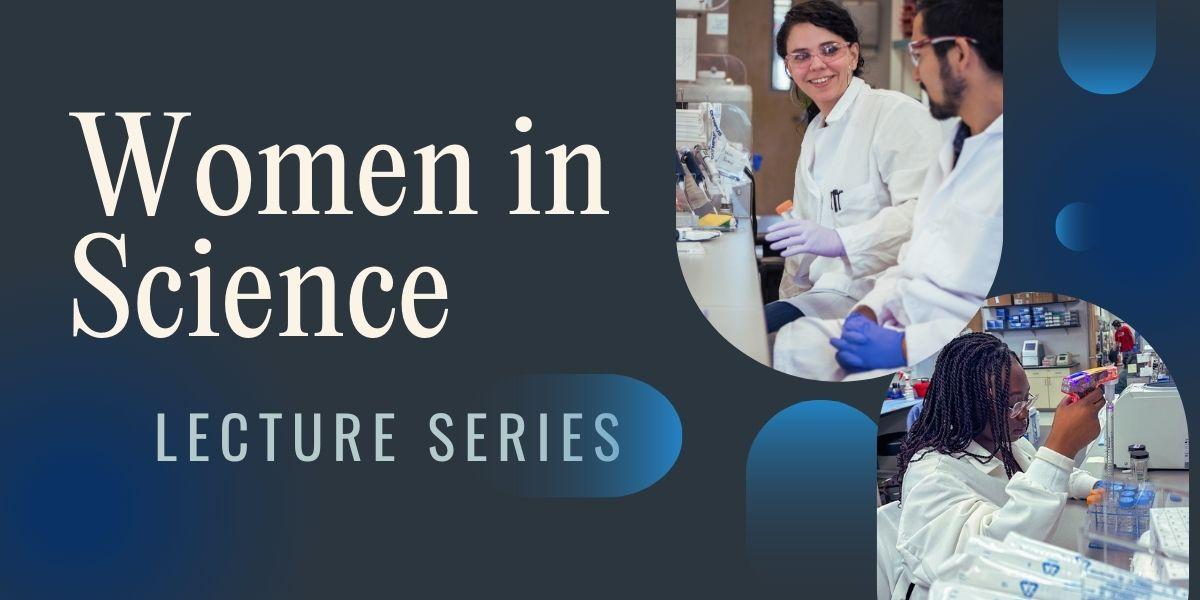
Join us October 14 for the next Women in Science lecture

The October event features:

  • Robin Toft, CEO of Curebound
  • Kelly Kersten, PhD, assistant professor in the NCI-designated Cancer Center at Sanford Burnham Prebys
  • Xueqin (Sherine) Sun, PhD, assistant professor in the NCI-designated Cancer Center at Sanford Burnham Prebys
  • Susanne Heynen-Genel, PhD, staff scientist in the Conrad Prebys Center for Chemical Genomics and director of High Content Imaging Platforms at Sanford Burnham Prebys

In the news

The Lustgarten Foundation announces new pancreatic cancer funding for Institute scientist

The Lustgarten Foundation, the world’s largest private funder of pancreatic cancer research, recently announced $22.8 million in new research funding in fiscal year 2026. This bolus of support included an award for the Commisso lab’s investigation of a first-of-its-kind strategy that exploits pancreatic cancer cells’ nutrient-scavenging process to trigger cancer cell death and improve the delivery of chemotherapy.

Celebrating 50 years of discoveries

San Diego History Center logo

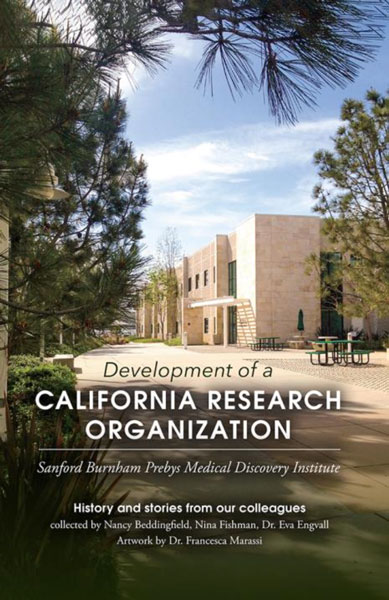
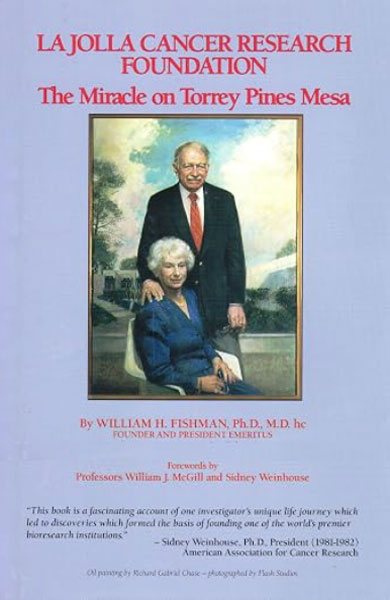
As Sanford Burnham Prebys celebrates its 50th anniversary, the Institute’s story is becoming part of San Diego’s historical record. The San Diego History Center has accepted two books documenting our history and scientific contributions for its reference collection, where they will be available to researchers exploring the people, organizations and discoveries that have helped shape San Diego’s scientific community.

Development of a California Research Organization: Sanford Burnham Prebys Medical Discovery Institute

Nancy Beddingfield, Nina Fishman and Dr. Eva Engvall

La Jolla Cancer Research Foundation: The Miracle on Torrey Pines Mesa

William H. Fishman

Community

Summer interns explore biomedical research careers at Sanford Burnham Prebys

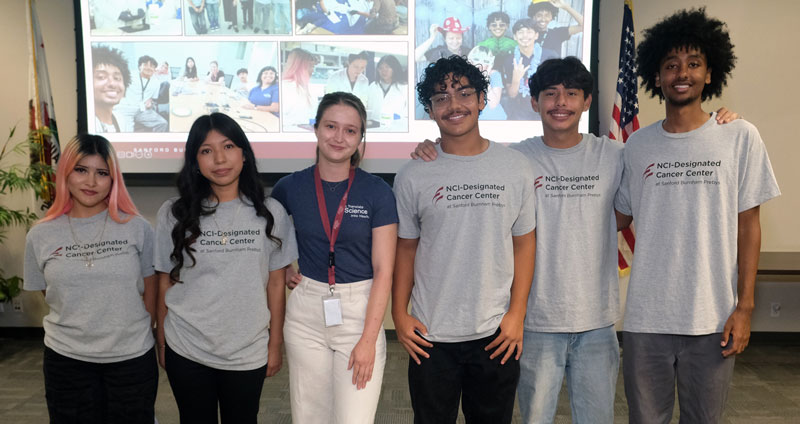
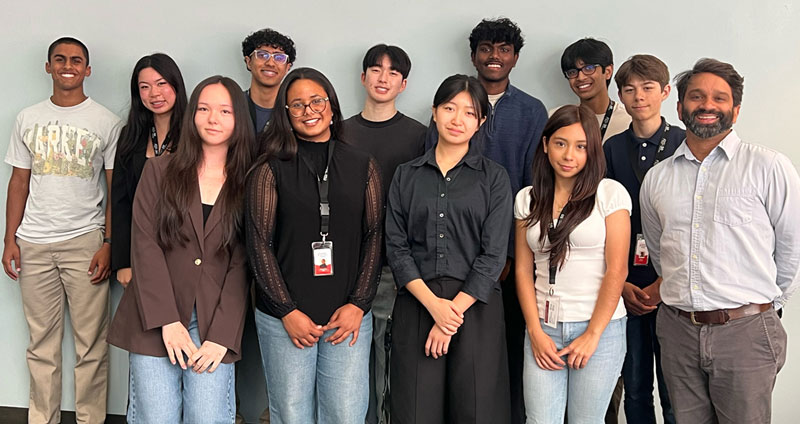
Summer at Sanford Burnham Prebys was all about discovery and learning for the next generation of scientists. Participants in our Preuss School and CIRM SPARK programs gained hands-on research experience alongside Sanford Burnham Prebys scientists. Thank you to all the scientists and mentors who made these experiences possible. Read more about our summer interns at Sanford Burnham Prebys:

Preuss interns

SPARK interns

Science in pictures

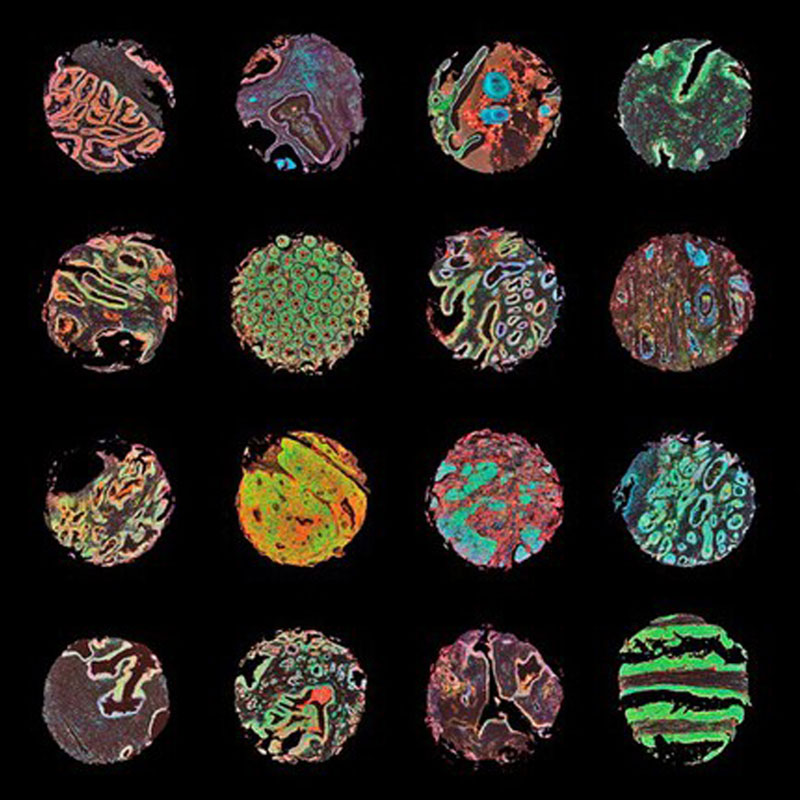
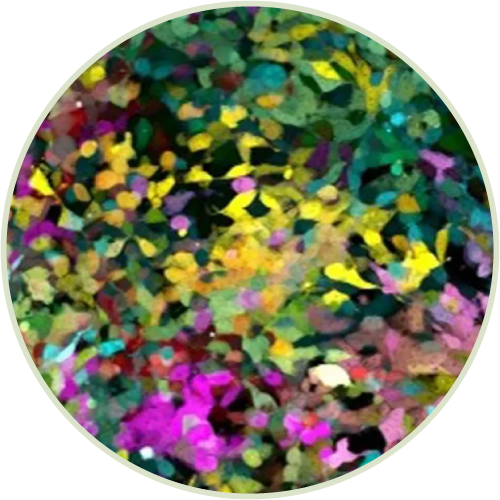
Connective tissue is the most abundant and diverse tissue type in the human body, colorfully illustrated here with five different fluorescent proteins. Image courtesy of Daniela Malide, NIH.

Contact us:
Sanford Burnham Prebys Medical Discovery Institute
10901 North Torrey Pines Rd
La Jolla, CA 92037
Email:
info@sbpdiscovery.org
Media inquiries:
press@sbpdiscovery.org

Website: sbpdiscovery.org

LinkedIn    Facebook    Instagram    YouTube    Bluesky

Sanford Burnham Prebys | 10901 N Torrey Pines Road | La Jolla, CA 92037 US