|
By Roni DenglerApr. 16, 2018 , 2:15 PM
When John Harley lost a friend to lupus while in medical school, he vowed to get to the bottom of the disease, a chronic autoimmune disorder that causes fatigue, joint pain, skin rashes, and sometimes death. Now, some 40 years later, Harley says he’s found a “smoking gun.” The Epstein-Barr virus (EBV), which infects some 90% of Americans, may cause changes in gene expression that dramatically increase a person’s chance of getting lupus and six other autoimmune disorders, a new study by Harley and colleagues shows.
Scientists have known for decades that EBV, which causes an infectious disease named mononucleosis or “kissing disease,” is also linked to several autoimmune disorders, including multiple sclerosis and rheumatoid arthritis. And children infected with EBV are up to 50 times more likely to eventually develop lupus, which currently has no cure. But an explanation for the links remained elusive.
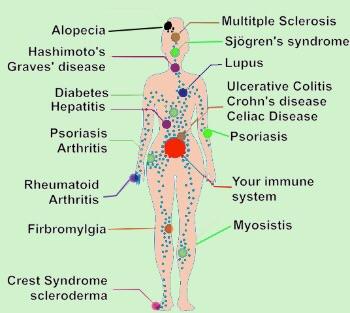
The team assessed five EBV proteins. One of those, called Epstein-Barr virus nuclear antigen 2 (EBNA2), interacts with nearly half of the genetic risk loci associated with lupus in people with European ancestry, they found. (The other four EBV proteins had no interaction with the variant genes.) The team then extended its analysis to include genetic risk variants associated with hundreds of illnesses beyond lupus. EBNA2 increases the risk of developing six other autoimmune diseases, the team reports today in Nature Genetics, including multiple sclerosis, rheumatoid arthritis, and type 1 diabetes.
|