|
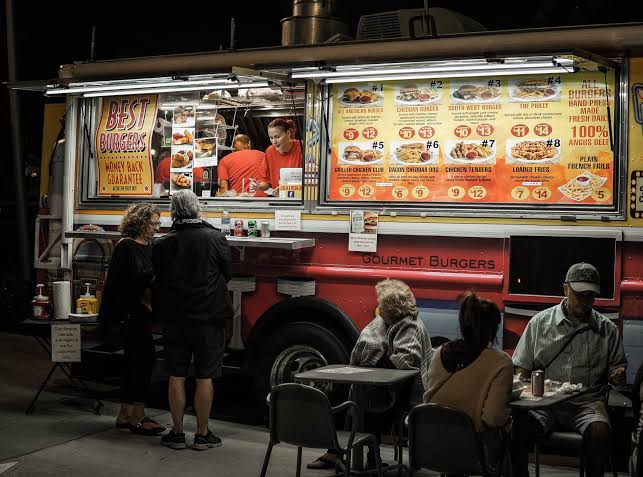
Food trucks, or mobile food units, are a hot topic within the FOG and wastewater industry. While they serve as great small business incubators, and a convenient way to grab a casual meal, they also come with a unique set of public health and water management challenges. Food trucks are essentially restaurants on wheels and must meet the same FOG and wastewater regulations applicable to restaurants and other food service establishments.
We recently published a free online training module that dives into the details of managing food trucks within a municipal FOG or pretreatment program. From wastewater disposal to outreach and inspections, this module provides FOG inspectors and other municipality or public utility staff with the knowledge and tools to ensure that food trucks operationally comply with current regulations.
We also wanted to share 3 standout resources that are helpful for both regulators and food truck owners themselves:
-
Washington Stormwater Center webinar that covers how to prevent pollution from food trucks. This ~40 minute webinar covers best management practices, current regulation in the state of Washington, and a expert led Q & A session.
-
Keep it Clean Partnership's one page fact sheet that clearly and succinctly covers food truck cleaning, FOG management, and spill response.
-
CleanShift, a University of Washington Earthlab project, offers safety and health tips for food trucks on their webpage, including a 6 step safer cleaning process and short, informational video.
Check out these free resources and share with food trucks within your jurisdiction to ensure proper FOG and wastewater management, prevent pollution, and promote safe and healthy food truck operations.
|