Avian Flu Update


Dear Seneca Lake Community,


We want to keep you informed about the ongoing Avian Flu situation, as we continue to receive concerns about dead snow geese along the shoreline.


Recently, homeowners in Lakeshore Landing (Romulus) reported an unusually high number of dead snow geese in the area. On January 10, 2025, the DEC collected goose carcasses, which were sent to Cornell University for testing on January 13. The results are now in—confirming that these geese tested positive for Avian Influenza (AI), as suspected.


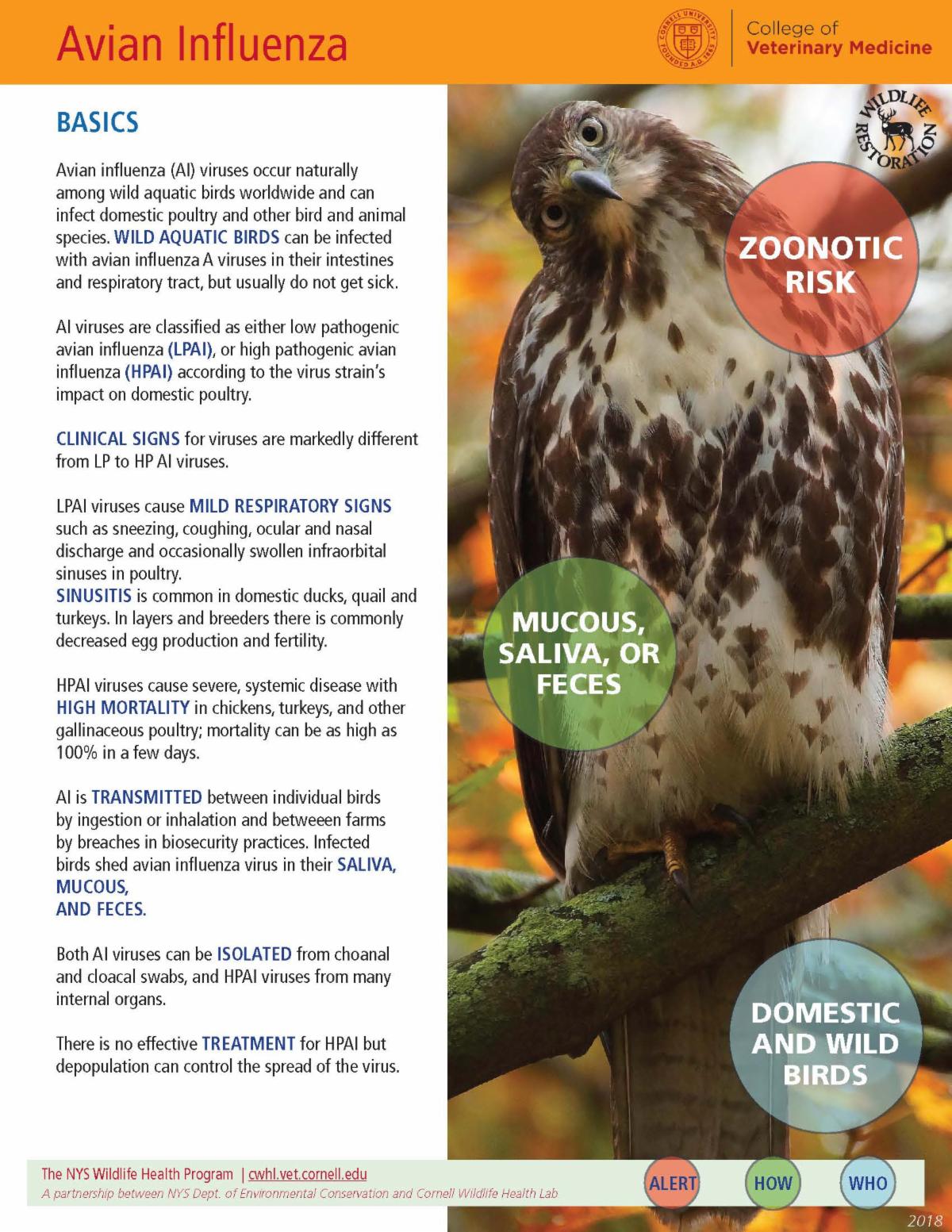
Avian Flu is commonly present in local waterfowl populations at low levels, occasionally causing flare-ups like this one. Unfortunately, these results are not surprising, as AI is on the rise nationally.


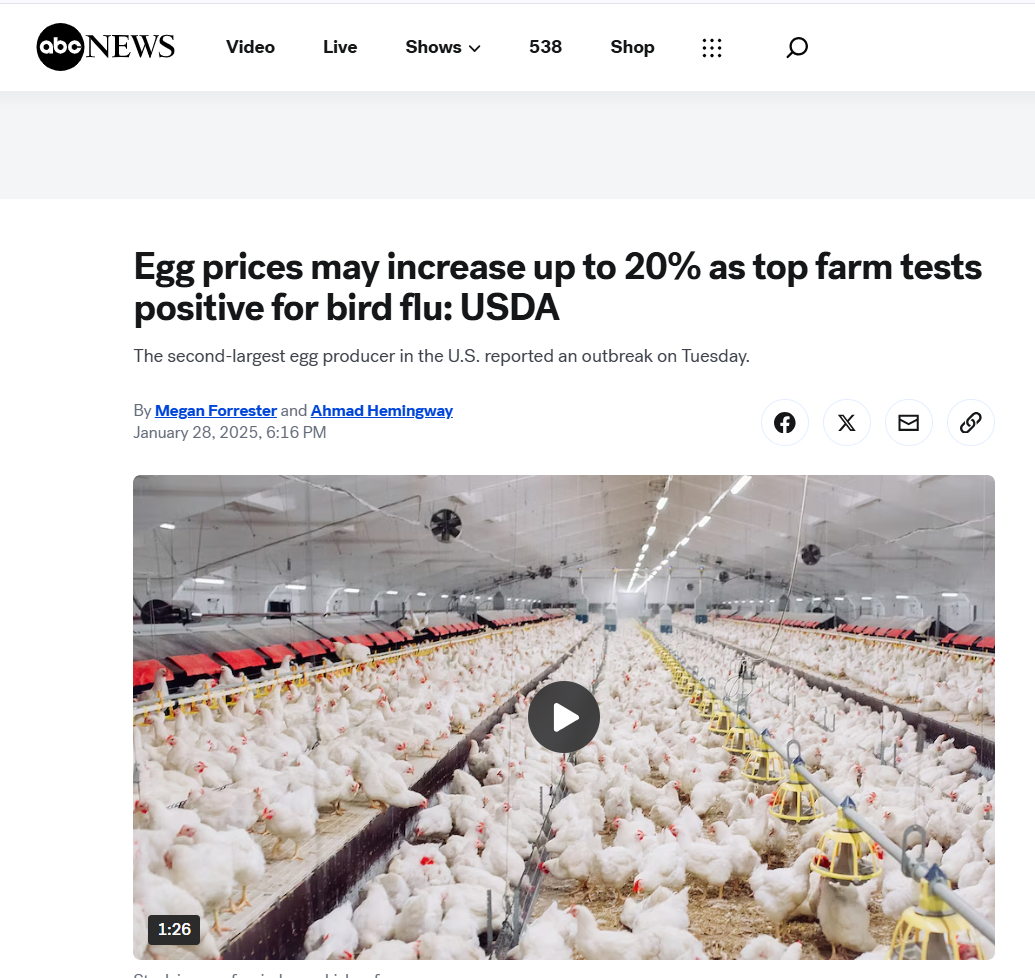
You may have also noticed rising egg prices at the grocery store. Major news outlets, including CNN, CBS, and ABC, have reported on how Avian Flu outbreaks are impacting the poultry industry. Read more here.


Dead Snow Geese Reported Around Seneca Lake

Since the initial reports of dead geese in Romulus, we have received additional concerns from community members about dead geese in Cottonwood Cove and, most recently, along Kashong Point, where an estimated 50–60 birds have been found along just a few shoreline properties. So far, only snow geese appear to be affected in the reports we have received, but that could change, as Avian Flu can infect other bird species as well. We are in contact with local town officials and the DEC Regional Wildlife Staff to help coordinate the removal of such a large number of birds.

What to Do If You Find Dead Snow Geese

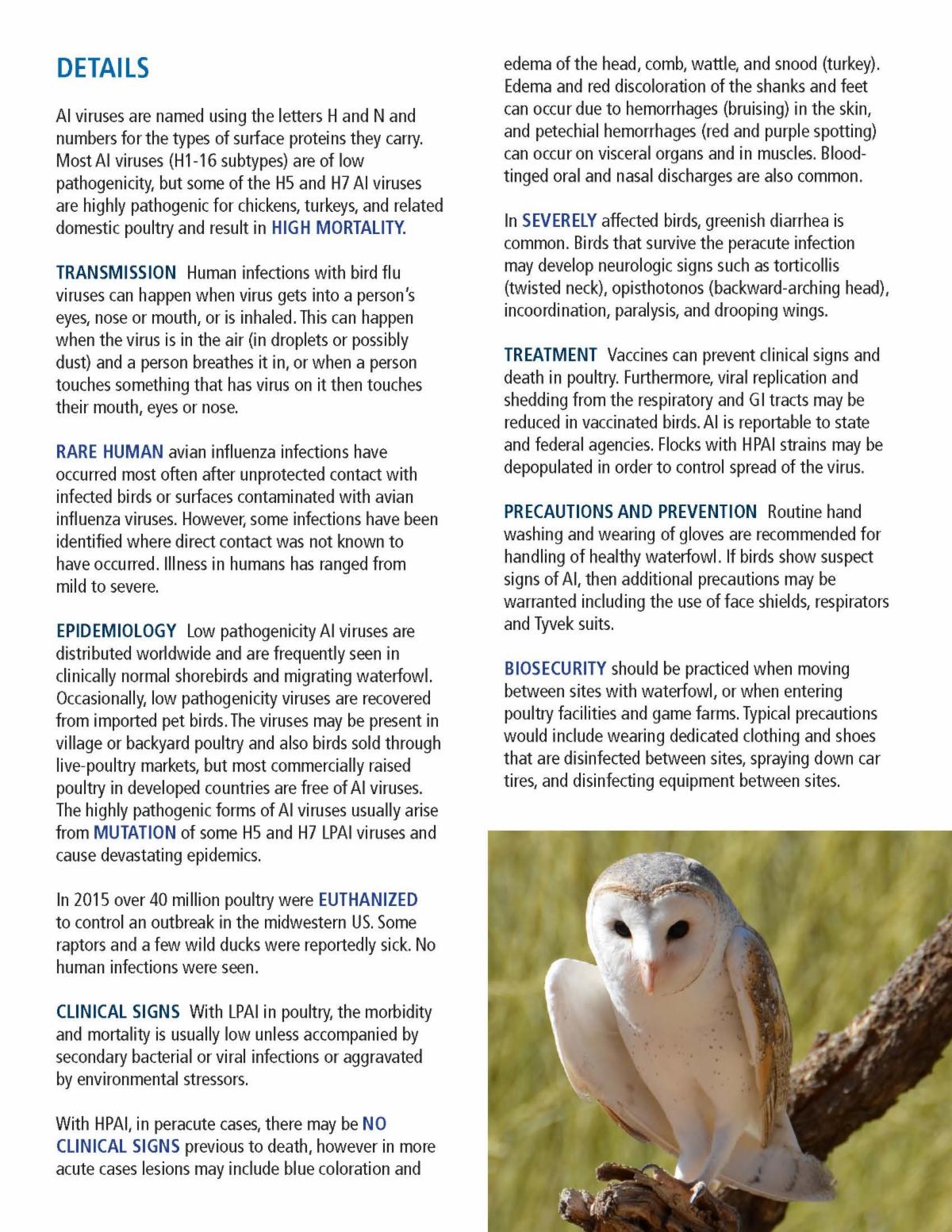
Since Avian Flu spreads through mucus and feces, it’s crucial to avoid contact with birds' eyes, mouth, or droppings.


Here’s what you need to know to stay safe:

  • Limit contact with dead wildlife unless absolutely necessary.
  • Keep pets and children away from deceased birds.
  • If you must handle a carcass, wear disposable gloves and eye protection (sunglasses are fine). Wash reusable gloves immediately after use.
  • Double-bag carcasses and dispose of them in your regular trash.
  • Wash any clothing or surfaces that come into contact with dead wildlife immediately.


Injured or sick birds should not be handled. Please share this guidance with your neighbors, especially those with free-ranging pets or poultry, to help prevent the potential spread of AI. We will keep you updated via our social media channels on Facebook and Instagram. If you have any questions or concerns, please don’t hesitate to reach out.


To report concerning wildlife deaths or ask questions, call the NYDEC regional wildlife hotline at 585-226-5380. DEC staff are available to answer calls during normal business hours (Monday–Friday, 8:30 AM–4:45 PM).


If you find dead birds—especially multiple individuals or different species in one location—please report them using the NYSDEC Avian Influenza Reporting Form.


For more information, visit NYDEC’s website.


Thank you for helping keep our community safe.


Sincerely,

Emily DeBolt

Association Director

Seneca Lake Pure Waters Association

Resources to Learn More

CDC Avian Flu Update

H5 Bird Flu: Current Situation


What to Know:

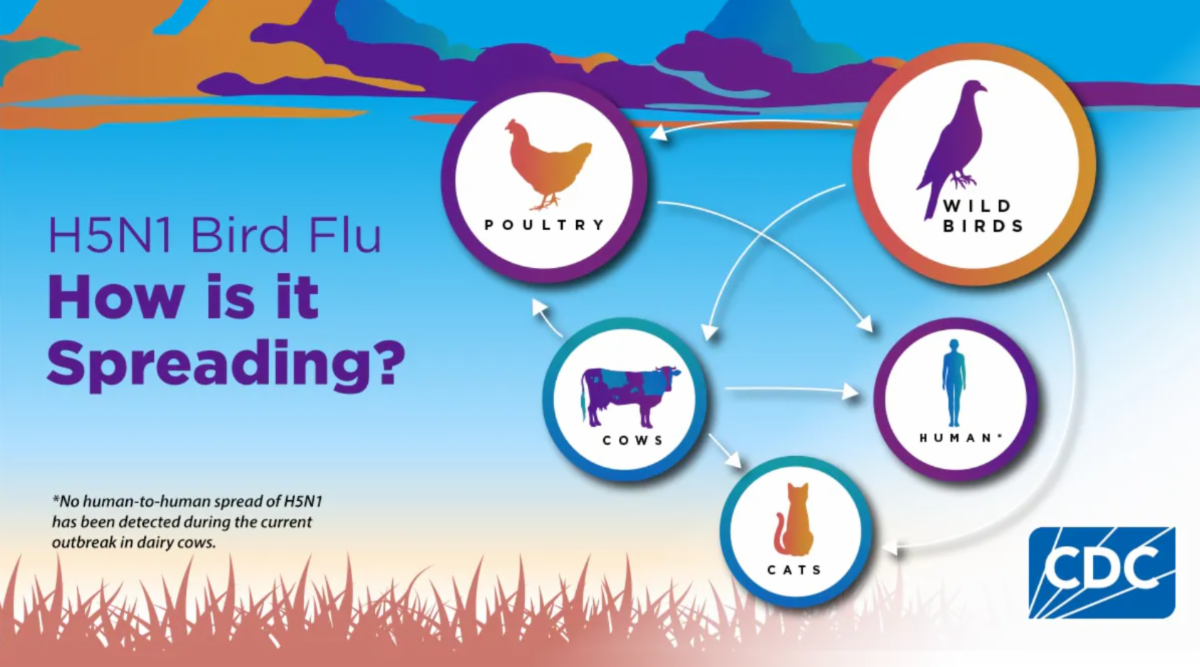
  • H5 bird flu is widespread in wild birds worldwide and has caused outbreaks in poultry and U.S. dairy cows, with several recent human cases among dairy and poultry workers.
  • While the current public health risk remains low, the CDC is closely monitoring the situation and working with states to track individuals exposed to infected animals.
  • The CDC is using flu surveillance systems to detect any H5 bird flu activity in humans. Learn more here.


Cornell Wildlife Health Lab

Highly Pathogenic Avian Influenza Updates: Stay informed about the number and location of Avian Flu cases in New York State. Click here for updates.

Facebook  Instagram  YouTube
X Share This Email
LinkedIn Share This Email