The Michigan Oral Health Coalition (MOHC) works to create a large, interconnected network of national, state and local advocates dedicated to working collaboratively on advocacy, education and awareness of oral health. We strive to keep our members informed on topics relevant to today's oral health advocates. The mission of MOHC is to equitably optimize oral health for all Michiganders. | | |
State Budget Update
Lawmakers Pass General Omnibus, School Aid Budget
On July 3, the Michigan State House and Senate came to an agreement on a Fiscal Year 2026-2027 (FY 27) budget. On paper, the FY 27 budget totals $75.2 billion. However, the budget authorizes $86.4 billion in spending after federal Medicaid taxes and federal K-12 appropriations were shifted into boilerplate and not included in the topline.
Overall, the budget avoids major cuts to Medicaid programs, including the adult Medicaid dental program, despite not including new tax revenue streams to generate additional dollars as proposed in Governor Whitmer’s Executive Recommendations.
In the General Omnibus, which totals $52.3 billion ($12.9 billion GF/GP), notable oral health investments include:
- $4.26 million to continue funding the Kindergarten Oral Health Assessment Program.
- $3 million to maintain the Medicaid reimbursement rates at ambulatory surgery centers ($1,495) and outpatient hospitals ($2,300) for dental services.
- $2.9 million to Northwest Michigan Health Services to open a larger clinic to support United We Smile.
- $2.5 million to North Central Michigan College to create a new dental hygiene program.
- A $1.5 million reappropriation from FY 26 to fund a pediatric and sedation dentistry clinic.
- $1 million to My Community Dental Centers for equipment and technology upgrades.
- $1 million for the University of Detroit Mercy School of Dentistry.
- $200,000 in continued funding for a volunteer dental program that provides services to the uninsured.
Additionally, the budget assumes $45.8m ($11.3m General Fund) in cost savings through the expansion of the Healthy Kids Dental contract to include managed care adult dental services.
Governor Gretchen Whitmer signed Michigan’s fiscal year 2027 budget on July 21, which avoids major cuts to Medicaid programs and includes $54.3 million to support implementation of new federal SNAP and Medicaid work requirements.
Election update
McMorrow Drops U.S. Senate Bid
A day after the July 4 holiday, State Senator Mallory McMorrow announced she was ending her campaign to seek the U.S. Senate Democratic nomination. Just a few months ago the race was widely seen as a three-way race between McMorrow, U.S. Representative Haley Stevens and former public health official and epidemiologist Abdul El-Sayed.
With McMorrow out, who largely walked the line between the Democratic establishment and the party's left wing, the remaining two candidates, Stevens, an establishment Democrat, and El-Sayed, a progressive, will now compete to win over her supporters in what is still expected to be a closely contested primary. The primary election date is Tuesday, August 4.
Regulatory Update
MDHHS Announces Healthy Kids Dental Plan Changes
The Michigan Department of Health and Human Services (MDHHS) announced that, effective October 1, 2026, Delta Dental of Michigan will become the sole Healthy Kids Dental (HKD) plan. New enrollments into the Blue Cross Blue Shield of Michigan HKD plan ended July 1, 2026, and current Blue Cross Blue Shield HKD members will automatically transition to Delta Dental on October 1.
Providers accepting both HKD plans will undergo minimal changes, and prior authorizations approved by BCBS will be honored by Delta Dental for 90 days. Providers who only accept the BCBS HKD plan will have the option of joining the Delta Dental network. Members whose providers do not join the Delta Dental network will be reassigned to a participating provider.
Beneficiaries currently enrolled in the BCBS HKD plan will receive a notification of the upcoming change from MDHHS and BCBS, and another from Delta Dental once their plan officially switches.
MDHHS has also released a Notice of Proposed Policy for this change. Comments are due August 20, 2026, with an expected effective date of October 1, 2026.
Rural Health Transformation Funding Opportunity
MDHHS recently announced a number of grant funding opportunities for the Rural Health Transformation Program (RHTP).
The Workforce for Wellness initiative funding opportunities are:
- Maternal Health Provider Training: $5,000,000.
- University-Led Master of Social Work Award Program: $7,000,000.
- Rural Health Provider, Recruitment, and Retention Program: $14,731,500.
- Limited License Master of Social Work Supervision Stipend Program: $2,500,000.
- Bachelor of Social Work to Clinical Master of Social Work Stipend Program: $5,000,000.
The Provider Recruitment and Retention opportunity totals $14,731,500 and will increase access to care and improve health outcomes for rural residents by creating and implementing innovative workforce solutions. Successful applicants will plan to attract, train, or retain a high-skilled health care workforce by strengthening recruitment and retention of health care providers in rural communities.
The Improving Care and Access Through Transportation opportunity totals $12,000,000 with a goal of making efficient and people-centered healthcare through transforming how rural residents access care.
The Diabetes and Hypertension Management and Education opportunity totals $2,500,000 and has a goal of supporting Michigan’s rural health providers and community organizations in advancing innovative, collaborative approaches to chronic disease prevention and management
Those wishing to apply or learn more about initiatives through the different press releases, can access those materials here.
| |
Federal Updates
At the federal level, new student loan limits for dental and other professional students took effect July 1. The changes eliminate new Grad PLUS loans and limit federal borrowing for professional students to $50,000 annually and $200,000 in total professional-school debt. New Medicaid work and community engagement requirements are scheduled to begin Jan. 1, 2027, although several states are challenging federal implementation rules amid concerns that administrative and reporting requirements could cause eligible individuals to lose medical and dental coverage.
Congress is also considering several bills related to oral health and workforce development. The bipartisan Action for Dental Health Act has advanced to the full House and would continue federal support for programs addressing dental workforce shortages and access to care in underserved communities. Additional proposals would support team-based health professions education and reauthorize federal oral health promotion and disease-prevention programs. Read more from the American Network of Oral Health Coalitions (ANOHC) federal policy update.
| | 2026 MOHC Oral Health Award Recipients | | |
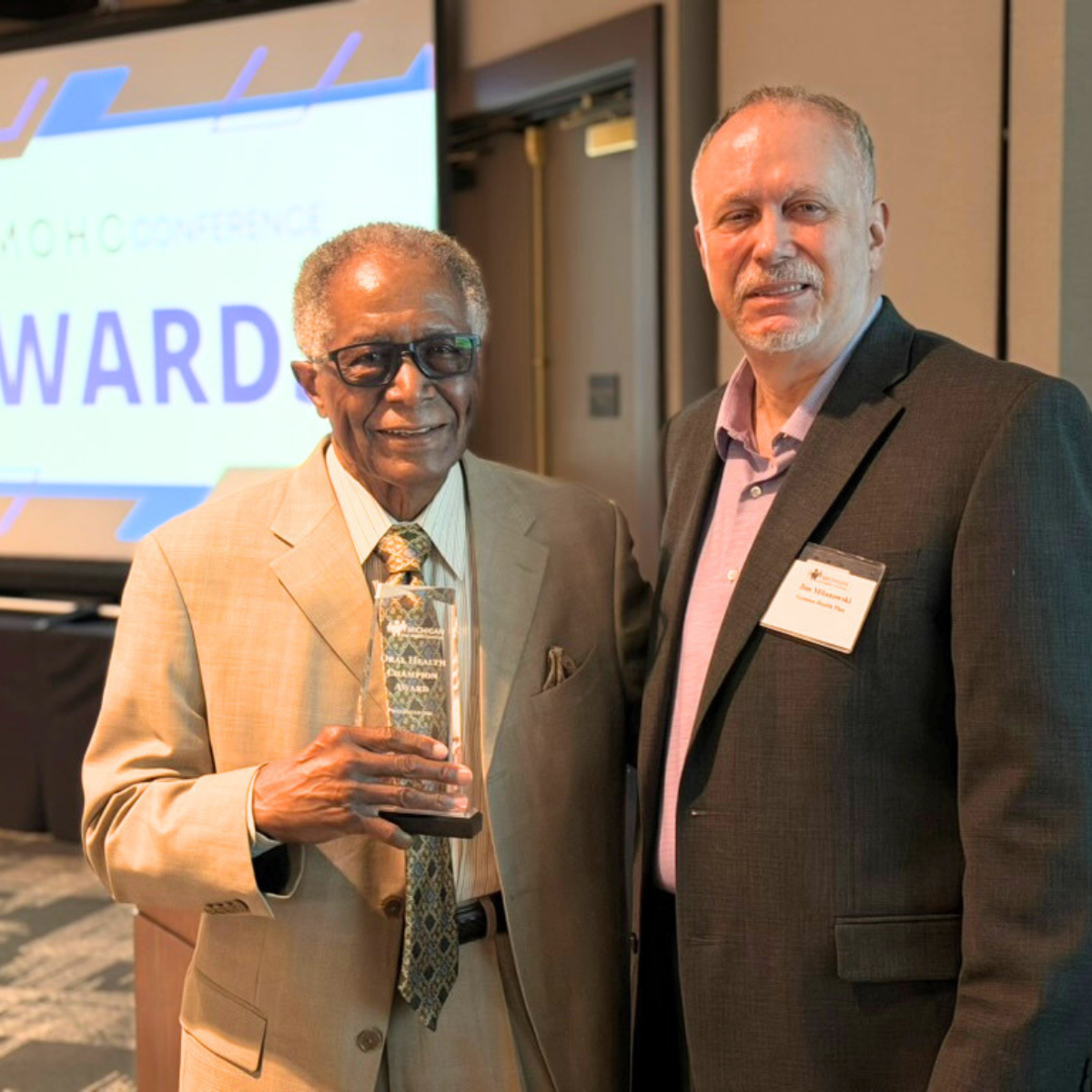
The Michigan Oral Health Coalition honored five outstanding individuals and organizations during the 2026 MOHC Conference. This year’s recipients were recognized for protecting Medicaid dental coverage, expanding access to care, advocating for community water fluoridation, supporting veterans and strengthening community-based oral health services. Honorees included Rep. John Roth, Dr. Raymond Gist, Frank Lombard, Dave Campana, RPh, and the Health Department of Northwest Michigan.
Read more about the 2026 award recipients and their contributions to oral health in Michigan.
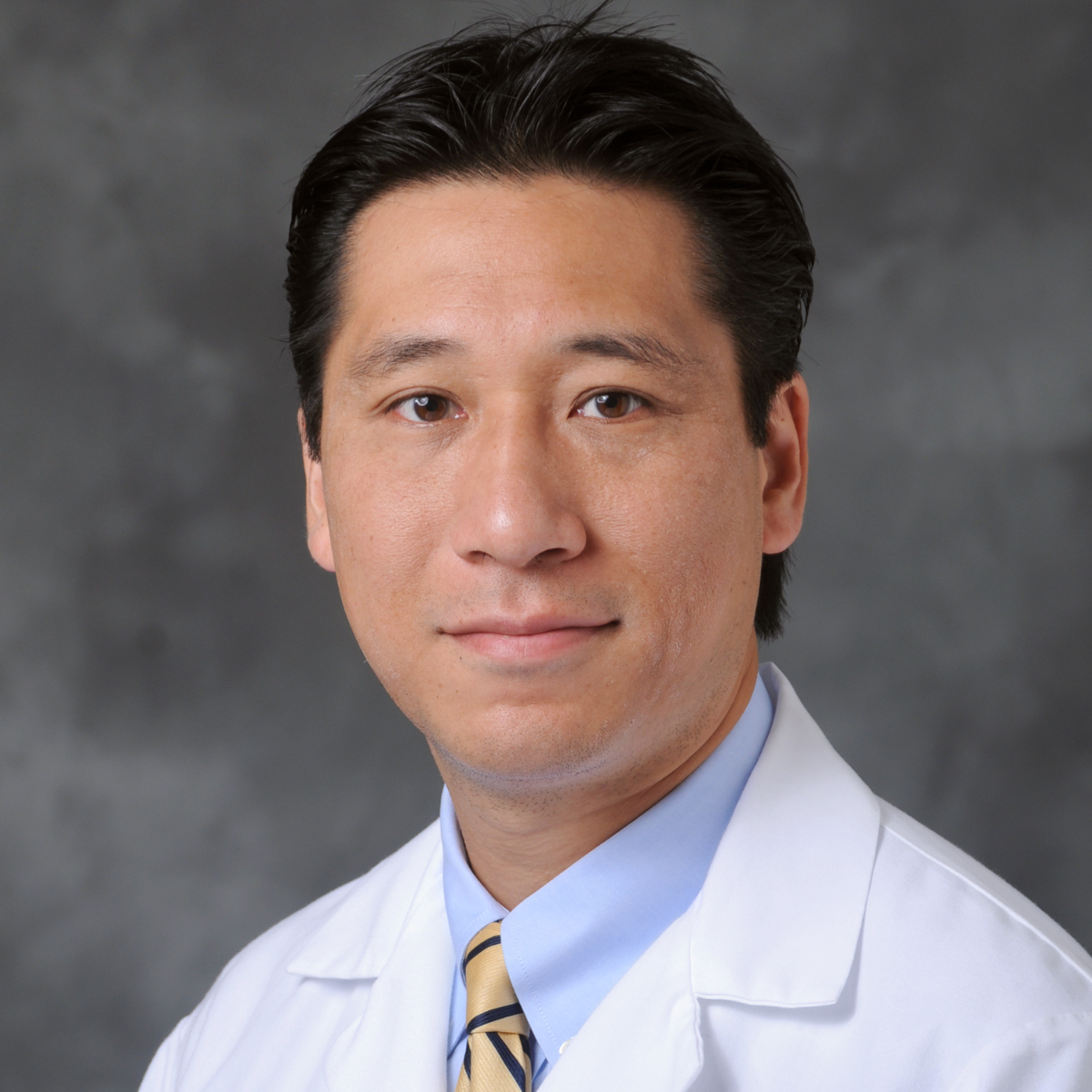
| Welcome New MOHC Board Members | MOHC is pleased to welcome three new members to its Board of Directors: Steven Chang, MD, chair of the Department of Otolaryngology-Head and Neck Surgery at Henry Ford Health; Bryce Fisher, government affairs director for My Community Dental Centers; and April Stopczynski, manager of access and prevention for the Michigan Dental Association. Together, they bring extensive experience in oral health access, Medicaid policy, government affairs, public health, medical integration and head and neck cancer care. Their expertise will strengthen MOHC’s work to advance oral health and improve health outcomes for communities across Michigan. | | Community Water Fluoridation Update | | |
Community water fluoridation continues to face increased scrutiny in Michigan, even though more than 90% of residents served by community water systems have access to fluoridated water. Because Michigan law does not allow the state to require communities to fluoridate, these decisions are made locally.
The St. Clair County Health Department has released a draft regulation related to fluoride addition in community water supplies and is seeking public input ahead of a hearing scheduled for Tuesday, July 28, at 5:30 p.m. in Port Huron. The proposed regulation does not immediately prohibit community water fluoridation, but would create a county-level framework tied to the U.S. Environmental Protection Agency’s fluoride standard. If that standard changes in the future, affected water systems would be required to reduce or discontinue fluoride addition or provide public notice of their intent to continue. MOHC is monitoring this issue closely because of its potential impact on community water fluoridation in St. Clair County and possible implications for other Michigan communities.
The Hillsdale Board of Public Utilities (BPU) is also reviewing its community water fluoridation practices. A BPU water subcommittee indicated that public input has generally favored continuing fluoridation. Its current position is to maintain the existing practice while referring the broader question to the Hillsdale City Council for additional public discussion at their meeting on Monday, August 3.
The Huron Shore Regional Utility Authority (HURA), which supplies water to several communities in Iosco County, is considering ending fluoridation. A proposed resolution is expected to be presented to each member municipality for consideration. MOHC and its partners are monitoring this and other local developments and working to ensure decision-makers have access to credible information about the oral health benefits of fluoridation. Read more
| | Michigan Medicaid Dental Corner | | |
Michigan’s Medicaid dental benefit has expanded in recent years, bringing higher reimbursement, broader coverage, and fewer administrative barriers. This section is here to help your team navigate Medicaid dental with confidence.
Each month, we’ll answer one practical question to help Michigan dental teams better understand Medicaid dental and navigate the process with confidence. Have a question you’d like us to cover? Email us at: info@mohc.org
Q: What does the latest report tell us about Michigan’s Adult Medicaid dental benefit redesign?
A: Michigan’s Adult Medicaid dental benefit redesign continues to show measurable progress in provider participation, dental visits and access to covered services.
Between fiscal years 2022 and 2025, the number of managed care dental providers who delivered at least one Medicaid dental service increased from 1,691 to 2,381, a 40.8% increase. Overall dental provider enrollment increased by 32% following the redesign, with 1,330 new providers enrolling after Oct. 1, 2022.
Medicaid dental utilization also increased. The total number of dental visits grew from 490,988 in fiscal year 2022 to 705,878 in fiscal year 2025, an increase of approximately 44%. During the same period, the number of managed care beneficiaries receiving dental services increased by 58.1%.
In addition to increasing reimbursement, the redesign expanded coverage for services that can help patients maintain their oral health and preserve their natural teeth. Expanded benefits include crowns, root canals, periodontal services, sealants and fluoride treatments for eligible beneficiaries. Prior authorization was also removed for some services, although providers must continue to follow applicable frequency, documentation and health plan requirements.
These findings suggest that the redesign has helped strengthen Michigan’s Medicaid dental provider network and increase the use of dental services. Continued provider participation, patient outreach and care coordination will remain essential to ensuring that people covered by Medicaid can receive timely and comprehensive oral health care.
Provider Resources: Dental professionals can review the Michigan Medicaid Provider Manual for current coverage, billing and reimbursement policies; visit MDHHS Medicaid Dental Provider Enrollment resources for CHAMPS enrollment information; review the Dental Fee Schedule and Code and Rate Reference tools for reimbursement details; and contact Medicaid Health Plans directly for network participation and plan-specific processes.
| | State Working to Ensure Families Keep Their Health Care Coverage | | |
The Michigan Department of Health and Human Services (MDHHS) is preparing to implement federally required changes to Medicaid due to the passage of H.R. 1. Among the changes are new work requirements and more frequent eligibility checks for some individuals enrolled in the Healthy Michigan Plan (HMP).
“Health care coverage plays a critical role in helping people access preventative care, manage chronic conditions and stay healthy,” said Amy Epkey, MDHHS acting director. “Our priority is helping beneficiaries understand these new requirements so they can comply and we can keep as many eligible Michiganders covered as possible.”
Beginning in January 2027, certain HMP members between the ages of 19 and 64 may need to meet new work requirements or qualify for an exemption to maintain coverage. People who are not exempt will be able to meet the requirements through various approved activities including working, volunteering, going to school or participating in a work program.
Read the full press release from MDHHS.
| | DDF Offers Nonprofit Mini-Grants | | |
The Delta Dental Foundation is offering grants up to $10,000 to community organizations and programs that promote or provide oral health care and initiatives that align with their strategic aims in Michigan, Ohio, and Indiana. Applications are being accepted through July 31. Click to learn more.
| |
Save the Date for MOHC’s 2027 Events | |
Mark your calendar for two opportunities to connect, learn and advocate with Michigan’s oral health community. MOHC Advocacy Day will take place Wednesday, April 28, 2027, followed by the MOHC Annual Conference on Thursday and Friday, April 29–30, 2027, at the DoubleTree in Lansing. Additional details, including registration and programming information, will be shared in the coming months.
| | 2026 ADTA Annual Conference | | |
Join dental professionals, educators, students, advocates and partners from across the country for the American Dental Therapy Association’s 2026 Annual Conference, Aug. 10–12 at The Westin Book Cadillac Detroit. This year’s theme, Rooted & Rising: Dental Therapy Education, Identity & Opportunity, will explore workforce development, education, access to care, advocacy and innovation in oral health. The conference is open to all dental professionals and offers opportunities to earn continuing education credit, build connections and participate in a national conversation close to home. Click to learn more and register.
| | Free Continuing Education | | |
CareQuest Webinar
Overcoming Oral Health Disparities:
Evidence for New Approaches
Date: Thursday, July 30
Time: 7-8 p.m.
CEU: 1
Click to register
| | |
MOHC Webinar
Improving Antibiotic Use in Oral Health Practice
Date: Friday, August 14
Time: 9:30-10:30 a.m.
CEU: 1
Click to register
| |
CareQuest Webinar
Veteran Oral Health
Date: Thursday, August 27
Time: 7-8 p.m.
CEU: 1
Click to register
| | |
OPEN Webinar
Epidemiology and Effects of Opioid Prescribing by U.S. Dentists
Date: Available Anytime
CEU: 1
Click to register
| | MOHC is pleased to share our Community Water Fluoridation (CWF) Toolkit; an evidence-based resource designed to support communities across Michigan. The toolkit includes practical guidance, customizable outreach materials, educational resources, and policy tools to help communities understand, communicate, and sustain fluoridation efforts. | |  | MOHC and Michigan Department of Health and Human Services, in collaboration with partners across the state, are proud to announce the release of the Michigan State Oral Health Plan 2030. This strategic plan outlines a shared roadmap for improving oral health across Michigan over the coming years. | | |
Become an MOHC Member
Over the past 23 years, MOHC has advocated for policies and programs that improve oral health for all Michiganders. Our members and partners share a vision that all Michiganders have the knowledge, support, and care they need to achieve optimal oral health.
Why Join MOHC?
Advocacy: We drive policies to improve access to care, including increased Medicaid dental rates, expanded services, and stronger support for safety net clinics.
Education: Offering cutting-edge training on oral health innovations, providing oral health care to people with disabilities, value-based care, and preventive strategies like fluoride, sealants, and HPV vaccinations.
Workforce Development: Cultivating a diverse and culturally competent oral health workforce to better serve Michigan’s communities.
Public Health Leadership: Advocating for initiatives like community water fluoridation, Kindergarten Oral Health Assessments, and HPV vaccination awareness.
Our partnership and membership options, which renew on the calendar year, provide the foundation for MOHC to pursue its mission to optimize oral health for all Michiganders equitably.
| | | | | |