Disrupting Borders: Considering Transnational Migration, Cultural Transition, and Intersectional Identities in the Delivery of Performance and Well-Being Support Services for International Athletes
Co-Sponsored by the British Association of Sport and Exercise Sciences (BASES)
|
|
Wednesday, February 28, 2024
11:00 am - 12:15 pm EST
4:00 pm - 5:15 pm UTC
|
|
There is no cost to attend, but registration is required. |
|
SPEAKERS
-
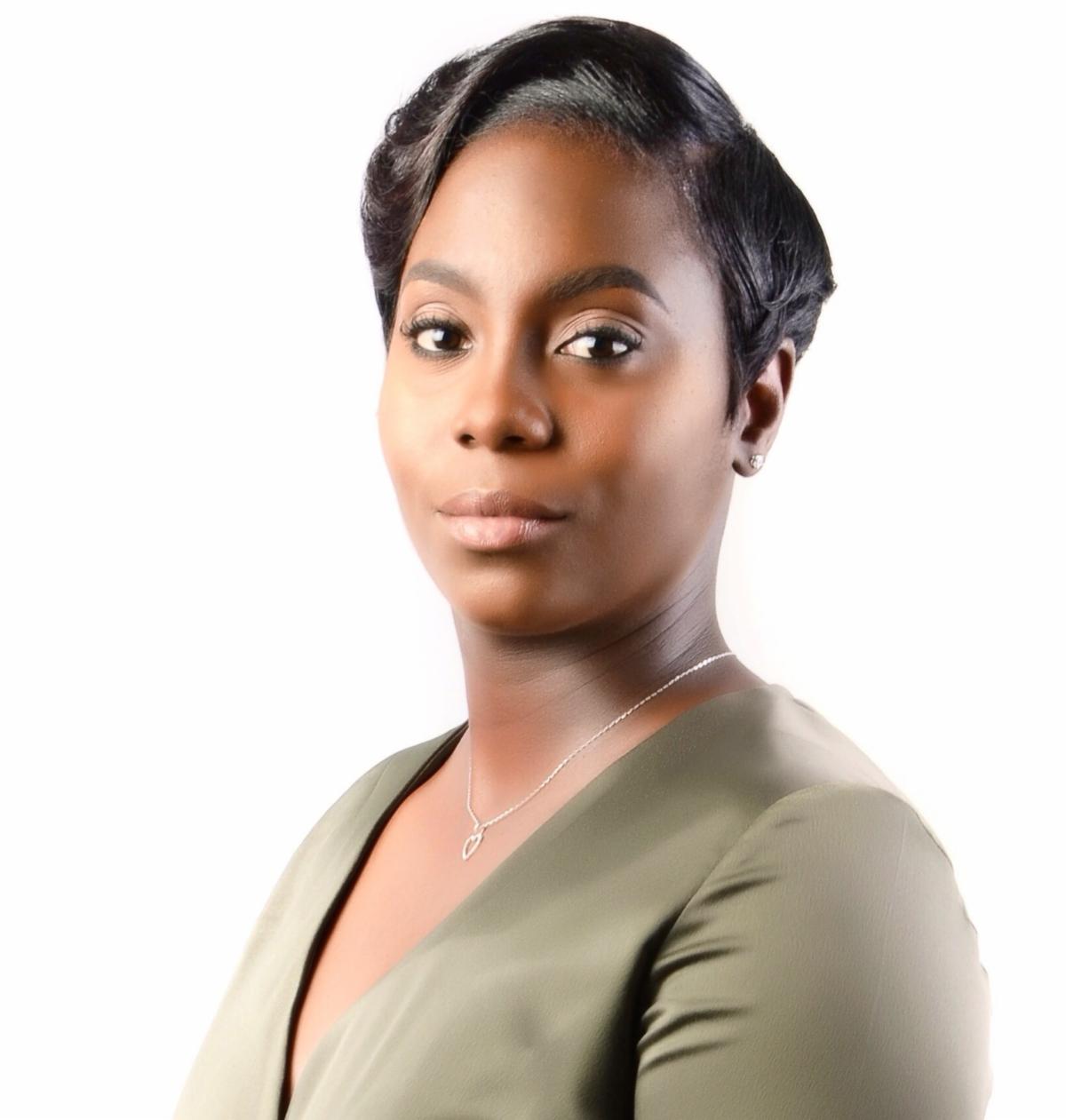
Dawn-Marie Armstrong, BSc., MSc., DSportExPsy, CPsychol, AFHEA, HCPC, Loughborough University
-
Thierry Middleton, PhD, FHEA, University of Portsmouth
-
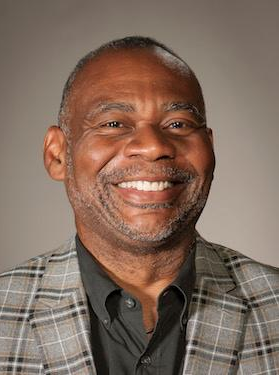
Robert Owens, EdD, LCMHC, CMPC, CSCS, CPSS, TSAC-F, Valor Performance
-
Shameema Yousuf, MSc, MEd, CMPC, MBACP, Empower2Perform (Moderator)
OVERVIEW
International sports migration has become a burgeoning area of interest in sport studies scholarship over the last few decades (Besnier et al., 2018; Carter, 2013). Though under-represented in the sport psychology literature, the experiences of international athletes migrating across borders during their athletic careers (cf. Paul & Yeoh, 2020) should be of interest to applied sport psychology practitioners. Some of these athletes inhabit multiple, intersectional identities and may encounter sociocultural and geo-political structures designed to create barriers to transnational mobility, and forestall the athlete’s rights for self-determination (Yousuf, 2022; Yousuf, in review). Given the global flow of athlete migration, practitioners should consider how international athletes cope and adapt within host nations vis-à-vis the processes of acculturation (Chirkov, 2009; Schinke et al., 2015). Furthermore, to understand and examine the experiences of athletes with multiple, intersectional identities requires an understanding of the social structures that seek to disempower or privilege particular athletic identities or bodies over others. These structures have the power to render bodies and (intersectional/transnational) identities immobile, invisible, marginal, and/or vulnerable to the cultural imaginaries of the host nation. How international student-athletes can culturally transition (Ryba et al., 2016) within collegiate environments in their host countries and continue to sustain optimal athletic performance (Streno et al., 2020) is a matter for consideration. Through research, illustration, personal stories, and mediated accounts, the speakers in this webinar will explore dominant worldviews that promote and sustain practices that are either incongruent with an athlete’s status, values, and belief systems or fall short of demonstrating the psychological care and safety needed for optimal performance.
|
|
|
LEARNING OBJECTIVES
Participants will:
- Appreciate and recognize the historical, sociocultural, and geo-political antecedents for athlete performance and well-being
- Gain an understanding of theoretical frameworks related to culture and sport
- Recognize the stressors associated with transnational mobility
- Learn how to engage in cultural reflexivity when consulting with athletes who have intersectional and transnational identities
- Learn how to broach conversations on culture and identity with humility and respect
- Learn how to deliver interventions that supplement prevailing multicultural sport psychology approaches, and go beyond Western-based philosophies to center alternative ethical frameworks and psychologies
CE CREDIT
This program has been approved for 1.25 CEUs in the area of Diversity to partially meet the continuing education recertification requirement for Certified Mental Performance Consultants® (CMPC).
PROGRAM FORMAT
You can attend an AASP webinar from your home or office. All you need is an internet connection. You can see the presentation slides on your computer or mobile device, and listen to the audio through your device, or call in with a phone. Registrants will be provided with login information the day prior to the session. The webinar will also be archived for those who wish to watch it at a later date.
|
|
|
|
|
|
|