Beneficial Electrification League
Spring Update
| | |
In this Newsletter:
- Note from BEL President
- Join our Webinar Debriefing the First 100 days of the Trump 2.0 Administration
- USDA Lifts Freeze on REAP/New ERA/PACE Funds
- Reflections from BEL's Meetings on the Hill and with US Secretary of the Interior Burgum
- New Local Beneficial Electrification Video on Home Improvement
- Clean School Bus Program Moves Forward in New Administration
-
Study Indicating Electric Energy Growth through 2050 at 2%
| | |
Actions and impacts related to the change in the Administration are the hot topic in the energy dialogue these days, and there’s more to discuss regarding the ongoing developments than we can possibly cover in this newsletter. With that in mind, we’ll provide a high-level overview of our insights after nearly two months of round-the-clock engagement with stakeholders and industry leaders, as we continue our work to help navigate the changes within our stakeholder community. We have been offering our sponsors and stakeholders webinars and technical assistance to adapt to the changes. Please do not hesitate to reach out for tailored support.
Our key takeaways:
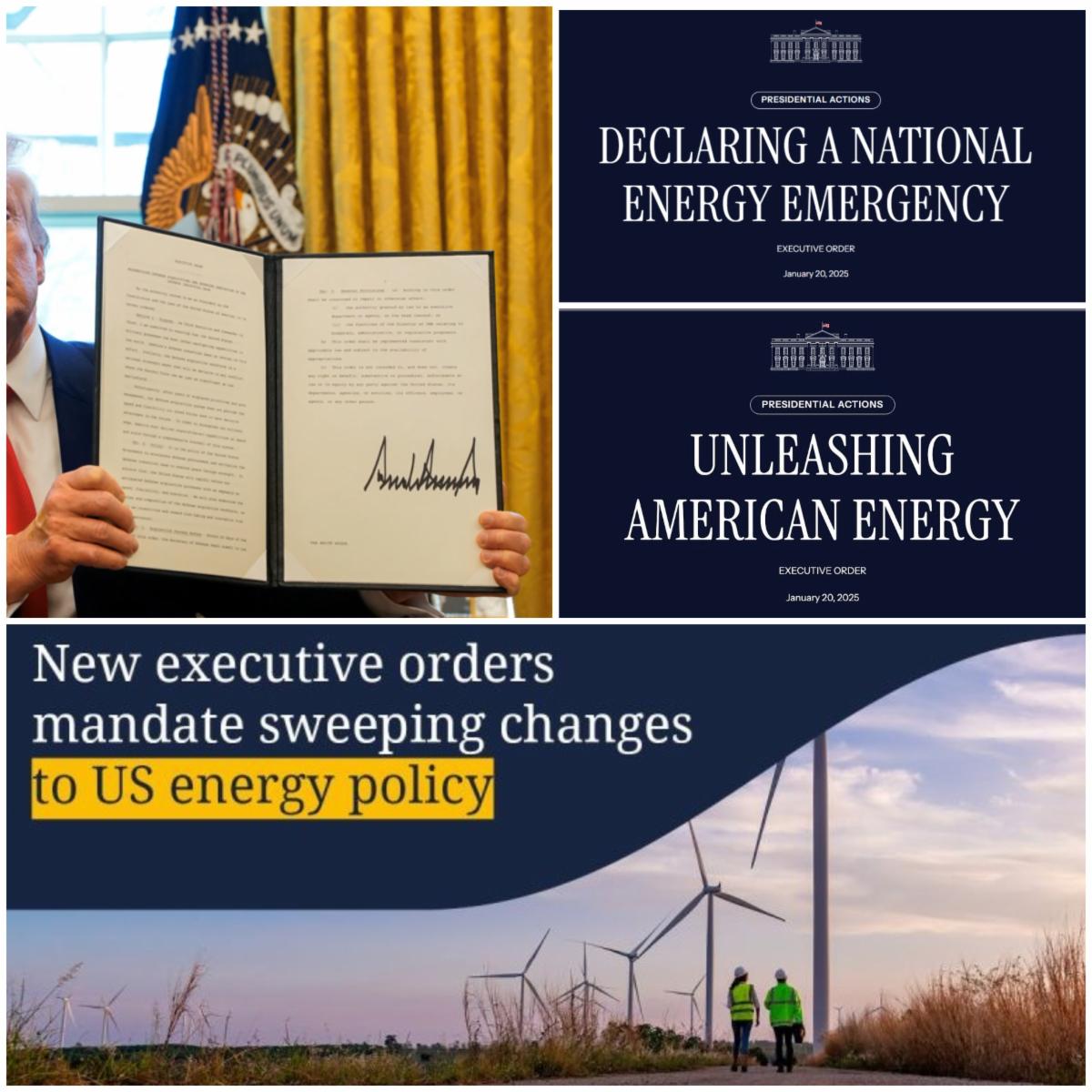
A New Federal Direction: The Trump Administration has articulated a new vision for Federal energy policies and priorities. However, it is apparent that investments in electric infrastructure align with several priority areas, including meeting some of the objectives of Executive Orders and Directives. Notably, the Unleashing American Energy Executive Order seeks to "protect the United States’ economic and national security and military preparedness by ensuring that an abundant supply of reliable energy is readily accessible in every State and territory of the Nation," which aligns squarely with BEL's mission.
Reduction in Workforce: As you have likely heard, there have been significant cuts to staff levels at key agencies that work on energy-related issues. Several thousand employees at US DOE, US EPA, and USDA have been terminated. In February, it was widely reported that 75,000 Federal workers took a "fork in the road" buy-out offer, and the offer has been re-opened at several departments, including DOE. Further cuts are anticipated with rumors of cuts of DOE staff by another 50%, and our personal experience indicates that hundreds more recently accepted additional rounds of voluntary departures. One of the concerns with the cuts is that remaining staff may have difficulties executing mission critical operations at both USDA and DOE.
Uncertainty in Grants - With Recent Movement: Uncertainty looms over many infrastructure projects that have been awarded Federal funding since the passage of the Bipartisan Infrastructure Law and the Inflation Reduction Act. BEL has supported numerous stakeholders in navigating the opportunities stemming from these infrastructure investments. Throughout this process, we have prioritized projects that align with any Administration’s priorities, understanding that electric infrastructure projects can take years—sometimes even decades—and will span multiple Administrations. These projects offer reliability, affordability, and contribute to a more resilient and independent energy future. We have started to see movement on some projects, such as grid resiliency grants and USDA programs after an initial freeze, but continue to work with stakeholders to move projects forward in a time of across the board cuts to funding. We have recently seen movement of several grant programs as the assessment period established by the Unleash American Energy Executive Order comes to a close.
A Focus on Aligned Issues: Our mission to advance electrification, when beneficial, aligns with virtually all stakeholders across political spectrums. As the dust settles on a new Administration, we are focused on providing strategies and value to our stakeholders as the electric industry helps the country achieve the immense benefits that electricity brings. As the new Administration settles in, we continue to work diligently to position projects for success, ensuring they move forward and deliver the long-term benefits of a stronger, more resilient electric sector.
We value input and collaboration from all of our stakeholders. Please reach out to discuss how we can best work with you to advance mutual goals in the new political and policy environment.
| | Webinar: Trump Administration's First 100 Days - A Review | | Thursday May 8th, 1pm EST | | |
As we navigate an ever-evolving political landscape, it’s essential for our energy and electric sector stakeholders to reflect on how presidential leadership shapes policy, regulation, and market dynamics. This webinar will take a look at the first 100 days of Donald Trump’s presidency, with a focused lens on actions that impacted the energy industry. We’ll explore energy independence initiatives, infrastructure proposals, and shifts in environmental policy during the early months of the Trump administration. Our panel will also discuss how these initial actions have influenced investment, innovation, and strategic planning across the electric and utility sectors—and what lessons can be drawn as we continue to move forward into 2025.
Key Topics:
- Energy-specific executive orders and regulatory changes
- The administration’s approach to fossil fuels, renewables, grid reliability, and federal funding
- Environmental and emissions policy shifts
- Impacts on utilities, transmission planning, and infrastructure investment
- Implications for current and future federal energy policy
| | USDA Lifts Freeze on REAP/New ERA/PACE Funds | |
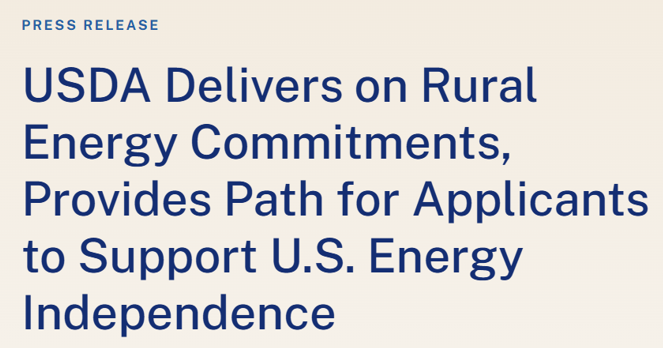
The U.S. Department of Agriculture (USDA) has lifted the freeze on three of its most substantial programs funding electric sector infrastructure investments. The action comes after the Trump administration’s Unleashing American Energy Executive Order required agencies, including USDA, to review their programs for alignment with the new Administration's policies within 90 days of the inauguration. The resolution of the initial pause came ahead of the 90-day timeline, which implies that the Administration views the program as aligned with their policy to enhance energy independence.
USDA’s March 25th press release outlines that while funds from the Inflation Reduction Act (IRA) programs -- Rural Energy for America (REAP), Empowering Rural America (New ERA), and Powering Affordable Clean Energy (PACE) -- are now available, recipients may voluntarily modify their programs to align with USDA's policies during a 30-day period that is closing soon. BEL has facilitated conversations between electric cooperatives and with industry experts to assist with their next steps and has been deeply involved in ensuring the program is a success since its inception. We can hardly wait to talk more about the program as the projects move forward to completion.
| | BEL Meets with US Secretary of the Interior Burgum | | |
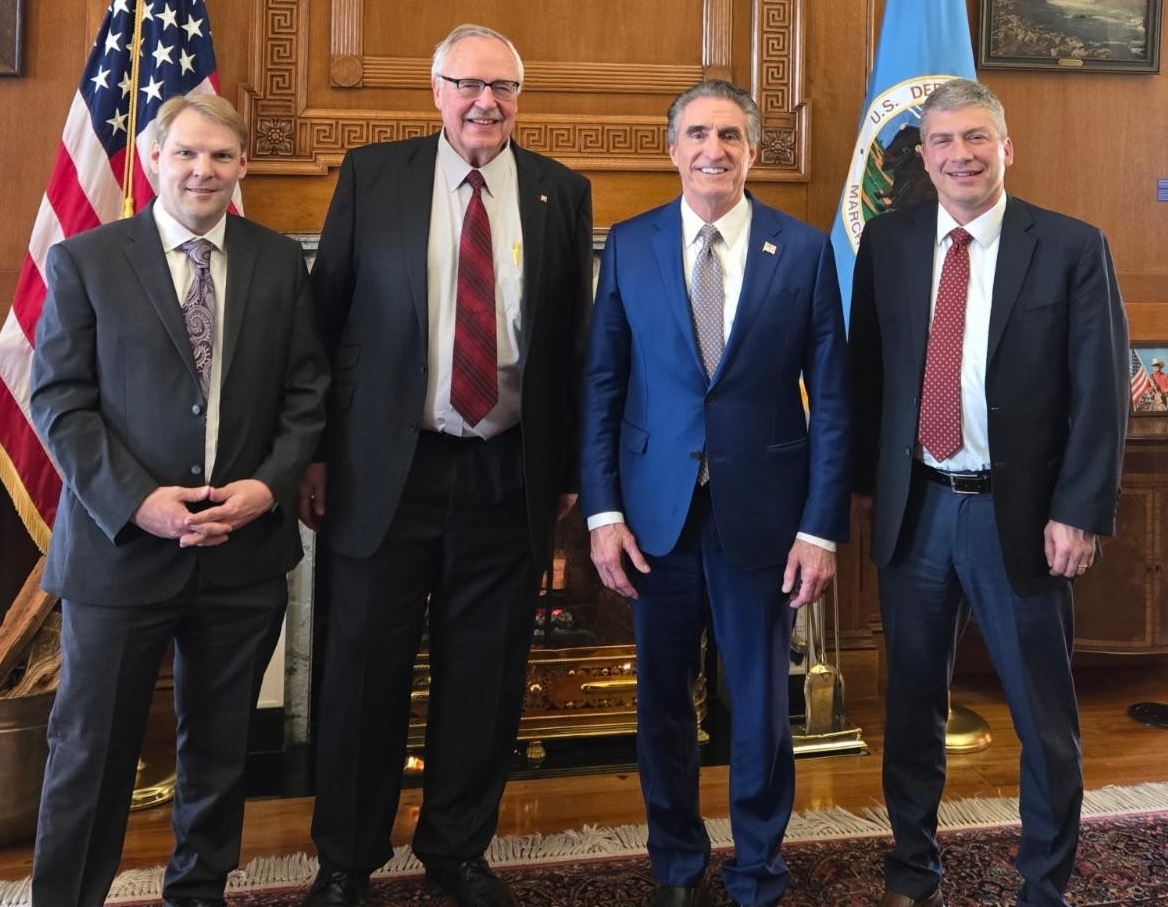
BEL has been visiting Congressional offices and agencies as we work to support stakeholders in advancing electric infrastructure projects. In March, BEL President Keith Dennis joined Steffes, a North Dakota-based manufacturer, in a meeting with Interior Secretary Doug Burgum to discuss, among other topics, the role of thermal energy storage in quickly freeing up electric capacity and keeping electricity costs down. Electric technology, such as electric thermal storage, is especially relevant with the focus on data center and AI load growth, which was on the minds of leaders as they ramp up the National Energy Dominance Council.
We have been learning a lot about the new Administration's priorities. It’s clear that there is widespread agreement about the importance of a strong and robust electric sector, and the benefits of electricity and its role into the future.
| | Home Improvement - Cooperatives and Munis Remain Focused on the Members they Serve | |
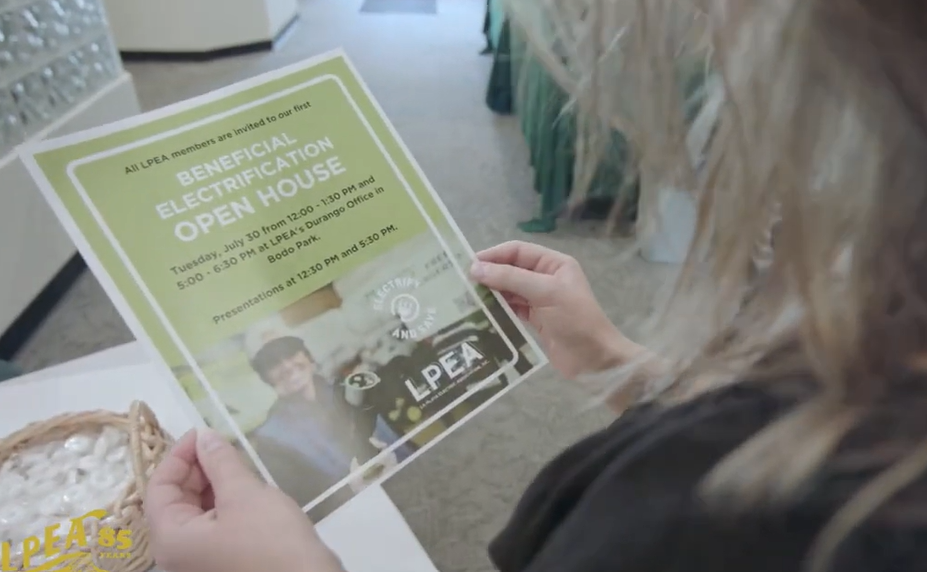
Outside of political or policy changes, electric cooperative and municipal utilities remain laser focused on meeting the changing needs of the consumers and communities that they serve. A great example of this is La Plata Electric Cooperative in Durango, Colorado that recently completed weatherization and electrification of several homes in their service territory. BEL was pleased to support creation of a video documenting some of the outcomes of the project.
"The effect of the programs on these homeowners is that they're all incredibly happy to have taken part in this project," explains John Kenney, "they have homes that are safer, healthier, more comfortable, and lower cost to operate."
La Plata is the latest example of electric cooperatives and municipal utilities implementing Weatherization and Electrification Together programs to help lower energy bills and increase comfort for members of their community.
SEE THE VIDEO HERE
| |
Clean School Bus Program Moves Forward in New Administration | |
In its April 23, 2025 newsletter, the EPA announced that it is moving forward with reimbursements under the Clean School Bus Program, which is investing billions of dollars in electric school buses across the country. The Clean School Bus Program, part of the Bipartisan Infrastructure Law, has been one of the most efficient and fast-moving initiatives launched under the legislation.
Over the past two years BEL, with the support of CoBank, has assisted hundreds of electric cooperatives nationwide in navigating the program and providing high-quality, accurate information to their member school districts interested in participating.
While it’s encouraging that the program is progressing, the EPA’s update is also a broader signal that certain initiatives are resuming following the review pause tied to the Unleashing American Energy Executive Order. BEL views this as a positive sign for the continuity of programs that deliver widespread benefits to consumers, regardless of the administration in office.
In its newsletter, EPA stated: "In accordance with the Executive Order Unleashing American Energy, EPA conducted a review of 2023 Clean School Bus Rebate funds and the Agency has now concluded its assessment. Accordingly, this rebate funding is now being distributed to selectees who have passed quality assurance requirements. In fact, nearly $90 million in pending requests for use in school districts in 22 states across the country were approved as recently as the end of last week. EPA will continue to reach out to rebate selectees as needed for additional information or documentation to complete the review process."
Electric school buses represent a transformative technology. If costs can be reduced, they have the potential to significantly enhance the experience for drivers, students, and communities alike.
Please continue to reach out to us with your questions, feedback, and stories at info@be-league.org.
Read more here
| | Study Indicates Electric Energy Growth to Continue through 2050 at 2% | | |
According to the National Electrical Manufacturers Association, Electricity demand in the United States will grow 2% annually over the next quarter century, driven by data centers and building electrification, industry, and transportation. From an article in Utility Dive: “By the time we get to 2050, [that’s] 50% growth over where we are today,” NEMA CEO Debra Phillips said. “In large part, data centers over the next decade are going to be the key driver.” NEMA expects to see 300% growth in electricity demand from data centers, “and the rest coming from electrification of buildings, industrial systems, e-mobility.” “We haven’t seen growth like this in a very long time — for decades — so we need policy solutions,” Phillips said.
A 2% growth for the industry is manageable and in-line or lower than growth we have seen in the past decades. The benefits brought by this growth to the country will be enormous, and continued collaboration to ensure that this electrification is as beneficial as possible will be a focus of BEL’s in the upcoming years.
| | For information on sponsorship of BEL, please click below. | | BEL is a 501(c)3 organization with Platinum status as a charitable organization on Guidestar. | | | | |