IT'S THE NUTRITION MONTH ISSUE
|
|
Every year during the month of March, Dietitians of Canada host a national campaign called Nutrition Month. This year, the 2022 Nutrition Month theme is 'Unlock the Potential of Food: Ingredients for a Healthier Tomorrow'. The ingredients are a metaphor for actions that can be taken to create a more sustainable food system. Here at the CCA we encourage you to take action with your own health. Be your own advocate and to influence change in your own life for a healthier tomorrow. Always remember you are not alone, the CCA is here for you. |
|
Awareness, advocacy and action |
|
Join us in celebrating the 40th Anniversary of Nutrition Month!
This Nutrition Month the CCA will focus on influencing change towards a healthier tomorrow for individuals requiring a gluten-free diet. At the individual level, the CCA provides easily accessible, evidence-based resources with a goal of building empowerment. At the community level, the CCA provides webinars, programs and education sessions designed to connect and empower individuals living with CD. Finally, at the systemic level, the CCA advocates for change through conversations with Health Canada, the CFIA and food industry to ensure a safe foods supply for all. This is an ongoing process that involves raising awareness of CD, advocating for policies and services that serve this population, and taking action to influence change within the food system.
|
|
Awareness, Advocacy, Action and the CCA |
AWARENESS:
The CCA has a nation-wide presence and is the go-to resource for Canadians with celiac disease and gluten-related disorders. It is within the CCA’s strategic plan to increase awareness of celiac disease by reaching various audiences.
Did you know? Our May campaign last year had over 3 million views on YouTube!
ADVOCACY:
The extensive advocacy efforts of the CCA over the years have helped to improve the lives of many Canadians living with CD.
Did you know? Over the past four years, the CCA has been a major stakeholder in helping to advance the introduction of priority allergen labelling including gluten on natural health products.
ACTION:
CCA volunteers and staff are working tirelessly to build strategic partnerships, conduct community outreach programs and research projects to empower those living with celiac disease.
Did you know? The Gluten-Free Certification Program (GFCP) was created by the CCA for manufacturers of gluten-free food to differentiate themselves from the abundance of GF claims on packaged foods. This program is designed to simplify gluten-free living for those affected by gluten-related disorders.
|
|
Check out our nutrition videos |
|
Want to learn more about a specific nutrient? Well, look no further. Click on one of the links below and let our registered dietitian, Nicole Byrom, walk you through everything you need to know. |
|
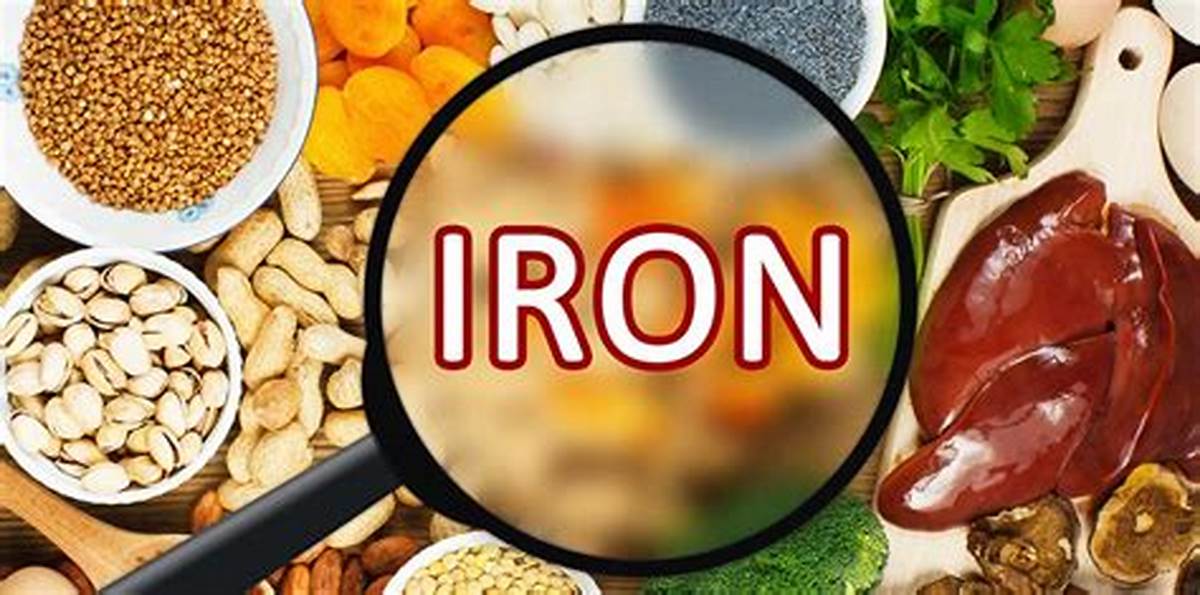
IRON
Iron is a common nutrient of concern for those with celiac disease. Iron is a mineral responsible for carrying oxygen to the blood. Without enough iron in your body you can feel fatigued, appear pale and feel irritable. People with undiagnosed or newly diagnosed celiac disease are at risk for low iron because of poor absorption in the gut. Check out this short video for more information on iron.
|
FIBRE
Fibre is a type of complex carbohydrate found in plants. There are two types of fibre: insoluble and soluble. Both help regulate our bowel movements and maintain a healthy gut. While the majority of the population consumes fibre from gluten-containing products such as bread, most fibre-rich foods are naturally gluten free. Check out this video to learn more about healthy gluten-free sources of fibre.
|
|
VITAMIN D
Vitamin D is a vitamin of concern for most of the Canadian population, and those living with celiac disease are at increased risk of deficiency due to poor absorption. Vit D is needed to build and maintain healthy bones by facilitating the absorption of calcium. Watch this video to learn more about how the body can make Vit D as well as how to include Vit D rich foods in your diet.
|
CALCIUM
Calcium is a mineral with many important roles in the body, such as regulating heart function and maintaining healthy bones and teeth. Those with undiagnosed or newly diagnosed celiac disease are at risk of insufficient calcium. While dairy products are a great dietary source of calcium, watch this short video to discover the surprising number of non-dairy sources of dietary calcium that you can also include in your diet.
|
|
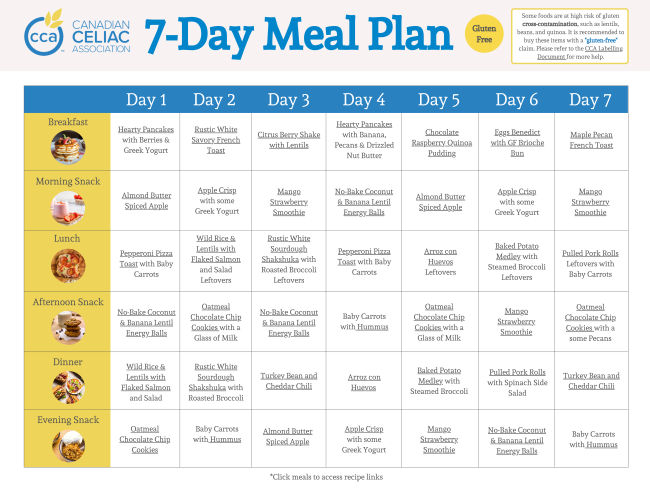
Not sure what to eat? Find meal planning difficult and time consuming? Well, the CCA has you covered. Click below to receive our 7-day meal plan including grocery lists and recipes. |
|
Did you know that 67.8% of people have iron deficiency when first diagnosed with celiac disease? Did you also know that iron deficiency is the most common atypical symptom in people with undiagnosed and newly diagnosed celiac disease?
Iron is the core component of hemoglobin, and helps red blood cells carry oxygen from the lungs to cells all over the body. Iron is also necessary for growth and development. Your body also needs iron to make some hormones. Without enough iron in your body, you may experience unwanted symptoms. Some common symptoms of iron deficiency include weakness, irritability, abnormal heart rate, shortness of breath, pale skin, feeling cold and dizziness. In addition to celiac disease, other factors increase your risk for deficiency. These include people who menstruate, those who are pregnant or breastfeeding and vegetarians. If you have any of these symptoms or are at high risk consider having your iron levels checked.
Dietary iron comes in two forms: heme and non-heme iron. Heme iron is primarily found in animal based products, and is more easily absorbed by the body. Non-heme iron, in contrast is primarily found in plant based sources and is less easily absorbed. In order to increase the absorption of non-heme iron you can pair a high iron food source with a high Vit C food source to boost bioavailability.
In Canada there is mandatory iron fortification in regular gluten-containing white flour. This regulation was implemented in 1976, and includes not only iron, but also thiamine, niacin and riboflavin. In 1998 folic acid was added to this list. Did you know that gluten-free flour does not require this same mandatory fortification? This means that our population cannot rely on fortification to help increase our often low iron levels. We must rely on a whole foods diet to improve and maintain iron status. The CCA is aware of this inequity and we are currently advocating on your behalf to raise this issue with Health Canada.
Want to know more about iron? Click on the links below to learn more about food sources of iron, your iron requirements and how to increase bioavailability of iron in your body.
|
|
5 GF steps to improve your health |
|
Not every change needs to be difficult. Improving your health can often feel stressful and overwhelming. Here are five easy steps you can take today to get yourself on the path to a better tomorrow.
-
Eat more fruits and vegetables. Did you know that Canada's Food Guide suggests that 50% of our plate should be filled with colourful veggies and fruit? By replacing other foods with these high nutrient powerhouses, you will help to provide you body with all the nutrients it needs. As a bonus, fruits and vegetables are naturally gluten-free, so they are an easy choice.
-
Get plenty of exercise. Health Canada suggests that children and youth should get at least 60 minutes per day of moderate to vigorous physical activity involving a variety of aerobic activities. Adults, including seniors, should accumulate at least 150 minutes of moderate to vigorous physical activity per week.
-
Make simple, healthy substitutions. For example, swap white rice for gluten-free quinoa. Quinoa is a high protein plant source and is also a great source of fibre. Evidence tells us that soluble fibre works to reduce high cholesterol levels in the body. Do you have trouble with GF oats? Try quinoa flakes as a healthy substitution.
-
Stay hydrated. Health Canada suggests that we all make water our drink of choice. But, other liquids also help you stay hydrated. If you don't feel like turning on the tap try unsweetened soy or almond beverages or unsweetened coffees or tea. You can also jazz up your water by adding fruit or herbs to give it a hint of flavour. A common recommendation is to consume 6-8x 250mls daily.
-
Eat outside the box. By consuming whole foods you naturally reduce your risk for gluten cross contamination. Eating whole foods is also budget friendly, and lower in sodium and sugar.
|
|
The gluten-free vegtarian |
|
Activity and the vegetarian diet |
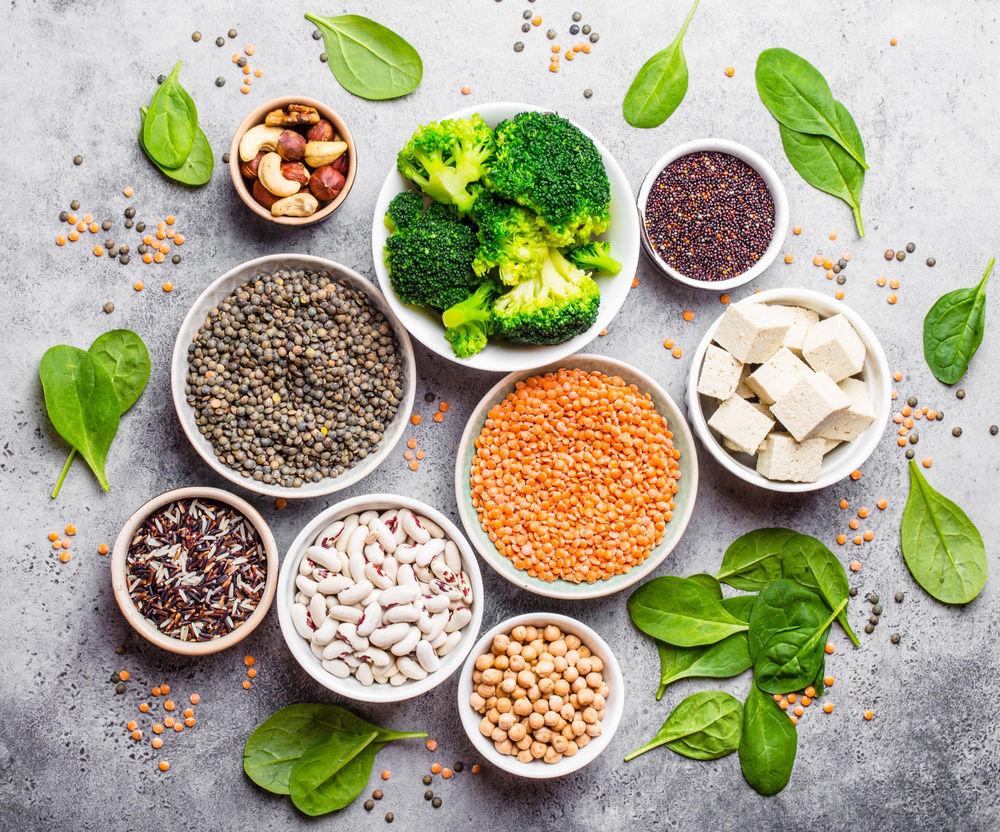
Curious about becoming a vegetarian, but not sure how to do so while on a gluten-free diet? Let our registered dietitian walk you through some easy steps to ensure that you have a balanced and healthy diet. Nicole discusses protein needs, iron sources and gluten free living all within a quick 2.5 minute video. Sit back and let our experts help you. |
|
|
|
|
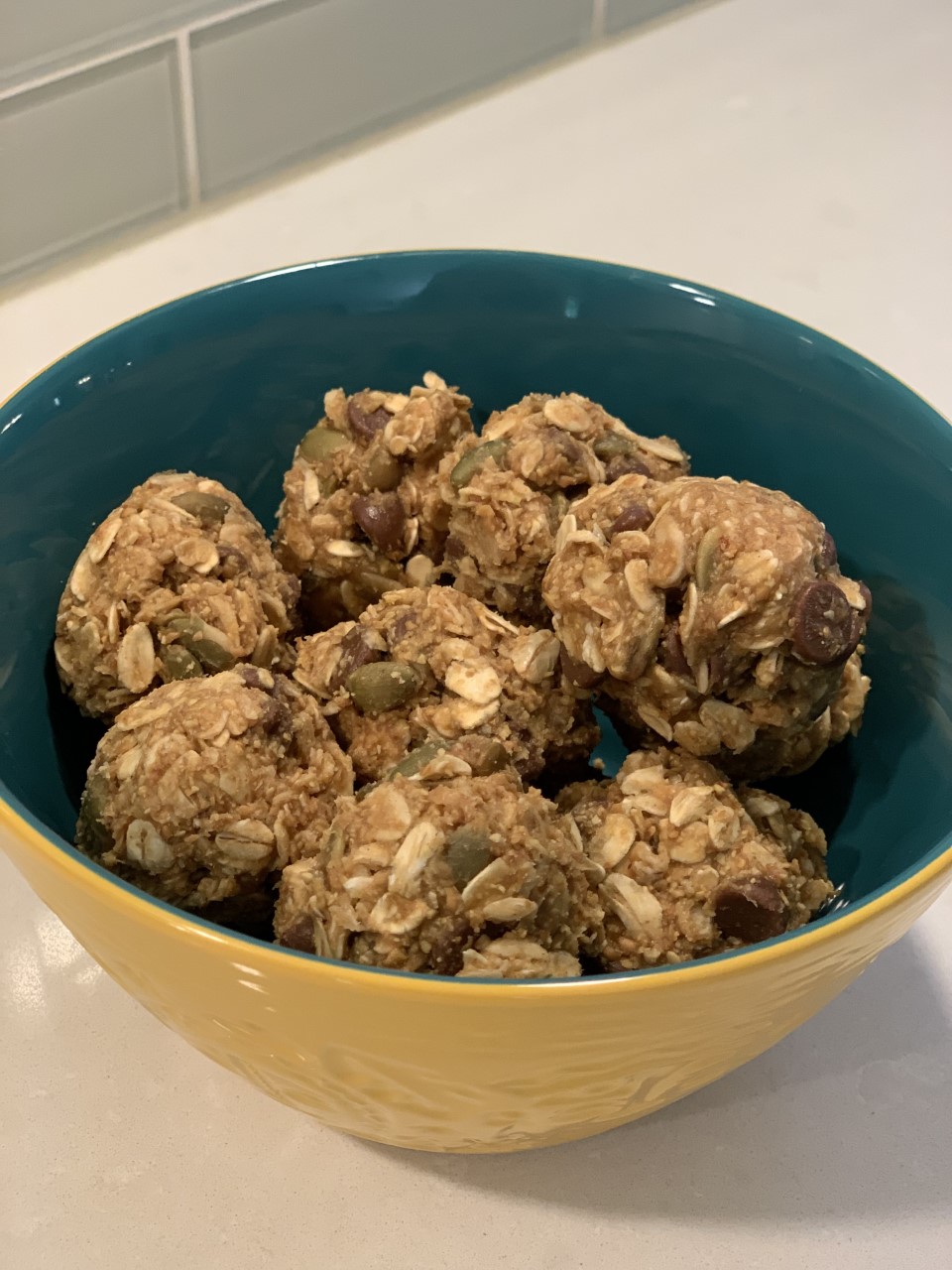
Nicole's no-bake energy balls |
Ingredients:
1 cup gluten-free oats
1/3 cup flax seed
1/2 cup peanut butter
1/3 cup maple syrup
1/4 cup pumpkin seeds
1 tsp vanilla
1/2 cup chocolate chips
Mix all ingredients together, until everything is combined. Form into bite-sized balls. Place on cookie sheet in the fridge for ~1 hour. Transfer to air tight container and store in the fridge.
Simple and delicious!
|
|
Watch and bake along with Nicole! |
|
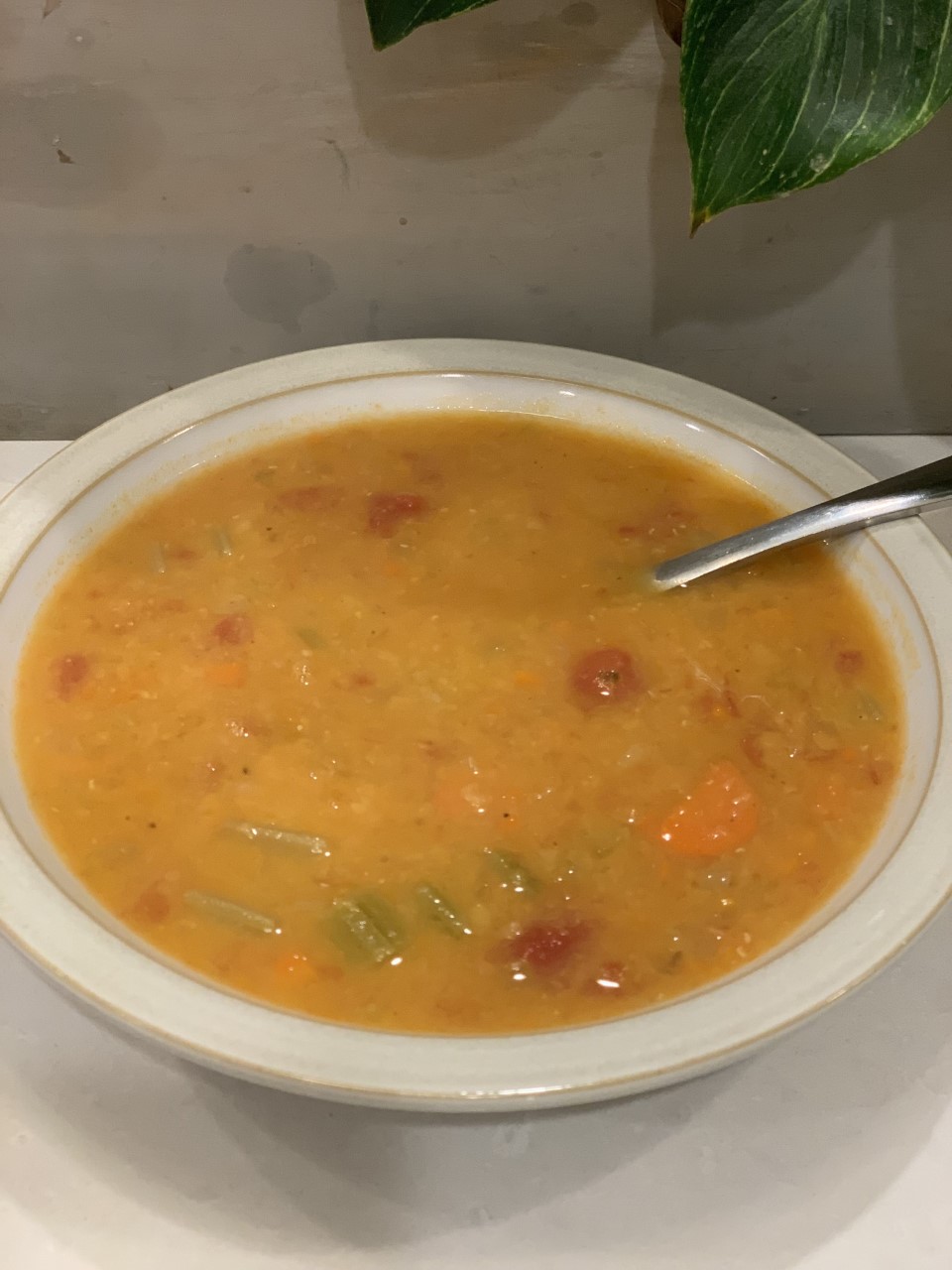
A nutrient rich and delicious family favourite, bursting with flavour. A perfect chilly day menu item that can be prepared ahead of time and will satisfy everyone's palate. This one is an old family recipe, straight from my mother's hometown in Scotland. From my family to yours- enjoy! |
|
TIP! Add more liquid if you like a thinner soup, or various other vegetables for variety. Turnip is a favourite option. |
|
Ingredients
450g GF lentils (or visually inspect & rinse)
4 large carrots peeled and finely sliced
4 celery stalks washed and finely sliced
4 medium potatoes, washed, peeled and sliced
8 cups of gluten-free vegetable stock
2 cloves minced garlic
1 796ml can of diced tomatoes (may use less if desired)
1 medium onion chopped
Salt and pepper to taste
2Tbsp oil
Directions
Place stock in saucepan over medium heat on the stove top, bring to boil. Place minced garlic and finely chopped onion in separate frying pan with 2 Tbsp oil. Saute until onion is translucent. While onion and garlic are cooking, place lentils, chopped carrots, celery and potatoes into saucepan with stock. Add garlic and onion to pot when ready. Simmer until all veggies are soft. Partially liquidize soup with a hand blender, for a smoother texture.
|
|
|
|
QUESTION:
Which nutrient would you like to learn more about?
TOP ANSWERS:
35% Fibre
34% B12
25% Iron
The CCA is listening! Stay tuned for an educational video on B12 coming to the May magazine, and a webinar dedicated to iron.
|
|
WHAT ARE MY OPTIONS FOR CREATING A WILL?
Did you know that 51% of Canadians don’t have a Will? Willfora has been working hard to democratize Will creation, and has partnered with the CCA to cover key topics of Will writing. Join Matt Renzoni, Head of Client Success at Willfora, who will look to answer all of your questions.
When: Thursday, March 3rd at 8pm EST.
|
|
MONTHLY: GF 101: GETTING STARTED ON THE GLUTEN-FREE DIET
This free webinar has been developed for newly diagnosed Canadians with celiac disease or gluten sensitivity who want to build their confidence in managing their own disease or that of a family member. or friend. It’s an interactive session so bring your questions!
When: Tuesday, March 8th at 7pm ET
When: Monday, April 11th at 6pm ET
|
|
KIDS BAKING GROUP
Come and join our registered dietitian and her daughter for some fun cookie decorating! There will be a fun Kahoot challenge, time to ask questions, and an opportunity to meet new friends and share tips and tricks with each other. Don’t miss this exciting event!
This event has a max capacity of 20 families, so sign up soon to ensure you save your place. Please come prepared with your own cookies to decorate or anything else!
When: Sunday, April 3 at 5pm ET
|
|
LEGACY GIVING: HOW YOU CAN BENEFIT A CHARITY AND YOUR FAMILY IN YOUR WILL
Many people want to help their favourite charity or cause by leaving a legacy in their will but worry it will take away from what they leave behind for their family or friends. Learn how you can have it both ways. We are pleased to have Jennifer Stebbing, B.A. (Hons.), J.D., LL.B., CPCA, LL.M. (Tax), EPC, C.S. (Estates and Trust Law), TEP, speak to you about legacy giving and how your estate can take advantage of tax benefits in your estate.
When: Thursday, April 7th at 8pm ET
|
|
Do you love our newsletters or magazines? Do you love the evidence based information that you receive from our knowledgeable team? As a charitable organization we rely on your help to keep providing you with high quality information. Please consider donating today to ensure a bright future for the CCA.
Tax receipts are issued in February and only donations $25 and higher (unless requested) will receive a tax receipt if directed through the CCA office.
|
|
Better Living Gluten Free is a bi-monthly electronic publication of the
Canadian Celiac Association.
Copyright © Canadian Celiac Association
The contents of Better Living Gluten Free (BLGF) are provided in good faith, for information purposes only, and using the most current information available subject to amendment and should not be used as a substitute for the advice of a qualified health professional. The Professional Advisory Board of the Canadian Celiac Association (the “CCA”) has not reviewed the contents of BLGF. Use of the information is at your own risk. The CCA does not endorse any product referenced in BLGF. To the fullest extent permitted by law, the CCA, its local Chapters and all persons involved in compiling this publication disclaim any responsibility for, and make no representations or warranties regarding, the information provided. In no event will the CCA, its Chapters, or those persons involved in compiling this publication be liable for any damages of any kind resulting from the use of the information. Please review the CCA’s disclaimer policy on its website at https://www.celiac.ca/privacy-policy/
|
|
|
|
|
|
|