HALTER Project and Community:
Looking Back, Looking Ahead | | |
HALTER Project was born in The Valley of the Moon in 2013. We saw a need to fill a gap in info and resources to guide animal guardians in making plans for emergencies and disasters. We hit the ground running and never stopped.
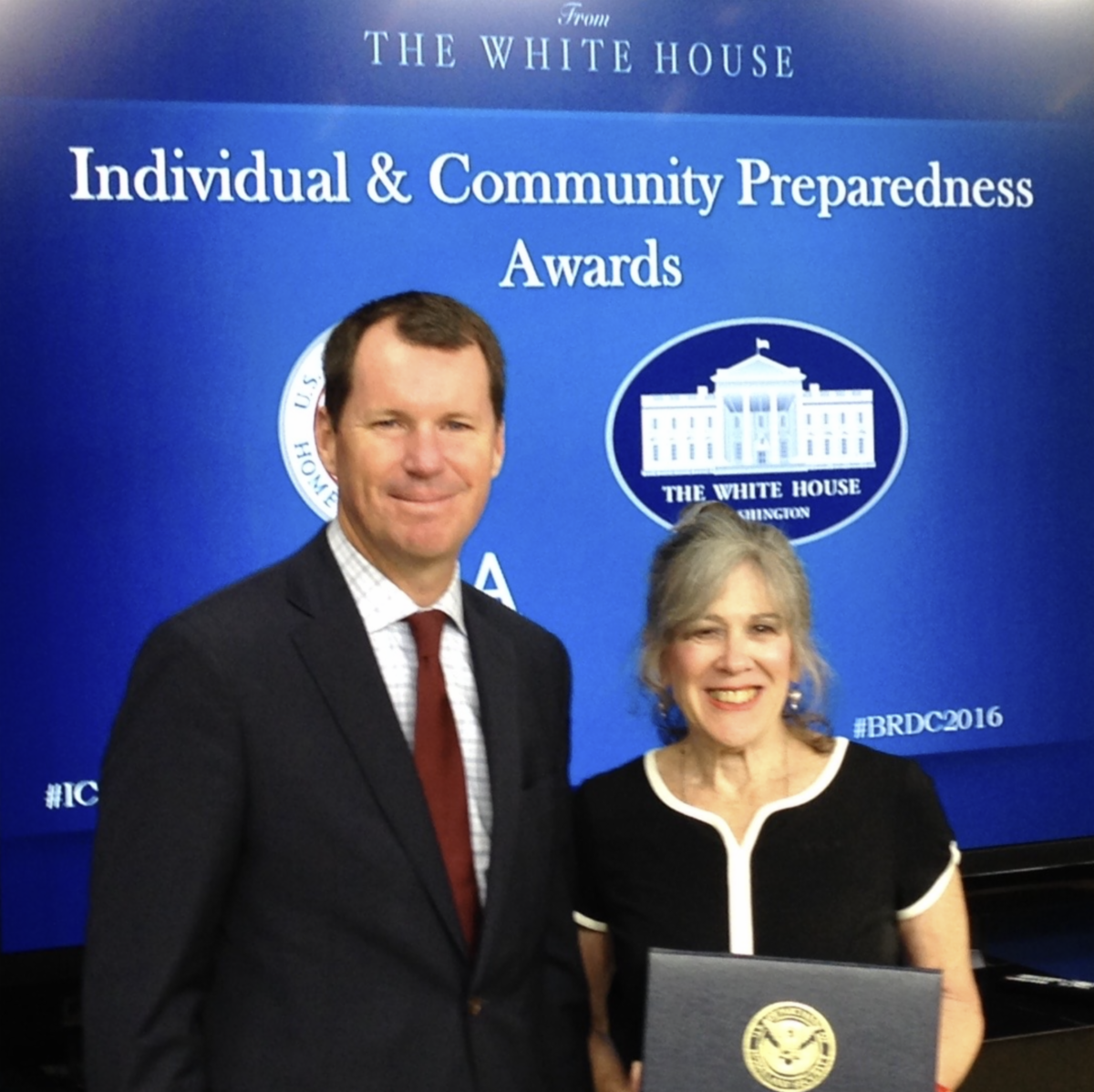
In September 2016, we were invited to the White House where HALTER Project received two national awards: one for Individual Preparedness and another for Community Preparedness Call to Action. It’s hard to believe that was 10 years ago this month.
| |
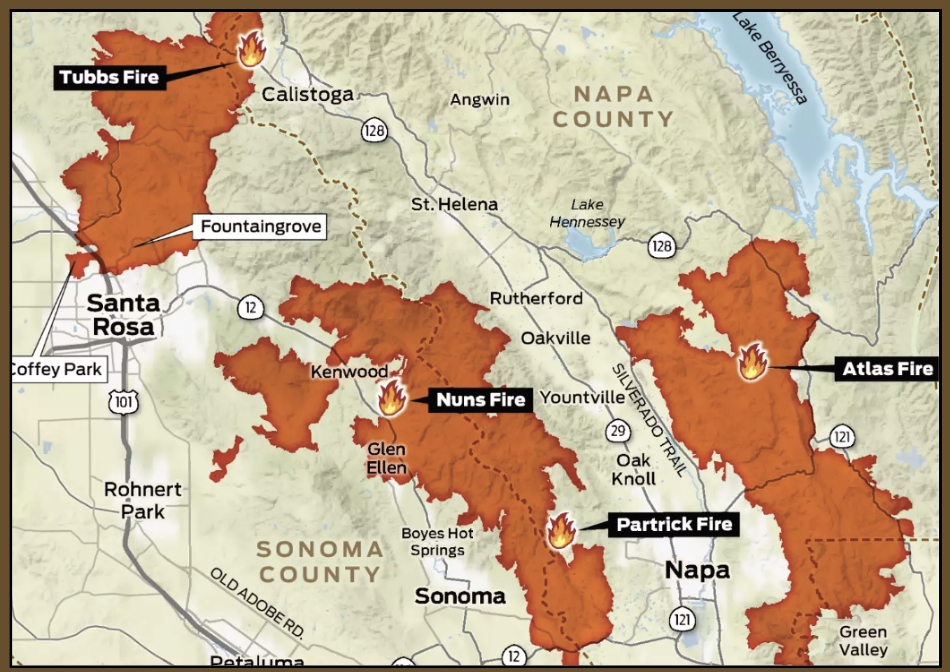
Who knew one year later, in October 2017, we would all be staring into, and fleeing from, a beast of a wildfire driven by hurricane-force winds that destroyed huge swaths of our community, and ultimately united us in loss and recovery.
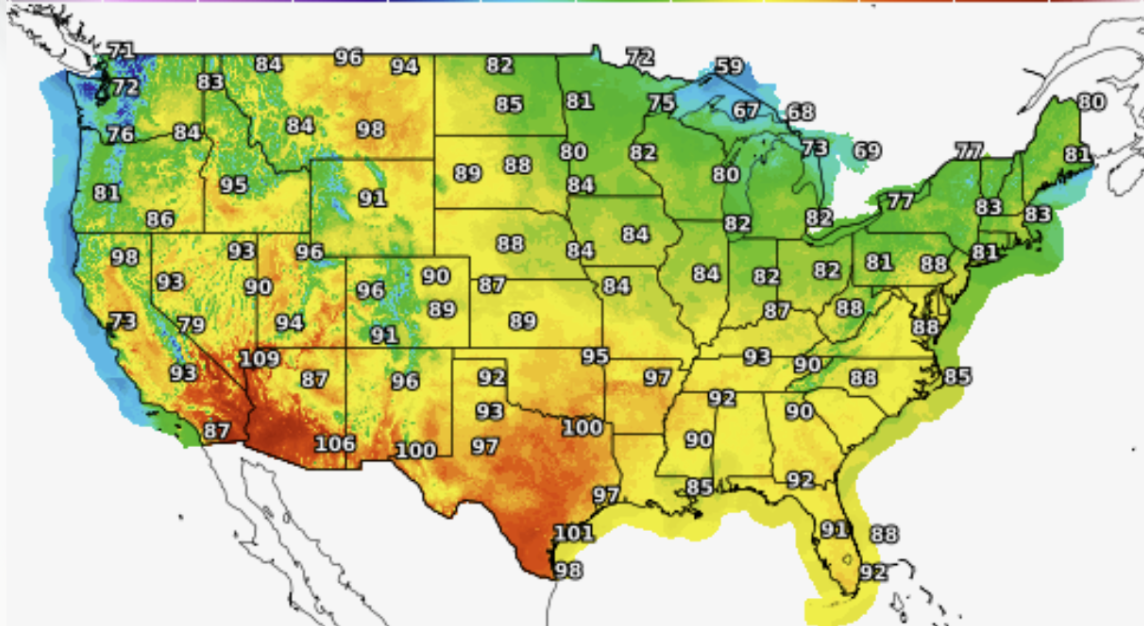
Today, stories are vying for our attention with nonstop media coverage of mega floods and fires, mega-winds, and mega-storms threatening a multitude of regions. A whole new vocabulary has entered our lives; terms like atmospheric river, arctic vortex, WUI, derecho, and urban conflagration pepper our conversations and daily reading.
Additionally, many of us live with the constant possibility, and increasing probability, of “mega” things that happen with little or no warning: earthquakes, tsunamis, flash floods, and sometimes, tornadoes. It’s hard not to feel like Henny Penny. With so many worrisome possibilities lurking, how can we prepare to keep our animals and ourselves safe and not lose our grip doing it?
| |
Enough already? Well, yes—and no.
These scary natural disasters ARE real. Meteorologists have a constantly expanding arsenal of tools that help them make more accurate, and longer-range, forecasts.
These predictions help Emergency Managers – and us – in all kinds of ways: Planning for vacations, family outings, backyard parties, ski or camping trips, going to the store, walking the dog. In short, just about everything we do, every day. Including planning to keep ourselves, loved ones (of all species), and neighbors safe during and after a disaster.
| |
What’s changed?
Looking back, we did amazingly well despite minimal communication resources and info about what was taking place. Many neighborhoods were connected by phone trees or neighborhood watch groups. Others intuitively reached out to neighbors, friends, and family immediately to alert or help them. When the ashes settled and the skies cleared, we realized that we could, and needed to, do better.
Today, we have technology that is changing fast, giving us incredible tools that alert us and keep us informed if we choose to use them. Local Emergency Alerts, apps such as Watch Duty, and others providing weather, earthquake and air quality information can be lifesavers and help us make good choices when we plan for and react to emergencies.
| |
Where to start?
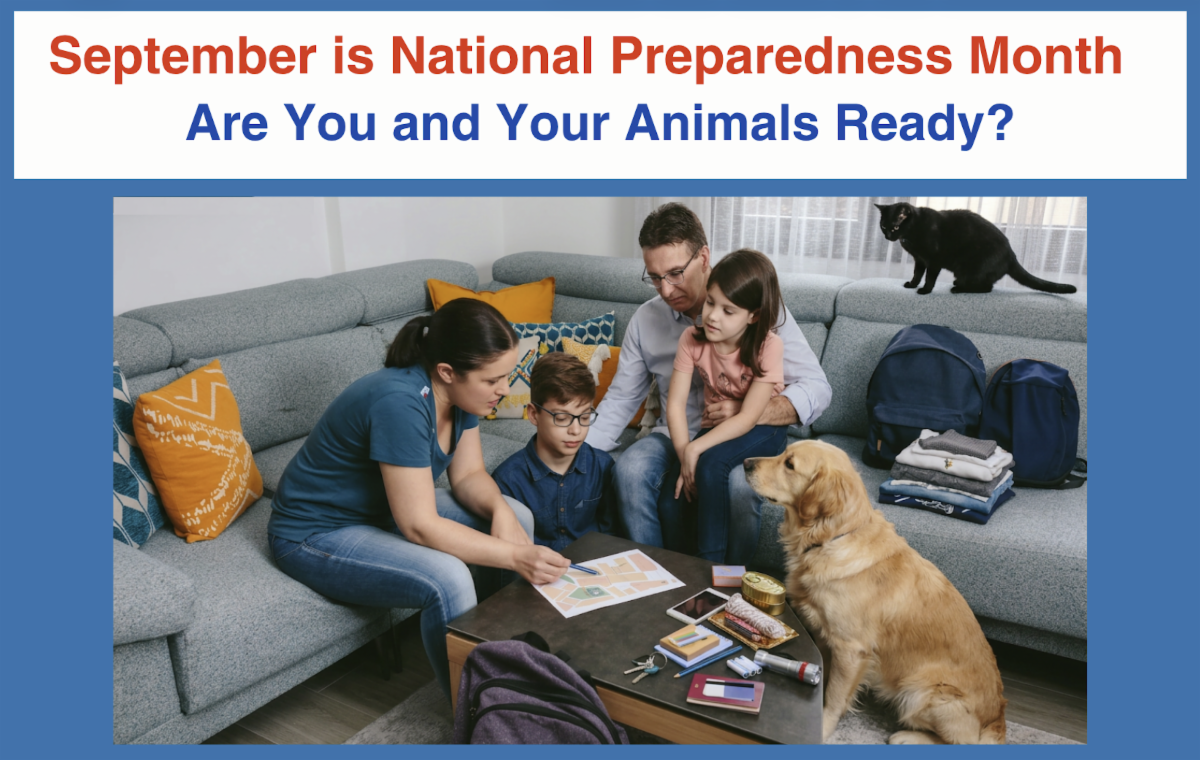
The answer lies in a basic concept that most of us deploy all the time: by simply taking things one step at a time. Do a little bit every day, whether it’s restocking your ready kit, rotating food and water in your stay crates, or changing flashlight batteries, or practicing evacuating with your critters. As with most tasks, big prepping actions are easier when you break things down into small bite-sized to-dos.
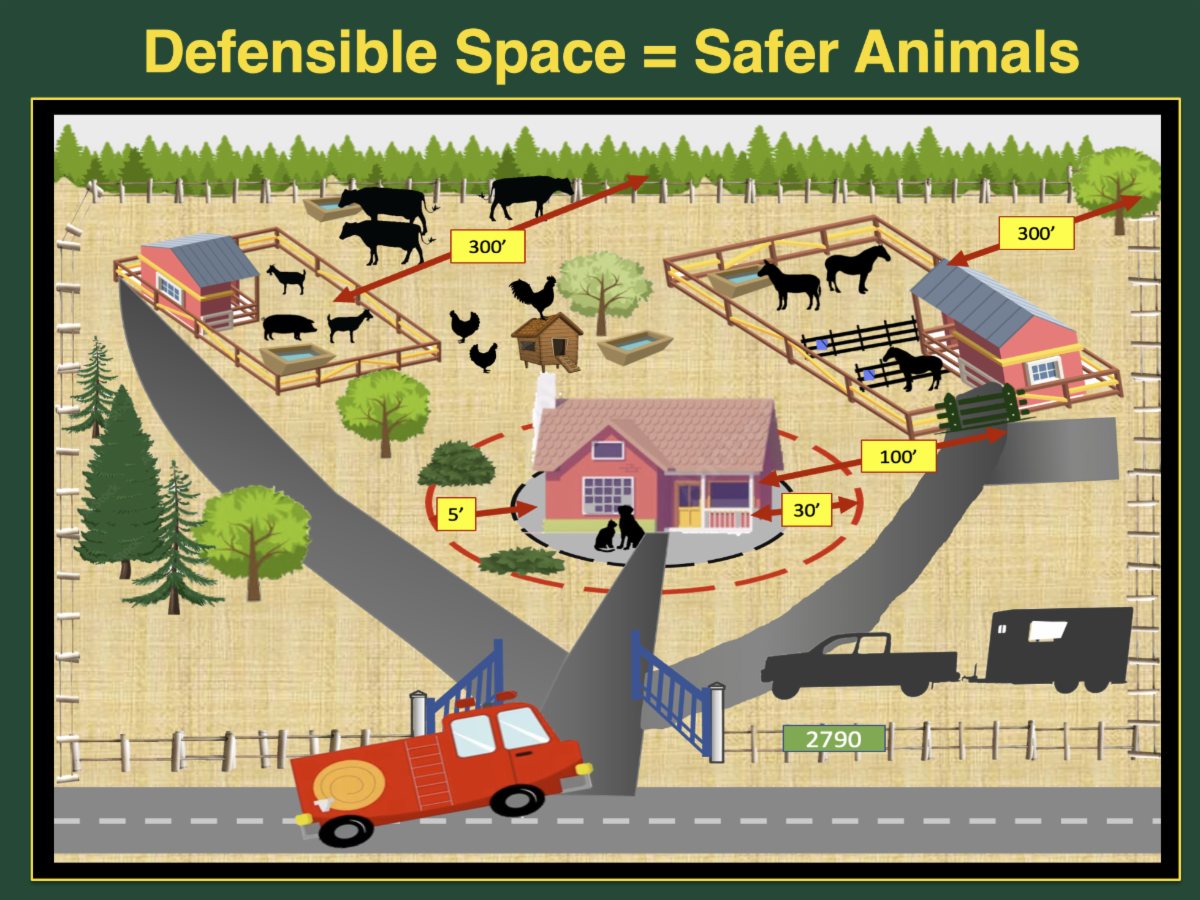
Assess the current state of your readiness. What are the most urgent needs for your animals and you? If you live in the WUI (Wildland Urban Interface), this might mean cleanup outside, around your home, your barn, and animal pens. If you’re in good shape on the home and ranch hardening fronts, move on to evacuation prep for you and your animals. This is as important for flood or tsunami as it is for wildfire.
Assessing your risks means taking stock of your surroundings, learning about the history of weather events in the area, and knowing where the most vulnerable and the safest refuge areas will be.
| |
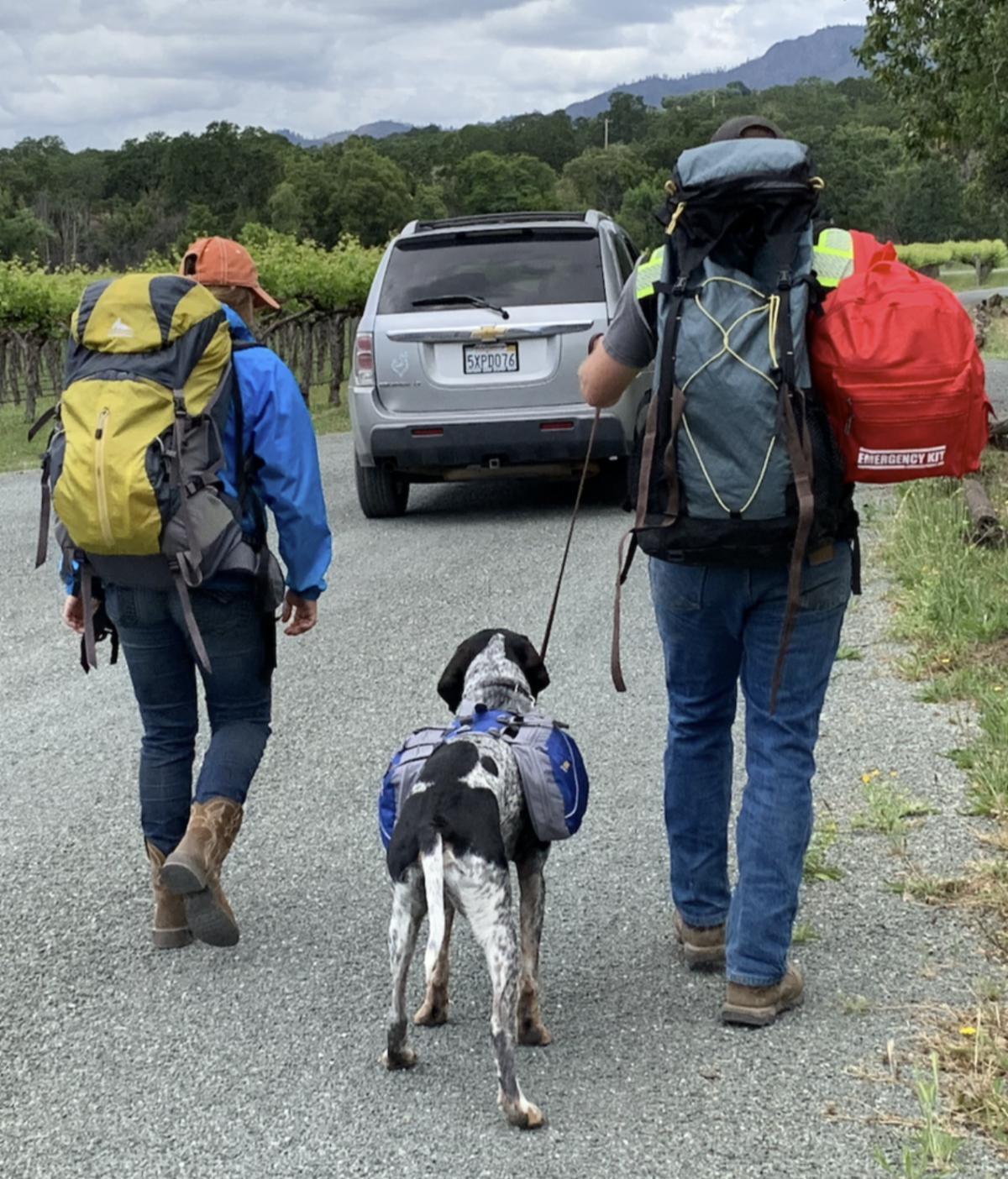
A task that can be tackled in small increments is refreshing your GO bags and STAY crate emergency supplies. For both people AND animals, start with medications, food, and water. Animal needs also include prescription diet food and parasite control that can be hard to get during disasters or supply-chain challenges! You can add huge value to your emergency prep by adding water storage and purification supplies for keeping water safe for drinking.
Another great way to help you breathe easier is to update your emergency contacts, including the numbers for Animal Hotlines and your neighborhood emergency buddies or phone tree. Register or update your profile if your community offers a platform such as Smart911 that lets Responders know about animals in your home and people with special needs.
| |
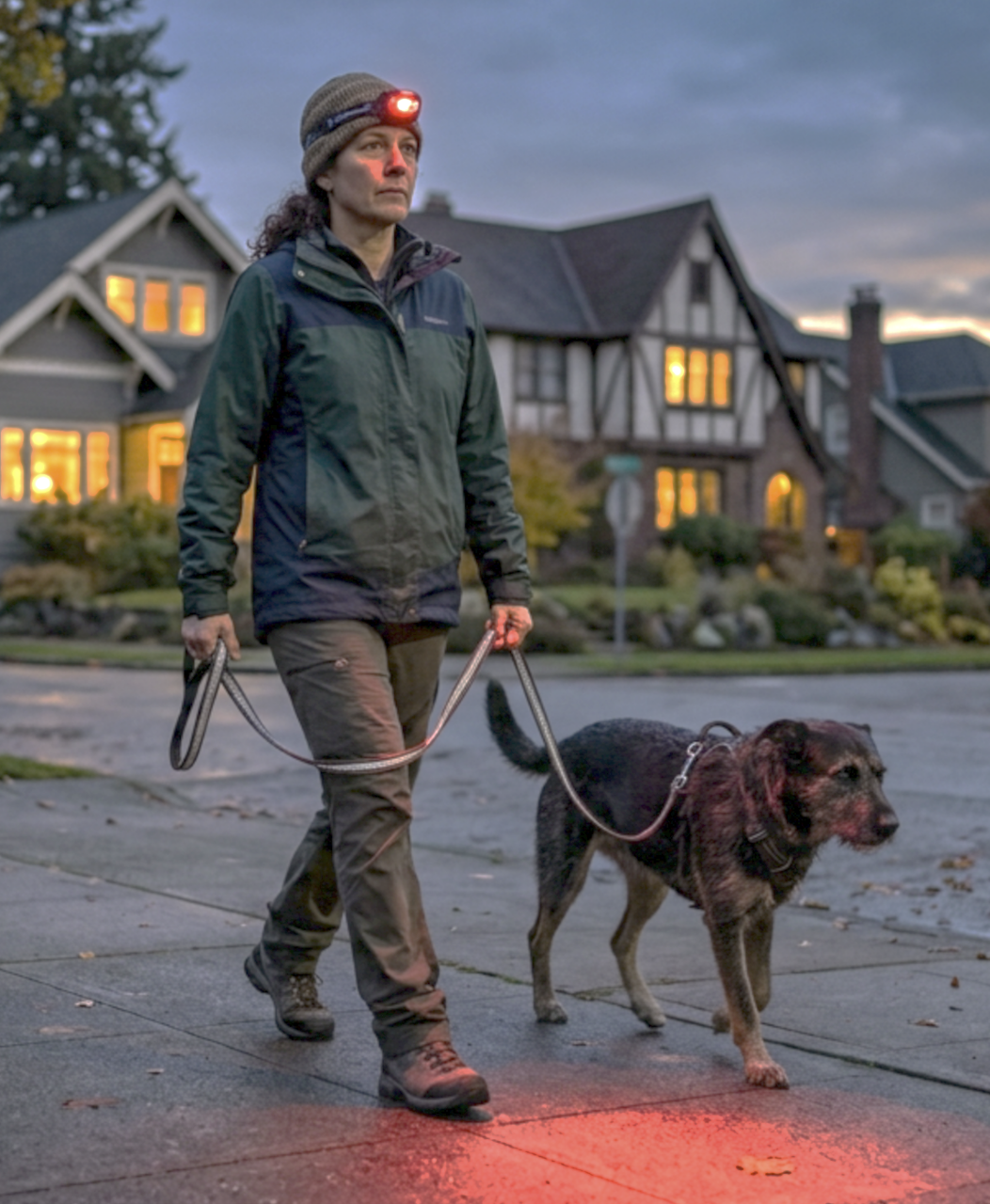
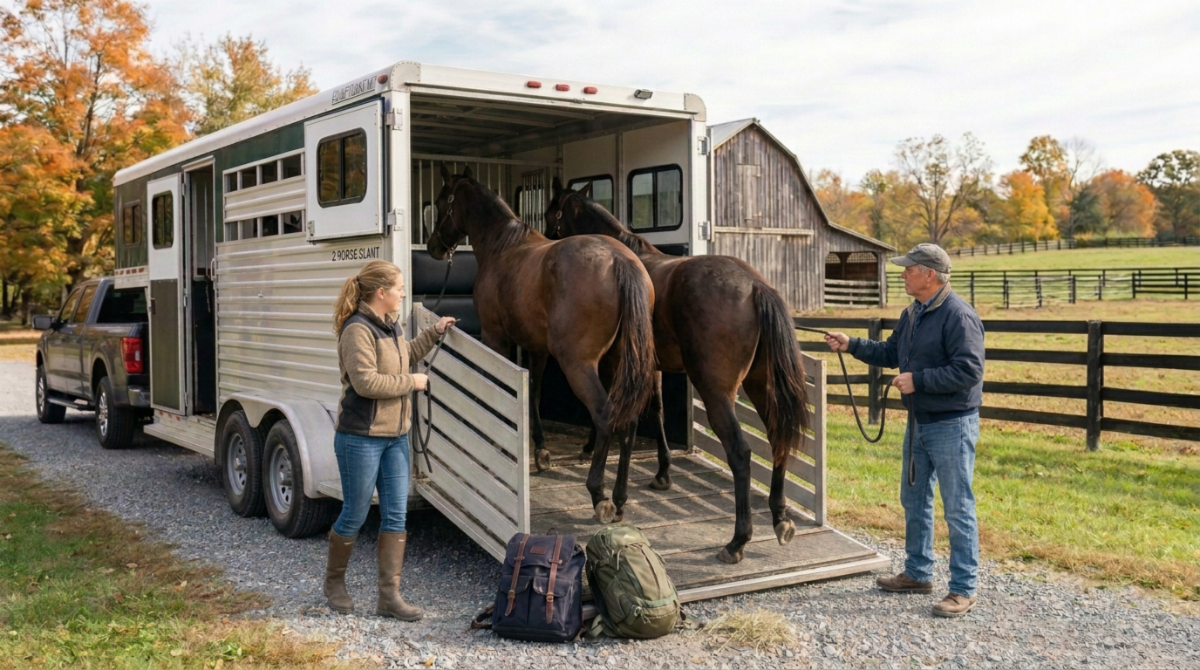
How about an Evac practice evening? Nighttime is a good time to work with your pets, equines and backyard farm animals on crate, car, and trailer loading. Call a neighbor and take turns with each other’s animals. Practice using and your headlamp, make sure yours has a red light to avoid blinding your animals.
Here’s an easy one—improve escape and Responder access: Practice disabling your garage door; register your gate code with local fire and/or law enforcement.
| |
“Know Your Zone” is an important phrase, and it applies to more than just where you live. Add “Evac Zones” to your contacts, and include the zones for ALL the places you, your animals, and family members might be.
Don’t forget visitors! Many places welcome visitors with pets in tow, trail riders and horse campers. If you’re an Airbnb owner, or manage an inn or campground, boarding stable or other facility, create a handbook for guests that provides the info they need to plan to stay safe.
| |
Keep your Emergency Contacts (for people and animals) in an address book, on wallet cards, on your phone, and on a memory stick. Sign up for official local emergency alerts, pay attention to weather forecasts, and use apps as backups to get critical information.
Once you have reviewed your readiness to rise above the risks you might face, use a checklist to highlight the “must-do-now” and “do soon” items. Every item you tackle brings you one important step closer to a strong plan that will help you and your animals be safer in everyday emergencies as well as natural disasters.
| | | | |