JUNE 1, 2026

Facebook  X  Instagram  Email  Web

Maricopa County's Election Dispute Escalates as Primary Nears


The ongoing power struggle between Maricopa County Recorder Justin Heap and the Maricopa County Board of Supervisors has taken another dramatic turn just weeks before the 2026 Primary Election.


Recorder Heap has now asked a judge to hold the Board of Supervisors in civil contempt, arguing they have failed to comply with an April 16 court ruling that largely sided with his office in a dispute over election administration responsibilities. Heap contends the Board has not returned certain election-related functions, information technology personnel, and authority that he believes belong under the Recorder's Office.


The Board of Supervisors sees things very differently.


Board Chair Kate Brophy McGee issued a sharp response, stating that Recorder Heap has repeatedly refused opportunities to meet and discuss election operations. According to McGee, the Board formally requested a meeting with Heap more than a week ago to address concerns surrounding the upcoming primary and general elections. She also noted that Vice Chair Debbie Lesko personally attempted to contact Heap by voicemail and text message but received no response.


Instead, the dispute has continued to play out through attorneys and court filings.


The conflict has spilled into several election-related issues. One disagreement involved how poll workers should explain a new voting option that allows voters who receive mail ballots to present identification at voting locations and potentially speed up ballot processing. Another dispute erupted over ballot drop box locations. Just before the Board approved locations for the July Primary Election, Heap sent a letter claiming authority over drop boxes and warning that election workers handling ballots from "unauthorized" locations could face criminal penalties.


The warning drew criticism from both Republican and Democrat members of the Board. Despite the objections, supervisors unanimously approved the voting locations and drop box sites for the July 21 primary.


Now Heap's latest filing seeks a contempt finding against the Board and requests significant financial penalties if supervisors fail to comply with the court order. According to Board Chair McGee, those penalties could ultimately cost taxpayers up to $100,000 per day.


Regardless of where voters fall on the dispute, one thing is clear: this public battle between two county offices responsible for administering elections is creating confusion and uncertainty at a time when voters deserve confidence in the election process.


Election workers, poll workers, and county staff are left in the middle of a fight they did not create. As the primary election approaches, many voters are likely asking a simple question: Why are county leaders spending so much time fighting each other instead of working together to ensure a smooth election?


The courts will ultimately determine the legal issues. In the meantime, Maricopa County voters are watching closely and hoping that all parties involved can put politics aside and focus on their shared responsibility—conducting secure, transparent, and lawful elections.

Data Centers Are Here to Stay — Let’s Learn About Them Instead of Fearing Them


It has become fashionable in some circles to oppose data centers. New information is presented, technology improves, and yet many people continue repeating the same arguments they made years ago. The reality is simple: data centers are here, and they are not going away.

Every one of us uses data centers every day, whether we realize it or not.


When you search the internet, use GPS to get somewhere, store family photos in the cloud, stream a movie, access online banking, visit your doctor, use electronic medical records, or interact with AI, you are relying on data centers. Our businesses depend on them. Government depends on them. Even our national defense increasingly depends on digital infrastructure.


The image many people have of data centers is outdated. Today’s facilities are very different from those built even five years ago.


Many newer projects are bringing dedicated power generation with them. In some cases, these facilities may produce excess power that can support the broader grid. Instead of competing for limited resources, developers are increasingly looking for ways to expand capacity and improve reliability.


Water use has also changed dramatically. Modern facilities often use closed-loop cooling systems that require significantly less water than older designs. Many projects are also exploring reclaimed water sources rather than relying solely on potable water.


What is important here is that these improvements were not always driven by regulations. The industry recognized problems and began solving them because efficiency matters. Less water use, lower energy consumption, and improved technology benefit everyone.


Recently, there has been discussion around studies suggesting data centers contribute to localized heat effects. That is worth studying, but it is also important to keep perspective. Asphalt roads, concrete developments, parking lots, rooftops, and rock landscaping all contribute to urban heat islands as well. Anyone who has watched a weather report knows rural areas are often cooler than heavily developed cities.


That does not mean we ban development. It means we plan smarter.


There have also been reports and concerns raised nationally that foreign interests, including entities tied to China, may benefit from efforts to slow American technological development and infrastructure expansion. Whether every claim proves true or not, it should remind us to ask questions, verify information, and avoid reacting solely to headlines or social media narratives.

Rather than immediately saying, “I do not want data centers,” perhaps the better approach is to learn more.


Read the research. Ask questions. Visit facilities. Talk to experts.


Organizations like the Goldwater Institute and the Arizona Technology Council offer information and perspectives on technology growth, infrastructure, energy, and economic development.

Data centers are not going away. AI is not going away. Digital infrastructure is not going away.


The question is not whether we will live with this technology.


The question is whether we will help shape it responsibly.


Because the future is already here.

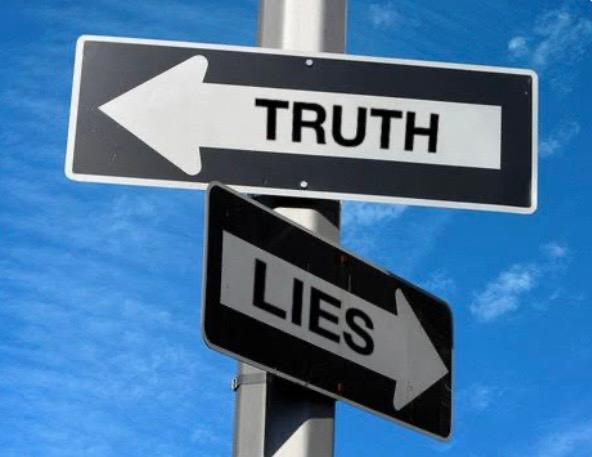
Truth vs. Lies: The Record of Arizona Corporation Commissioners Kevin Thompson and Nick Myers


Most people have heard of the Arizona Corporation Commission but do not really understand what it does. The Arizona Corporation Commission is one of the most powerful elected bodies in the state because it regulates public utilities such as electric, natural gas, water, wastewater, and some telecommunications companies. The Commission’s job is to ensure utilities provide safe and reliable service while also setting “just and reasonable” rates that customers pay. Commissioners review rate increase requests, approve or deny power plant and transmission line projects, oversee pipeline and railroad safety, regulate securities and investment fraud, and handle business filings for corporations operating in Arizona. Because Arizona’s Constitution gives the Commission authority over utility regulation, its decisions directly impact electric bills, water costs, energy reliability, economic development, and even how Arizona plans for future growth. Many people do not realize the Commission’s decisions affect nearly every home and business in the state every single day.


Arizona Corporation Commissioners Kevin Thompson and Nick Myers are pushing back against what they call misinformation surrounding their energy and regulatory record. Here are the major claims and their responses summarized in simple terms.


  • They say they opposed Green New Deal policies from the beginningThompson and Myers state they immediately began dismantling renewable energy mandates after taking office in 2023.
  • They supported repealing Arizona’s Renewable Energy Standards and Tariffs (REST), arguing the mandates cost ratepayers billions since 2001.
  • In March 2026, the Commission voted unanimously to repeal the REST rules.
  • They argue renewable projects today are largely privately funded, reducing financial risk to taxpayers and utility customers.
  • They claim to support President Trump’s energy agendaThompson and Myers say they worked with the White House and federal energy officials on expanding natural gas infrastructure and streamlining permits.
  • They supported converting aging coal plants such as Cholla, Springerville, and Coronado to natural gas instead of shutting them down entirely.
  • They argue these conversions save ratepayers money while maintaining grid reliability.
  • According to their statement, reopening the Cholla coal plant as coal-powered would have cost APS customers an additional $1.9 billion.
  • They deny approving “automatic rate increases”The commissioners say “Formula Rates” are designed to avoid massive rate hikes every few years by spreading costs over time.
  • Utilities must still prove expenses are reasonable each year through regulatory review.
  • They argue the system creates more transparency and can reduce long-term interest costs paid by ratepayers.
  • They strongly reject allegations of kickbacksThompson and Myers call accusations of financial kickbacks “absurd” and note financial disclosure forms are filed annually under penalty of perjury.
  • They also argue the Commission does not directly approve renewable energy projects, only portions related to transmission line connections.
  • They dispute claims about climate policies in MesaCritics accused Thompson of supporting climate action plans while serving on the Mesa City Council.
  • Thompson says he weakened the proposed plan by removing mandates and making the goals only symbolic or aspirational.
  • Experience and energy reliability remain central themesThompson and Myers argue Arizona law requires utilities to recover legitimate costs necessary to maintain reliable service.
  • They emphasize reliability, affordable power, natural gas expansion, and ensuring “growth pays for itself,” especially with large users like data centers and semiconductor facilities.
  • They also state Arizona’s regulatory environment has improved, helping utilities secure lower-cost financing that ultimately benefits ratepayers.


For more detailed information please click the link below.


Election Integrity News


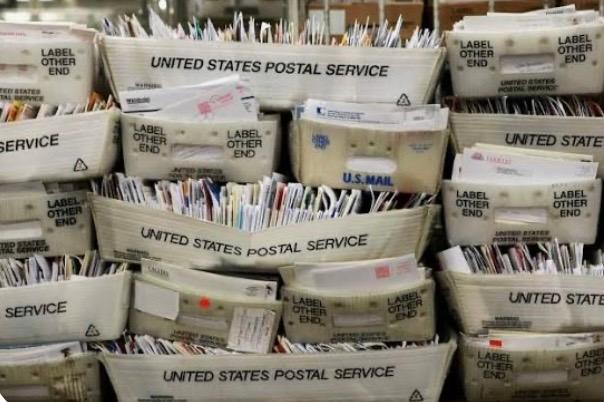
The United States Postal Service (USPS) has proposed new rules that would require states to provide USPS with lists of voters who are being sent mail ballots. The proposal is part of the implementation of President Trump's latest executive order related to election administration and election integrity.


As with many election-related issues, there are strong opinions on both sides of the debate. Supporters argue that providing voter mailing information to USPS could help improve ballot delivery, reduce undeliverable mail, and ensure that ballots are sent to valid addresses. Critics, however, have raised concerns about voter privacy, federal involvement in state-run elections, and the potential administrative burden placed on election officials.


I have reviewed the proposal and summarized what I believe are the most important points for readers. If you would like to examine the full document and draw your own conclusions, you can view it by clicking the link below.


This document is a Notice of Proposed Rulemaking issued by the United States Postal Service (USPS). It proposes to amend the Mailing Standards of the United States Postal Service, Domestic Mail Manual (DMM) to establish new, uniform standards for handling mail-in and absentee ballots in federal elections.

The rules stem from Executive Order 14399 (issued March 31, 2026), which aims to verify citizenship and protect election integrity. The proposed changes do not apply to primary elections or ballots covered under the Uniformed and Overseas Citizens Absentee Voting Act (UOCAVA).


Key Proposals

1. Envelope Design and Review Standards

To improve visibility and processing efficiency, outbound and return ballot envelopes must meet strict design rules:

  • Official Election Mail Logo: Must be featured on the envelope to help voters and postal employees quickly identify official ballots.
  • Automation Compatibility: Envelopes must be designed to pass smoothly through USPS sorting equipment without delays.
  • Intelligent Mail Barcodes (IMb): Each envelope must bear a uniquely serialized barcode to allow individual tracking as it moves through the system.
  • Design Review: Envelopes must undergo a USPS mailpiece design and barcode placement review prior to use.

2. Mail-In and Absentee Participation List

The proposal introduces a data-sharing system between states and the USPS to assist law enforcement in detecting potential fraud (e.g., comparing the number of mailed ballots against received ballots).

  • State Enrollment: States must securely submit individual voter enrollment data via a new Federal Ballot Mail Portal.
  • Required Data: For each voter, states must provide their name, address, and the specific IMb tracking numbers assigned to both their outbound and return envelopes.
  • State Control: States retain complete control over who is allowed to vote by mail and the contents of their lists; the USPS will not verify voter eligibility.
  • Final Compiled List: Around election day, the USPS will compile this data and return an official, state-specific participation list to each state's chief election official.

3. Verification and Noncompliance

  • Pre-Acceptance Checks: USPS employees will verify outbound ballot mailings before accepting them into the mailstream to ensure the envelopes are compliant and the barcodes match enrolled individuals on the state’s list.
  • Rejection of Error Mail: Mailings that fail to comply with design standards or are sent to individuals not on the official enrollment list will be rejected and returned to election officials to be corrected.


What is NOT Changing

  • Voter Eligibility: The USPS explicitly notes it has no authority over voter rolls or election administration law.
  • Completed Ballots: The rule does not change how the USPS processes completed ballots mailed back by voters. The USPS will continue to use "Extraordinary Measures" (accelerated delivery processes) to ensure completed ballots reach election offices quickly.

Next Steps

Comments on this proposed rule must be received within 30 days of its official publication in the Federal Register (which is scheduled for June 2, 2026).

Politics Should Not Destroy People


Several people have contacted me regarding the rumors circulating about congressional candidate Mark Lamb. Honestly, I am heartbroken seeing rumors and accusations spread across social media and other media outlets. I do not know whether the claims are factual, and because of that, I am not going to comment on rumors or speculation.


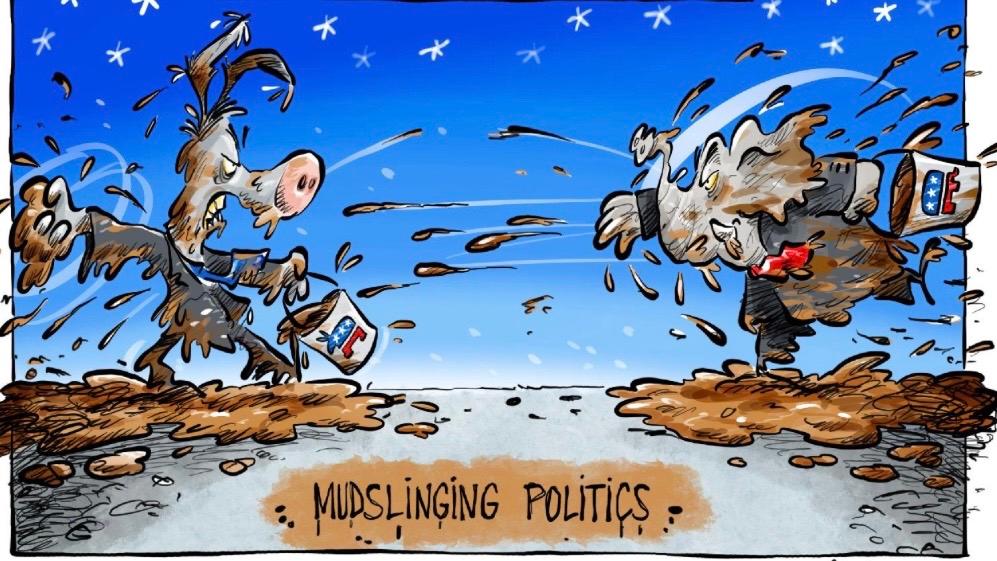
What saddens me most is how ugly politics has become — not just in Arizona, but across the entire country. It seems we have reached a point where personal destruction has become part of campaigning. Good people are increasingly unwilling to run for office because they do not want themselves or their families dragged through the mud. That should concern every American regardless of political party.


Running for office already requires enormous sacrifice. Candidates spend countless hours away from their families, careers, and personal lives. In many races, candidates spend exponentially more money trying to get elected than the position itself even pays. Add to that the constant attacks, rumors, and social media outrage, and it becomes easy to understand why so many qualified people simply choose not to run.


I know that as we get closer to November, there will likely be outrageous things said about me as well — and I am only running for school board. Unfortunately, this has become the norm in modern politics. Instead of debating ideas, policies, and solutions, too many people resort to personal attacks and character assassination.


Our country cannot continue down this path. We need to get back to a place where disagreements can happen without destroying people personally. We should want leaders who are willing to serve their communities, not scare good people away from public service.

Looking Beyond the Headlines: Understanding the APS Rate Case


The APS rate case is receiving a great deal of attention, and with that attention comes plenty of debate, speculation, and unfortunately, misinformation. As ratepayers, we all have a stake in the outcome, so it is important to understand what is actually being proposed and what is not.

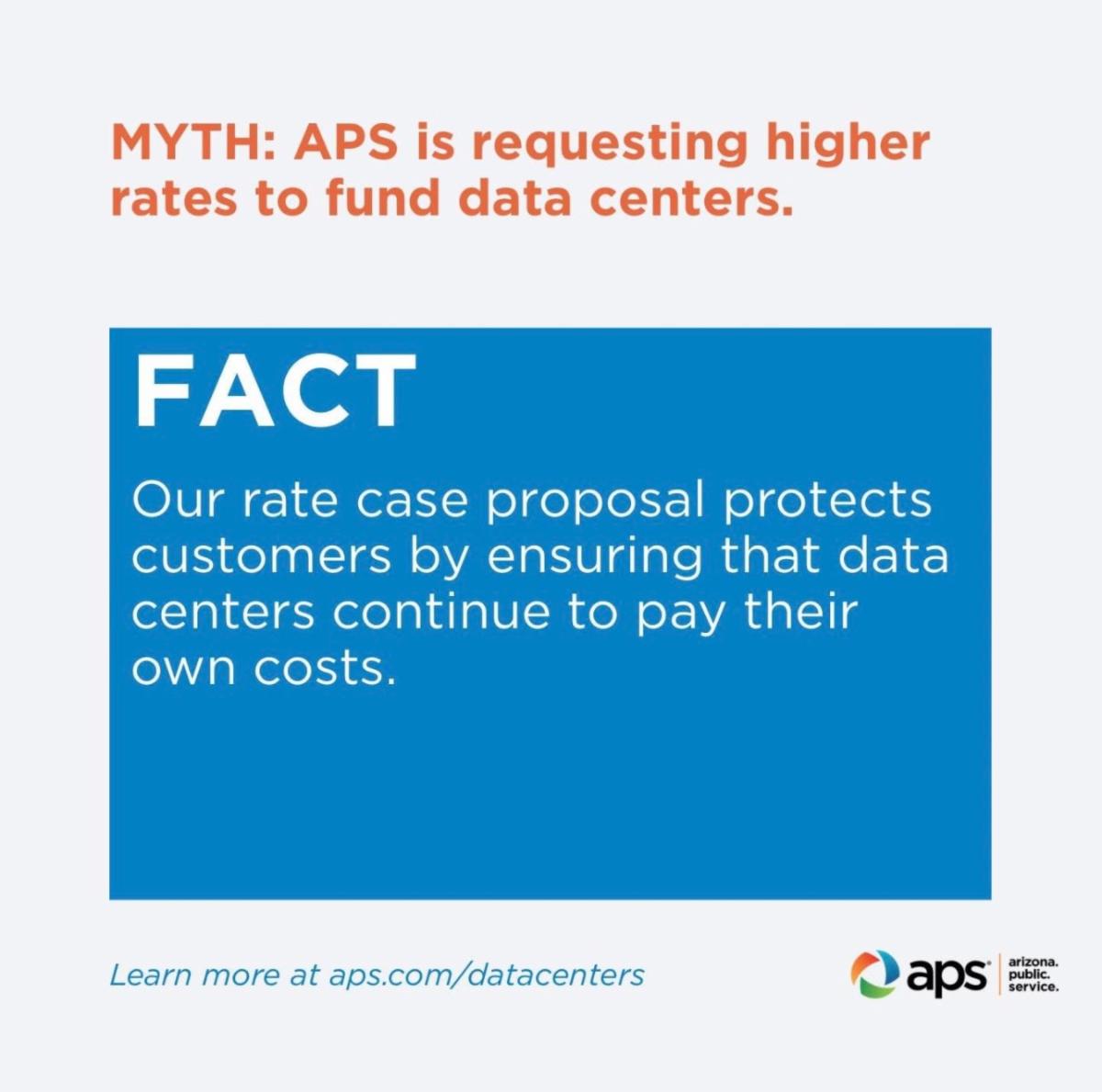
In response to some of the criticism, APS recently took to social media to address several common claims. One of the biggest concerns involves data centers. Critics have argued that residential customers will be forced to subsidize the massive power demands of these facilities. APS says that is not the case. According to the utility, its proposal is specifically designed to ensure that data centers pay the costs associated with serving their own energy needs rather than shifting those costs onto existing customers.


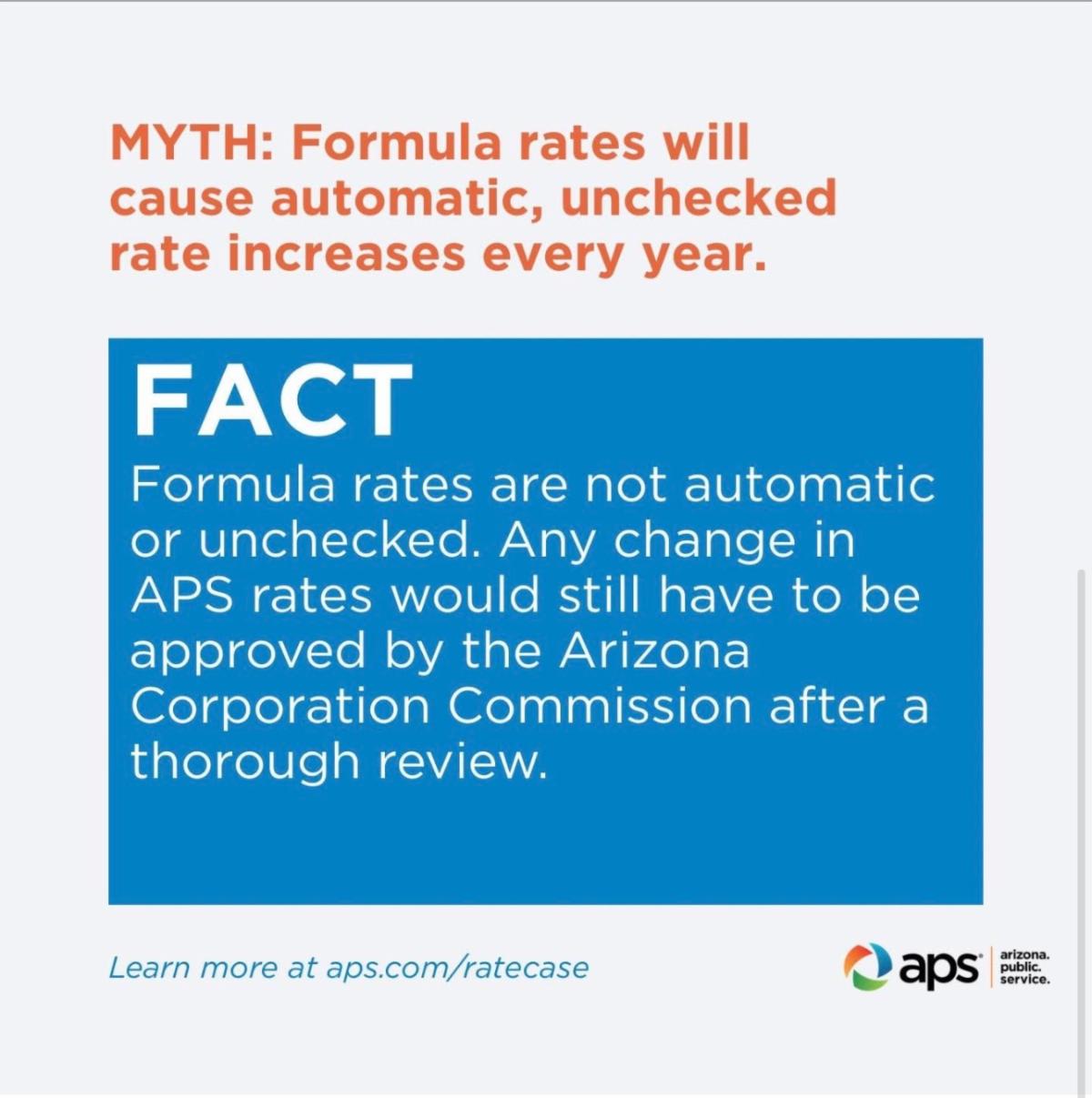
Another point of confusion involves formula rates. Some opponents have suggested that formula rates would allow APS to raise rates automatically every year without oversight. APS disputes that claim, noting that any rate adjustments would still require review and approval by the Arizona Corporation Commission. The Commission would continue to evaluate the utility's finances, investments, and customer impacts before approving any changes.

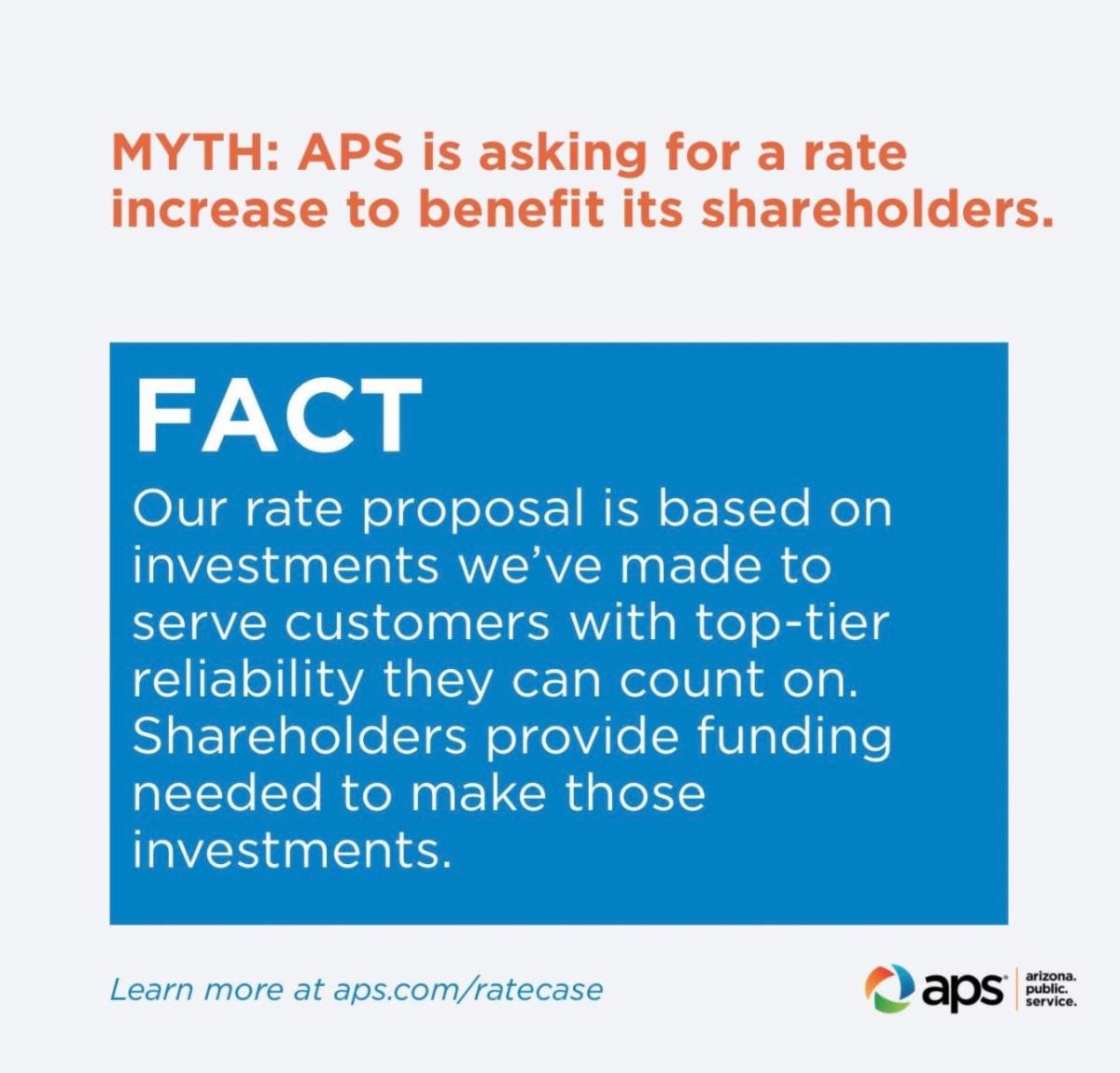
APS also pushed back against the argument that the rate increase is simply intended to benefit shareholders. The utility states that the proposal is tied to investments made in infrastructure, reliability, and grid improvements needed to serve Arizona's growing population. While shareholders provide the capital that helps fund those investments, APS argues that the ultimate goal is maintaining a reliable electric system for customers.


It is easy to make APS the villain in this discussion. Nobody likes paying higher utility bills. However, Arizona continues to experience tremendous population growth. New homes, new businesses, manufacturing facilities, and data centers all require electricity. The power we enjoy today exists because utility companies and regulators planned years ago for the needs we are experiencing now.


Power plants, transmission lines, substations, and battery storage facilities cannot be built overnight. In many cases, planning, permitting, and construction take years. If Arizona waits until there is a shortage to begin planning, it will already be too late.


Reasonable people can disagree about how much APS should charge or which investments make the most sense. That is exactly why the Arizona Corporation Commission exists—to scrutinize utility requests and protect ratepayers. But one thing should not be up for debate: Arizona must continue planning for its future energy needs. We have reliable power today because previous generations planned ahead. The challenge before us is making sure future generations can say the same thing.

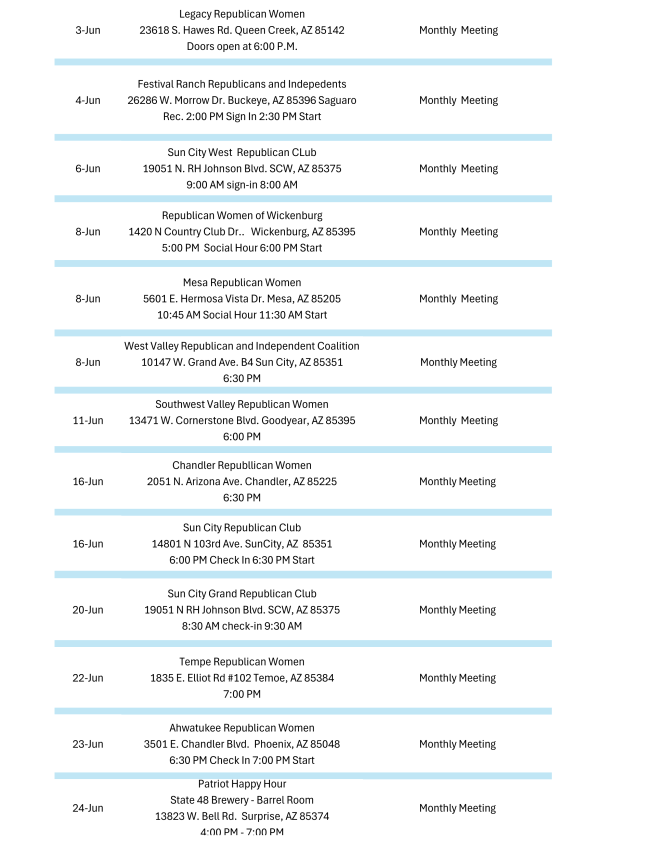
PATRIOT HAPPY HOUR WITH FELLOW REPUBLICANS!


Join Us for Another Great Evening!


Due to overwhelming demand, we’re bringing back our Patriot Happy Hour at State 48 in Surprise! Last month’s gathering was a fantastic success, with great food, drinks, and, most importantly, meaningful conversations with fellow conservatives. Let’s do it again!


 Where: State 48 Brewery - 13823 West Bell Road, Surprise, AZ 85374

 When: Wednesday, June 24, 2026

 Time: 4:00 PM – 7:00 PM


This is the perfect opportunity to connect with like-minded individuals, get to know fellow PATRIOTS, and strengthen our local Republican community. Whether you're a seasoned PC, new to our LD, or simply want to make new friends everyone is welcome!


Bring a friend and join us for an evening of camaraderie, networking, and fun. Let’s keep the momentum going!


Patriot Happy Hour is always the last Wednesday of the month.

IF YOU WOULD LIKE YOUR CLUB LISTED PLEASE CONTACT ME

Thank you,

Lisa Everett


www.patriotnheels.com


Follow me on:

X - @patriotnheels

Facebook - @patriotnheels

Instagram - @patriotnheels