BRHD Bi-Weekly Newsletter. January 26, 2024.

Test2Treat Program for COVID-19 & Flu 

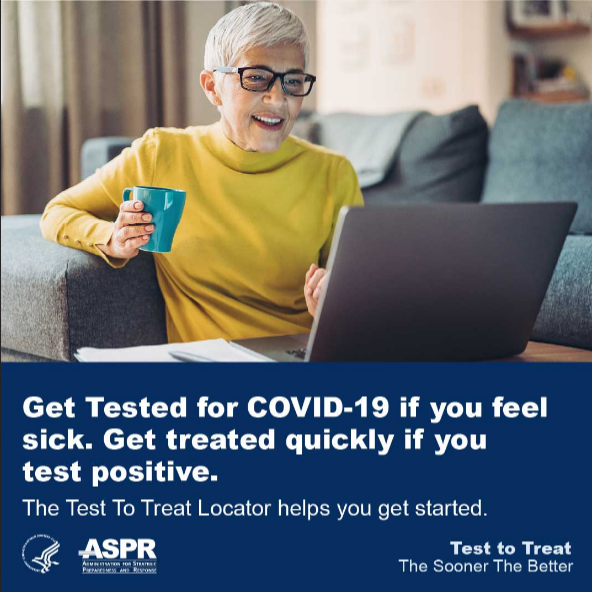
Older woman seated in a living room chair holds a teal mug and smiles at her laptop. Text reads Get tested for COVID-19 if you feel sick. Get treated quickly if you test positive. The Test to Treat Locator helps you get started. Test to treat: the sooner the better.

Did you know there’s a national program providing free telehealth, testing, and treatment for COVID-19 and flu to eligible individuals? The Home Test to Treat program provides access to free COVID-19 and flu telehealth visits and treatment for anyone who tests positive for either condition. Treatment can be shipped to you or picked up at a local pharmacy at no cost for those eligible.


Individuals who are uninsured, enrolled in Medicare, Medicaid, IHS, or VA Healthcare can sign up today and receive free at-home COVID19/flu tests even if they are not currently positive. Regardless of insurance status, anyone with a current positive COVID-19 test may enroll for free telehealth treatment.


Sign up and learn more on the Home Test to Treat website. 

Free Portable Cribs and Car Seats

Our Community Health Workers (CHWs) are closing out January with another round of Free Portable Crib distribution events! Portable cribs are designed for babies less than a year old and under 30 lbs. A brief 15-minute information session is required to receive a crib and will be offered every half hour between 3:00 to 6:00 PM. Interested individuals only need to attend one session. Parents, grandparents, other family members, and guardians of eligible children are welcome.  


Income guidelines apply- WIC, SNAP, TANF, SSI, and Medicaid recipients qualify. Supplies are limited- you must register by phone to reserve a crib. Visit our Maternal Child Health webpage for the full schedule and contact information.  

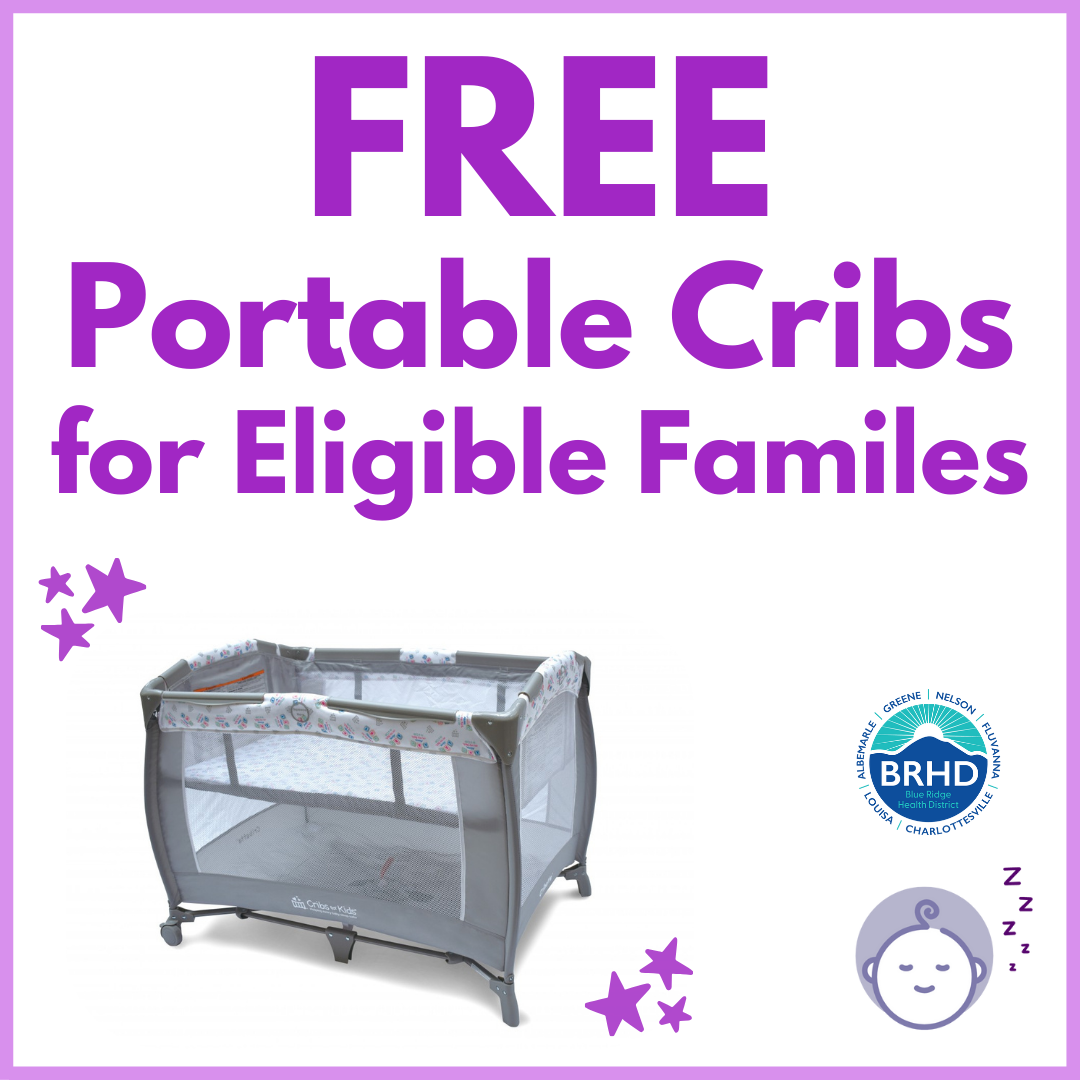
Free portable cribs for eligible families.
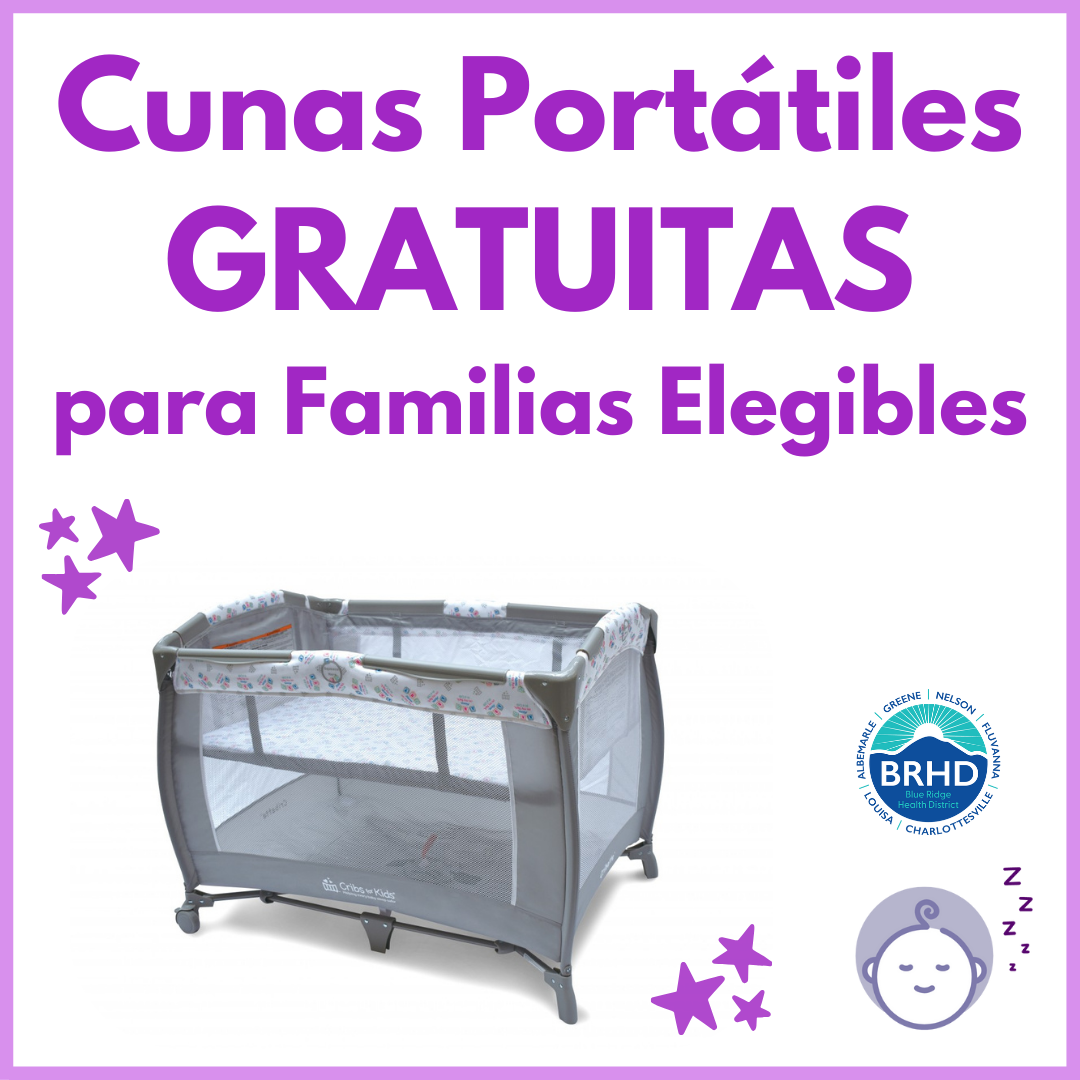
Cunas portátiles gratuitas para familias elegibles.

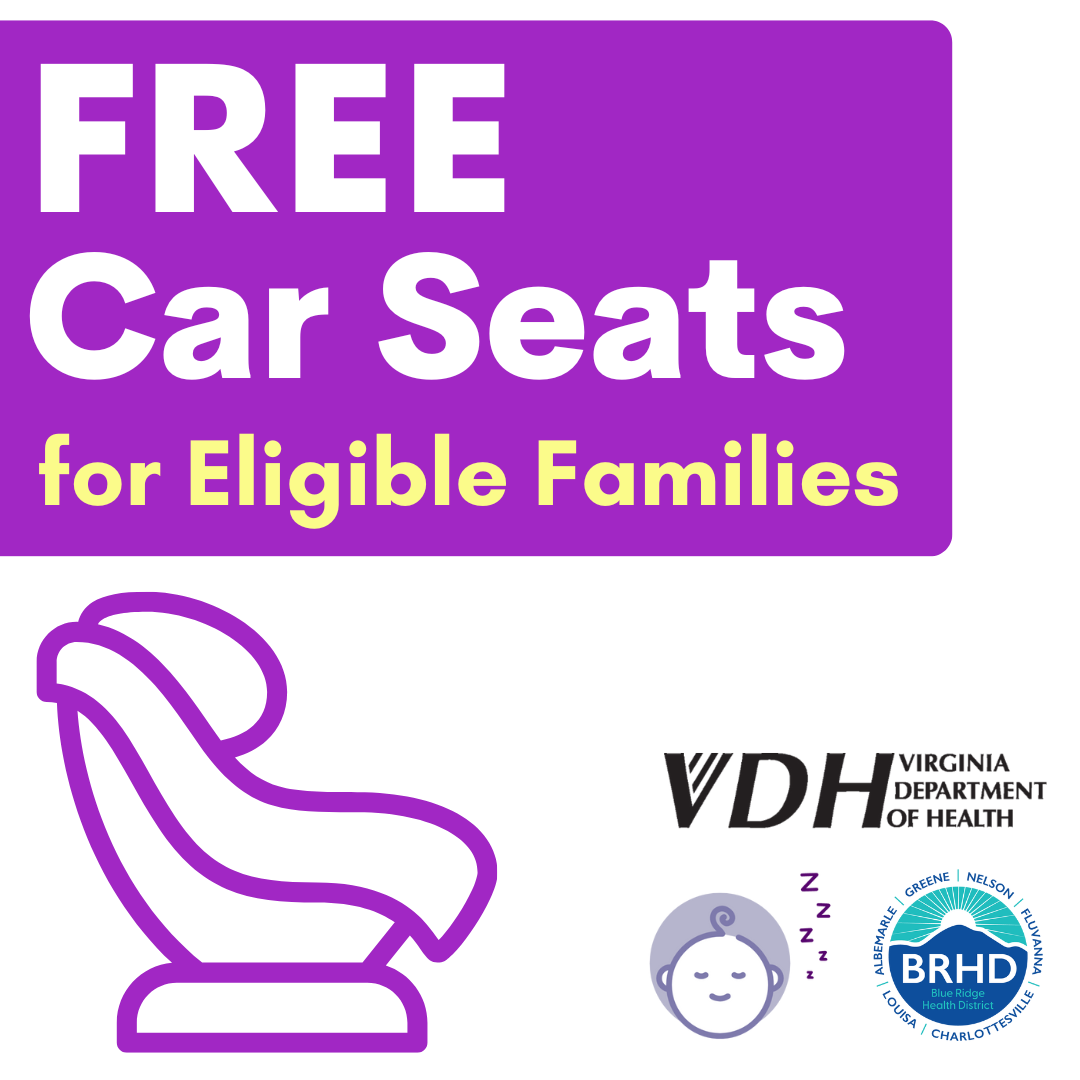
In February, our Community Health Workers (CHWs) will host the Free Car Seat Distribution events. A brief application and hour-long education session are required to receive a car seat. Informational sessions will be held on the hour starting at 3 PM. Interested individuals only need to attend one session. Car seats will not be installed during the event. 


Income guidelines apply- WIC, SNAP, and Medicaid recipients qualify. Proof of Virginia residency is required. Supplies are limited- you must register by phone to reserve a car seat. Visit our Maternal Child Health webpage for the full schedule and contact information. 

Free car seats for eligible families.
Asientos infantiles de automóvil gratuitos para familias elegibles.

Don't Get Cold Feet:

Make Your Winter Safety Plan Today

We’ve already had some winter weather this year, but around here, we know better than to think it’s all behind us. There’s no better time to make sure you’re prepared for an emergency than now!  


What to Do if You’re Stuck on the Road:

Animated illustration explaining what to do if you're stuck on the road during a winter storm.

How to Prepare for a Winter Storm:

Animated illustration explaining how to prepare for a winter storm.

Need help making your plan and not sure where to start? Check out some of the resource sheets below to find what fits your needs best!  


To learn more about how to prepare yourself and your household for severe winter weather, visit Ready.gov’s Winter Weather webpage. 

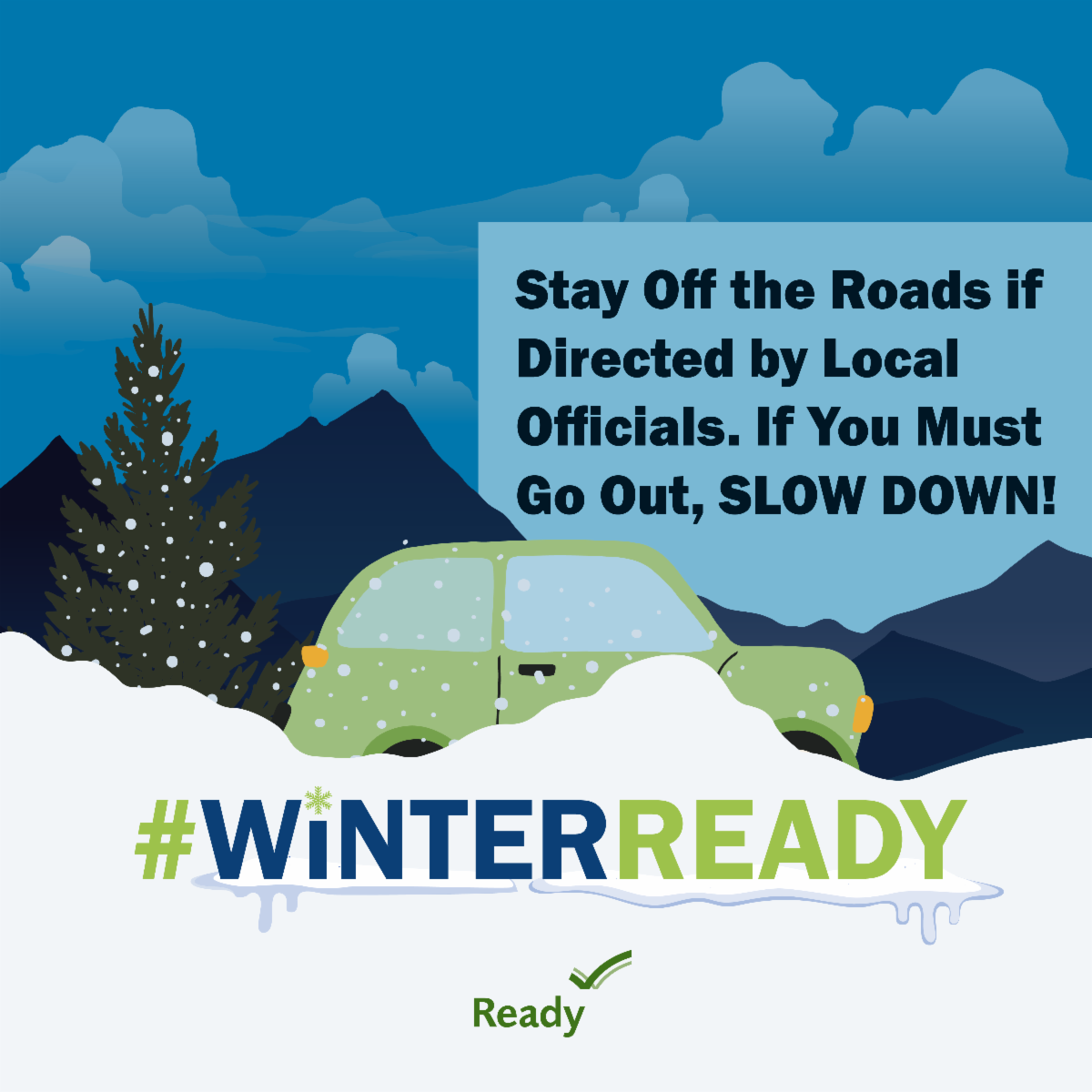
Stay off the roads if directed by local officials. If you must go out, slow down! #WinterReady.
Evite conducir si los funcionarios locales así lo indican. Si debe salir, ¡conduzca despacio! #WinterReady.

Radon Awareness Month

Recognized by the Environmental Protection Agency (EPA), January is National Radon Action Month! Do you remember the last time you tested for radon in your home? Take a few moments to review some basic facts about radon and learn how you can test your nest! 


What is radon? 

Radon is an odorless and invisible radioactive gas naturally released from rocks, soil, and water. Radon can build up in the air in any home or building whether it has a basement, is sealed or drafty, or is new or old. 


What are the health effects of radon exposure? 

Over time, breathing in high levels of radon can cause lung cancer. When you breathe in radon, radioactive particles from the decay of radon gas can get trapped in your lungs. It takes many years for lung cancer to develop. Most people don’t have symptoms until lung cancer is advanced and at that point it is harder to treat. For these reasons, it is important to take steps to reduce radon exposure throughout your life to help prevent lung cancer. 


How do I test for radon? 

  1. Contact your state radon office for testing or purchase a test kit in a hardware store or online.  
  2. If your test shows that radon levels are above 4pCi/L or you are interested in reducing radon in your home, contact your state radon office to help you find a qualified or state-certified radon contractor in your area to fix your home. 
  3. Lowering high radon levels requires technical knowledge and special skills so you should rely only on a qualified professional for these repairs. 
  4. Test radon levels again after any repairs to be sure they worked. 


For further information, check out the EPA’s A Citizen’s Guide to Radon PDF or visit the CDC’s Get the Facts on Radon webpage.  

Click here to download the EPA’s Basic Radon Facts Sheet
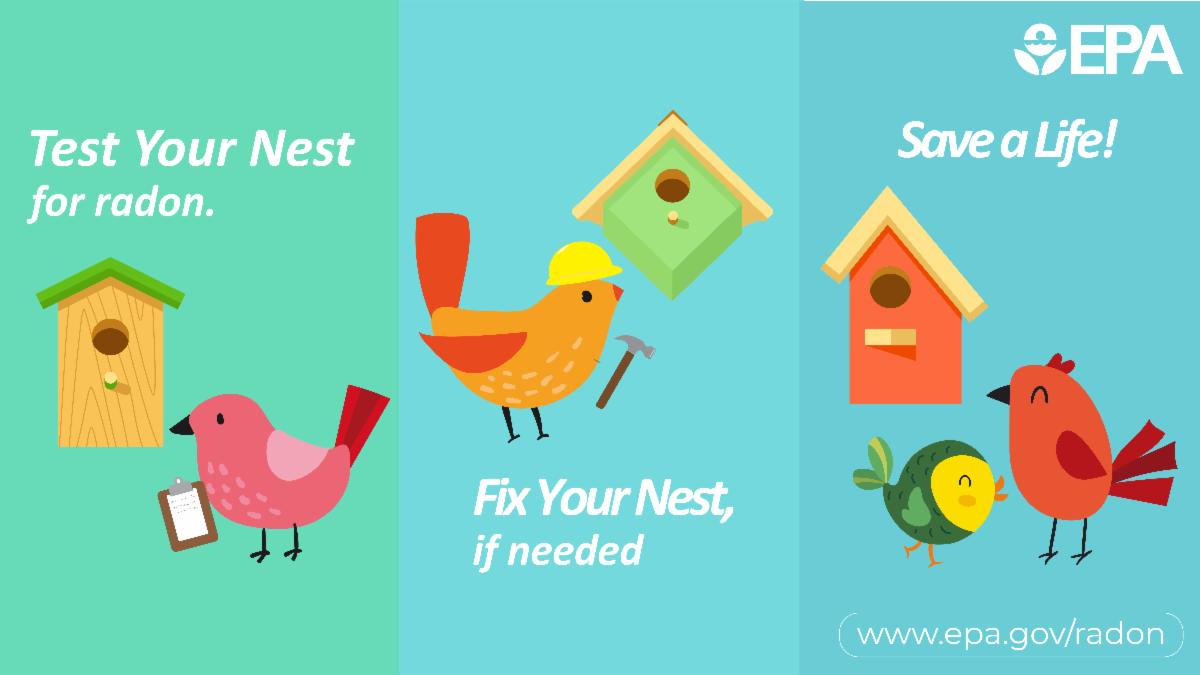
Test your nest for radon. Fix your next if needed. Save a life!
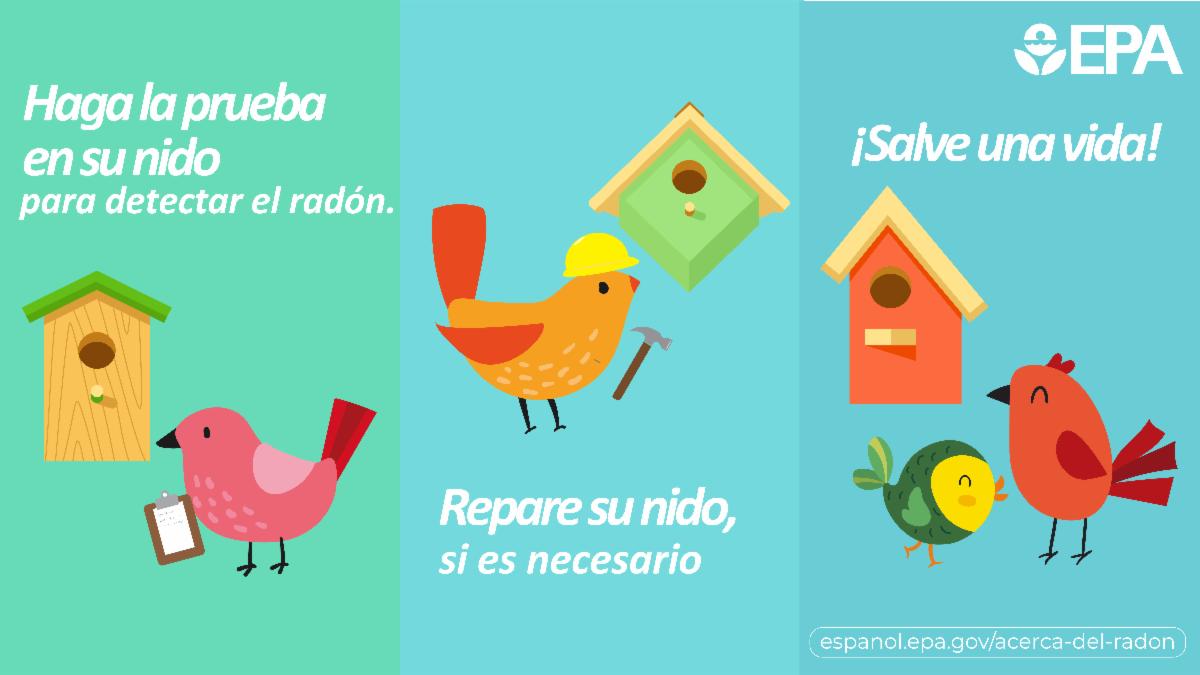
Haga la prueba en su nido para detectar el radón. Repare su nido, si es necesario. ¡ Salve una vida!

National Black HIV/AIDS Awareness Day

February 7 is National HIV/AIDS Awareness Day (NBHAAD), which was first observed in 1999. This observance is a day to acknowledge how HIV disproportionately affects Black people. 


Black communities have made great progress in reducing HIV. Yet racism, discrimination, and mistrust in the health care system may affect whether Black people seek or receive HIV prevention services. These issues may also reduce the likelihood of engaging in HIV treatment and care. NBHAAD is an opportunity to increase HIV education, testing, community involvement, and treatment among Black communities. 


This year’s theme is "Engage, Educate, Empower: Uniting to End HIV/AIDS in Black Communities". 

  • Engage: Discussing ways to better involve the black community in HIV/AIDS prevention and treatment efforts. This can include outreach programs, community partnerships, and utilizing local leaders and influencers to promote HIV testing and destigmatize the conversation around HIV/AIDS. 
  • Educate: Focusing on improving HIV/AIDS education among black youth and adults. This could cover the latest research, treatment options, understanding of PrEP and PEP medications, and debunking myths that contribute to stigma and discrimination. 
  • Empower: Highlighting success stories and strategies that have effectively empowered black individuals living with HIV/AIDS. Empowerment can be through advocacy, policy change, access to care, and support systems. 


Visit the NBHAAD website for great social media posts to share with your friends and family. You can also call us at 434-989-3292 or visit the BRHD sexual health website to learn more about HIV testing, educational resources, and other important programs to keep you healthy! 

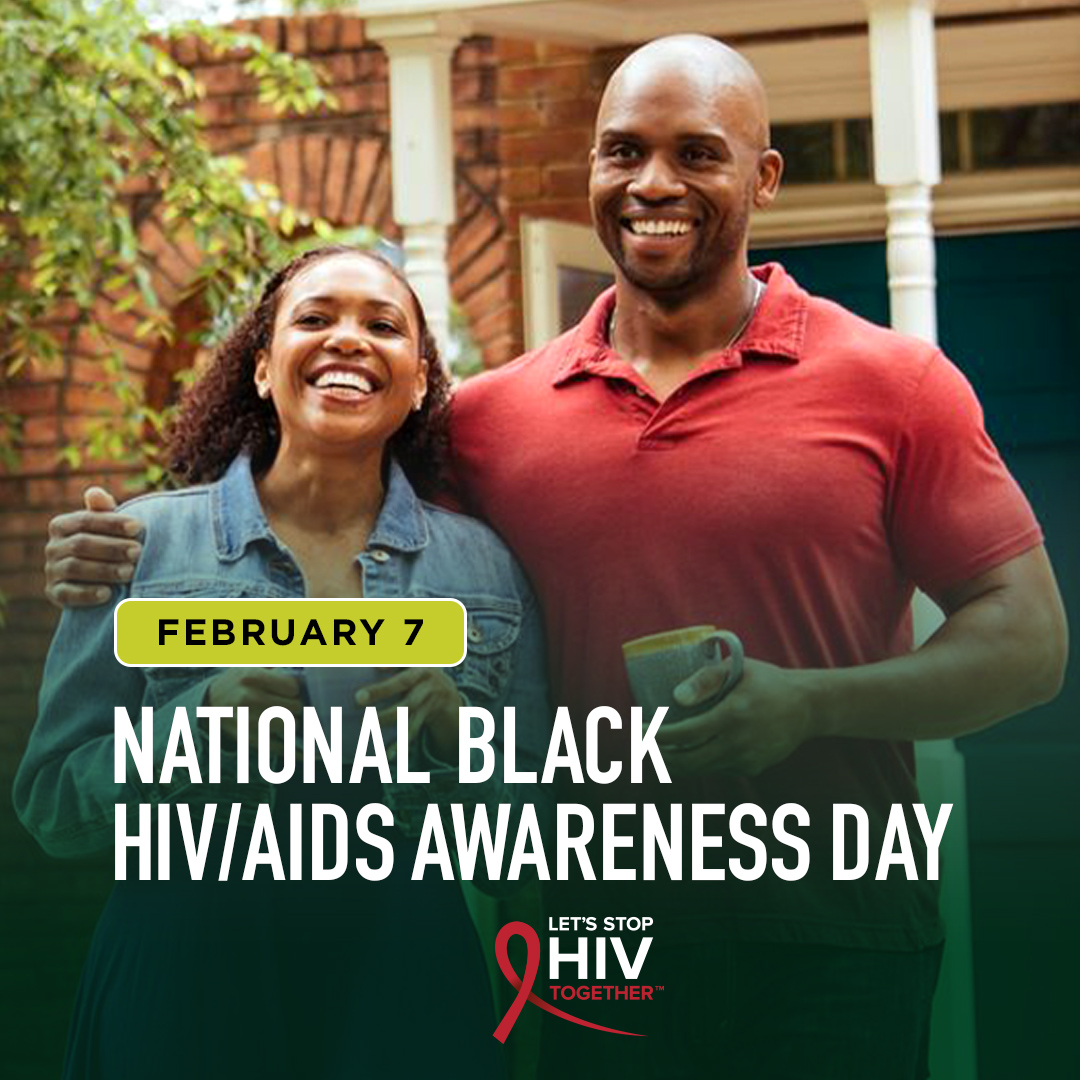
February 7. National Balck HIV/AIDS Awareness Day.
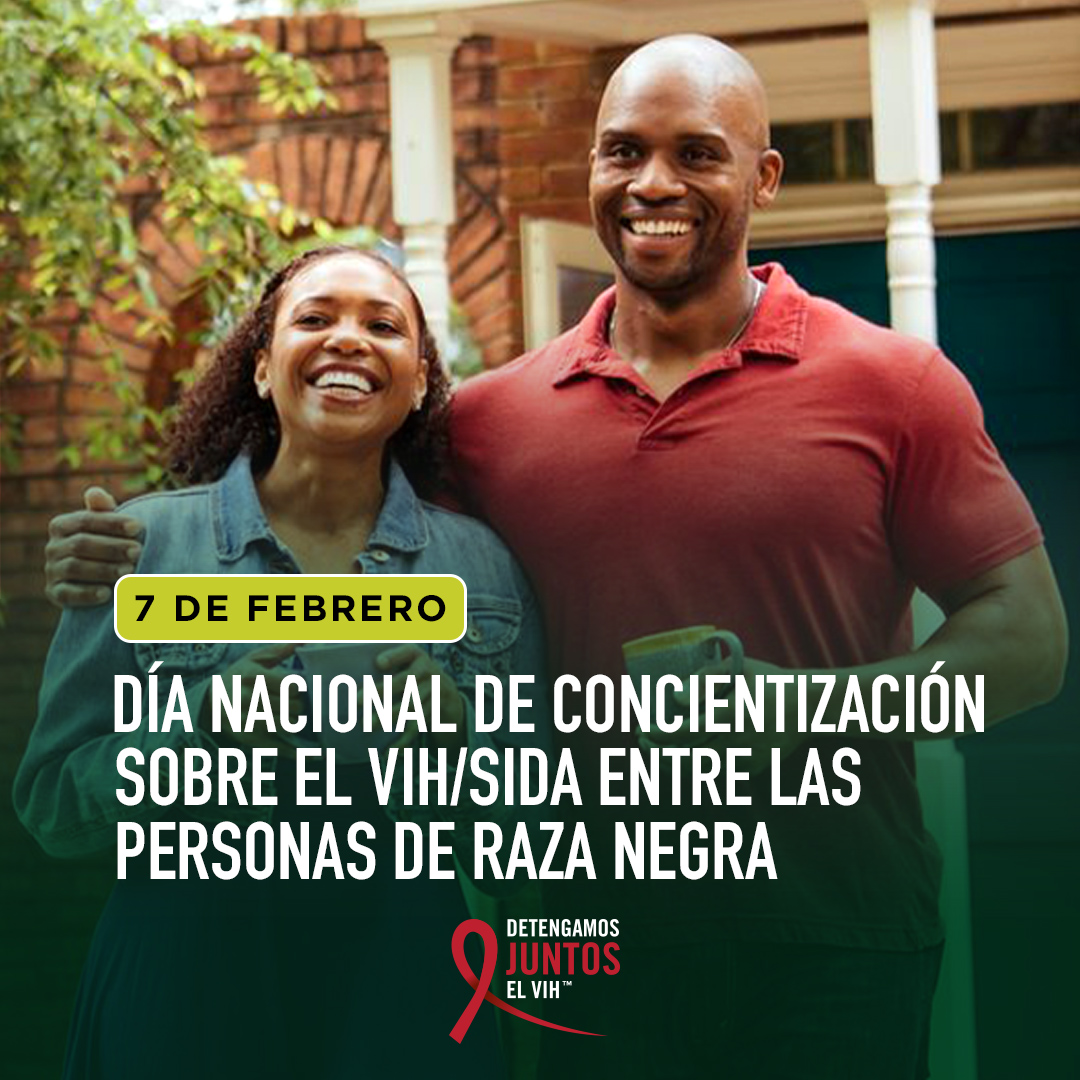
7 de febrero. Día Nacional de concientización sobre el VIH/SIDA entre las personas de raza negra.
JOIN THE BRHD MAILING LIST ⟶
Facebook  X  Instagram