|
Growing More, Earning More
January 2025
| |
|
I’m back from nearly 6 weeks in Sierra Leone. Visiting villages in our new project, Let Them Earn, was a highlight of the trip. I was excited to see what farmer participants had done in the project’s first ten months.
Let Them Earn is a package deal. Farmers each receive an interest-free loan, together with hands-on training on improved growing methods. A project supervisor visits their farms to ensure they apply what they’ve learned. Adult education classes teach numeracy, marketing skills and basic literacy.
I walked out to six farms to view first-hand how participants used their loans and what they achieved.
| |
A world away
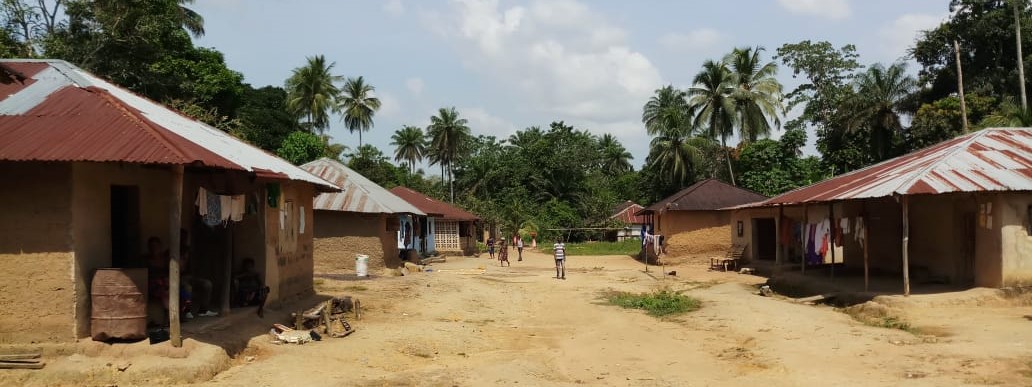
Mokomrabai village is only eight miles away from Rotifunk, but a world away. Eight miles is nearly an hour trip with the miserable roads. Potholes big enough to swallow all four SUV tires; gullies dug by torrential rain. At least the rainy season was ending and the mud drying up. Two weeks earlier, we may not have made it. I vividly saw how bad roads isolate Bumpeh Chiefdom villages for a good part of the year. | |
|
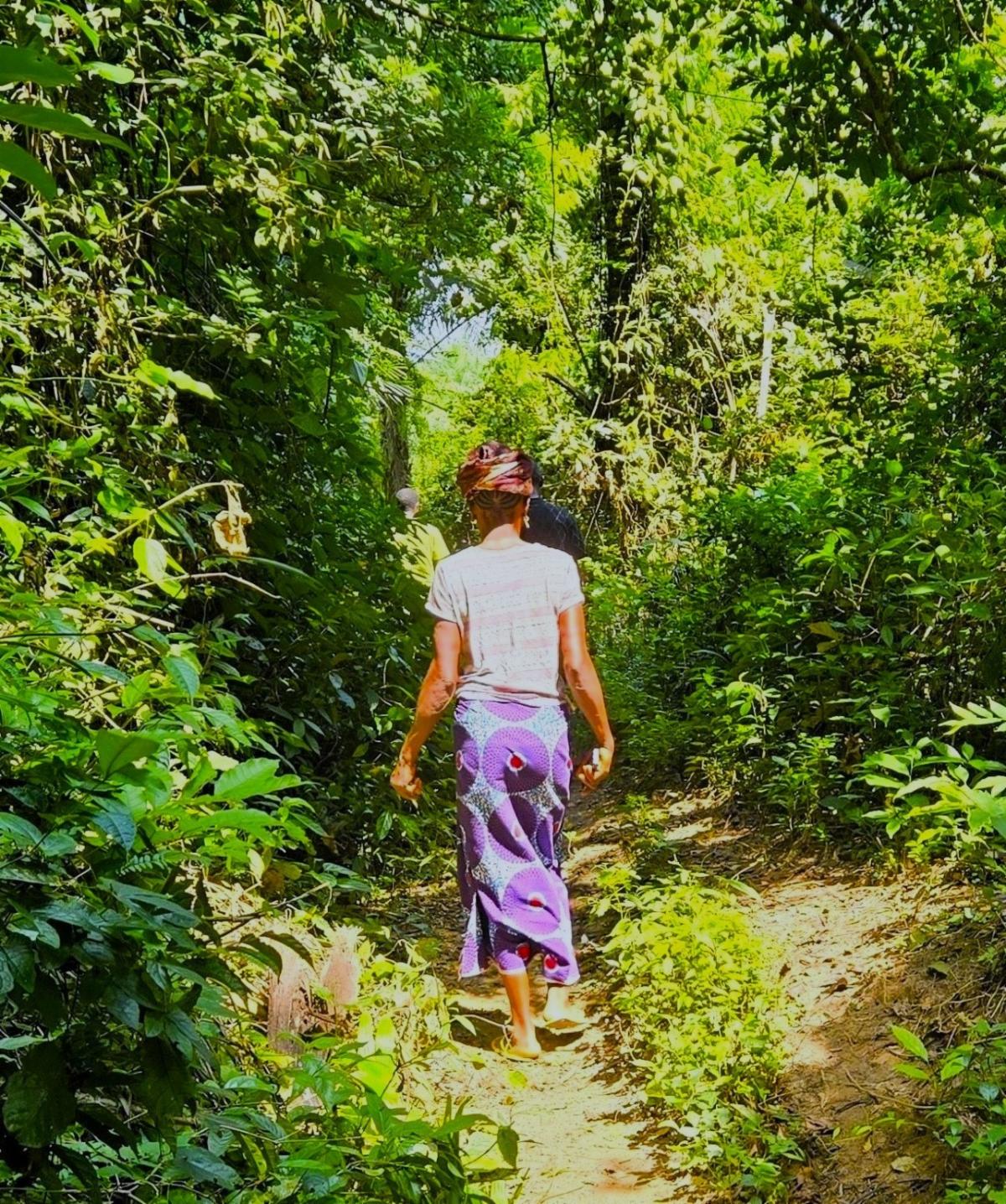
Farms radiate out from Mokomrabai, from a few hundred feet to a few miles. I struggled to keep up with Regina on the half mile footpath to her farm. I kept shifting my eyes from the uneven ground, where I stumbled on exposed roots and small rocks, to following the path winding through dense forest. We were in lowland tropical rainforest terrain. The thick forest blocked the sun and the temperature mercifully dropped.
The first of the fifty project participants to pay back her loan, Regina is also one the oldest. She's a grandmother at 52, caring for several grandchildren. But she glided effortlessly down the path in her lappa skirt (a piece of cloth tied at the waist) and flipflops.
| |
|
|
Traditional subsistence farming
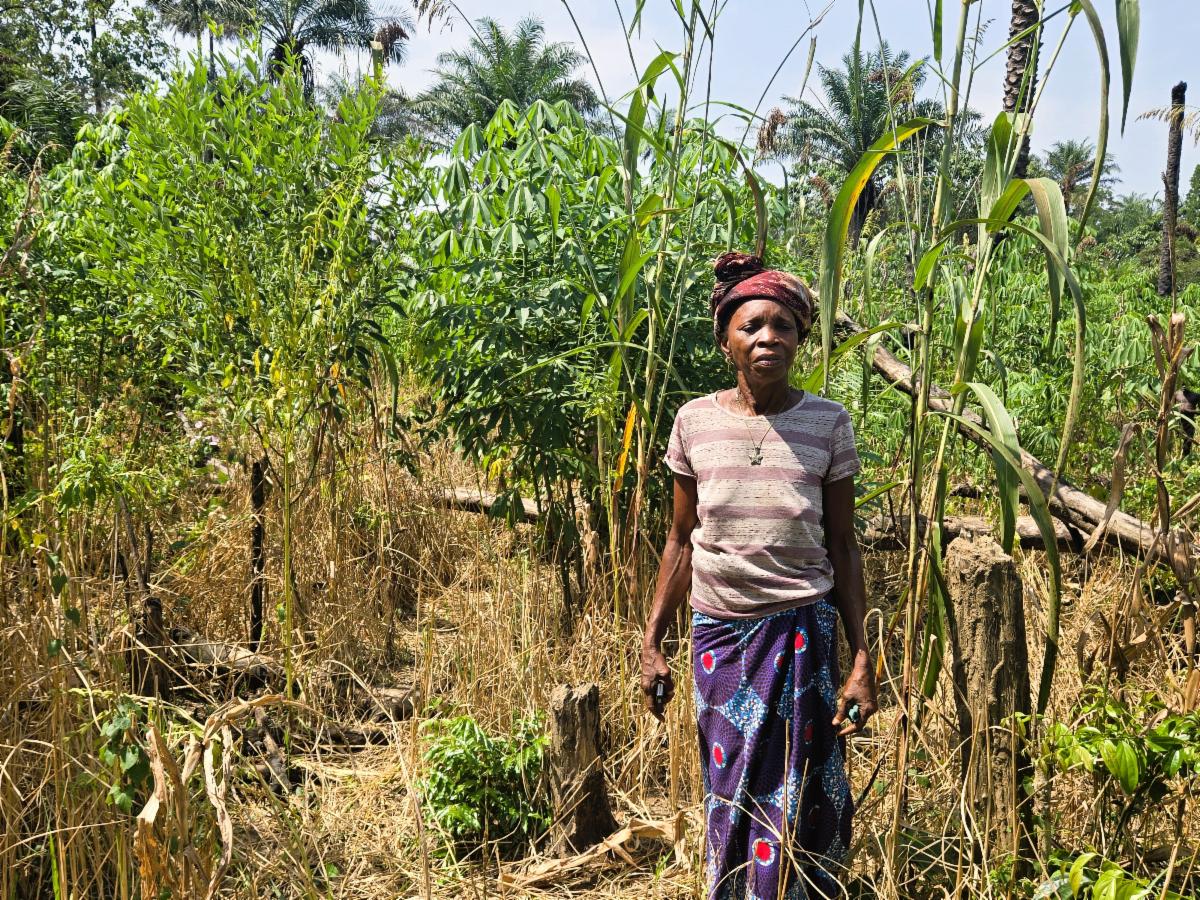
A clearing opened to Regina’s mixed upland farm, typical of local farms. Rice is planted in the rainy season on bare ground. It’s easier to grow than swamp rice, but the yield is lower. Farmers maximize small farms by intercropping with other crops.
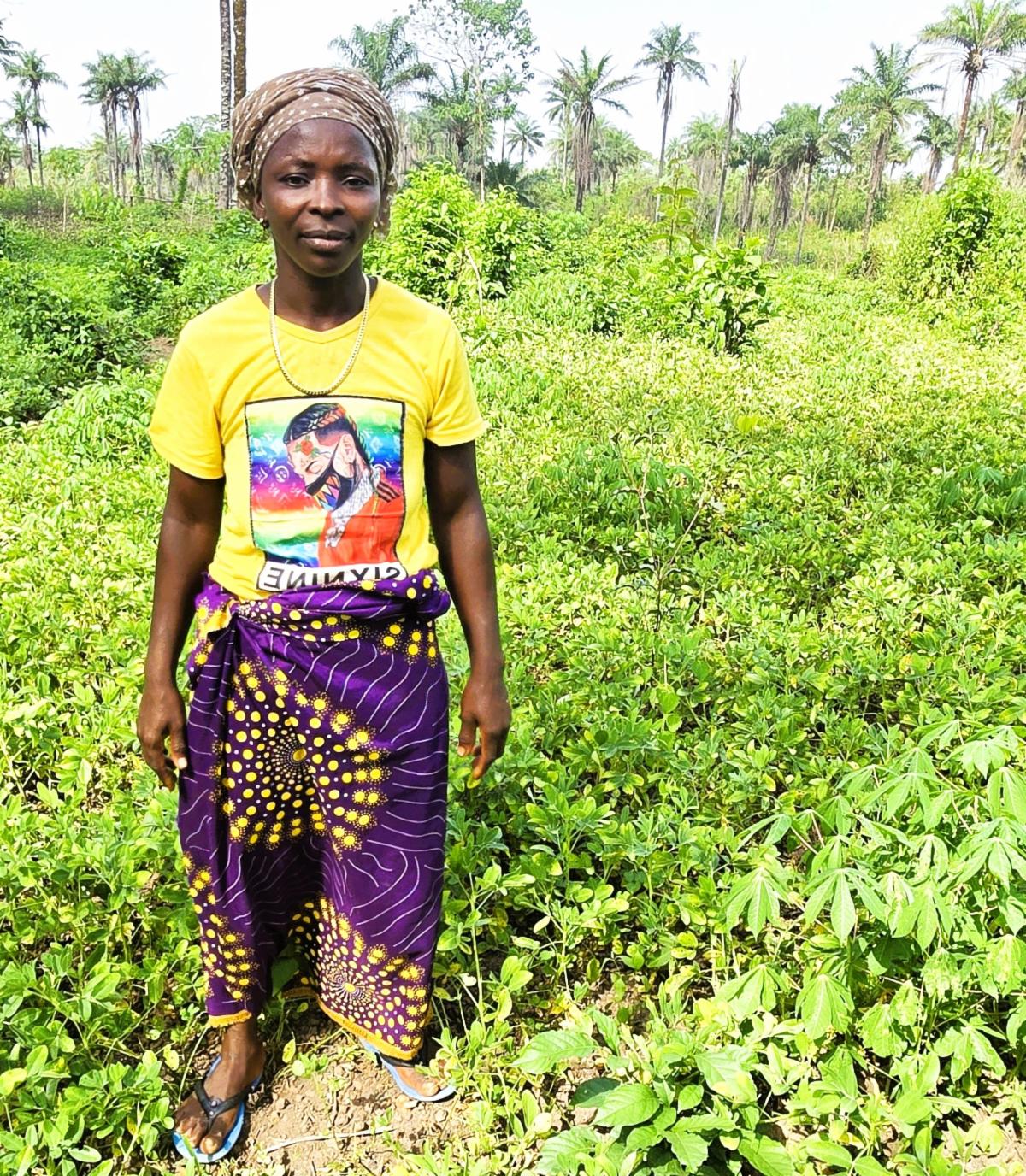
Regina, below, recently harvested her rice, leaving rice straw drying on the ground. Cassava bushes planted last April as short sticks now tower over her, filling the farm. Sorghum (a traditional grain) shoot up behind her like spindly corn. Mixed in are benni (sesame seed) and vegetables like cucumbers and squash.
| |
|
Everything is done manually, limiting farm size. Crops feed the family, but with subsistence farming, there’s little left to sell for cash. Farmers can’t get ahead. They live on the fine line between survival and disaster.
The Let Them Earn project is designed to help farmers grow more and earn more. With loans and training, farmers expand their farms and improve productivity. They’re guided in adding short-term crops that yield profits in 3 – 4 months and can be grown twice a year. With bigger farms, farmers can pay back loans and use net earnings to begin to escape their subsistence lifestyle.
Loans as catalysts
Loans are not available in Let Them Earn villages. Villagers seldom get to a town with a bank. They don’t understand banking, and most wouldn’t be considered credit worthy. Interest rates of 25% for bank and microfinance loans eat up the meager profits of small farmers. Recipients struggle to pay off these loans and break even, let alone get ahead.
Let Them Earn farmers told us this is the first time they've gotten any financial help. The project brings loans to the village level and makes them interest-free to maximize farmer profits. They’re guided in how to budget their $125 loans, lump sum cash most never have.
| |
|
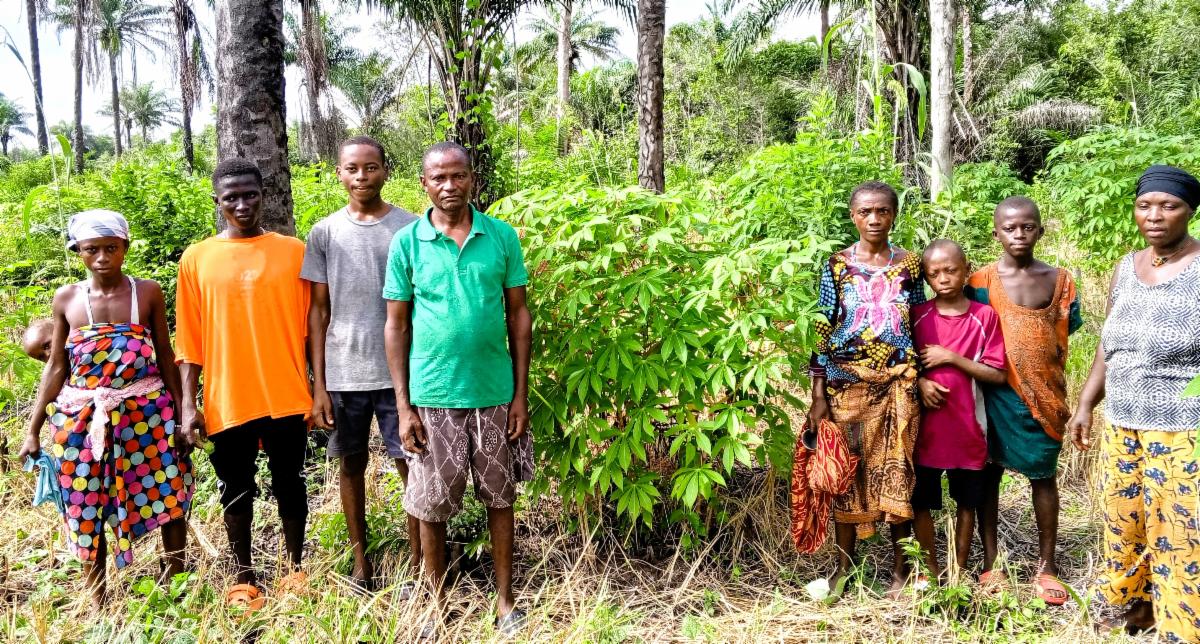
Regina used her loan to grow a second two-acre farm of peanuts, a four-month crop. With peanut profits, she paid off her loan. Her rice harvest serves as staple food for the family. But her cassava can be sold for pure profit. A second peanut crop will put more profit into expanding her farm or paying family expenses.
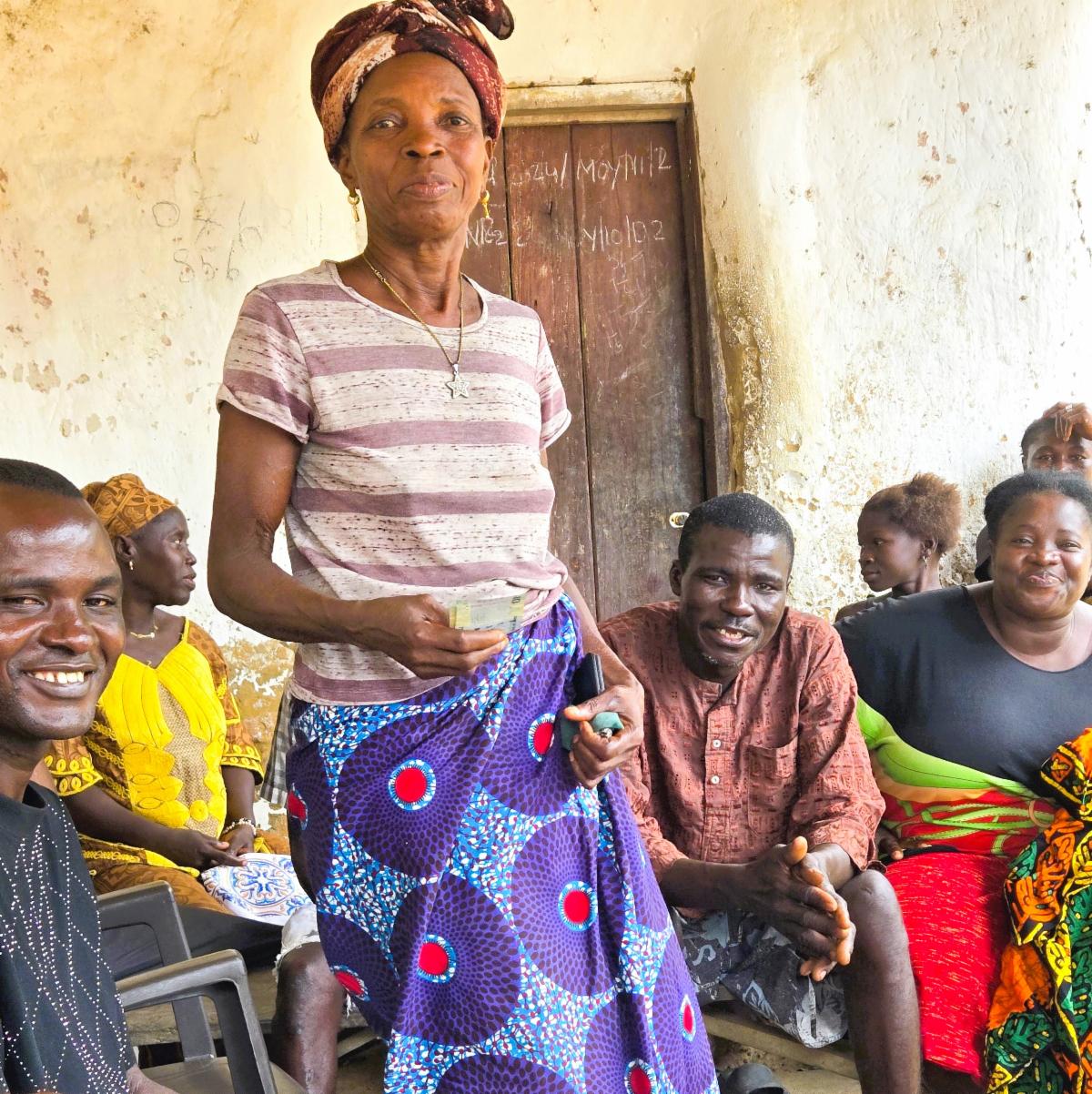
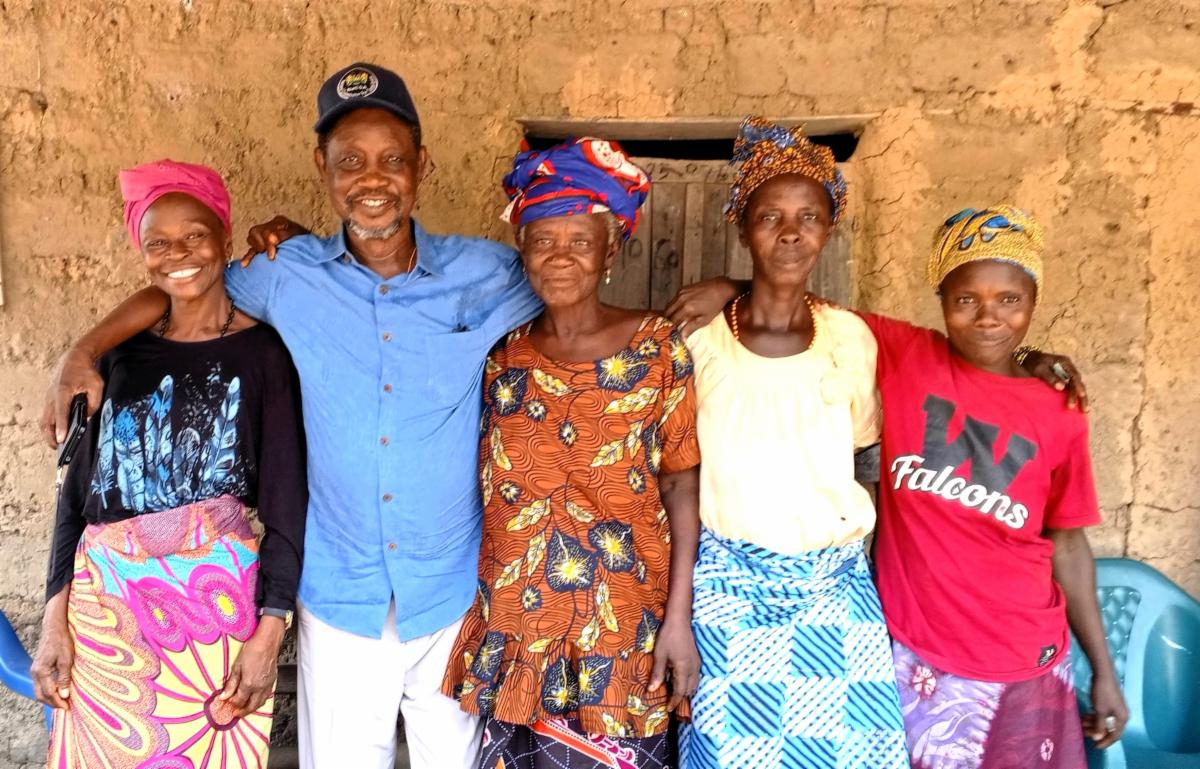
Regina, left, beams after receiving a cash prize for being the first to pay back her loan. The Mokomrabai village chief, center, encouraged all of his women project participants in their work.
| |
|
Empowering women
Bumpeh Chiefdom’s leader, Paramount Chief Charles Caulker, below, is the driving force for Let Them Earn. “My vision for the project is to bring about economic development for my people. I want to improve their living conditions and let them be the force for development in their own villages,” he said.
| |
|
“I’m focusing on women in this project because they are the most disadvantaged and the gap is big. They live in a traditional setting which promotes men over women. It’s a known fact women do all the chores, provide most farm labor and work harder than men. And they care for their children."
"Even though women may live in one household with their men, I’m putting the project loans directly in the hands of the women. This time we will put women first. In my role as traditional leader, I’m now going to make women the stronger ones!” Chief declared at the project’s start.
70% of project participants are women. It's been gratifying to see what they can do with a modest infusion of $125 in cash.
| |
|
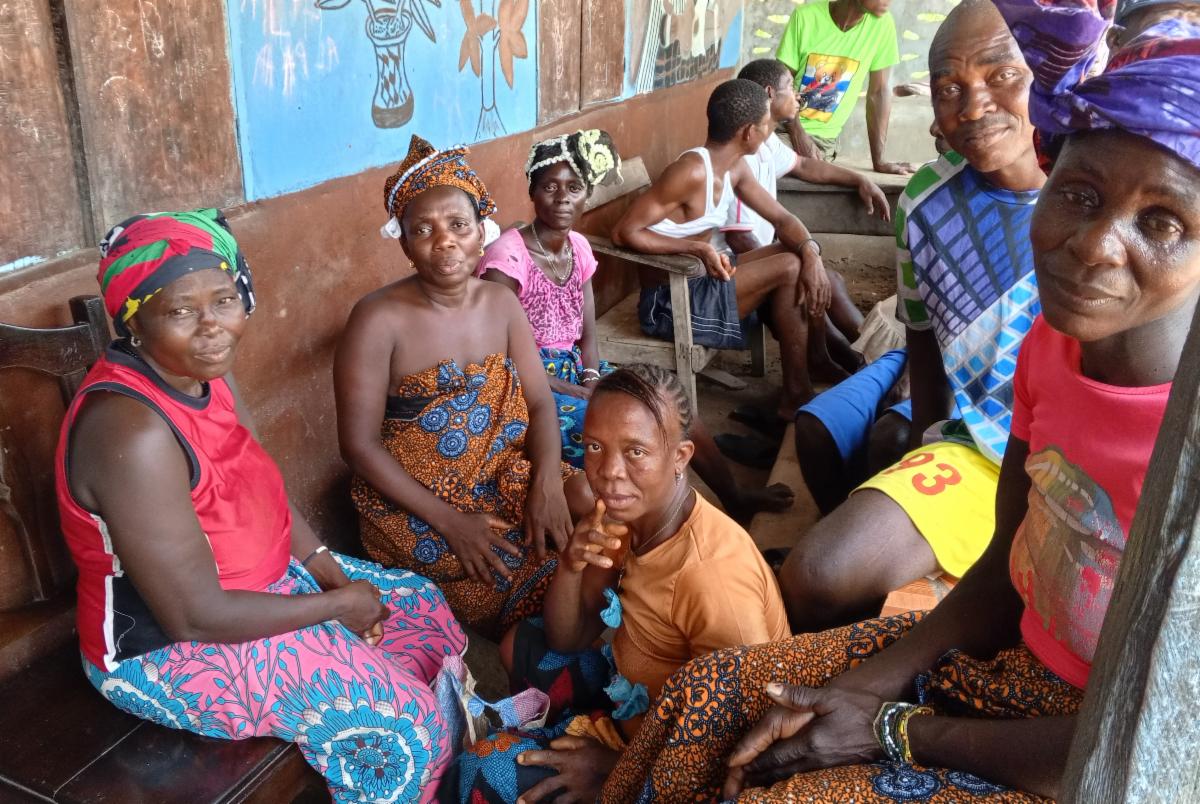
Most participants never went to school. Some attended primary school years ago. A few like Kadiatu, Yenkessa village women’s leader, started junior high, but dropped out. “I had [some] school, but I got more education from Mr. Senesie (Let Them Earn adult education teacher),” she said. Practical education. She learned how to budget each month “so I don’t go backwards.” She’s managing money; not going into debt.
Farmers who never went to school are learning to accurately count change, plan and manage a budget for their small businesses and negotiate produce selling prices.
Expanding farms
Most Let Them Earn farmers used their loans to buy more seed and hire workers to expand their farms. Paying for labor means women can increase the size of their farms and grow more.
On average, project farmers expanded their farms by 60%. Some doubled their farm size. Adding short-term crops like peanuts is on top of this.
| |
|
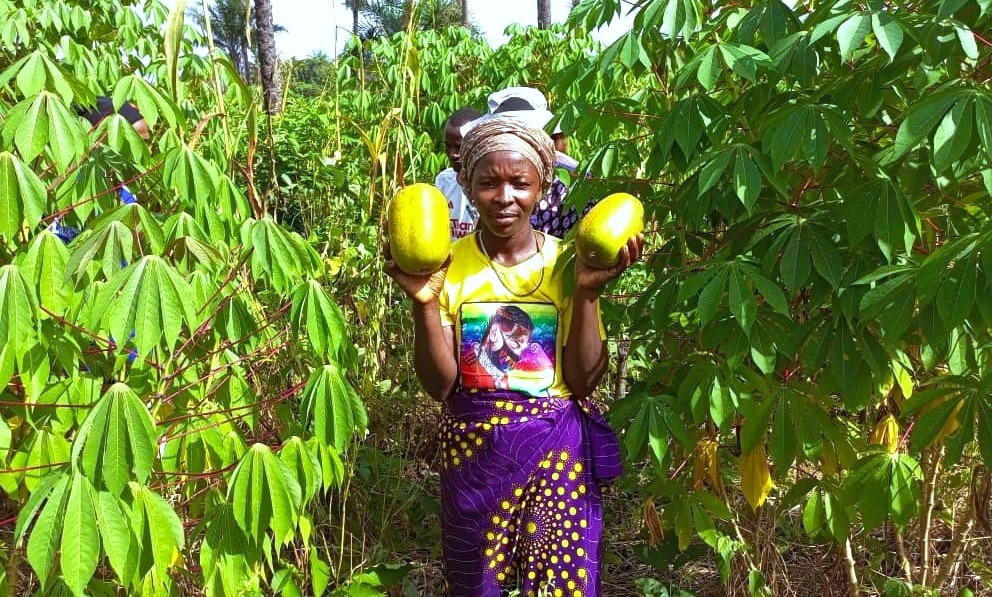
Assanatu, above, shows cucumbers she grew among her cassava. She's a great example of helping people to help themselves. She’s a 36-year-old mother of four young children, and cares for a household of eight. She manages the family farm. Her husband is Fullah, a tribe that traditionally doesn’t farm.
Assanatu put half her loan into developing her farm and half into buying local palm oil to trade for more income. She doubled her mixed farm of rice and cassava from 2 to 4 acres. She also added an acre of peanuts, seen below. Charcoal for cooking in urban areas is much in demand and profitable. She produced 130 bags of charcoal from the bushes and small trees cleared from the farm. Assanatu is a go-getter.
| |
|
With her loan, Assanatu hired work teams of young men to do her heavy labor. Twenty men came four times over the growing season to clear land, plant, weed and harvest.
Taken together, I estimated the value of all Assanatu’s farm produce at four to five times the value of her loan.
She thanks Let Them Earn for giving her family the prospect of living longer. Failed crops or serious illnesses like typhoid and malaria are subject to chance. If problems come and there's no money, she said, life is short.
| |
Village challenges
It’s not all a rosy picture for Let Them Earn farmers. Assanatu won’t get the full value of all she’s produced if she can’t get them to larger markets where they command higher prices. | |
|
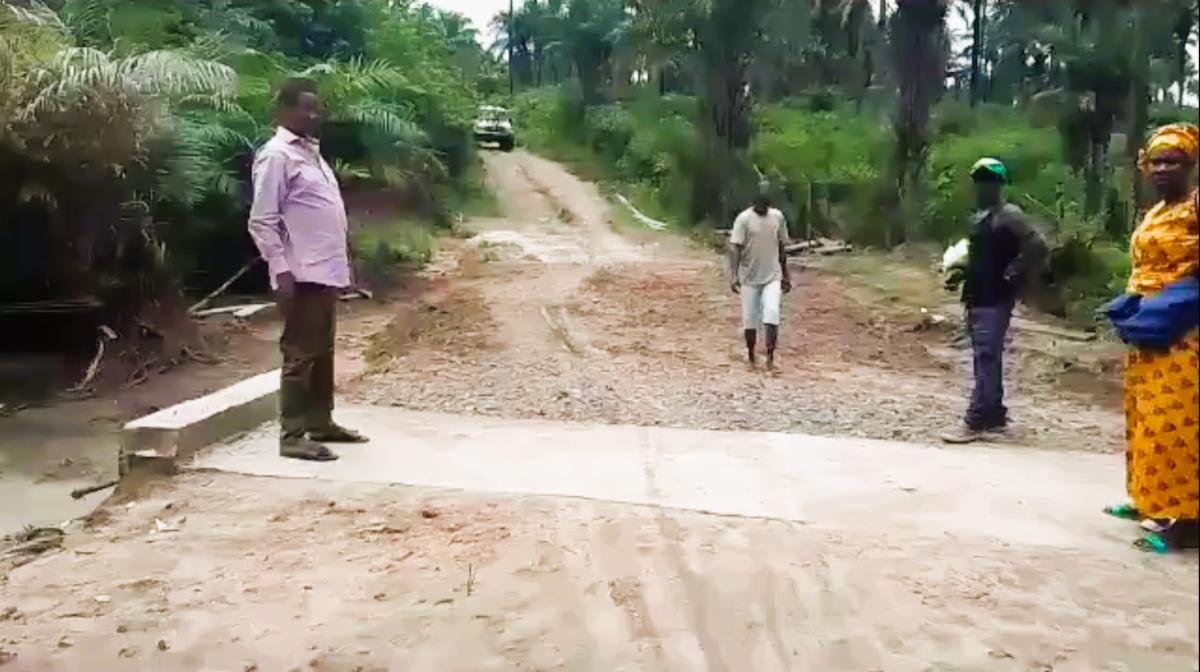
Rotifunk, the closest big market, is only eight miles away, but awful roads limit truck and van traffic and when they can come.
Roads become impassible during the rainy season, leaving farmers to walk and carry produce by head or pay a motorbike taxi.
They may take produce a few miles to the Bumpeh River and go by boat to Rotifunk, or take a dangerous sea route to the Freetown peninsula.
Both increase the time and cost of continuing to urban markets where farmers can earn the most.
| |
|
Sherbro Foundation is stepping in to help our partner CCET-SL improve road conditions. | |
|
We’re installing small culvert bridges, above, to eliminate the worst road flooding during the rainy season. Adjacent villages not in the project will also benefit from improved road access.
We’re also funding village-led repair of the 8 miles of roads to Rotifunk eroded over time by heavy rains. Villages provide their own labor to fill potholes and gullies and dig roadside rain gutters. SFSL is funding tools and “food-for-work", feeding workers on workdays.
Community-led development
The Let Them Earn project has been a real education in what holds back village development, especially remote villages like those in Bumpeh Chiefdom. Kudos to our partner CCET-SL for their work in the field with small farmers. Working side-by-side with project participants over the year, they’re analyzing problems farmers experience real time.
That’s the beauty of being part of community-led development. We can penetrate to root causes and pivot to address them. Bigger NGO’s may feel road repair is not their mission. We can go where problems take us to ensure we meet project objectives: Let them earn, not just let them grow.
We again send huge thanks to the Procter & Gamble Alumni Foundation for their grant to implement Let Them Earn in its first year. Without their support, we could not have launched our first village development project. We’re continuing in 2025, reloaning money from repaid loans to new participants, and with your help, covering project management costs.
-- Arlene Golembiewski
Executive Director
| |
Contact Us: sherbrofoundation@gmail.com
3723 Sachem, Cincinnati OH 45226
| | | | |