Backyard Conversation
Connecting Community + Conservation
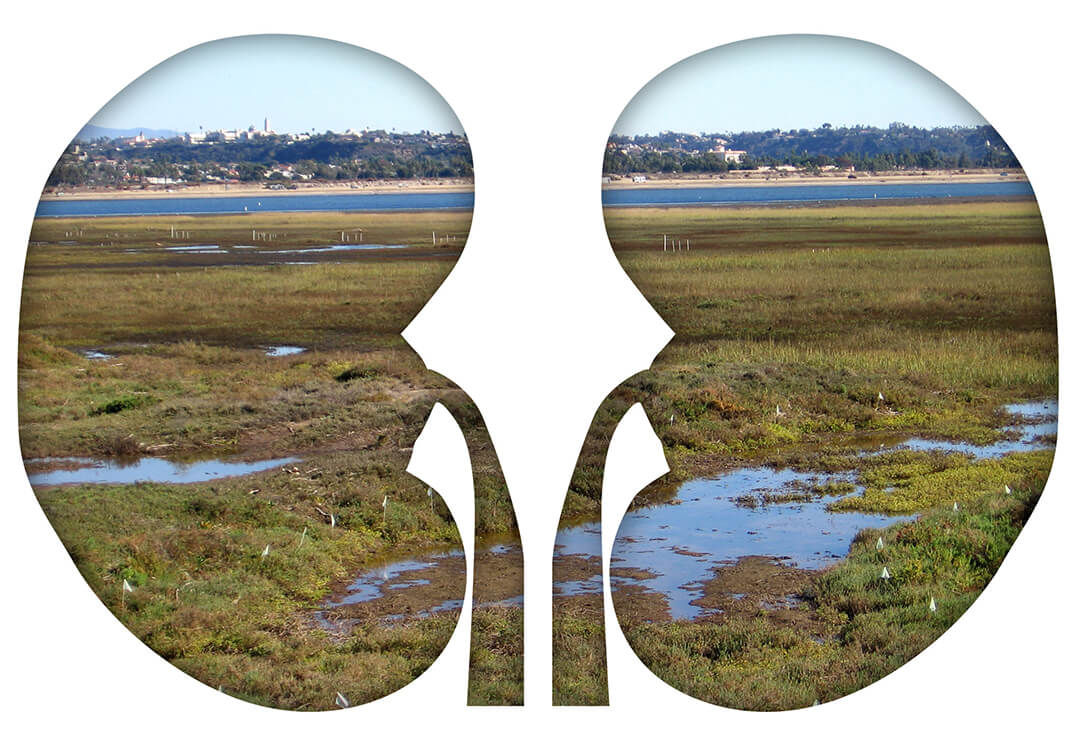
| | Wetlands: Nature's Kidneys | | |
Wetlands are vital habitat and natural water filters. Wetlands, including freshwater and saltwater systems, cover about 6% of the Earth's land surface. Ohio wetlands come in many shapes and sizes. There are four main types of wetlands in Ohio: freshwater marshes, swamps, bogs, and fens.
Wetlands are Nature's Kidneys & Carbon Sinks
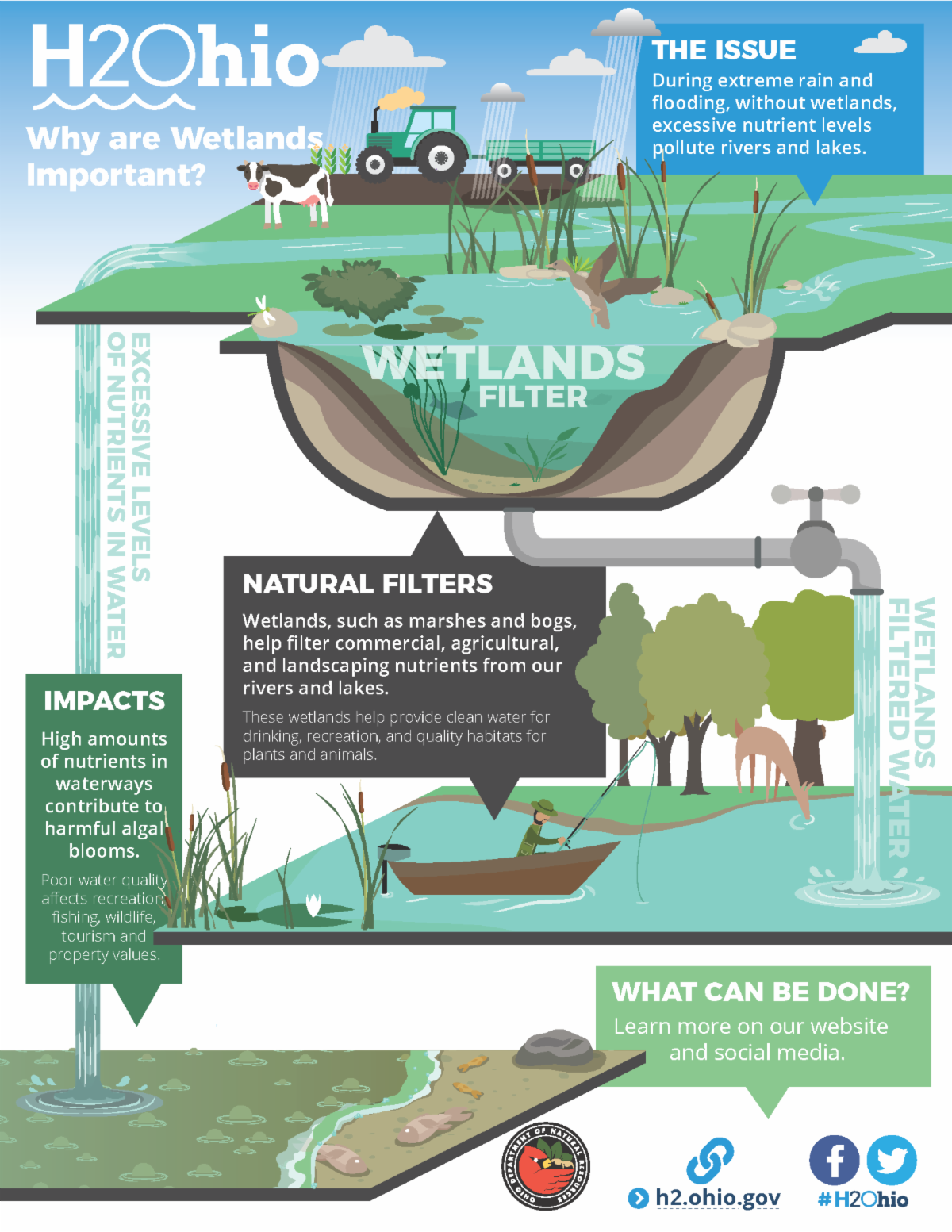
Wetlands are very important filters for our environment. Like our kidneys do for our bodies, wetlands capture water and filter out pollutants like nutrients and sediment. Wetlands also provide crucial habitat for wildlife; one third of American birds need wetlands to survive! These are carbon sinks that capture tons of carbon dioxide and greenhouse gases from the atmosphere, storing it in the soil and plants. This process is called carbon sequestration, and it helps reduce the greenhouse gas effect.
| |
Vernal Pools
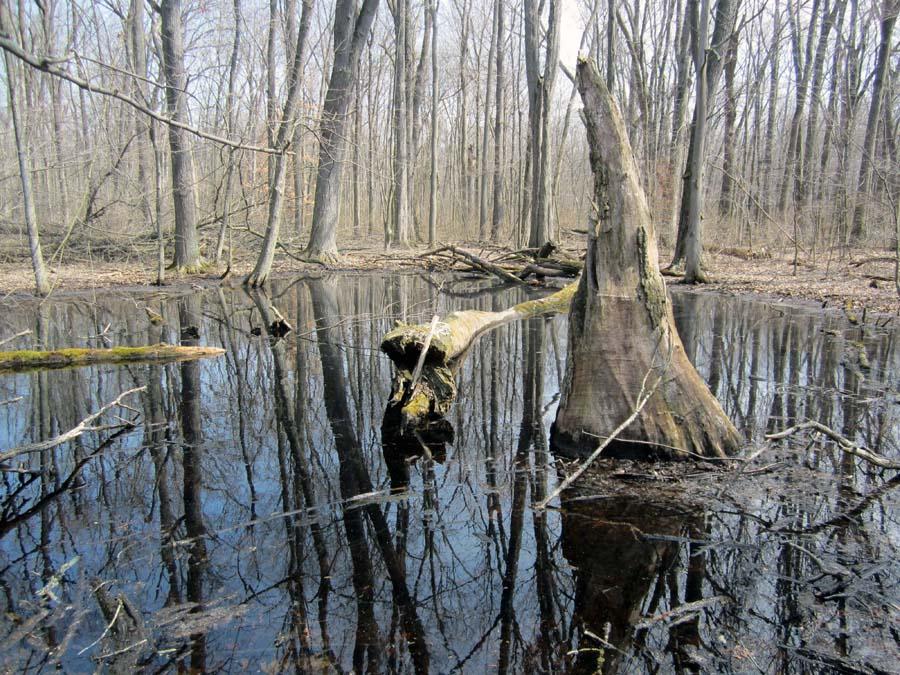
Vernal pools are small, temporary, fishless, shallow depressions that fill with water during certain seasons of the year, particularly in late winter and early spring when the snow is melting and the ground is saturated. They can be formed in a variety of ways, for example when the roots of a tree are pulled out of the ground, and the remaining hole fills with water for part of the year. These small natural features have important impacts. They provide habitat for thousands of species, some of which depend on these specific wetlands for survival. In addition, the pools can reduce flooding, help restore needed groundwater, clean surface water and provide educational and recreational opportunities. A high percentage (85%) of amphibians return to breed in the vernal pool in which they hatched. At night, you might hear the frogs croaking from a vernal pool!
If you want to learn more, check out these resources on wetlands and vernal pools.
| | |
Spread the word with Outreach Resources!
Make a social media post on the monthly topic, send an article to your HOA for their newsletter, or add info to your non-profit's website.
| | |
Franklin Soil and Water's 2026 Grants
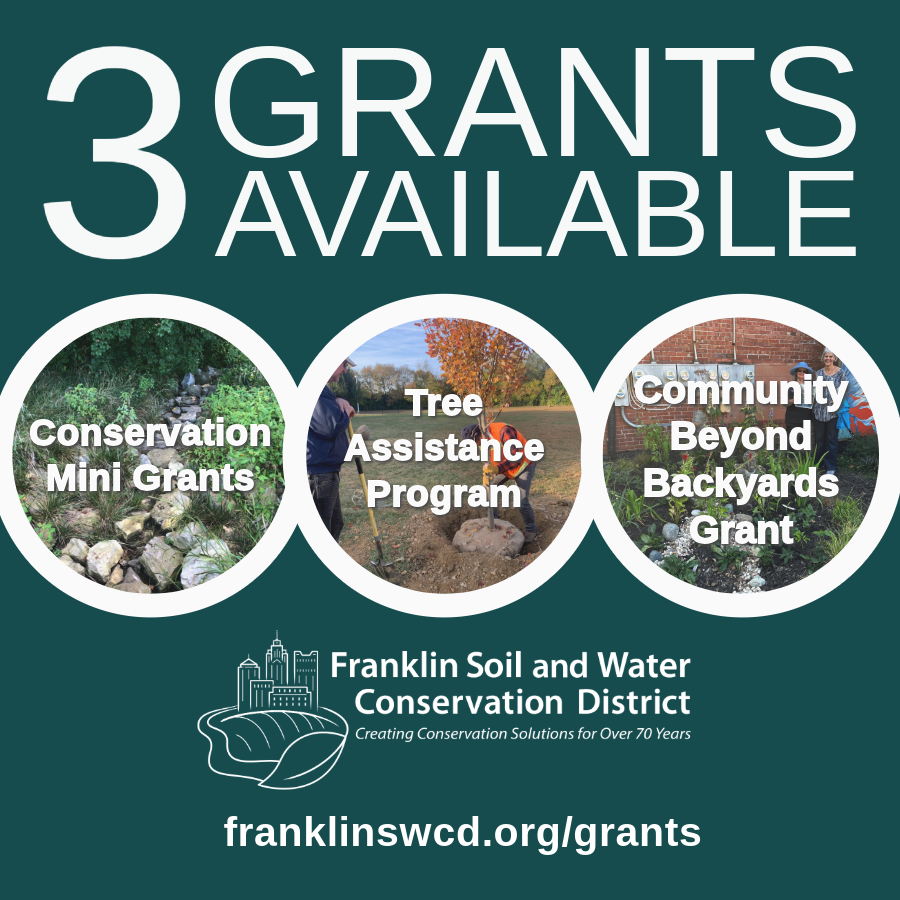
We have 3 grant programs that are currently accepting applications. Because our funding comes from multiple sources, we have different grant programs with similar but different goals and target audiences. Find an overview, application dates, and the link below.
If you're interested in learning about or applying for a grant, watch the recording of our information session! We covered 3 grant programs: Conservation Mini Grants, Community Business Rebates, and Columbus Tree Assistance Program.
| | |
Grant Application Windows
February 1 - 28, 2026
Conservation Mini Grants
February 1 - March 13, 2026
Community Backyards Business Rebates -> Now called: Community Beyond Backyards Grants
February 1 - March 31, 2026
Columbus Tree Assistance Program (TAP)
| | | | |
Shop Our Tree Sale
Our annual spring tree and plant sale is open now! Place your orders by March 23. Please note, we might run out of certain species before then, so order sooner rather than later.
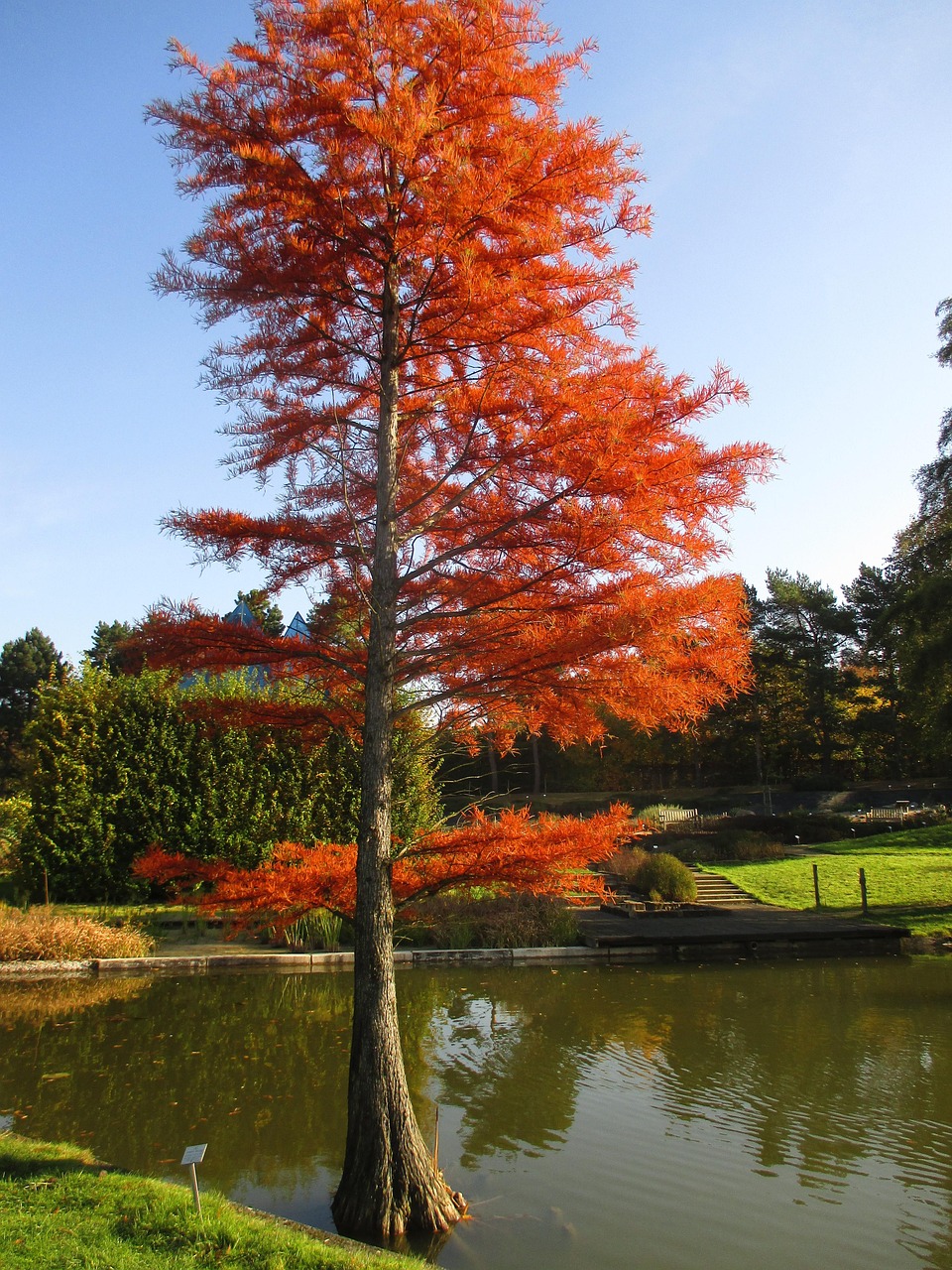
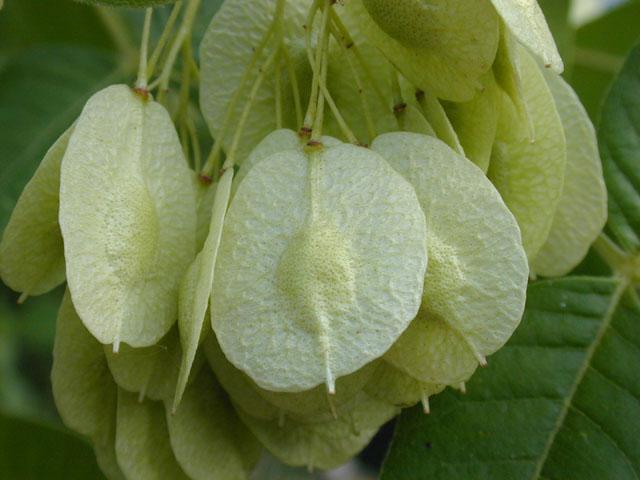
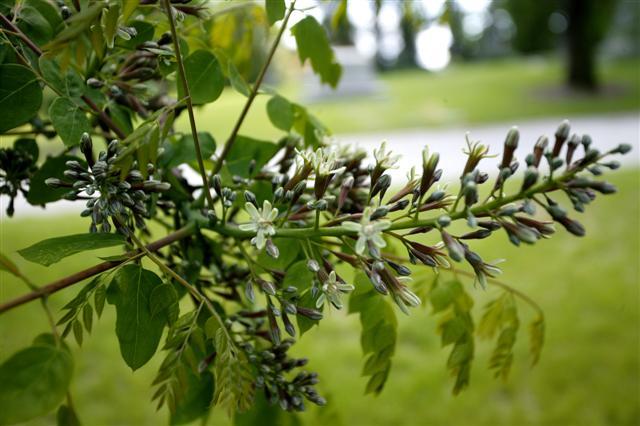
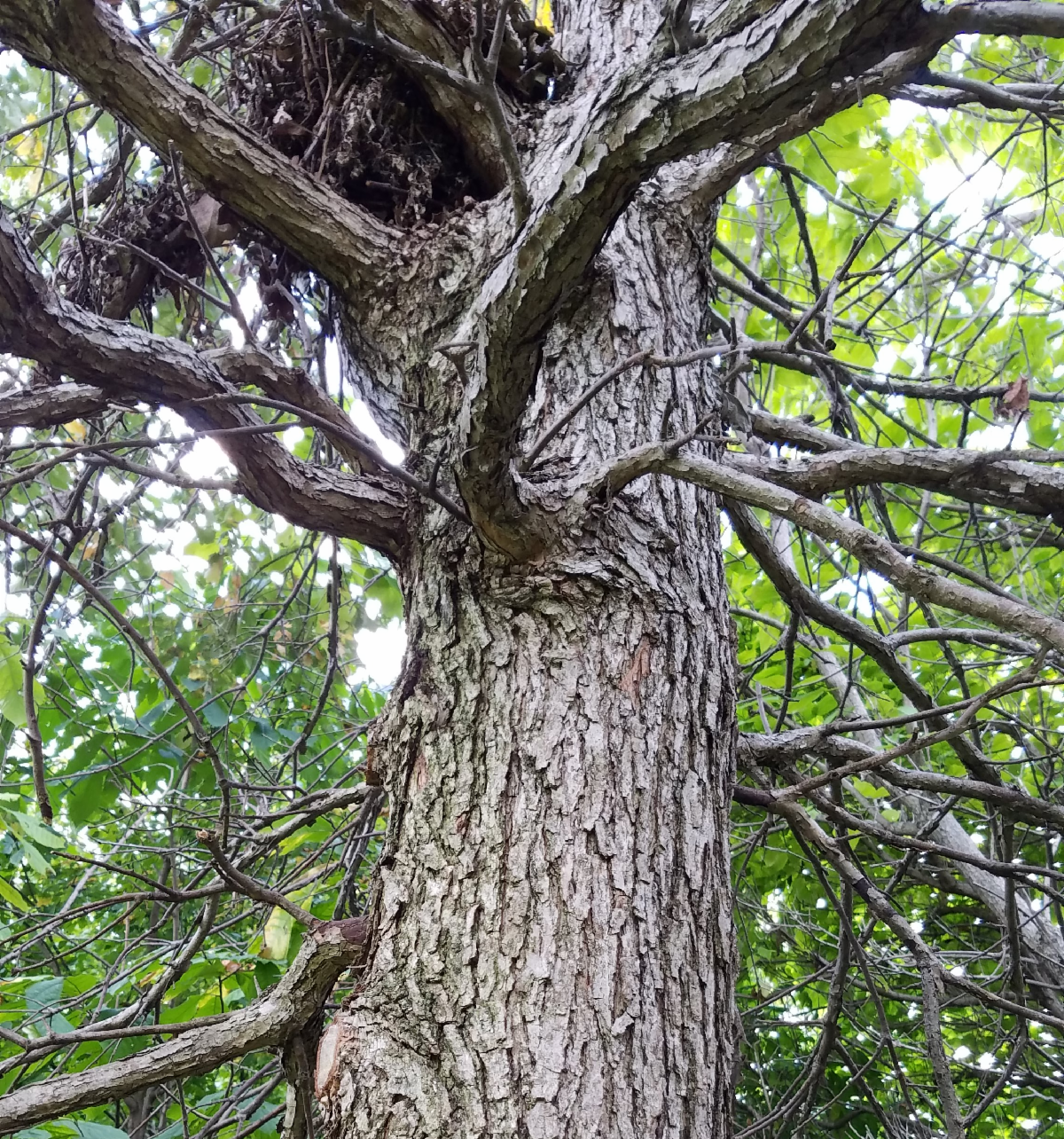
| | Available Plants for Urban Areas with Heat, Salt and Compacted Soil | | A small and handsome uncommon tree reaching 15-20’ height and spread. Occurs in moist woodlands as an understory plant and hosts giant swallowtail and eastern swallowtail butterflies. Features fragrant yellowish-green flowers that produce seeds once used as a substitute for hops. This small tree is quite lovely and would do well as a landscape specimen plant. | | Kentucky Coffeetree prefers deep, moist, alkaline soils, but thrives almost anywhere it is planted, except for permanently wet soils. It is extremely tolerant to many stresses (including heat, drought, poor soils, compacted soils, high pH soils, occasional brief flooding, and air pollution). | | | | This shrub is broad, rounded, and somewhat open, reaching 6-12’ tall and wide. Easily grown in frequently wet spots and ideal for rain gardens, wetlands, wet meadows, or stream bank installations. Many ball-shaped, fragrant, creamy white flowers bloom June-August. Pollinator magnet. Can be cut back near to the ground in early spring to revitalize or maintain size and shape. Tolerates wind and compacted soils. | | |
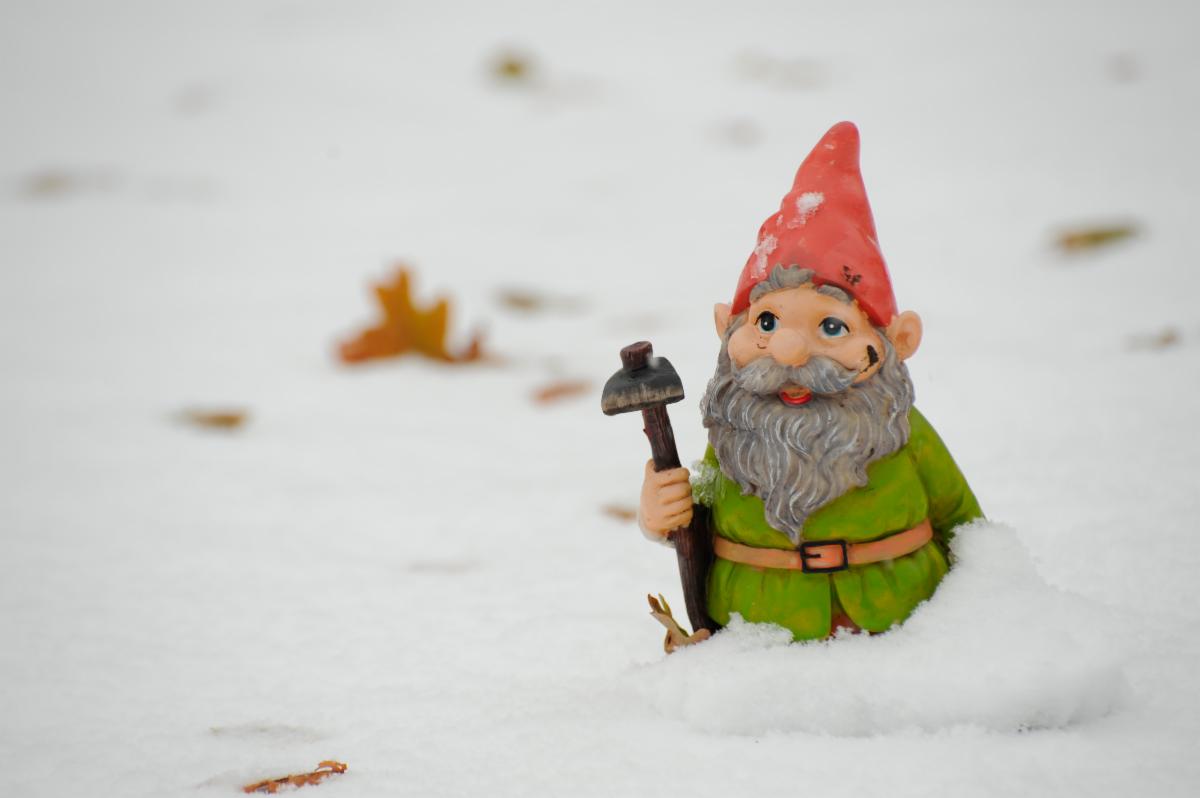
February Yardening Tips from Lonnie the Garden Gnome
-
When it snows, Be Salt Smart. Help reduce the salt, particularly chloride, that enters our waterways by following our Salt Smart tips.
-
Start dreaming your 2026 garden plans. Native plants, rain gardens, rain barrels. Find resources on at CommunityBackyards.org to start dreaming and planning.
- Save the garden clean up for spring. Leave the leaves, seed heads and stems. This provides winter interest, habitat and will provide nutrients to your soil and winter food and habitat for wildlife, insects and pollinators. Remember to keep the leaves and debris out of storm drains.
| |
| Will you visit a wetland this month? | | | | | | |