Backyard Conversation

Connecting Community + Conservation

Salt Smart
Proper Salt Management Protects Water Quality

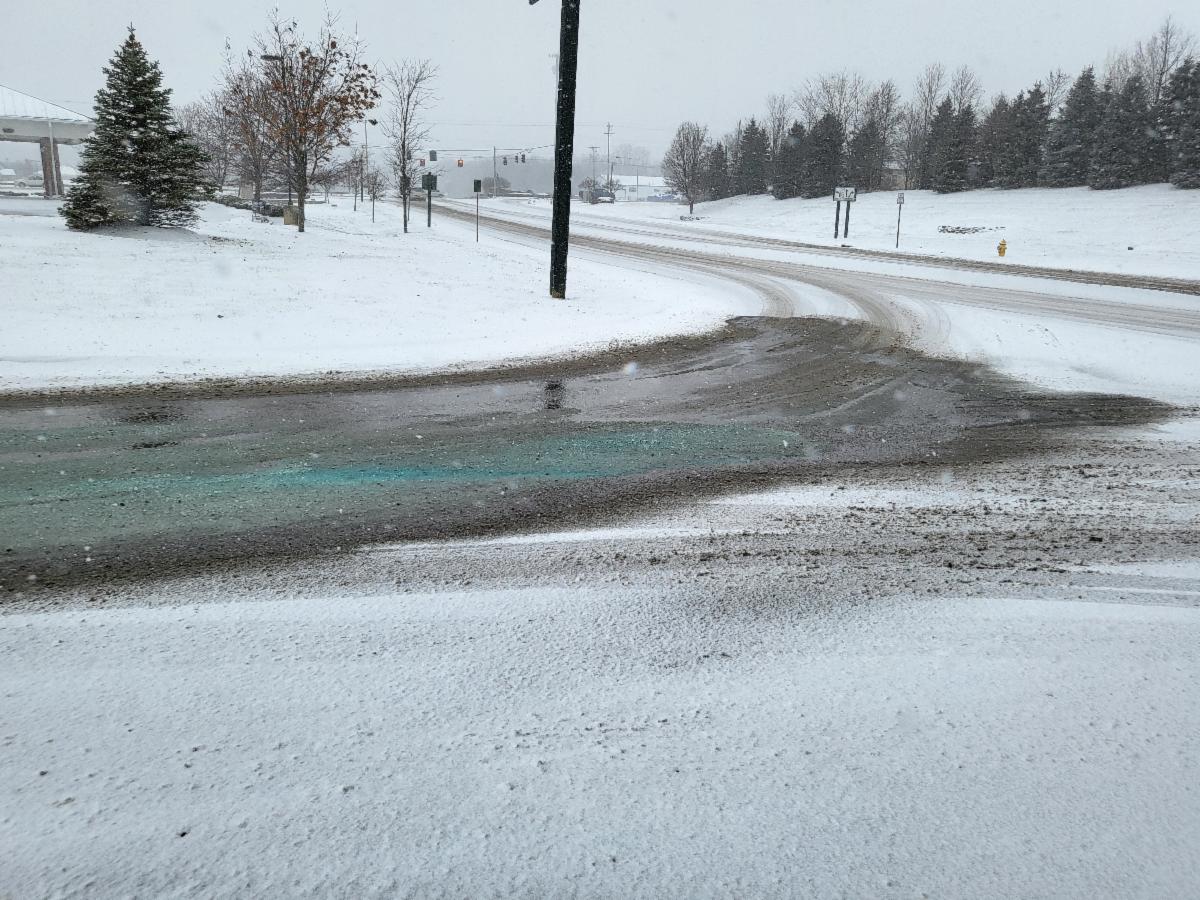
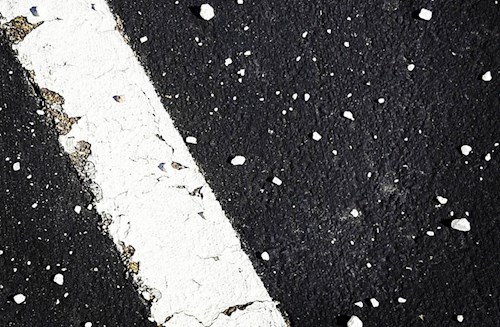
Road salt and deicers are necessary for public safety in the winter. Without it, we wouldn't be able to safely drive or walk! However, many freshwater systems across the country are becoming contaminated with chloride. Chloride comes from road salt and deicers and reaches peak concentrations in the winter and early spring = same time as salt usage peaks. Other sources of chloride include water softeners, fertilizers (like Potassium Chloride - KCl), and dust suppressants.

How Road Salt Affects Water Quality


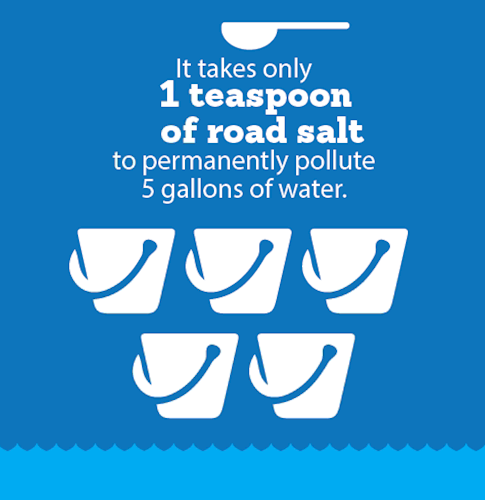
Just one teaspoon of salt contains enough chloride to pollute five gallons of water. The chloride from salt is virtually impossible to remove from a waterbody once it is there. This means that our waterways are becoming saltier over time. This is a problem because many aquatic species are very sensitive to salt concentrations (aka salinity) and may not survive in saltier conditions. It's important that we take steps to reduce our salt usage in order to reduce the salt runoff at home that enters our waterways.


Besides home, the State of Ohio Department of Transportation has increased the use of salt brine before a storm in place of traditional road salt. Salt brine is a diluted liquid form of road salt that works faster, saves money, and stays in place compared to road salt.

Salt Smart Tips


The Truth About Salt

  • There is no such thing as environmentally friendly salt or deicer. Currently, there are NO regulations that require truth in labeling within the salt and deicing industry. All deicing chemicals cause damage to our waterbodies, plants, wildlife, and infrastructure, and should be used as little as possible.


Practice Shovel, Scrape, Repeat

  • The best way to remove snow and ice is the old-fashioned way: clear the snow and scrape or chisel away the ice.
  • Avoid ice buildup by shoveling early and often and redirecting downspouts away from hard surfaces.


When to Use Salt

  • If it's a warm day and the sidewalk is wet, don't use any deicers. The sun is already doing the job for you, and throwing salt onto ice isn't going to hurry the process; it's just going to send deicer down storm drains.
  • If you must apply salt or deicer, apply the product on ice only; do not apply to dry pavement.
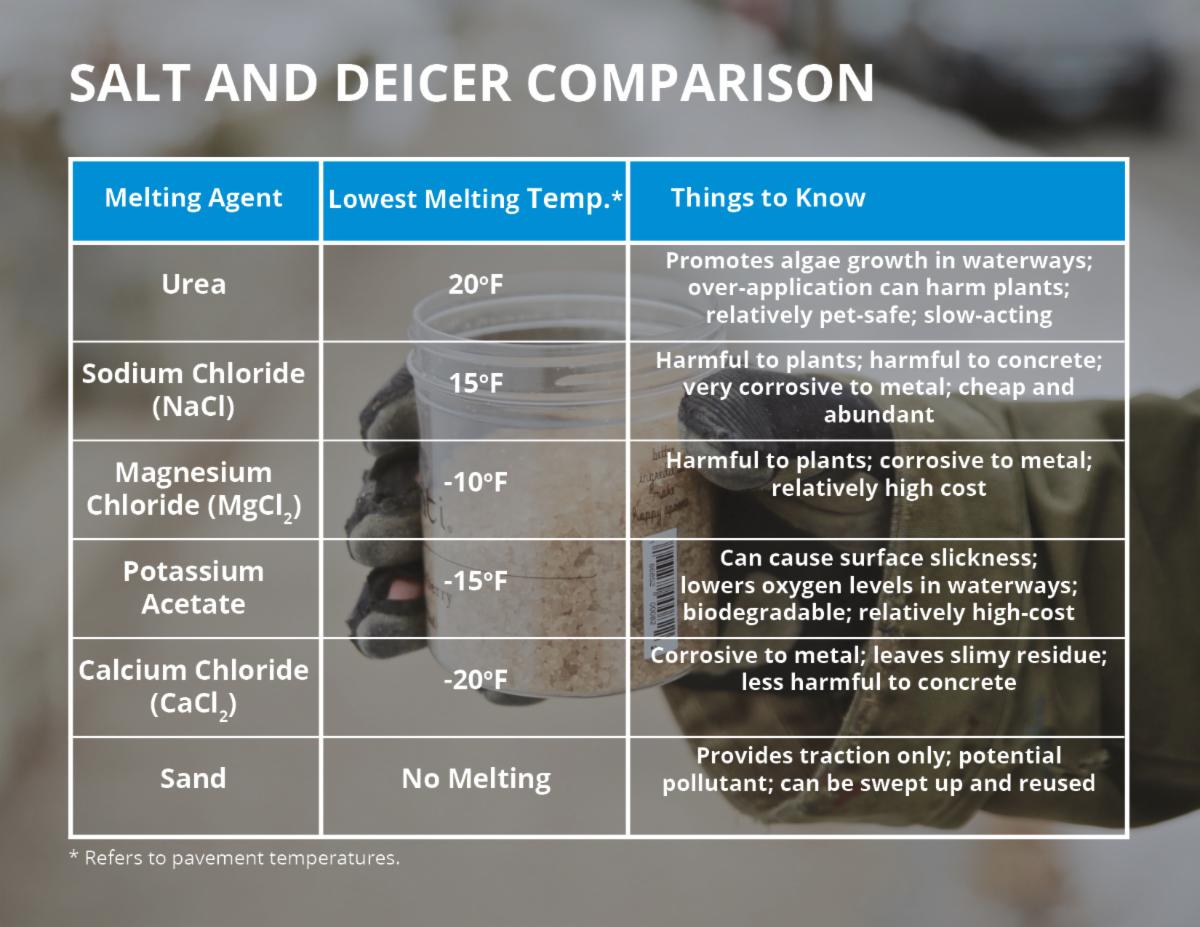
  • Double check the label on your salt or deicer product to make sure it will work before you apply it. Rock salt doesn't work below 15 degrees F.


How Much Salt to Use

  • More salt does not equal faster melting - just more pollution and wasted money.
  • Shoot for a 2-3 inch spread between salt granules. For $10-$20, a hand spreader can make the job easier and more accurate. To be more exact, try to apply no more than 1 pound per 250 square feet of pavement. Pro-tip: a regular-size coffee mug typically holds about 1 pound of salt.


Use Sand When it's Too Cold for Salt

  • Use sand when it's too cold for salt to work. Sprinkle just enough to provide traction on walkways. Sweep up any excess after the ice melts and dispose of in the trash or reuse so that it doesn't get carried into storm drains. Remember, sand pollutes too.


Check out this salt application calculator from the Wisconsin Salt Wise Program! Check out the comparison chart below of the different kinds of salts and deicers.

be salt smart road salt deicier
salt - too much
Too much!
Just right!

Winter Salt Week is

January 26-30!


Join the Izaak Walton League for daily webinars on how salt is affecting our waterways, and what you can do to help!


*NEW* Spread the word with Outreach Resources!


Feeling inspired to make a social media post on the monthly topic, send an article to your HOA for their newsletter, or add info to your non-profit's website? Backyard Conversation will now include these materials so you can spread the word!


Shop Our Annual Tree Sale!


Our annual spring tree and plant sale is open now! Place your orders by March 22 and pick up your order at our office on April 10 or 11. Please note, we might run out of certain species before then, so order sooner rather than later.


This year's sale features trees and shrubs that can stand up to difficult urban growing conditions like heat, compacted soil and salt!


Yardening Tips from Lonnie the Garden Gnome


Consider these winter "yardening" tips.


  • Practice "Salt Smart."
  • Keep storm drains clear of debris like leaves and litter and excess salt. Only rain down the drain!
  • Don't prune! Leave flowers and stems to provide winter food for wildlife and winter interest in your garden. If you're looking for a native plant with winter interest, consider planting Winterberry Holly!

Save the Date- Our organizational grant programs open February 1!


Is your business, organization or community group looking to install green infrastructure or plant trees? We may have a grant for you! We have three separate grant programs that open February 1. Join us for a virtual and in-person workshop February 4 at 6pm to learn more about each program and get any questions you have answered by our staff!

Question of the Month
Do you use salt at home? The road kind, not the table kind!

Get the Scoop with Nature Scoop


Want to learn more about backyard conservation, pollinators, and more? Read the latest edition of the monthly newsletter Nature Scoop by Toni Stahl, National Wildlife Federation Habitat Ambassador.


Nature Scoop January 2026 - Garden for Climate Action. Help Prevent Fires. Think Spring. Tips for Our Yards & More!


Learn more at www.nwf.org/certify and on Twitter/X @NatureScoopOhio

Franklin Soil and Water Conservation District | (614) 486-9613 | www.franklinswcd.org
Facebook  Twitter  Instagram  Linkedin  Youtube