We've rebranded! In order to better encompass the growing breadth of our work, we are going by Franklin County Conservation District.

Backyard Conversation

Connecting Community & Conservation

Managing Fall Leaves


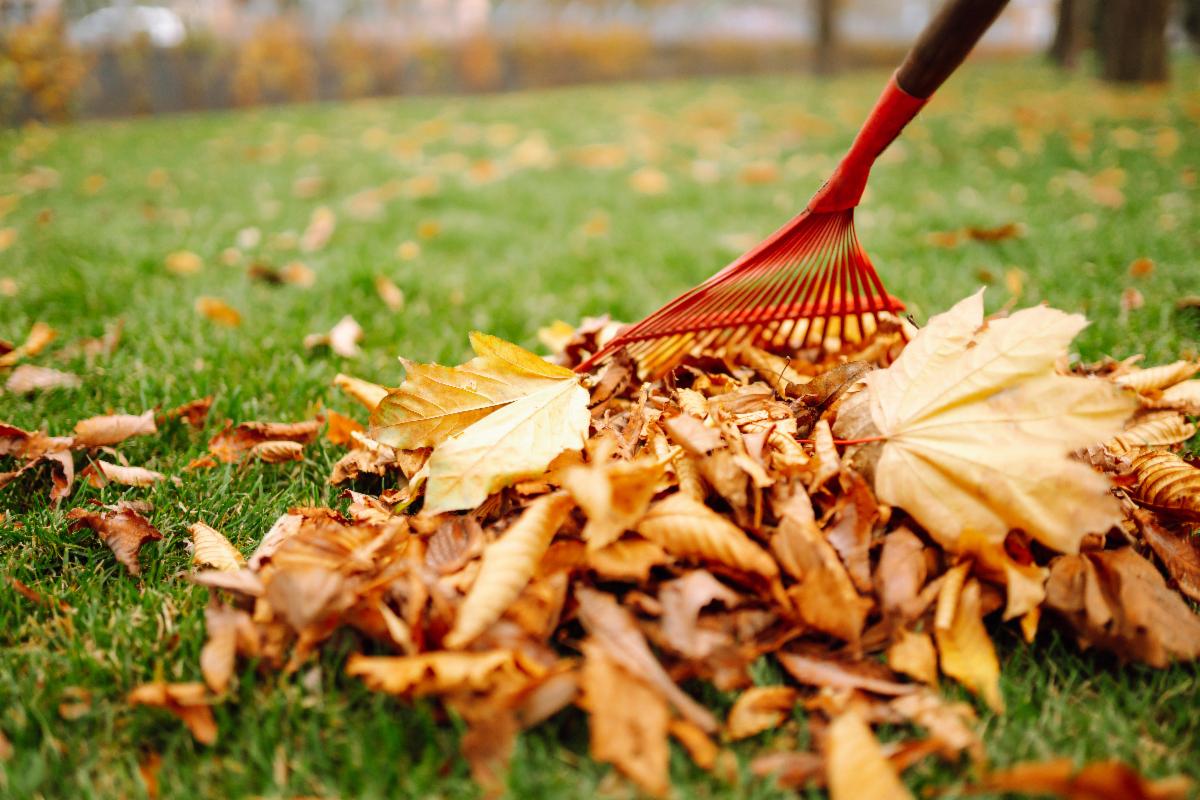
Get out and enjoy the fall colors this week, and then start to plan on what you'll do when all those pretty leaves fall! Generally, there are 3 ways to manage your leaves. Choose one, or use a combination depending on your time, ability and goals for your outdoor space.


  • Leave the leaves. This is our favorite thing to do since it protects declining insect populations and can save you money. Rake leaves around the base of the tree or into perennial garden beds to create a free fertilizing mulch. You can also collect leaves in a fenced area made of something like chicken wire to use them as "browns" in your compost. This helps preserve beneficial critters like overwintering butterflies, moths and fireflies.
  • Mulch 'em up. Use several passes of your mower to mulch leaves into dime-sized pieces and simply leave them on your turf. The smaller sized leaves will break down by spring to feed your lawn.
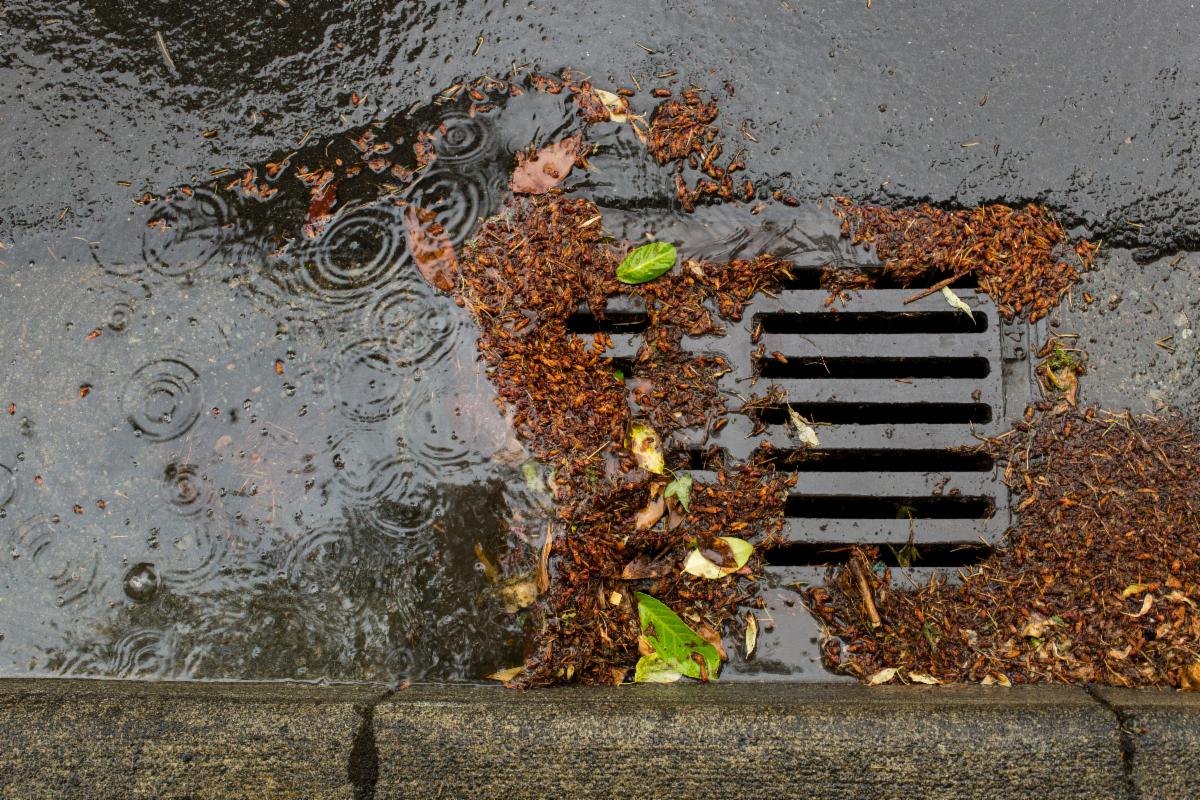
  • Bag them or place them in the right of way depending on requirements for your municipality's pickup. Place leaves in the grass right of way 3 days or less before pickup to prevent lawn discoloration. NEVER put leaves in the street where they can cause water pollution.


How Leaves & Lawn Care Affect Water Quality

Leaves are full of nutrients that can be a free fertilizer for your lawn and garden. Nutrients are great for your soil, promoting plant growth, but they do not belong in waterways. In waterways, nutrients choke out oxygen available for fish and contribute to algae growth.


Why Leave the Leaves

Leave the leaves and grass clippings on your lawn. It saves you time, puts nutrients back into the soil, provides insects with habitat and food during the cooler months! If don't want to leave big piles of leaves on your lawn, you could rake some and leave some. It is not necessary, but you can mulch them with your lawn mower. Mulching them into smaller pieces will break down the leaves down faster.

Adopt Your Local Storm Drain


One small change you can make is to adopt your local storm drain. Check on it regularly and remove any trash, leaves, and debris from the top of the drain. An easy way to build a routine and remember is to check it when you take your trash or recycling to the curb.


Safety Tips: Do NOT reach into the drain; you never know if Pennywise or a pesky raccoon is lurking in the drain. Watch your surroundings, keeping an eye out for traffic and hazards.


Storm Drain Clogged or Not Draining? If your storm drain is not draining or clogged up and causing flooding, do not attempt to fix it yourself. Please contact your municipality's 311 service or stormwater department to request a maintenance check. It is common for them to get plugged up with debris and need to be cleaned out which is why adopting your local storm drain can help prevent this from happening.


Bonus Tip: Fall Is For Fertilization

If you want to fertilize your lawn, fertilize your lawn in the fall. University research shows fall fertilization is the best for growing healthy lawns with vigorous root systems. Too much or misplaced fertilizer can hurt your grass or cause water pollution, so pick the right kind and keep it on the grass and off driveways, sidewalks, and roads. Remember that more fertilizer applied does NOT equate to a better result. Before purchasing fertilizer, do a soil test to see what nutrients your lawn needs, so you can purchase the right product and only apply what is needed. You can get a soil test from OSU Franklin County Extension.


Spread the Word about Fall Leaf Management with Outreach Resources!


Make a social media post on the monthly topic, send an article to your HOA for their newsletter, or add info to your non-profit's website with our outreach resources!


Start thinking about 2027 grant projects

CBY business rebate

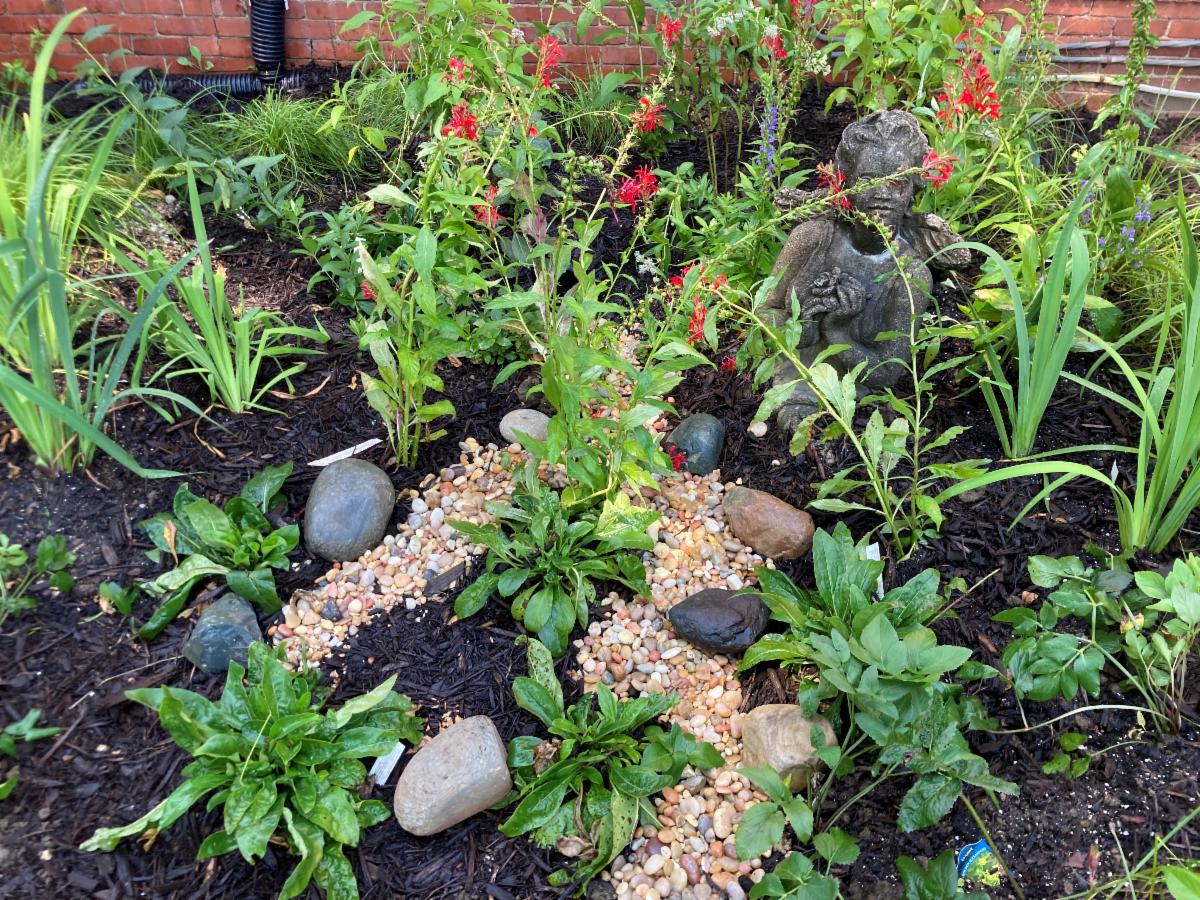
Has your business or organization thought about installing a rain garden, planting trees, or implementing another type of green infrastructure? Now is the time to start thinking about our grants to support these projects!


Have an idea for a project but need to iron out the details? We're here to help! Our team is happy to help with working through ideas or narrowing down details. Contact Madison Wisniewksi for assistance.


It's the perfect time to remove invasive plants!

As nighttime temperatures drop, plants consistently send nutrients and energy down to their root systems. That means if you cut down or hack and squirt tough-to-kill invasive trees and shrubs and treat them with herbicide this time of year they are more effectively killed. Woody invasive plants can also be easier to spot this time of year, since they tend to remain green longer than most of our native plants!


Check out the video to the right about how to remove invasive bush honeysuckles safely and effectively.


Upcoming Events

Our event season has wrapped up for 2026! Thank you to everyone who came out to see us at over 60 community events this year. We can't wait to see you around the County in 2027!


Get the Scoop from Nature Scoop


Want to learn more about backyard conservation, pollinators, and more? Read the latest edition of the monthly newsletter Nature Scoop by Toni Stahl, National Wildlife Federation Habitat Ambassador.


Nature Scoop November 2026 - https://mailchi.mp/cf2adae6f7b0/nature-scoop-november-2026

Invasive Plants, Fall Leaves and More!


Learn more at www.nwf.org/certify and on Twitter/X @NatureScoopOhio


Facebook  Instagram  LinkedIn