|
Backyard Conversation
Connecting Community & Conservation
| | |
Proper Lawn Care Practices Protect Our Streams
Why do we care about lawns? Healthy lawns benefit our streams because they absorb more water during rain storms, prevent erosion, require less fertilizer, and are less likely to require pesticide and/or herbicide application than unhealthy lawns.
|
About Watering
1. To water or not to water? It is important to make a decision about whether or not you’ll provide regular watering for your lawn to keep its green color, or let it go dormant in the summer. Dormancy is best suited for well-established lawns rather than new or heavily trafficked lawns. Residents in new developments where topsoil has been removed may want to keep their lawns watered.
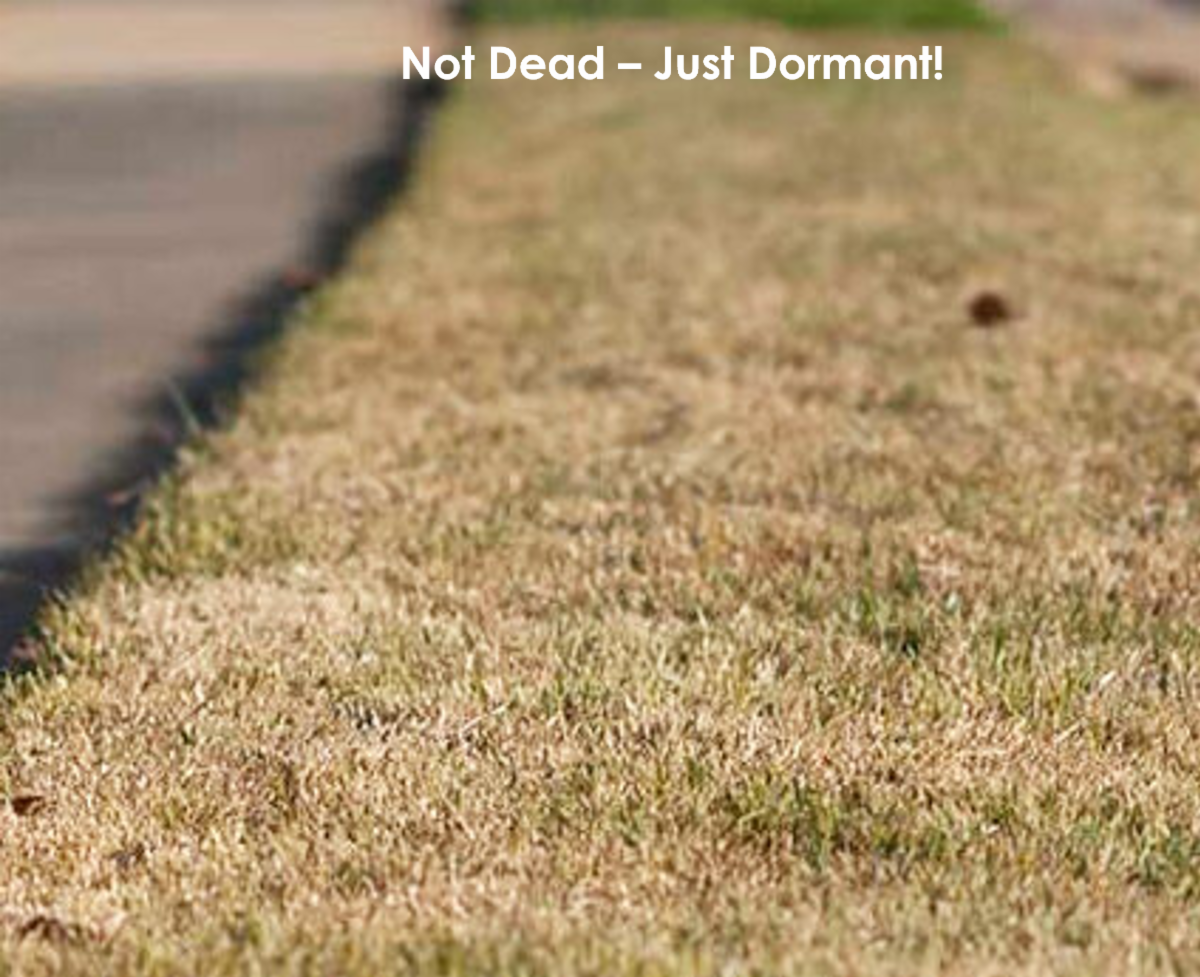
2. Dormant grass is not dead. Turf grasses are cool-season plants designed for dormancy when water is scarce, though they may look ugly and brown. After 4-6 weeks of no rain, even dormant grass needs to be watered. Watering it seldom and deeply will keep the roots alive without causing the grass to green up. This encourages deeper roots that are more drought-tolerant.
3. How and when you water matters. Overwatering is more of a problem for homeowners than is under- watering. Too much irrigation deprives plant roots of oxygen, and can contribute to water pollution when fertilizer is washed away before grass is able to use it. Grubs will enjoy laying eggs in your damp lawn too! Watering deeply in the morning when water is needed and less likely to evaporate is ideal.
|
Mow High and Let It Lie
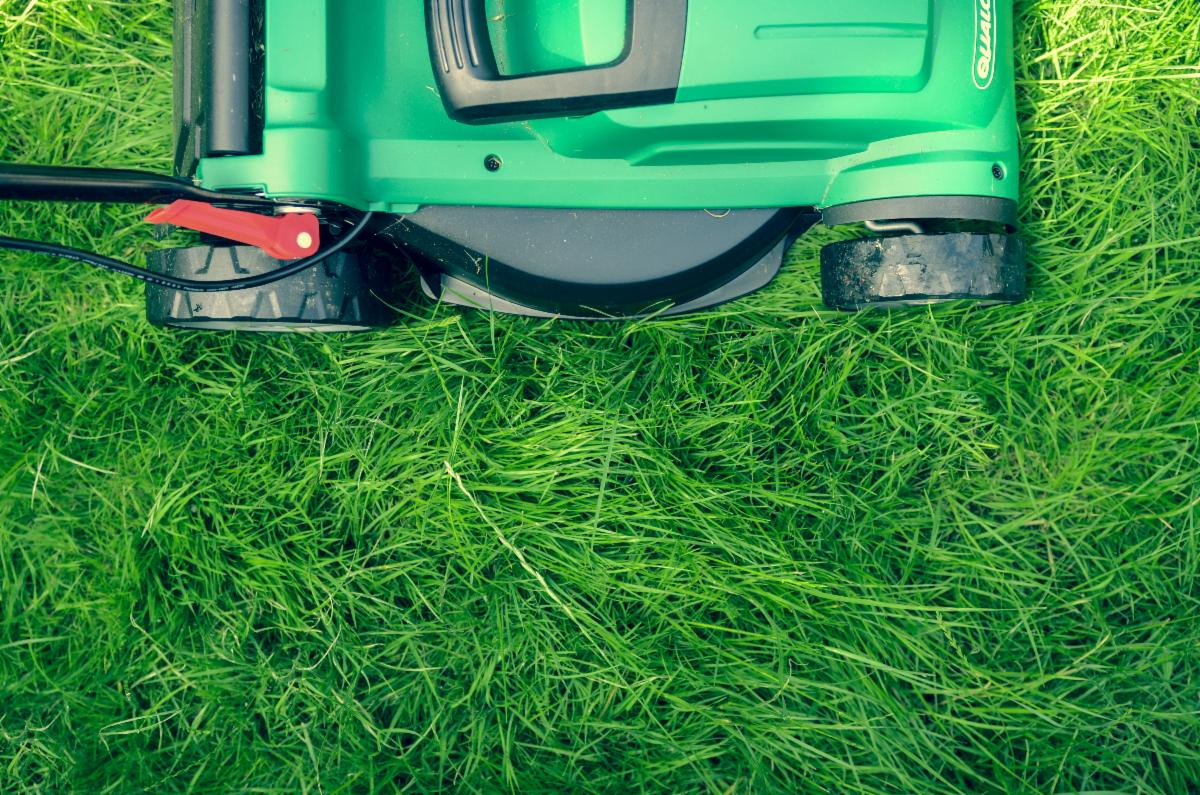
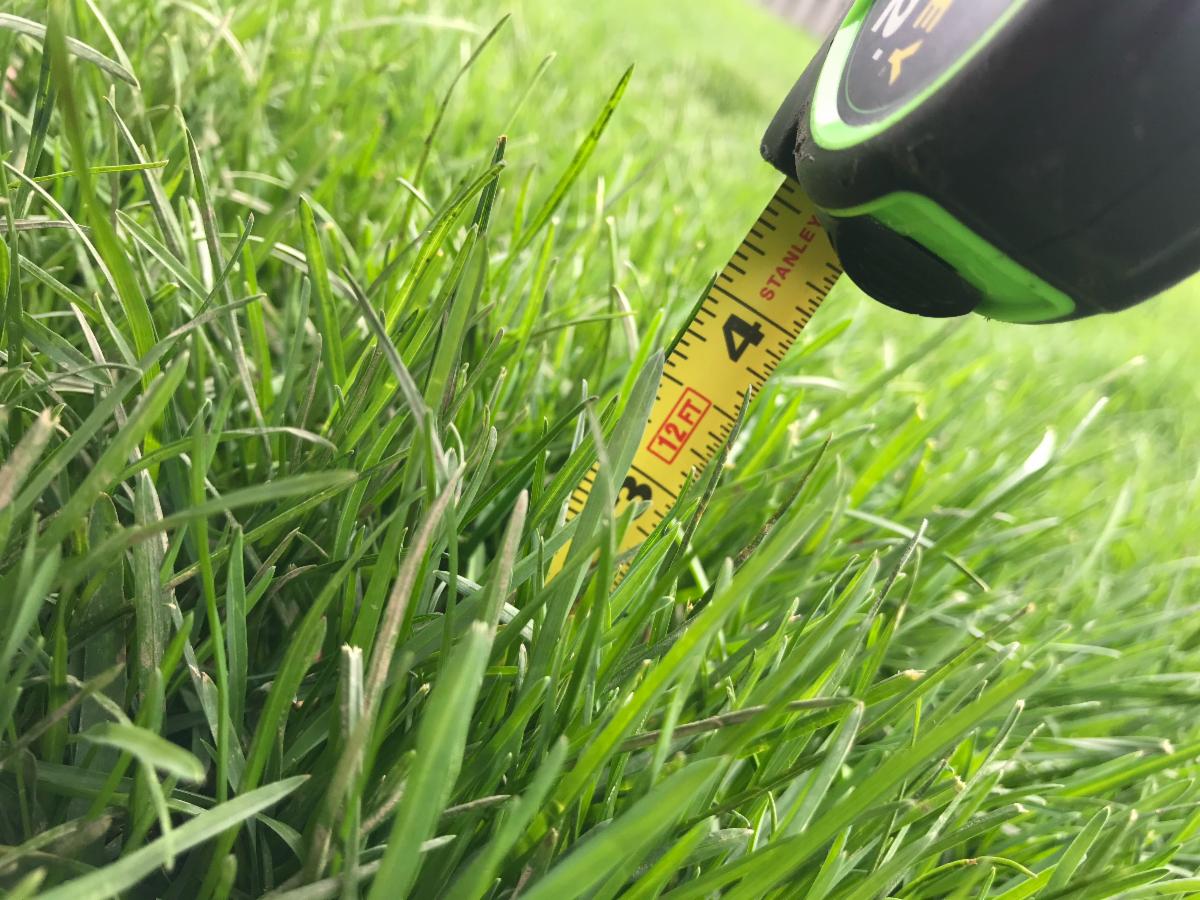
Keeping your grass a little taller at about 3” in the summer reduces soil temperatures, preserves moisture, prevents weed germination, and helps maintain turfgrass quality. Grass that’s cut too closely is easily stressed, causing it to brown more quickly than longer grass. Leaving the grass clippings on your lawn recycles nutrients and helps retain water. Grass in our storm drains pollute our water, and provide nutrient-rich “food” for algae- so keep that mower aimed away from the street, and be sure to clean up after yourself!
| |
Want Less Lawn?
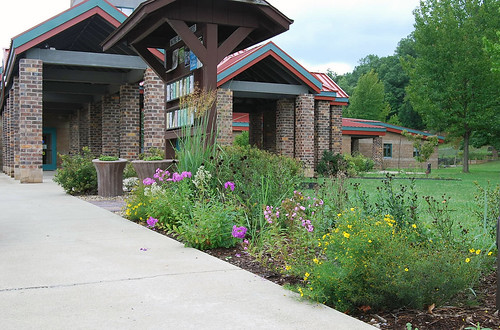
We get it! Removing turfgrass and planting native plants in its place creates habitat, increases infiltration of stormwater, and can reduce air pollution if you're using a gas-powered mower. There are 3 main ways to remove turf before planting, and there are pros and cons to each method.
-
Smothering- Smothering with cardboard*, plastic, compost, wood chips, and/or mulch takes some patience, but has low impact on overall soil health. Check out Ohio Native Plant's guide to smothering to create a new garden! Be aware that certain cardboards may impact soil health.
-
Manual Removal- Since turf roots are usually only 3-4" deep, you can use a shovel or a sod cutter to physically uproot the grass. Sod cutters may be available to rent from a local hardware store. Shoveling turf grass works best for small plantings.
-
Chemical removal- This should be a last resort if you have stubborn weeds, or an area much too large for the previous methods. This Prairie Nursery fact sheet provides a schedule and advice on using herbicide to prepare a site, as well as additional info on smothering and sod cutting.
Once your site is prepped, Learn how to:
Plant potted perennials
Plant native perennial seeds
| |
Lawn Alternative Questions
-
When is the best time to plant? It's a good idea to give your site at least 6 months of preparation with your removal method of choice. This helps exhaust the weed seed bank. Spring and fall are the best time to plant potted perennials, as the heat of summer can be stressful to newly planted plants. Perennial seeds are best to sow on a prepared site in fall or winter since many native perennial seeds need the cold, wet conditions of winter to sprout in the spring!
-
What needs to be done to make sure the native plants thrive and other plants do not? Exhausting the seed bank with long site prep will help you start on the right foot! Weeds will continue to pop up in any new landscaping bed. Be patient and give plants time to grow to the point where you can identify them before pulling to make sure you don't pull your native plants. In smaller plantings you can flag desirable plants. Over time you will learn what should be in your garden and what shouldn't. Research to figure out how specific problem weeds reproduce so you can figure out the best way to remove them.
-
Can community guidelines impact my turf conversion? Yes! Municipal zoning laws, HOA rules, condo community guidelines etc. can impact a perennial garden bed development. Each of these entities has different rules, so the best thing you can do is reach out to obtain rules and/or permission before planting a new bed.
-
What native plants are durable for foot traffic when replacing turf? Turfgrass is the only plant that provides all the benefits of turfgrass. Our native grasses and sedges have clumping habits that are not soft to walk on. While some native plants like Pussytoes (Antennaria sp.) and Violets (Viola sp.) are soft and hardy underfoot, they seldom create the broad mat that turfgrass does, and a path made of these species will be subject to erosion when these plants go dormant in winter months. Leaving some turfgrass for pets, paths, or children's play areas is advisable to control erosion while handling heavy foot traffic. Think of lesser-used areas like corners or wet spots to remove turfgrass from.
Lawn Alternative Tips
-
Choose the right plants for the right place. There are native plants for every situation: sun, shade, dry soil or wet. Take time to learn about your site, and don't get frustrated if plants die! Try to figure out why and adapt by choosing a better suited plant, putting up fencing to deter herbivores, etc.
-
Start small. Backyard Conversation reader, Catherine, says "It is a good idea to convert lawn to native beds or meadows in stages. Do a section each year. Easier on the budget and less labor intensive." Start with corners, wet areas, or other areas where it's inconvenient to mow, or where grass already isn't growing well.
|
| |
Spread the word with Outreach Resources!
Make a social media post on the monthly topic, send an article to your HOA for their newsletter, or add info to your non-profit's website.
| | Franklin SWCD Receives Program Excellence Award | | |
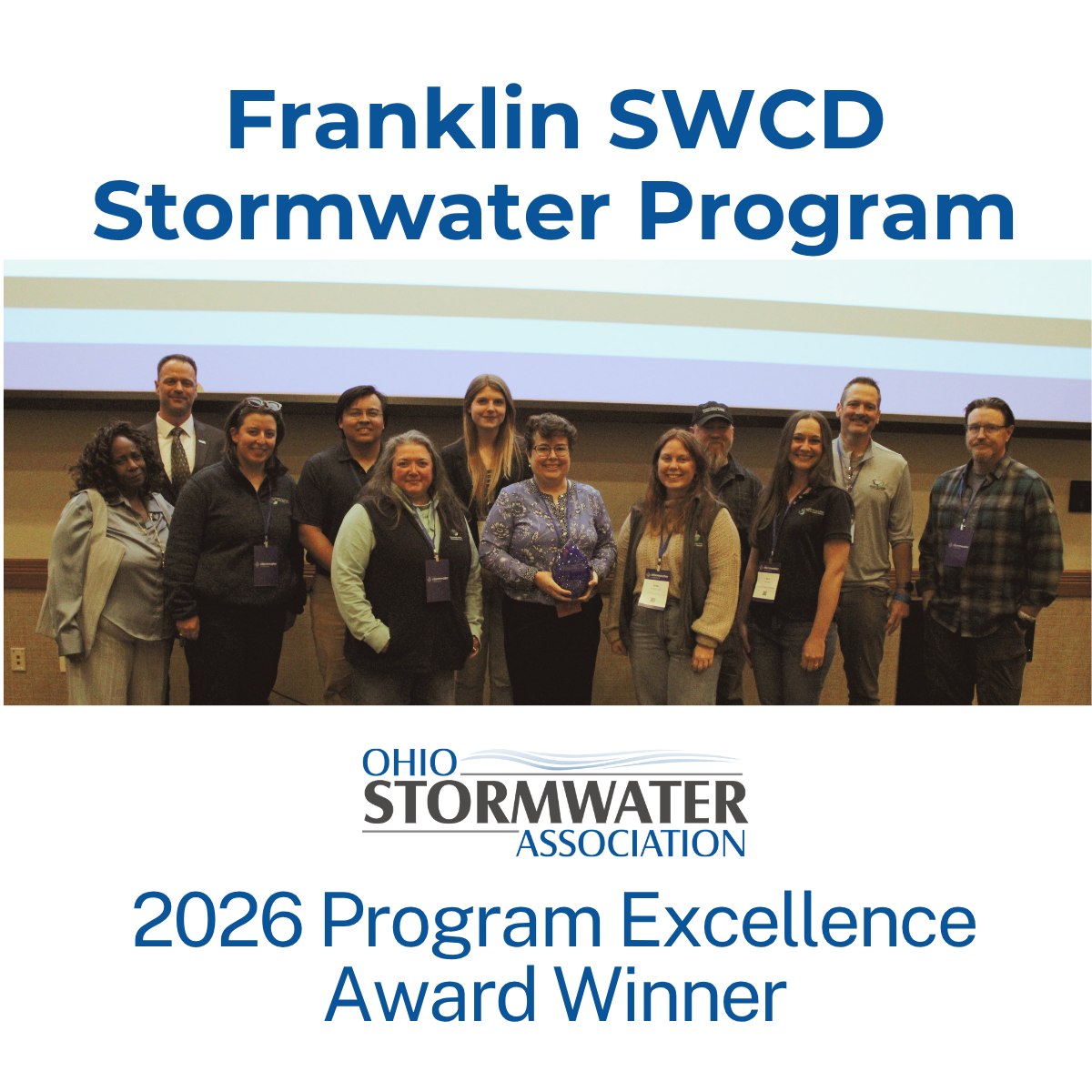
Our Stormwater Program won the 2026 Program Excellence award at the Ohio Stormwater conference this year! All staff at the conference went up to accept the award, because our program wouldn't be what it is without the dedication of our entire staff. From landowner outreach to construction site compliance, we pride ourselves on our ability to keep Franklin County's water clean by way of the MS4 permit.
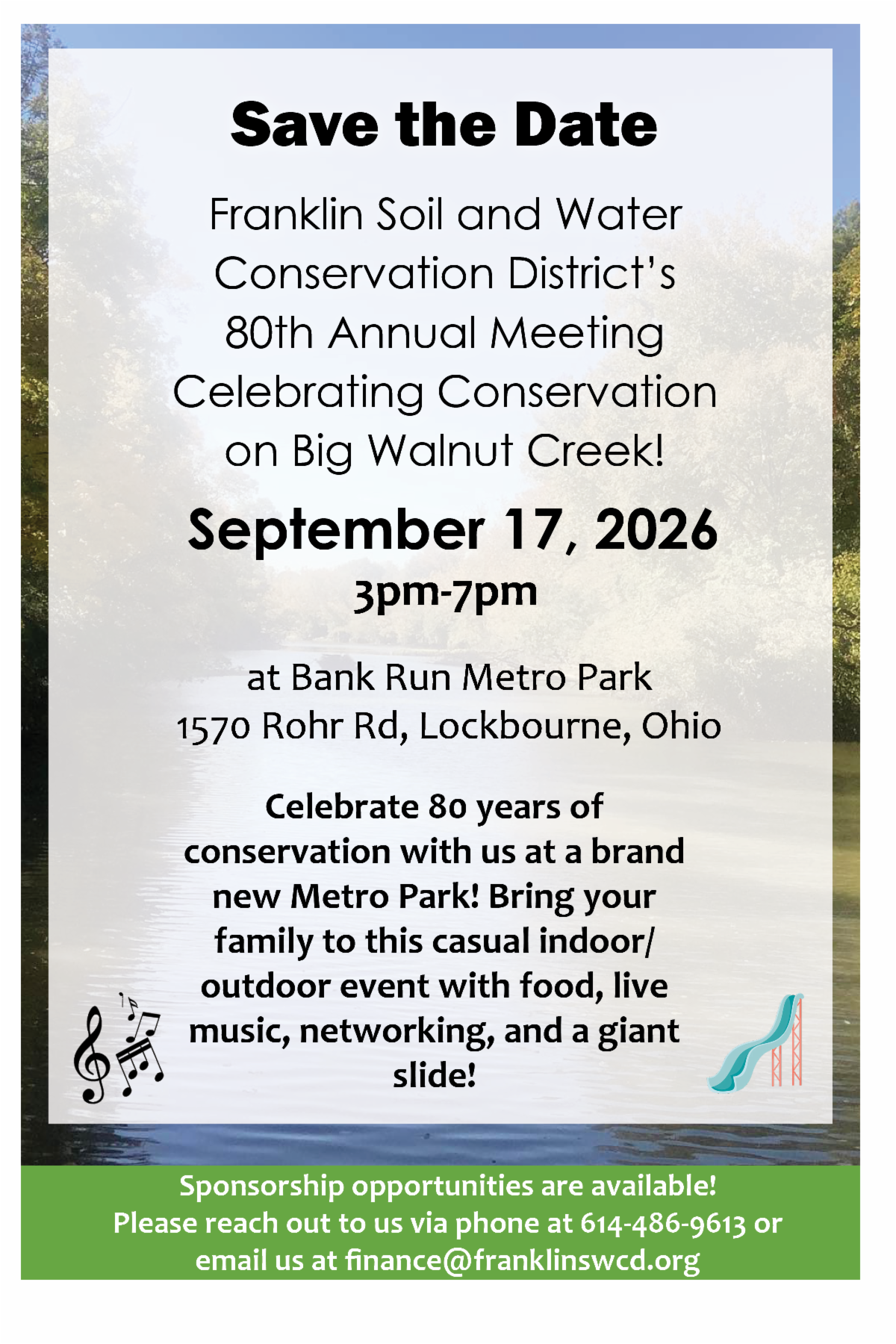
| | Save the Date for our Annual Meeting- September 17! | | It's Dry Weather Screening (DWS) Season! | | | | |
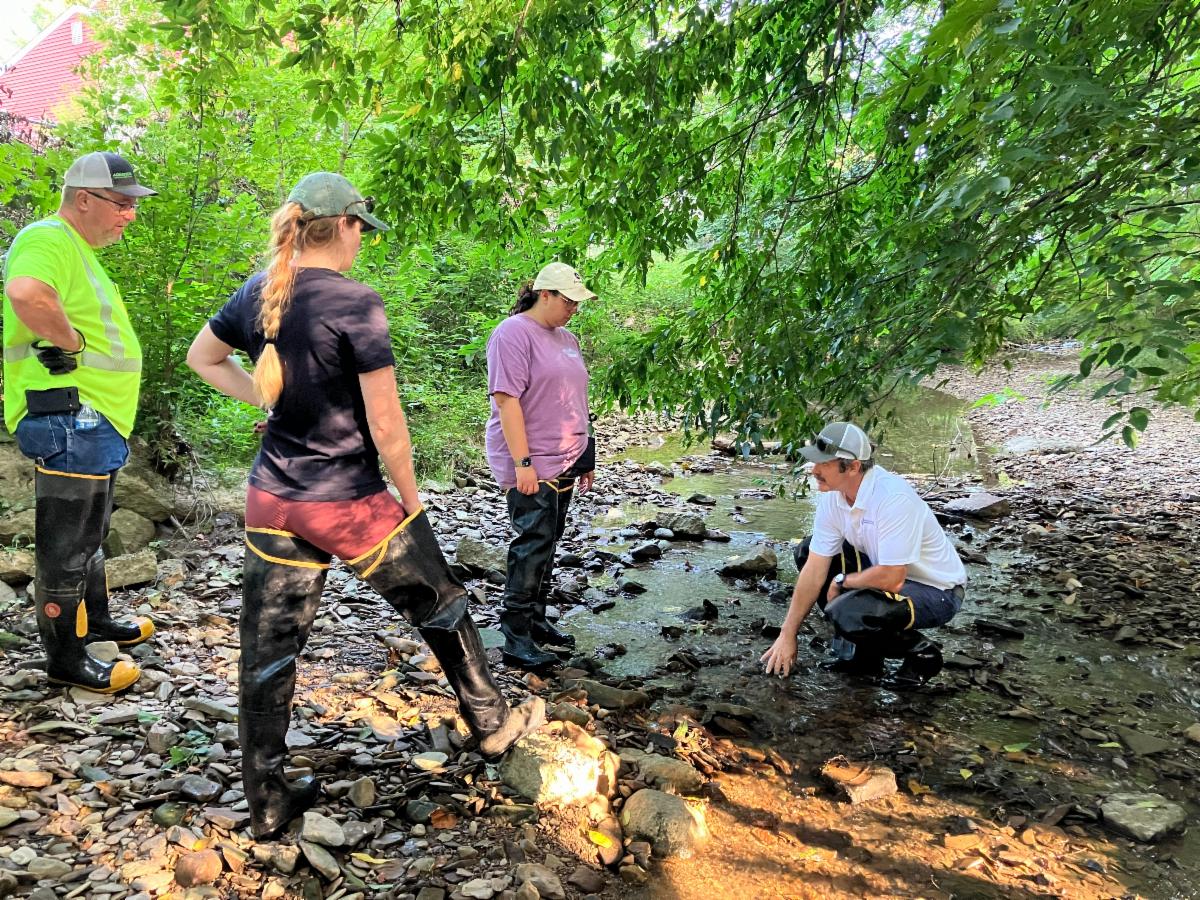
Over the next few months streamside residents may get a postcard from us stating we'll be stopping by for a visit. Each year our GIS team assists municipalities by checking on hundreds of storm sewer outfalls around the county, some of which are on private property. We perform these checks during dry weather, because if there's any fluid running out of the pipe, we can be pretty positive that it's NOT rain. Fluid in pipes in dry weather tends to be some type of pollution like a failing septic system, misdirected sump pump, or an instance of illegal dumping.
| | New Draft Small MS4 Permit Available for Public Comment | | The Ohio EPA has released a draft of the new Small MS4 (Municipal Separate Storm Sewer System) permit, and will be accepting public comments on it until August 4,2026. A hearing will be held in-person and virtually on July 28th, 2026, at 1:30pm at Ohio EPA on Town St. Our staff has created a tentative summary document of the changes and how we predict this will affect Franklin County MS4s. This document is educational and not intended to be comprehensive of all changes within the permit or the intent behind those changes. If any part of this document conflicts with OEPA guidance, please rely on OEPA permits and fact sheets for accurate information. View the document by clicking the button below! | | |
|
Get the Scoop from Nature Scoop
Want to learn more about backyard conservation, pollinators, and more? Read the latest edition of the monthly newsletter Nature Scoop by Toni Stahl, National Wildlife Federation Habitat Ambassador.
Nature Scoop June 2026 - https://mailchi.mp/344fe6abe1dd/nature-scoop-june-2026
Migratory birds, trees & More!
Learn more at www.nwf.org/certify and on Twitter/X @NatureScoopOhio
| Our Company | Contact Us | FAQs | Privacy Policy |
| | | |